Languages
15Himeji Castle Audio Guide
Himeji Castle is a landmark in Himeji, Japan. Explore it with Stanza's GPS-triggered offline audio guide — available in 15 languages.
Quick Facts
32
Stops
15
Languages
100%
Offline
📍 Himeji, Japan · 34.8394°N, 134.6936°E
About Himeji Castle
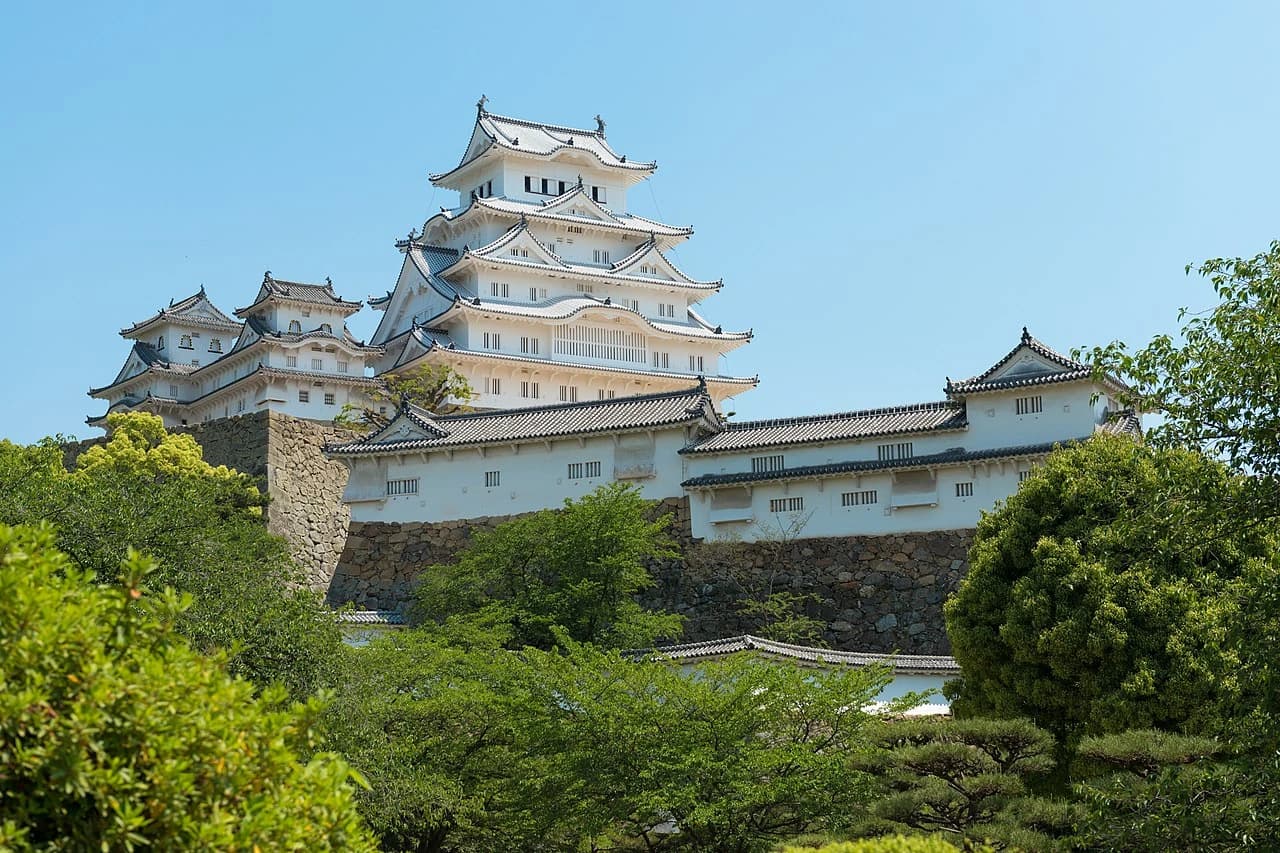
Himeji Castle is an iconic Japanese castle complex, renowned for its elegant white exterior and well-preserved structures. It is a UNESCO World Heritage site, considered one of Japan's most beautiful original castles.
Himeji Castle is also known as Shirasagi Castle, Hakuro Castle, White Heron Castle, White Egret Castle, and 2 other names in various languages.
This self-guided audio tour features 32 narrated stops organized across 6 sections, including The Hishi Gate, Walls of Death: Sama and Ishi-otoshi, Foundations and the Old Widow's Stone, The Armoury and Corridors, The Tenshu-gun: A Connected Masterpiece, Sangoku-bori: The Reflection of Resilience. As a castle, Himeji Castle offers a unique cultural experience in the heart of Himeji, Japan.
The Stanza audio guide is available in 15 languages and works entirely offline — download the complete tour including audio narration, maps, and images before your visit. As you walk through Himeji Castle, GPS-triggered narration plays automatically at each point of interest.
Last updated:
What you will hear
The Hishi Gate
Focuses on the largest and most ornate gate, serving as the entrance to the inner sanctum. Highlights the diamond crest and black lacquer detailing.
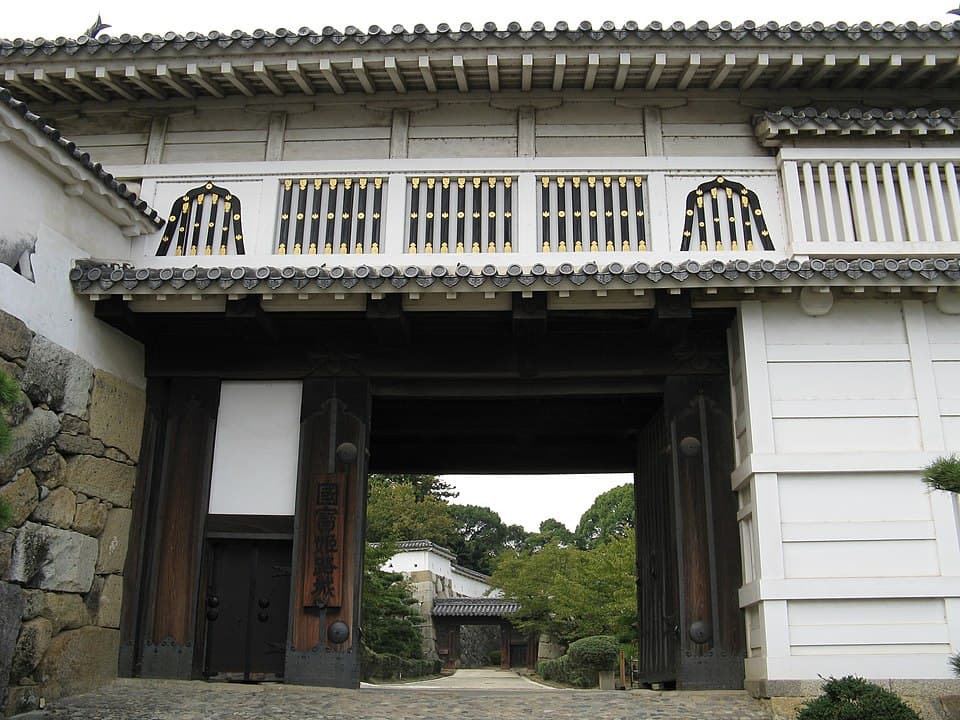
Hishi Gate Close-up
Examining the Hishi Gate more closely, the level of craftsmanship becomes even more apparent. Himeji once boasted eighty-four gates throughout its tiered defenses, but today only twenty-one remain. This gate is the largest of them all, standing as a monumental testament to the scale of the 1609 reconstruction. Notice the precision in the timber joinery and the way the heavy roof tiles are meticulously layered and sealed with white plaster. These details are characteristic of the Momoyama-style, an era of Japanese art and architecture known for its grand, robust, and often lavish designs. This style was intentionally used by the Ikeda clan to signal their immense political influence and military dominance following the pivotal Battle of Sekigahara. Every beam and tile was a statement of their ability to command resources and the finest artisans of the day. The gate's massive pillars are anchored deep into the stone foundation, ensuring it could withstand both the elements and the rigors of a siege. It is not just an entrance, but a surviving masterpiece of early 17th-century engineering.
Walls of Death: Sama and Ishi-otoshi
Highlights the 1,000 defensive loopholes (sama) and the stone-dropping windows. Explains the geometric shapes used for different weapons.
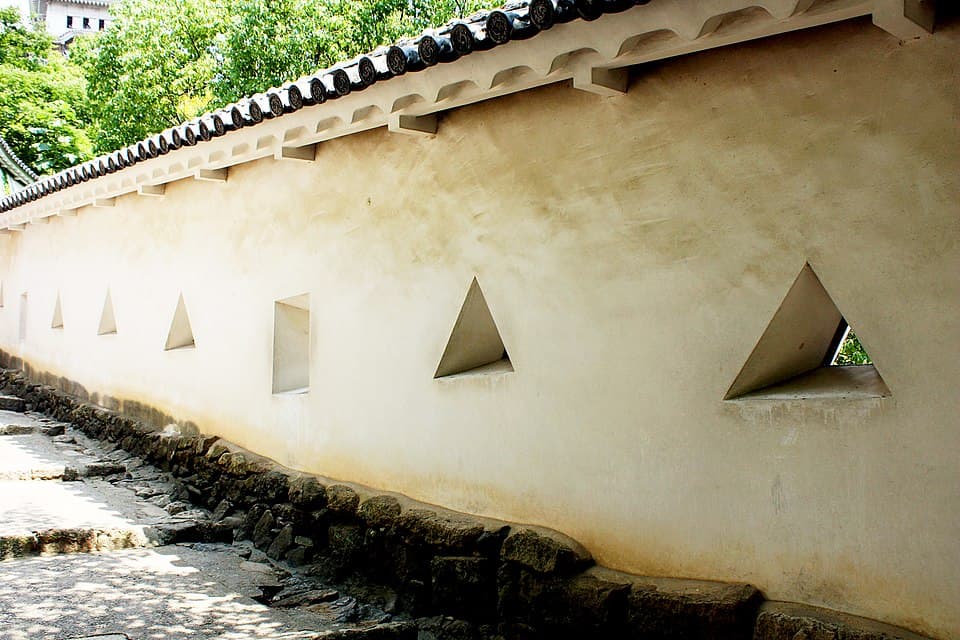
Walls of Fire
The walls flanking these steep climbing paths are masterpieces of defensive engineering. Their primary purpose was to ensure that any intruder was under constant surveillance and subject to fire from multiple angles simultaneously. Notice how the loopholes are positioned to overlap, creating "kill zones" where no attacker could find cover. The construction of these walls is as impressive as their layout. They are not solid stone, but rather a sophisticated composite of heavy timber frames filled with layers of packed earth and then finished with multiple coats of white fireproof plaster. This multi-layered approach made the walls exceptionally resilient against the weapons of the day, including heavy musket balls and fire arrows. The plaster served as a vital shield for the flammable wooden skeleton beneath. As you walk along these incline paths, you can feel the oppressive weight of the defenses. Even if an enemy force managed to break through a gate, they would find themselves trapped in these narrow corridors, hemmed in by fire-resistant walls that transformed the very geography of the hill into a deadly obstacle course.
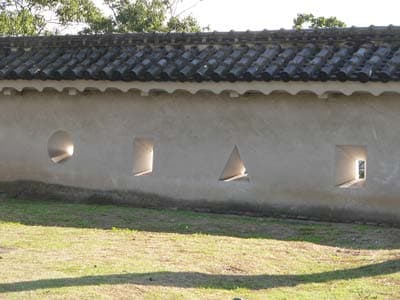
Defensive Loopholes
Look closely at the walls lining the path, and you will see numerous openings of different shapes. These are known as 'Sama,' or defensive loopholes, and there are approximately 1,000 of them throughout the Himeji complex. Their geometric variety is not for decoration but for tactical efficiency. The circular and triangular openings were specifically designed for gunmen using matchlock muskets, providing a narrow aperture that protected the shooter while allowing a wide field of fire. In contrast, the square openings were intended for archers, giving them the vertical space needed to aim and release their arrows. These loopholes allowed defenders to rain fire down upon attackers from the absolute safety of the thick, plastered walls. Because the walls are built with a core of earth and wood, they were incredibly resistant to incoming projectiles. From the outside, these small holes were difficult targets for attackers to hit, yet from the inside, they offered a clear and lethal view of the winding paths below. This system turned the entire castle into a massive, multi-tiered firing platform, ensuring no part of the grounds was truly safe for an invader.
Foundations and the Old Widow's Stone
Explores the 'Fan-Shaped' stone walls and the legend of the millstone donated by an old woman during construction.
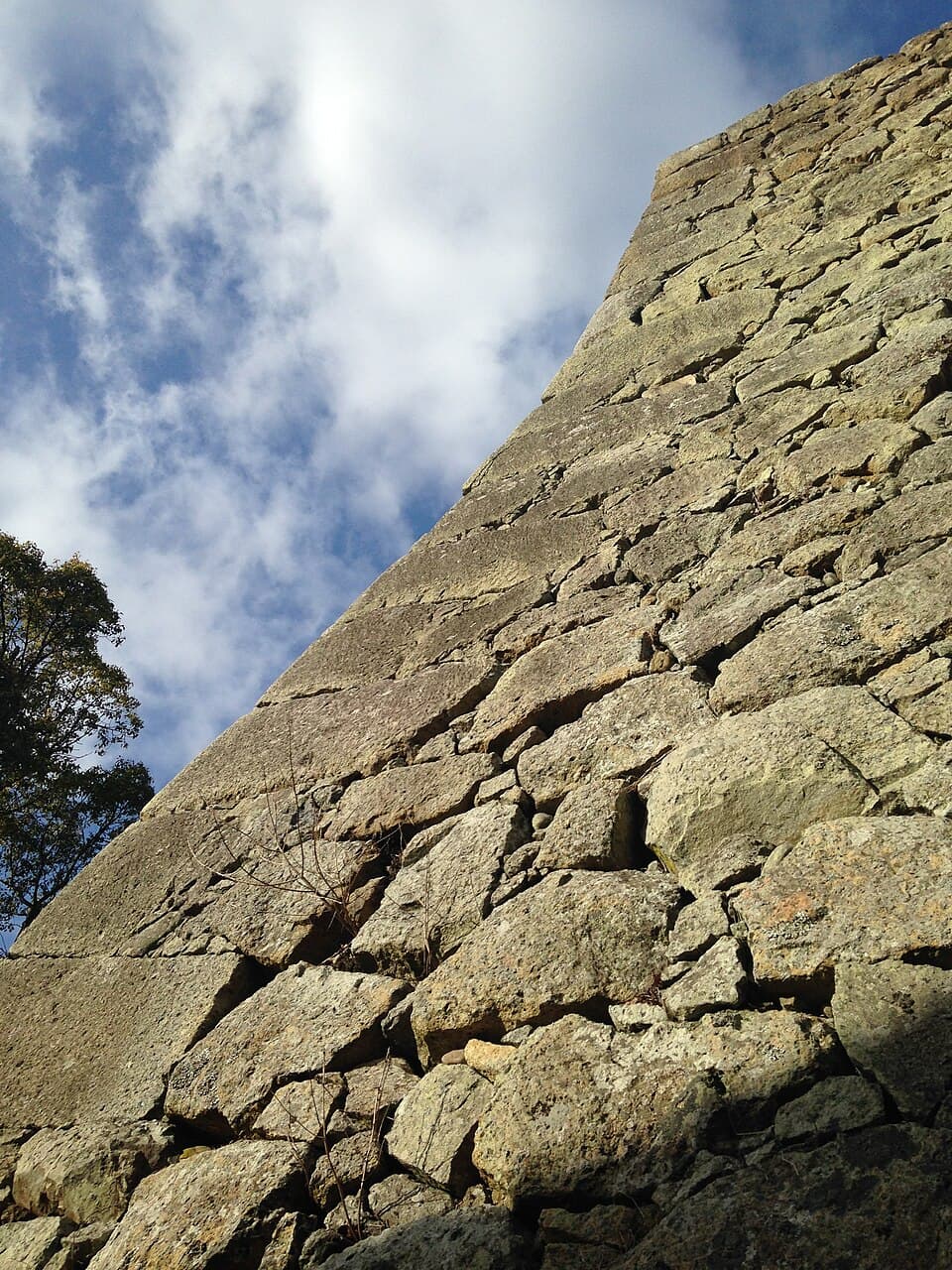
Fan-Shaped Walls
These remarkable stone foundations are known as 'Ogi-no-kōba,' or fan-shaped walls, named for their elegant outward curve that resembles an open folding fan. While they are beautiful to look at, their primary function was strictly defensive. The curve begins with a relatively gentle slope at the base but gradually steepens until it becomes perfectly vertical at the top. For a samurai attempting to scale these walls in heavy armor, the climb would start out possible but quickly become impossible as they reached the summit, where they would be hanging precariously and exposed to the defenders above. The walls were constructed using the 'Nozura-zumi' technique, where unhewn, natural stones of various sizes were carefully stacked without mortar. This method allowed for excellent drainage and flexibility during the frequent earthquakes that strike Japan. Larger, flatter stones were used at the corners to provide stability and create a sharp, clean edge. These foundations raise the castle keep high above the surrounding landscape, providing not only a physical barrier but also a commanding psychological presence over the entire valley.
The Armoury and Corridors
Steps inside the wooden structure to see the weapon racks and interior defensive hallways of the lower floors.
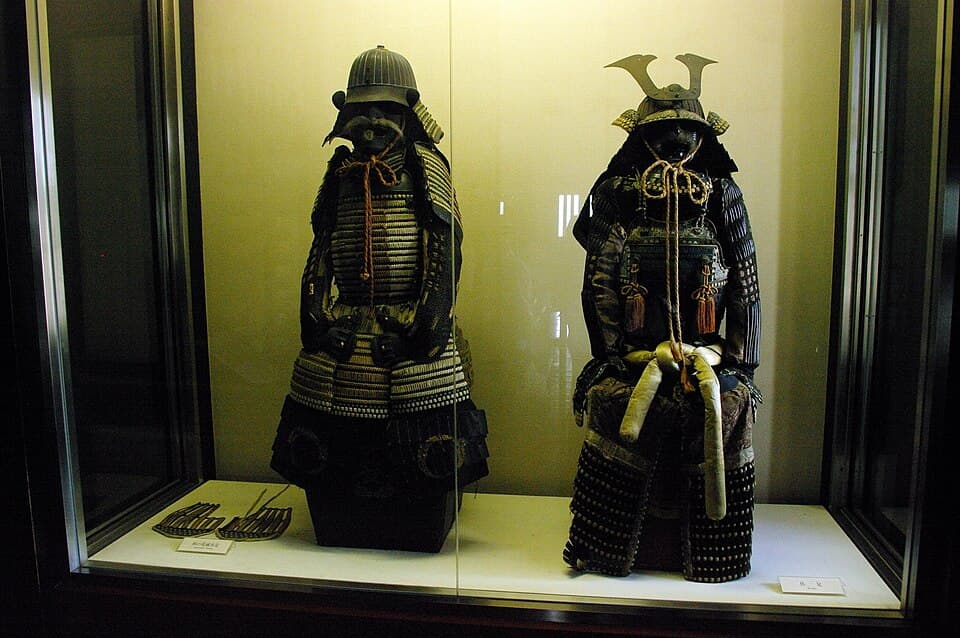
Samurai Armor
These imposing suits of samurai armor provide a glimpse into the lives of the warriors who called Himeji home. While the castle is a masterpiece of defensive engineering, it was also a bustling city in its own right, serving as the administrative and political heart of the surrounding province. Hundreds of samurai lived within the castle walls, spending their days training in martial arts, studying literature, and performing the bureaucratic duties required to run a feudal domain. For these men, the castle was a symbol of their status and their unyielding loyalty to their lord. The presence of such high-quality equipment also served a strategic purpose: it was a visible manifestation of the daimyo’s prestige and military capability. Any rival lord visiting Himeji would be left in no doubt about the strength of the forces stationed here. The armor itself reflects the aesthetic of the period—functional and lethal, yet decorated with family crests and intricate details that spoke to the wearer's lineage. It serves as a bridge between the castle as a stone machine and the human beings who dedicated their lives to its defense.
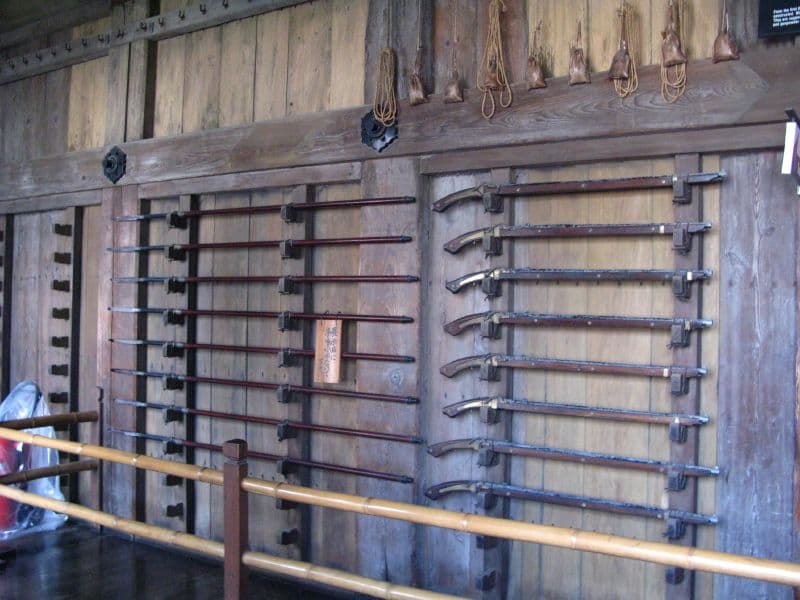
The Armoury
Inside the corridors of the keep, you will find long wooden racks built directly into the structural beams. This was the castle’s armoury, where hundreds of weapons were kept ready for immediate use. Standing here, you can almost sense the tension of a garrison on high alert. These racks mark a significant period of change in Japanese history: the transition from 'Yari,' or long spears, to 'Tanegashima,' the matchlock muskets that revolutionized warfare in the 16th century. Himeji was specifically designed to accommodate this new technology. Many of the corridors were widened to allow soldiers to move quickly with firearms, and the 'Sama' loopholes we saw outside were positioned at the perfect height for a soldier to fire a musket while standing or kneeling. The presence of these racks served as a constant reminder of the castle's true purpose. Even during the long years of peace under the Tokugawa Shogunate, the armoury was meticulously maintained, ensuring that the lord's military might was always on display to anyone granted access to these inner rooms.
The Tenshu-gun: A Connected Masterpiece
Explains the unique 'connected' style where the Main Keep is joined to three subsidiary keeps by roofed corridors (Watariyagura).
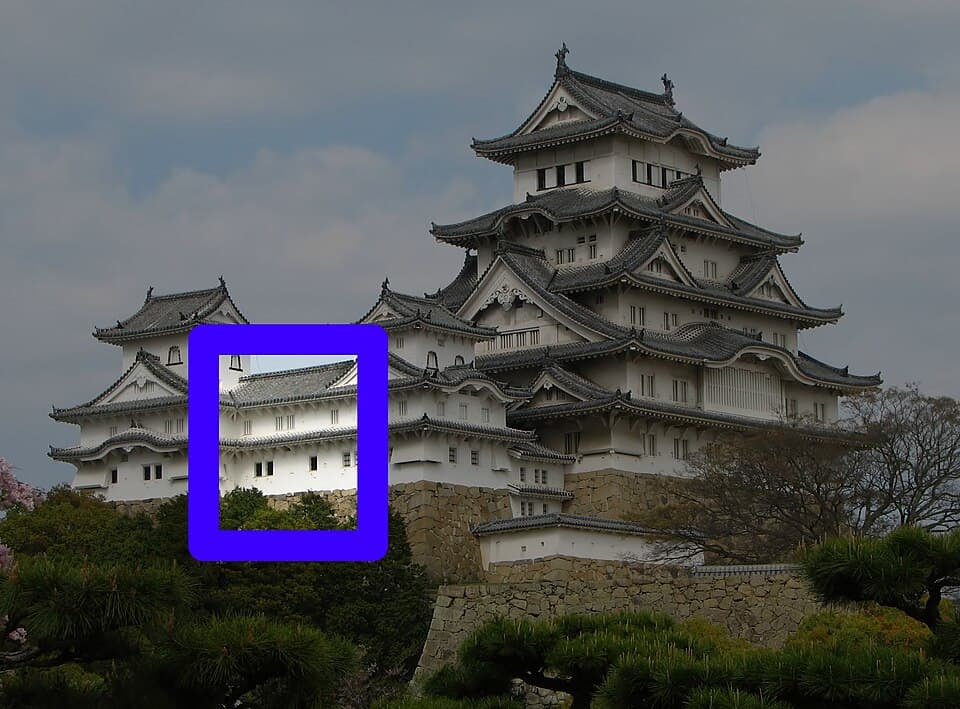
The Connecting Hallway
The hallways you see connecting the various towers are known as "Watariyagura," or roofed corridors. While they might appear to be simple walkways today, during a siege, they served a vital military function as defensive galleries. These long, timber-framed passages were designed with high windows and thick walls, allowing soldiers to store supplies, rest, and move quickly to reinforce different keeps without the enemy knowing where the bulk of the troops were located. Walking through these corridors, the atmosphere changes from the grand, vertical scale of the keeps to a more intimate, practical space. The floors were built to endure heavy traffic from armored samurai, and the layout often featured hidden recesses where archers could wait in total silence. These galleries ensured that the defenders remained one step ahead of any invaders who managed to reach the upper level of the hill. Today, they provide some of the best vantage points to appreciate the complex geometry of the castle's rooftops, offering a rare inside look at how a 17th-century garrison lived and operated in the heart of a high-security military zone.
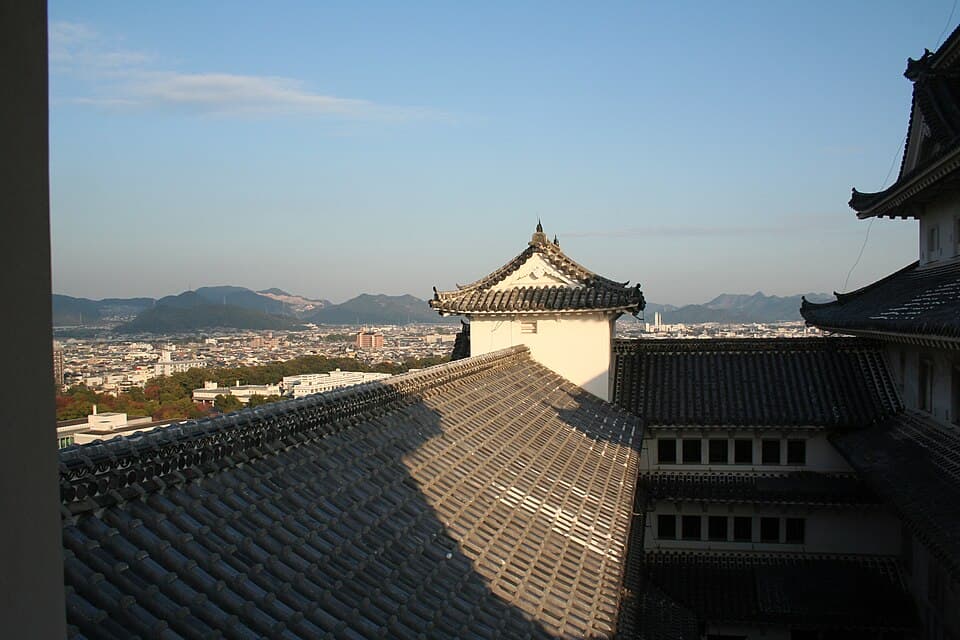
Roofscape View
Looking out over the sea of gray roof tiles, you are seeing a landscape that has remained largely unchanged for four centuries. These tiles are more than just weatherproofing; they are historical witnesses. This roofscape has miraculously survived through the end of the feudal era, various city-wide fires, and even the devastating 1995 Great Hanshin Earthquake, which leveled much of the modern city of Himeji but left the castle standing. Himeji Castle is one of the rare sites where you can still experience original 17th-century Japanese engineering in its intended environment. The tiles are set in thick beds of plaster to prevent them from slipping during seismic activity, and the weight of the roof actually helps stabilize the timber frame beneath it. As you look across the tiers, notice how the white plaster edges of each tile create a stark contrast against the gray stone. This meticulous craftsmanship is what has kept the wood beneath dry and protected for hundreds of years, allowing the castle to survive into the modern era as a perfectly preserved example of the Azuchi-Momoyama period's peak architectural achievements.
Sangoku-bori: The Reflection of Resilience
The final stop at the inner moat, offering a perfect reflection of the main keep and a moment to reflect on the castle's 700-year unconquered history.
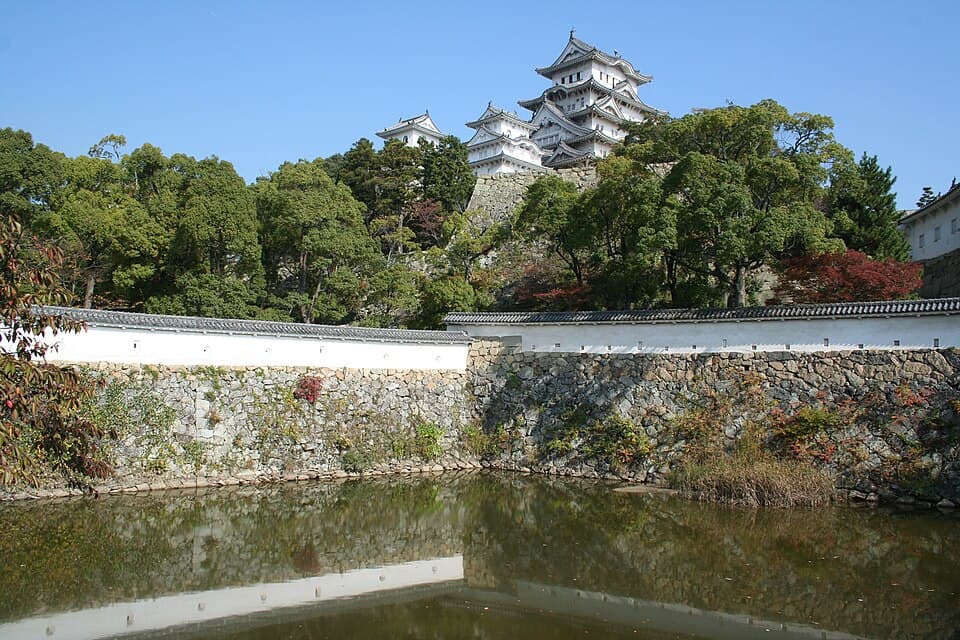
Final Reflection
Our journey through Himeji Castle concludes here, where the legacy of the White Egret remains as vibrant as it was four centuries ago. What makes this site truly extraordinary is not just its size, but its survival. While many of Japan’s historic fortresses were destroyed by fire, war, or modernization, Himeji stands as the finest intact example of early 17th-century castle architecture. It is a rare survivor of the feudal era, maintaining its original wooden framework and complex defensive systems through centuries of upheaval. This resilience earned it a designation as a UNESCO World Heritage site and a National Treasure of Japan. As you look back at the towers and gates you’ve explored, consider the paradox they represent—a masterpiece of both beauty and brutality. Every elegant gable and white-plastered wall was a calculated element of a lethal defense system. It was a machine of war that happened to be a work of art. The castle stands as a testament to the ingenuity of the master carpenters and the strategic minds of the samurai lords who built it. It remains a symbol of Japanese identity, bridging the gap between a turbulent military past and a peaceful present. Though the warriors and noblewomen are long gone, their world is preserved in the silence of these corridors and the strength of these stones, standing guard over the city for generations to come.
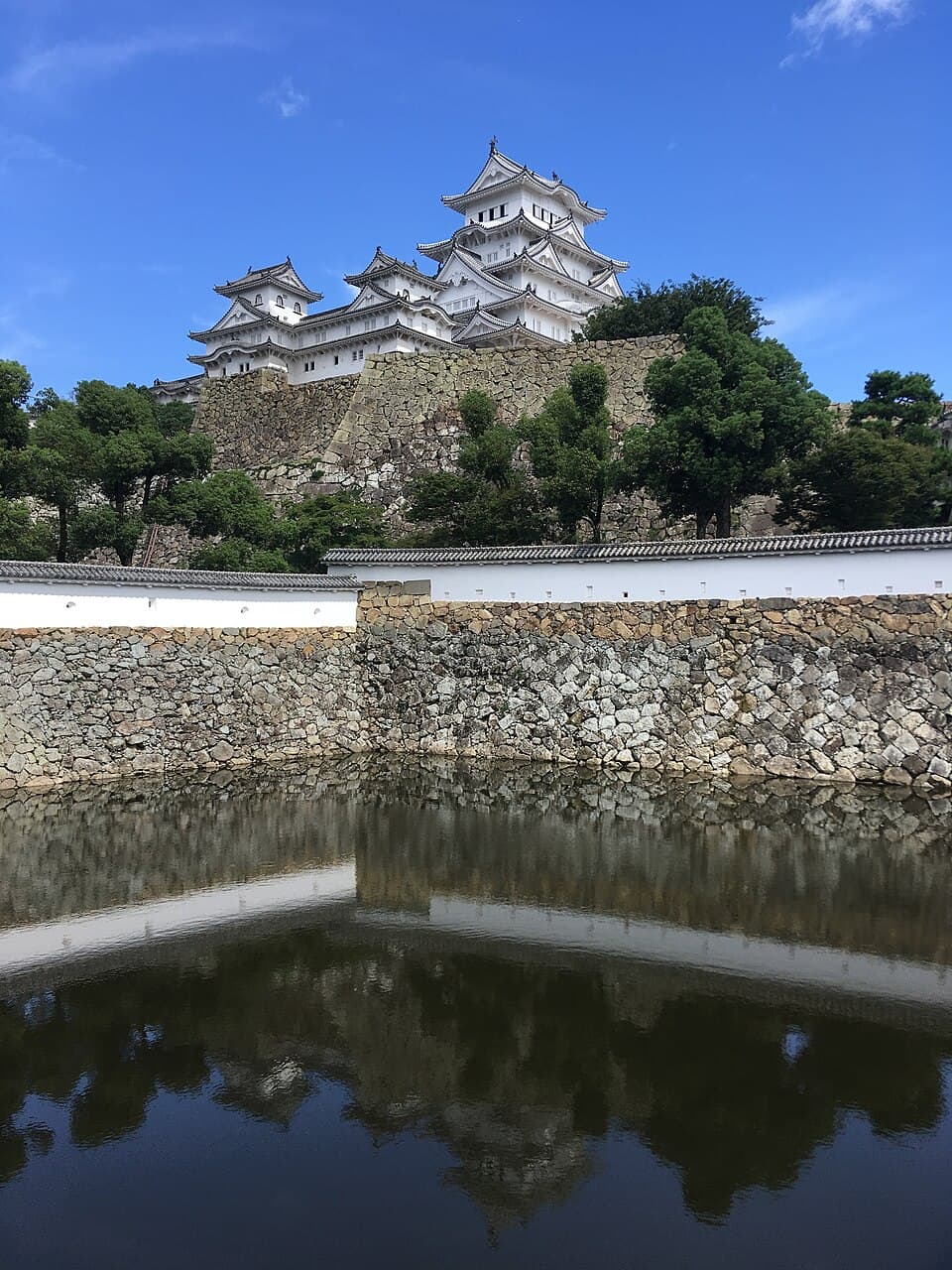
Sangoku-bori Moat
As you stand before the Sangoku-bori moat, you are looking at one of the most iconic vistas in all of Japan. The water often acts as a natural mirror, capturing the white walls and complex rooflines of the main keep in a perfect, inverted image. This spot is widely considered the visual climax of a visit to Himeji, offering a perspective that balances the castle's immense weight with a sense of weightless elegance. Historically, however, this beauty served a grim and practical purpose. This moat was a critical component of the final inner defense line. Any attacker who had successfully navigated the maze of gates and winding paths would find themselves trapped here, forced to navigate the water while exposed to fire from the high walls above. The moat was designed to stall momentum, leaving invaders vulnerable at the very threshold of the inner sanctum. It represents the duality of the castle: a structure that is aesthetically breathtaking yet meticulously engineered for warfare. From this vantage point, the sheer scale of the fortress is undeniable. The keep looms over the landscape, its reflection serving as a reminder of the absolute authority once held by the lords who ruled from within. It is the quintessential image of Japanese feudal power, where every architectural choice—from the curve of the walls to the placement of the water—was a statement of dominance and survival.
Want to hear the rest?
Download the Stanza app to unlock all 32 stops and full GPS-guided navigation.
Frequently Asked Questions
How long does the Himeji Castle audio tour take?
The Himeji Castle audio guide includes 32 narrated stops. Most visitors spend 45 minutes to 1.5 hours exploring the complete tour, though you can listen at your own pace and skip or revisit any stop.
Is the Himeji Castle audio guide available in my language?
Stanza supports 15 languages: English, Spanish, French, German, Italian, Portuguese, Russian, Japanese, Chinese, Korean, Arabic, Hindi, Polish, Dutch, Hebrew. Check the guide in the app to confirm the languages currently available for this tour.
Can I use the audio guide offline at Himeji Castle?
Yes! Download the complete Himeji Castle tour — including all audio, maps, and images — before your visit. The Stanza app works completely offline, so you don't need WiFi or mobile data at the venue.
How much does the Himeji Castle audio guide cost?
The Stanza app is free to download. The current listed price for the Himeji Castle audio guide is $3.99; app-store region and currency may affect the final price.
How do I use the Stanza audio guide at Himeji Castle?
Download the free Stanza app, search for "Himeji Castle", and download the tour. When you arrive at the venue, the app uses GPS to detect your location and automatically plays the relevant narration as you move between points of interest — completely hands-free.
What makes the Stanza audio guide different from other Himeji Castle tours?
Stanza offers GPS-triggered narration that plays automatically as you walk through Himeji Castle — no need to manually select stops. The tour is available in 15 languages, works fully offline, and includes 32 expertly narrated stops with images and historical context.
What other audio guides are available near Himeji Castle?
Stanza offers multiple audio guides in Himeji, Japan and nearby areas. After downloading the app, browse the map to discover all available tours near Himeji Castle. Each guide can be downloaded for offline use.