 Stanza / Audioguide
Contenu et sources
Stanza · Audioguide
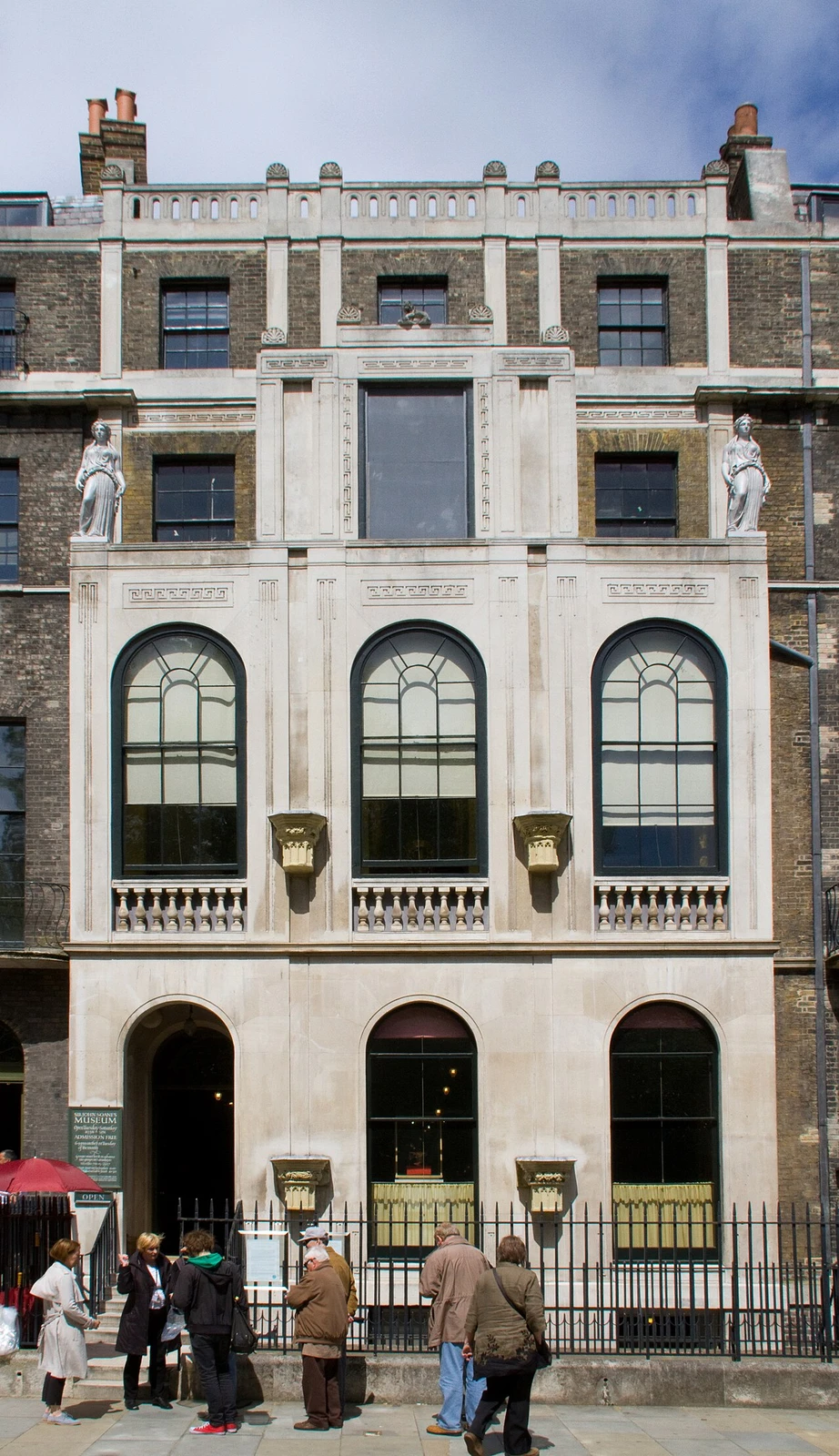
Sir John Soane's Museum Audioguide
Un lieu à découvrir. Une histoire à emporter.
Sir John Soane's Museum is a historic house museum located in London. It preserves the home and collections of the neo-classical architect Sir John Soane as they were at the time of his death in 1837.
En anglais pour l’instant. D’autres langues bientôt.
Téléchargez Stanza, puis recherchez “Sir John Soane's Museum”.
À propos de la visite
Un guide. Votre façon de visiter.
Sir John Soane's Museum is a historic house museum located in London. It preserves the home and collections of the neo-classical architect Sir John Soane as they were at the time of his death in 1837.
Quand vous le souhaitez.
- 01Téléchargez Stanza gratuitement.
iOS & Android
- 02Trouvez votre guide.
“Sir John Soane's Museum”
- 03Téléchargez-le avant de partir.
Hors ligne
Audioguide / 8 œuvres
Dans cet audioguide
Découvrez quelques histoires avant votre visite. Ouvrez une étape pour en savoir plus.
01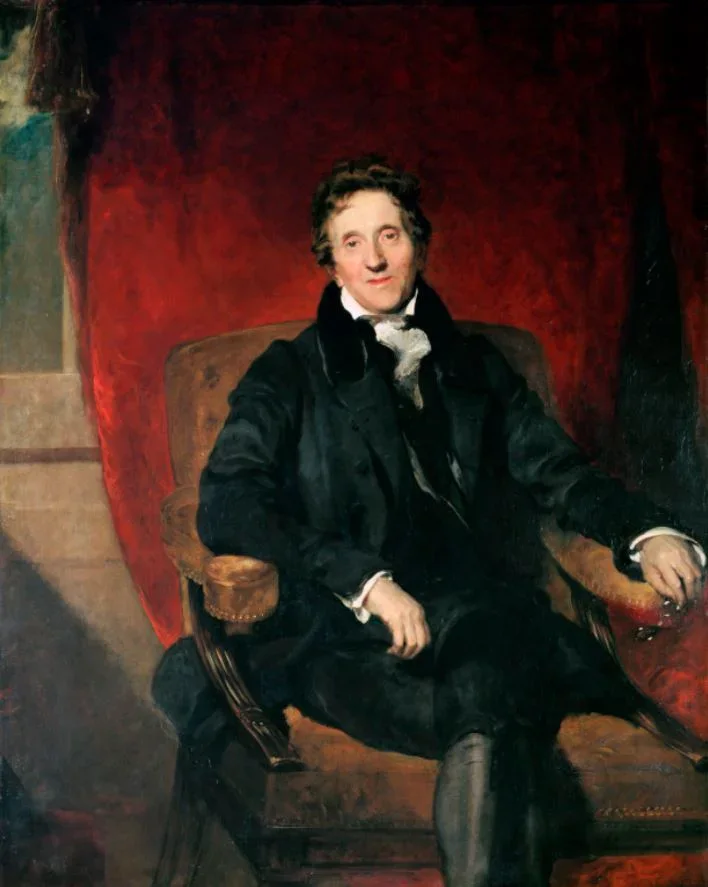
Sir John Soane, Aged 76
Here is a man holding his spectacles in his left hand. The wig is curly, and by 1829 it was already well out of fashion. He was seventy six, and he knew exactly how he wanted to be seen. Sir John Soane commissioned this painting himself, from Thomas Lawrence, the leading portrait painter of the day. He wanted it to hang in his own house, opposite a much earlier portrait of himself, painted by Joshua Reynolds. So the Soane of long ago and the old one would face each other across the room, every day. Within a year, Lawrence was dead.
Écouter dans l'appThomas Lawrence · Public domain
02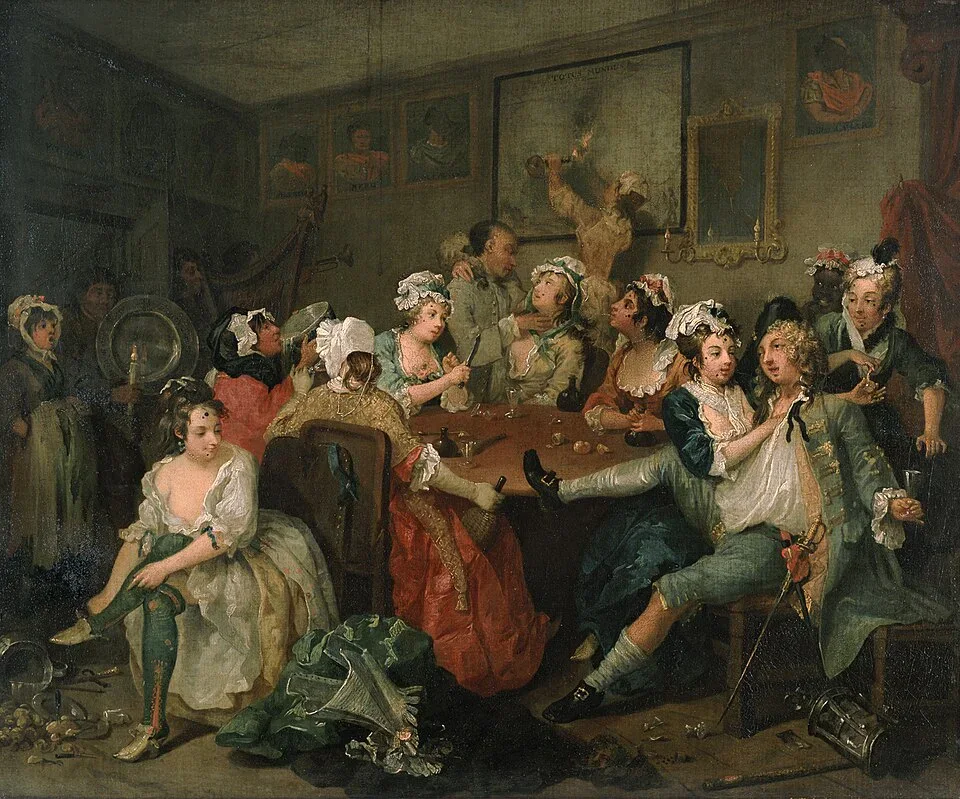
The Orgy
The man slumped in the chair has no idea what is happening to him. Tom Rakewell is past drunk, and the women crowding around him are not being affectionate. Two of them are lifting his watch while he sits there with his foot on the table and his sword hanging at his side. It is three o'clock in the morning, and the watch itself tells you that, once the women have it. William Hogarth painted this in about 1735, one scene in a series of eight that follows Tom from his inheritance to disaster. The lantern and rod beside him were stolen on his night wanderings. On the wall, portraits of Roman emperors and a map of the world hang among pictures torn and thrown on the floor. And the mirror has been cracked, which may hint at the misfortune to come. Tom has five more scenes to go, ending in prison, and then in Bedlam.
Écouter dans l'appWilliam Hogarth · Public domain
03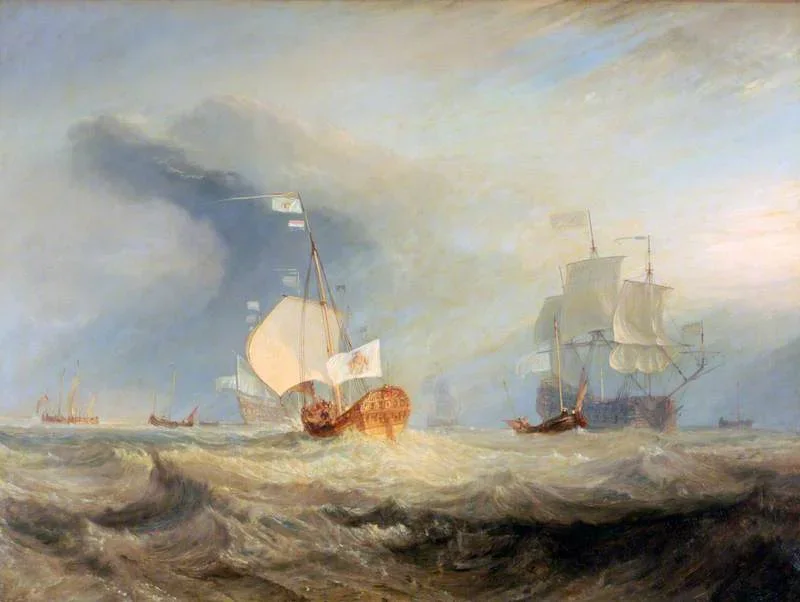
Van Tromp's Barge Entering the Texel, 1645
Sir John Soane had a problem with pictures. In 1826 he asked the painter Turner for a view of Rome, and when it was finished it turned out to be far too big for his crowded London townhouse. So that one stayed with Turner. Five years later, at the Royal Academy exhibition of 1831, this picture was on the wall, and Soane bought it himself. It has hung in his house ever since. It is a scene from history: the barge of the Dutch admiral Maarten Tromp, coming in toward the island of Texel, in the north of Holland. And there is a small trick in the title. The year it gives, 1645, is the year of the scene. Turner painted it in 1831, almost two hundred years later, calling a long-gone Dutch moment back onto the water for a London buyer to take home.
Écouter dans l'appJ. M. W. Turner · Public domain
04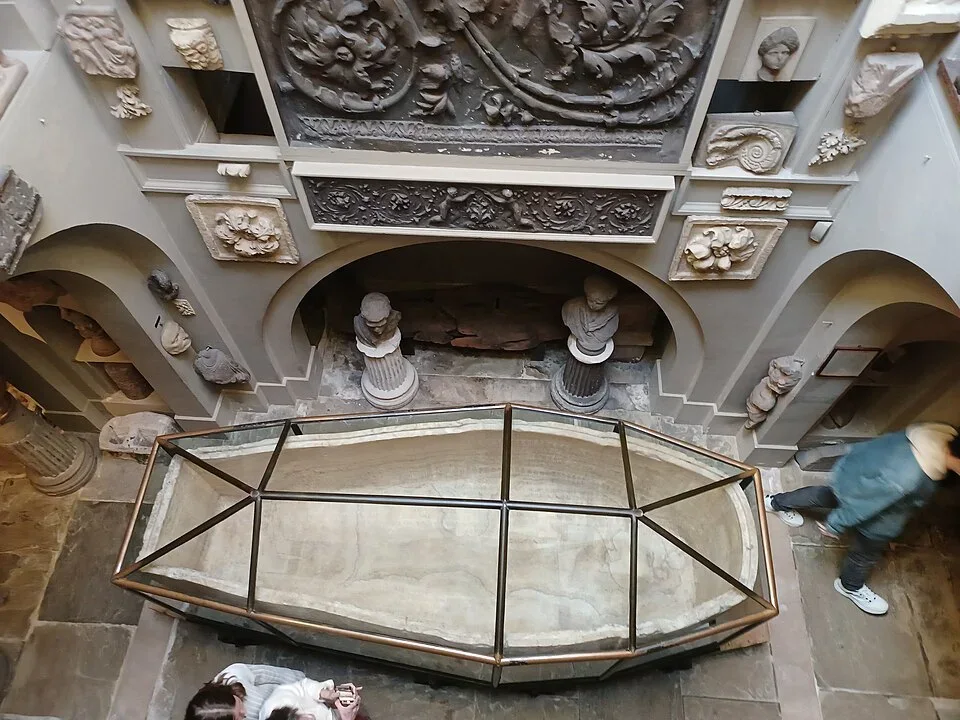
Sarcophagus of Seti I
The British Museum said no. In 1817 the explorer Giovanni Belzoni had pulled this coffin out of a tomb in the Valley of the Kings in Egypt, and he wanted two thousand pounds for it. The museum thought that too steep. So the architect Sir John Soane paid instead, and that is how the sarcophagus of a pharaoh came to rest in the crypt of his own house in London. It was cut from a single block of alabaster for Seti the First, a king of the nineteenth dynasty. Inside and out, hieroglyphs describe the sun's journey through the twelve hours of the day, and at the bottom is the goddess Nut. The lid, which showed the king, was smashed in ancient times by robbers breaking in for his mummy. The mummy turned up only in 1881, in a different tomb altogether. No one is quite sure in which year Seti died.
Écouter dans l'appPhoto: Simon Burchell · CC BY-SA 4.0
05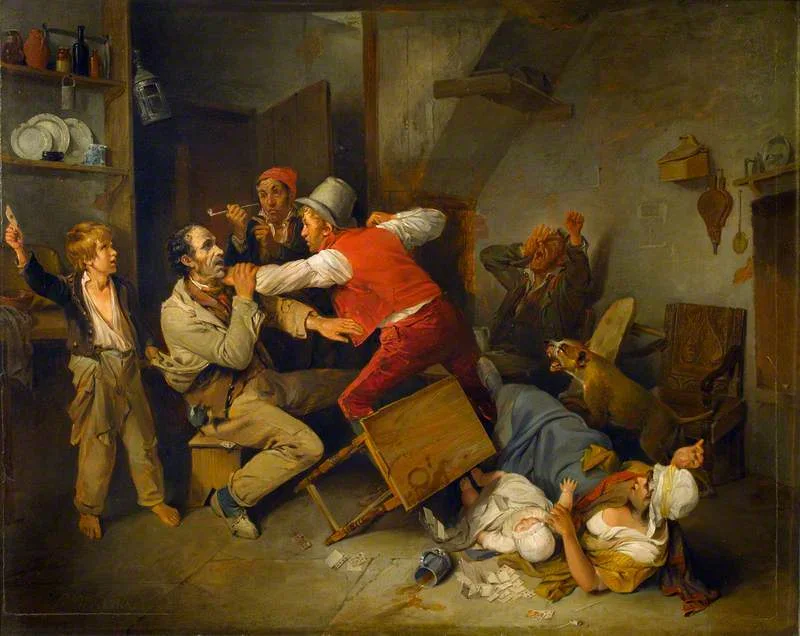
The Cheat Detected
A card game has just gone wrong. Someone caught the cheat, and now the room is chaos. A man in a red coat lunges at the player who cheated. A woman with her baby has fallen to the floor. A dog is barking. In the background, another man takes a blow to the face. And at the left stands the proof, held up by a child. Not a player, not a grown man, a child is the one showing the cheating card for everyone to see. Edward Bird showed this at the Royal Academy in 1814, when pictures of ordinary life like this one were in fashion. The architect John Soane bought it after Bird died in 1819, and it has hung in his house ever since.
Écouter dans l'appEdward Bird · Public domain
06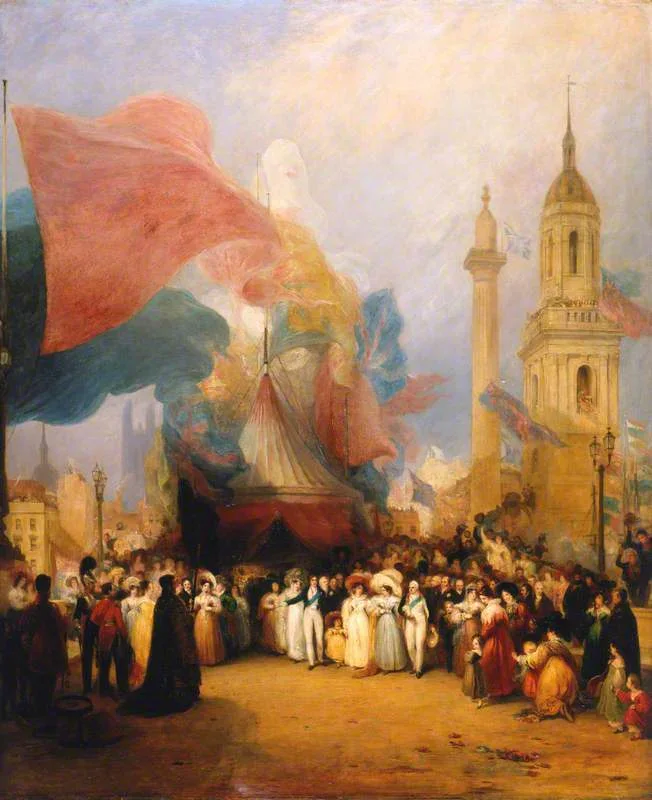
The Royal Procession at the Opening of the New London Bridge, 1 August 1831
A royal procession, the first of August 1831. King William the Fourth leads the party arriving to open the new London Bridge. Behind them the Monument and the tower of Saint Magnus rise in the distance. The new crossing, built to John Rennie's design, had just replaced a bridge that dated back to the Middle Ages. Now the quieter story. George Jones, who painted this, put faces into the crowd that had no business at a royal ceremony. John Soane is there, the architect who commissioned the picture for his own house, the very house you are standing in. So are Jones's friends, the sculptor Francis Chantrey and the painter Turner. Soane asked for a record of the king's big day, and got himself and his circle painted into it. The king's day, kept at home.
Écouter dans l'appGeorge Jones · Public domain
07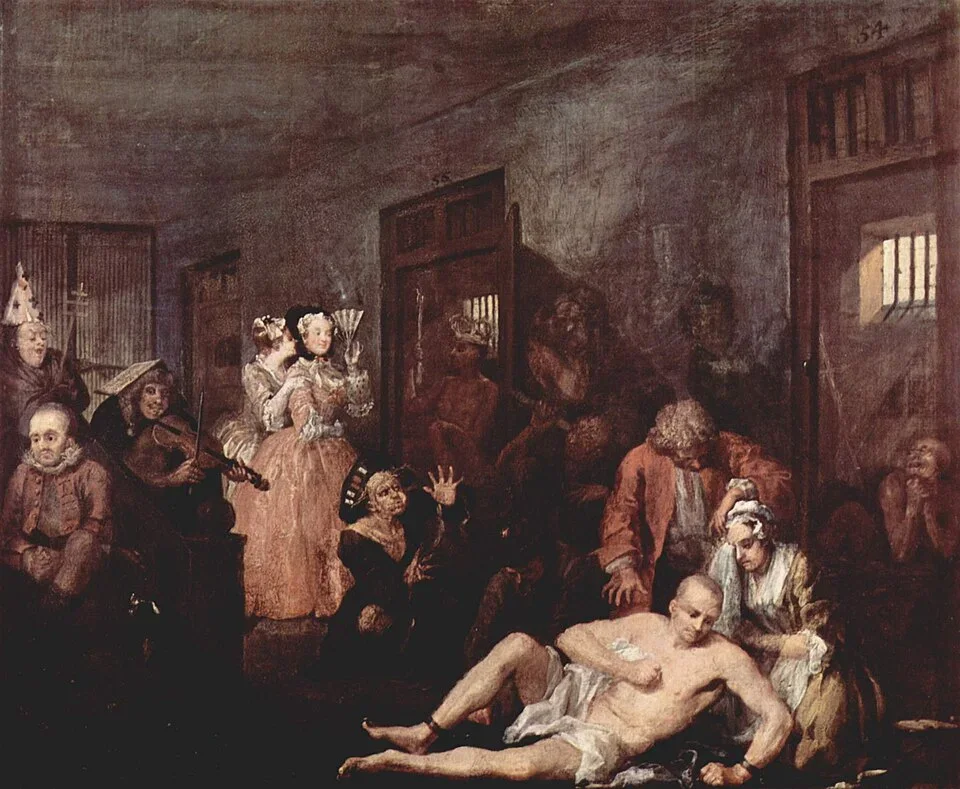
The Madhouse
What does a life of pleasure end with? Here, it ends inside Bedlam, London's madhouse. William Hogarth painted this canvas in 1734 as the last scene in a series of eight, following a libertine, a man given to excess. The other seven paintings are in this house with you, so the whole story hangs on these walls, and you are standing at its final page. When a film about Bedlam was made in 1946, this picture inspired it.
Écouter dans l'appWilliam Hogarth · Public domain
08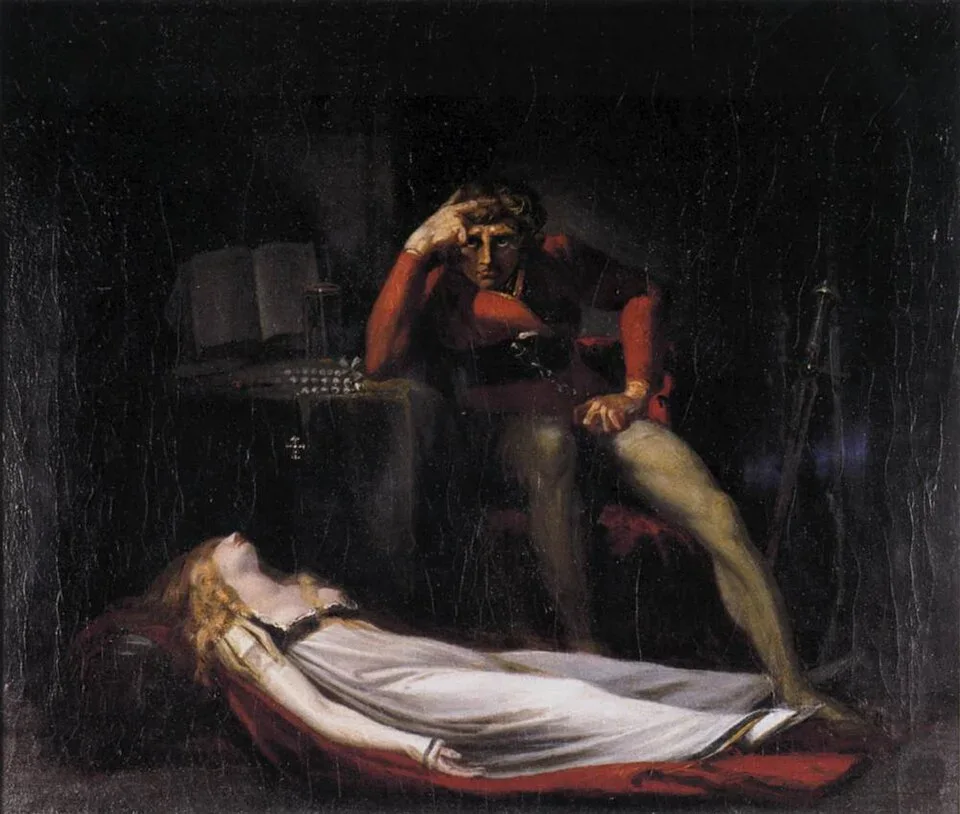
The Italian Count
A man sits and stares, and his gaze is hollow. Painters of the Romantic period came back again and again to this figure, the seated man brooding on destiny. Whenever an artist needed to show horror, disbelief or helplessness in the face of fate, this was the figure he reached for. The idea runs all the way to Rodin's The Thinker. Henry Fuseli, the Swiss painter who spent much of his career in Britain, made that expression more intense still. This picture, from 1779, is also known as Ezzelin and Meduna. Some twenty years later he went further again, in a painting called Silence.
Écouter dans l'appHenry Fuseli · Public domain
Sir John Soane's Museum
Questions fréquentes
Combien coûte cet audioguide ?
App gratuite. Gratuit jusqu’au 1 janvier. Prix indiqué du guide: $0.99. Audioguide uniquement. L’entrée au site est séparée.
Puis-je écouter sans internet ?
Oui. Téléchargez les audios, images et cartes dans l’app avant votre visite. Le contenu téléchargé reste accessible hors ligne.
Puis-je écouter dans ma langue ?
En anglais pour l’instant. D’autres langues bientôt.
Dois-je respecter un horaire ?
Non. La visite est autonome. Choisissez vos étapes, faites des pauses et réécoutez les histoires à votre rythme.
À votre rythme
Explorer Sir John Soane's Museum.
Téléchargez Stanza, puis recherchez “Sir John Soane's Museum”.
App gratuite · Prix du guide dans l’app
Continuez à explorer
Audioguides à proximité
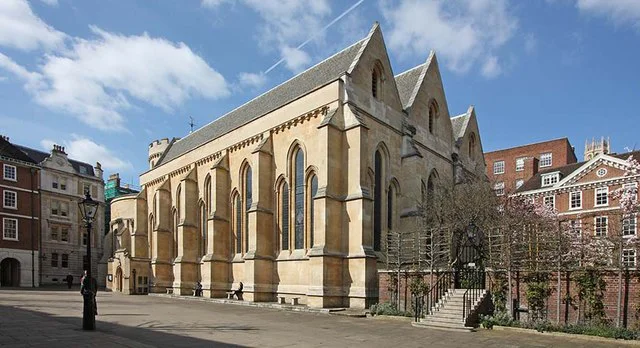
Londres · 1 km
église du Temple
Contenu et sources
John Salmon · CC BY-SA 2.0
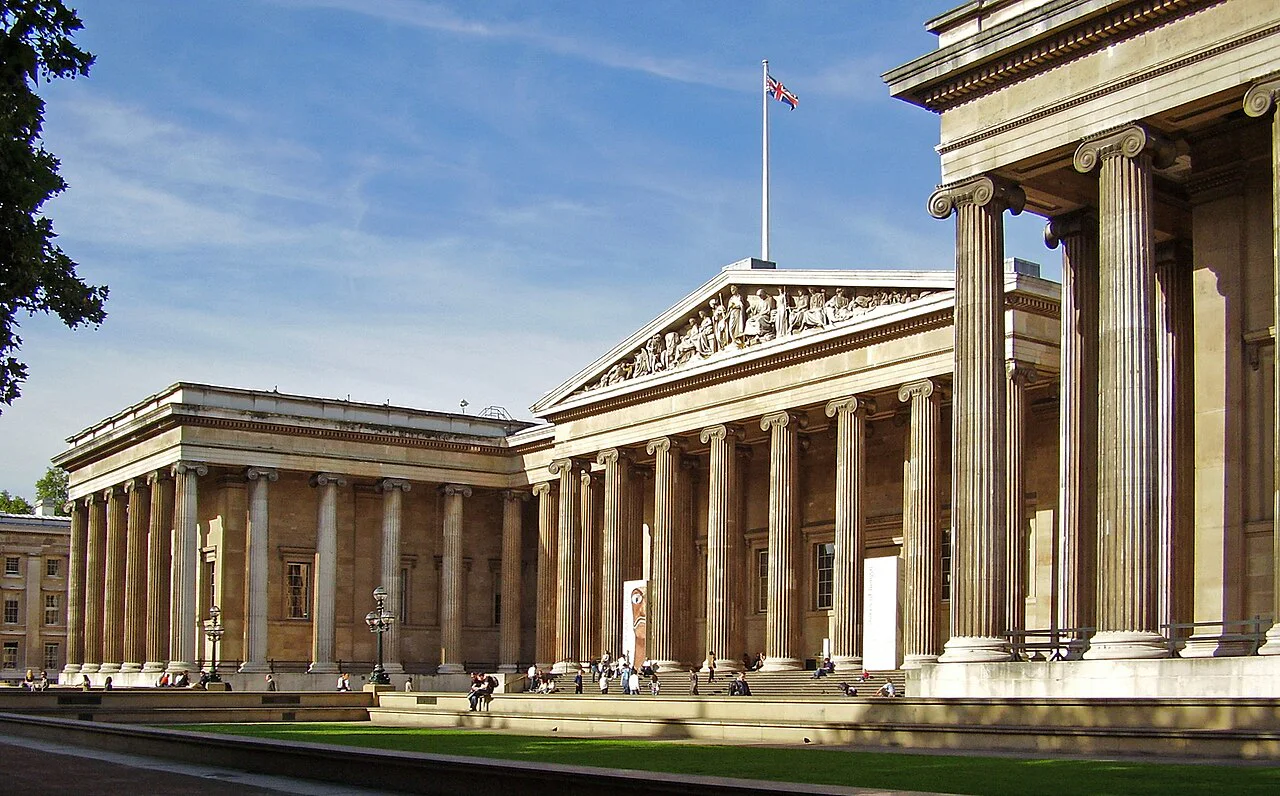
London Borough of Camden · 1 km
British Museum
Contenu et sources
Ham · CC BY-SA 3.0
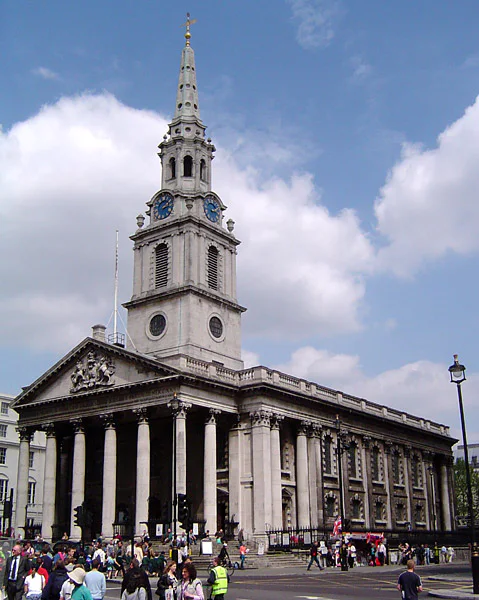
Londres · 1 km
Saint-Martin-in-the-Fields
Contenu et sources
Photo: Yopohari~commonswiki · CC BY-SA 3.0
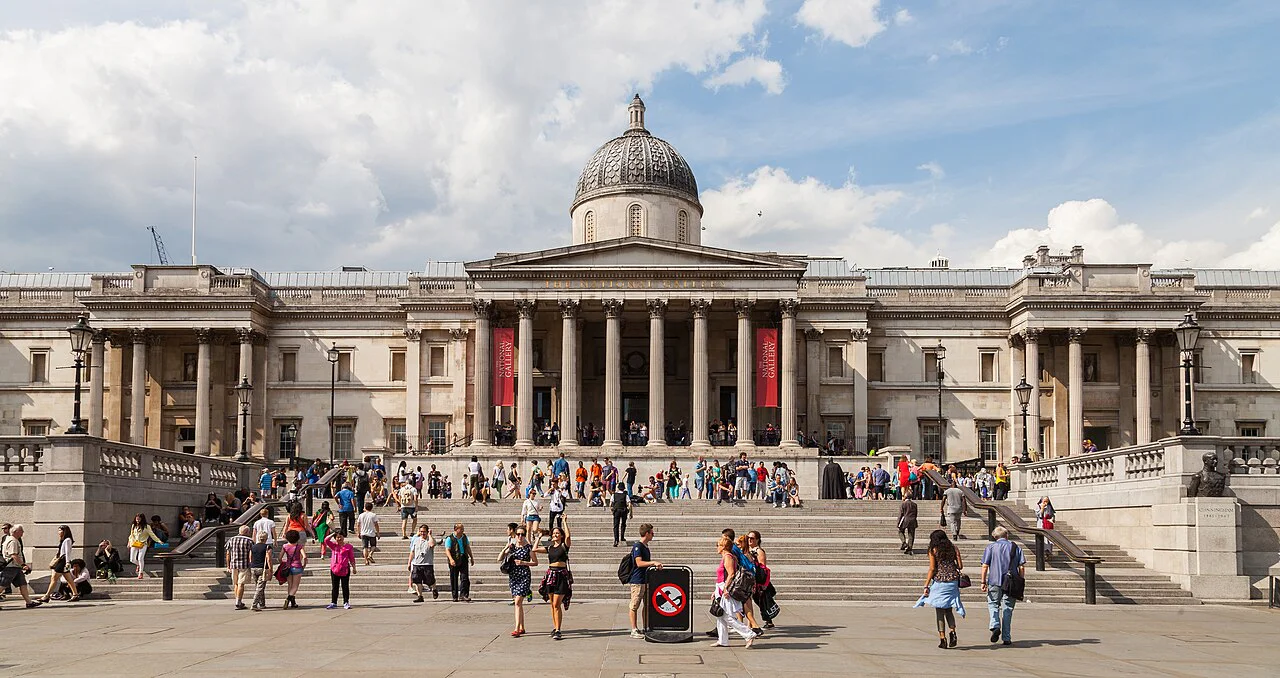
City of Westminster · 1 km
National Gallery
Contenu et sources
Diego Delso · CC BY-SA 4.0