Languages
15Dolmabahçe Sarayı Audio Guide
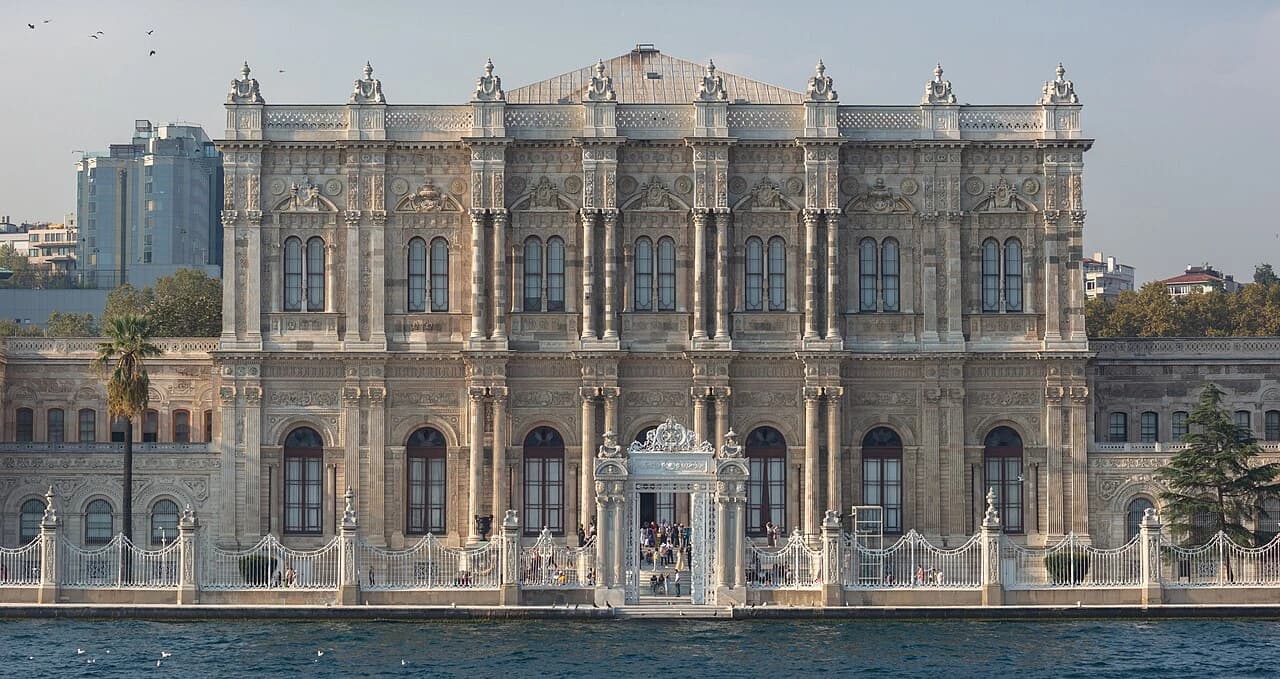
Dolmabahçe Sarayı is a landmark in Beşiktaş, Turkey. Explore it with Stanza's GPS-triggered offline audio guide — available in 15 languages.
Quick Facts
27
Stops
15
Languages
100%
Offline
📍 Beşiktaş, Turkey · 41.0394°N, 29.0017°E
About Dolmabahçe Sarayı
Dolmabahçe Palace is a grand imperial palace located in Istanbul, Turkey. It served as the primary administrative center of the Ottoman Empire from 1856 to 1887 and 1909 to 1922.
Dolmabahçe Sarayı is also known as Dolmabahçe Sarayı, Dolma Bageheh, Beşiktaş Sarayı, Dolma bahçe sarayı.
This self-guided audio tour features 27 narrated stops organized across 7 sections. As a palace, Dolmabahçe Sarayı offers a unique cultural experience in the heart of Beşiktaş, Turkey.
The Stanza audio guide is available in 15 languages and works entirely offline — download the complete tour including audio narration, maps, and images before your visit. As you walk through Dolmabahçe Sarayı, GPS-triggered narration plays automatically at each point of interest.
Last updated:
What you will hear
The Treasury Gate (Hazine Kapısı)
The main visitor entrance where the transition from the city to the imperial grounds occurs. Focuses on the Tughra (imperial monogram) and the radical shift toward European architecture.

The Imperial Monogram
High above the archway, nestled within a vibrant green medallion, is the 'tughra,' or calligraphic monogram. This specific seal belongs to Sultan Abdülmecid I, the thirty-first Sultan of the Ottoman Empire and the founder of this palace. For centuries, the tughra was more than just a signature; it was a symbol of state sovereignty, appearing on coins, stamps, and official edicts. The complex, interlocking lines of the calligraphy were nearly impossible to forge, providing a secure mark of imperial authority. Surrounding the monogram, you can see the intricate stone carving that characterizes the transition to the eclectic Baroque and Rococo styles favored by the late Ottoman sultans. These floral swags and scrollwork motifs are far removed from the geometric patterns of earlier centuries, reflecting a shift in the empire’s cultural identity. This medallion acts as a literal seal of ownership over the palace grounds. It reminds every visitor that they are walking through a space created for a specific man whose vision was to bridge the gap between the traditions of the East and the trends of the West. The contrast of the bold calligraphy against the delicate, European-style carvings perfectly encapsulates the 'eclectic' nature of the entire venue.
The Main Garden: The 'Filled Garden'
Explains the name 'Dolmabahçe' (Filled Garden) and showcases the eclectic European-style landscaping. Features the famous swan fountain and the lion statues.

The Swan Fountain
Stepping into the tranquil grounds of the 'Has Bahçe,' or Main Garden, the atmosphere changes instantly. This area was meticulously planned to mirror the landscaping of famous European royal gardens, such as Versailles in France. At the center of this green oasis sits a fountain featuring beautifully carved swan sculptures. These figures are not just decorative; they reflect the 19th-century European romanticism that the Ottoman court so admired. During Istanbul's notoriously humid and hot summers, this fountain served a very practical purpose. The sound of splashing water and the spray created by the fountain helped to significantly cool the air in the surrounding garden, making it a comfortable place for the Sultan and his guests to enjoy the outdoors. The surrounding parterre gardens, with their symmetrical flowerbeds and well-trimmed hedges, represent a departure from the more wild and wooded gardens of earlier Ottoman palaces. This space was designed for promenading, social interaction, and the quiet enjoyment of nature, all within a strictly controlled and highly aesthetic environment. As you move through the garden, the sight of the swans and the sound of the water remind you of the luxury and intentionality that defined every inch of this 'filled garden' estate.

statue dei leoni del Palazzo Dolmabahçe
As you explore the palace gardens, you will notice several animal sculptures scattered across the lawns. These statues, like the one before you, were often prestigious gifts from foreign leaders or were commissioned directly from renowned European artists. This particular group, depicting a lioness and her cubs, is striking for its realistic detail and lifelike anatomy. It represents the strength, courage, and protective nature of the Ottoman dynasty, and its presence here is quite significant. Traditionally, Islamic art avoided figurative sculpture—the representation of humans or animals in three-dimensional form—favoring instead calligraphy and geometric patterns. The inclusion of these statues marks a major cultural shift. By placing such realistic, Western-style sculptures in the palace gardens, the sultans were signaling their modern, international outlook. Notice the texture of the figures and the dynamic, protective pose of the mother lion. It serves as a visual metaphor for the Sultan as the protector of his family and his empire. These sculptures are not just decorations; they are symbols of a changing world where ancient traditions were being integrated with new, global artistic standards.
The Crystal Staircase
A 'Must-See' signature element. This double-horseshoe staircase features balustrades made of Baccarat crystal, brass, and mahogany.

The Baccarat Balustrades
Looking closer at the balustrades of the grand staircase, you can truly appreciate the quality of the Baccarat crystal. During the 19th century, Baccarat was the most prestigious glassmaker in the world, supplying the royal courts of Europe and Asia. The inclusion of so much crystal in a structural element like a staircase was an incredible display of opulence. Each post is intricately cut to catch the light, turning the entire staircase into a shimmering forest of glass. As you walk near these delicate features, you will notice that all visitors are required to wear protective shoe covers. This is a vital rule mentioned in the venue guidelines to protect the original parquetry floors you are walking on. These floors, made of various rare woods in intricate patterns, are as delicate and historic as the crystal above. The use of Baccarat crystal here served as a visual connection to the elite standards of the time, reinforcing the message that the Ottoman Sultan was a peer to the emperors of Russia and the kings of Europe. It is this level of detail—from the crystal under your hand to the historic wood under your feet—that makes a visit to Dolmabahçe a truly immersive experience in royal luxury.
The Ambassadors' Hall (Süfera Salonu)
Where the Sultan received foreign envoys. This room represents the height of Ottoman diplomacy and features one of the palace's largest crystal chandeliers.

A Forest of Crystal
Suspended overhead is a stunning example of the palace's world-class collection of chandeliers. While not the absolute largest in the building, its tiered design and the hundreds of crystal drops that catch the light make it a highlight of the interior tour. The way the crystals are arranged creates a 'forest' effect, with light refracting in every direction, filling the room with a soft, glittering glow. Interestingly, when the palace was first completed, it relied entirely on gas lighting. The hundreds of candles or gas jets would have required a dedicated team of servants just to light and maintain them. It wasn't until the turn of the 20th century that the palace was converted to electricity. Imagine the difference that conversion made, as the flip of a switch replaced the slow, flickering light of gas with the steady, brilliant radiance of electric bulbs. This chandelier stands as a bridge between those two eras. Its form remains a tribute to 19th-century luxury, but its function was updated to keep the palace at the cutting edge of technology. It continues to dazzle visitors today, much as it must have dazzled the guests of the late Ottoman court.
The Sultan’s Alabaster Hammam
An Enriching stop showcasing the blend of traditional Ottoman bath culture with European Neoclassical materials like Egyptian alabaster.

The Alabaster Bath
The soft glow in this room comes from the walls themselves. This is the Sultan's private bath, constructed from Egyptian alabaster, also known as onyx-marble. This material is prized for its translucent quality, which allows light to penetrate the stone, giving the room a serene, almost ethereal feel. Notice the intricate carved motifs that decorate the surfaces, blending traditional patterns with a sense of European refinement. While the rest of the palace leaned heavily into European decor, the Sultan maintained the traditional Ottoman 'hammam,' or Turkish bath culture, in these private quarters. It was a space for ritual cleansing and relaxation, which remained a central part of his daily life. However, even here, the influence of the West is visible in the ornate carvings and the overall aesthetic. This room represents a perfect synthesis of the two worlds the late sultans occupied: the modern, Western-facing public life and the deeply traditional, private world of the Ottoman household. The cool, smooth surfaces of the alabaster and the quiet luxury of the space make it one of the most intimate and beautiful areas in the entire palace complex.
The Ceremonial Hall (Muayede Salonu)
The heart of the palace and its most spectacular room. Features the world's largest crystal chandelier (4.5 tons) and the massive Hereke carpet.

The Imperial Reception Sofa
This grand reception area features an elaborate sofa, or throne-like seat, that epitomizes the eclectic style found within these walls. The furniture is upholstered in a rich red fabric, adorned with intricate floral patterns that echo the themes seen in the palace's many custom carpets. Surrounding the seating is a highly ornamental frame with a golden finish, featuring curved, organic lines characteristic of the Rococo and Baroque influences that dominated the era. Directly behind the sofa stands a matching three-paneled screen, providing a decorative backdrop that also helped to demarcate the Sultan's personal space during audiences. In front, an equally ornate table or desk sits on a polished floor, likely used for signing documents or holding ceremonial items. This specific arrangement illustrates how Ottoman palace life transitioned from traditional low-seating arrangements to European-style furniture. Yet, the placement and the sheer scale of the set remain distinctly imperial. Every element here was chosen to project an image of a monarch who was both a traditional Eastern ruler and a modern European sovereign. The use of vibrant reds and shimmering metallic finishes ensured that anyone granted an audience would be immediately struck by the dignity and prestige of the Ottoman throne.

The Ceremonial Hall
We have reached the grandest room in the entire complex: the Ceremonial Hall. This is the climax of our tour, and the scale of the space is truly breathtaking. Hanging from the center of the 36-meter-high dome is a massive chandelier that weighs 4.5 tons and features 750 individual lamps. There is a common legend that this magnificent piece was a gift from Queen Victoria, but historical records correct this: it was actually a purchase made by Sultan Abdülmecid I himself to ensure his palace had the finest lighting fixture in the world. This hall was the heart of the palace's state functions, used for grand ceremonies, state balls, and the Sultan’s traditional holiday greetings. The floor beneath you is often covered by the world's largest Hereke carpet, custom-made for this specific room. Every detail here was intended to represent the pinnacle of Ottoman power and prestige. From the acoustics that allowed the Sultan's voice to carry to every corner, to the sheer volume of the space that could hold thousands of guests, the Ceremonial Hall was designed to leave an unforgettable impression. It remains one of the most impressive rooms in any palace anywhere in the world, a final, glowing statement of the grandeur of the late Ottoman Empire.
Cultural Legacy: The Painting Museum
The former Crown Prince's residence now houses the largest collection of Ottoman-era paintings, including works by Aivazovsky.

Naples Seascape
The palace is home to an impressive collection of 28 works by Ivan Aivazovsky, a world-renowned master of maritime painting who became a personal favorite of several Ottoman Sultans. This particular seascape, featuring a ship off the coast of Naples with a smoking volcano in the distance, perfectly illustrates why his work was so highly prized. Aivazovsky was famous for his ability to capture the translucent quality of waves and the complex play of light on water, often working from memory rather than direct observation. His maritime themes were a natural fit for a palace literally built on the water's edge. The Sultans found in his work a shared appreciation for the power and beauty of the sea, which was the lifeblood of their capital city. In this painting, the warm, golden glow of the sky is reflected in the gently churning surf, creating a sense of peace and atmosphere that is almost palpable. Notice the incredible detail in the rigging of the ship and the small figures on the shore, providing a sense of scale to the vast coastal landscape. Aivazovsky's frequent visits to Istanbul and his close ties to the court resulted in a legacy of luminous masterpieces that continue to grace these walls, bridging the gap between Russian artistic tradition and Ottoman imperial taste through the universal language of the sea.

The Battle of Domokos
This striking oil painting depicts the Battle of Domokos, a significant engagement during the Greco-Turkish War of 1897. The artist, Fausto Zonaro, was an Italian painter who served as the last official Court Painter to the Ottoman Sultan. In this work, he captures the dynamic movement and chaotic energy of the battlefield with remarkable skill. Notice the use of light as it glints off the bayonets and illuminates the determined faces of the Ottoman troops, many wearing the iconic red fez. Zonaro’s work is a prime example of how the late Ottoman Empire used Western artistic techniques to document its own history and military triumphs. Rather than the stylized, flat perspectives of traditional miniatures, this painting offers a sense of three-dimensional space and atmospheric depth. The Ottoman troops are shown surging forward, creating a diagonal line of action that draws the viewer into the heat of the conflict. This style was intended to resonate with both a domestic and international audience, showcasing the modernization of the Ottoman army in a visual language that Europeans would immediately recognize and respect. Through Zonaro’s brush, a moment of military history is transformed into a powerful piece of state propaganda and artistic expression, blending the drama of the battlefield with the refined techniques of the Italian academy.
Want to hear the rest?
Download the Stanza app to unlock all 27 stops and full GPS-guided navigation.
Frequently Asked Questions
How long does the Dolmabahçe Sarayı audio tour take?
The Dolmabahçe Sarayı audio guide includes 27 narrated stops. Most visitors spend 45 minutes to 1.5 hours exploring the complete tour, though you can listen at your own pace and skip or revisit any stop.
Is the Dolmabahçe Sarayı audio guide available in my language?
Stanza supports 15 languages: English, Spanish, French, German, Italian, Portuguese, Russian, Japanese, Chinese, Korean, Arabic, Hindi, Polish, Dutch, Hebrew. Check the guide in the app to confirm the languages currently available for this tour.
Can I use the audio guide offline at Dolmabahçe Sarayı?
Yes! Download the complete Dolmabahçe Sarayı tour — including all audio, maps, and images — before your visit. The Stanza app works completely offline, so you don't need WiFi or mobile data at the venue.
How much does the Dolmabahçe Sarayı audio guide cost?
The Stanza app is free to download. The current listed price for the Dolmabahçe Sarayı audio guide is $2.99; app-store region and currency may affect the final price.
How do I use the Stanza audio guide at Dolmabahçe Sarayı?
Download the free Stanza app, search for "Dolmabahçe Sarayı", and download the tour. When you arrive at the venue, the app uses GPS to detect your location and automatically plays the relevant narration as you move between points of interest — completely hands-free.
What makes the Stanza audio guide different from other Dolmabahçe Sarayı tours?
Stanza offers GPS-triggered narration that plays automatically as you walk through Dolmabahçe Sarayı — no need to manually select stops. The tour is available in 15 languages, works fully offline, and includes 27 expertly narrated stops with images and historical context.
What other audio guides are available near Dolmabahçe Sarayı?
Stanza offers multiple audio guides in Beşiktaş, Turkey and nearby areas. After downloading the app, browse the map to discover all available tours near Dolmabahçe Sarayı. Each guide can be downloaded for offline use.