Stanza · Audio guide
Arap Camii Audio Guide
A place to remember. A story to take with you.
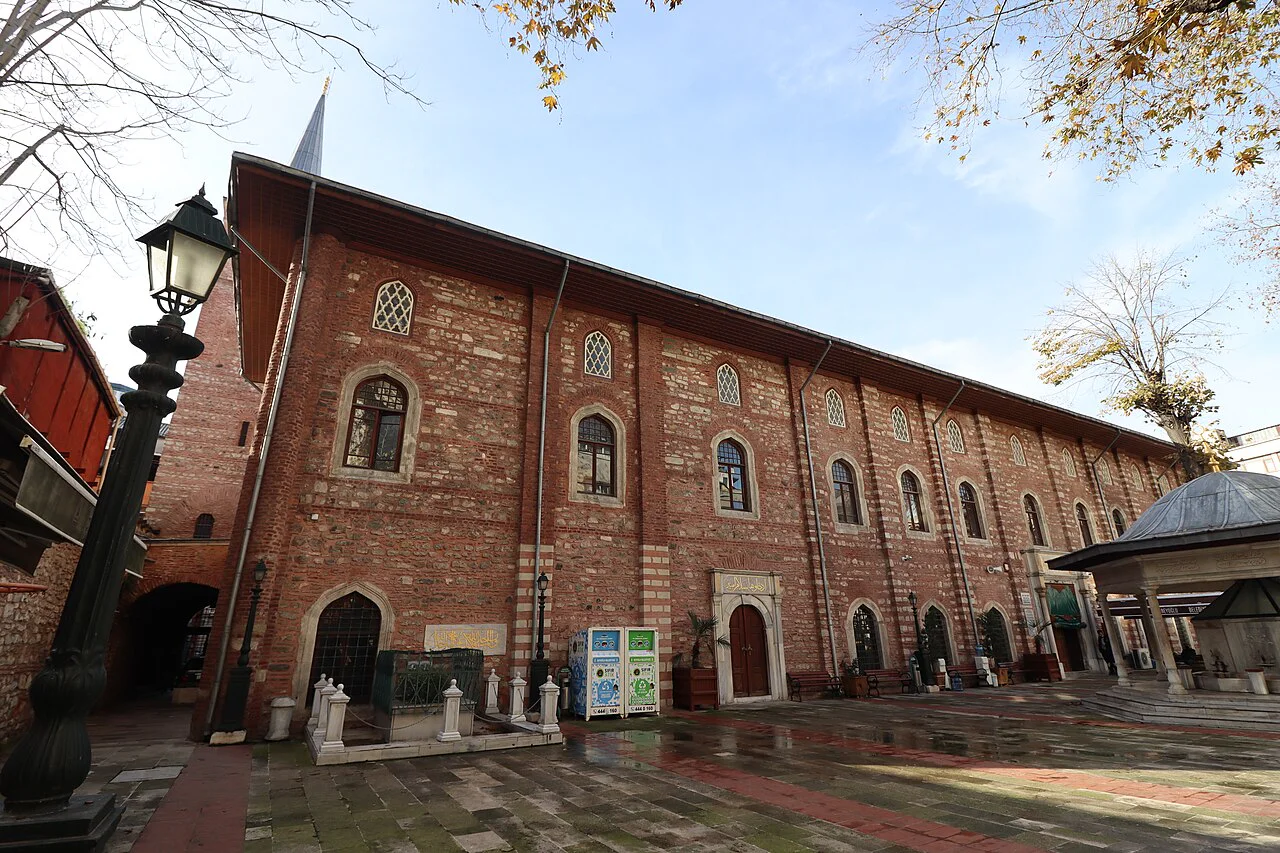
Arap Mosque is a mosque located in the Karaköy quarter of Istanbul, Turkey. It is the only remaining example of medieval religious Gothic architecture in Istanbul.
Download Stanza, then search for “Arap Camii”.
About the tour
One guide. Your kind of visit.
Arap Mosque is a mosque located in the Karaköy quarter of Istanbul, Turkey. It is the only remaining example of medieval religious Gothic architecture in Istanbul.
Ready when you are.
- 01Get the free Stanza app.
iOS & Android
- 02Find your guide.
“Arap Camii”
- 03Download before you go.
Works offline
Audio guide / 10 narrated stops
Inside the guide
Get to know a few of the stories before you go. Open a stop to read more.
01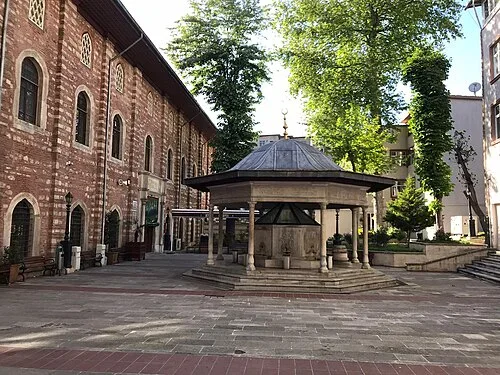 Courtyard Entrance and the Andalusian Legacy
The Courtyard of the Arab Mosque
Welcome to the Arab Mosque, in Karaköy, the quarter that was once the Genoese town of Galata. This building is the only medieval Gothic religious structure left standing in Istanbul. That alone makes it unusual. The name makes it more puzzling still, because nothing about it looks Arab. The answer goes back to 1492. In that year, Muslims from Al-Andalus in southern Spain fled the Spanish Inquisition. Sultan Bayezid the Second took the refugees in and granted them this building for their worship. They and their descendants prayed here, and the mosque took its name from them, Arap Camii, the Arab Mosque. The courtyard gathers the whole story into one view. Around the walls, artisans' shops crowd in, as they did in the Genoese days.
Photo: Goktugatesag · CC BY-SA 4.0
02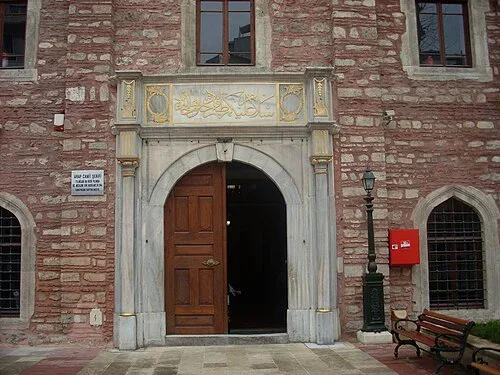 Courtyard Entrance and the Andalusian Legacy
The Gothic Portal
Above the main entrance, gold calligraphy shines against the marble frame. The doorway was restyled long after the building changed hands, and that change came after the Ottoman conquest of Constantinople. The church stayed in Genoese hands at first, under the agreements the sultans had made with Genoa. The Turks already knew it by a mangled version of its old name, Mesa Domenico. By 1478, Sultan Mehmed the Second had turned it into a mosque, with only minor changes. It became Galata Camii, the Galata Mosque, or simply Cami-i Kebir, the Great Mosque. The Dominican friars moved out in 1476, to the friary of San Pietro in Galata. Their altar cloths had already been shipped to Genoa. The community's archives went to Caffa, in the Crimea. How much of the original Gothic doorway survives beneath the later carving, nobody can say for certain.
Photo: VikiPicture · CC BY-SA 3.0
03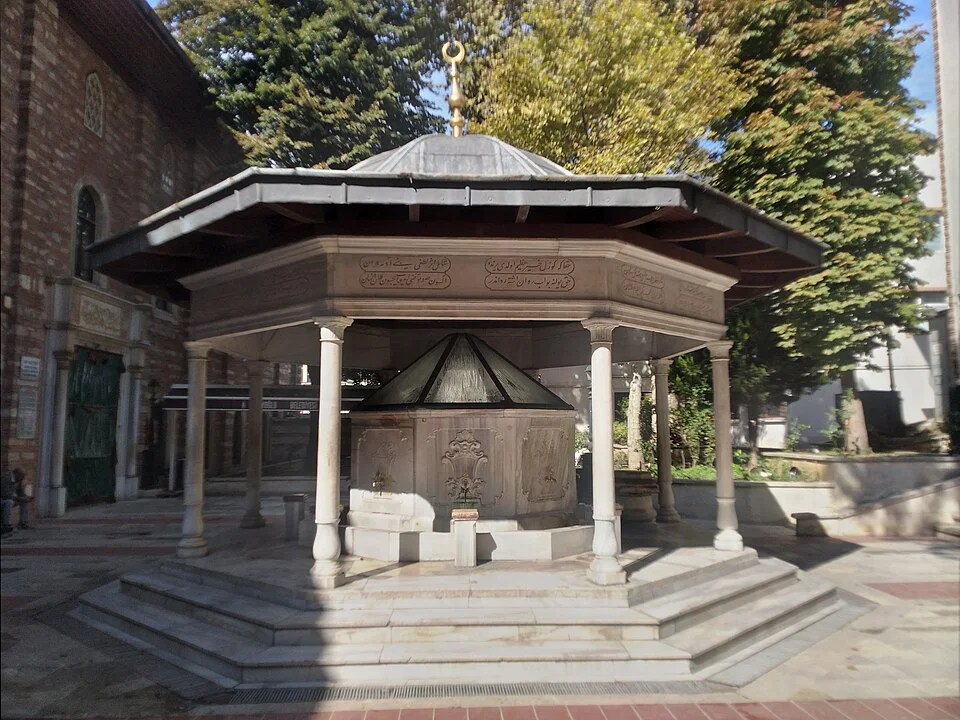 The Ablution Fountain (Şadırvan)
The Ablution Fountain
At the center of the courtyard stands the şadırvan, the fountain where worshippers wash before prayer. Water flows at its marble core, under a broad roof crowned with a gilded finial. It is younger than it looks, and it owes its life to fire and to royal women. In 1731 the Great Fire of Galata swept through the quarter. Saliha Sultan, the mother of Mahmud the First, paid for the rebuilding that followed, finished in 1735. She had the Gothic windows and portal redone in Ottoman style. The interior took on a Baroque arrangement, almost theatrical in effect. Another fire came in 1808. Mid-century, Adile Sultan, daughter of Mahmud the Second, had the mosque repaired once more. In 1868 she built this şadırvan in the courtyard.
Listen in the appPhoto: Ahmet Yurtbakan · CC BY-SA 4.0
04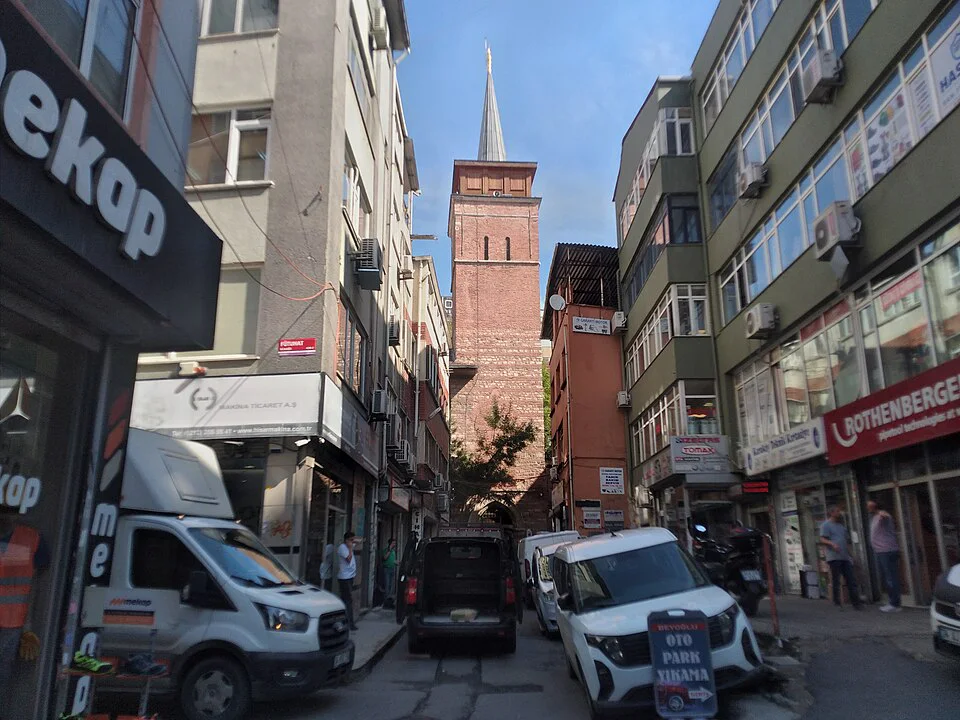 The Square Belfry Minaret
The Belfry Minaret
The square tower rising over the shopfronts is the mosque's most striking landmark. It is not an Ottoman minaret at all. It began as the bell tower of the Gothic church, built in the fourteenth century. When the building became a mosque, the tower was left practically unaltered. A conical roof was added, so the call to prayer could sound from the top. Ottoman minarets are slender and round. This one is square and heavy, a piece of Italy planted in Galata. From the surrounding lanes, the tower marks the mosque long before its door comes into view.
Listen in the appPhoto: Ahmet Yurtbakan · CC BY-SA 4.0
05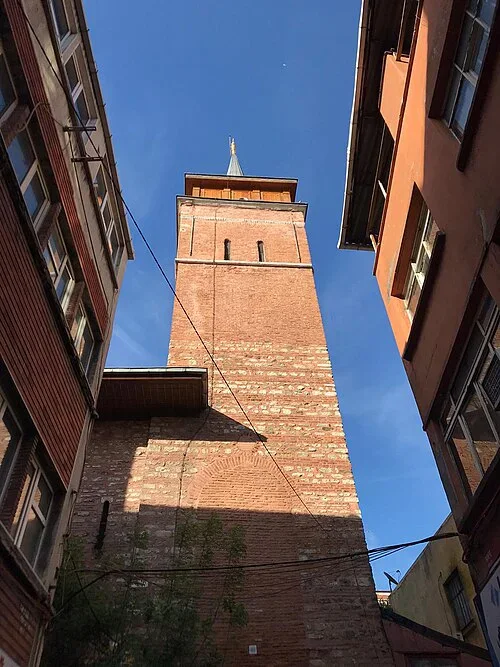 The Square Belfry Minaret
The Belfry from Below
The tower's brick face tells how the whole building was made. Small courses of brick alternate with blocks of cut stone, called ashlar. The design is Western Gothic, but the technique is the local one Byzantine builders used across the city. Italian form, Constantinopolitan hands. The building changed heavily in modern times too. Giridli Hasan Bey began an extensive restoration in 1913. The work ran on until 1919. In that campaign the height of the building was lowered. The flat wooden roof and the rather pretty wooden galleries inside date from those same years.
Listen in the appPhoto: Goktugatesag · CC BY-SA 4.0
06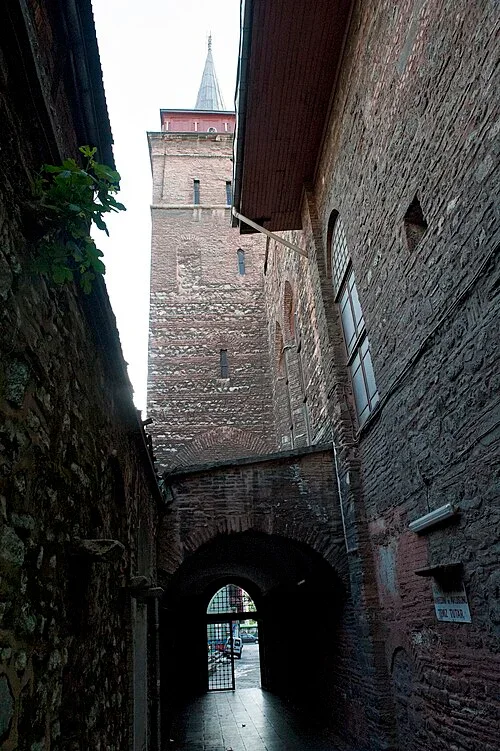 The Gothic Architecture and Lancet Windows
The Gothic Church of San Domenico
Through the passage under the tower, the building's oldest story opens up. In 1233, while the Latin Empire ruled Constantinople, a small chapel dedicated to Saint Paul stood here. That empire had been set up after the Fourth Crusade. The Dominicans arrived at the century's end. In 1299 the friar Guillaume Bernard de Sévérac bought a house near the church and founded a monastery. A dozen friars served there. In 1307 the Byzantine emperor Andronikos the Second moved the Dominicans of Constantinople to Genoese-held Pera, and this spot fell inside that suburb. Near, or perhaps above, the old chapel, they raised a great Gothic church, completed in 1325. It was officially dedicated to Saint Dominic, San Domenico, but the neighbors kept the older name of San Paolo. The church was built for Latin mendicant worship. The plan is a rectangular hall of three naves, with a squared-off east end. Ribbed groin vaults covered the square sanctuary, and tall lancet windows lit the interior. Neither feature appears in the Byzantine churches of the city. Along the northeast side, chapels may have flanked the nave, each belonging to a noble Genoese family, one dedicated to the Virgin Mary, another to Saint Nicholas. In overall shape the building resembled the churches of Chieri and Finale Ligure, back in Italy. In 1407 Pope Gregory the Twelfth granted indulgences to visitors of the monastery of San Paolo, to help pay for its upkeep.
Listen in the appPhoto: Dosseman · CC BY-SA 4.0
07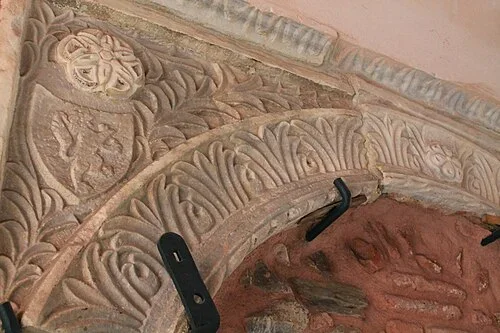 The Gothic Architecture and Lancet Windows
Carved Stone from the Gothic Church
Carved foliage scrolls across this stone, around a shield-shaped device. It is a fragment of the Gothic sculptural ornament that once covered the church. The restorers of the nineteen-tens brought more of the past to light. When they replaced the wooden floor, more than a hundred Genoese tombstones came up from beneath the boards. They belonged to Latin nobles buried in the church. The oldest date from the early fourteenth century. The newest come from the mid-fifteenth. The stones went to the Istanbul Archaeology Museum, where they remain. In the same work, traces of paintings turned up beside the mihrab, the prayer niche facing Mecca. They were covered over again.
Listen in the appPhoto: Ollios · CC BY-SA 3.0
08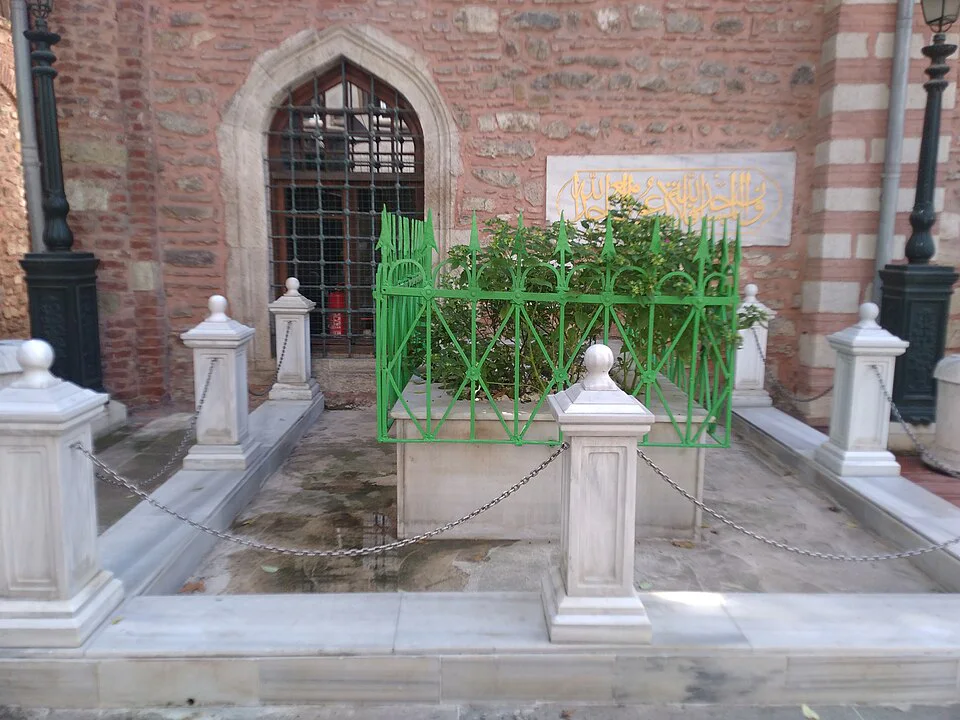 The Tomb of Maslama and the Arab Siege Legend
The Tomb of Maslama
A green iron fence encloses a small plot against the mosque wall, a flowering bush growing inside. Tradition gives this quiet spot a remarkable story. It tells that the Umayyad prince Maslama ibn Abd al-Malik besieged Constantinople in 717. The siege carried into the following year. Maslama, the story goes, built the first mosque on this site, and the first call to prayer in the city rose here. Ottoman chroniclers even describe the spot as his burial place, hence this tomb enclosure and the nearby grave called Arap Baba. The story has a snag. Those writers confused the second Arab siege with the first, a generation earlier, and placed the mosque's founding around 686. The building itself is Gothic, of a kind that did not exist when the Arabs attacked. In 2013 an inscription was set up in front of the mosque, during its restoration. It records the legendary foundation as fact, dated to 715. Historians dispute what it says.
Listen in the appPhoto: Ahmet Yurtbakan · CC BY-SA 4.0
09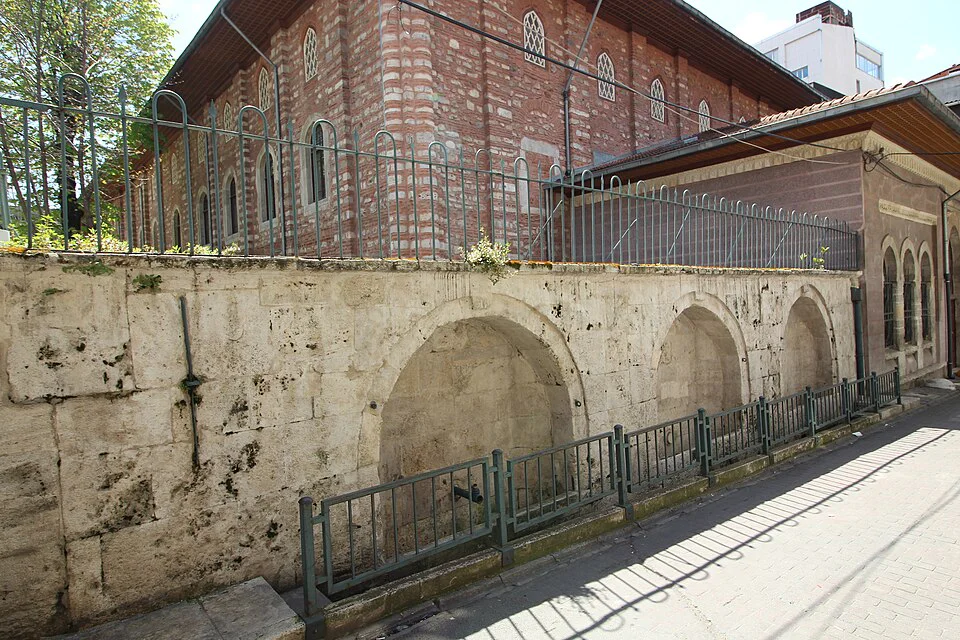 The Historic Fountains of the Complex
The Fountains of the Complex
Along the street wall of the complex runs a long line of arched niches, the mosque's public fountains. Fountains and a sebil, a booth for dispensing drinking water, were among the additions Ottoman patrons made around the mosque. The royal women who renovated the building are counted among those who added such elements. Public fountains like these supplied water to the streets of Galata. Endowing one was a classic act of charity, a gift to everyone who passed. The basins here still line the pavement. Who built this wall, and when, is no longer recorded.
Listen in the appPhoto: Ali Osman Dilekoğlu · CC BY-SA 4.0
10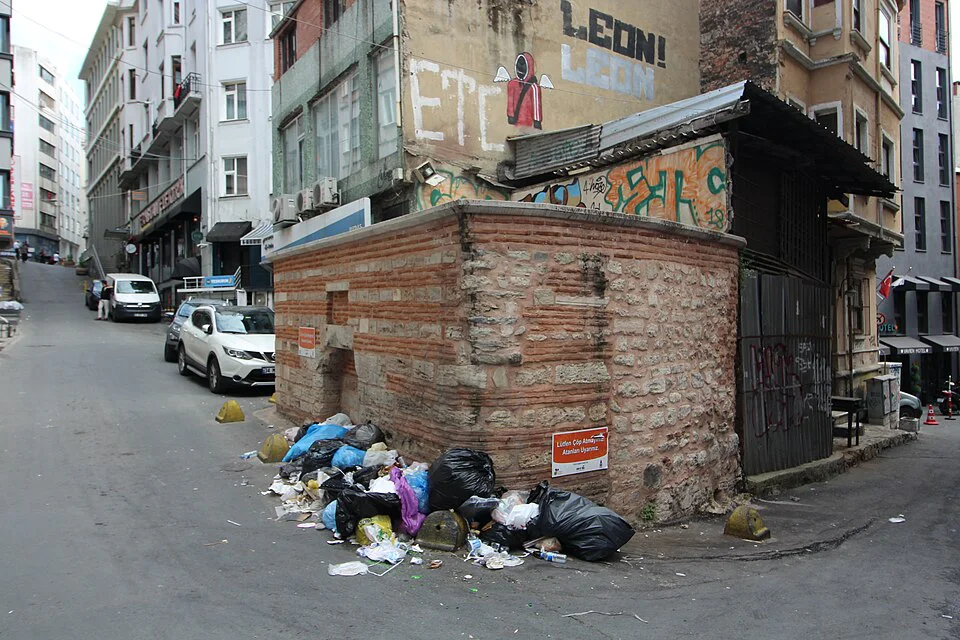 The Historic Fountains of the Complex
A Fountain in the Streets of Galata
A few streets from the mosque, a small brick fountain huddles at a corner, its old inscription painted over with graffiti. It is called the Pir Mehmet Fountain, and little else of its story survives. It belongs to the same chain of Ottoman public charity as the fountains along the mosque wall. Around it, everyday Galata carries on, with deliveries, shops and traffic. The mosque nearby holds all its layers at once, church and mosque, refugees and royal patrons, a legend beside a plainer history. It remains a mosque in daily use, at the heart of the quarter.
Listen in the appPhoto: Ali Osman Dilekoğlu · CC BY-SA 4.0
Arap Camii
Frequently asked questions
How much does the guide cost?
Free app download. Listed guide price: $0.99. Guide price shown in the app. Audio guide only. Venue admission is separate.
Can I listen without internet?
Yes. Download the guide’s audio, images, and maps in the app before your visit. Your downloaded content is then available offline.
Can I listen in my language?
This audio guide is available in 15 languages, including English.
Do I need to follow a schedule?
No. This is a self-guided experience. Choose your stops, pause whenever you like, and return to a story at your own pace.
At your own pace
Explore Arap Camii.
Download Stanza, then search for “Arap Camii”.
Free app download · Guide price shown in the app
Keep exploring
Nearby audio guides
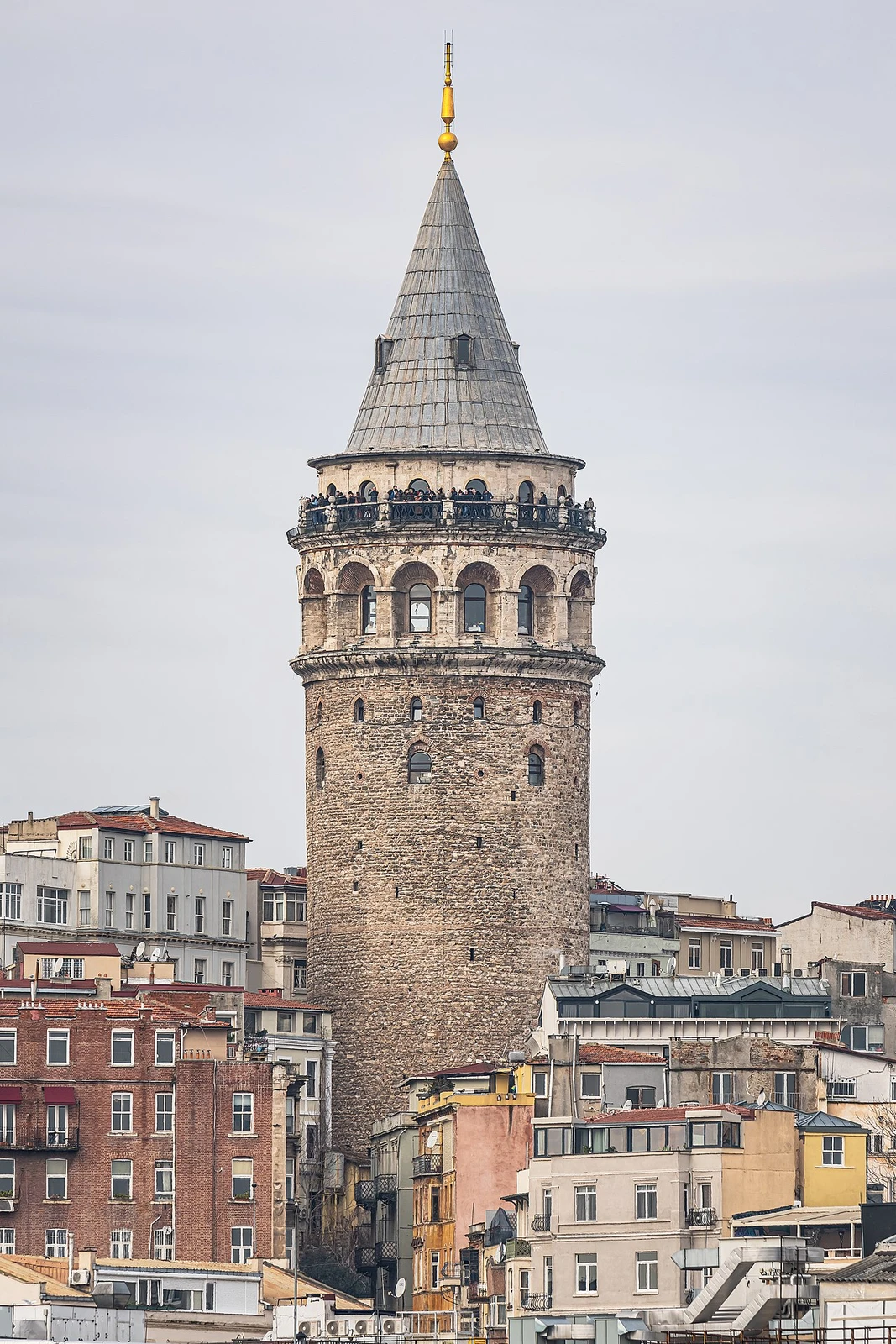
Beyoğlu · 1 km
Galata Tower
Content & sources
Photo: A.Savin · FAL
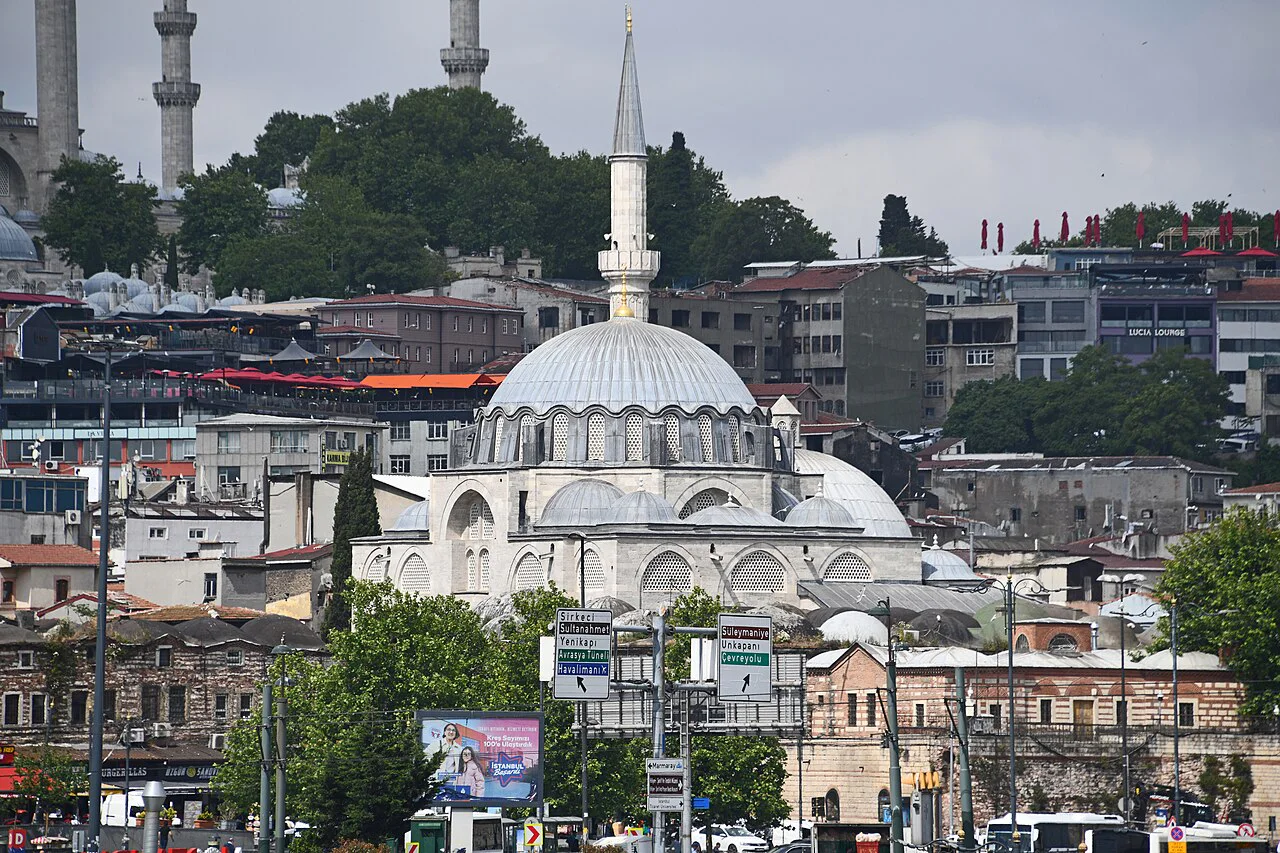
Istanbul · 1 km
Rüstem Paşa Camii
Content & sources
Photo: Dosseman · CC BY-SA 4.0
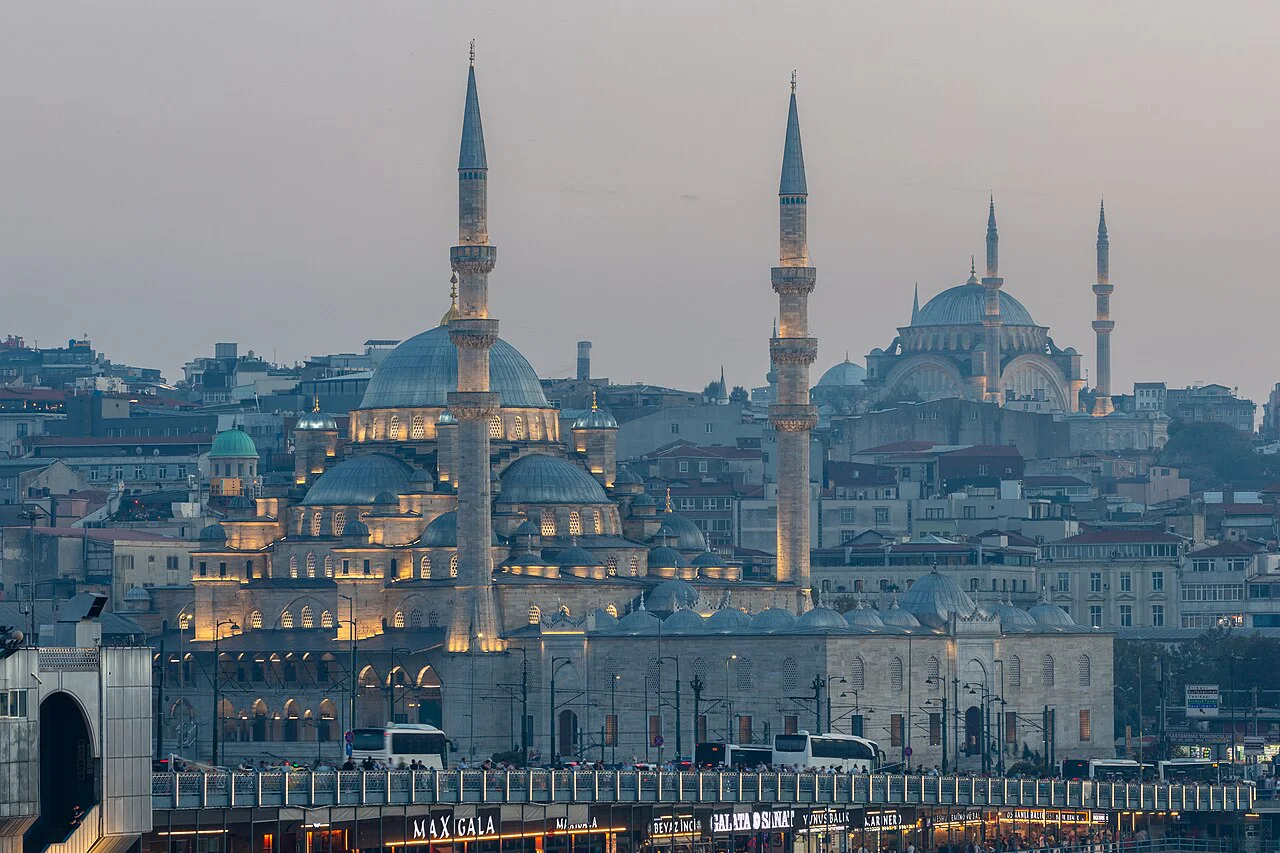
Istanbul · 1 km
Yeni Cami
Content & sources
Diego Delso · CC BY-SA 4.0
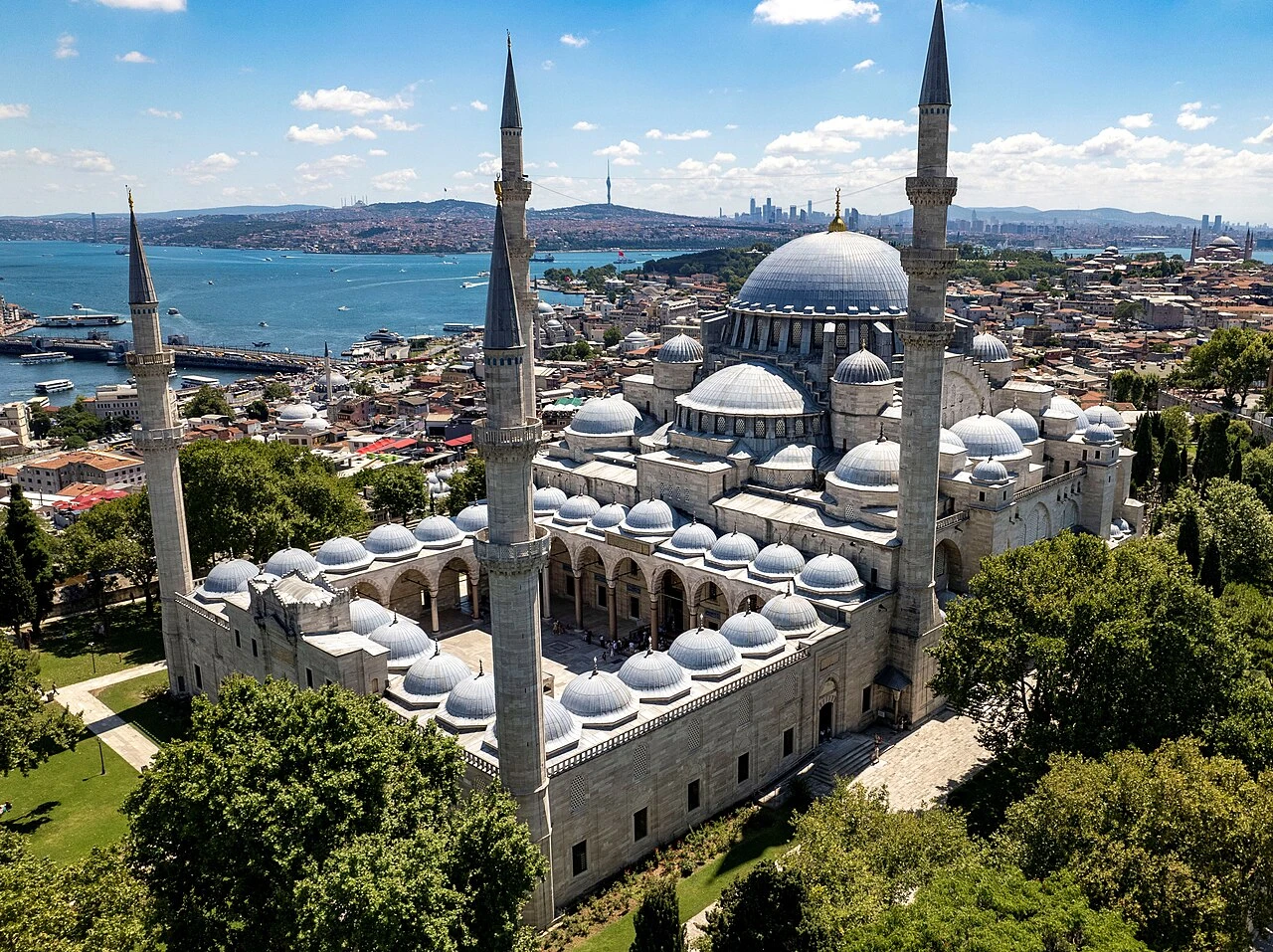
Istanbul · 1 km
Süleymaniye Mosque
Content & sources
Hunanuk · CC0