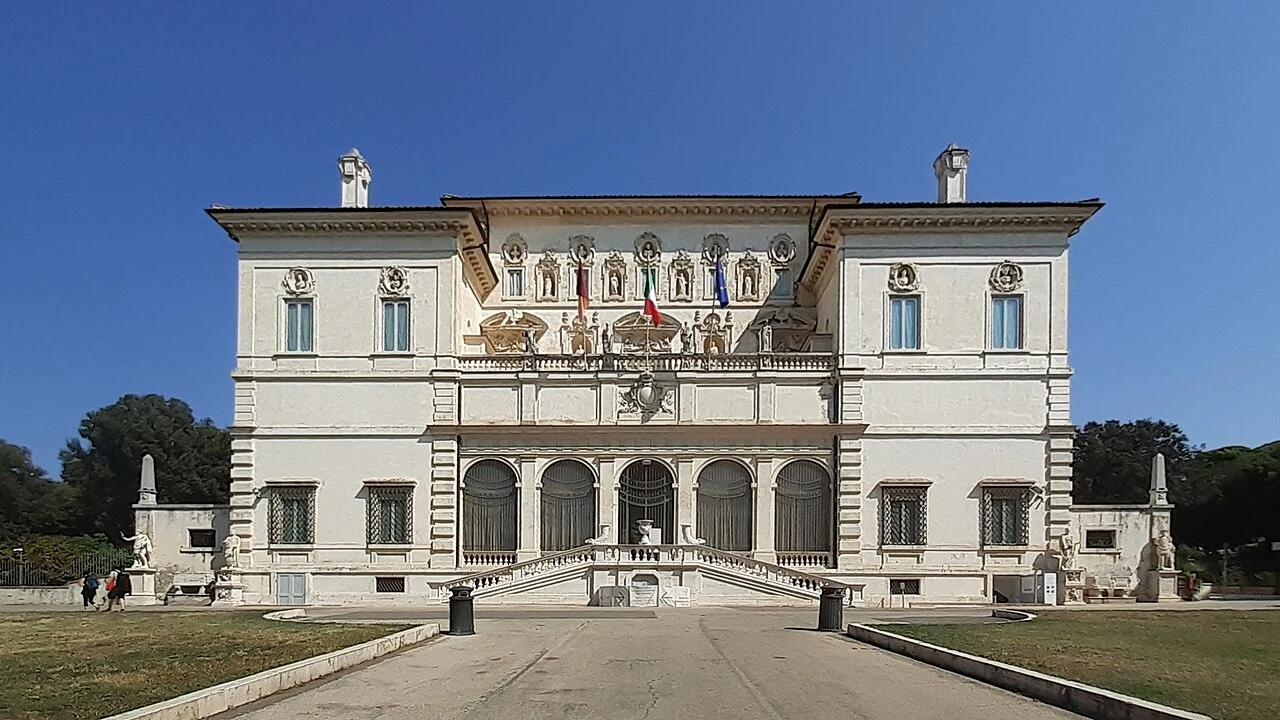
Stanza · Audioprzewodnik
Galleria Borghese Audioprzewodnik
Miejsce do zapamiętania. Historia, którą zabierzesz ze sobą.
This entry refers to the distinguished collection of paintings housed within the renowned Borghese Gallery in Rome, Italy. It features masterpieces from the Renaissance and Baroque periods, including works by…
Na razie po angielsku. Wkrótce więcej języków.
Pobierz Stanza, a następnie wyszukaj “Galleria Borghese”.
O wycieczce
Jeden przewodnik. Twoja wizyta.
This entry refers to the distinguished collection of paintings housed within the renowned Borghese Gallery in Rome, Italy. It features masterpieces from the Renaissance and Baroque periods, including works by Caravaggio, Titian, and Raphael.
Gdy tylko zechcesz.
- 01Pobierz Stanza bezpłatnie.
iOS & Android
- 02Znajdź swój przewodnik.
“Galleria Borghese”
- 03Pobierz go przed wizytą.
Offline
Audioprzewodnik / 95 dzieł
W środku przewodnika
Poznaj kilka historii przed wizytą. Otwórz przystanek, aby przeczytać więcej.
01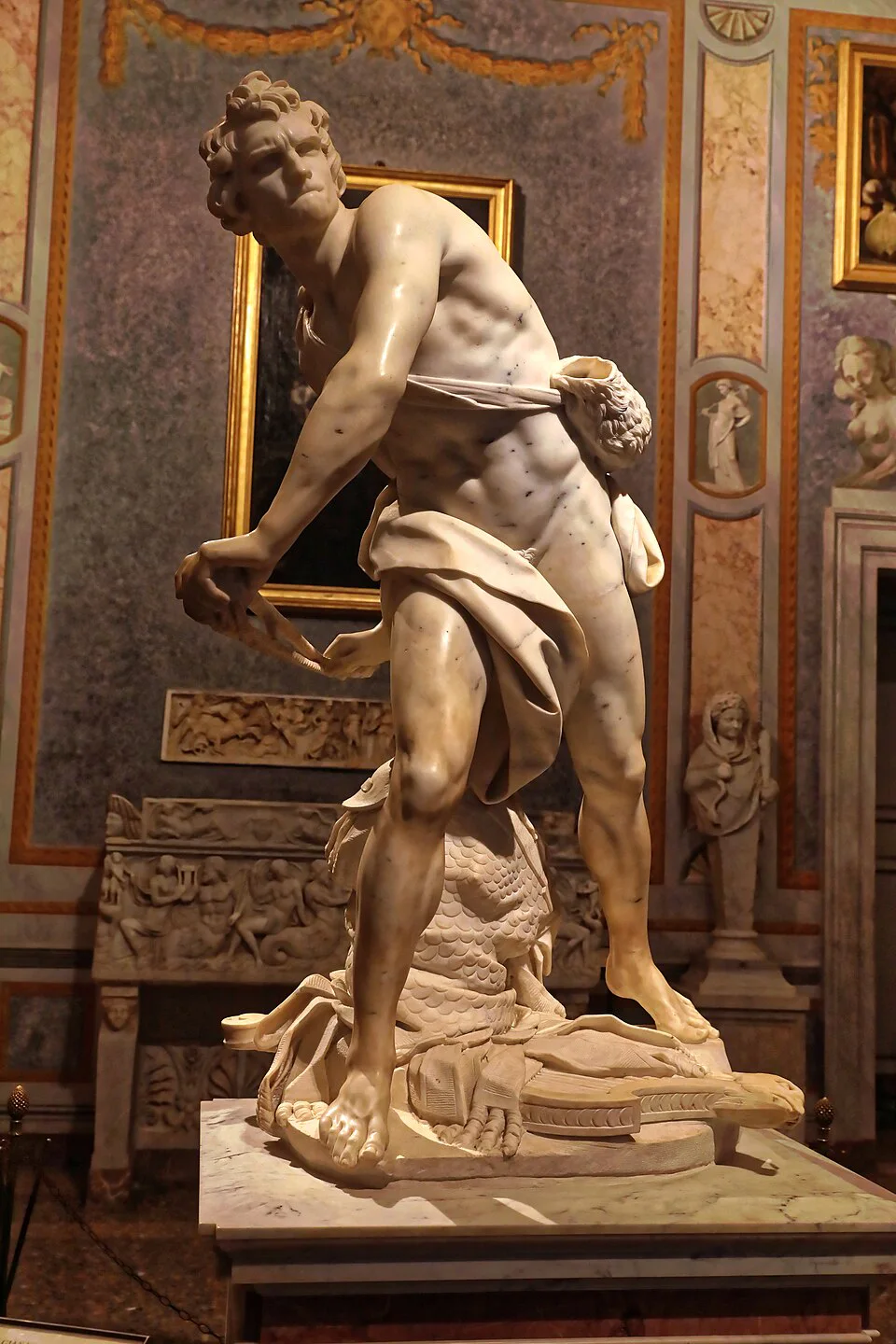
David
At his feet lies the armour of Israel's King, Saul, given to David for battle, and his harp. You are looking at David, finished in 1624 by Gian Lorenzo Bernini. David's clothing is typical of shepherd's attire. The sculpture captures a fraction of time in the course of a continuous movement as David is in the act of throwing the stone. David's face, frowning and biting his lower lip, reveals concentrated aggression and extreme mental states. Look closely at that face. Bernini modeled it on his own features, with the help of a held mirror.
Słuchaj w aplikacjiGian Lorenzo Bernini · CC BY-SA 4.0
02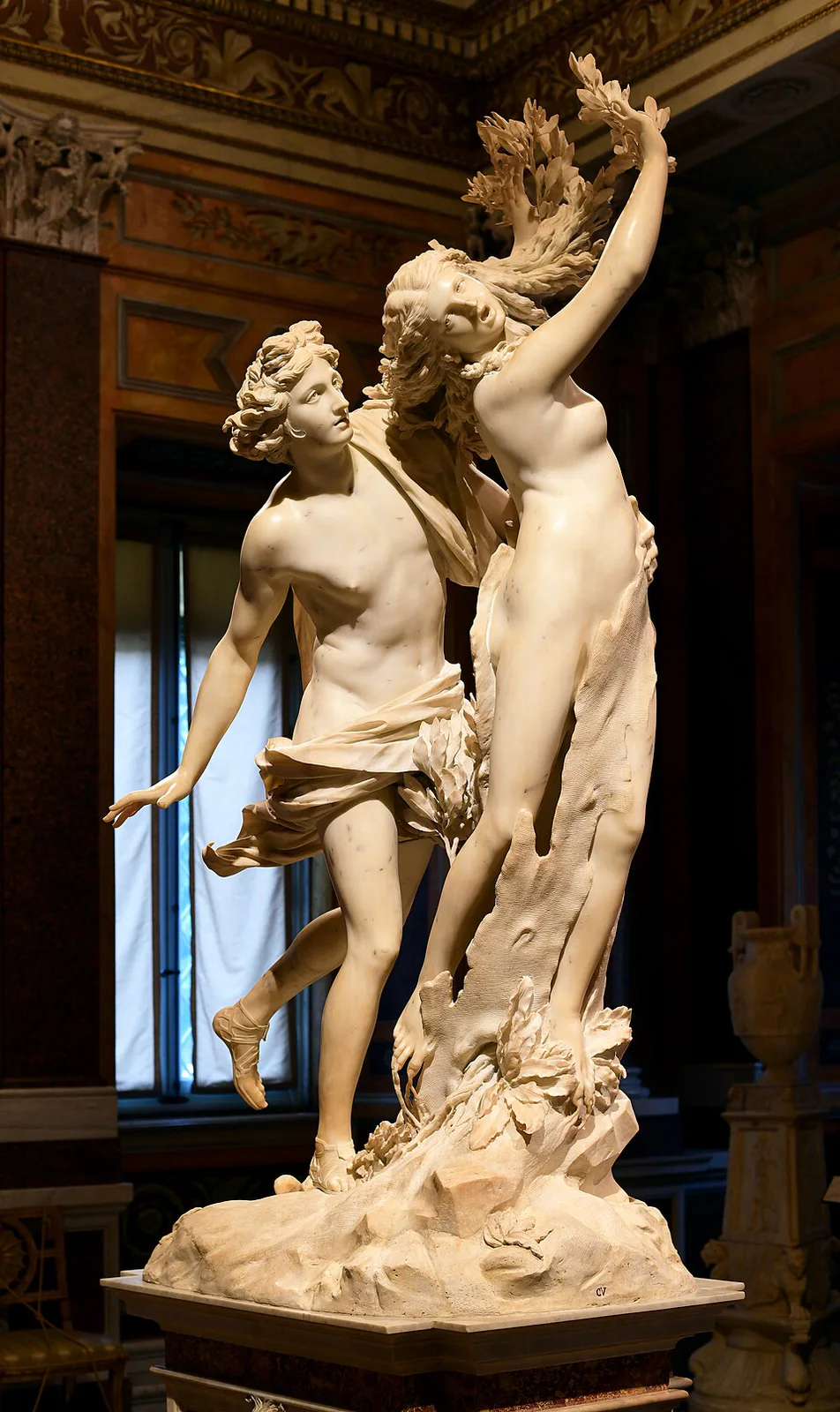
Apollo and Daphne
Apollo has a hand on what he thinks is her hip, but her flesh is already turning into the bark of a tree. Apollo's billowing drapes convey the speed with which he has given chase. Gian Lorenzo Bernini created this marble sculpture between 1622 and 1625. Giuliano Finelli, who was a very gifted sculptor, undertook the finer details that show Daphne's conversion from human to tree, such as the twigs and leafs springing from her hands, and her windswept hair. Placing his hand against the trunk, he felt her heart still quivering under the new bark.
Słuchaj w aplikacjiArchitas · CC BY-SA 4.0
03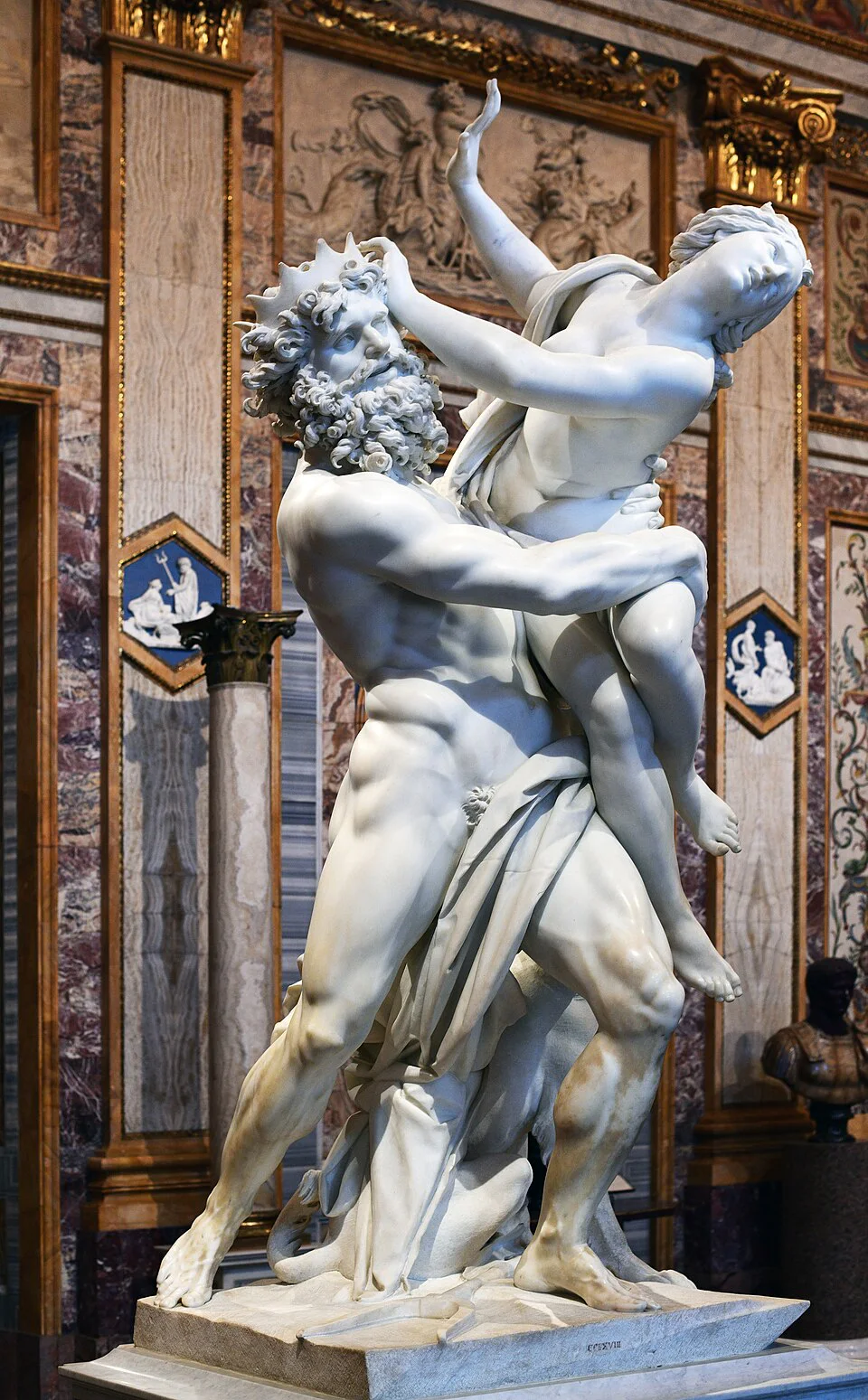
The Rape of Proserpina
Pluto holding Proserpina aloft, with a marble Cerberus at the base. Executed in 1624, The Rape of Proserpina by Gian Lorenzo Bernini depicts the climactic moment of the myth when the god seizes the daughter of Ceres and carries her across the border of the underworld. Look closely at the figures. The figures are almost fully nude, though cloth still covers Pluto's thigh and Proserpina's shoulder. The marble Cerberus is joined to Pluto through this cloth. And a trickle of tears enhances the expressiveness of Proserpina's face.
Słuchaj w aplikacjiGian Lorenzo Bernini · CC BY-SA 4.0
04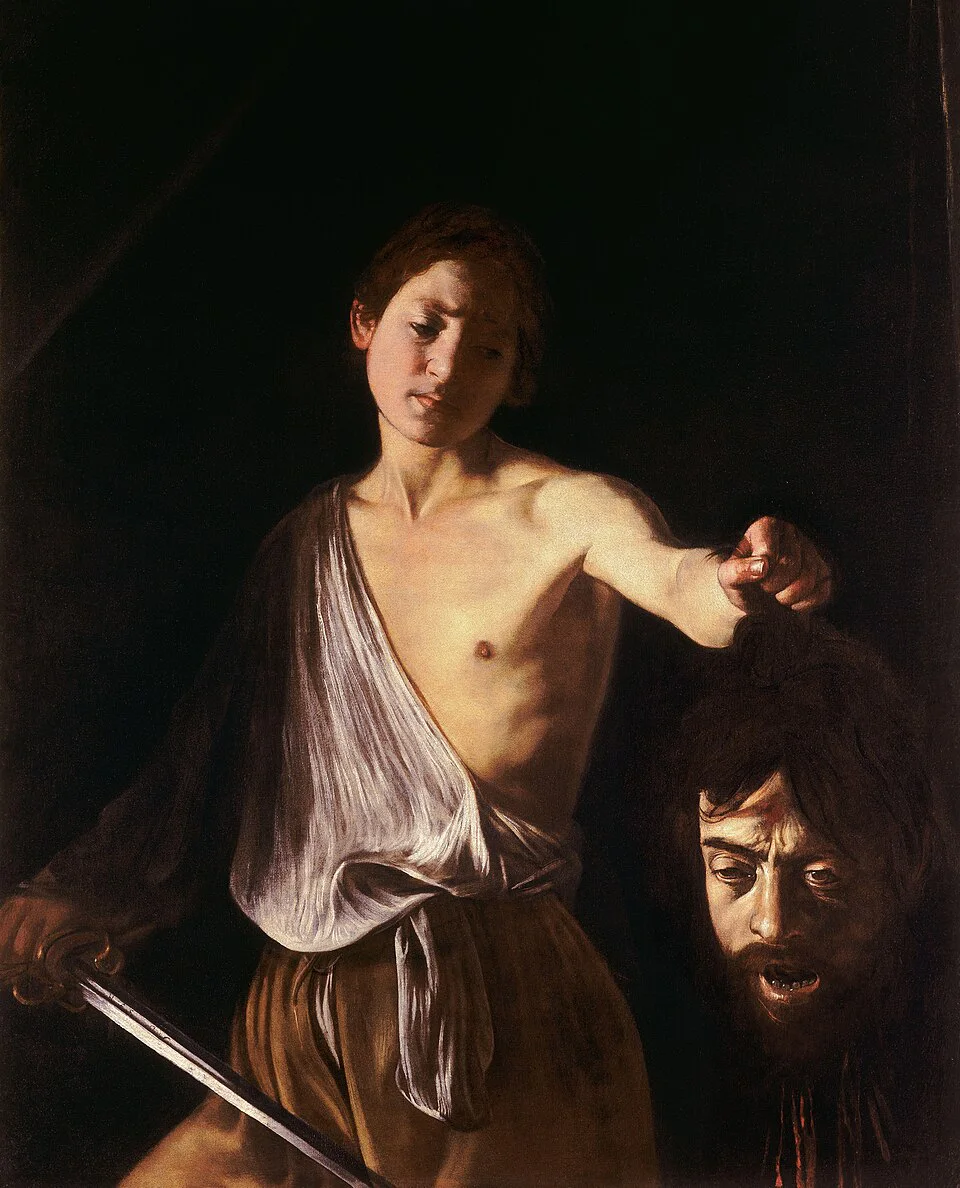
David with the Head of Goliath
A boy, a sword, and an enemy's head held out at arm's length. This is a victory. So why does nobody celebrate? Caravaggio's David. And he is not smiling. Go to his face. The brow is tight, the eyes lowered and heavy. No joy there. Only sadness, and something close to pity. The light falls on a thin chest and a pale, crumpled shirt. No armour. He looks like a boy from the street. His arm is stretched out, fingers knotted in the giant's hair. He holds it the way you hold something you can hardly bear to touch. Now the head. The mouth hangs open, and the eyes are half shut. A dark mark sits on the forehead. That is where the stone struck. Below the chin, thin red streaks run down into the dark. And in the other hand, the sword. A long, bright blade, slanting down across the picture. Yet he is pensive, not jubilant. That makes a strange bond between the winner and the loser. Because look at that face once more. The heavy brows, the beard, the deep lines of the forehead. That may be the painter's own face, set on the dead giant. And the painter knew what it was to kill a man. Perhaps it was a gift, and a plea for mercy, to the cardinal who could pardon that crime. So the winner mourns.
Słuchaj w aplikacjiCaravaggio · Public domain
05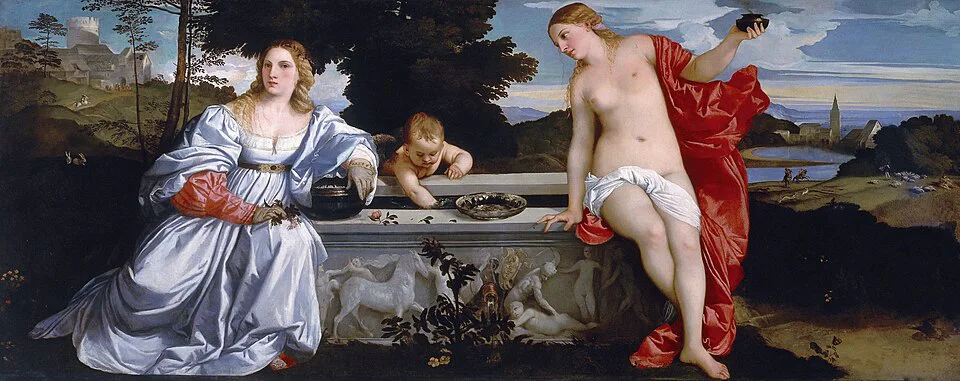
Sacred and Profane Love
Is that one woman, painted twice? Same face. Same long golden hair. One sits wrapped in pale blue silk. The other has almost nothing on. It feels like a riddle. Titian painted it roughly between 1514 and 1515. We call it Sacred and Profane Love. But that name only turns up in a record nearly two hundred years later. The picture was made for a wedding. Take the woman on the left. Small dark leaves are woven into her golden hair. Myrtle. Brides wore it. Both her hands are gloved. One rests on a dark bowl, the other holds a few flowers. Her dress is a bride's dress. She sits calm, and very still. Now the stone between them. A shield is carved into it. It belongs to a Venetian called Niccolò Aurelio. He was marrying a young widow, Laura. The groom himself never appears. His arms on the stone stand in for him. Between the women, a small winged boy leans over the edge. Hand in the water, eyes down. He looks at neither woman. Maybe he is Cupid, the son of Venus, playing in the water. On the right, perhaps Venus herself, there to help the bride. A white cloth, a red mantle, little else. She sits at ease. Her arm lifts a small vessel high. Smoke curls from it. Your eye follows it up to the sky. Behind her, the world goes on. Riders chase a hare. Sheep graze. It looked like a riddle. It was a celebration of a marriage.
Słuchaj w aplikacjiTitian · Public domain
06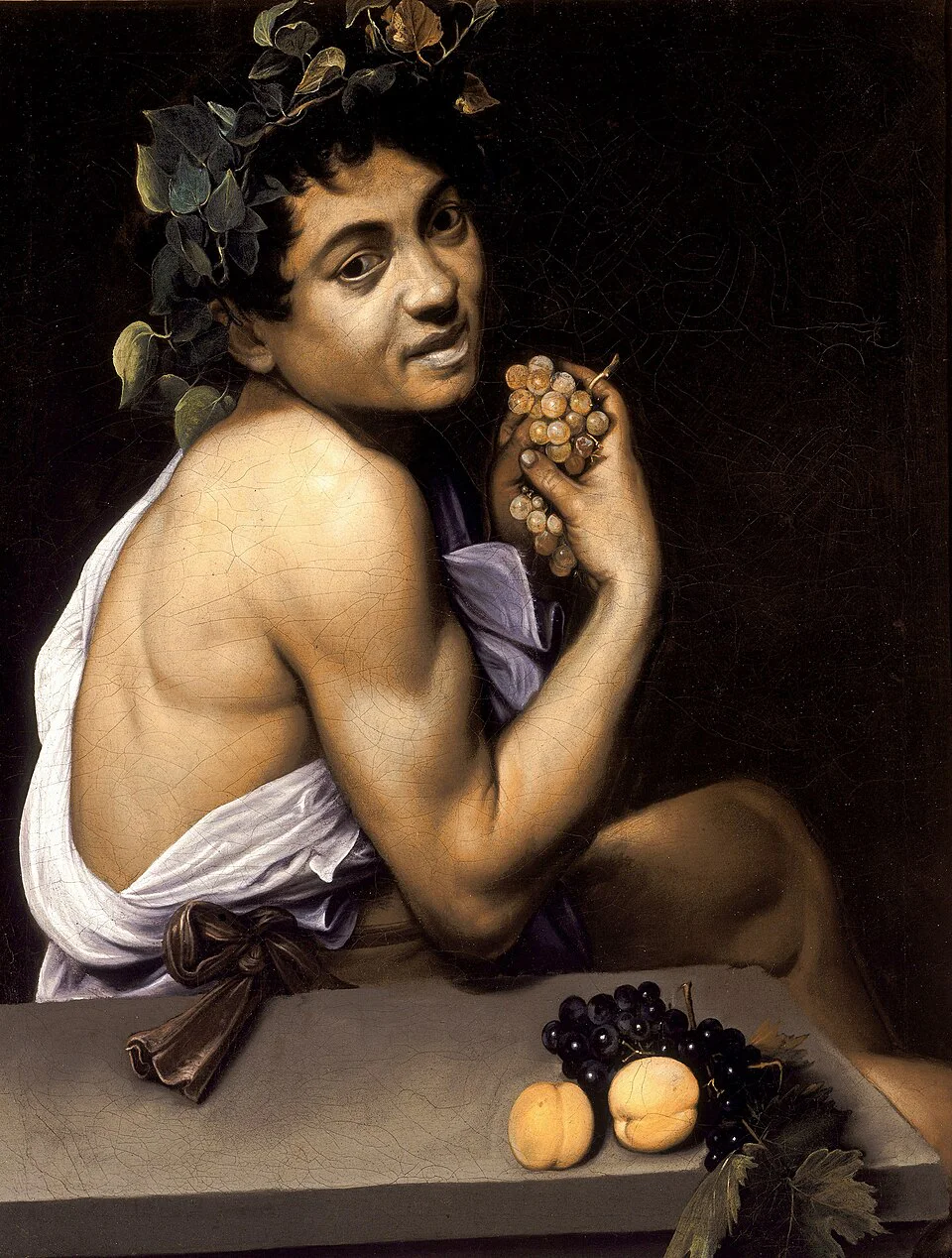
Self-Portrait as Bacchus
Is this really a god? Vine leaves in his hair. Grapes in his hand. Everything says Bacchus, the god of wine. Then he turns and meets your eyes. Eyes wide. One corner of the mouth pulled into a crooked smile. It is a tease. Nothing divine about it. It is Caravaggio himself, painted from a mirror. A self-portrait as Bacchus. His skin has a yellow, unhealthy cast. In his first years in Rome he fell very ill, and spent six months in a hospital. This is no god. Just a sick young man. His bare shoulder is pale. Not the bronzed skin that convention asked for. It is the skin of a man who keeps his clothes on. White grapes in his fist, a few of them bruised brown. Even the grapes have seen better days. Down on the slab, black grapes, each with a bright speck of light. Two soft peaches beside them. Caravaggio may well be showing off. Fruit, skin, a face, all painted with care, by a young man new to Rome. Between you and him, only that stone slab. He is that close. So Bacchus is a sick young man with a crooked smile. Is this really a god?
Słuchaj w aplikacjiCaravaggio · Public domain
07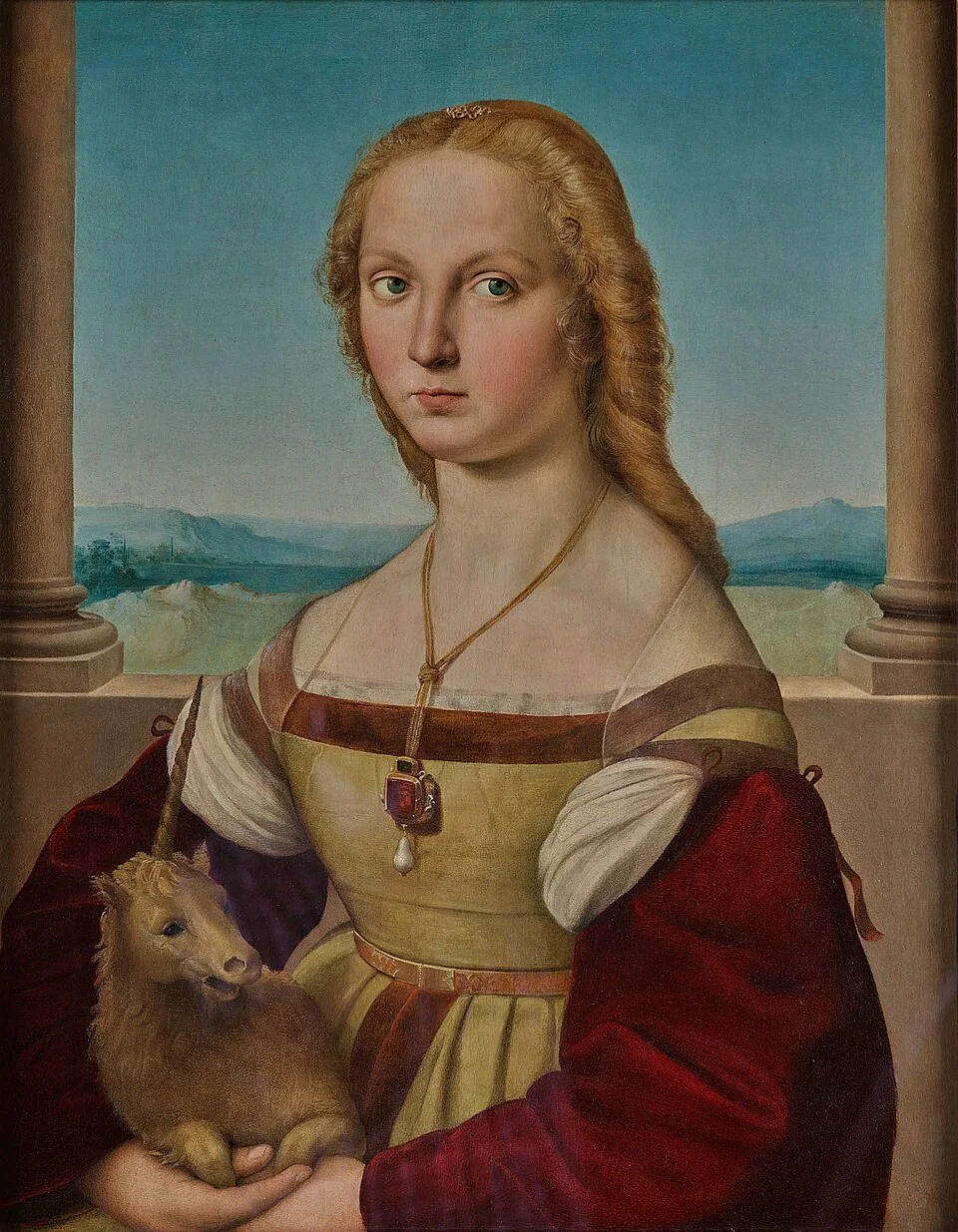
Portrait of a Lady with a Unicorn
She watches you, and she gives nothing away. Her head turns one way, her eyes slide the other. The mouth is closed and level. No smile at all. Portrait of a Lady with a Unicorn, by Raphael. Behind her, stone columns frame a wide, hazy landscape. Leonardo's Mona Lisa seems to have inspired this setting. But her look is cooler, and far less mysterious. Her shoulders are bare, her neckline low and plain. Hold on to that. On a thin cord hangs a red stone set in gold, and under it, one pearl. It draws your eye down toward her hands. Her hands are folded round a small animal. A unicorn. Its horn is thin, its mouth just open. In those days the unicorn stood for purity. Perhaps it was painted when she was about to marry. Who was she? No one knows. Now the twist. For more than two hundred years, you could not have seen that unicorn. Around 1682, someone painted it out. Where it sat, they put a wheel. Over those bare shoulders, a heavy cloak. In her other hand, a palm leaf. She had become Saint Catherine. By 1760 the gallery's records called her a saint, and the work Perugino's. Then, in the 1930s, restorers cleaned the paint away. The wheel came off. The cloak, the palm. And the unicorn was waiting underneath. Later, X-rays found one more secret under it. A small dog, the sign of a faithful marriage. Raphael never finished it. A saint for two hundred years. Now a girl no one can name. And still she gives nothing away.
Słuchaj w aplikacjiRaphael · Public domain
08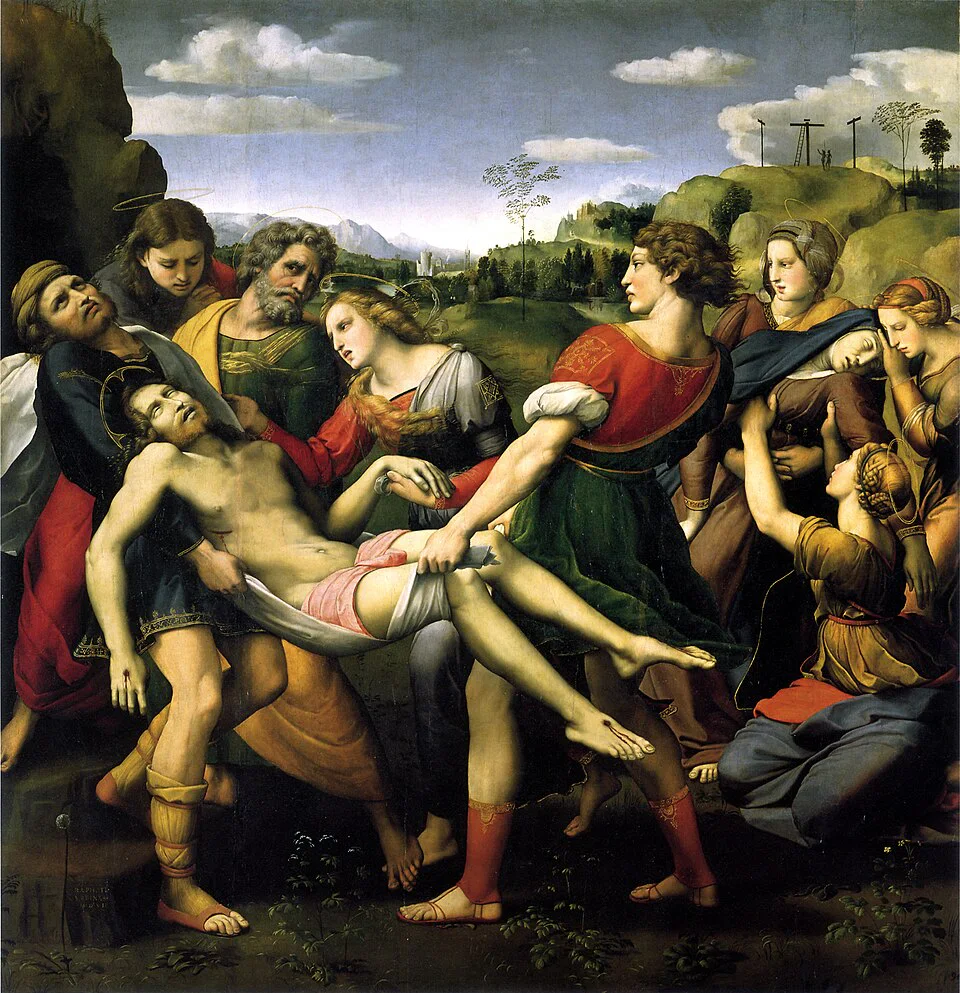
The Deposition
Men bent under a heavy weight, legs braced, a body sagging between them. Hard work, all of it. But look at the faces. Nobody is shouting. Nobody is fighting. Raphael painted this Deposition, and its grief is quiet. The hanging arm first. The fingers curl loose, and there is one small drop of blood on the hand. The young man in red holds the linen, his face in sharp profile, his eyes fixed ahead. Maybe this is Grifonetto himself, the son this picture was made for. He was killed in a family feud in Perugia. His mother rushed after him, and came too late. She ordered this picture in his memory. Now the young man's hand. He grips the linen hard, knuckles bunched, the cloth twisted in his fist. He is not hauling a load. He is carrying someone. Then Mary Magdalene. She leans in, brow tight, lips parted, and holds the dead hand in hers. Her skin is warm. His is pale. Now lift your eyes to the right. On a hill, three crosses. A ladder still leans on the middle one. That is where they have come from. On the left, a dark opening in the rock. That is the tomb, where they are going. So this is neither the taking down, nor the burial. It is the road between. Everyone seems to hold still, halfway. And on the right, the Virgin Mary has fainted. Her head drops to one side, her eyes closed, other women holding her up. Grief like that is not shouted. It can take the legs from under you. And the painting was made for a mother. Hard work, yes. But what they carry is grief, and they carry it quietly.
Słuchaj w aplikacjiRaphael · Public domain
09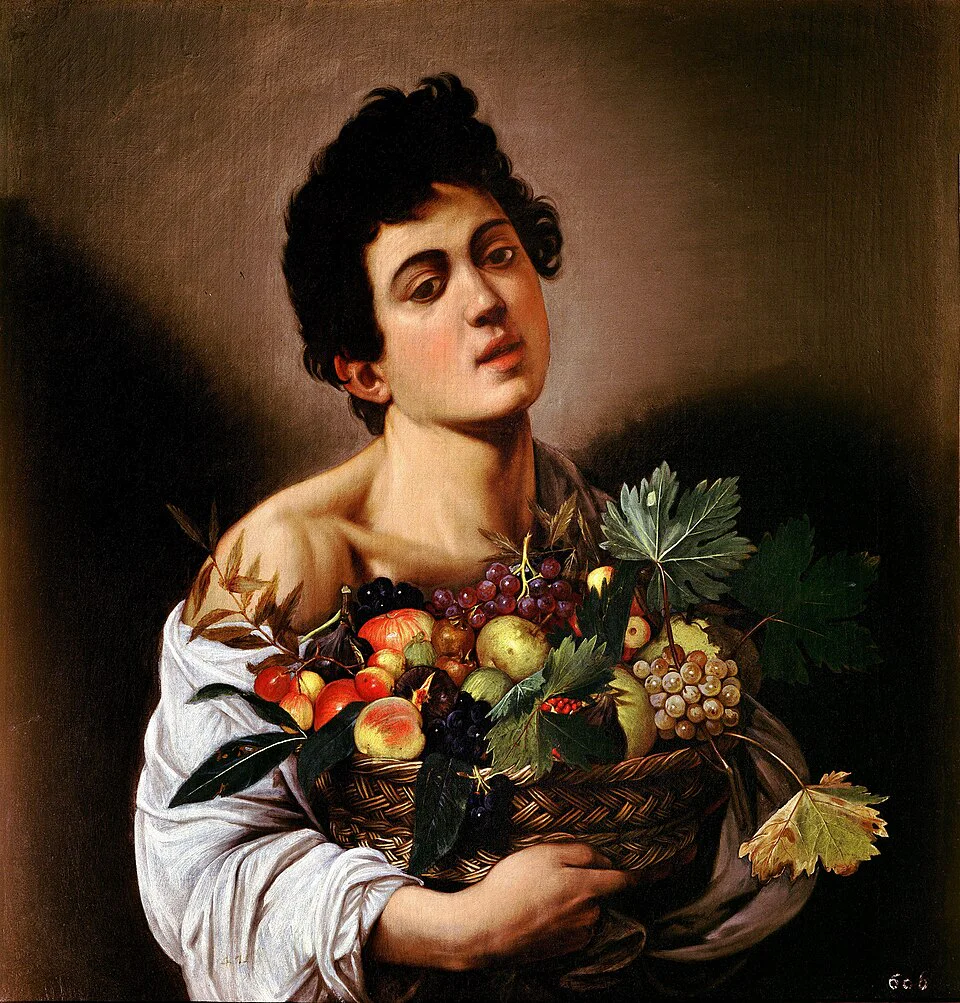
Boy with a Basket of Fruit
A boy with a basket of fruit. Could a picture be friendlier? He turns toward you, the basket of fruit held close against him. Boy with a Basket of Fruit, by Caravaggio. But stay with his face a moment. The head tilts, the lips part a little, the cheeks are flushed. And his eyes sit half in shadow, heavy, almost tired. It is a weary look for someone selling fruit. Light from a high window falls on his bare shoulder. He sits almost at the very front of the picture, close to you. He seems to give you himself along with the fruit. The model was Mario Minniti, a friend of Caravaggio's, about sixteen. Caravaggio himself was new in Rome, still making his way. Now the fruit. A peach blushing orange, apples with dark specks. And a fig split open. You can almost feel the firm skins, and its soft flesh. Yet look closer. The fruit is not perfect. Spots and flaws, here and there. Even the pale grapes are speckled with brown. Fresh, yet already marked. Outside the basket, one leaf bends down. Half green, edged in gold and brown. A yellowing leaf. Fruit like this does not last. Neither does being sixteen. His hand curls over the rim, fingers resting on the weave. Skin of a boy, skin of a peach, cloth and wicker. He could paint them all. So here is a boy, offering you fruit. And already the fruit is marked, and his youth is passing. Now look at his eyes again.
Słuchaj w aplikacjiCaravaggio · Public domain
10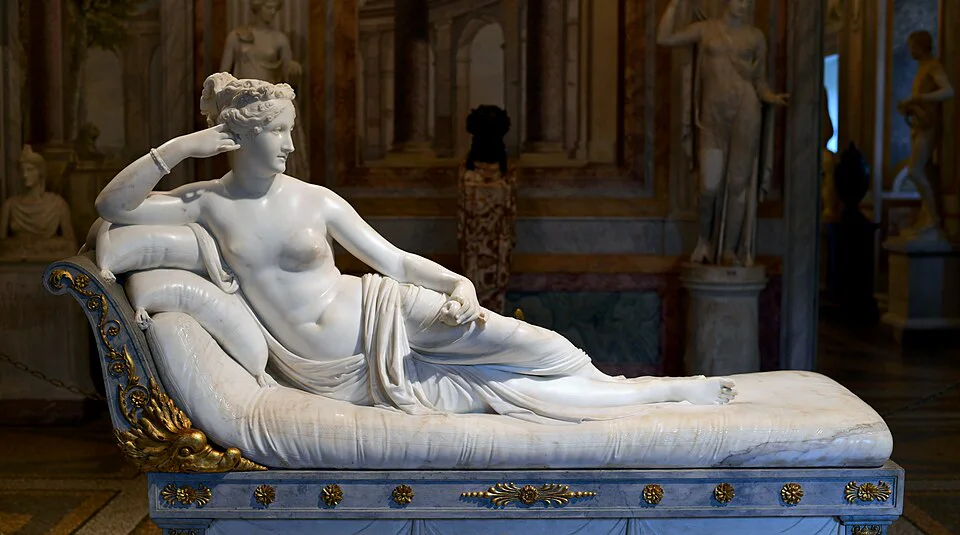
Venus Victrix
A life-size reclining woman holding an apple in her hand. Antonio Canova made Venus Victrix between 1804 and 1808. Look at the face, where the head presents a relatively realistic portrait of Pauline Bonaparte. Then shift your gaze downward, because the torso shifts into a neo-classically idealised form. She is portrayed holding an apple in her hand, evoking Aphrodite's victory in the Judgement of Paris. Notice the apple in her hand which connects the mortal Pauline to the goddess Aphrodite.
Słuchaj w aplikacjiAntonio Canova · CC BY-SA 4.0
- 11
Madonna and Child with Saint Anne
Caravaggio · 1605
- 12
Saint Jerome
Caravaggio · 1606
- 13
Portrait of Pope Paul V
Caravaggio · 1605
- 14
Danaë
Antonio da Correggio · 1530
- 15
Susanna and the Elders
Peter Paul Rubens · 1606
- 16
Aeneas, Anchises and Ascanius
Gian Lorenzo Bernini · 1619
- 17
Truth unveiled by Time
Gian Lorenzo Bernini · 1700
- 18
The Deposition
Peter Paul Rubens · 1602
- 19
Bust of Cardinal Scipione Borghese
Gian Lorenzo Bernini · 1632
- 20
Madonna and Child with Saints Flavian and Onuphrius
Lorenzo Lotto · 1506
- 21
Portrait of a Gentleman
Lorenzo Lotto · 1535
- 22
The Goat Amalthea with the Infant Jupiter and a Faun
Gian Lorenzo Bernini · 1615
- 23
Portrait of a Man
Raphael · 1503
- 24
Gladiator Mosaic
Unknown Artist · 320
- 25
Tobias and the Angel
Giovanni Girolamo Savoldo · 1542
- 26
Venus Blindfolding Cupid
Titian · 1565
- 27
Crucifixion Between Saints Jerome and Christopher
Pinturicchio · 1475
- 28
Leda and the Swan
Cesare da Sesto · 1510
- 29
Madonna and Child
Giovanni Bellini · 1506
- 30
Saint Anthony Preaching to the Fish
Paolo Veronese · 1580
- 31
Saint John the Baptist Preaching
Paolo Veronese · 1562
- 32
La Zingarella
Nicolas Cordier · 1607
- 33
Diana and her Nymphs
Domenichino · 1616
- 34
Venus and Cupid with a Honeycomb
Lucas Cranach the Elder · 1531
- 35
Saint John the Baptist
Caravaggio · 1610
- 36
Saint Dominic
Titian · 1565
- 37
Apollo
Dosso Dossi · 1525
- 38
The Laughing Youth
Annibale Carracci · 1583
- 39
Adoration of the Child
Piero di Cosimo · 1510
- 40
Pala Baglioni
Domenico Alfani, Raphael · 1507
- 41
Adoration of the Child
Fra Bartolomeo · 1499
- 42
Escape of Aeneas from Troy
Federico Barocci · 1598
- 43
Susanna Harassed by the Elders
Gerard van Honthorst · 1655
- 44
Impassioned Singer
Giorgione · 1508
- 45
Flute Player
Giorgione · 1508
- 46
Madonna and Child with The Infant Saint John the Baptist
Andrea del Sarto · 1513
- 47
Predella of Lamentation with Four Saints
Andrea del Sarto · 1550
- 48
Return of the Prodigal Son
Guercino · 1627
- 49
Satyr on a dolphin
Unknown Artist
- 50
Samson in Chains
Annibale Carracci · 1594
- 51
The Sleep of Jesus
Lavinia Fontana · 1591
- 52
Andromeda Freed by Perseus
Rutilio di Lorenzo Manetti
- 53
Portrait of Pianerlotto
Parmigianino · 1531
- 54
Self-Portrait as a Mature Man
Gian Lorenzo Bernini · 1635
- 55
Portrait of Arrigo Licinio and His Family
Bernardino Licinio · 1550
- 56
Minerva dressing
Lavinia Fontana · 1613
- 57
Scourged Christ
Titian · 1568
- 58
Young Moor with Child and Dog
Workshop of Giovan Battista della Porta
- 59
Melissa
Dosso Dossi · 1522
- 60
Venus and Two Cupids
Andrea del Brescianino · 1520
- 61
Cumaean Sibyl
Domenichino · 1617
- 62
Norandino and Lucina Discovered by the Ogre
Giovanni Lanfranco · 1624
- 63
Diana and Callisto
Dosso Dossi · 1529
- 64
Judith and the Head of Holofernes
Giovanni Baglione · 1608
- 65
Taking of Christ
Giuseppe Cesari · 1598
- 66
Rape of Europa
Giuseppe Cesari · 1603
- 67
Moses Breaking the Tablets of the Law
Guido Reni · 1624
- 68
Christ carrying the Cross
Andrea Solari · 1510
- 69
Ecce Homo
Giovanni Baglione · 1606
- 70
Leda
Michele Tosini · 1560
- 71
Saint Sebastian
Pietro Perugino · 1495
- 72
Holy Family
Annibale Carracci · 1598
- 73
The Arrest of His Brethren
Francesco Bacchiacca · 1515
- 74
The Entombment of Christ
Sisto Badalocchio · 1610
- 75
Portrait of a Man
Antonello da Messina · 1500
- 76
The Concert
Gerard van Honthorst · 1628
- 77
Amor and Psyche
Jacopo Zucchi · 1589
- 78
Madonna and Child with six angels and Saint John the Baptist as Child
Sandro Botticelli · 1489
- 79
Lucretia
Michele Tosini · 1560
- 80
Scenes from the Story of Joseph: Joseph Sold by His Brethren
Francesco Bacchiacca · 1515
- 81
Portrait of Paul V
Marcello Provenzale · 1621
- 82
Saints Cosmas and Damian
Dosso Dossi · 1520
- 83
Self-Portrait as a Young Man
Gian Lorenzo Bernini · 1623
- 84
Madonna and Child with Young St John
Andrea del Sarto · 1517
- 85
Saint John the Baptist
Bronzino · 1560
- 86
Portrait of Monsignor Clemente Merlini
Andrea Sacchi · 1630
- 87
Virgin and Child with Saints
Benvenuto Tisi · 1524
- 88
The Flight into Egypt
Giuseppe Cesari · 1595
- 89
Madonna and Child
Dosso Dossi · 1525
- 90
An Antique Dealer's Gallery
Frans Francken the Younger · 1615
- 91
Allegory of the Creation
Jacopo Zucchi · 1585
- 92
Portrait of a young Man
Ridolfo del Ghirlandaio · 1510
- 93
The lamentation over the dead Christ
Alessandro Turchi · 1617
- 94
The Raising of Lazarus
Alessandro Turchi · 1617
- 95
Stag Hunt
Niccolò dell'Abbate · 1550
Galleria Borghese
Często zadawane pytania
Ile kosztuje przewodnik?
Bezpłatna aplikacja. Za darmo do 1 stycznia. Podana cena przewodnika: $1.99. Tylko audioprzewodnik. Wstęp do obiektu jest osobno.
Czy mogę słuchać bez internetu?
Tak. Pobierz nagrania, zdjęcia i mapy w aplikacji przed wizytą. Pobrane treści są dostępne offline.
Czy mogę słuchać w swoim języku?
Na razie po angielsku. Wkrótce więcej języków.
Czy muszę przestrzegać harmonogramu?
Nie. Zwiedzasz samodzielnie. Wybieraj przystanki, rób przerwy i wracaj do historii we własnym tempie.
We własnym tempie
Odkryj: Galleria Borghese.
Pobierz Stanza, a następnie wyszukaj “Galleria Borghese”.
Bezpłatna aplikacja · Cena przewodnika w aplikacji
Odkrywaj dalej
Audioprzewodniki — Włochy
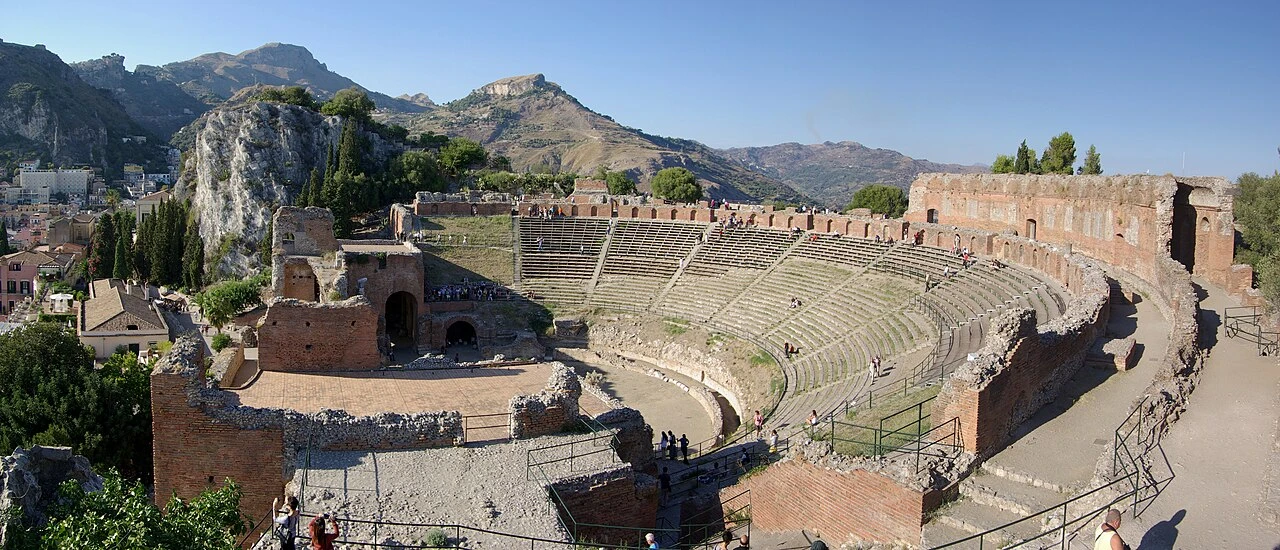
Taormina
Teatr antyczny w Taorminie
Treść i źródła
Photo: Berthold Werner · CC BY-SA 3.0
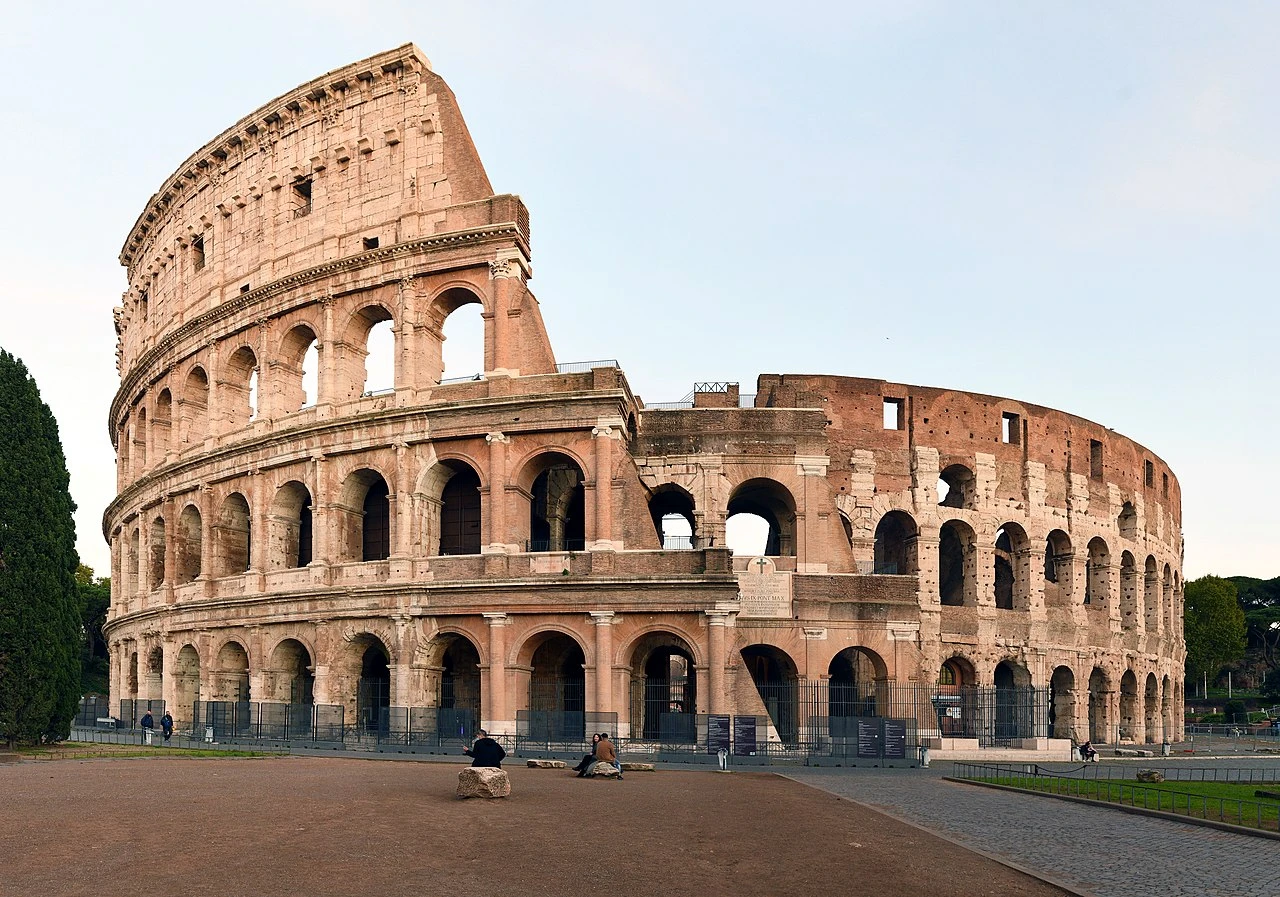
Rzym
Koloseum
Treść i źródła
Photo: FeaturedPics · CC BY-SA 4.0
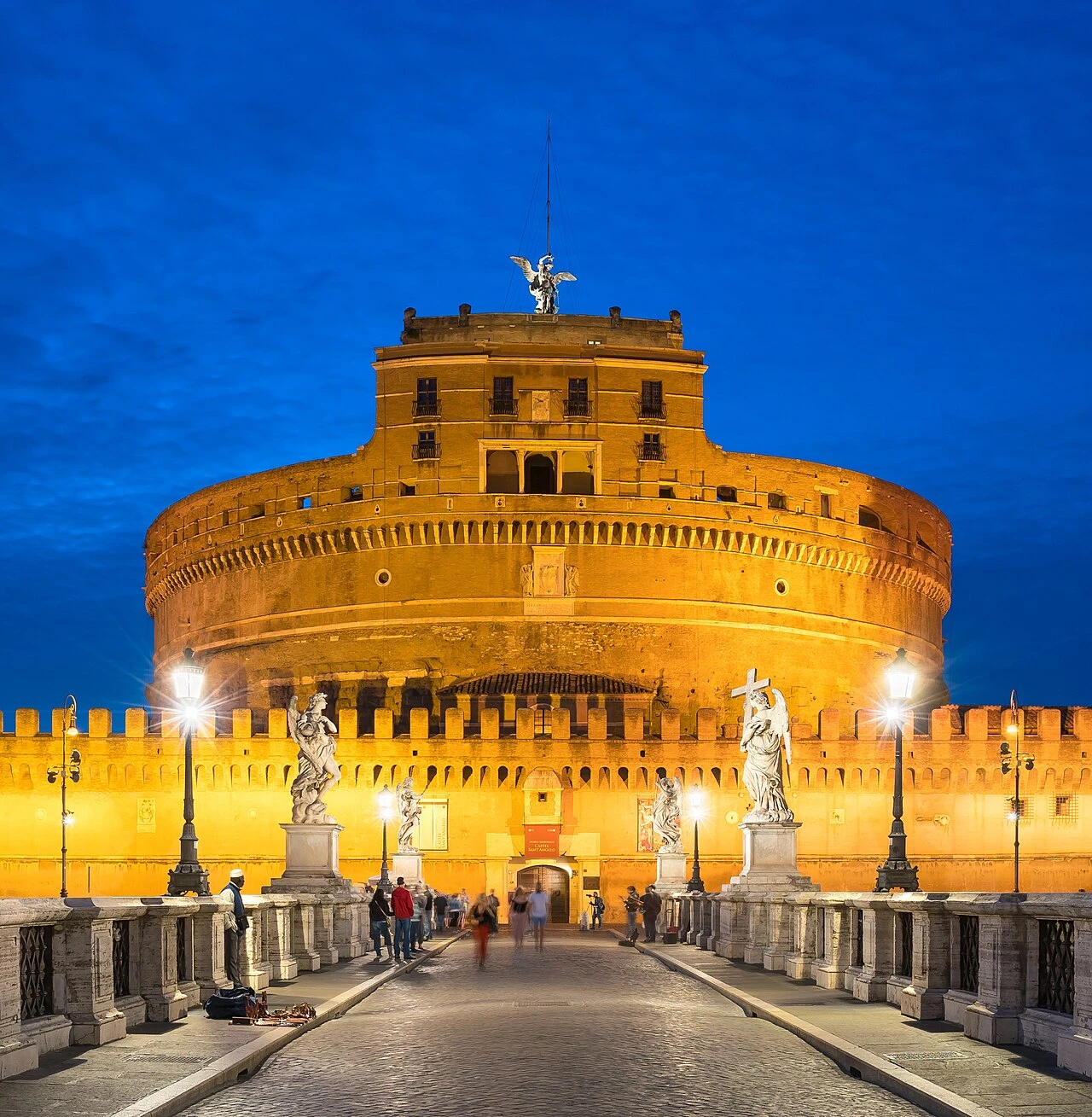
Rzym
Zamek Świętego Anioła
Treść i źródła
Thomas Wolf, www.foto-tw.de · CC BY-SA 3.0 de
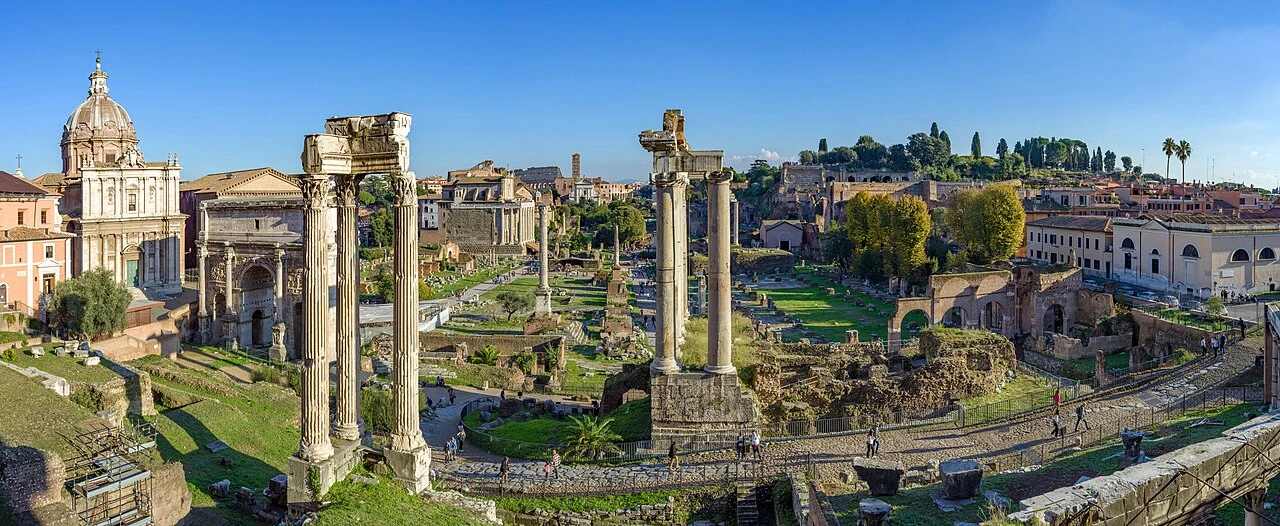
Rzym