Stanza · 语音导览
Frans Hals Museum 语音导览
值得铭记的地方,值得带走的故事。
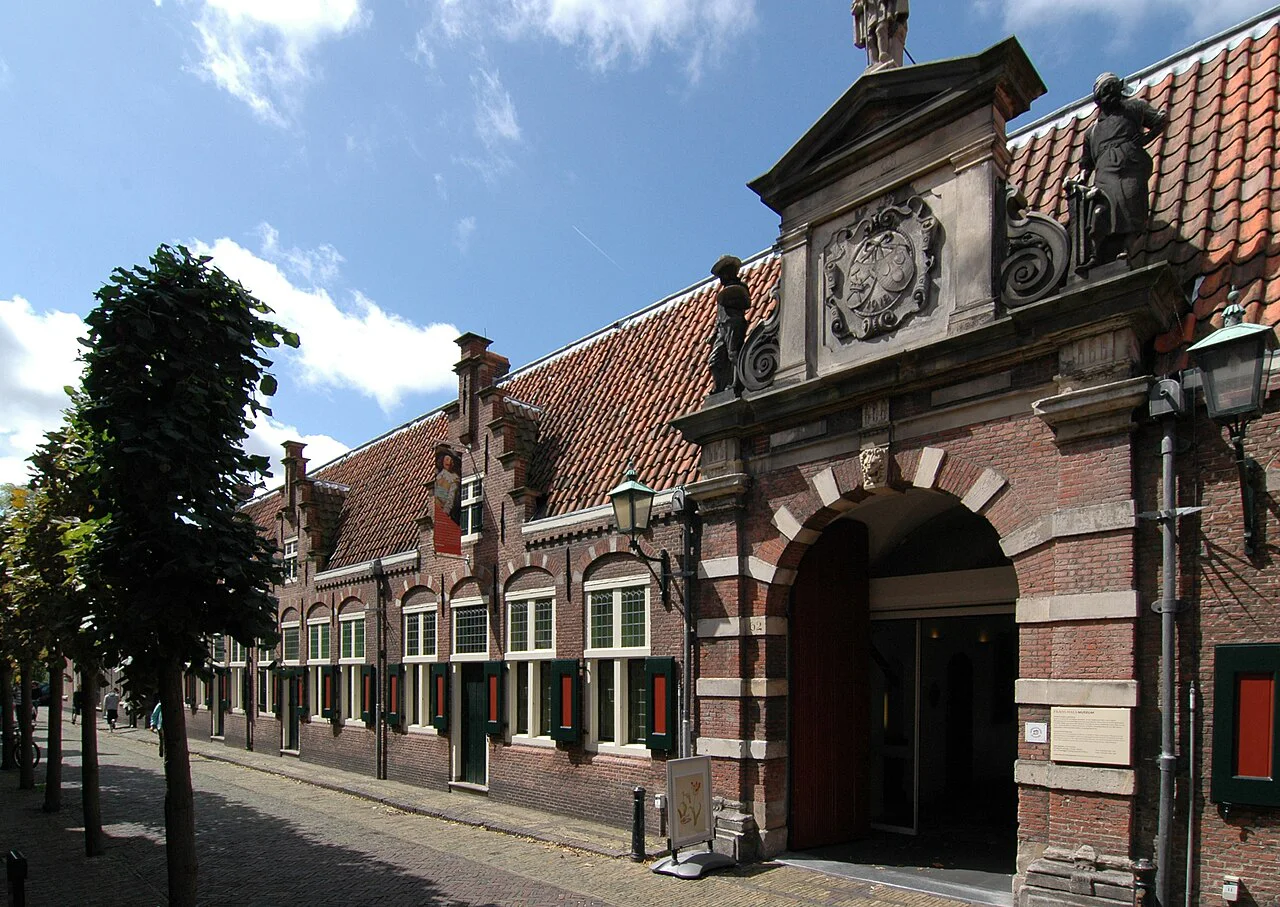
The Frans Hals Museum is a museum in Haarlem that was founded in 1862. It houses a collection of paintings by Frans Hals as well as other ancient, modern, and contemporary art.
目前仅提供英语,更多语言即将推出。
下载Stanza,然后搜索 “Frans Hals Museum”.
关于导览
一份导览,你的游览方式。
The Frans Hals Museum is a museum in Haarlem that was founded in 1862. It houses a collection of paintings by Frans Hals as well as other ancient, modern, and contemporary art.
随时准备好出发。
- 01免费下载Stanza。
iOS & Android
- 02找到你的导览。
“Frans Hals Museum”
- 03参观前下载。
离线
语音导览 / 45件作品
导览内容
出发前了解一些故事。展开站点,阅读更多内容。
01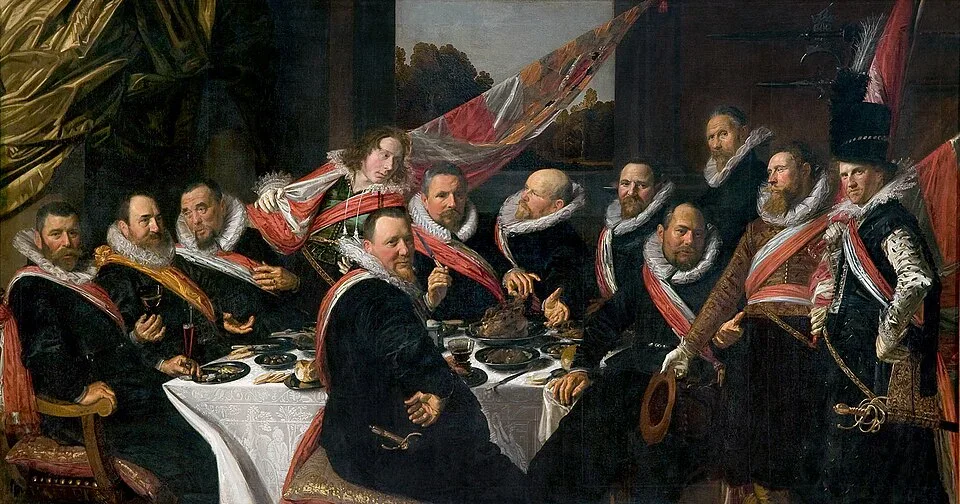
The Banquet of the Officers of the St George Militia Company in 1616
Twelve men around a banquet table, caught as if mid conversation. That is the trick of this picture. Frans Hals was in his thirties, not yet an established portrait painter, when this militia company asked him for their group portrait. Earlier painters had lined such men up, stiff and formal, row after row. Hals set them at a dinner instead, talking, relaxed, each one with his own face and his own air. But nothing here is casual. The seating follows strict military protocol. The colonel, the man with the orange sash, sits at the head of the table, and the second in command is at his right. Three captains flank him, the lieutenants sit at the lower end, and the three ensigns, who were not officers, stand. So does the servant with the plate. Hals could arrange them so precisely because he had served in this very company himself, from 1612 to 1615.
在应用中收听Frans Hals · Public domain
02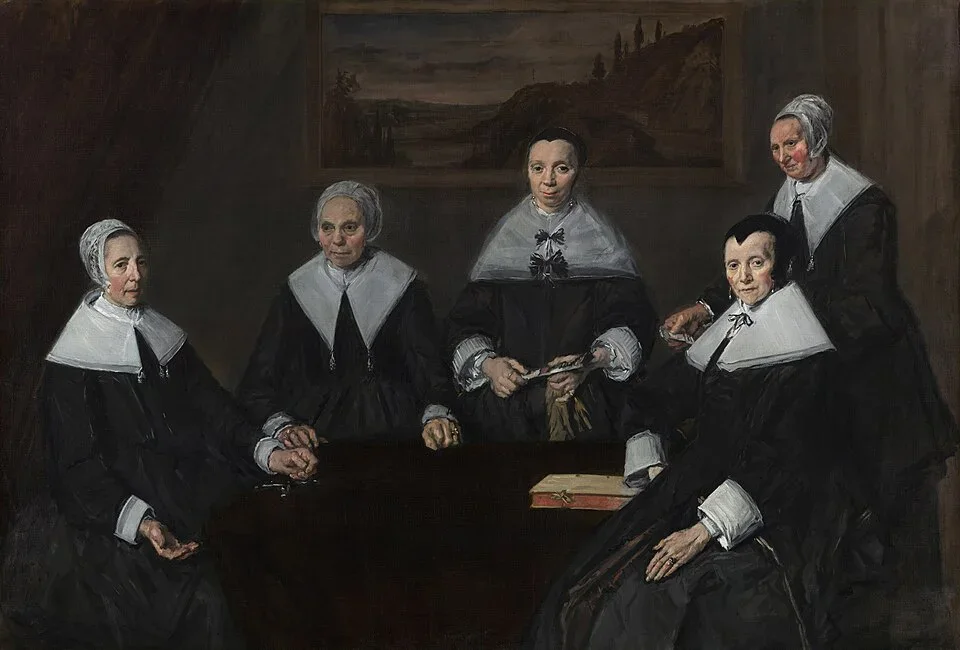
Regentesses of the Old Men's Alms House
Four old women sit for their portrait, and the painter does not flatter them. Their faces float out of the dark above their white collars, and their hands are old and knotted. On the far right is the manager of the house they run, the Old Men's Alms House in Haarlem. Frans Hals painted them about 1664, when he was an old man himself, and you can see it in the paint. There is no smooth finishing here. The strokes are rough and broken, and here and there a red flares up through the black, like embers dying in the ash. For a long time people believed the story that fit so well, that Hals ended his days poor, a resident of this very almshouse. The picture still hangs in the building it was painted for. But Hals never lived there.
在应用中收听Frans Hals · Public domain
03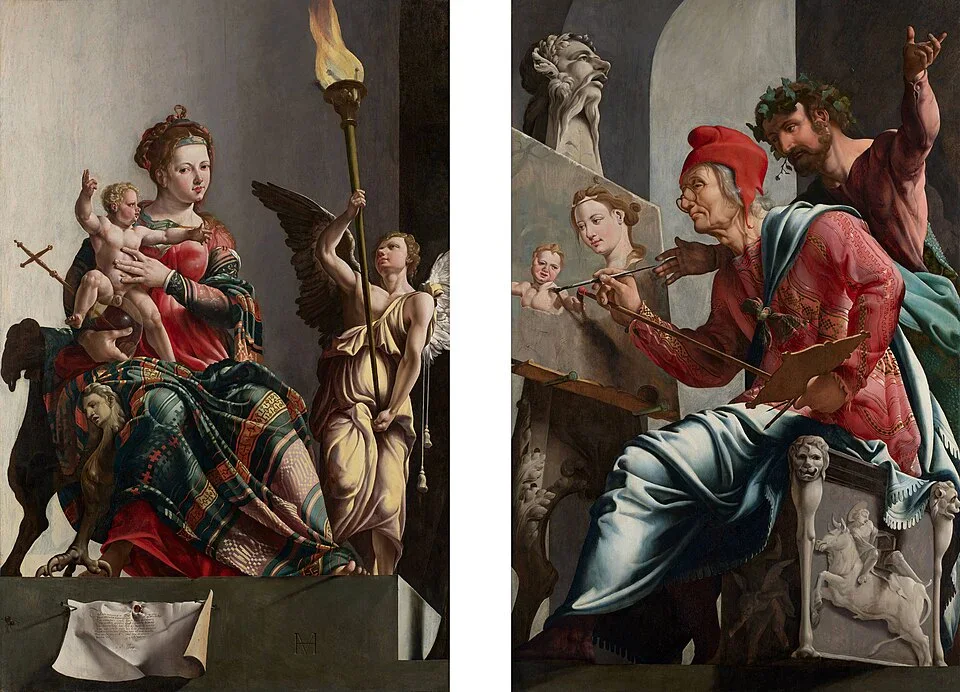
St. Luke painting the Virgin
In 1532, Maarten van Heemskerck was about to leave Haarlem for Rome, and he wanted to leave his fellow painters something to remember him by. So he painted this. On the right, Saint Luke sits at his easel, painting the Virgin and Child. He is dressed, oddly enough, as a baker. Behind him stands a tall man in a laurel wreath, guiding the painter's hand. That man has Heemskerck's face. The painter is saying that his art takes a thinking mind, not just a working hand. In the lower corner, a painted parchment carries a verse for his guild brothers, calling the panel a keepsake in honour of their saint. For centuries, all of this hung as one wide picture. When restorers examined it in 2020, they found two separate panels, joined together with a strip of wood after his death, and they took it apart again. There is one more thing. The perspective is exaggerated, because the painting was made to hang high on a church wall. Up there, it looked right.
在应用中收听Maarten van Heemskerck · Public domain
04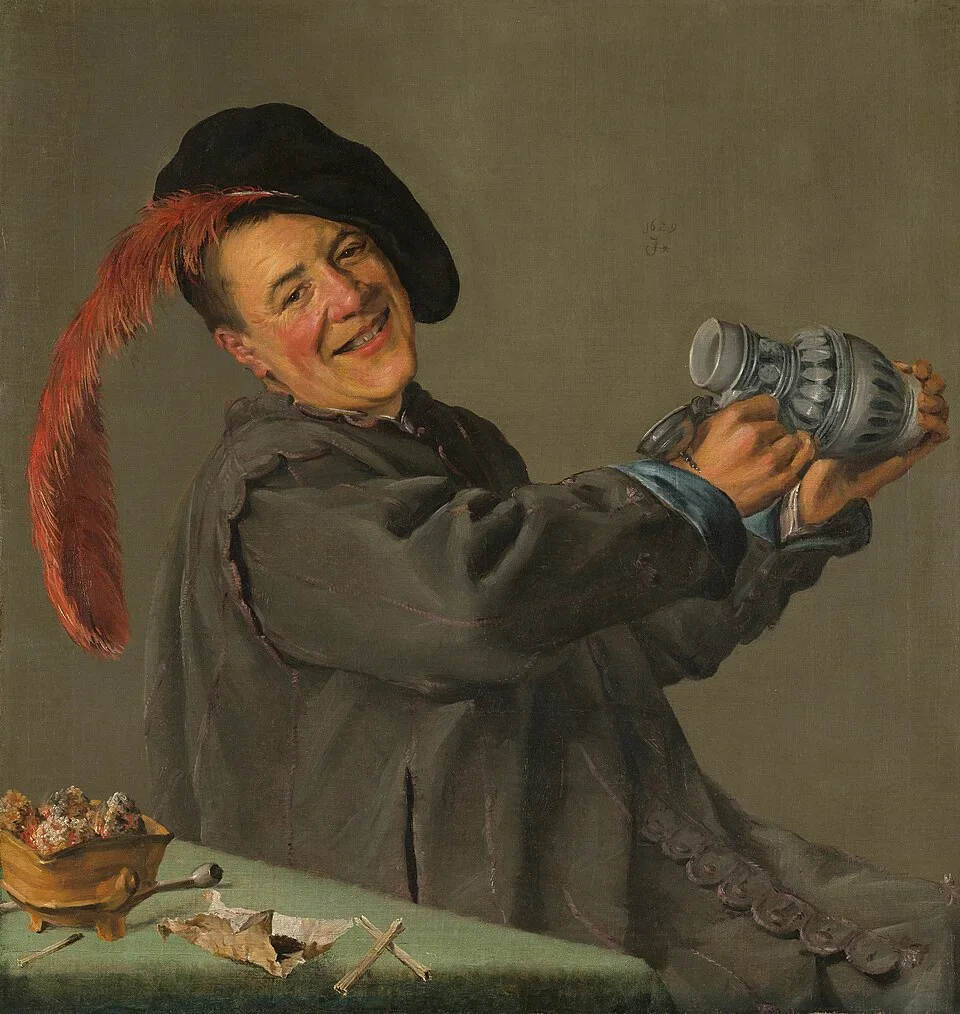
The Jolly Toper
A man grins straight at you and lifts his beer mug. But the mug is empty, and that is the point. He is probably no tavern drunkard at all. He is most likely an actor playing Peeckelhaering, the jester of the Haarlem folk stage. His name means something like pickled herring, because his part was to eat salty herring and keep washing it down with drink. In the comic plays, a character staring into an empty jug was a signal. It means the jug is dry and the show is over. So this cheerful drinker may be taking his bow. Judith Leyster signed right above the tankard, with her own mark, a little star.
在应用中收听Judith Leyster · Public domain
05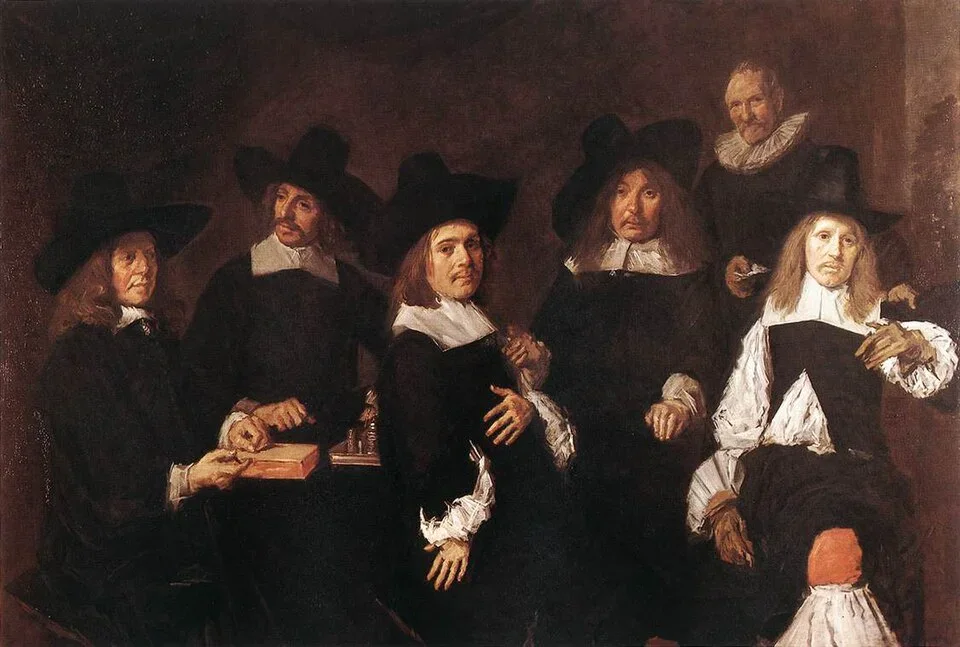
Regents of the Old Men's Almshouse
Five regents sit for their portrait, and one of them has a crooked face. The man in the floppy hat, seated on the right, has his features pulled sideways. For a long time people had an explanation they liked. The story went that Frans Hals, poor in his last years, had ended up an inmate in this very almshouse, and painted its governors with a drunkard's face to pay them back. It makes a good tale, and none of it is true. Hals was poor, yes, but he never lived in the almshouse. The droop in that face is probably something else, a paralysis down one side. Hals simply painted what he saw and did not flatter it. He was over eighty when he made this, around 1664, with quick rough strokes that leave out everything but the man. And the regents? They never complained.
在应用中收听Frans Hals · Public domain
06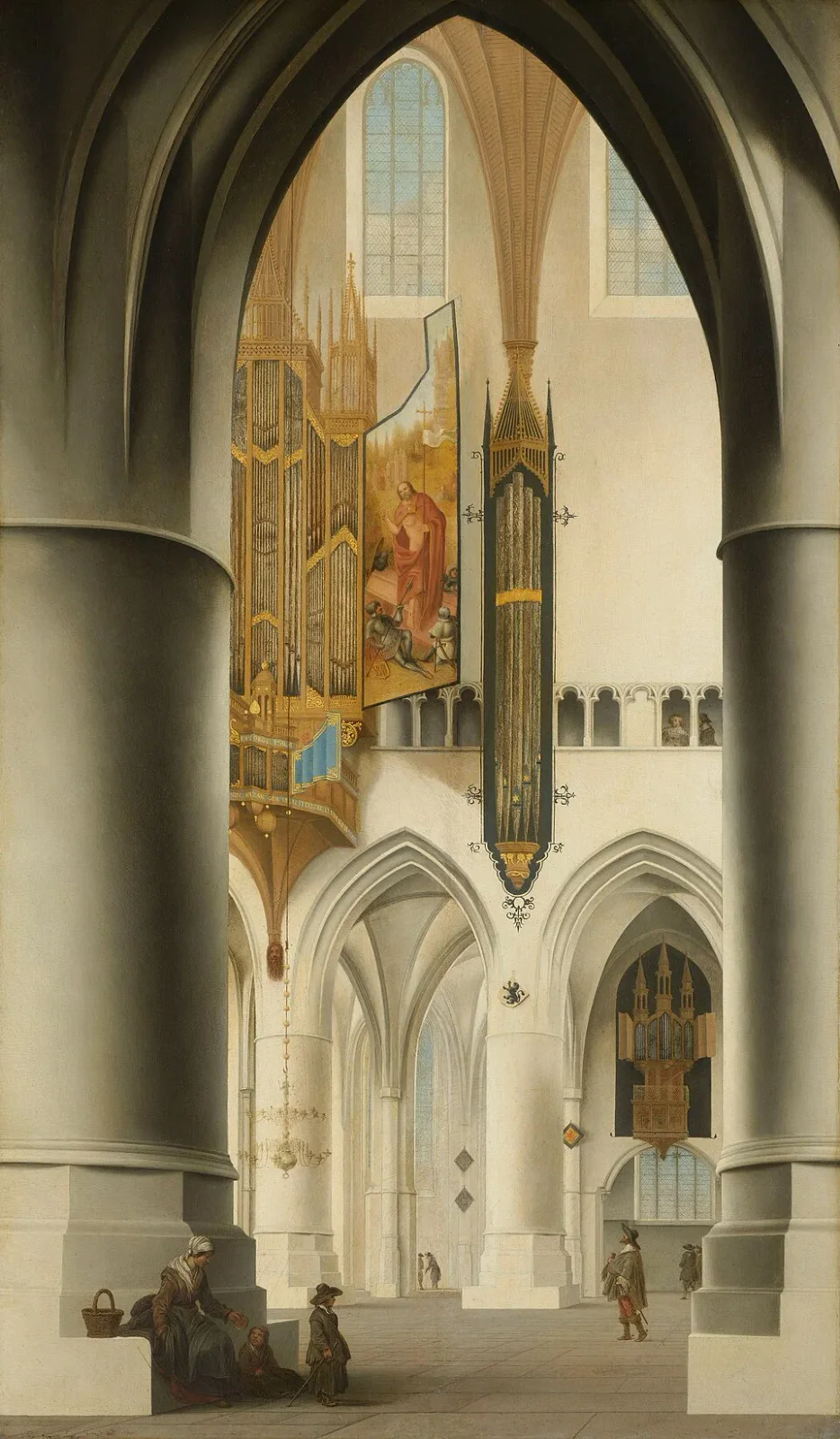
Interior of the Church of St Bavo in Haarlem
A church with almost nothing in it. White walls, white pillars, hardly an ornament. During the long war against Spain, the Protestant north stripped its Catholic churches of their decoration, and Saenredam travelled the country painting what was left. Look up through the arch, at the organ. One of its doors is still painted, with Christ rising from the dead. A leftover, and a strange one, from decorations that had long gone out of use. The small figures by the pillar show how huge the building is. Saenredam made a sketch standing right here in 1635, and finished the painting on the fifteenth of April 1636. He painted this church many times over, from different corners. In the end it took him back. He is buried here.
在应用中收听Pieter Jansz. Saenredam · Public domain
07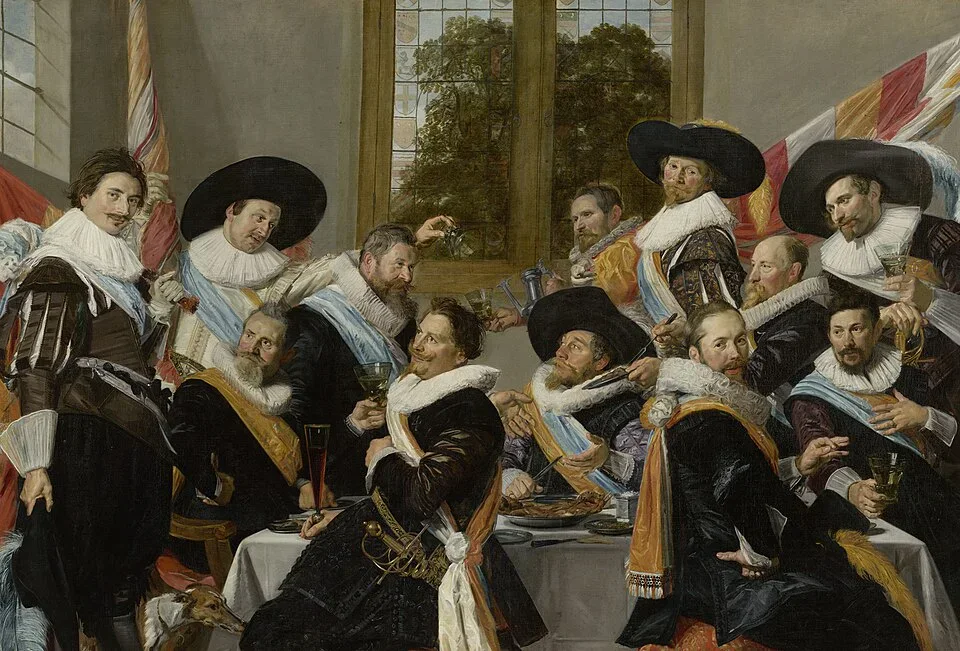
The Banquet of the Officers of the Calivermen Civic Guard
Twelve men paid to be painted together, and the rule at the time said they should all face you, straight on, like a row. Frans Hals did not do that. He painted them mid banquet, turned toward each other, one reaching out a dish, one holding a pitcher, one with a knife in his hand. It looks like a moment you walked in on. It is not. Every figure is placed exactly where it needs to be, so your eye travels through the whole table without anyone being shortchanged. These officers had just finished three years of service for the city, and this meal was their farewell party. Such parties could run long. Haarlem's officials, who paid the bills, decreed in 1621 that guard banquets should last no more than three days, at the most four. Some had gone on for a week. One last thing sits low in the corner. A greyhound, and in Dutch its name is hazewind, which echoes the family name of the lieutenant at the foot of the table. Perhaps a quiet joke about the bond between that lieutenant and the ensign at the far left.
在应用中收听Frans Hals · Public domain
08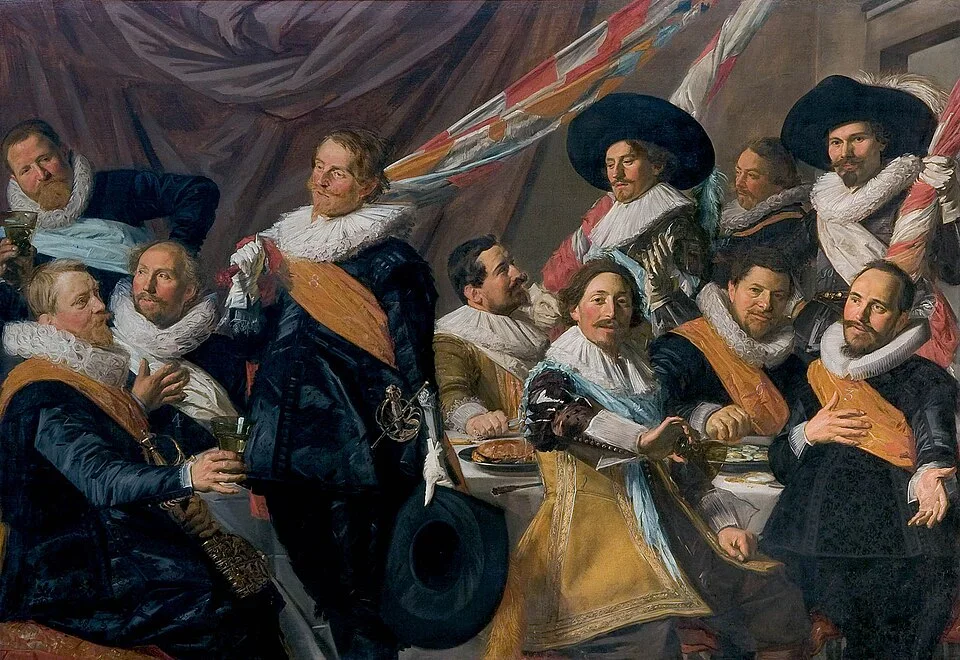
Banquet of the Officers of the St George Civic Guard
A banquet frozen mid-moment. At the head of the table one officer raises a full glass of wine, while another, closer to you, holds an empty one. Some of the men turn toward something outside the frame, as if something we cannot see has caught their attention. It feels caught by chance. It was not. These officers of the Saint George guard in Haarlem had just finished three years of service, and they paid for a group portrait to mark it. Frans Hals never painted them at the table. He invented the whole scene first, then each man came to his studio to pose. The easy liveliness is an illusion, built on purpose. And the picture had its own money rules. Every officer owed an equal share. But those who paid extra could claim a better place on the canvas, while anyone short of cash had to settle for a smaller part.
在应用中收听Frans Hals · Public domain
09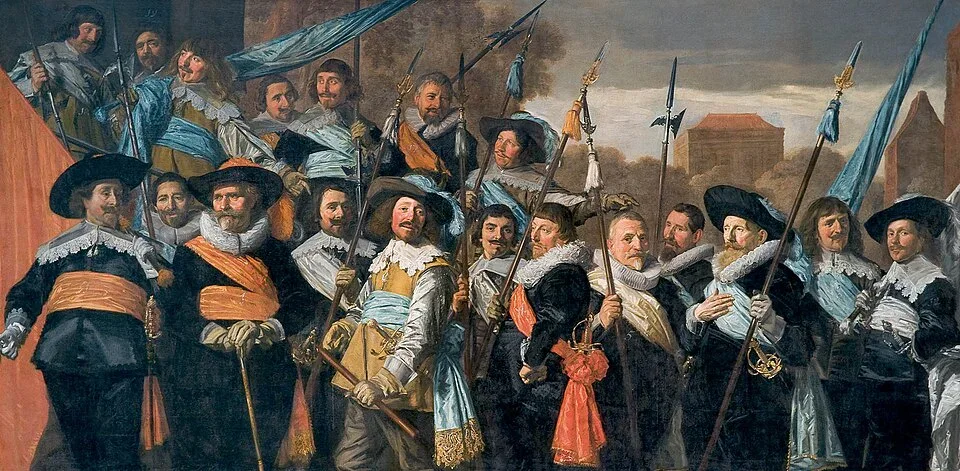
The Officers of the St George Militia Company in 1639
Nineteen men in the open air, and their three years of service are just over. These officers of Haarlem's Saint George militia were picked by the city council. Now their term has ended, and they have paid for a portrait to mark it. Each man wears a sash in the colour of his brigade, and three flags fly among them, orange, white and blue. The man with the commander's staff, third from the left in front, is the colonel who heads the whole militia. They gave the job to Frans Hals, and here is the twist. Hals was one of them. By 1639 he had been a soldier of this very guard for twenty-five years, yet he was never given an officer's rank. So he stands in the back row, painting himself into the group. Or perhaps not. One thing is still open: that face in the back may be Hals, or it may be an officer who skipped the sitting.
在应用中收听Frans Hals · Public domain
10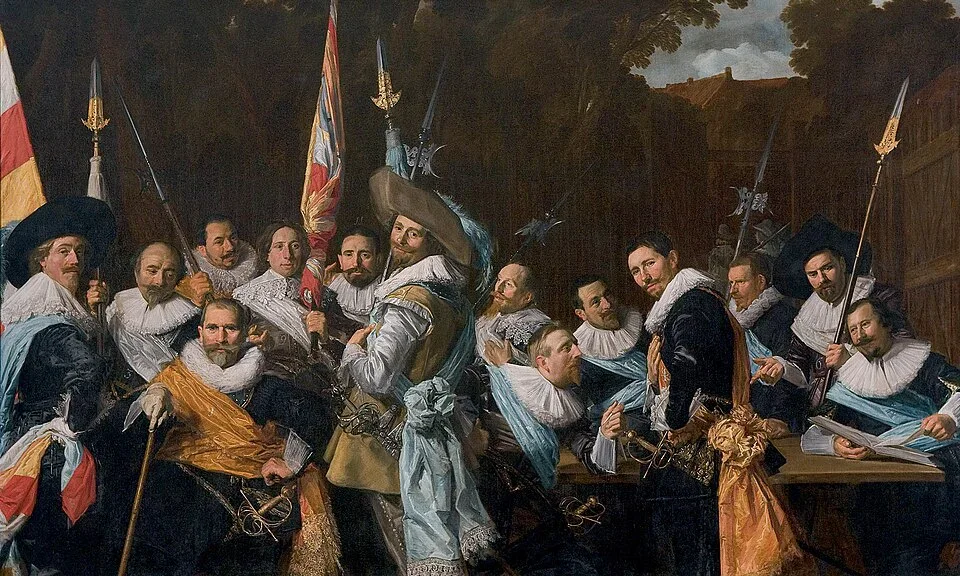
The Officers of the St Adrian Militia Company in 1633
Armed men around a table in the open air. They wear sashes, and two of them hold flags. It looks like a banquet that somehow turned into a drill. It is the other way round. The council of Haarlem picked these officers to serve for three years, and their time had just run out. The portrait was the celebration. They sit in the courtyard with their weapons, not at a feast like the one Frans Hals painted for them in 1627. The colonel, Johan Claesz Loo, sits on the left in an orange sash, his hand on the commander's staff, looking straight at you. At the far right a man sits reading a book. He is Hendrick Gerritsz Pot, and he painted pictures like this himself. The canvas once hung in the guards' own hall, which is now part of the city library. It hangs here today among the other guard portraits, though because they are so large, not all of them are on display.
在应用中收听Frans Hals · Public domain
- 11
The Officers of the St Adrian Militia Company in 1630
Hendrik Gerritsz Pot · 1630
- 12
Portrait of Cornelia Claesdr Vooght
Frans Hals · 1631
- 13
Christ crowned with thorns
Maarten van Heemskerck · 1550
- 14
Early Brabantsson (folio 29)
Judith Leyster · 1643
- 15
The Temptation of Saint Anthony
Jan Mandijn · c. 16th century
- 16
The Drawing School
Michiel Sweerts · c. 1655–1658
- 17
The city wall of Haarlem in the winter
Nicolaes Pieterszoon Berchem · 1647
- 18
The Waag (weigh-house) and Crane on the Spaarne, Haarlem
Gerrit Adriaenszoon Berckheyde · 1670
- 19
Interior with a Sleeping Man and a Woman Darning Socks
Wybrand Hendricks · c. 1820
- 20
The Grote Markt in Haarlem with the St. Bavo church, seen from the west
Gerrit Adriaenszoon Berckheyde · 1696
- 21
Portrait of an unknown woman
Judith Leyster · 1635
- 22
Still Life with Pie and Silver Ewer
Willem Claesz. Heda · 1658
- 23
Still Life with Half-eaten Pie
Willem Claesz. Heda · c. 1636
- 24
Musical Company on a Terrace
Dirck Hals · c. 1620
- 25
Still Life
Floris van Schooten · c. 1640
- 26
Regentesses of the Children's Orphanage in Haarlem
Jan de Bray · 1663
- 27
Drapers' altarpiece: outside doors with the Annunciation
Maarten van Heemskerck · 1546
- 28
Triptych with Ecce Homo
Maarten van Heemskerck · 1559–1560
- 29
Regents of the Children's Orphanage in Haarlem
Jan de Bray · 1663
- 30
Italianate Landscape with the Parting of Jacob and Laban
Pieter Post · c. 1630
- 31
Stag Hunting in the Dunes
Gerrit Claesz Bleker · 1625–1629
- 32
The Arrival of the Elector Frederick V of the Palatinate and Elizabeth Stuart in Flushing on 29 April 1613
Hendrick Cornelisz Vroom · c. 1632
- 33
Portrait of Anthonie Charles de Liedekercke
Johannes Cornelisz Verspronck · 1637
- 34
The capture of Damietta
Cornelis Claesz van Wieringen · c. 1625
- 35
Portrait of a young woman in fantasy costume (Semiramis)
Salomon de Bray · 1652
- 36
The Massacre of the Innocents
Cornelis van Haarlem · 1591
- 37
Hercules and Cacus
Hendrik Goltzius · 1613
- 38
Flower Piece
Hans Bollongier · 1644
- 39
Venus mourning Adonis
Cornelis Holsteyn · c. 1655
- 40
Self-Portrait with Family Members
Jan Miense Molenaer · 1630s
- 41
Still-Life with Fruit, Nuts and Cheese
Floris van Dyck · 1613
- 42
The Marriage of Peleus and Thetis
Cornelis van Haarlem · 1593
- 43
Groep Portrait of the Jerusalem Pilgrims
Jan van Scorel · 1528–1529
- 44
Allegory of Vanity
Hendrik Gerritsz Pot · c. 1633
- 45
Interior of the St. Bavochurch in Haarlem
Job Adriaenszoon Berckheyde · 1668
Frans Hals Museum
常见问题
导览需要多少钱?
免费下载应用. 1月1日前免费. 导览标示价格: $1.99. 仅含语音导览。景点门票需另行购买。
没有网络也能收听吗?
可以。在参观前通过应用下载音频、图片和地图。已下载的内容可离线使用。
可以用我的语言收听吗?
目前仅提供英语,更多语言即将推出。
需要按固定时间参观吗?
不需要。这是自助导览。你可以选择站点、随时暂停,并按自己的节奏重听故事。
按自己的节奏
探索Frans Hals Museum。
下载Stanza,然后搜索 “Frans Hals Museum”.
免费下载应用 · 导览价格以应用内显示为准
继续探索
附近的语音导览
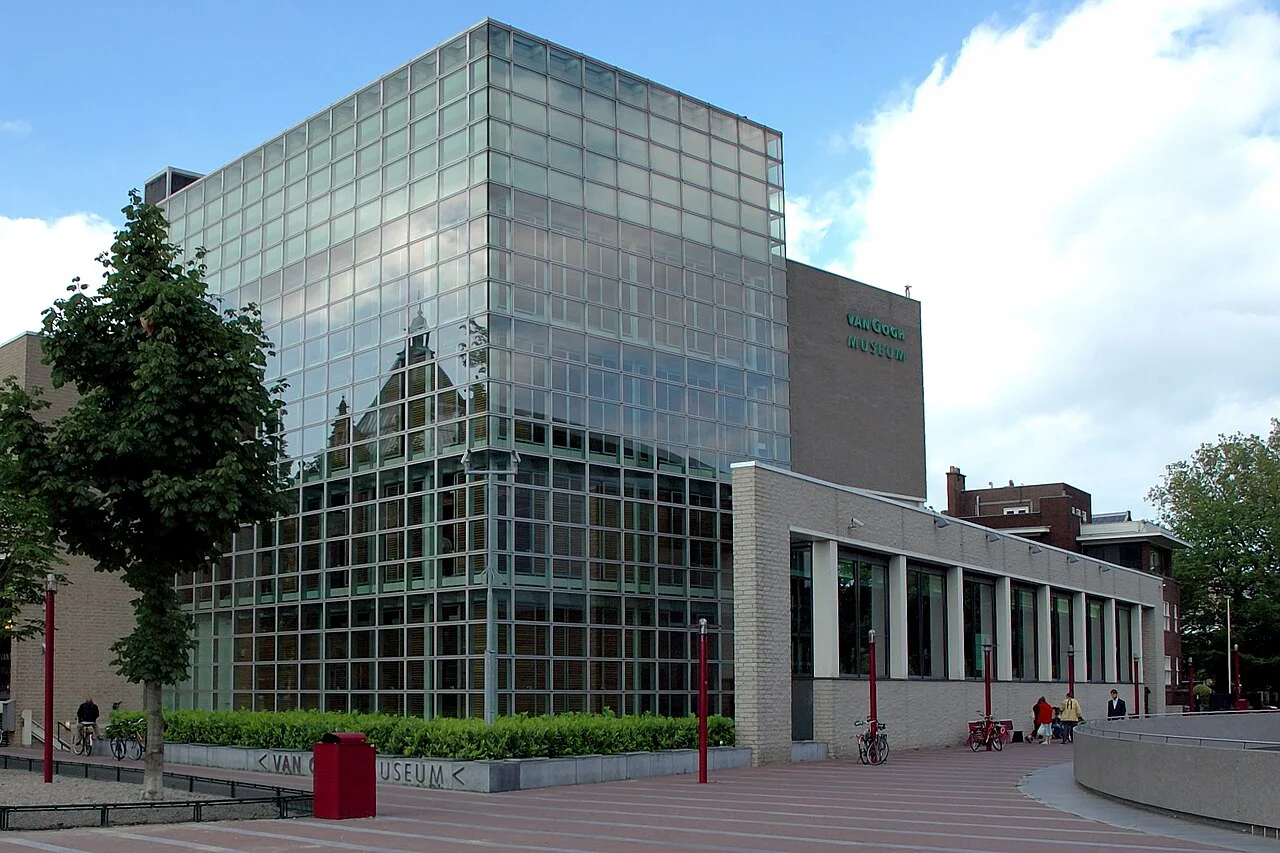
阿姆斯特丹 · 17公里
梵高博物馆
内容与来源
Warrox · CC BY 2.5
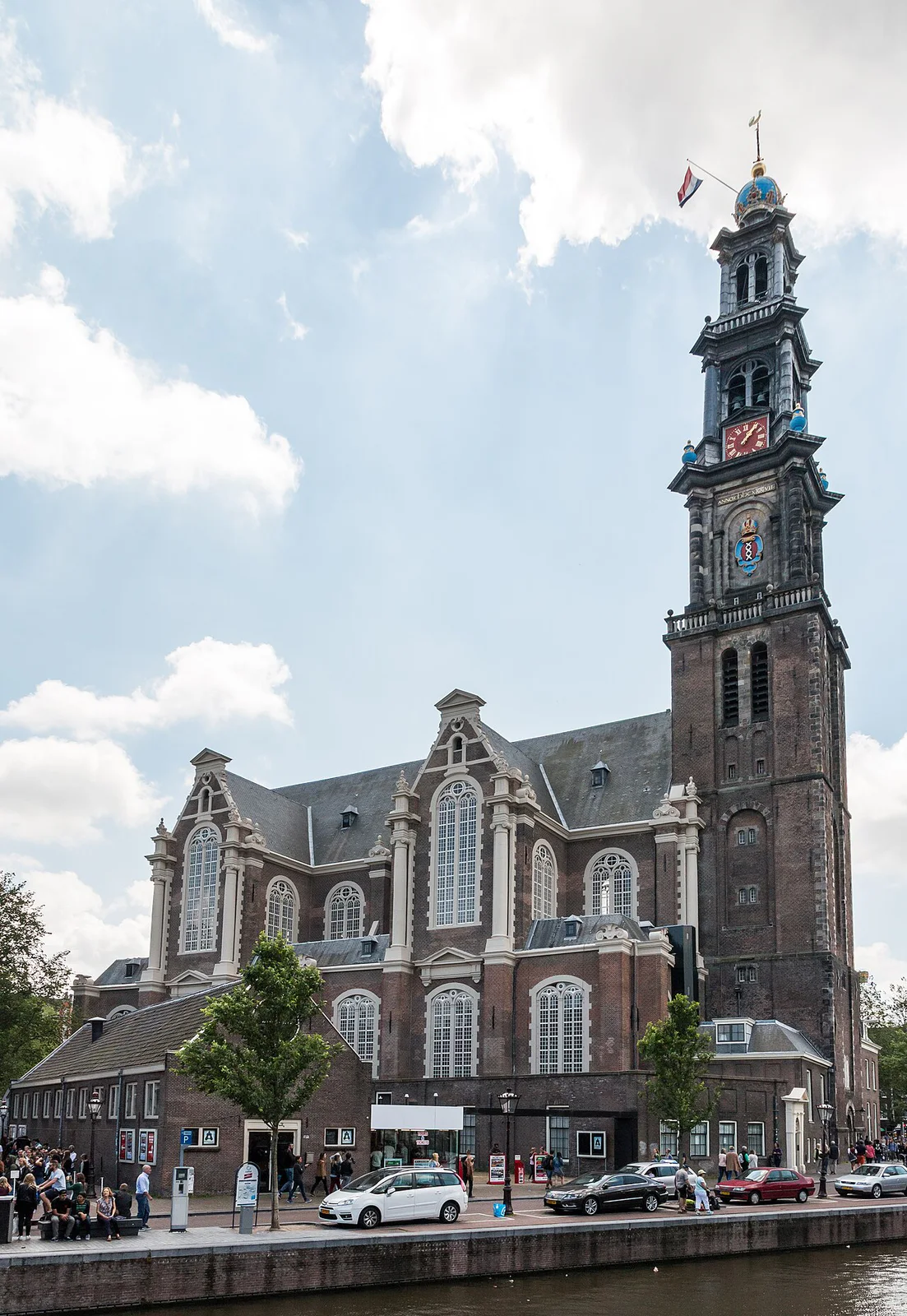
阿姆斯特丹 · 17公里
西教堂
内容与来源
Dietmar Rabich · CC BY-SA 4.0
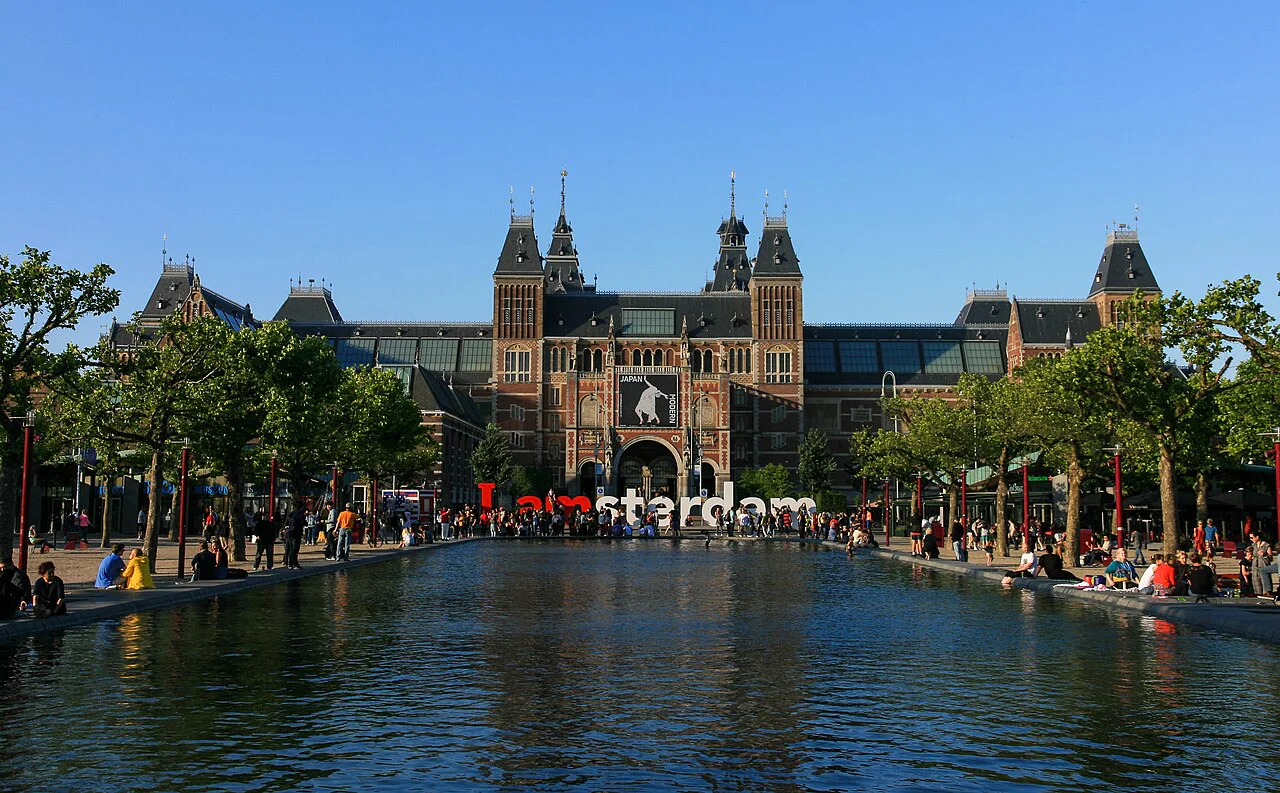
阿姆斯特丹 · 17公里
荷兰国立博物馆
内容与来源
Marco Almbauer · CC BY-SA 3.0
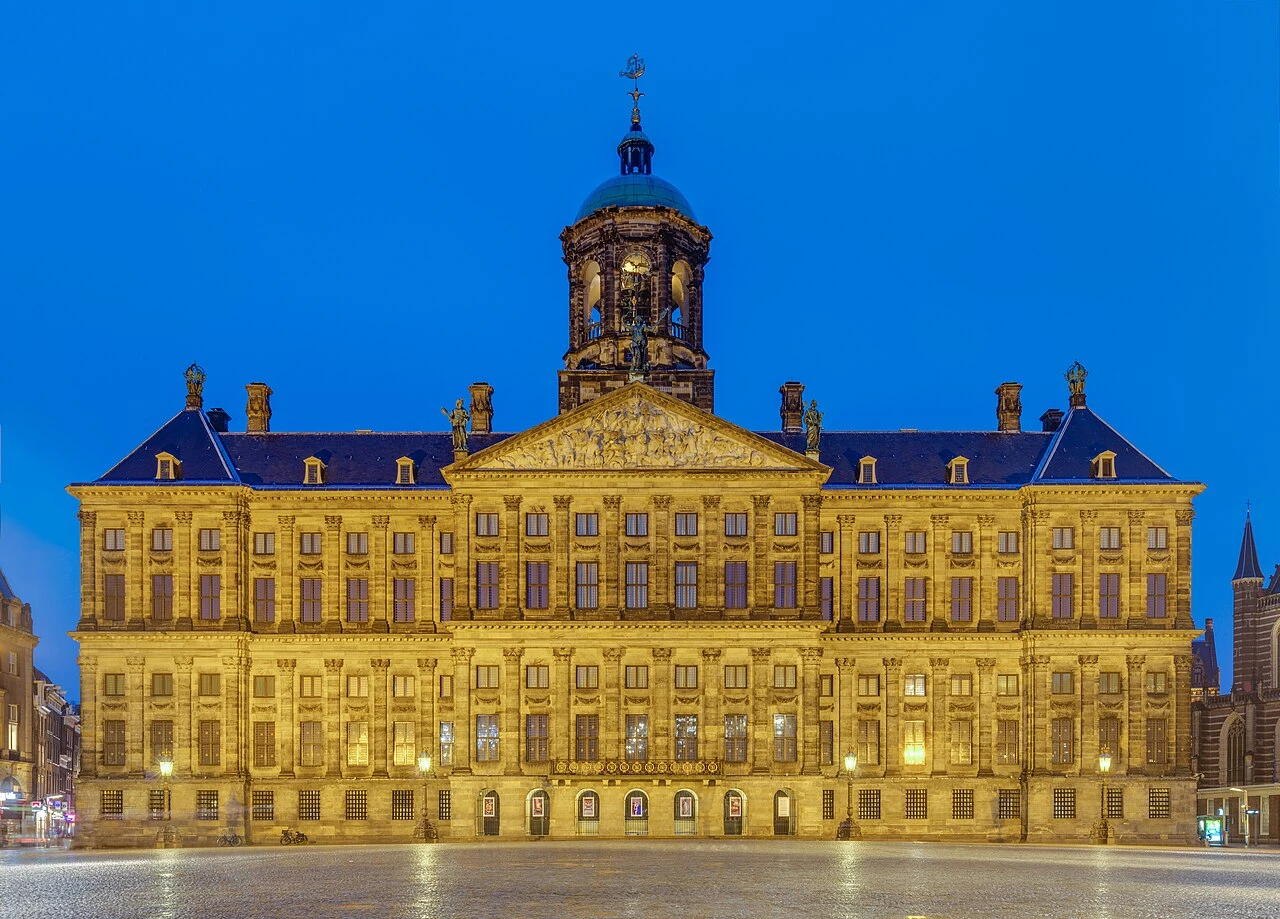
阿姆斯特丹 · 18公里
阿姆斯特丹王宫
内容与来源
Diego Delso · CC BY-SA 4.0
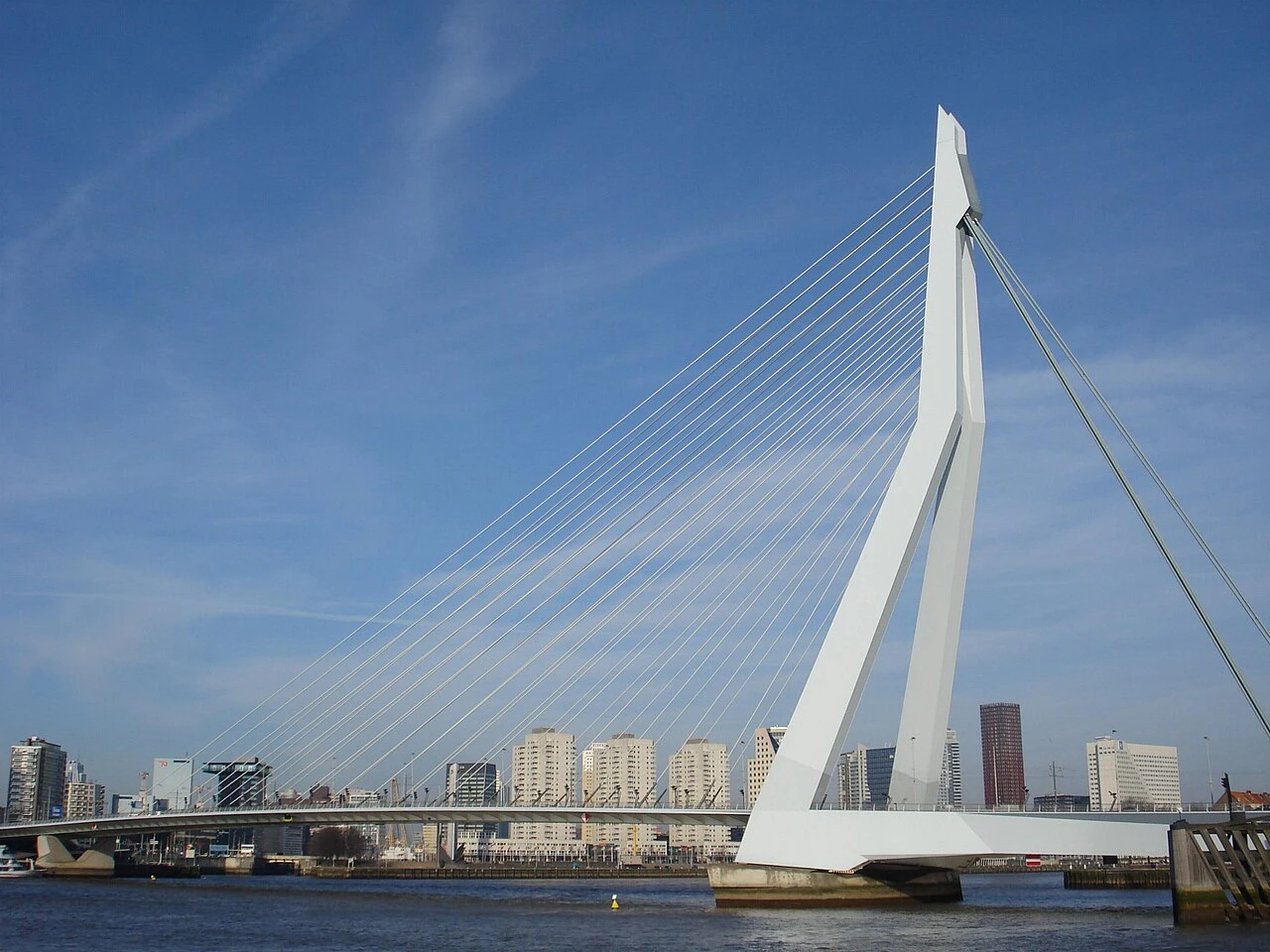
鹿特丹 · 53公里
伊拉斯谟桥
内容与来源
F.Eveleens · CC BY 3.0