Travel tips/Spinalonga, Crete, Greece
Spinalonga from Plaka or Elounda: boats, tickets and time to explore
The shortest crossing is only part of the decision. Here is how to choose a boat, understand the costs and leave time for the island itself.
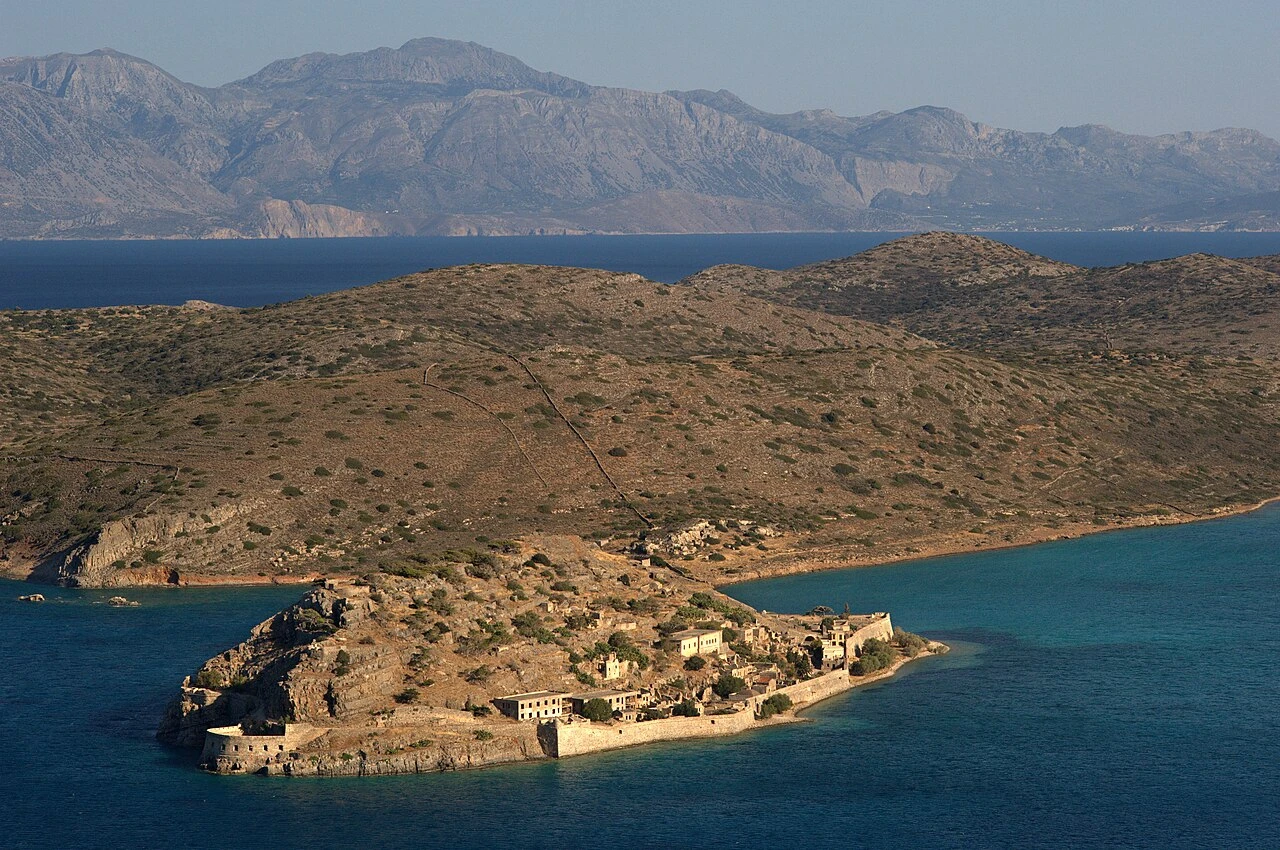
From the shore, Spinalonga looks small enough to understand in a glance: walls, pale stone and a narrow strip of sea. Planning the visit is less obvious. A boat ticket is not necessarily an entrance ticket, and a short crossing says nothing about how long you can stay. Choose those details first, and the island can become more than a hurried stop between photographs.
Plaka or Elounda? Start with where you are
Hellenic Heritage gives indicative crossings of five minutes from Plaka and ten from Elounda; actual boats and conditions vary. Already in Elounda? A transfer to Plaka could cost more time and money than it saves. Staying near Plaka? The nearby departure may be the simpler choice. Neither port automatically guarantees a flexible return.
Agios Nikolaos also has boat departures. Compare the actual itinerary: a cruise with swimming or food is a different purchase from a straightforward island visit. Ask how much time is allocated on Spinalonga, rather than comparing only the total excursion length.
A useful budget: boat plus entrance
When checked, Spinalonga Tours advertised adult return fares of €12 from Plaka and €14 from Elounda; its booking page identifies the ticket as round-trip. Hellenic Heritage listed full archaeological-site admission at €20 and reduced admission at €10. These are separate charges unless your chosen package explicitly includes both.
For one full-paying adult, those examples add up to €32 from Plaka or €34 from Elounda, before land transport, parking, food or audio. The €2 difference is a poor reason to pay for an extra transfer. Check the current fare, what it includes and any reduced or free-entry eligibility before paying.
Buy enough island time
A ten-minute crossing does not mean an unrestricted visit. For example, Alanto Tours publishes an Elounda itinerary with a ten-minute crossing and 60–90 minutes on the island. That may suit a short visit, but it is a different proposition from choosing your own return.
For an unhurried self-guided visit, consider allowing 90 minutes to two hours ashore, adjusted to your pace, interests and the weather. This is a planning suggestion, not an official duration or a promise that every area will be open. Before buying, get three answers:
- Is the return fixed, or can I choose a later departure?
- Which company’s boats and which jetty does my return ticket cover?
- What is the final return from the island, and what happens if weather changes the service?
The site’s closing time is not your last boat
Official pages do not currently agree. Hellenic Heritage lists seasonal hours, including 08:00–18:00 for 16–31 October and last admission 20 minutes before closing. The Ephorate’s homepage gives 08:30–18:00 for April–October. For winter, Hellenic Heritage lists 08:30–15:30, closed Tuesdays; the Ephorate’s information page instead describes winter closure with group visits by arrangement.
Do not plan a winter crossing or a late arrival from either page alone. Confirm site access with the Ephorate of Antiquities of Lasithi (+30 28410 22462), then confirm an actual outward and return sailing for your date. Site opening and boat availability are separate conditions; the last outward boat is not the last boat home.
Look for a fortress, a town and a community
Save the Ephorate’s official map before leaving. Once ashore, use the open, signed route to notice three layers: the defensive walls facing the sea, the settlement’s streets and houses, and the traces of life under forced isolation. This is a way of reading the site, not a prescribed route through every building.
The leprosy settlement is dated 1903–1957; the Ephorate records the first patients arriving in 1904. Its account also describes residents organising a brotherhood and improving their community. Keep those people in the story: the houses are evidence of lives and collective effort, not simply an eerie backdrop.
An audio guide can connect what you see with those changes. Stanza offers an independent Spinalonga guide: check its current languages, price and download options before leaving. Choose a story, listen, then pause and look around. Audio is separate from boat transport and site admission.
Before boarding: the small checks that matter
Bring water, sun protection, shoes with grip and enough phone battery; set up any audio before departure. If steps or mobility affect your visit, ask the boat operator about the specific vessel’s boarding arrangements. The Ephorate mentions touring along the main perimeter road, but that does not establish step-free boarding or access to every building. Ask about both the boat and the route you want to use.
A few more questions before you go
Can I visit Spinalonga without joining a guided group?
You can plan a self-guided visit using a boat service and archaeological-site admission, subject to current access and sailing arrangements. Check whether your boat ticket has a fixed return. A live guide or an audio guide is a separate choice.
Is an Elounda boat ticket always more expensive overall?
No. The published fare example is €2 higher, but your total depends on getting to the port, inclusions and the return conditions. Compare the complete trip from where you are staying.
Sources & further reading
Visitor information checked .
Official heritage pages and boat operators checked on 18 October 2026. Prices below are published examples, not live quotes. Official opening information conflicts, especially for winter; confirm with the Ephorate and your boat operator. The suggested visit allowance is editorial, not a tested itinerary.
- Hellenic Heritage: Spinalonga
- Ephorate of Antiquities of Lasithi: official visitor website
- Spinalonga Tours: fares and information
- Spinalonga Tours: round-trip booking
- Alanto Tours: boat itineraries
Questions or a correction? Let us know. Our content standards (English).