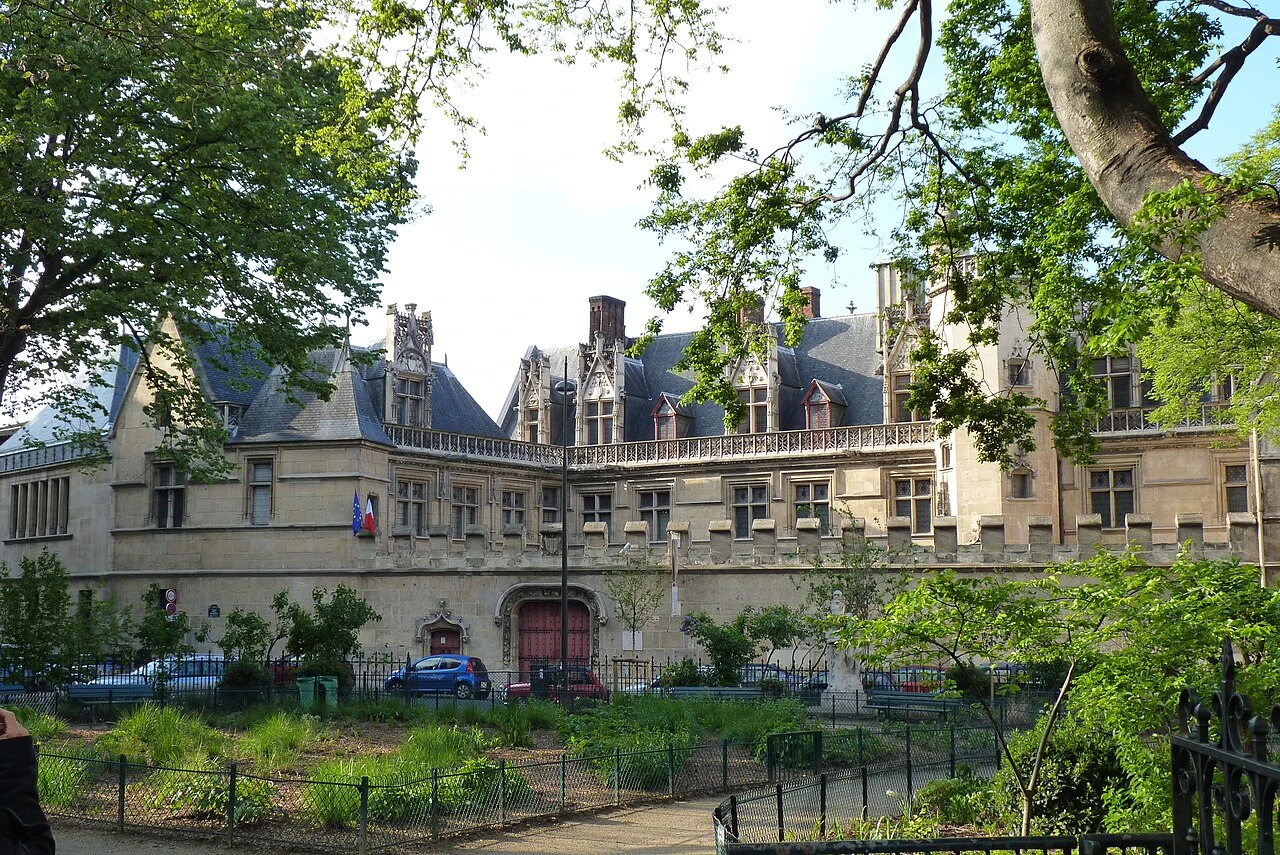
Stanza · Audioguía
Musée national du Moyen Âge Audioguía
Un lugar para recordar. Una historia para llevar contigo.
The Musée de Cluny is a national history and art museum in Paris, France. It is dedicated to the Middle Ages, housing a significant collection of medieval artifacts and artworks.
Por ahora en inglés. Pronto, más idiomas.
Descarga Stanza y busca “Musée national du Moyen Âge”.
Sobre la visita
Una guía. Tu forma de visitar.
The Musée de Cluny is a national history and art museum in Paris, France. It is dedicated to the Middle Ages, housing a significant collection of medieval artifacts and artworks.
Cuando tú quieras.
- 01Descarga gratis Stanza.
iOS & Android
- 02Encuentra tu guía.
“Musée national du Moyen Âge”
- 03Descárgala antes de ir.
Sin conexión
Audioguía / 29 obras
Dentro de la audioguía
Descubre algunas historias antes de ir. Abre una parada para leer más.
01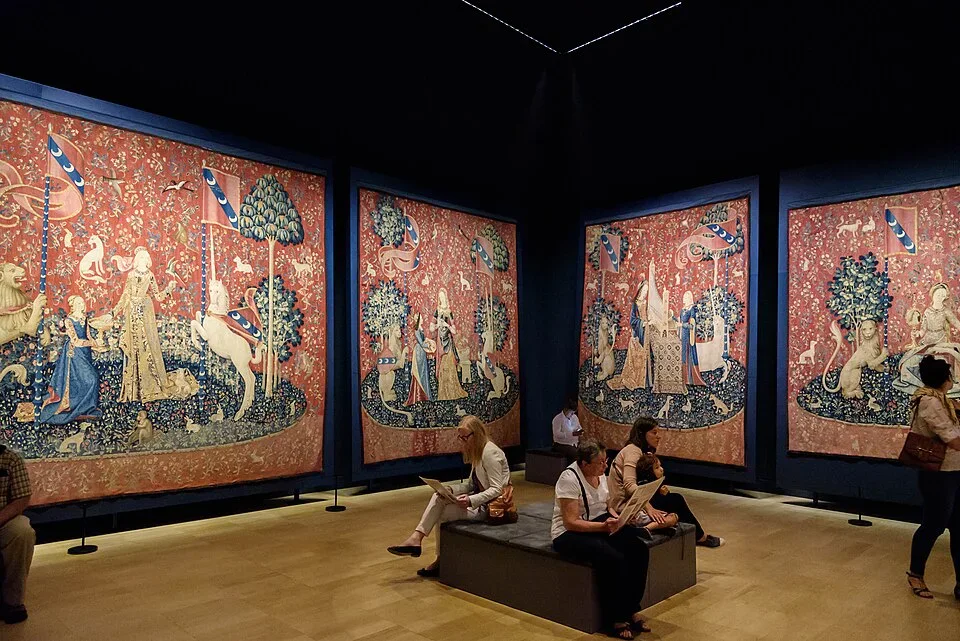
The Lady and the Unicorn
A lady in a garden, a white unicorn and a lion, on a red world sown with a thousand tiny flowers. It could be a fairy tale. Everyone seems to stand quite still. But look at what each lady is doing. Six tapestries called The Lady and the Unicorn were woven in Flanders, from designs drawn around 1500. Start on the left. A lady in a long gold gown takes a sweet from a dish her maidservant holds out. Yet her eyes are not on the sweets. They are on a parakeet, perched on her raised hand. Now drop your eye to the grass. A monkey sits at her feet, eating a sweet of his own. That is Taste. And she is not alone in it. The monkey tastes with her. Now look at the unicorn. He rears up on his hind legs, gripping a banner pole with his hooves. In every panel, the lion stands on one side of her and the unicorn on the other. In another panel she plays music. An organ stands on a table covered with a carpet from the East. Her maidservant works the bellows, so the lady can play. In another, she holds up a mirror, and the glass holds a small reflection. The unicorn kneels with his front legs in her lap, and gazes at himself. That is Sight. Smell and touch seem to fill two more panels, and together they make five senses. So this is not only a fairy tale. It is a meditation on earthly pleasures and courtly life. Then comes a sixth tapestry, wider than the others. Across the top of a tent are the words À mon seul désir. To my only desire, perhaps. Nobody is sure what it means. Below it, the lady puts a necklace into a chest, or takes one out. And it is the only panel where she smiles. A fairy tale, if you like. But in five of its panels, the animals share the lady's pleasure.
Escuchar en la appJoe deSousa · CC0
02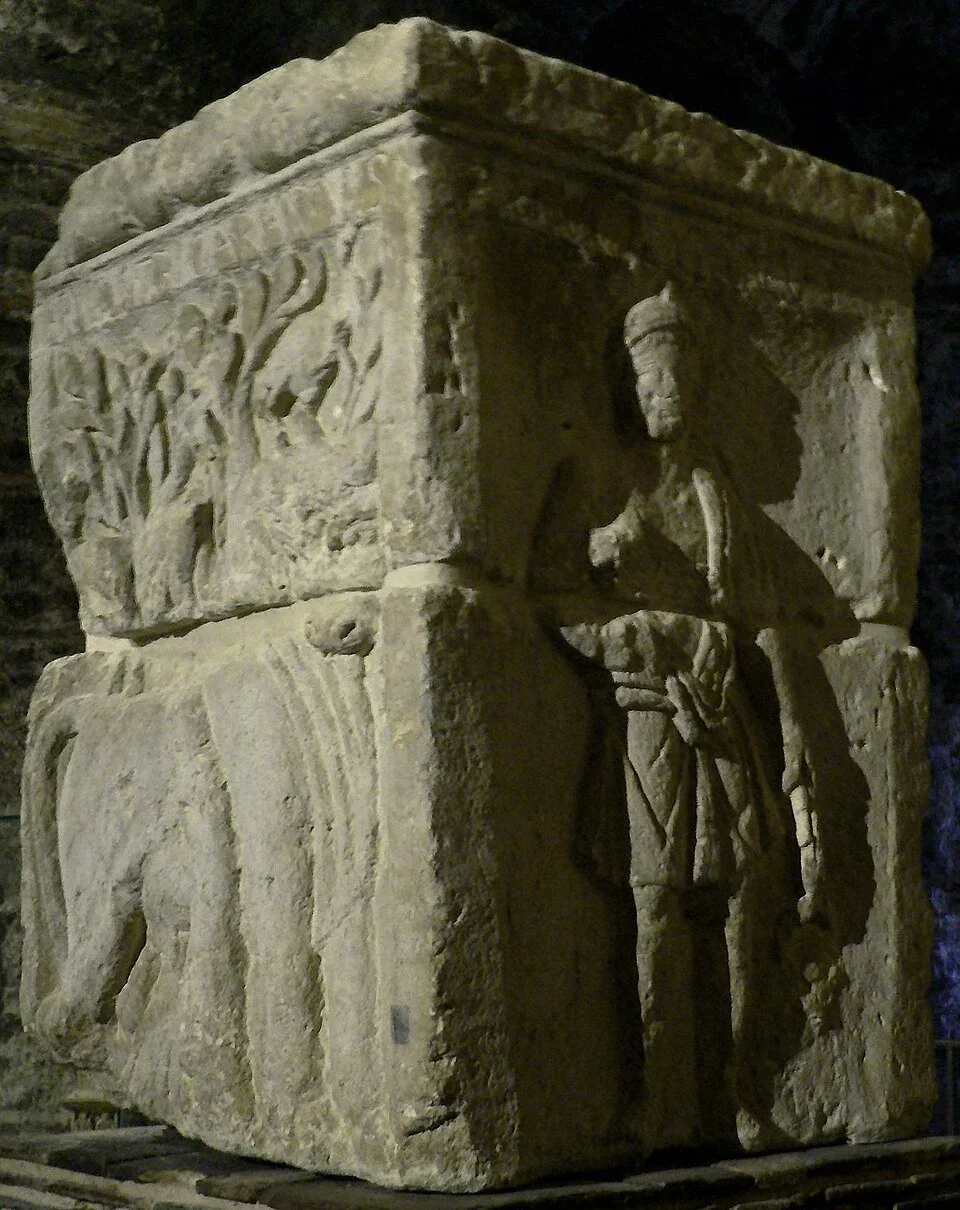
Pillar of the Boatmen
In 1710, workmen digging a crypt under the nave of Notre-Dame came upon carved stone blocks. They had found the oldest monument in Paris, and the whole city turned out to see it. What lay there was a column raised by the boatmen of Lutetia, the Roman town that became Paris. A dedication to the emperor Tiberius dates it to the first century. These boatmen were wealthy merchants who moved goods along the Seine, and they are the first society Paris has any record of. The stone even shows their power. On one face, men march with shields and spears, a right the Romans granted them, exceptional so soon after the conquest of Gaul. Roman and Gaulish gods share the stone. Jupiter holds his spear and thunderbolt, and on the same level a bull carries three cranes, two on his back and one on his head. Cernunnos wears stag antlers with neck rings hanging from them, and this is the only place his name survives without dispute. Some time in the third century, the blocks were broken in two and buried in the riverbank walls to strengthen them. A monument to the city's gods became part of the city's ground. The four blocks have been put back together for display, but how each block was turned is unknown. There are sixty four possibilities.
Escuchar en la appNo machine-readable author provided. Clio20 assumed (based on copyright claims). · CC BY-SA 3.0
03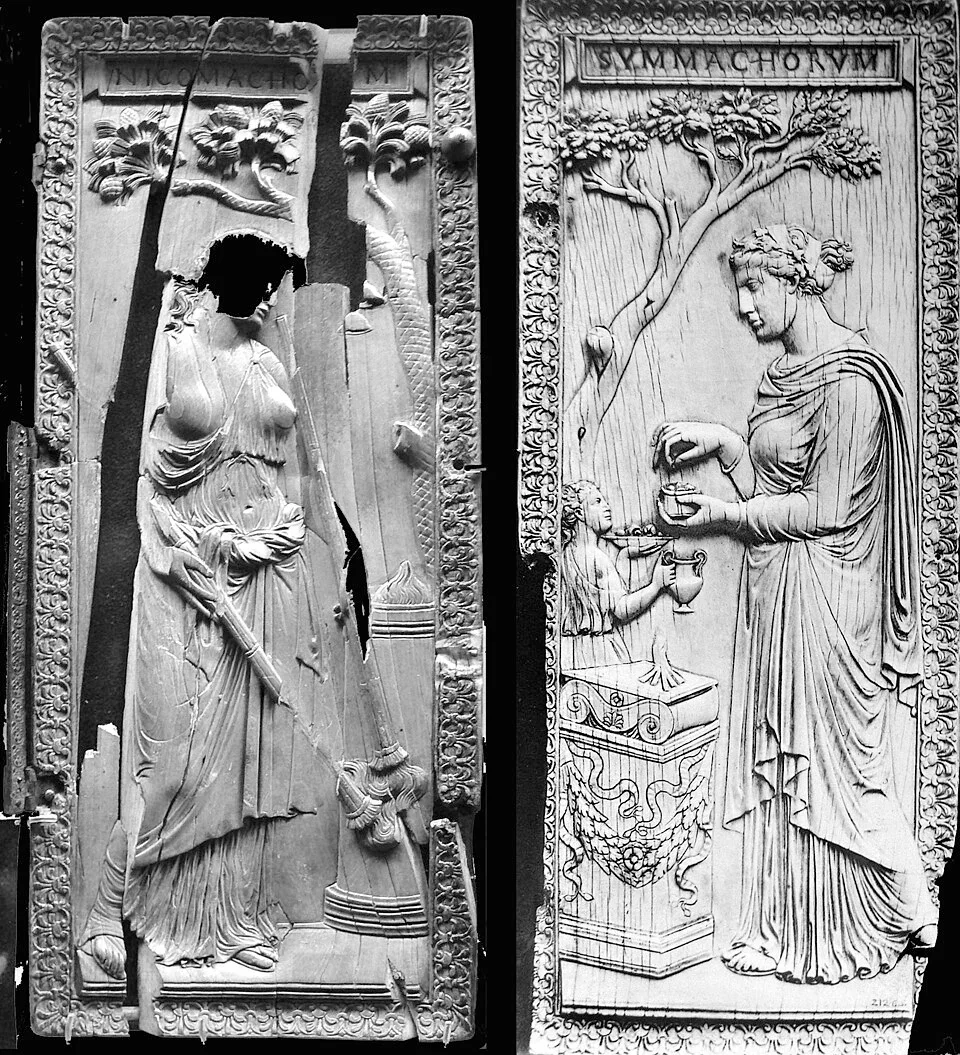
Symmachi–Nicomachi diptych
A woman stands before a round altar, holding two lit torches. Her face and right arm are gone, and the cymbals hang in the pine tree above her. This ivory has been through a lot. It was made in Rome between 388 and 401, probably to seal a marriage between two old senatorial families, the Symmachi and the Nicomachi. Both families were fighting to keep the old Roman religions alive while the empire turned Christian. The pine and the cymbals belong to the goddess Cybele. The other half of the pair shows a second priestess at another altar, under an oak of Jupiter. For centuries the two leaves served as doors on a reliquary, a chest for saints' relics, in a French monastery. Then the Revolution scattered them. In 1860 this panel was pulled from a well, damaged by fire. Its twin turned up in a private collection and now lives in London. Old gods, guarding saints' bones.
Escuchar en la appPhoto: Marsyas · CC BY-SA 3.0
04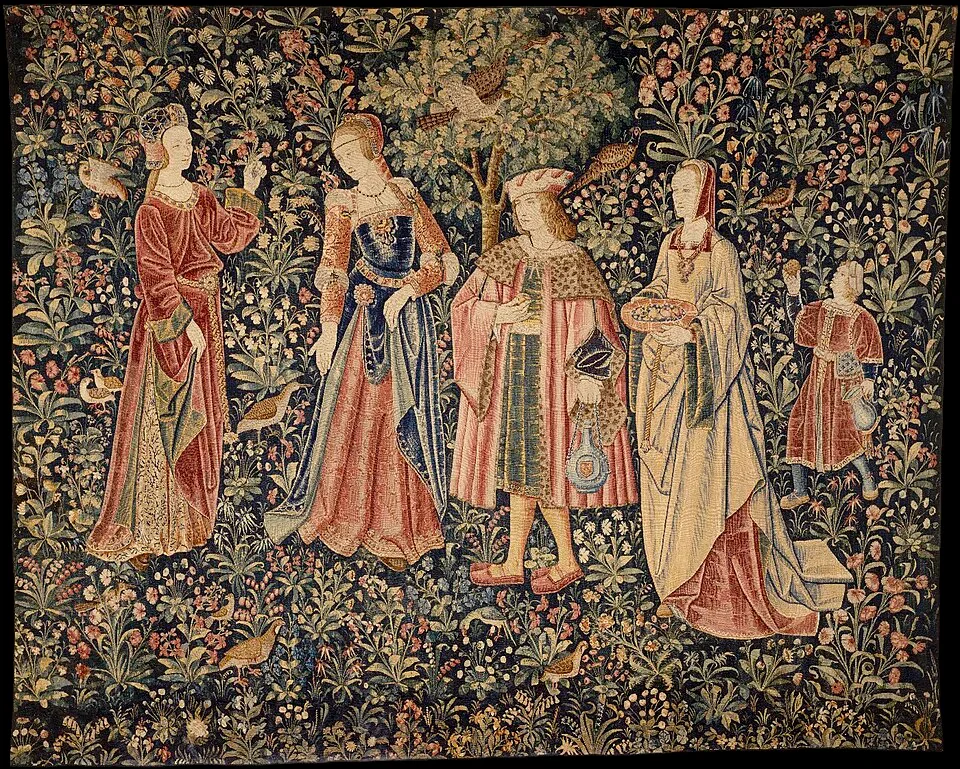
The Lady and the Unicorn tapestry - 01 - The Promenade (Cl. 2178)
Look at the lady walking here. Her dress and her headdress follow Italian fashion, while her two servants are dressed the French way. This tapestry was woven in the early fifteen hundreds. Five figures stroll together, a lord, the lady, the servants and a page, through a background scattered with flowers, plants and small animals. It is a picture of easy aristocratic life around the year 1500. But there is something odd about this tapestry. It carries no mark of any owner. It was probably not made for anyone in particular. It was likely woven in advance, to be shown to buyers who might want it. And that shows in the figures themselves. To keep the cost down, the weavers reused the same shapes again and again. The young man carrying the fruit here walks again in the very next tapestry. The woman holding the tray will turn up once more, in the one showing the Bath.
Escuchar en la appUnknown author · Public domain
05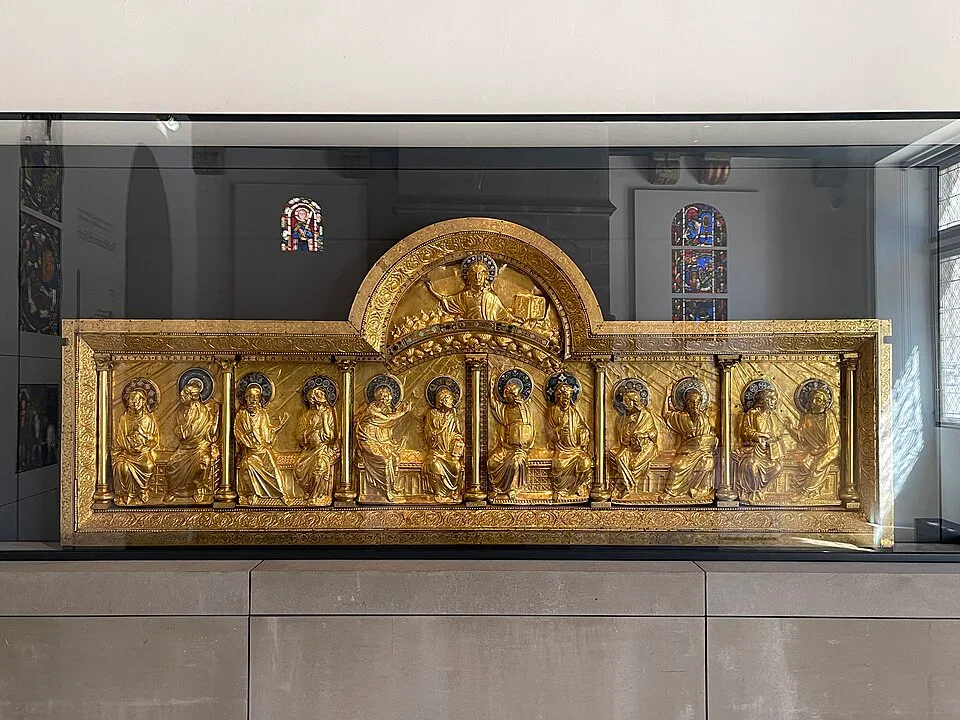
Stavelot Pentecost Retable
Fire hangs in the air here, and it has not landed yet. This is Pentecost, the moment the Holy Spirit came down on the apostles as tongues of flame. But see where the flames are. They hover above and below the arch that separates heaven from earth, rays reaching down, while the twelve apostles below wait in pairs between seven columns, the pillars of the Church. Christ is at the top with an open book that reads, peace be with you. The piece was made between 1160 and 1170, perhaps in a workshop in the abbey of Stavelot itself, a rich abbey known for its metalwork. The Latin words along the top edge come from the mass sung on Pentecost. They tell of a sudden wind from heaven, and all of them filled with the Holy Spirit. And the melody of that chant seems to rise and fall along the same edge, following the line of the metal. By candlelight, the gilded faces of the apostles change and take on something of Christ's face, an effect the maker seems to have planned. In 1792 the last abbot fled the French revolutionary troops, and may have carried this very piece with him to Hanau in Germany. Since 1895 it has been in Paris.
Escuchar en la appActuaLitté · CC BY-SA 2.0
06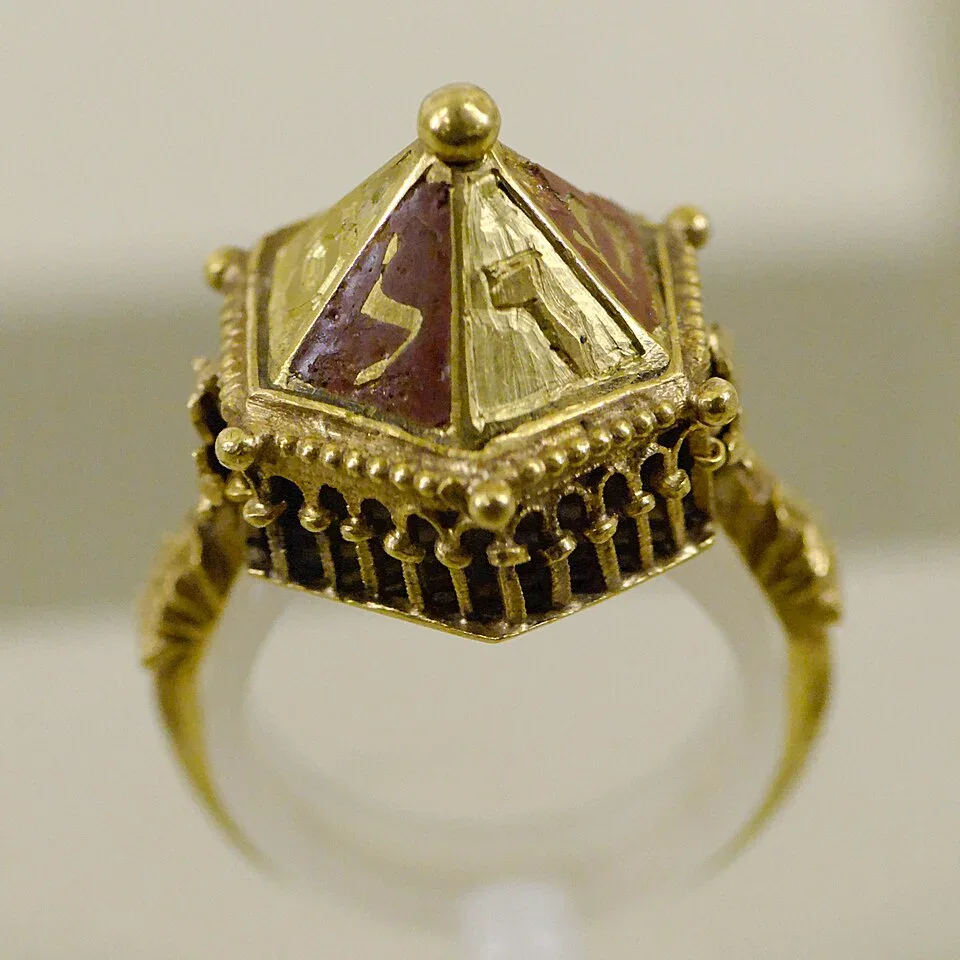
Colmar Treasure
Here is a wedding ring with no stone. On top sits a tiny building instead, a little tower with a pointed roof. Jewish law required a wedding ring to be one single piece, so the maker shaped the whole ring out of gold. On the tower is a word in Hebrew, mazel tov, which means good luck. A ring like this usually did not belong to a couple. It belonged to the whole community, and it was worn only during the wedding ceremony itself. Then, between 1348 and 1349, pogroms swept through the region with the Black Death. Someone hid this ring with coins and silver in the wall of a house on the street of the Jews in Colmar. Workers pulling that house down found it in May 1863.
Escuchar en la appPhoto: Jastrow · CC BY 2.5
07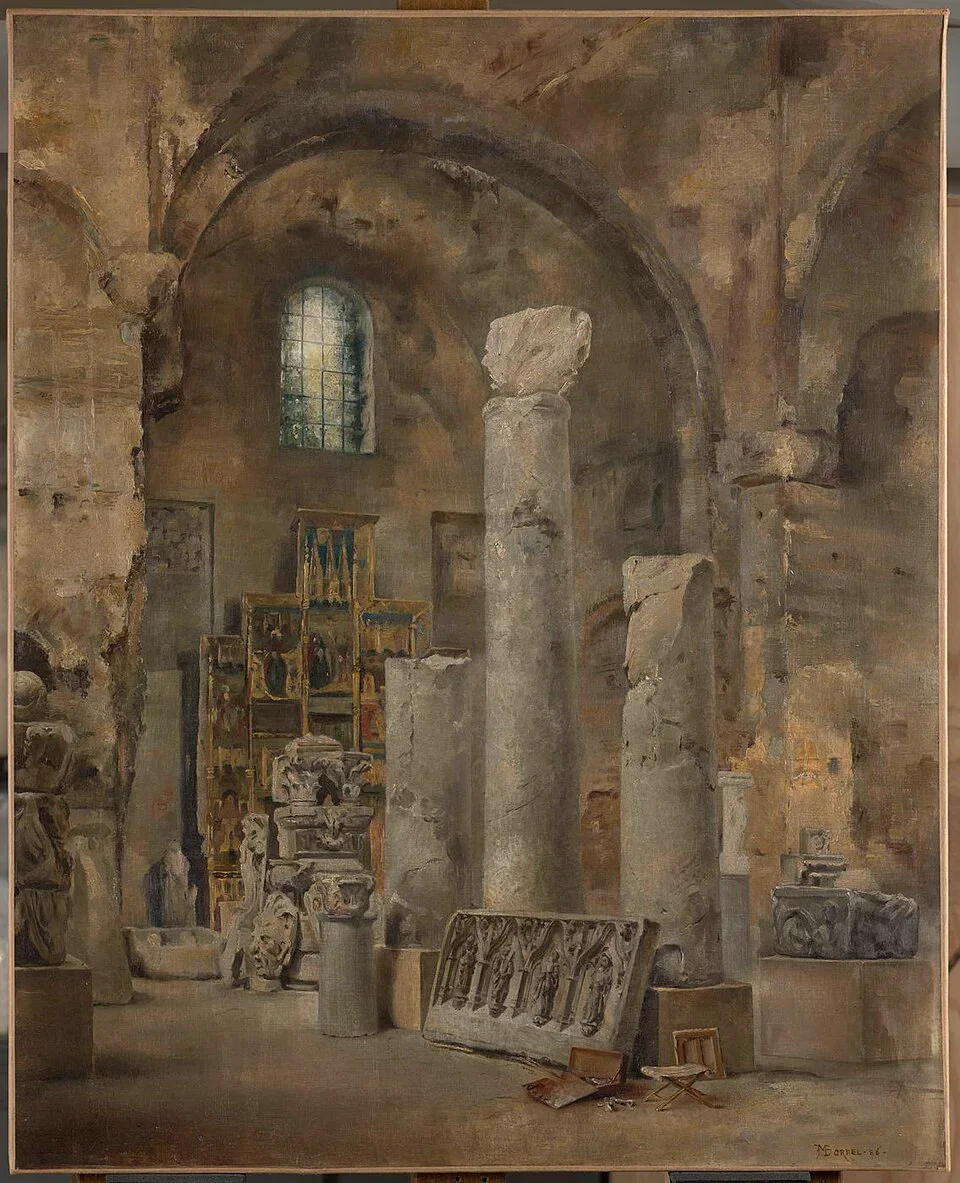
Interior of the Palais des Thermes, Cluny Museum
In this picture sit a painter's things. A small folding seat, a box of colours, brushes, and a canvas. Marius Borrel put his own gear into the scene, inside what was once a Roman bath house. This room was the cold bath hall of the old thermal baths of Lutetia, and by the 1880s it had become a museum. Set his gear against the columns and you feel how big the place is. The vault above reaches fourteen metres. Borrel painted it all in greys and ochres, the colours of old stone. And at the back, on the north wall, hangs a huge altarpiece from Castile. Nine painted panels in a gothic frame, bought by the museum in 1876. It did not stay. In 1890 it was taken apart, and its panels went to the museum at Castres. So this canvas keeps something you cannot see here anymore. The altarpiece, whole, hanging in this room, as Borrel found it in 1886.
Escuchar en la appFrançois-Marie, dit Marius Borrel. · Public domain
08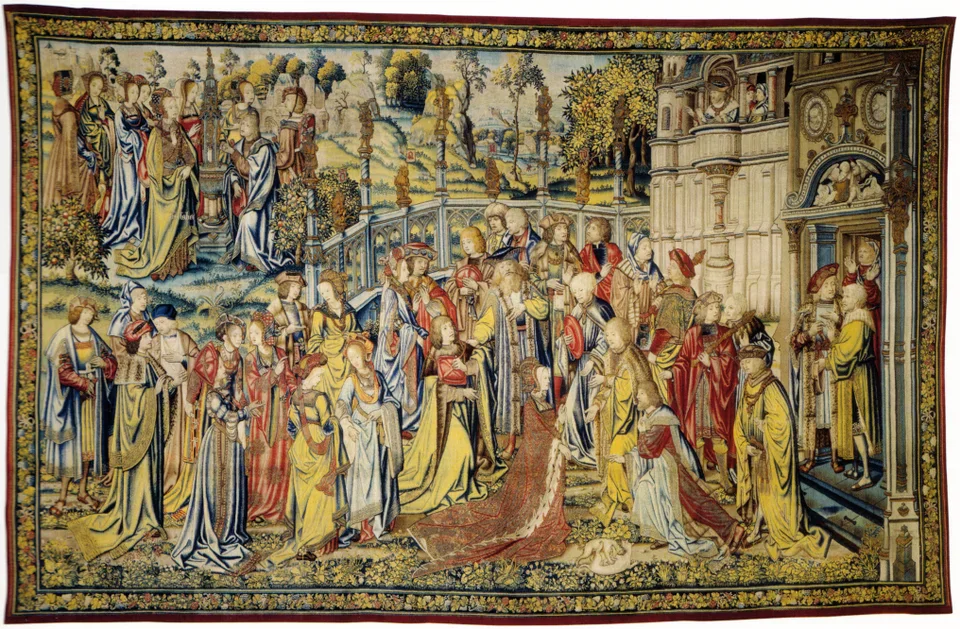
The Story of David
A king stands on his terrace and looks down at a woman bathing at a fountain. Soon two messengers reach her, and one kneels to hand over the king's letter, asking her to come to his palace. It is David and Bathsheba, and the affair that follows will cost her husband his life. The palace here is not old Jerusalem at all. It is the palace of the dukes of Brabant in Brussels, where these hangings were woven, its dukes' statues swapped for kings of Juda. The design is by Jan van Roome, court painter to Margaret of Austria, who may have ordered the set and parted with it before she died. Henry the Eighth's inventory of 1547 lists ten hangings of the rich history of King David, of much the same size, bought, it seems, in 1528 from a Flemish merchant. They may even have been made for him all along, a sly echo of his pursuit of Anne Boleyn. Who first wanted them, no one knows.
Escuchar en la appUnknown author · Public domain
09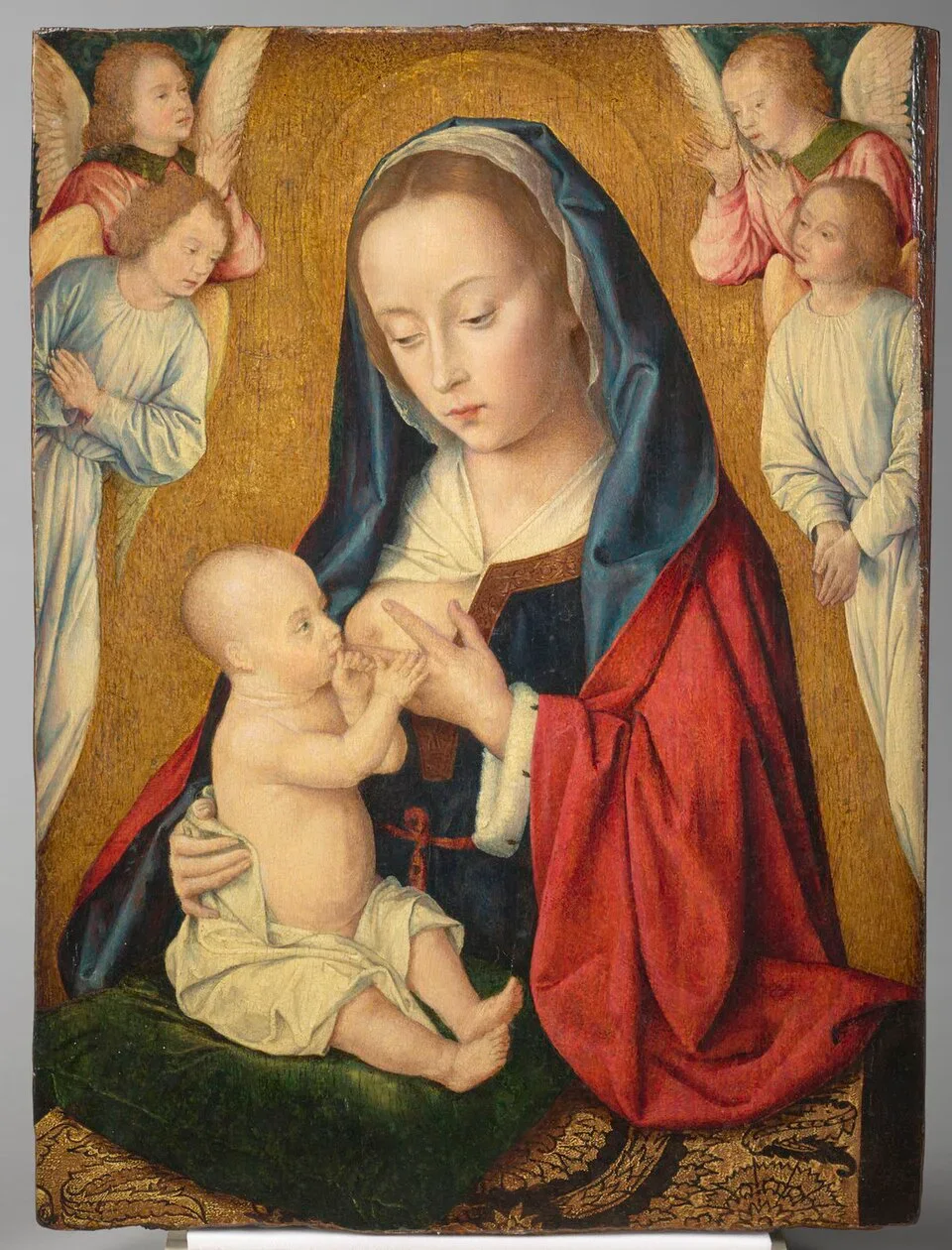
Virgin nursing the Child surrounded by praying angels, by Jean Hey
Look at what the baby is doing. He sits on a green cushion, sucking his thumb. This is the Christ Child, offered his mother's breast like any hungry baby. The painter, Jean Hey, was linked to the court of the Dukes of Bourbon, and made this panel for devotion. Around mother and child, everything else belongs to heaven. The background is gold, and four angels pray in the upper corners, on either side of the young mother. They worship while she offers him her breast.
Escuchar en la appJean Hey · Public domain
10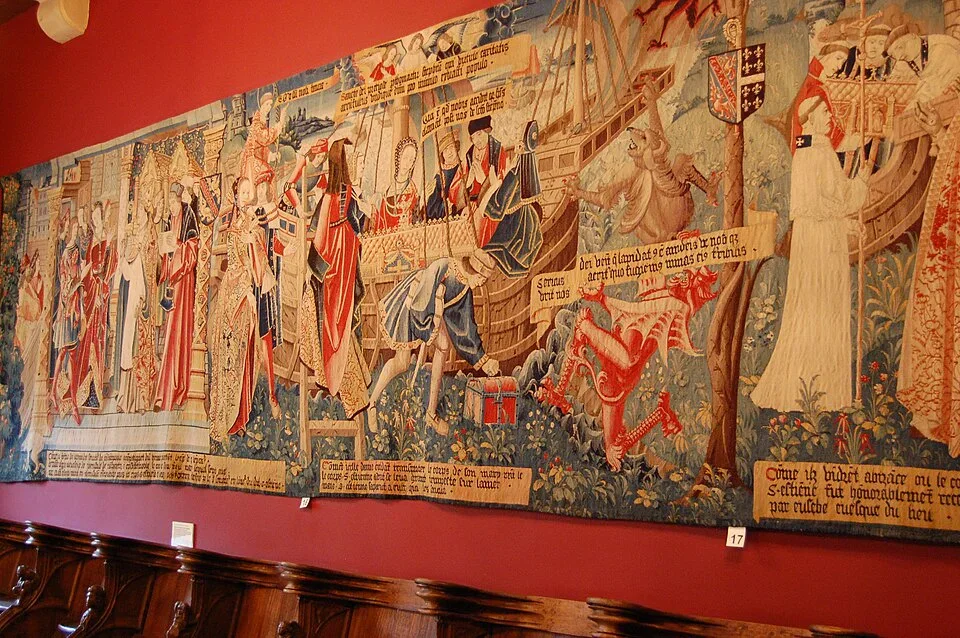
Tapestries of the story of saint Étienne
This cloth is only one piece of twelve. Around 1500, Jean the Third Baillet, bishop of Auxerre, had the whole set woven for the choir of his cathedral, because Saint Stephen was his patron saint. The designs probably came from a painter who had settled in Paris, Gaultier de Campes. Together the twelve pieces run forty five meters and tell the saint's life in twenty three scenes. They show his stoning, the finding of his body in 417, and the miracles after his death. Words in old French run along the bottom, and the bishop's coat of arms hangs on the trees and buildings that separate one scene from the next. It stayed in the cathedral until 1777, when the chapter sold it to the hospital in Auxerre. In 1838 the hospital sold two pieces, and those ended up in the Louvre. In 1880 the other ten went up for sale, and the state stepped in so they could not pass into private hands. Cluny bought them. Then in 1897 the Louvre sent its two pieces here. After sixty years apart, the twelve hung whole again.
Escuchar en la appGaultier de Campes · Public domain
- 11
The Celestial Concert
Unknown Artist · 1510–1515
- 12
Tarascon Pietà
Unknown Artist · 1350
- 13
The Presentation at the Temple - J. de Liège or A. Beauneveu - Cluny Museum in Paris
Unknown Artist · c. 1365
- 14
Bishop's miter with Christ scene, Cluny
Unknown Artist · c. 1365
- 15
Bâle antependium
Unknown Artist · 1019
- 16
Triptych of the Assumption of the Virgin
Adriaen Isenbrandt, Gerard David · c. 1520
- 17
Adam de Notre-Dame
Pierre de Montreuil · c. 1260
- 18
The Chess Players
Unknown Artist · 1437
- 19
Follower of Nicolas of Leyden, Mary Magdalene
Unknown Artist · 1470–1480
- 20
Saint Timothée (Musée national du Moyen Âge)
Unknown Artist · 1160
- 21
Martha and the penitents
Unknown Artist · 1450
- 22
Diptych of Areobindus Dagalaiphus Areobindus
Unknown Artist · 506
- 23
Olifante of Saint-Arnoul de Metz
Unknown Artist · 12th century
- 24
Gerard van Opstal - The drunkenness of Silenus
Gerard van Opstal · 17th century
- 25
Altarpiece of the Resurrection of Christ
Unknown Artist · 1500
- 26
Animals of the Holy Land
Erhard Reuwich · 1486
- 27
Chessboard known as Saint Louis's (Louvre CL 642)
Unknown Artist · 1650
- 28
Bathtub - MR 992
Unknown Artist · 300
- 29
The Provost of the Merchants Jouvenel des Ursins and his family
School of France · 15th century
Musée national du Moyen Âge
Preguntas frecuentes
¿Cuánto cuesta la audioguía?
App gratuita. Gratis hasta el 1 de enero. Precio indicado de la guía: $0.99. Solo audioguía. La entrada al recinto es independiente.
¿Puedo escuchar sin internet?
Sí. Descarga el audio, las imágenes y los mapas en la app antes de la visita. El contenido descargado estará disponible sin conexión.
¿Puedo escuchar en mi idioma?
Por ahora en inglés. Pronto, más idiomas.
¿Tengo que seguir un horario?
No. La visita es autoguiada. Elige las paradas, haz pausas y vuelve a escuchar las historias a tu ritmo.
A tu ritmo
Explora Musée national du Moyen Âge.
Descarga Stanza y busca “Musée national du Moyen Âge”.
App gratuita · Precio de la guía en la app
Sigue explorando
Audioguías cercanas
París · 1 km
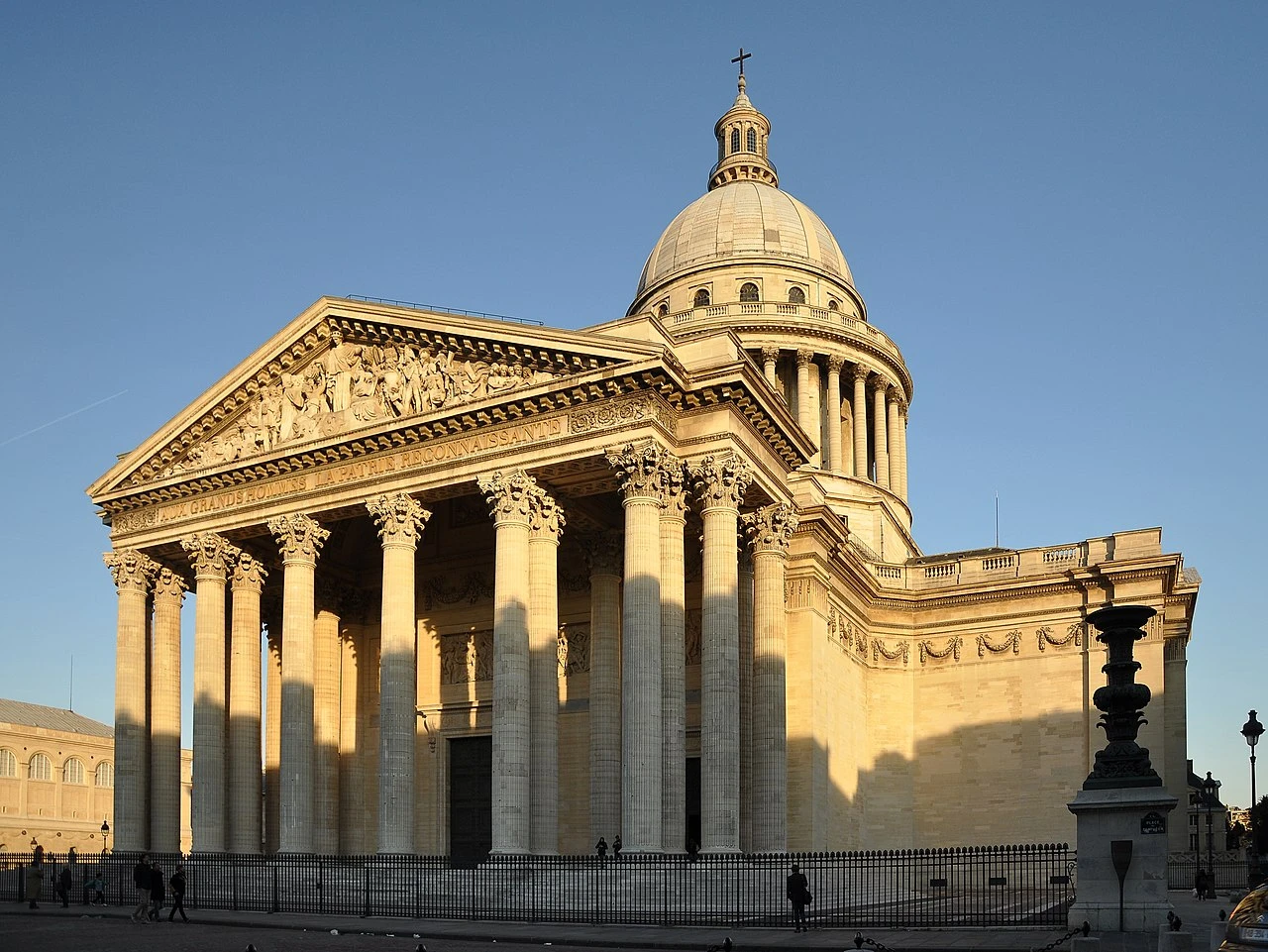
Panteón de París
Contenido y fuentes
Photo: Moonik · CC BY-SA 3.0
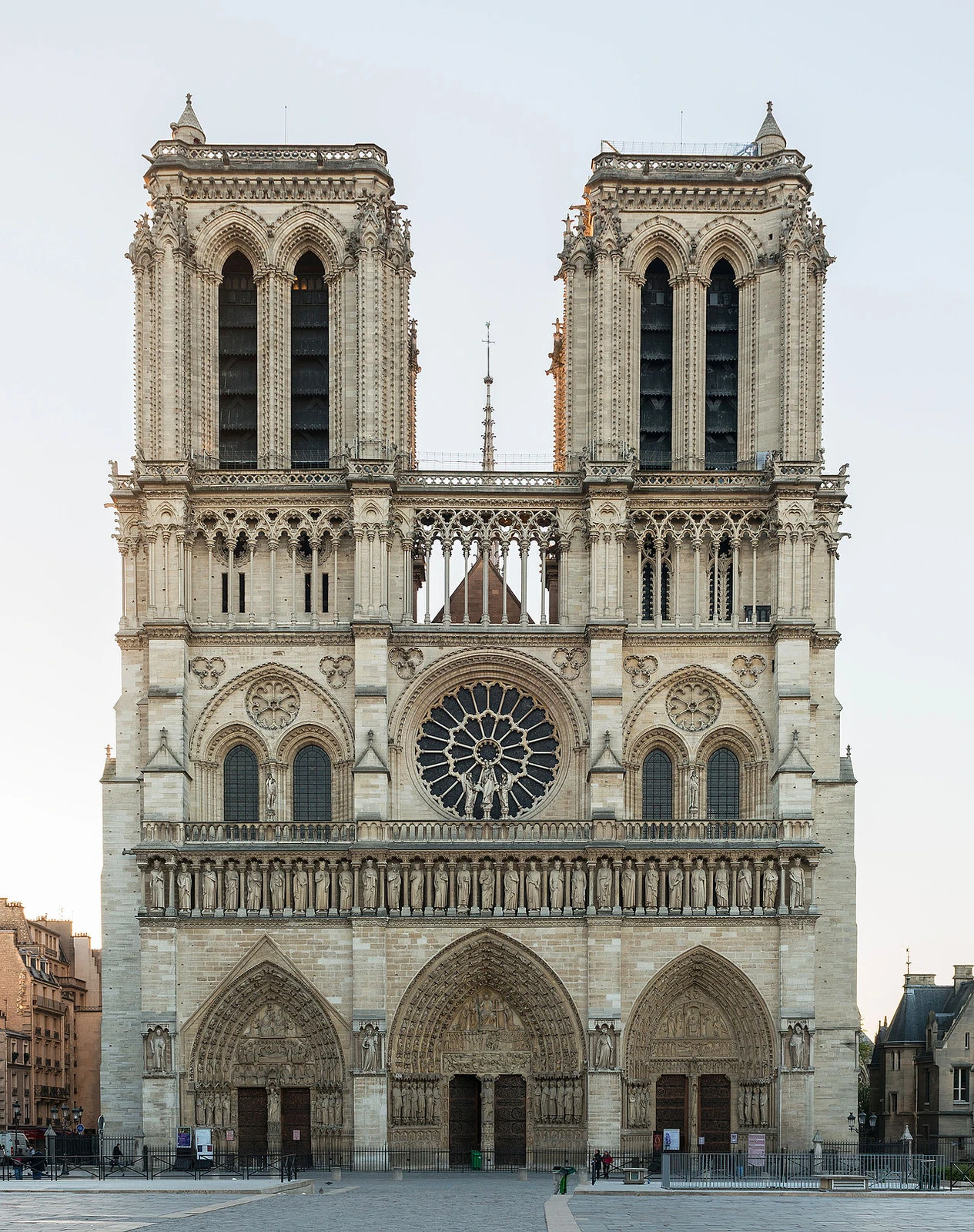
París · 1 km
Catedral de Notre-Dame de París
Contenido y fuentes
DXR · CC BY-SA 3.0
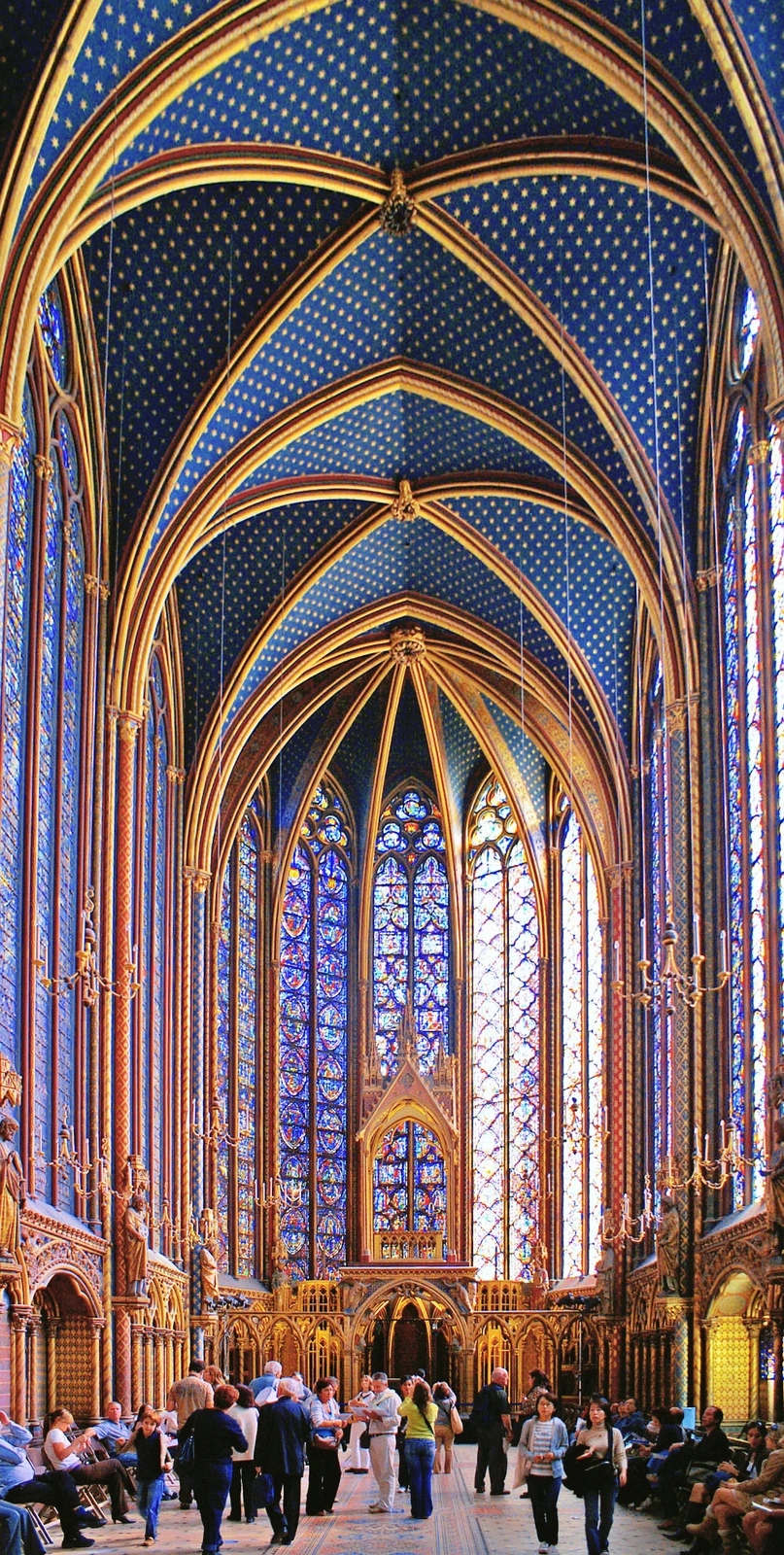
París · 1 km
Sainte-Chapelle
Contenido y fuentes
Didier B (Sam67fr) · CC BY-SA 2.5
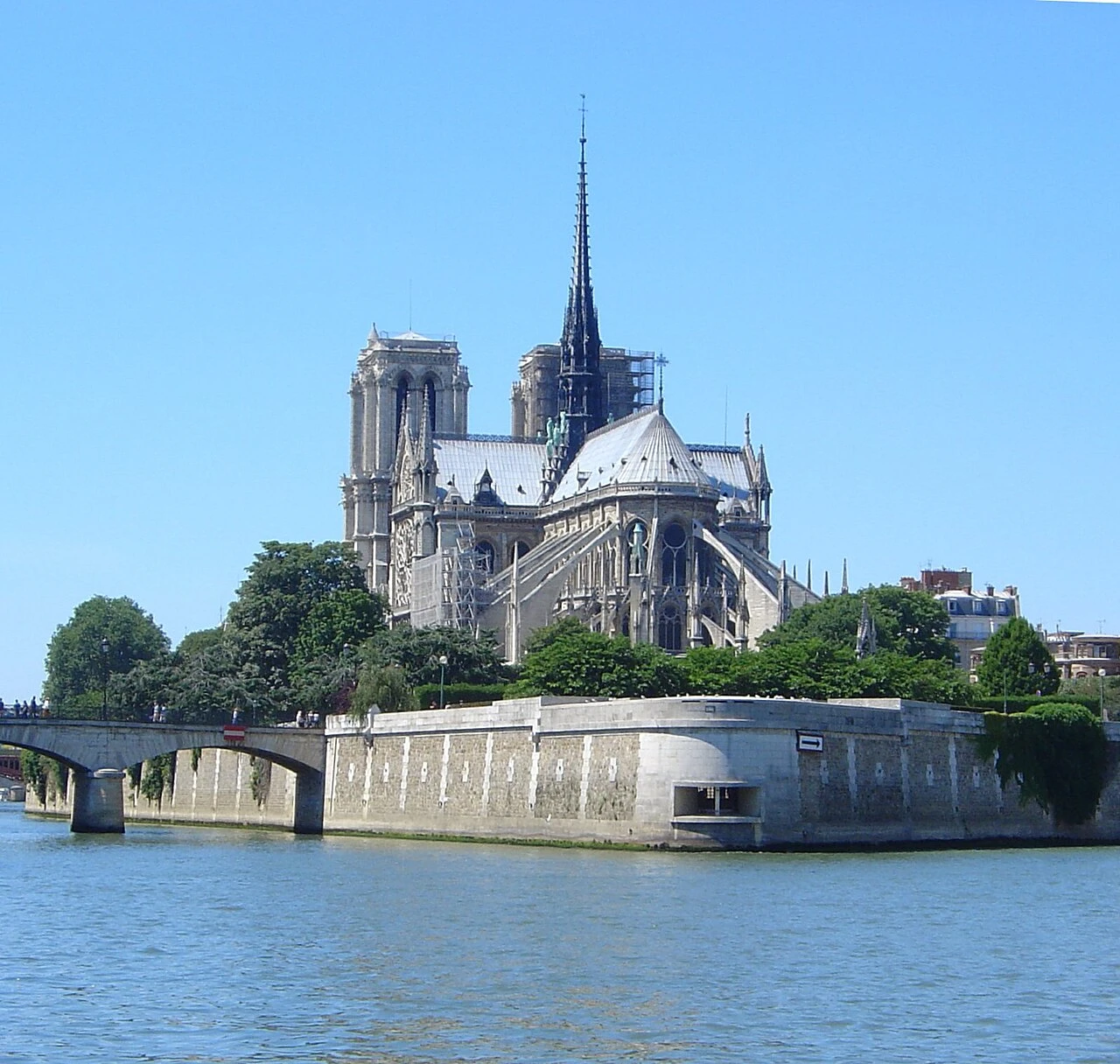
París · 1 km
Isla de la Cité
Contenido y fuentes
David Monniaux · CC BY-SA 3.0
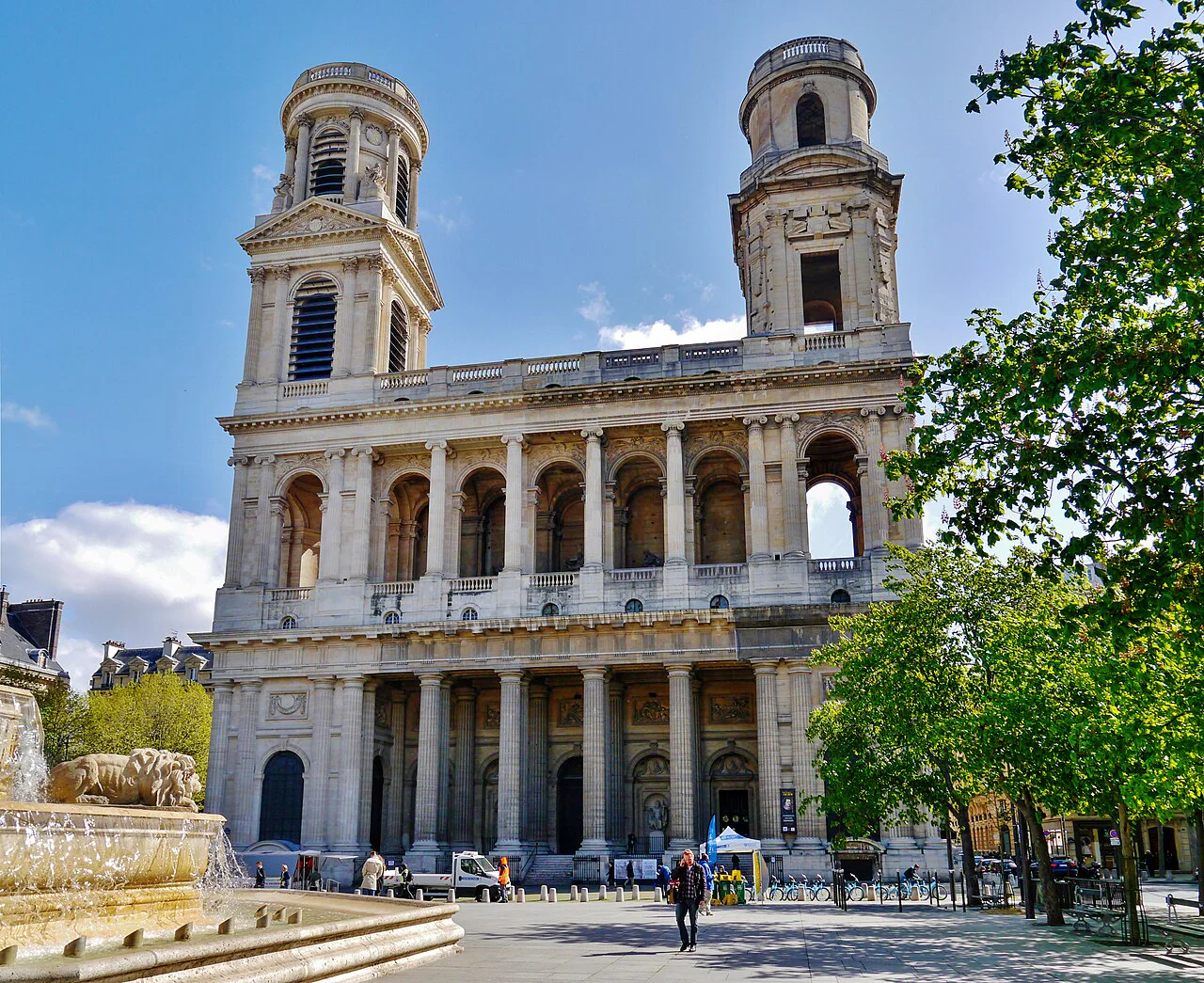
París · 1 km
Iglesia de Saint-Sulpice
Contenido y fuentes
Zairon · CC BY-SA 4.0