Stanza · Audio guide
Summer PalaceAudio guide
A place to remember. A story to take with you.
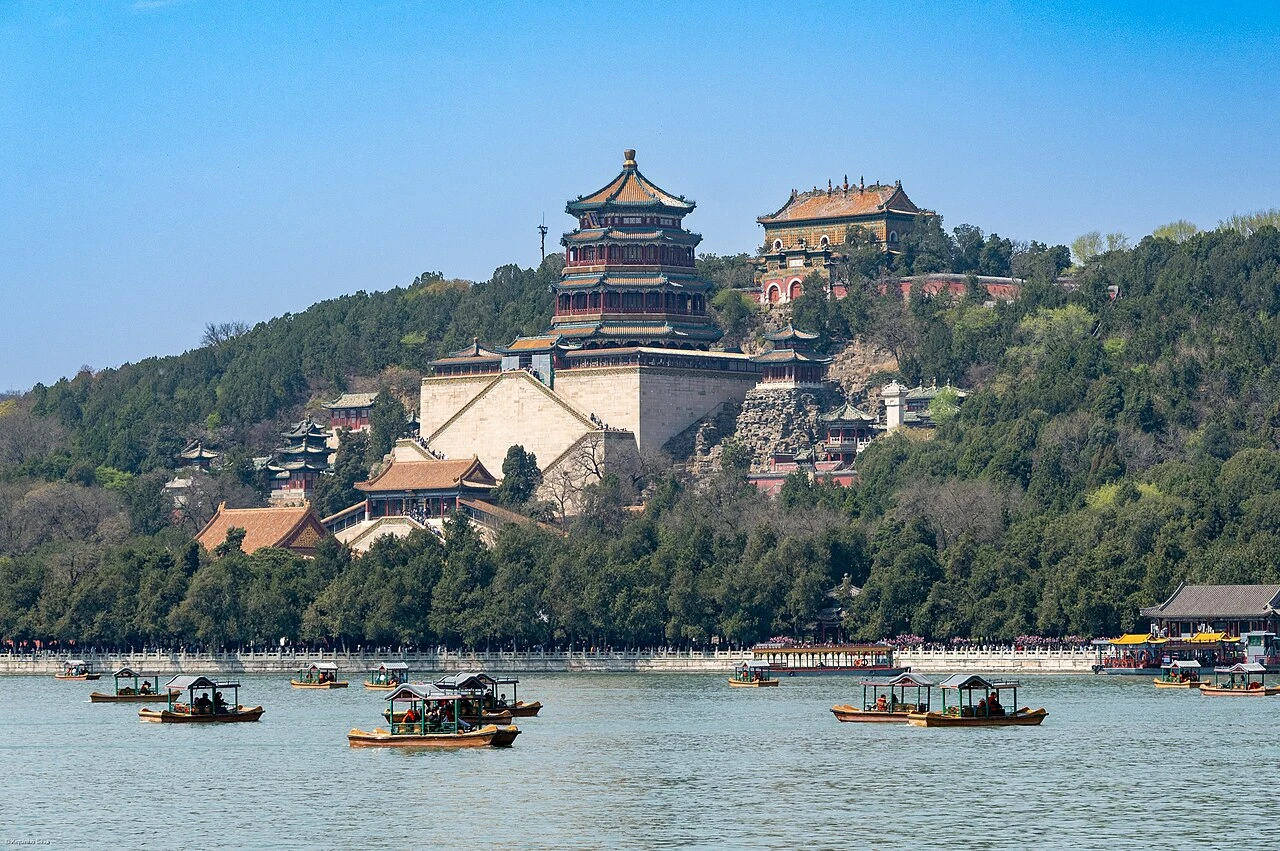
The Summer Palace is a vast ensemble of lakes, gardens, and palaces that served as the imperial retreat during the Qing dynasty. It is recognized as a masterpiece of Chinese landscape garden design.
Download Stanza, then search for “Summer Palace”.
About the tour
One guide. Your kind of visit.
The Summer Palace is a vast ensemble of lakes, gardens, and palaces that served as the imperial retreat during the Qing dynasty. It is recognized as a masterpiece of Chinese landscape garden design.
Ready when you are.
- 01Get the free Stanza app.
iOS & Android
- 02Find your guide.
“Summer Palace”
- 03Download before you go.
Works offline
Audio guide / 38 narrated stops
Inside the guide
Get to know a few of the stories before you go. Open a stop to read more.
01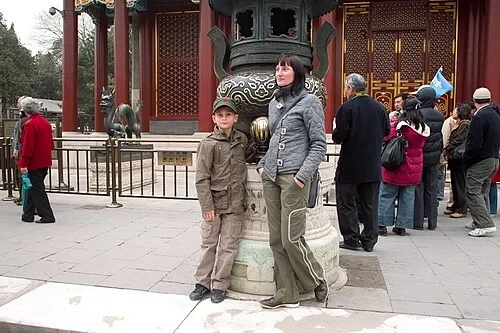 Hall of Benevolence and LongevityHall of Benevolence and Longevity
These impressive bronze vessels are not merely decorative statues; they were highly functional censers used during grand imperial ceremonies. As the Empress Dowager Cixi sat upon her throne inside the hall, attendants would feed sandalwood into these ornate containers. Thick plumes of fragrant smoke would drift out of the circular openings, creating a literal 'cloud of fragrance' that shrouded the royal figure, heightening the sense of divine mystery and authority. In the Qing Dynasty, scent was a powerful weapon of social prestige. The more expensive and exotic the incense, the higher the status of the person using it. Look closely at the exterior of the bronze work to find intricate cloud and dragon motifs. These designs were strictly reserved for imperial use, marking the vessels as property of the throne. The deep, weathered patina on the metal is a result of decades of ceremonial use and exposure to the elements in this central courtyard, where smoke once signaled the presence of the throne.
thierrytutin · CC BY 2.0
02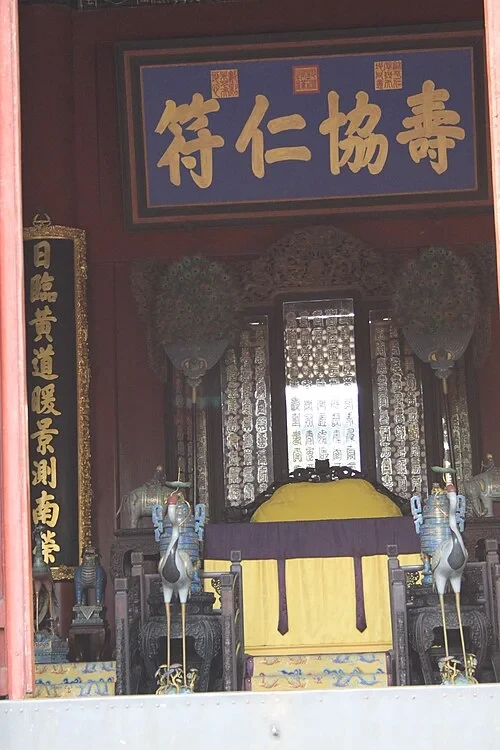 Hall of Benevolence and LongevityThrone of the Empress Dowager
This elaborate throne was the center of the 'power behind the curtain.' For decades, Empress Dowager Cixi wielded absolute authority over China, often governing on behalf of younger emperors. Behind the throne stands the impressive 'Screen of Nine Dragons,' a potent symbol of imperial sovereignty, flanked by massive fans made from peacock feathers. This setting was the stage for a significant break in tradition. In earlier eras, imperial women were kept strictly hidden from public view, yet Cixi sat here to receive foreign diplomats and conduct state business directly. Above the throne, you can see a specific plaque with characters that translate to 'Longevity, Cooperation, and Benevolence.' This choice of wording was a calculated political move, intended to provide a sense of legitimacy and moral righteousness to her often controversial grip on power. The room’s arrangement reflects a blend of traditional Chinese hierarchy and the practical needs of a female ruler who stepped into a role traditionally reserved for men.
Gary Todd from Xinzheng, China · CC0
03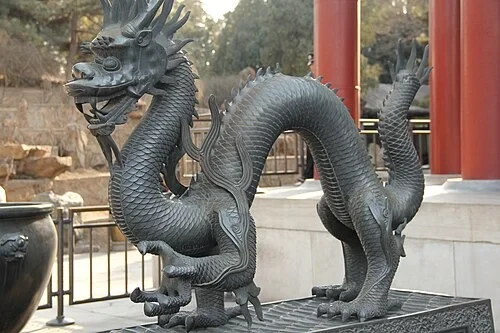 Hall of Benevolence and LongevityImperial Bronze Dragon
Notice the fierce posture and detailed scales of this bronze dragon. In Chinese culture, the dragon is a benevolent water-god responsible for controlling the rain and ensuring a successful harvest. To understand its political significance, look at the feet and count the claws. You will find five on each foot. In imperial China, the five-clawed dragon was a symbol reserved exclusively for the Emperor and his immediate family. Any commoner or lower-ranking official caught using this specific design faced the penalty of execution. The dragon is depicted in a dynamic pose, clutching a 'pearl of wisdom' in its claw, representing the pursuit of spiritual energy and prosperity. While dragons are often portrayed as destructive monsters in Western folklore, this figure represents wisdom and protection. Its presence here served as a constant reminder to those visiting the court that the Emperor held the Mandate of Heaven, acting as the bridge between the celestial and earthly realms, holding the fate of the harvest in his hands.
Listen in the appAna Paula Hirama · CC BY-SA 2.0
04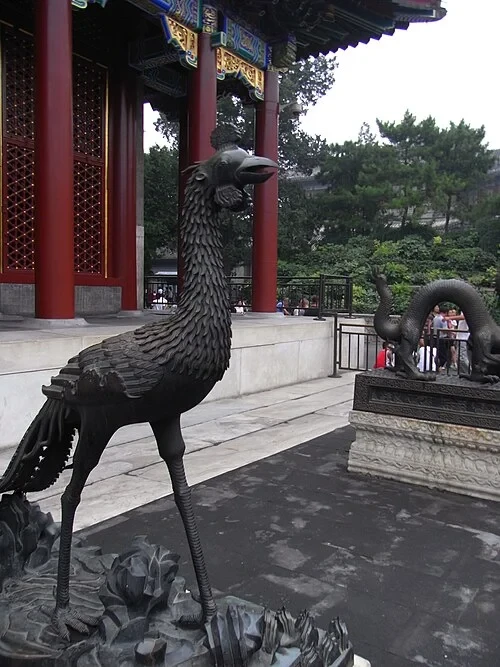 Hall of Benevolence and LongevityBronze Phoenix
Historically, the dragon representing the Emperor was the primary symbol, while the phoenix representing the Empress was secondary in size and placement. However, this bronze phoenix reveals a bold statement of power. On the explicit orders of Empress Dowager Cixi, the phoenix was placed in a position of equal, and in some contexts superior, prominence to the neighboring dragon. This was a visual signal to the entire court and visiting officials about who truly held the reins of government. The artistry of the piece is exceptional, particularly in the delicate bronze work of the tail feathers. They were crafted with such precision that they appear to be splaying and swaying in a gentle breeze. This bird, known as the fenghuang, was said to appear only in places of peace and prosperity. By elevating its status here, Cixi not only asserted her own authority but also claimed her reign was a time of auspicious harmony for the empire, placing herself at the very center of the nation's symbolic order.
Listen in the appddio · CC BY-SA 2.0
05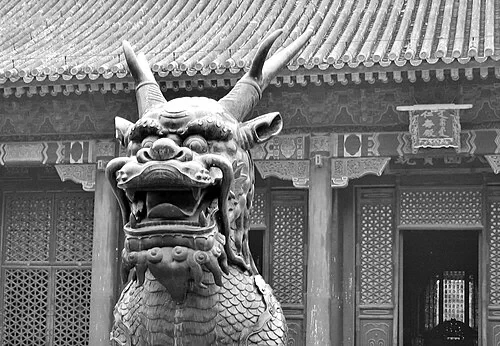 The Qilin StatueKylin Statue
This statue depicts the Qilin, a fantastic composite creature that serves as a 'mythical chimera.' It features the head of a dragon, the antlers of a deer, the scales of a fish, and the hooves of an ox. According to ancient Chinese tradition, a Qilin only manifests itself during the rule of a truly sage leader or upon the birth of a great philosopher. By placing this figure prominently within the Summer Palace, the Qing court was making a bold public claim regarding their own virtue and legitimacy. Notice the 'pearl' the creature is playing with, which symbolizes truth, purity, and the pursuit of wisdom. Legend holds that the Qilin was so gentle and compassionate that it would refuse to even step on a single blade of grass, lest it cause harm to any living thing. Its presence here was intended to cast an aura of benevolence over the imperial residence, suggesting that the power wielded within these walls was balanced by a deep respect for natural and moral law, welcoming an era of peace.
Listen in the appKyle Magnuson from Los Angeles, United States · CC BY 2.0
06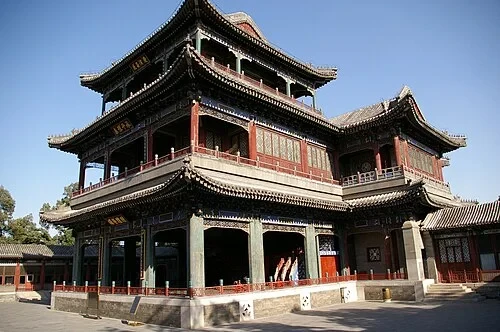 Garden of Virtue and Harmony (Deheyuan)Garden of Virtue and Harmony
This massive three-story structure served as the primary venue for theatrical performances within the Summer Palace. Empress Dowager Cixi was a devoted enthusiast of Peking Opera, often spending her days watching plays, writing her own scripts, and even coaching the actors on their delivery. The scale of the theater allowed for incredibly complex productions. On special occasions, dozens of actors would perform simultaneously across all three levels, creating a vertical spectacle unlike anything seen in common theaters. The building located directly behind the stage served as a residence for a dedicated troupe of eunuch actors who were kept on call twenty-four hours a day to provide entertainment whenever the Empress desired. If you look up at the top floor, you are seeing the area reserved for 'celestial' characters. Actors portraying gods or spirits would descend from this level to the main stage below, signifying their arrival from heaven to interact with the mortal world during the drama. This vertical integration made it the most advanced theater of its era in East Asia.
Listen in the appJakub Hałun · CC BY-SA 3.0
07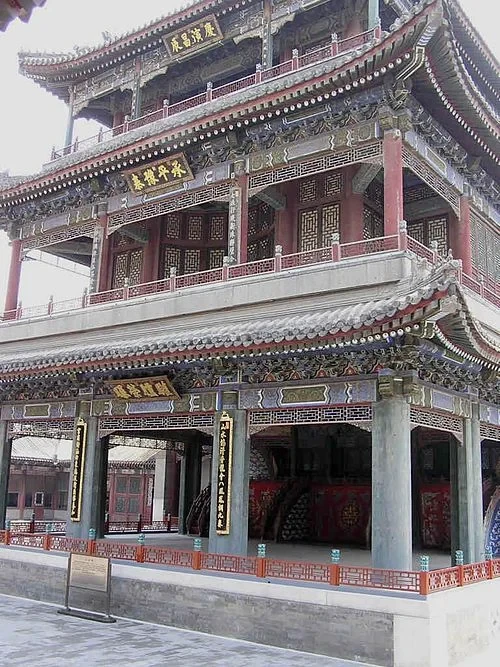 Garden of Virtue and Harmony (Deheyuan)Grand Stage
The Grand Stage was a marvel of high-tech engineering for the late nineteenth century. Beneath the wooden floorboards lies a sophisticated system of trapdoors and pulleys. These mechanisms allowed actors to suddenly 'fly' through the air or vanish in an instant, delighting the imperial audience. Even more remarkably, the stage was built over deep wells and water tanks. During performances involving water spirits or legendary floods, the crew could pump actual water onto the stage to create realistic splashes and flowing streams. Empress Dowager Cixi typically watched these elaborate productions from the comfort of a heated hall positioned across the courtyard. She was known to use binoculars to carefully scrutinize the performances, catching every subtle facial expression or minor mistake made by her favorite actors. This scrutiny ensured that the quality of the imperial opera remained the highest in the land. The stage remains a rare example of how traditional art and innovative mechanical design converged to serve the whims of the Qing court, creating a theater like no other.
Listen in the appLeonard G. at English Wikipedia · CC BY-SA 3.0
08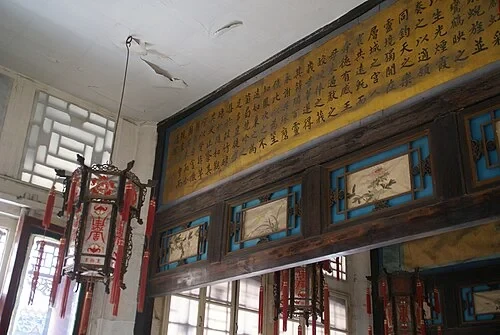 Garden of Virtue and Harmony (Deheyuan)Emperor's Study
Decorated with traditional lanterns and calligraphic scrolls, this room appears to be a peaceful retreat for a scholar. However, it was actually part of a 'golden cage' for Emperor Guangxu. Following his failed attempt to modernize the Chinese government during the 'Hundred Days' Reform' in 1898, he was placed under house arrest here by his aunt, the Empress Dowager Cixi. He spent his final years surrounded by the highest luxuries the empire could provide, yet he was effectively a prisoner, unable to step outside the courtyard without explicit permission. On the desk, you can still see traditional inkstones, which are potent symbols of the scholarly life he was forced to embrace while his political power was systematically stripped away. This room witnessed the quiet frustration of a ruler who wished to change his country but found himself trapped by the very traditions he sought to evolve. The quiet atmosphere here today belies the intense political tension that once filled the air as the dynasty approached its final, tumultuous years.
Listen in the appDavid Baron from San Francisco, California, USA · CC BY-SA 2.0
09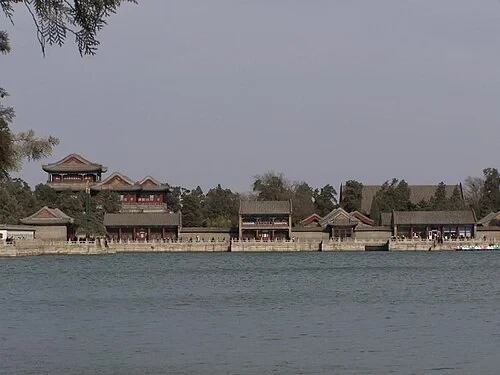 Hall of Jade BillowsYiyun Hall
This site provides a stark contrast to the beauty of the surrounding gardens. When Empress Dowager Cixi confined Emperor Guangxu to house arrest, her measures were extreme. She ordered the back doors and windows of this residence to be bricked up, physically cutting off the Emperor from any communication with the outside world. This architectural modification transformed a royal residence into a literal, isolated prison. The isolation extended to his personal life as well. His favorite concubine, known as the Pearl Consort, was forcibly separated from him and kept elsewhere in the palace grounds; she eventually met a tragic end during a later conflict. Today, the heavy silence of this courtyard serves as a somber reminder of the internal power struggles that paralyzed the imperial court. While the rest of the Summer Palace was designed for pleasure and longevity, this specific hall bears the scars of a family divided by ambition and a nation on the brink of collapse. It remains one of the most historically significant residential complexes in the grounds.
Listen in the appPhoto: Kallgan · Public domain
10Yiyun HallYiyun Hall
Originally commissioned by the Qianlong Emperor, this hall was built to safeguard his vast collection of scrolls, books, and rare manuscripts. As you observe the building, note the interesting architectural transition from the solid, heavy stone foundations to the lighter, airier wooden galleries that sit above. This design provided both stability and a sense of elegance befitting a royal archive. In the later years of the dynasty, the building's function changed. It became the residence for Empress Longyu, the wife of the imprisoned Emperor Guangxu. The atmosphere during that time was incredibly tense, as the royal couple lived in separate 'prisons' located just a short distance from one another, yet were largely prevented from meaningful contact. Outside, notice the intricate stone railings that line the path. These barriers separate the formal palace structures from the vast expanse of the lakefront, providing a scenic but highly structured boundary that defined the limits of the royal residents' daily movements between their quarters and the water's edge.
Listen in the appPhoto: Kallgan · Public domain
Summer Palace
Frequently asked questions
How much does the guide cost?
Free app download. Listed guide price: $3.99. Guide price shown in the app. Audio guide only. Venue admission is separate.
Can I listen without internet?
Yes. Download the guide’s audio, images, and maps in the app before your visit. Your downloaded content is then available offline.
Can I listen in my language?
Stanza supports 15 languages. Check the app for the languages available for this guide.
Do I need to follow a schedule?
No. This is a self-guided experience. Choose your stops, pause whenever you like, and return to a story at your own pace.
At your own pace
Explore Summer Palace.
Download Stanza, then search for “Summer Palace”.
Free app download · Guide price shown in the app
Keep exploring
Nearby audio guides
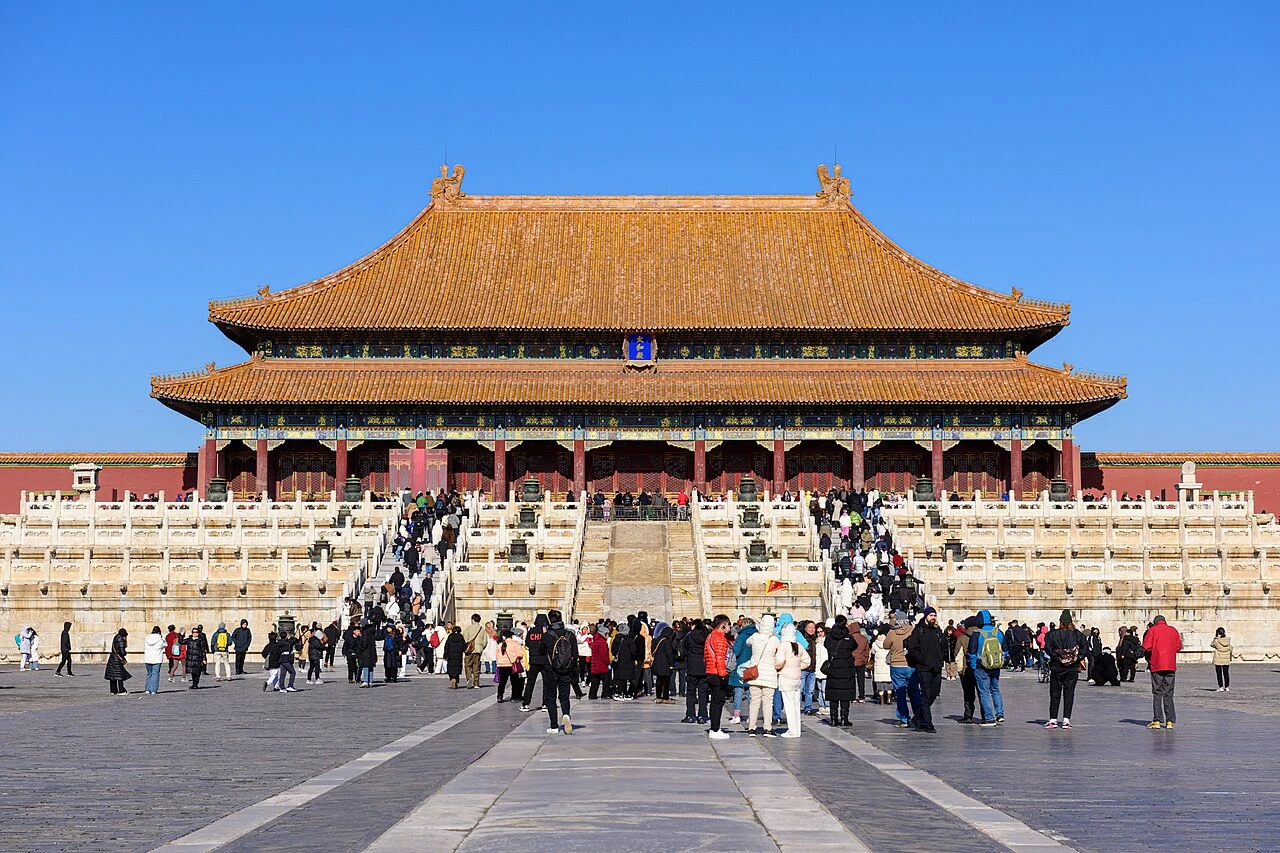
Dongcheng District
Forbidden City
Content & sources
Photo: N509FZ · CC BY-SA 4.0
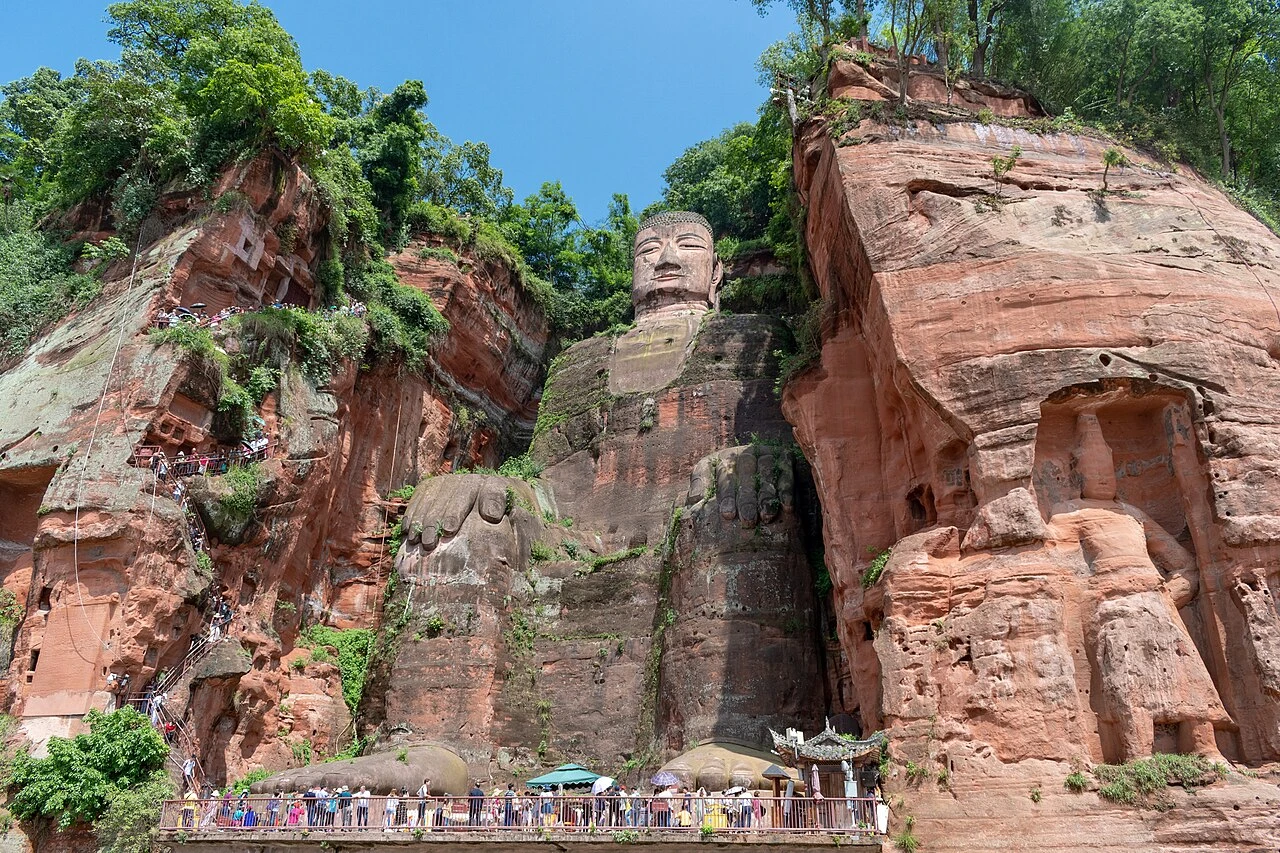
Shizhong
Leshan Giant Buddha
Content & sources
xiquinhosilva · CC BY 2.0
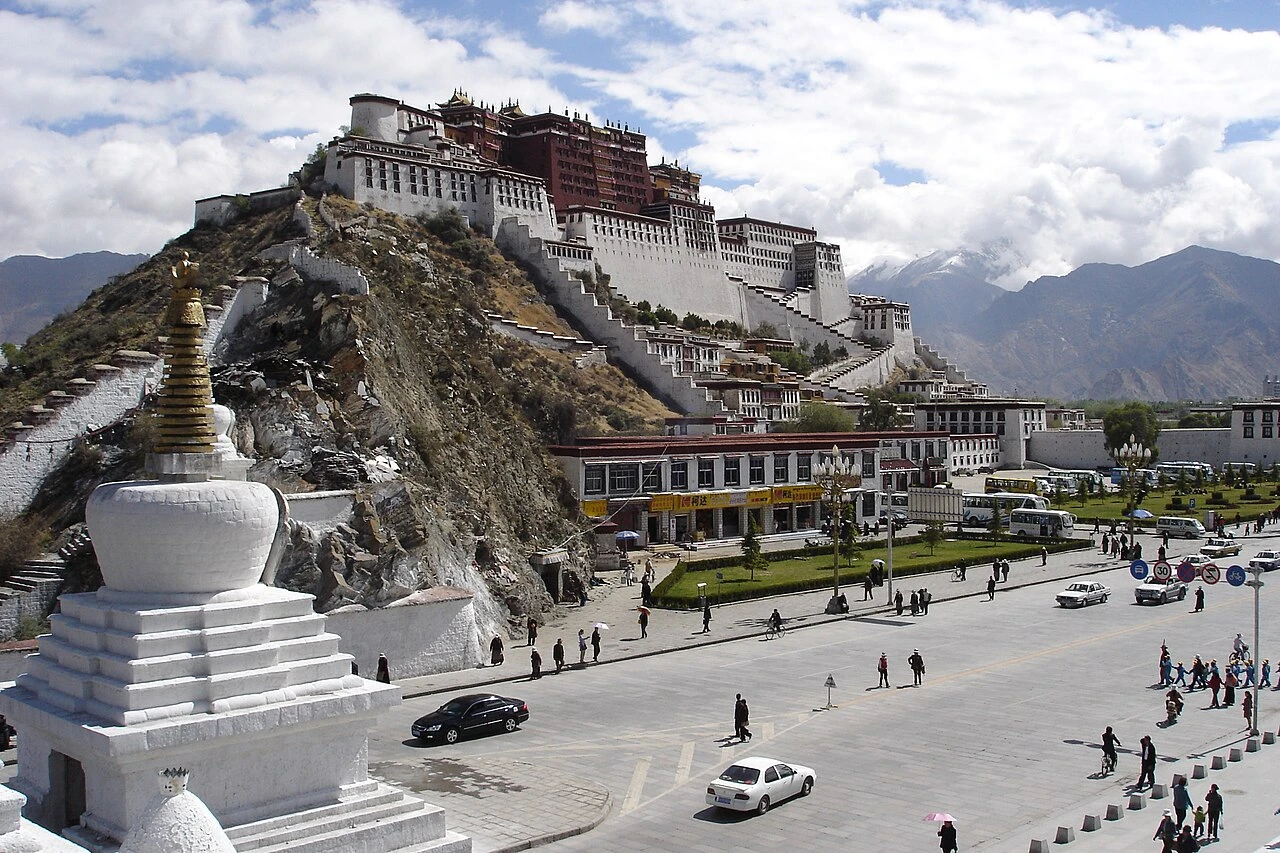
Lhasa
Potala Palace
Content & sources
Photo: Ondřej Žváček · CC BY 2.5
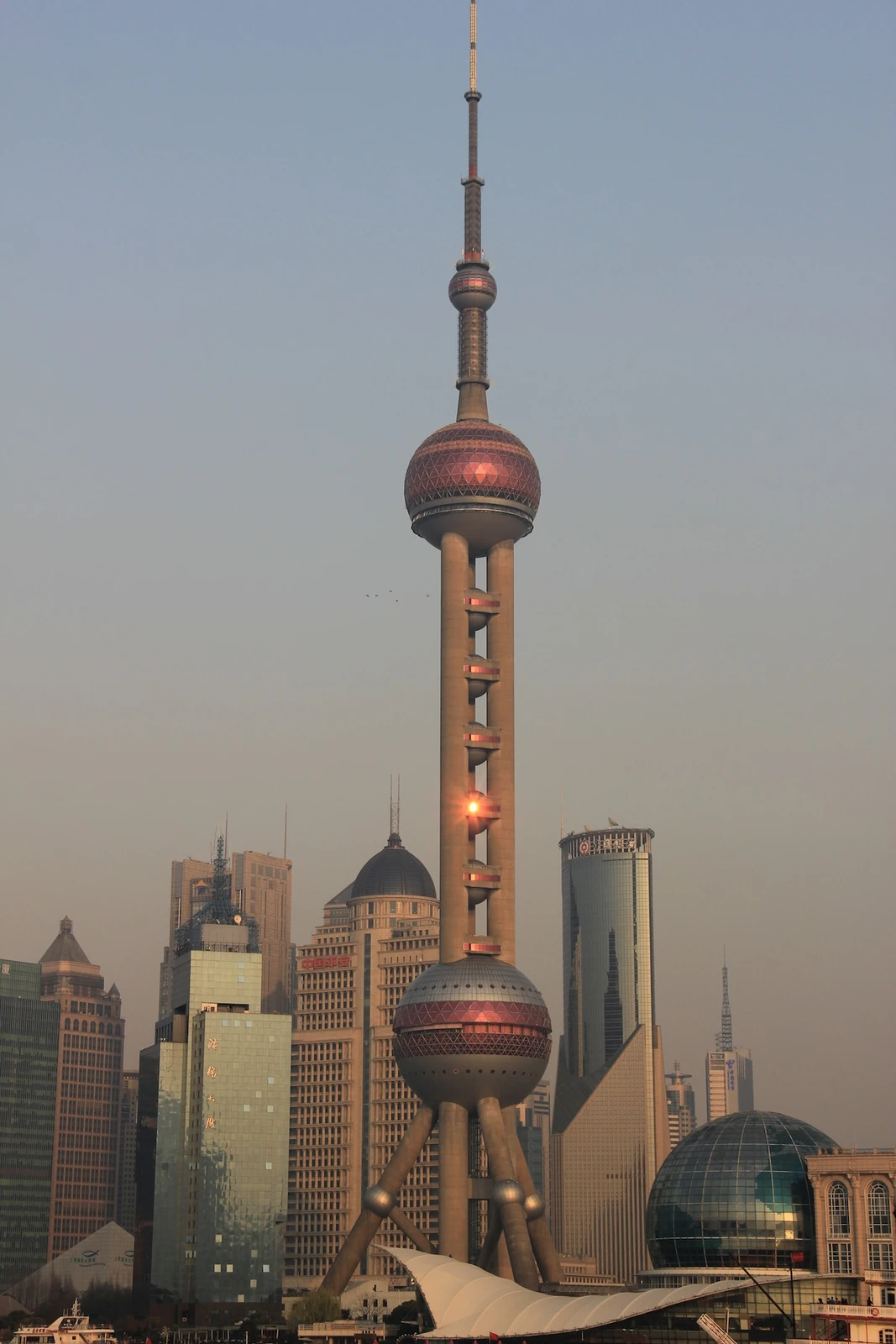
Pudong
Oriental Pearl Tower
Content & sources
Dottie Day · CC BY 2.0