Stanza · Audio guide
犬山城 Audio Guide
A place to remember. A story to take with you.
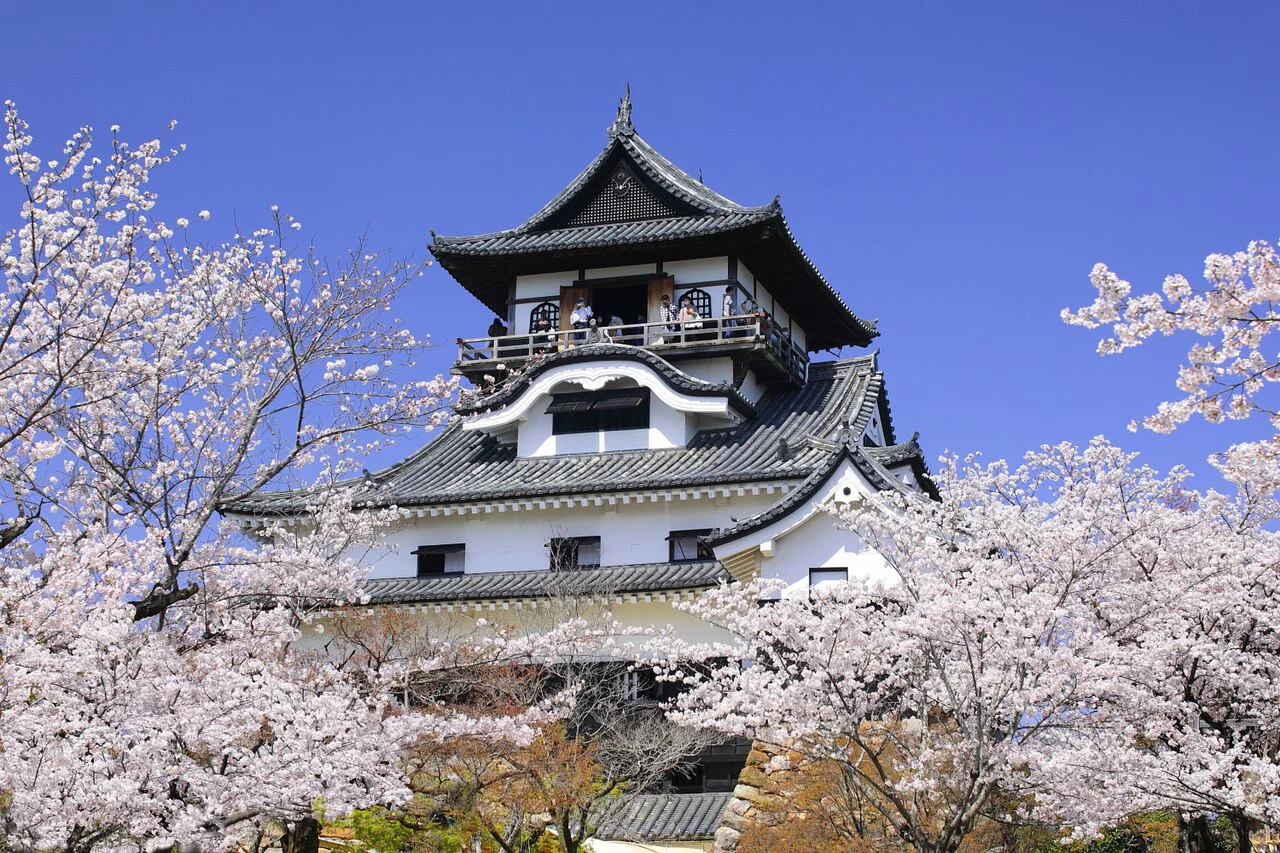
Inuyama Castle is a hirayama-style Japanese castle located in Inuyama, Aichi Prefecture. It is one of only 12 pre-modern tenshu remaining in existence.
Download Stanza, then search for “犬山城”.
About the tour
One guide. Your kind of visit.
Inuyama Castle is a hirayama-style Japanese castle located in Inuyama, Aichi Prefecture. It is one of only 12 pre-modern tenshu remaining in existence.
Ready when you are.
- 01Get the free Stanza app.
iOS & Android
- 02Find your guide.
“犬山城”
- 03Download before you go.
Works offline
Audio guide / 12 narrated stops
Inside the guide
Get to know a few of the stories before you go. Open a stop to read more.
01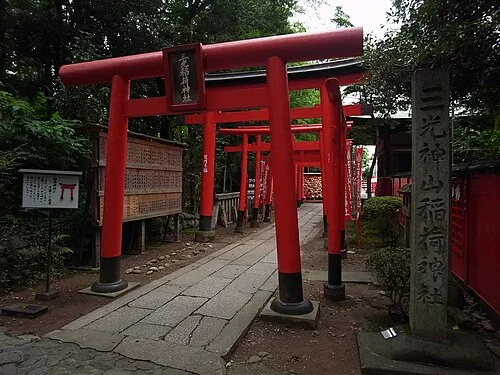 Castle Hill Approach and the Ōte-michi Slope
Sankō Inari Shrine and the Castle Approach
Welcome to Inuyama Castle, a warlord's fortress on a bluff above the Kiso River. In 1537 a samurai named Oda Nobuyasu gave up his old castle at Kinoshita and built a new stronghold here, on this wooded slope. The red torii gates flanking the path belong to Sankō Inari Shrine, whose route to worship runs alongside the traditional approach to the castle. Pairings like this one, where a shrine and a fortress share the same hill, were a familiar sight in that age. The castle's job was simple. It watched the Kiso River, which marked the border between two provinces, and whoever held this bluff controlled the crossing. That is why powerful families fought over the place for centuries.
Photo: Jerry fish tkc · CC BY-SA 3.0
02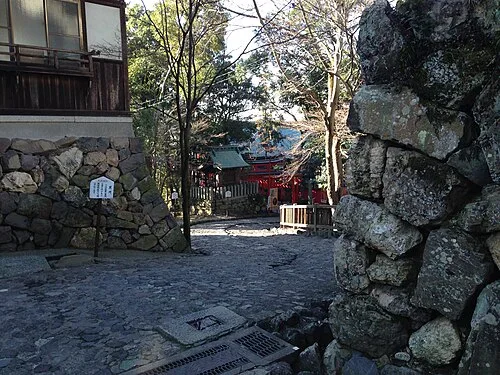 Castle Hill Approach and the Ōte-michi Slope
Old Ramparts on the Shrine Path
Halfway up the slope, the castle's oldest visible work runs right beside the shrine gates. Rough stone ramparts rise along the same line as the toriis. An ancient shrine called Haritsuna is said to have been moved to make way for the castle itself. And the military logic is easy to see. Any attacker climbing toward the gates would meet these walls first, on ground the defenders knew well.
Photo: そらみみ · CC BY-SA 4.0
03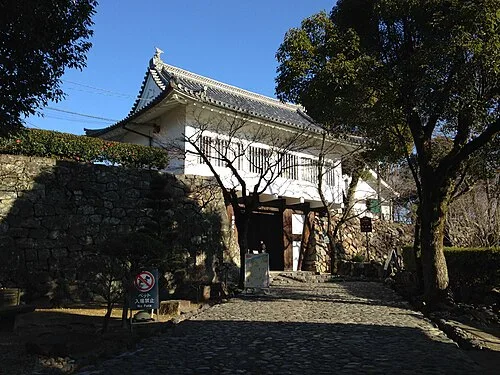 Kurogane Gate and the Honmaru Courtyard
Honmaru Gate: A Contested Prize
In 1584 this gate marked the entrance to a castle worth stealing in a single raid. During the campaign of Komaki and Nagakute, the warlord Ikeda Tsuneoki launched a surprise attack and seized Inuyama from the faction holding it. The capture turned the castle into a forward base in a war between two giants. Toyotomi Hideyoshi himself came here and pitched his headquarters, facing his rival Tokugawa Ieyasu, who watched from Komakiyama across the plain. Two of the age's greatest commanders squared off with this hill between them. The gate of that era is gone. When the Meiji government seized the castle in 1871, nearly everything except the great tower was torn down, gates and turrets alike. The gate standing here now is a later reconstruction, raised on the old stone base.
Listen in the appPhoto: そらみみ · CC BY-SA 4.0
04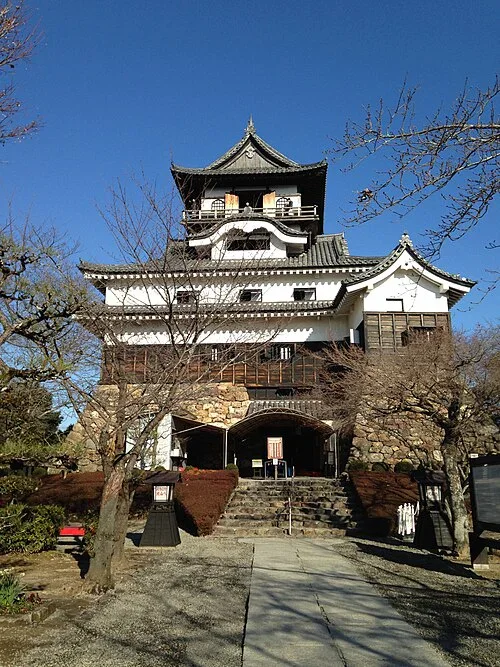 Kurogane Gate and the Honmaru Courtyard
The Keep That a Family Saved
The tower's survival here was never guaranteed. In 1891 the Great Nōbi earthquake shook the region and broke the turret at the tower's southeast corner. The government held the castle but could not afford to mend it. So in 1895 the deed went back to the former lord, Naruse Masamitsu. The condition was that his family repair the tower and keep it up. They did, and for many years Inuyama was the only castle in Japan owned by a private family. The Naruse cared for it for more than a century afterward. Only in 2004 did the castle leave private hands, passing to a foundation set up to preserve it. Junko Naruse, sister of the family head, became the foundation's first chair.
Listen in the appPhoto: そらみみ · CC BY-SA 4.0
05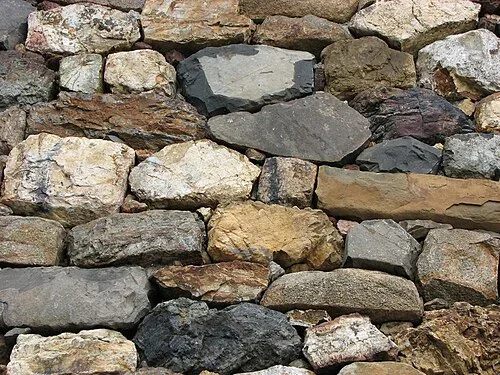 Nozura-zumi Stone Base and Exterior Defenses
Nozura-zumi: The Dry-Stone Base
The base of the tower is the oldest style of masonry in the castle. These walls are built in a style called nozura-zumi: raw fieldstones, more or less as they were found, stacked without mortar. Nothing binds them except gravity, weight, and careful placement. The technique is older than the smooth, carved curves of later castle masonry, and it gives these walls their rough, honest face. It also behaves well in earthquakes. A wall of loose-fitting boulders can shift and settle when the ground shakes, then hold. The stones rise roughly five meters on top of the bluff, a cliff about eighty-eight meters above the river. Together they carry everything built above them.
Listen in the appsodai gomi · CC BY 2.0
06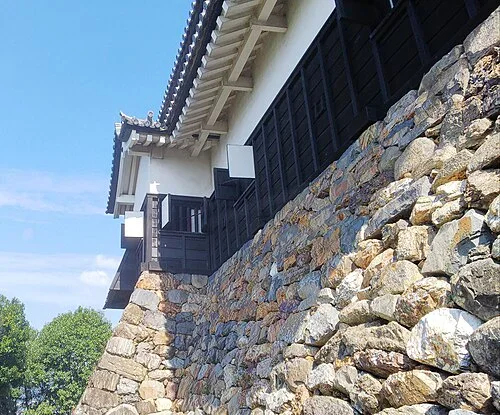 Nozura-zumi Stone Base and Exterior Defenses
Ishi-otoshi: Defenses Above the Wall
The overhang beneath the eaves is not decoration. Openings like these are called ishi-otoshi, stone-droppers. They project out over the wall so defenders could drop stones, or anything else at hand, straight onto attackers climbing the base below. From outside, the chutes read as dark slots in the black timber just under the roofline. The tower kept other tricks in reserve as well. Somewhere in its floors are musha-kakushi, hidden chambers where warriors could wait out a search. Exactly how many the keep conceals, and where, remains uncertain.
Listen in the appPhoto: 村国左近 · CC BY-SA 4.0
07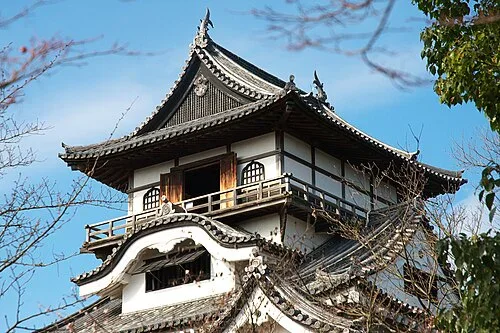 Nozura-zumi Stone Base and Exterior Defenses
A National Treasure in Three Roof Tiers
The tower's silhouette changes with every step around it, and that is deliberate. Inuyama's keep is small, but its form is complex: three tiers of roofs over several internal levels, with curved gables breaking the lines. Only twelve pre-modern castle keeps survive in all of Japan, and this is one of them. Only five of those twelve rank as National Treasures, a list that includes Himeji and Matsumoto. The tower's age is argued over. The official dating puts it at 1601, while tree rings in the timbers of the top-floor watchtower point to the 1580s. Maruoka Castle, in Fukui, makes a rival claim to be the oldest survivor. What is agreed is the final shape. A major renovation finished around 1620, adding the upper levels and the curved gables, and the tower has kept that form ever since.
Listen in the appYamaguchi Yoshiaki from Japan · CC BY-SA 2.0
08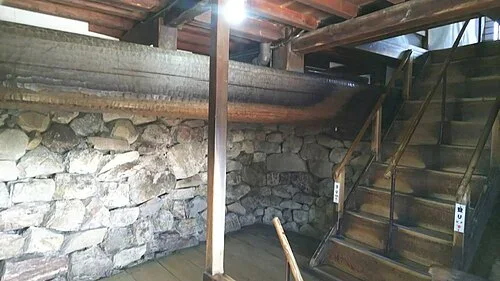 Subterranean Vault and Ancient Timber Framework
Into the Undercroft: Steep Stairs and Stone Vault
The climb through the tower is a workout. At the entrance to the basement levels, visitors leave their shoes, and the stairways beyond rise at slopes steeper than sixty degrees. Hands go on the rails; the steps were built for soldiers, not sightseers. The tower has two basement levels, sunk into the stone base of the hill. This vaulted room, lined with rough stone and crossed by heavy beams, is one of them, the anagura or undercroft. What it was for, no one can say for certain. It may have served for storage, for defense, or for both.
Listen in the appPhoto: 村国左近 · CC BY-SA 4.0
09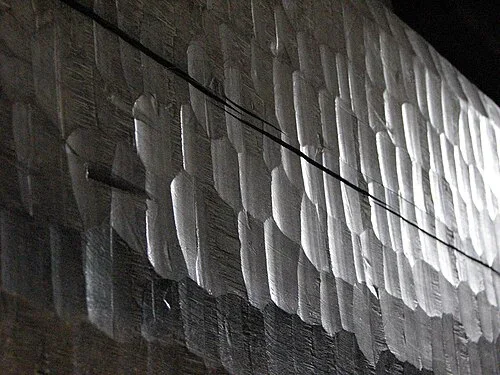 Subterranean Vault and Ancient Timber Framework
The Adzed Beam and the Disproved Legend
The surface of this beam still shows the blows that shaped it. Every timber in the frame was squared by hand, with adzes, and the overlapping facets of the tool marks run the length of the wood. Craftsmanship like this is one reason the frame has stood for centuries. The beam also helped settle an old argument. For generations, a legend called Kanayama-goe claimed the tower had been carried here piece by piece from Kanayama Castle in Mino, when the lord Ishikawa Sadakiyo rebuilt the defenses in 1596. To test it, restorers took the entire tower apart between 1961 and 1965 and examined every member. They found no marks of disassembly, no matching joints, nothing that a building reused from elsewhere would leave behind. The legend is now set aside.
Listen in the appsodai gomi · CC BY 2.0
10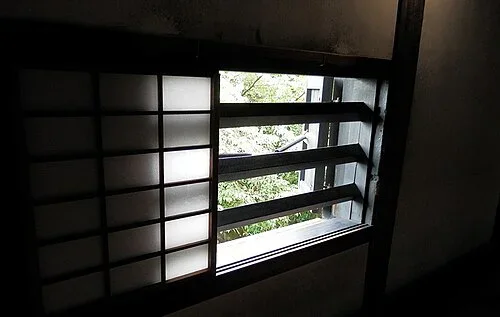 Subterranean Vault and Ancient Timber Framework
The First-Floor Window with the Sideways Lattice
Deep inside the first floor, the light comes in sideways and thin. Thick wooden lattices cover the windows, built to let defenders watch without offering a target. On the east side, one window breaks the pattern. Its lattice runs horizontally, while every other one stands vertical. Nothing in the tower explains why. It may be a builder's whim, a structural quirk, or a purpose no one has recovered. For now it remains one of the keep's small, unsolved puzzles.
Listen in the appPhoto: 村国左近 · CC BY-SA 4.0
- 11
The Top Floor and the Mawarien Veranda
The top-floor watchtower room and the mawarien, the open-air veranda circling the tower, open to walkers at no other National Treasure keep.
- 12
The Kiso River: Border That Built the Castle
The Kiso River border that made the castle worth fighting for, and the poet's nickname that turned it into the White Emperor Castle.
犬山城
Frequently asked questions
How much does the guide cost?
Free app download. Listed guide price: $0.99. Guide price shown in the app. Audio guide only. Venue admission is separate.
Can I listen without internet?
Yes. Download the guide’s audio, images, and maps in the app before your visit. Your downloaded content is then available offline.
Can I listen in my language?
This audio guide is available in 15 languages, including English.
Do I need to follow a schedule?
No. This is a self-guided experience. Choose your stops, pause whenever you like, and return to a story at your own pace.
At your own pace
Explore 犬山城.
Download Stanza, then search for “犬山城”.
Free app download · Guide price shown in the app
Keep exploring
Nearby audio guides
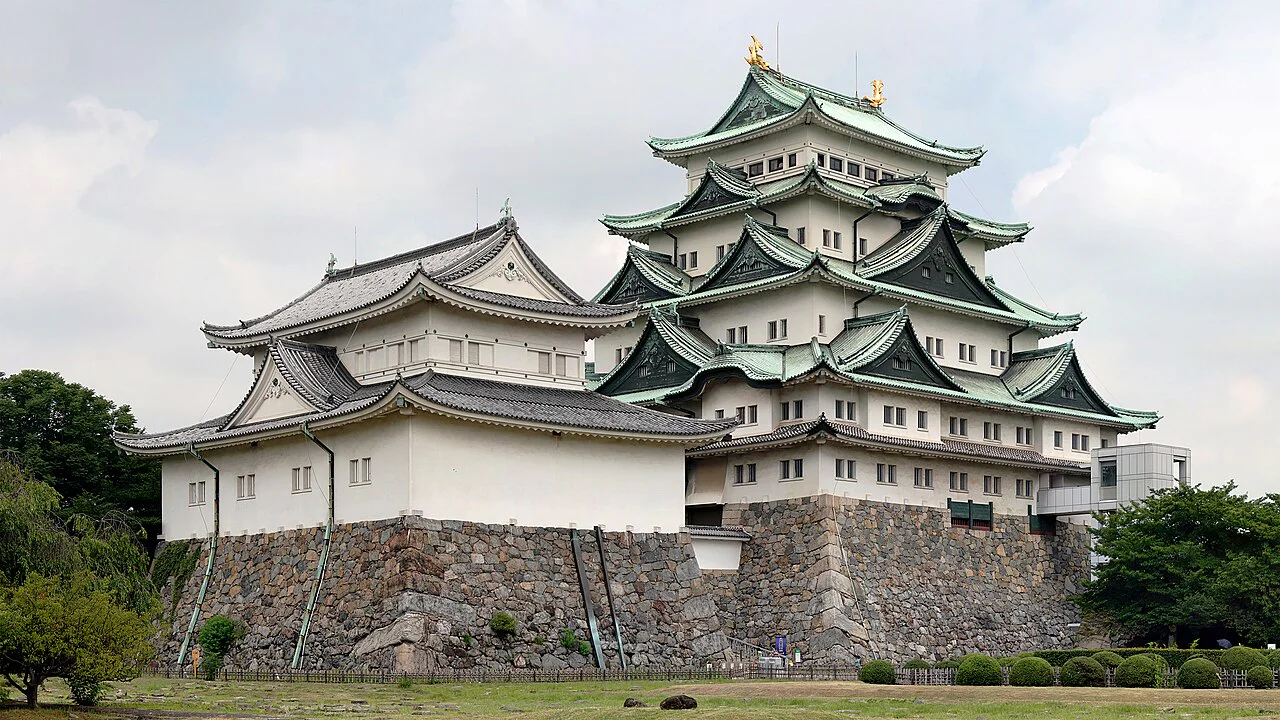
Nagoya · 23 km
名古屋城
Content & sources
Base64 · CC BY-SA 3.0
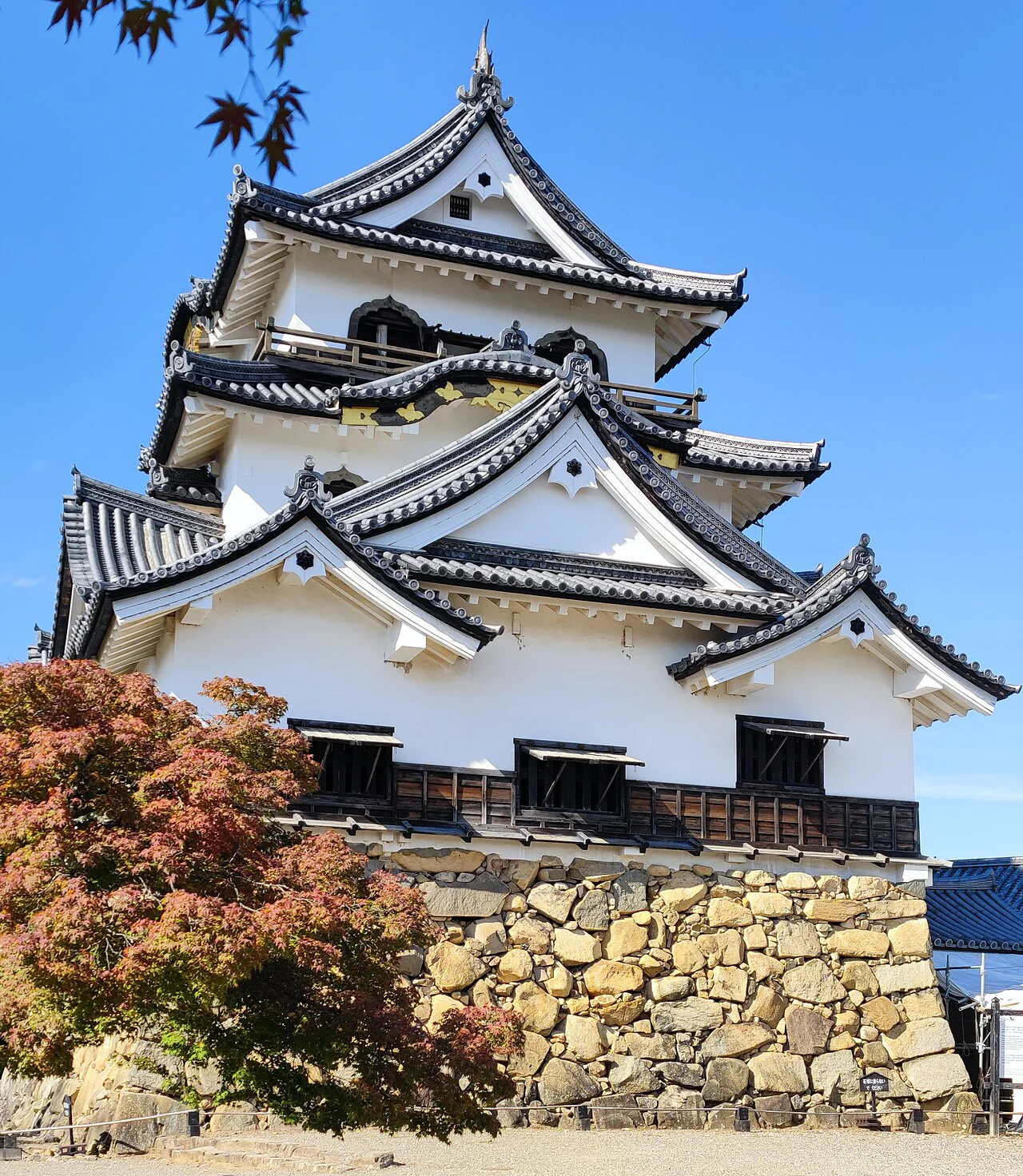
Hikone · 64 km
彦根城
Content & sources
Photo: 高菜明太 · CC BY-SA 4.0
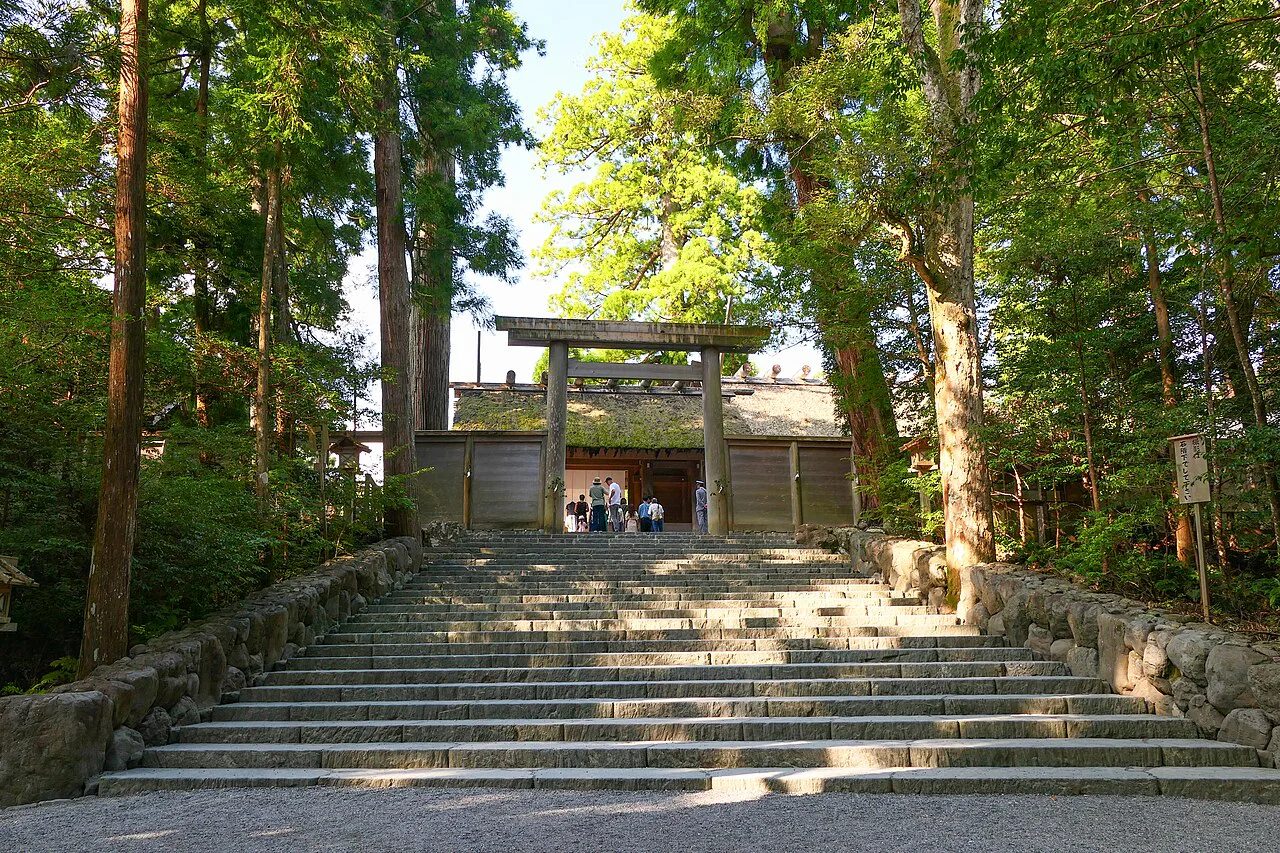
Ise · 106 km
伊勢神宮
Content & sources
Photo: MaedaAkihiko · CC0
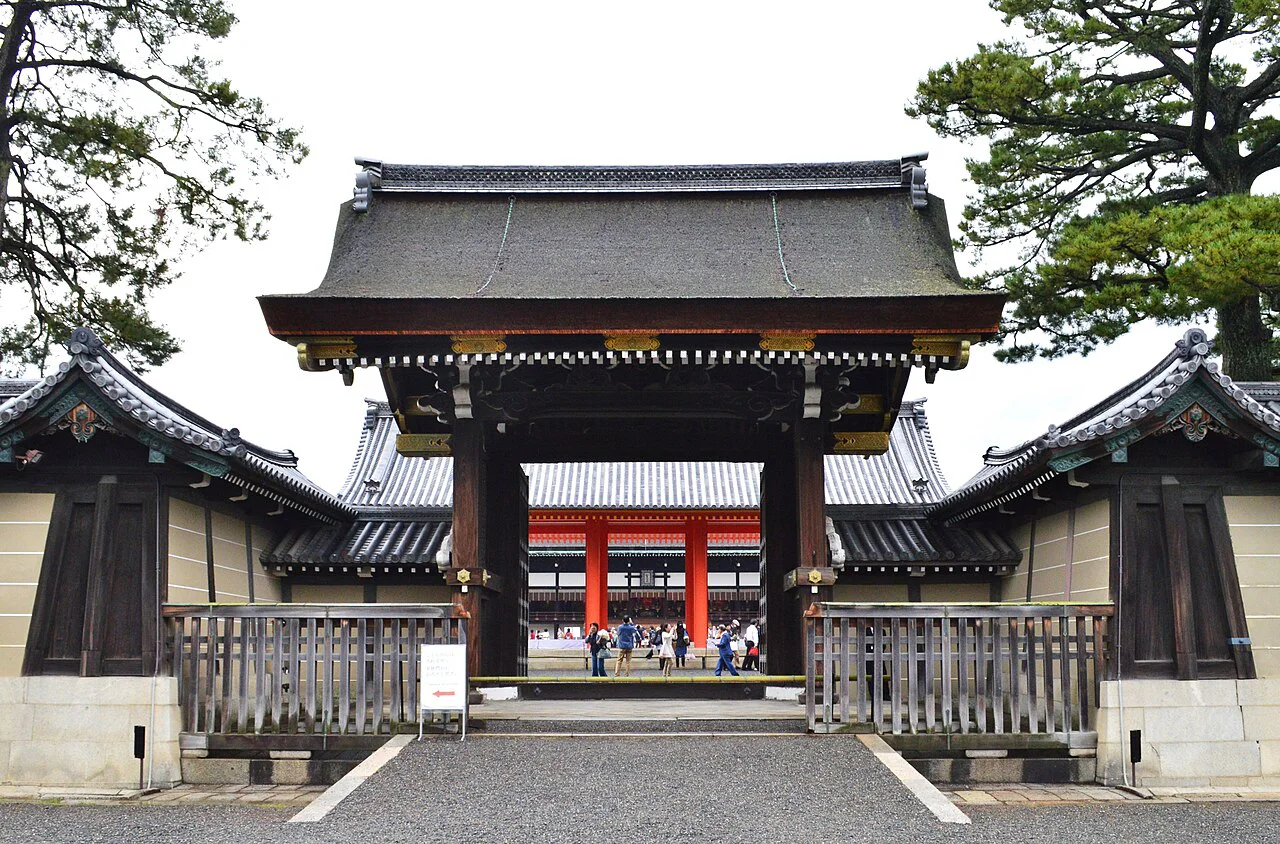
Kyoto · 114 km
京都御所
Content & sources
Photo: Saigen Jiro · CC0
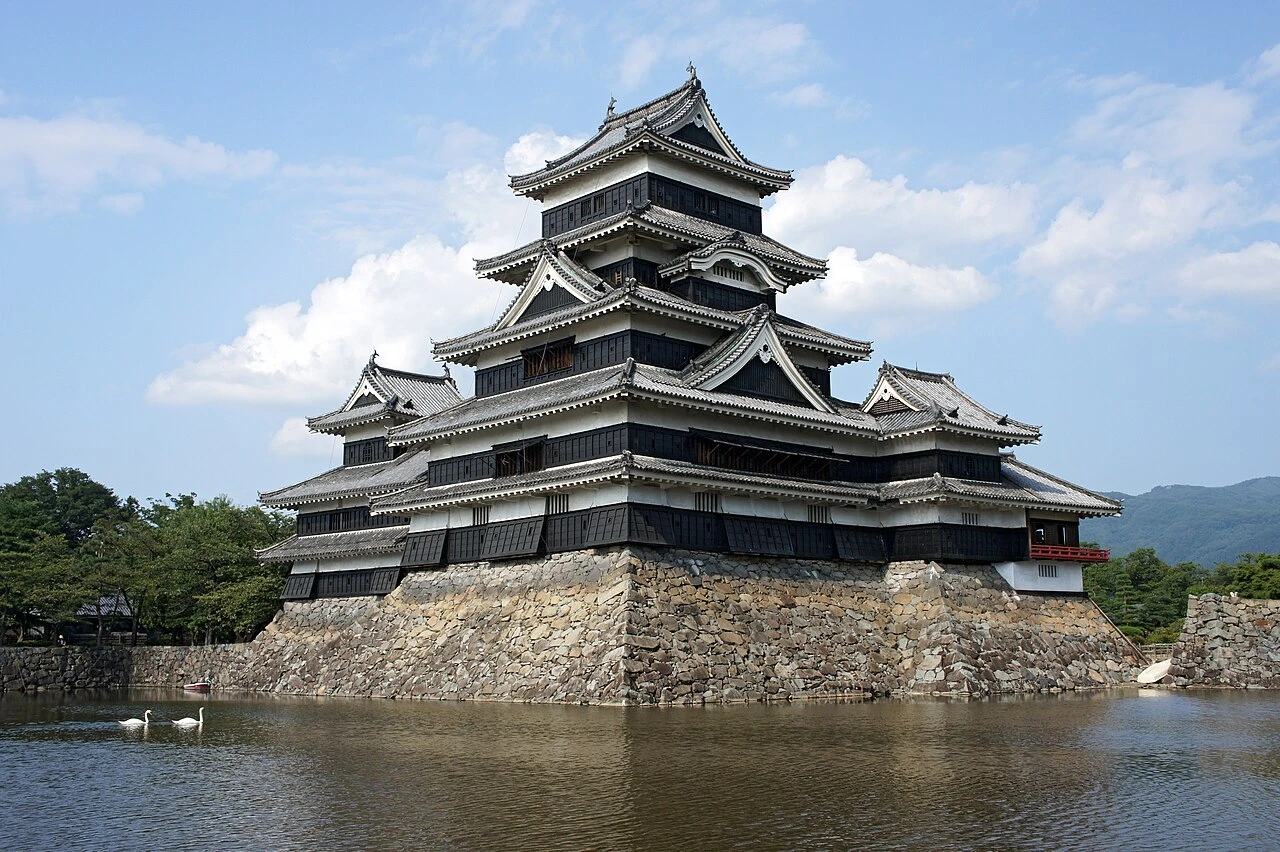
Matsumoto · 133 km
Matsumoto Castle
Content & sources
Photo: 663highland · CC BY 2.5