Stanza · Audio guide
Grandmaster's PalaceAudio guide
A place to remember. A story to take with you.
A historic palace in Valletta, Malta, which served as the official residence of the Grand Master of the Order of St John. Today, it houses the Office of the President of Malta and some parts are open as a…
Download Stanza, then search for “Grandmaster's Palace”.
About the tour
One guide. Your kind of visit.
A historic palace in Valletta, Malta, which served as the official residence of the Grand Master of the Order of St John. Today, it houses the Office of the President of Malta and some parts are open as a museum including the State Rooms and Palace Armoury.
Ready when you are.
- 01Get the free Stanza app.
iOS & Android
- 02Find your guide.
“Grandmaster's Palace”
- 03Download before you go.
Works offline
Audio guide / 22 narrated stops
Inside the guide
Get to know a few of the stories before you go. Open a stop to read more.
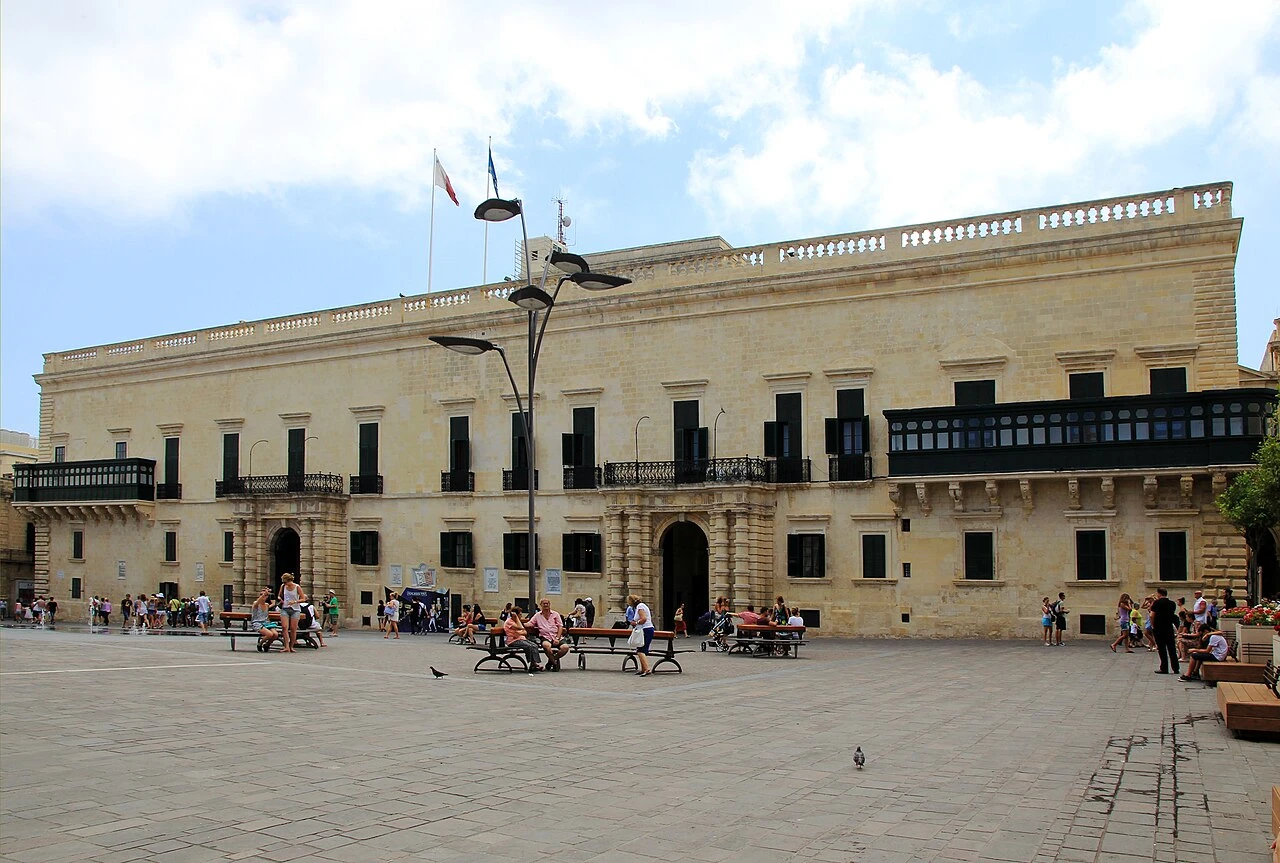
01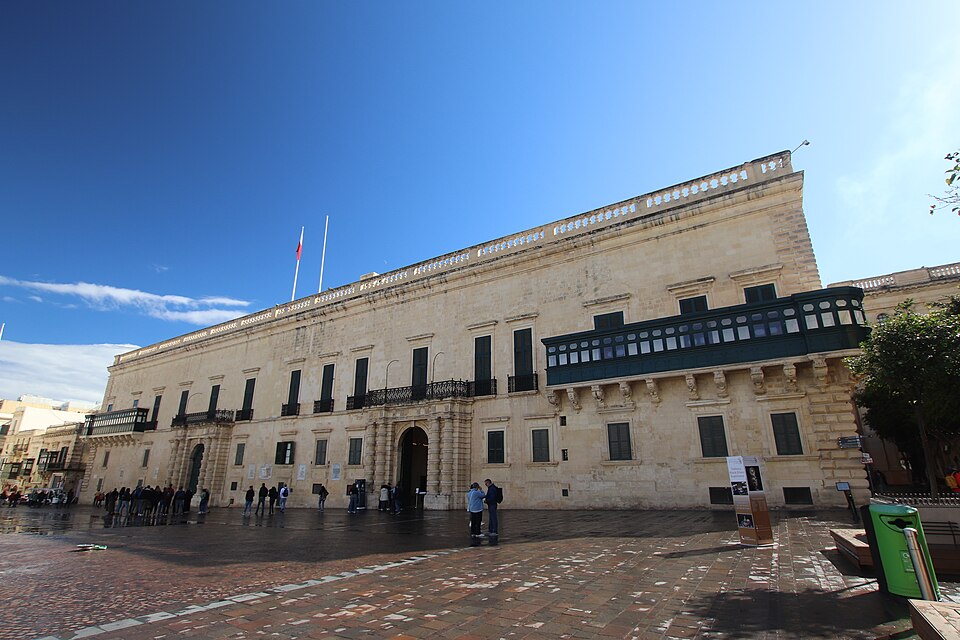 The Main Facade & St. George's SquareThe Palace Facade
Welcome to the Grandmaster's Palace, the historic administrative heart of Malta. Standing before this imposing structure, you are looking at a building that has shaped the island’s destiny for more than four and a half centuries. Construction began in 1574 under the direction of Grand Master Jean de la Cassière, shortly after the Order of St. John established Valletta as their new capital. The design was the work of the renowned Maltese architect Girolamo Cassar, who was also responsible for many of the city's most significant early buildings. Take a moment to observe the exterior walls. They are constructed from local globigerina limestone, a warm, honey-colored stone that defines the architectural identity of the island. The style is distinctly Mannerist, characterized by an austere and defensible appearance. This wasn't merely an aesthetic choice; it reflected the Order’s military origins and the very real need for security in the decades following the Great Siege. Note the massive proportions and the lack of excessive ornamentation on the lower levels, which were intended to withstand assault. While it may look like a fortress from the outside, this facade conceals the transition of the Knights from a purely military order into a sophisticated sovereign power.
Andrzej OtrД™bski · CC BY-SA 4.0
02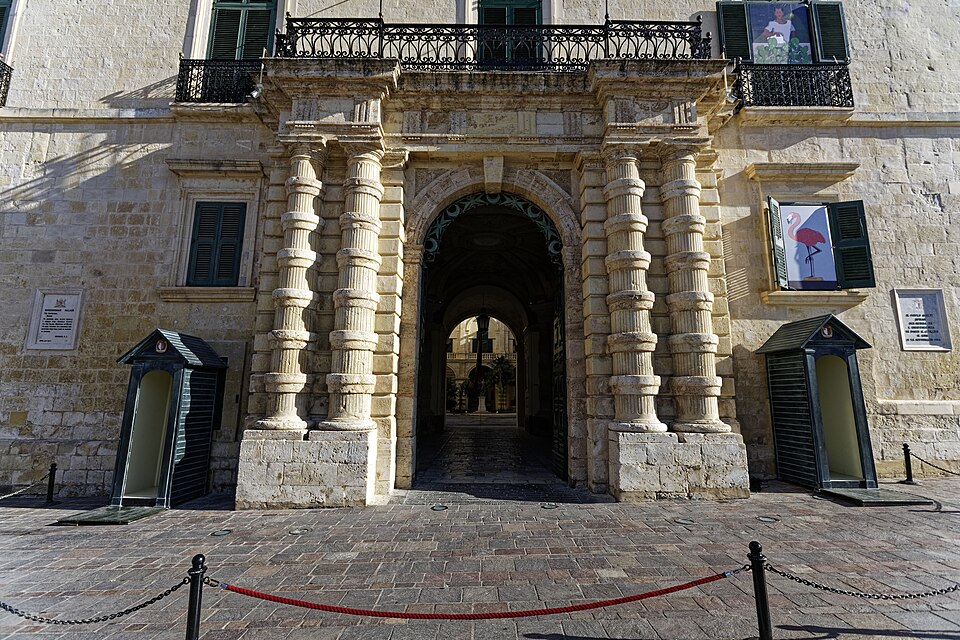 The Main Facade & St. George's SquareThe Main Entrance
As you stand before the main entrance, notice the two sentry boxes flanking the portal. These boxes are a reminder of the palace’s long history as a guarded residence and seat of government. Although the building’s foundations date back to the late 16th century, the entrance you see today features later Baroque additions that softened the original, more rigid military design. These ornamental flourishes represent the period when the Grand Masters began to style themselves after the princely rulers of Europe. Originally, this palace started as a relatively simple residence for the head of the Order, but it quickly evolved to occupy an entire city block, growing in complexity as the Order's wealth increased. Its history reflects the changing hands of power in Malta; it served as the home of the Grand Masters until the French occupation, then became the residence of the British Governor during the colonial period. Today, it serves as the official Office of the President of Malta. This portal has seen centuries of diplomats, knights, and world leaders pass through its doors, shifting from a military headquarters to a modern symbol of statehood.
Photo: Txllxt TxllxT · CC BY-SA 4.0
03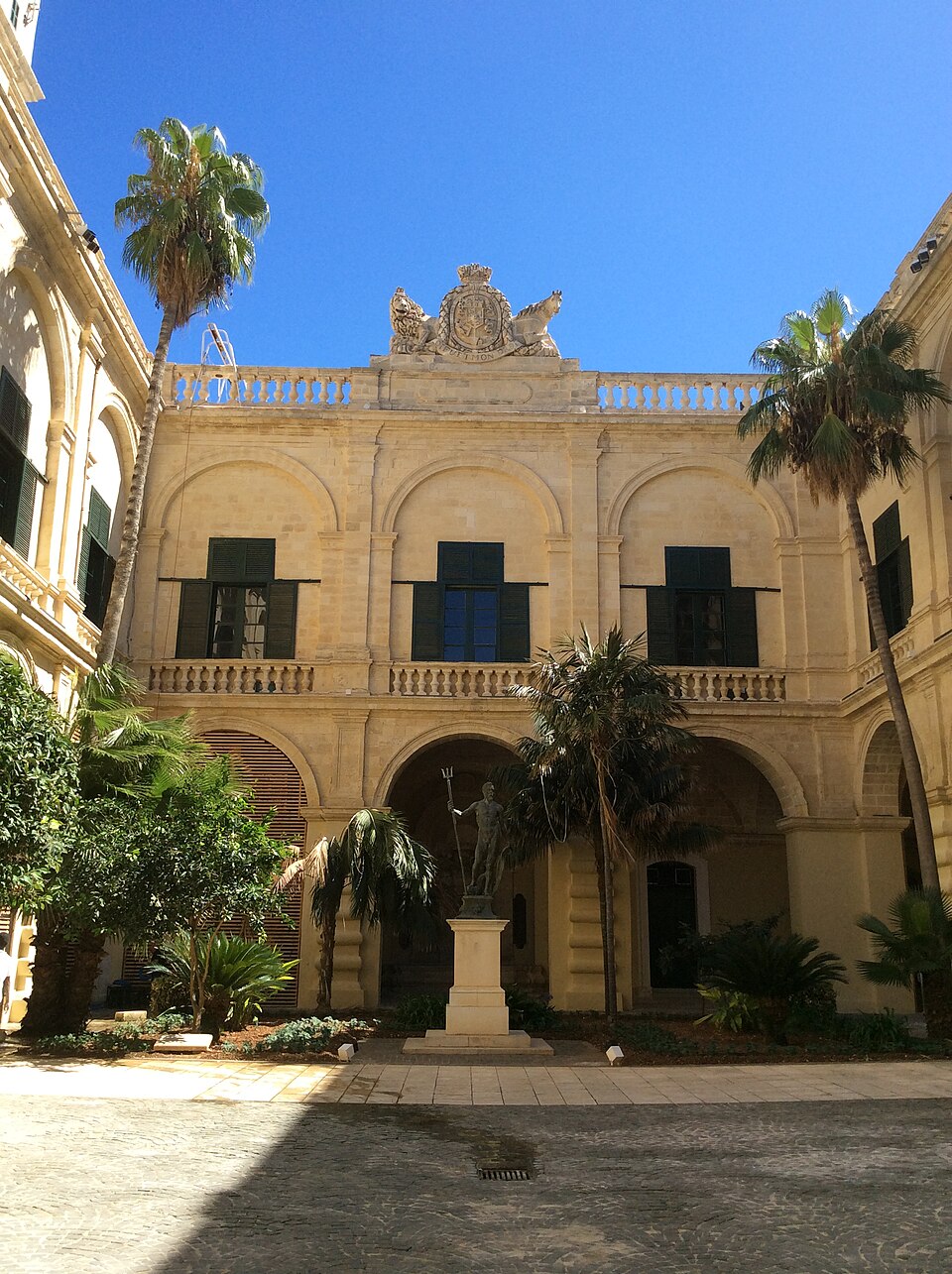 Neptune's CourtyardNeptune’s Courtyard
Moving inside, you enter Neptune’s Courtyard, a space that offers a sudden, peaceful contrast to the bustling city streets outside. This is the first of two internal courtyards, designed to provide light and ventilation to the massive palace interior. Take a moment to appreciate the rhythm of the limestone arches that surround you. The pale stone contrasts beautifully with the lush greenery, creating a Mediterranean sanctuary that has remained largely unchanged for centuries. Historically, this courtyard served as a crucial transitional zone. It separated the busy public administrative offices on the ground floor from the more private and ceremonial quarters of the Grand Master located on the floors above. If you look upward, you will notice an elegant upper balcony. From this vantage point, high-ranking officials and the Grand Master himself could observe the arrival of important guests or the daily movement of the palace staff below. The courtyard's design allowed for a sense of openness while maintaining a strictly controlled environment, characteristic of the hierarchical nature of the Order of St. John.
Listen in the appPhoto: Continentaleurope · CC BY-SA 4.0
04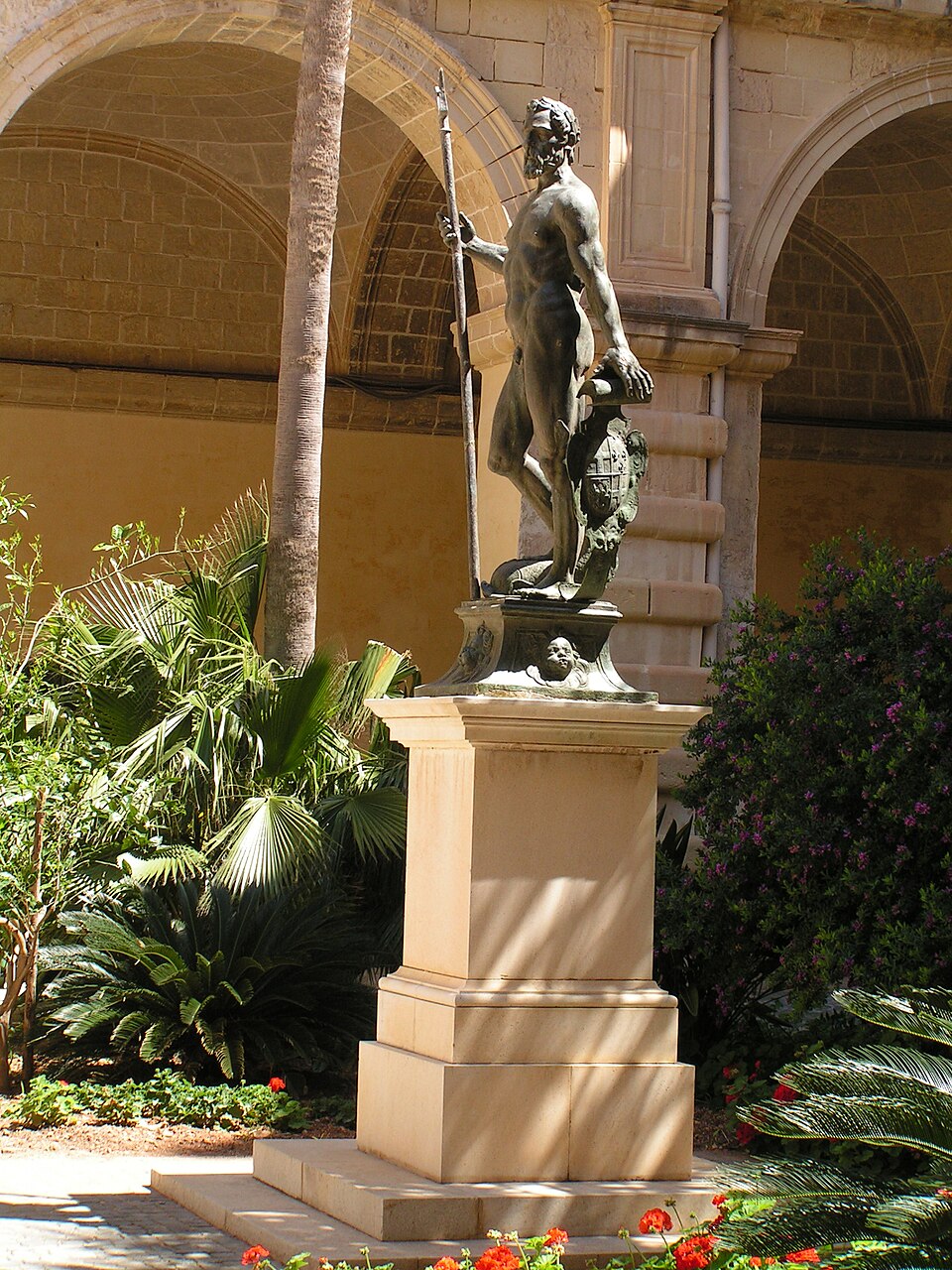 Neptune's CourtyardStatue of Neptune
At the center of the courtyard stands a commanding statue of Neptune, the Roman god of the sea. Standing tall with his iconic trident, the figure’s muscular posture and authoritative gaze are no accident. For the Order of St. John, Neptune was a potent symbol of their naval supremacy. As a military order, their power was rooted in their fleet of galleys, which patrolled the Mediterranean to protect Christian shipping and engage Ottoman forces. This statue served as a constant visual reminder to all who entered the palace of the Knights' mastery over the waves. Interestingly, this statue was not always located here. It was originally placed at the fish market in Valletta, near the Grand Harbour, where it stood for many years as a landmark for local fishermen and merchants. It was only moved to this courtyard in the 19th century during the British period. By relocating it to this more protected, central location, the British continued the tradition of honoring Malta’s maritime heritage while adding a touch of classical grandeur to the palace’s interior gardens. The figure continues to stand as a silent guardian of the palace’s seafaring history.
Listen in the appPhoto: Tranceliner · CC BY-SA 4.0
05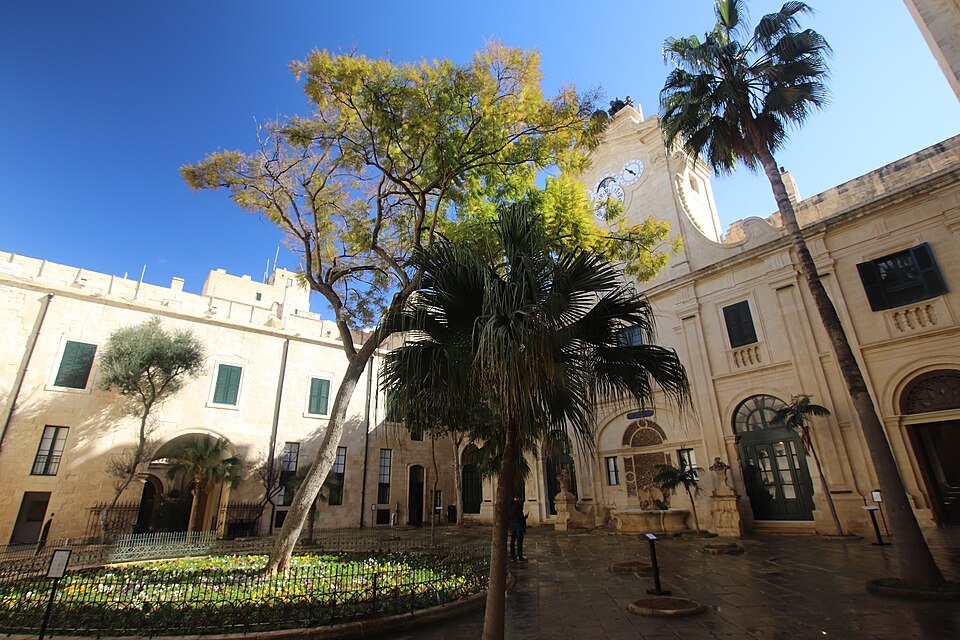 Prince Alfred's Courtyard & The Pinto ClockPrince Alfred's Courtyard
Continuing through the palace, you arrive at the second courtyard, known as Prince Alfred’s Courtyard. This space is named in honor of Queen Victoria’s second son, who visited Malta in the mid-19th century. His visit marked a period of significant British investment in the island, and this courtyard reflects the stylistic changes brought about during the colonial era. Notice the landscaping and the more relaxed, garden-like atmosphere compared to the first courtyard. The British governors who lived here sought to blend the palace's medieval roots with the comforts and aesthetic preferences of 19th-century England. From this position, you get an excellent view of the palace's clock tower, which rises above the surrounding buildings. This tower was, and remains, the heartbeat of the palace's daily operations. Under the British, this area became more of a leisure space, though it never lost its administrative importance. The mix of local limestone architecture with British-influenced gardening creates a unique cultural layer within the palace walls. It serves as a reminder that this building did not stop evolving when the Knights left, but continued to serve as the seat of government under the British Crown for over 160 years.
Listen in the appAndrzej OtrД™bski · CC BY-SA 4.0
06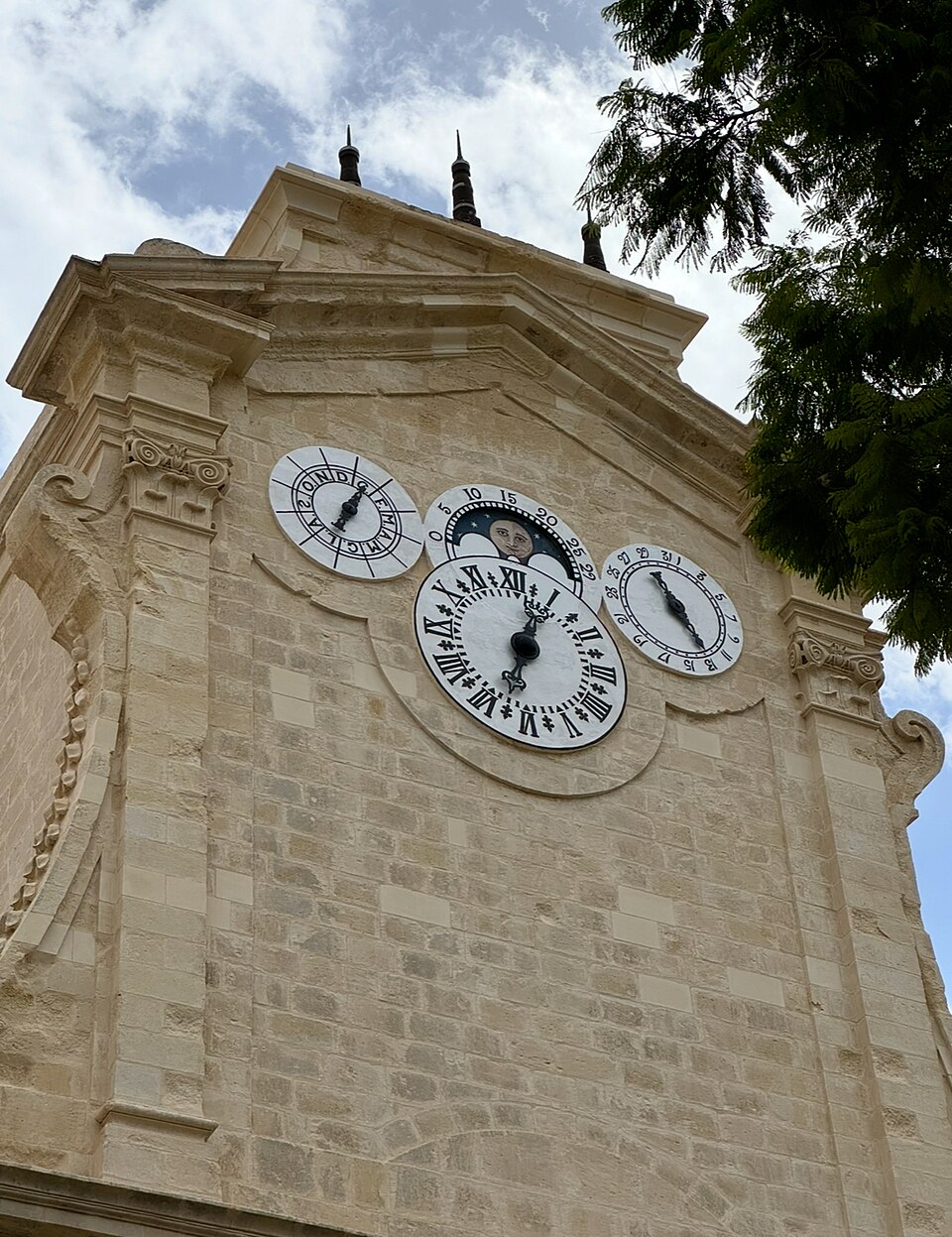 Prince Alfred's Courtyard & The Pinto ClockThe Pinto Clock Tower
Dominating the skyline of the inner courtyard is the Pinto Clock Tower, a masterpiece of 18th-century Maltese engineering. Commissioned by Grand Master Manuel Pinto da Fonseca and inaugurated in 1745, this tower was much more than a simple timepiece. If you look closely at its face, you will see four distinct dials. These tracked not only the hour of the day but also the day of the week, the month of the year, and the current phases of the moon. In an era before digital calendars, this was a vital tool for coordinating the complex administrative and religious life of the palace. Adding to the spectacle are the mechanical figures known as the 'Moors' located at the top of the tower. These bronze figures are designed to strike the bells every hour, a tradition that has continued for centuries. The use of 'Moorish' figures was a common decorative trope in 18th-century Europe, but here in Malta, it also referenced the Order's ongoing conflict with North African and Ottoman forces. The tower stands as a testament to the sophistication of the Order during the reign of Pinto, an era characterized by grand public works and an increasing desire to demonstrate the Order's scientific and cultural advancement.
Listen in the appPhoto: Jaakko.kulta · CC BY 4.0
07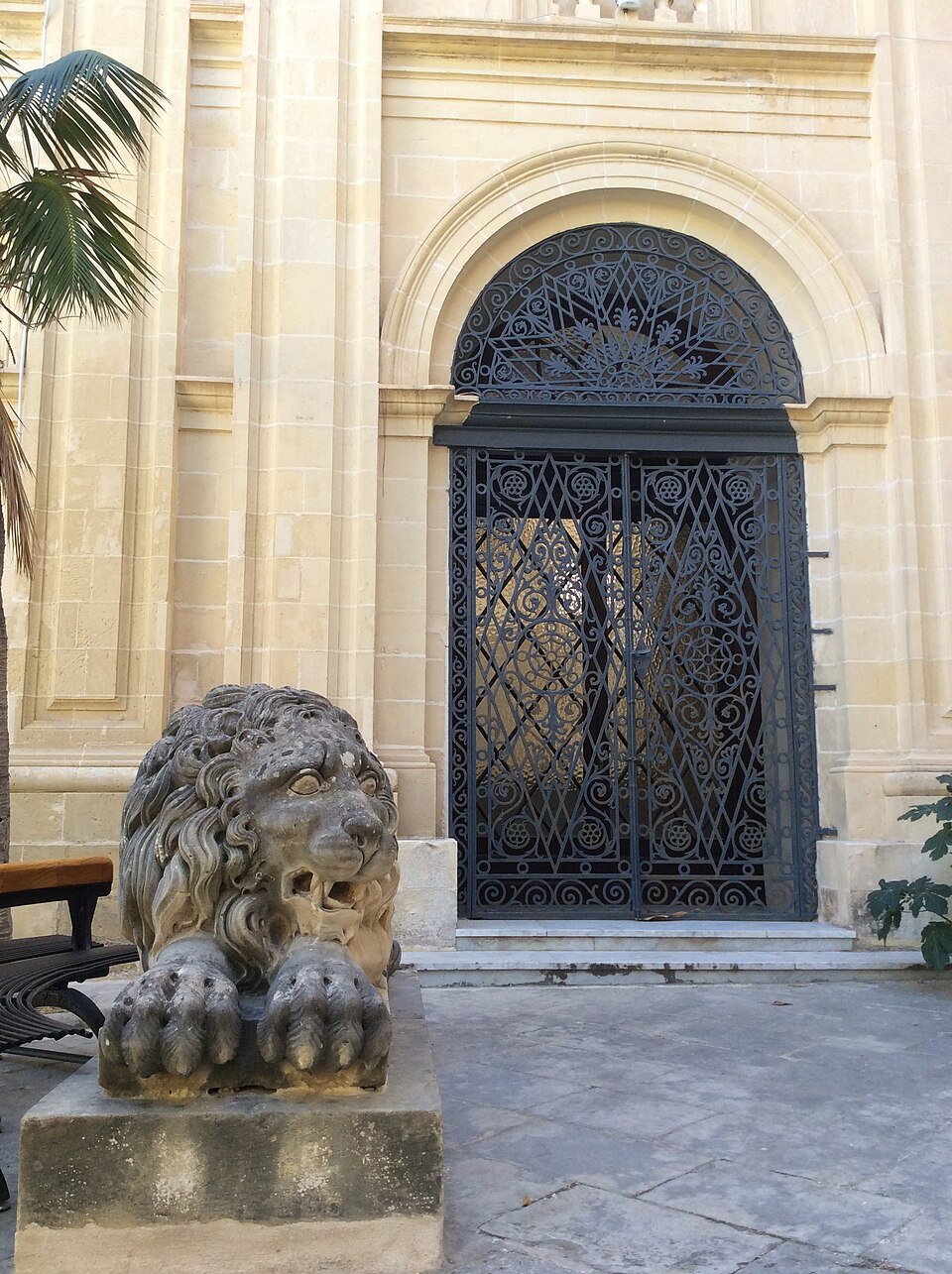 Prince Alfred's Courtyard & The Pinto ClockThe Courtyard Lion
Notice the stone lion resting near the intricate ironwork gate. This figure, along with the ornate metalwork, signals a significant shift in the palace's history. When the Knights first arrived in Valletta, their buildings were designed with a strict, almost monastic military austerity. However, by the 18th century, the Order had accumulated immense wealth through maritime trade and European landholdings. This wealth began to manifest in the decoration of their headquarters. The lion is a traditional symbol of power, courage, and sovereignty, qualities the Grand Masters were eager to project as they transitioned into the roles of princely rulers. The ironwork gate beside it demonstrates the high level of craftsmanship available on the island during the Baroque period. These elements were designed to impress visitors and diplomats, showcasing that the Order was no longer just a group of soldier-monks, but a wealthy and sophisticated sovereign entity. The fine detail in the iron and the weathered form of the lion tell a story of centuries of prestige, marking the era when the palace became a stage for the display of absolute power and artistic patronage.
Listen in the appPhoto: Continentaleurope · CC BY-SA 4.0
08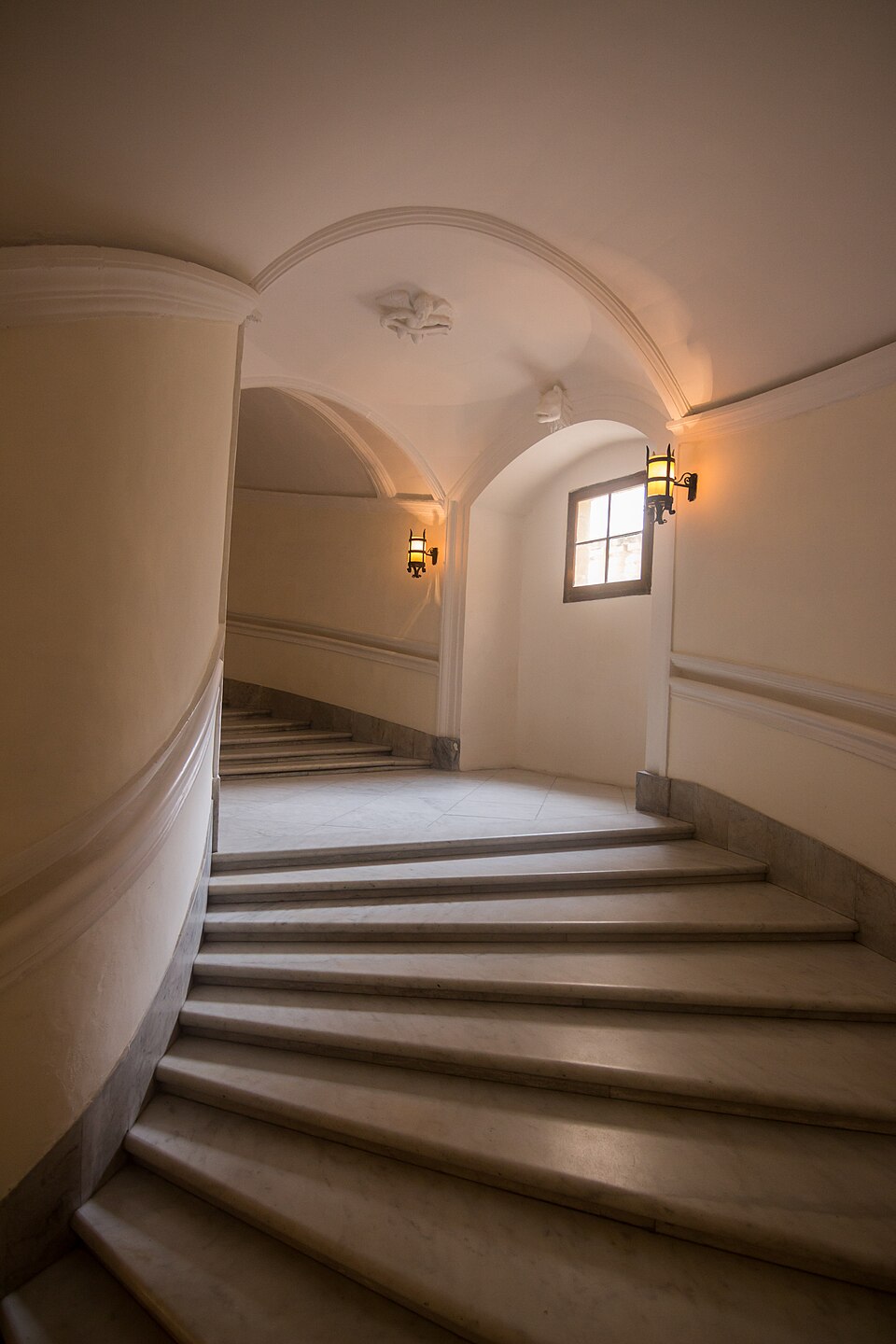 The Grand Staircase & State CorridorsThe Grand Staircase
As you begin your ascent to the state rooms, notice the peculiar design of the stairs. They are remarkably wide and have a very shallow rise. This was not a stylistic whim but a feat of practical engineering. These stairs were specifically designed to allow knights in full, heavy plate armor to climb with dignity. Imagine a knight carrying upwards of 25 kilograms of steel; standard stairs would be difficult and dangerous to navigate. This design allowed them to reach the state rooms without excessive physical strain or the risk of tripping. The staircase also serves as a grand introduction to the Piano Nobile, the palace’s main ceremonial floor. Look up at the vaulted ceiling and notice how the light from the large windows plays across the stone surfaces. This intentional use of light and space was designed to create a sense of drama and awe for arriving guests and visiting dignitaries. As you walk up, you are following in the footsteps of centuries of world leaders, each being subtly reminded of the Order's power and tradition even before they reached the official audience chambers.
Listen in the appAlexander Camilleri · CC BY-SA 4.0
09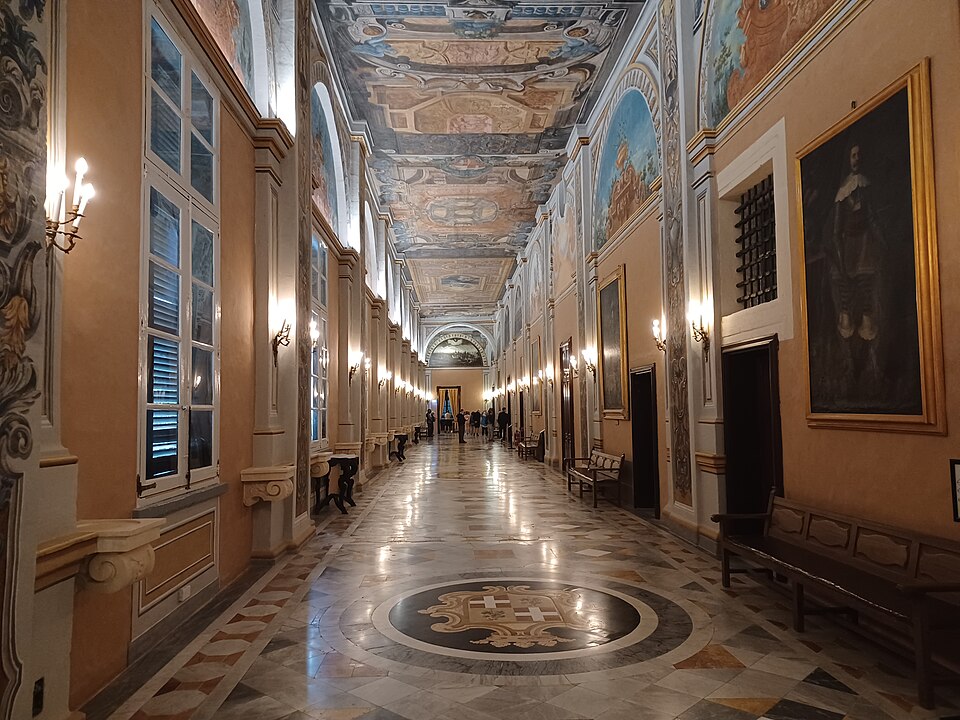 The Grand Staircase & State CorridorsThe State Corridors
The State Corridors of the Piano Nobile are designed to overwhelm the senses. As you walk through these long, high-ceilinged halls, you are moving through the primary ceremonial level of the palace. Above you, the vaulted ceilings are covered in intricate frescoes that depict scenes from the Order's history and religious themes. These paintings were intended to reinforce the identity of the Knights as defenders of the faith and as a legitimate sovereign power in Europe. Along the walls, you will see a continuous sequence of portraits. These represent the various Grand Masters who ruled Malta over the centuries. Walking past them was a deliberate experience for any visiting diplomat or guest, emphasizing its continuity and long-standing authority. The sheer scale and opulence of these corridors served a clear political purpose: to impress upon every visitor that, although they were on a small island, they were in the presence of an ancient and wealthy institution. The polished floors and steady gaze of the former rulers create an atmosphere of profound historical gravity that still permeates the palace today.
Listen in the appPhoto: Simon Burchell · CC BY-SA 4.0
10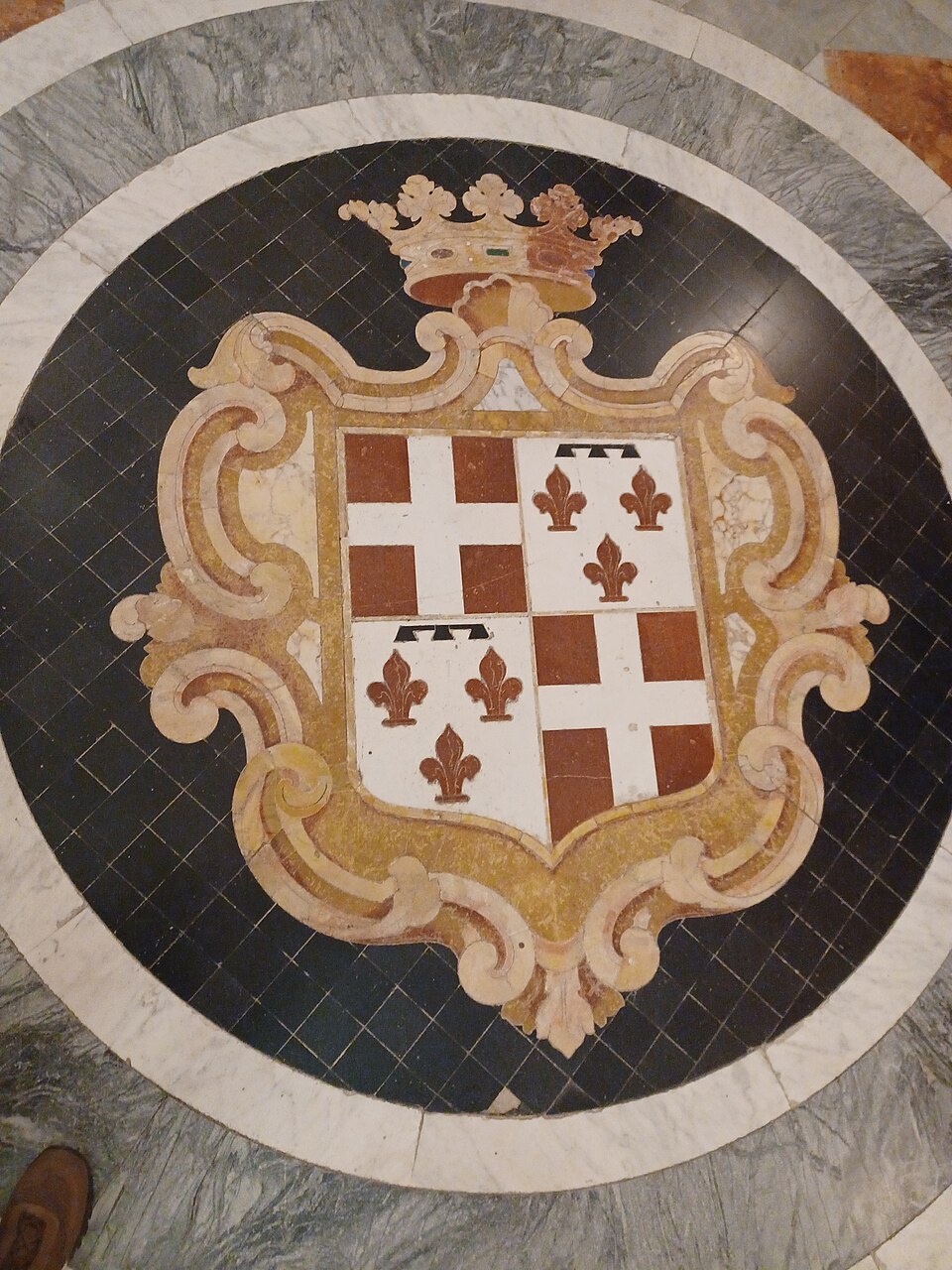 The Grand Staircase & State CorridorsHeraldry in Marble
As you walk through the state corridors, be sure to look down at the floor. Beneath your feet is an extraordinary display of artistry in the form of intricate marble inlays. This image captures one such example—a beautifully detailed coat of arms set into the stone. Each Grand Master who ruled the island sought to leave a permanent mark of their reign, and these heraldic symbols are part of that legacy. This heraldry serves as a genealogical map of the Order's leadership. The designs typically incorporate the eight-pointed cross of the Order alongside the personal family symbols of the reigning Grand Master. By placing these symbols in the floors of the most important rooms and corridors, the rulers ensured their names and family honors were literally woven into the fabric of the state. This tradition turned the palace into a living archive of the noble families of Europe who sent their sons to serve in the Order. The use of various colors of marble to create such fine detail demonstrates the exceptional skill of the craftsmen who worked here, making the floors as significant an artistic achievement as the frescoes on the ceilings.
Listen in the appPhoto: Simon Burchell · CC BY-SA 4.0
Grandmaster's Palace
Frequently asked questions
How much does the guide cost?
Free app download. Listed guide price: $0.99. Guide price shown in the app. Audio guide only. Venue admission is separate.
Can I listen without internet?
Yes. Download the guide’s audio, images, and maps in the app before your visit. Your downloaded content is then available offline.
Can I listen in my language?
Stanza supports 15 languages. Check the app for the languages available for this guide.
Do I need to follow a schedule?
No. This is a self-guided experience. Choose your stops, pause whenever you like, and return to a story at your own pace.
At your own pace
Explore Grandmaster's Palace.
Download Stanza, then search for “Grandmaster's Palace”.
Free app download · Guide price shown in the app
Keep exploring
Nearby audio guides
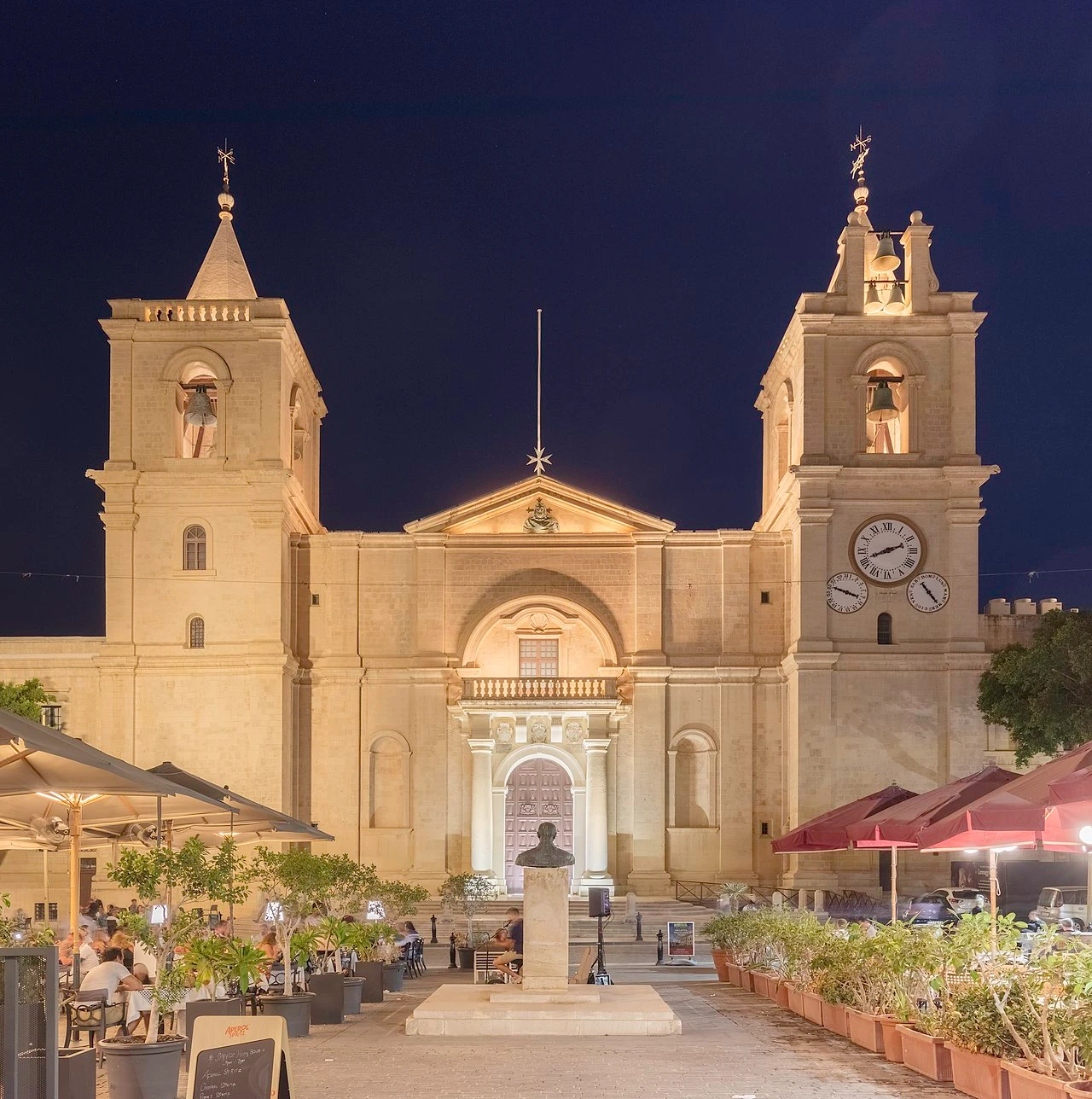
Valletta
St. John's Co-Cathedral
Content & sources
Diego Delso · CC BY-SA 4.0
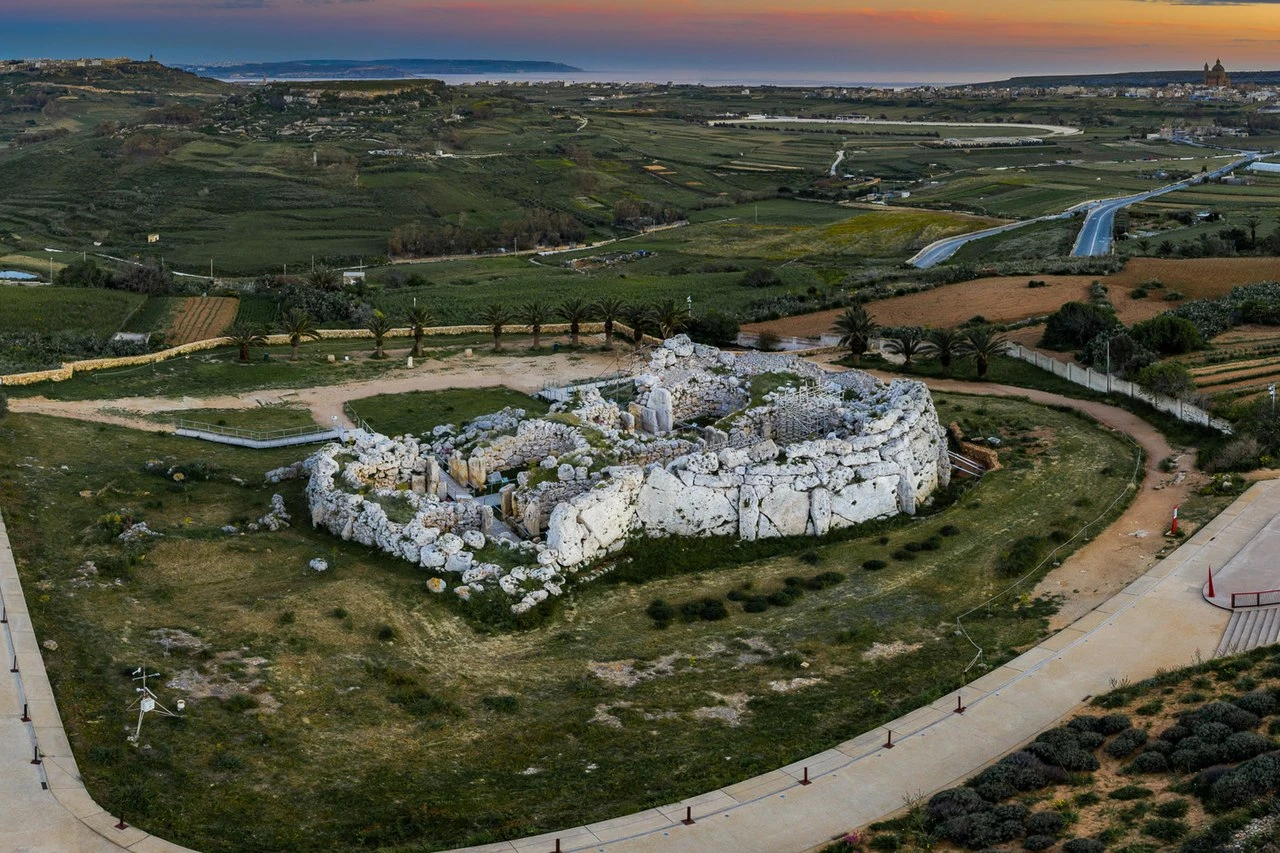
Xagħra
Ġgantija
Content & sources
FritzPhotography · CC BY-SA 4.0
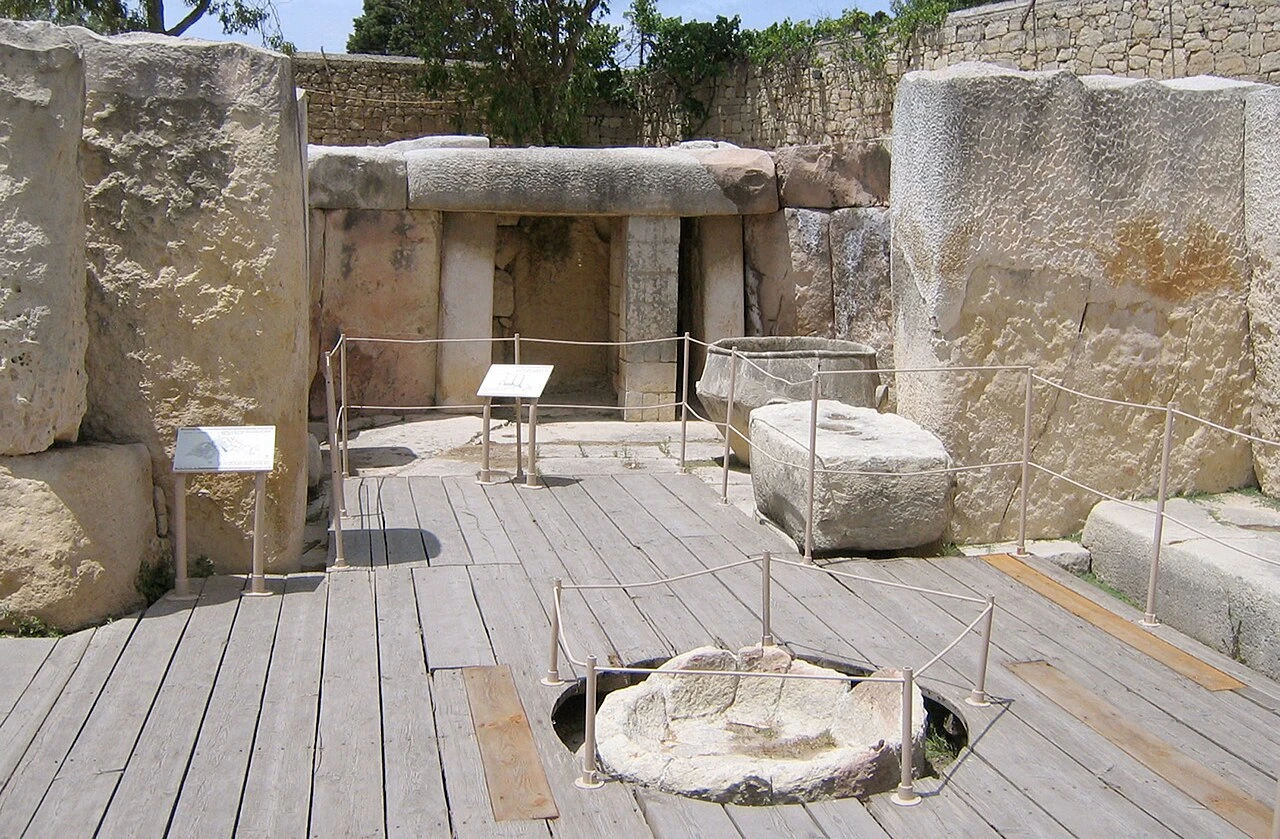
Tarxien
Tarxien Temples
Content & sources
Joonas L. · CC BY 2.0