Travel tips/Batalha and Alcobaça, Portugal
Batalha and Alcobaça in one day: a practical plan and honest budget
Two monasteries make a good comparison when you give each time to be different. Start with transport, then decide how much of each you want to see.
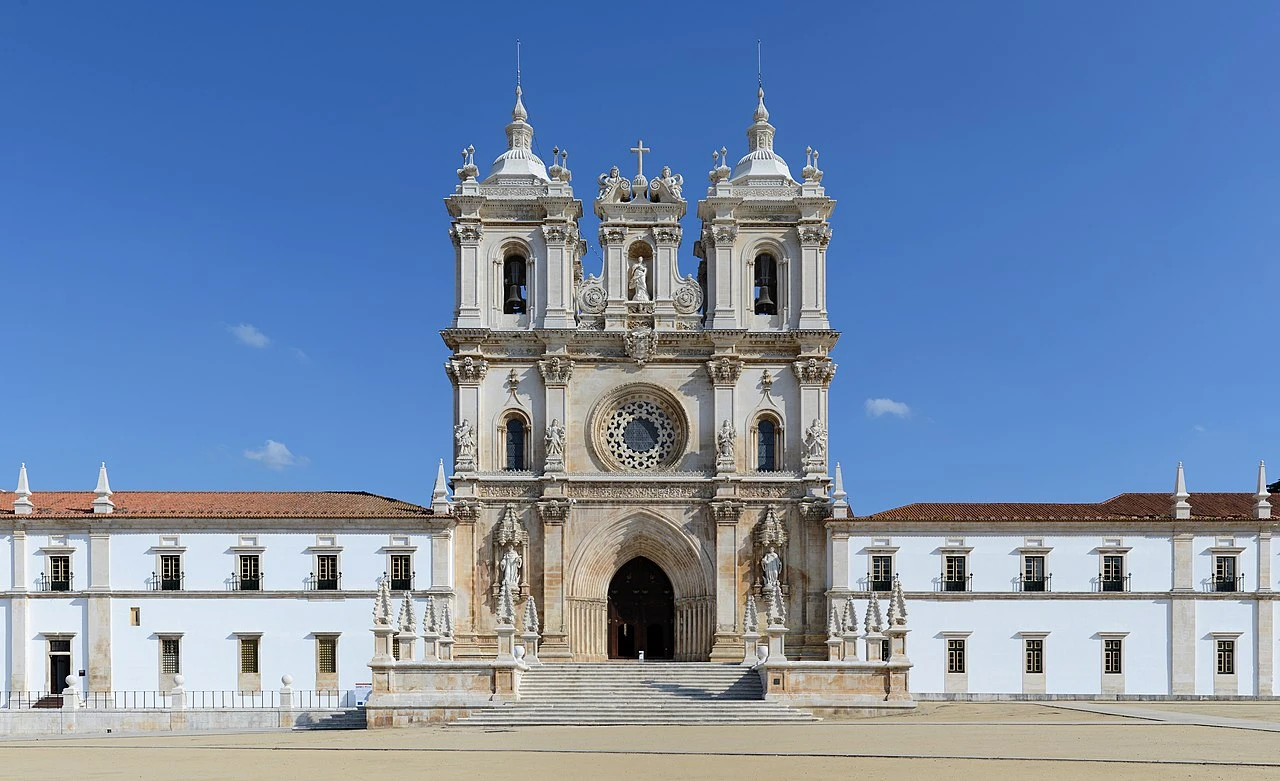
The point of pairing Batalha and Alcobaça is the contrast, not collecting two entrances. At Batalha, royal commemoration and intricate stonework demand close looking. At Alcobaça, the long church and rooms of communal life change the scale. A good day lets those differences register—and leaves enough slack for lunch, parking or a delayed departure.
A car day with room between visits
An illustrative plan from the first monument is Batalha 09:30–11:30, transfer and parking 11:30–12:30, lunch 12:30–13:30, Alcobaça 13:30–15:30. These are editorial blocks, not measured driving or queue times. Add travel from your actual base and the return separately; this is not a door-to-door Lisbon timetable. Check the live road route and conditions before setting off, and extend the transfer block if necessary.
Batalha’s official page places its ticket office behind the monument at Largo Infante D. Henrique and lists free parking at Largo Cónego Simões Inácio, 50 metres away. It also warns of access changes after Storm Kristin. Alcobaça’s monument address is Praça 25 de Abril: arrange legal parking and the walk to admission independently. Reversing the order is reasonable if your base or confirmed access favours Alcobaça first. Leave Tomar and a beach visit for another day.
The bus alternative needs three confirmed journeys
FlixBus publishes Batalha–Alcobaça and reverse route pages. The outward page quotes a minimum 20-minute journey, but that excludes reaching the stop, waiting and walking at the other end. Its listed stops are Batalha bus station, R. do Moinho da Vila 2, and Alcobaça, Avenida Professor Engenheiro Vieira Natividade 12, by Mercado Municipal. Use the address on your actual ticket if it changes.
Before buying monument tickets, confirm arrival from your base, a useful inter-town departure after the first visit, and the last workable journey home from the second town. Check the exact date, direction, stop, fare and any connection buffer. We did not establish a date-specific circuit; do not copy a teaser fare or a daily-service claim into your budget. If the middle leg does not fit, choose one monastery or obtain a taxi quote and confirm pickup in advance. A short road distance does not make a missed connection harmless.
An admission budget you can actually calculate
Batalha lists €15 adult admission. Alcobaça’s official linked seller shows a €15 face value and up to €15.92 displayed online. Two full-price adults therefore have €60 in base admissions across both sites. If those two people choose an illustrative €20 meal allowance each, the subtotal becomes €100 before booking charges, transport, parking and audio. That food figure is a planning choice, not a restaurant price. Add your actual rental, fuel, tolls or booked fares; obtain a separate taxi quote rather than inventing one.
Batalha’s winter hours are 09:00–18:00 from 16 October–31 March, last entry 17:30. Alcobaça’s seller lists 09:00–17:30 in November–March, last entry 17:00, and 09:00–18:30 in April–October, last entry 18:00. Tourism pages give different seasonal hours: confirm the actual date directly. Check holiday closures, reductions and the spaces covered by each ticket; do not assume a combined ticket or free church access. Neither last-entry time is a good arrival target for a two-hour visit.
Give each monastery a different question
At Batalha, ask how architecture remembers a dynasty: compare the Founder’s Chapel with the Unfinished Chapels, where accessible, and look from the early cloister structure to later Manueline ornament. Ask staff about the outside connection to the Unfinished Chapels before leaving the controlled route; do not assume unlimited re-entry. If stairs matter, the official page notes no lift to Afonso V’s upper cloister and a ramp exception at the Founder’s Chapel.
At Alcobaça, begin with the church’s long, restrained space, then look closely at the tombs of Pedro and Inês. In the permitted monastic rooms, compare dining, gathering and kitchen spaces: how did a large community function? VisitPortugal identifies these features, but check the day’s open rooms and route. If either visit starts to feel rushed, drop an extra room rather than the pause that lets you understand the building.
Use audio for the contrast, not to fill every minute
Stanza’s independent pages offer audio previews for both monasteries. Try them before buying, check each guide’s current language availability and price, and download before travelling if you want offline listening. Choose a few stories suited to what is open. Audio does not include monument admission or transport; official interpretation and your own reading remain useful alternatives.
A workable day is the one whose return journey you can explain before leaving. Keep the second visit optional until the transport and opening checks fit. Seeing one monastery attentively is a better use of the day than paying for two and spending the afternoon worrying about the connection.
A few more questions before you go
Sources & further reading
Visitor information checked .
Official monastery pages, linked Alcobaça ticket seller, VisitPortugal and FlixBus route pages checked on 19 October 2026. A date-specific bus connection and return were not booked or verified. Alcobaça opening hours differ between the current ticket seller and tourism pages; the plan uses an early afternoon visit and directs confirmation. All suggested timings and meal allowances are editorial assumptions, not quotations or tested journeys.
- Batalha Monastery: visit, tickets and arrival
- Alcobaça Monastery: official site and address
- Alcobaça: official linked ticket seller
- FlixBus: Batalha–Alcobaça route and stops
- VisitPortugal: Alcobaça spaces and seasonal hours
Questions or a correction? Let us know. Our content standards (English).