Travel tips/Crete, Greece
Knossos, Phaistos or Spinalonga? Plan your Crete visits
Three very different histories. A practical guide to choosing your visits, planning around your base, and leaving time for the stories.
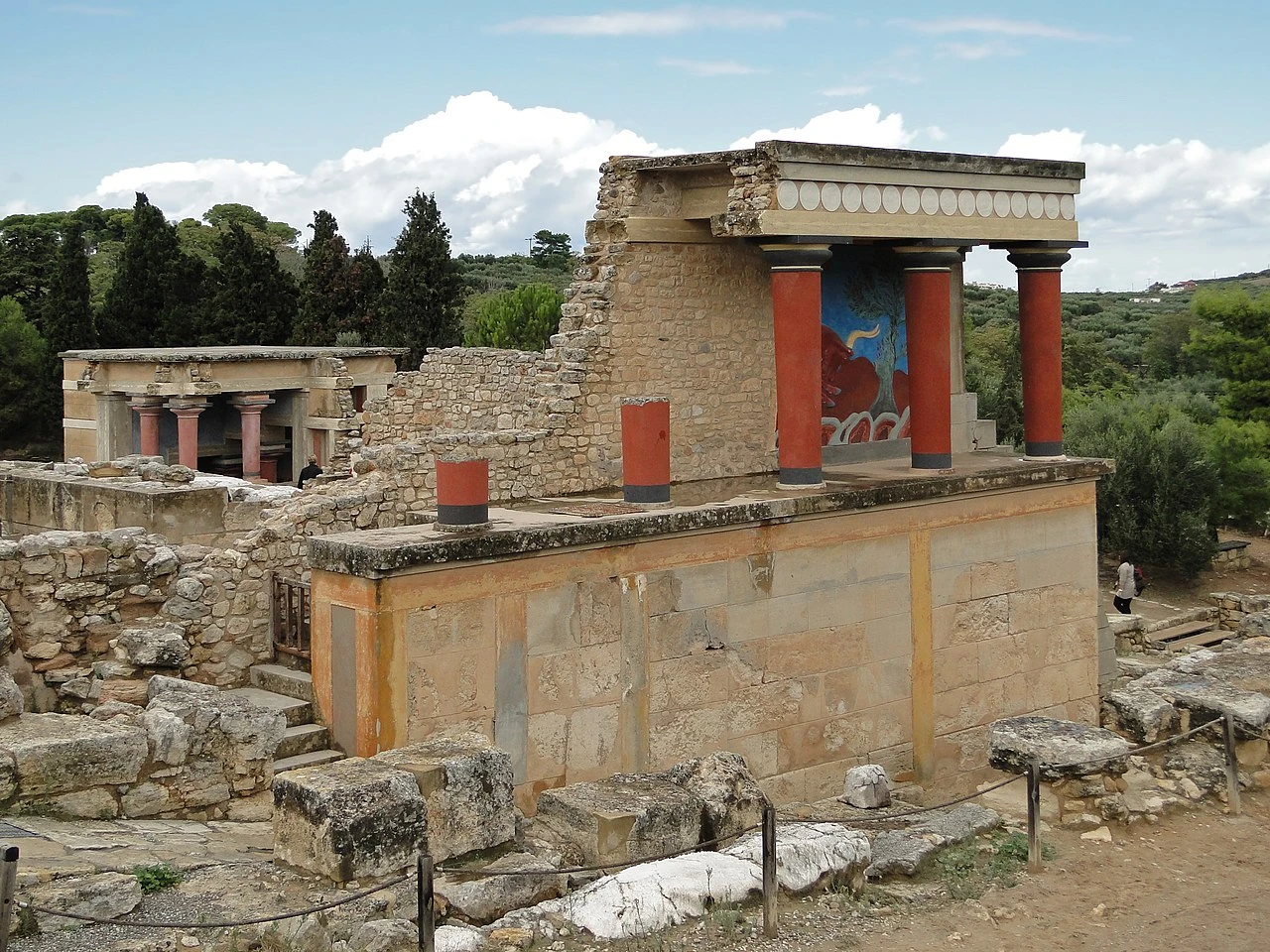
Red columns and a palace. Open courts above a fertile plain. A fortified island with streets that belonged to a living community. Knossos, Phaistos and Spinalonga offer three different ways into Crete’s past. The useful question is which visit fits your interests and where you are staying—and how to give it enough time to become more than another stop.
Choose the visit that fits your trip
For a first introduction to the Minoan world, we would start with Knossos. If you enjoy reading a building’s plan and looking at how a palace relates to the land around it, consider Phaistos. If your interests lean toward fortified towns and the lives of people in the recent past, give Spinalonga its own outing.
These are choices about your day, rather than a ranking of the sites. Think about the journey back to your accommodation as well as the journey there. A place you can explore with attention is usually a better choice than a longer list you have to hurry through.
| Site | Choose it for | Area to plan around | Listed full entry |
|---|---|---|---|
| Knossos | A first Minoan palace visit; archaeology and reconstruction | Heraklion | €20 |
| Phaistos | Palace layout and the surrounding landscape | Messara / south-central Crete | €15 |
| Spinalonga | Fortifications, streets and the island’s later community | Elounda / Plaka / Agios Nikolaos | €20; check boat costs separately |
Knossos: look at the reconstruction as well as the ruins
Knossos works well as a starting point because it gives you a lot to look at and a useful question to carry through the visit: which parts of the scene are archaeological remains, and which help present an interpretation of the palace?
Arthur Evans’s early twentieth-century interventions are part of the place you see today. UNESCO explicitly discusses the relationship between authentic remains and later reconstruction at Knossos. Recognising that distinction makes the visit more interesting: you are looking at an ancient palace and at a modern attempt to explain it.
Choose one courtyard or group of rooms and follow the connections you can see from the permitted visitor route. Who might have moved through these spaces? What would someone arriving here have understood about the building’s importance? Use the plans, signs or commentary to test your first impression.
For planning, treat Knossos as your Heraklion-area visit. If you are continuing to the archaeological museum, make a separate decision about its admission, opening hours and how much attention you will have left for the collection.
Phaistos: give the palace and its setting equal attention
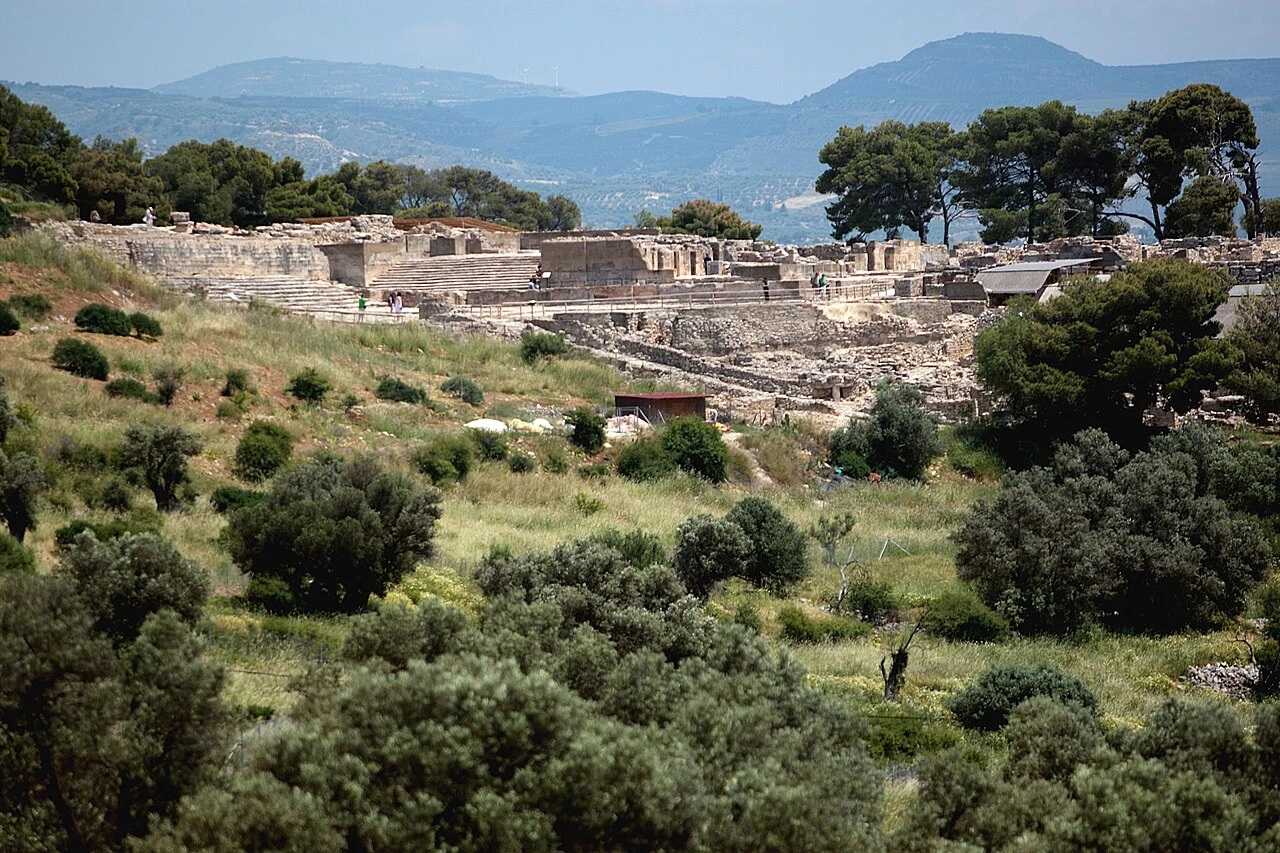
Phaistos sits above the Messara plain. That setting gives you a different way to approach a palace: take in the surrounding land, then look at the courts, steps and routes that organise the building. You can use the landscape to think about why this was a place of power.
Our suggestion is to arrive with one small task: find a space on the site plan, identify its edges from the open route, and work out how it connects to the next space. At a ruined building, this can be more rewarding than trying to remember every room name.
If the Phaistos Disc is part of the attraction for you, plan for it separately. The object is in the Heraklion Archaeological Museum, rather than waiting at the palace site. The museum describes its inscription as still unresolved; a story that offers a definitive translation deserves scrutiny.
A visit to both Knossos and Phaistos can be worthwhile when you want a comparison. Give the second palace its own question—perhaps how the setting changes your understanding of the building—so the visits do not become a search for the same photograph twice.
Spinalonga: plan the crossing, then give the streets time
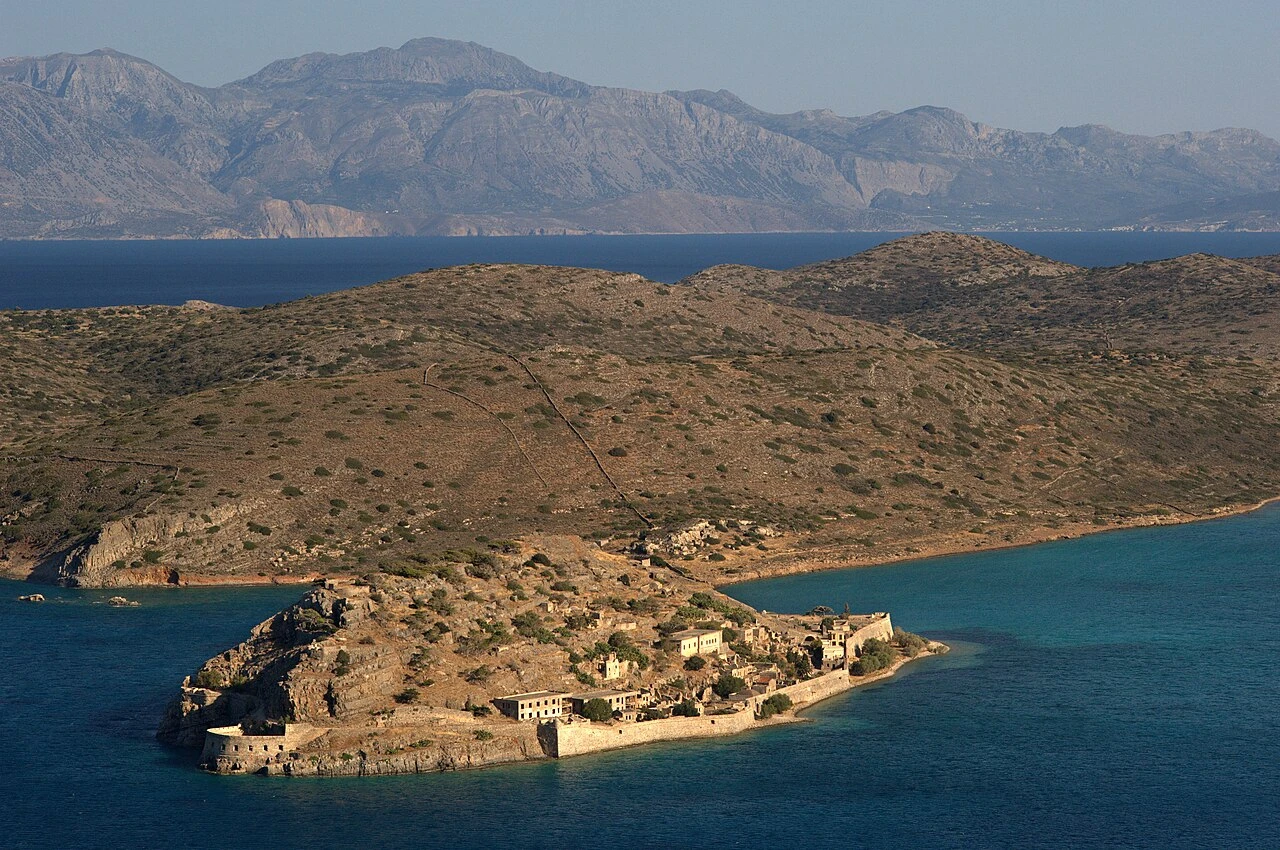
Spinalonga needs a different frame from the Minoan palaces. Its visible history includes Venetian fortifications, an Ottoman settlement and the community of people with Hansen’s disease who lived there from 1903 to 1957. Leave room for the houses and streets as well as the walls.
Try two ways of looking. First, consider how a fortification controls movement and views. Then look at the same place as somewhere people had to live. Where could daily routines have taken place? That change of scale helps keep the community’s history in the foreground.
Hellenic Heritage lists boat approaches from Plaka, Elounda and Agios Nikolaos. Choose a departure that fits your day, then confirm the sailing, return arrangement and time allowed on the island with the operator. A longer excursion can have a very different schedule from a simple crossing.
Check what you are paying for: boat fare, island admission and guided commentary may be separate. For a winter visit, confirm island access directly with the Ephorate of Antiquities of Lasithi and confirm a sailing with the operator before making the journey. A published opening schedule alone does not arrange a boat.
Build the plan around where you are staying
We would plan three unhurried outings rather than promote all three sites as a one-day route. You can shorten that plan by choosing the visit that best fits your accommodation and interests. Check a current map and transport information for your actual starting point before booking.
From a Heraklion base, start by considering Knossos and whether you want a museum visit on the same day. For a south-central Crete day, build around Phaistos and leave space for the journey across the island. From Elounda, Plaka or Agios Nikolaos, make Spinalonga and the crossing the centre of the plan.
If you are staying around Chania or Rethymno, work backwards from the return journey. Pick a main visit, check the transport you will actually use, and decide whether the travel leaves you enough time at the site. We would drop an extra stop before compressing every visit into the remaining daylight.
- One visit: choose by your interests and starting point.
- Two visits: choose two Minoan palaces for comparison, or one palace and Spinalonga for different periods.
- All three: reserve separate outings, and check each day’s transport and access.
Sort admission, transport and commentary separately
The listed full-entry fees above add up to €55 for all three sites, before transport, boat fares, museum admission or any paid commentary. That is a budgeting reference from the checked site pages, rather than a combined-ticket offer. Check reduced or free-entry eligibility and the current ticket conditions through the official links.
An audio guide can help you connect a visible detail with the wider story. Before choosing one, check the language for that specific guide, which stops it covers, and whether you like the narration. If a sample is available, listen before arriving.
Stanza has guide pages for Knossos, Phaistos and Spinalonga, including German pages. Check the guide’s language availability and current price in the app. Download your chosen guide for offline use before leaving and test that it opens. A Stanza guide or country pass provides audio content; admission and boat transport are separate purchases.
Before you set out
Check the site’s current hours, its last admission and the latest local notices for the date of your visit. Weather-related closures do happen: the official service published a Knossos closure for severe weather on 3 October 2026. Treat a general seasonal timetable as the start of your check.
Keep your ticket information available, charge your phone, bring the headphones you intend to use and prepare for an outdoor visit. For Spinalonga, settle the return-boat plan before you step aboard. If mobility or steps could affect your day, ask the site and boat operator about the exact route and boarding arrangements.
At each place, choose one detail you want to understand before moving on. A route through the palace, a court facing the landscape, a street inside the walls: give yourself enough time to explain that detail in your own words. That is a better souvenir than another completed checklist.
A few more questions before you go
Knossos or Phaistos—which should I choose?
Our starting recommendation is Knossos for a first Minoan introduction near Heraklion, and Phaistos if the palace plan and surrounding landscape particularly interest you. Choose both when you want to compare them and have time for separate visits.
Is Spinalonga another Minoan palace?
No. Plan it as a different history visit, with fortifications and a later settlement. It complements a palace visit when you want to explore more than one period of Crete’s past.
Can I see all three in one day?
We recommend separate outings. A one-day plan must account for journeys across Crete, opening hours, the Spinalonga crossing and the return boat. Choose fewer stops if the available day would force you to hurry.
Does a Stanza Greece pass include entry tickets?
No. A Stanza guide or country pass gives access to audio content. Arrange archaeological-site admission and any boat journey separately.
Sources & further reading
Visitor information checked .
Visitor information and listed full-entry prices checked against Hellenic Heritage on 17 October 2026. Confirm your date, ticket conditions, local notices and any boat arrangements before travelling. Planning suggestions are editorial recommendations, not timed transport itineraries.
- Hellenic Heritage: Knossos
- Hellenic Heritage: Phaistos
- Hellenic Heritage: Spinalonga
- UNESCO: Minoan Palatial Centres
- Heraklion Archaeological Museum: the Phaistos Disc
- Region of Crete: Spinalonga
- Hellenic Heritage: current visitor announcements
Questions or a correction? Let us know. Our content standards (English).