Languages
15Casa Loma Audio Guide
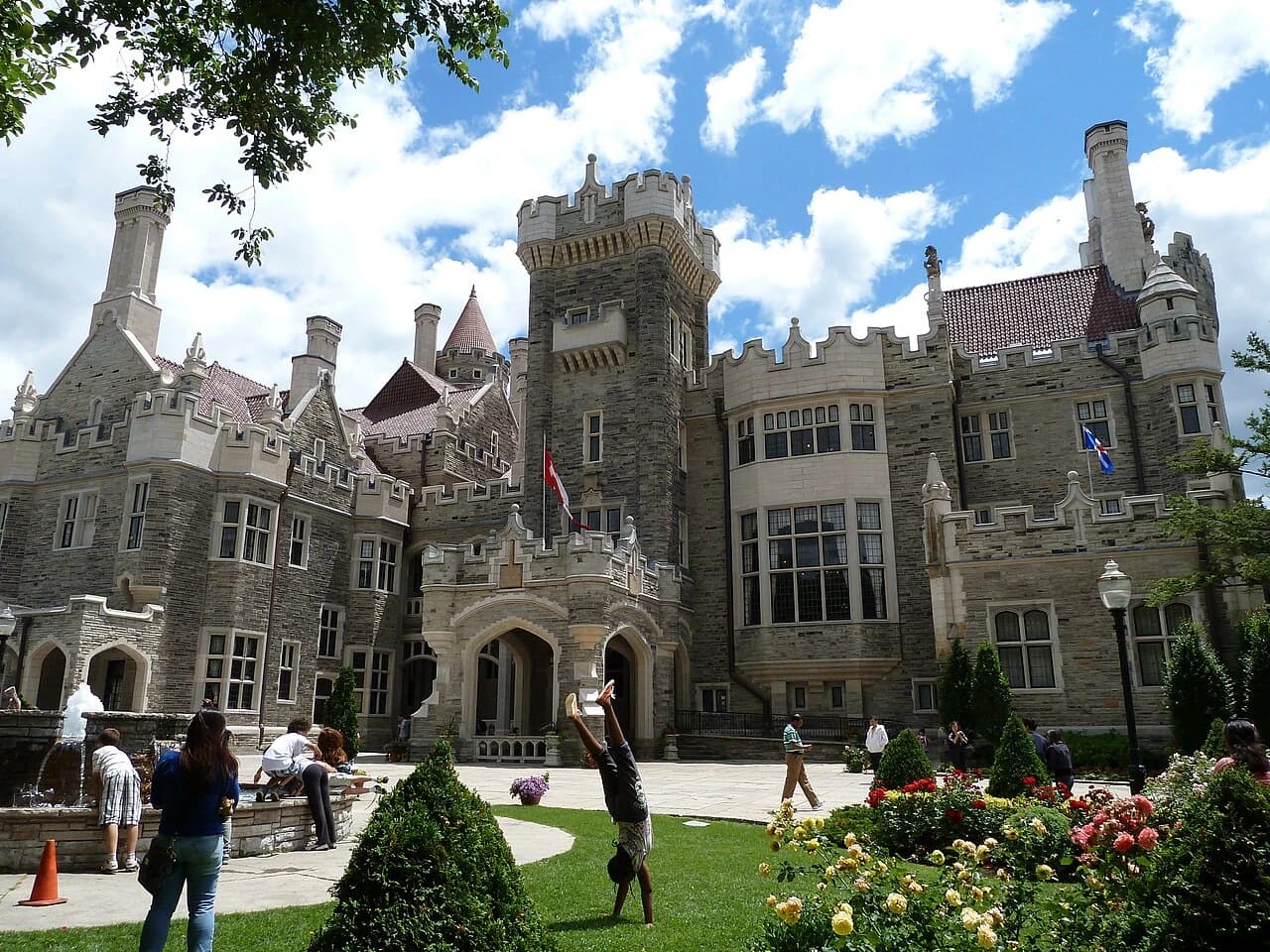
Casa Loma is a landmark in Toronto, Canada. Explore it with Stanza's GPS-triggered offline audio guide — available in 15 languages.
Quick Facts
25
Stops
15
Languages
100%
Offline
📍 Toronto, Canada · 43.6781°N, -79.4093°E
About Casa Loma
Casa Loma is a Gothic Revival style mansion in Toronto, Canada, completed in 1914. It operates as a historic house museum and popular tourist attraction.
This self-guided audio tour features 25 narrated stops organized across 7 sections. As a castle, Casa Loma offers a unique cultural experience in the heart of Toronto, Canada.
The Stanza audio guide is available in 15 languages and works entirely offline — download the complete tour including audio narration, maps, and images before your visit. As you walk through Casa Loma, GPS-triggered narration plays automatically at each point of interest.
Last updated:
What you will hear
The Great Hall: A 60-Foot First Impression
Focuses on the grand entrance interior, featuring the soaring timber ceiling and the verified Wurlitzer organ.
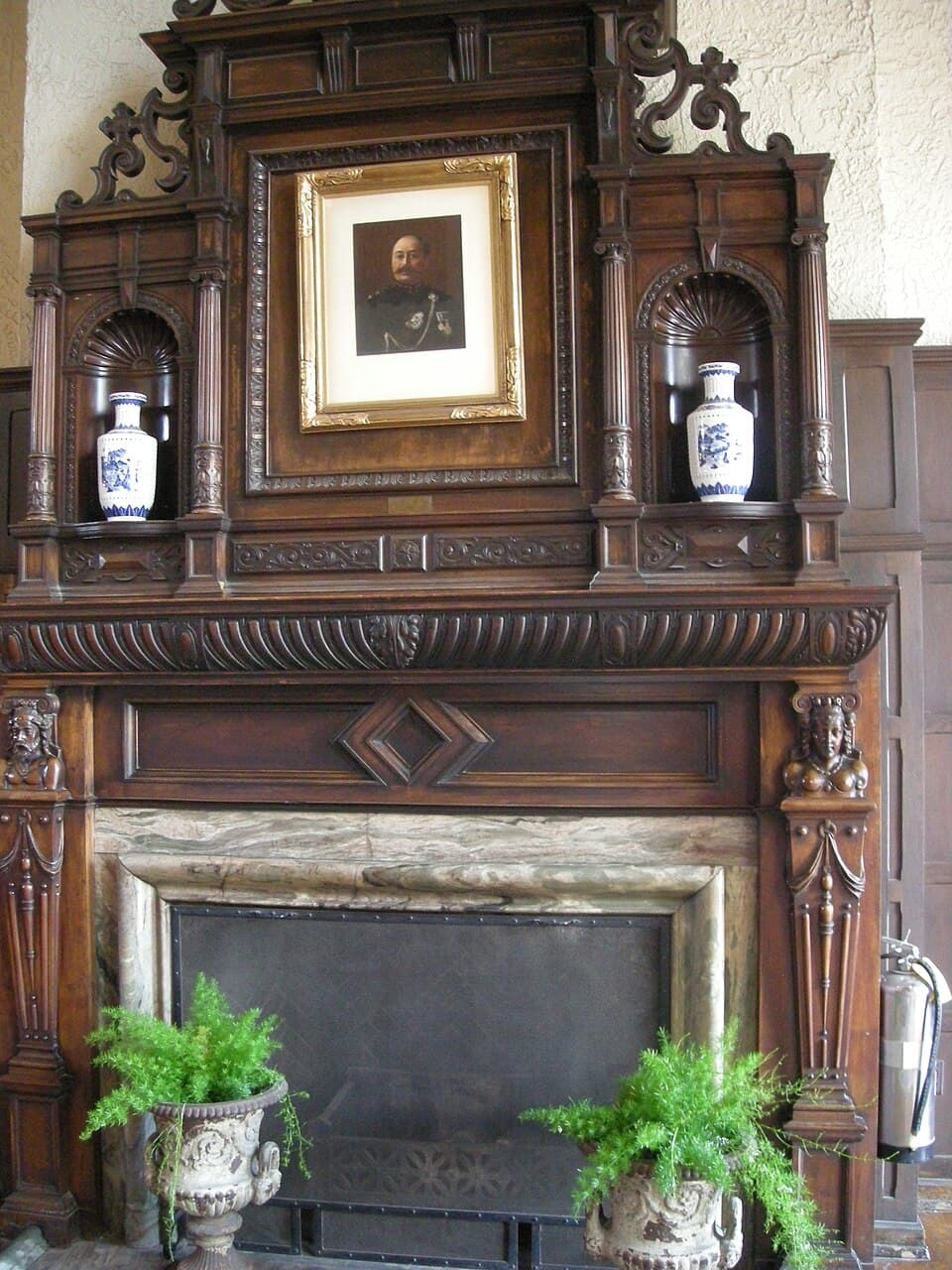
Great Hall Fireplace
The Great Hall is the architectural heart of the mansion, and its scale is truly breathtaking. Looking up, you can see the 60-foot-high timber ceiling, a masterpiece of design by architect E. J. Lennox. Lennox intentionally crafted this room to feel like a medieval fortress, utilizing heavy wood and stone to create a sense of ancient permanence. Above the grand fireplace mantle, a portrait of Sir Henry Pellatt gazes out over the room. It took nearly 300 workers several years to bring this space to life, and the craftsmanship is evident in every detail. This hall served as the main reception area for the home, where guests would first be introduced to the sheer opulence of the Pellatt estate. The fireplace itself is large enough to stand inside, anchoring the room with its massive presence. This was the stage where Sir Henry played the role of the lord of the manor, welcoming the elite of Toronto society into his private kingdom.
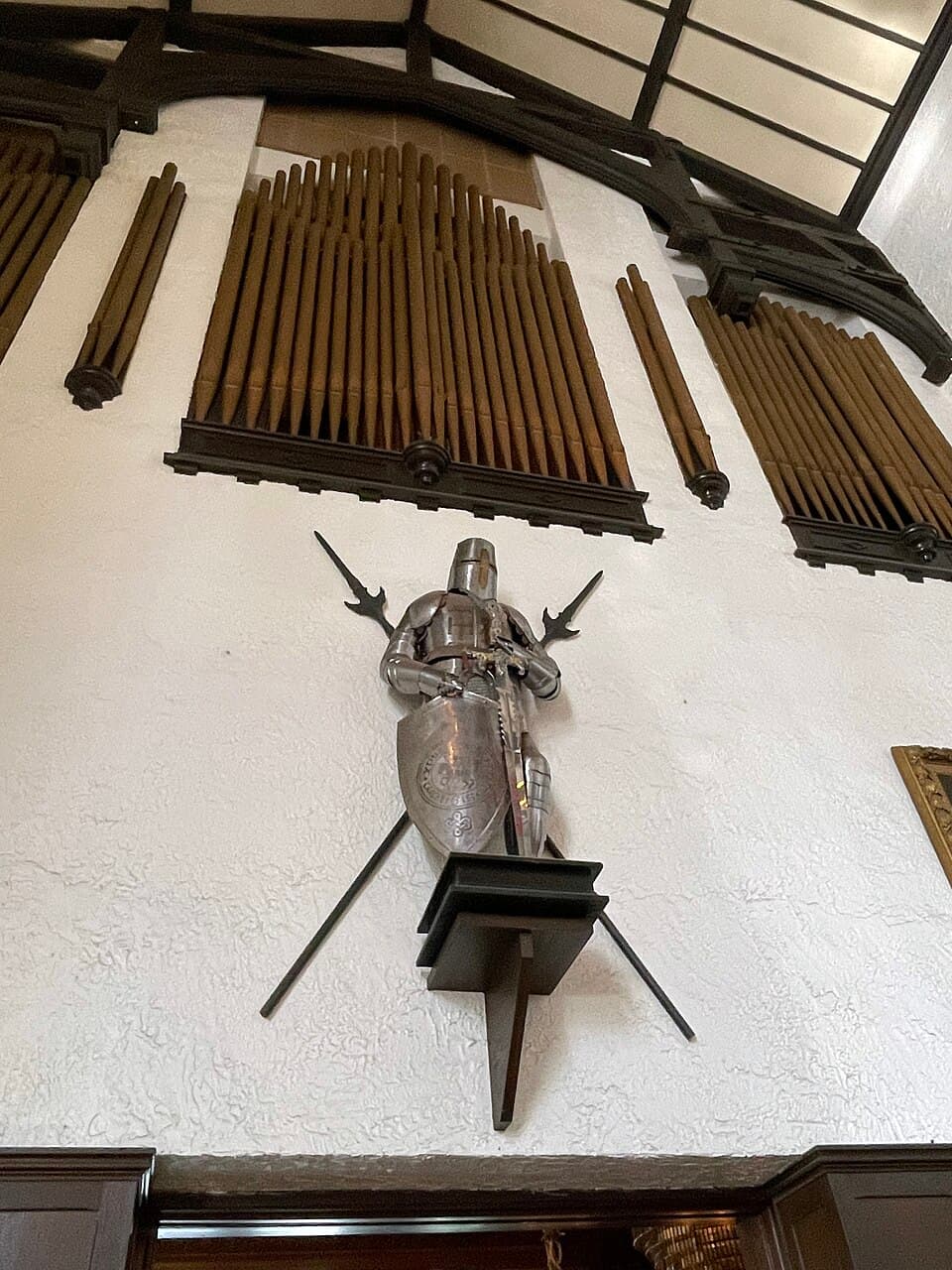
Armor and Organ Pipes
Throughout the Great Hall, you will notice elements that reinforce the Gothic Revival aesthetic, such as the suit of armor standing guard beneath a set of decorative organ pipes. These visual cues were carefully chosen to link Casa Loma to the chivalric traditions of European castles. However, beneath this medieval exterior, the house was a marvel of 20th-century engineering. While the decor suggests an earlier era, the mansion was packed with what were then cutting-edge luxuries. Casa Loma featured one of the city's first residential elevators and a sophisticated central vacuum system—features that were virtually unheard of in private homes at the time. This juxtaposition is what makes the house so unique: it is a building that looks backward to the Middle Ages for its style, yet looked forward to the future for its functionality. The armor and the pipes are not just decorations; they are symbols of the dual nature of Sir Henry’s vision—a home that was as technologically advanced as it was historically inspired.
The Library & Secret Passages
Covers the ornate library ceiling and the MUST-SEE secret passages hidden behind the bookshelves.
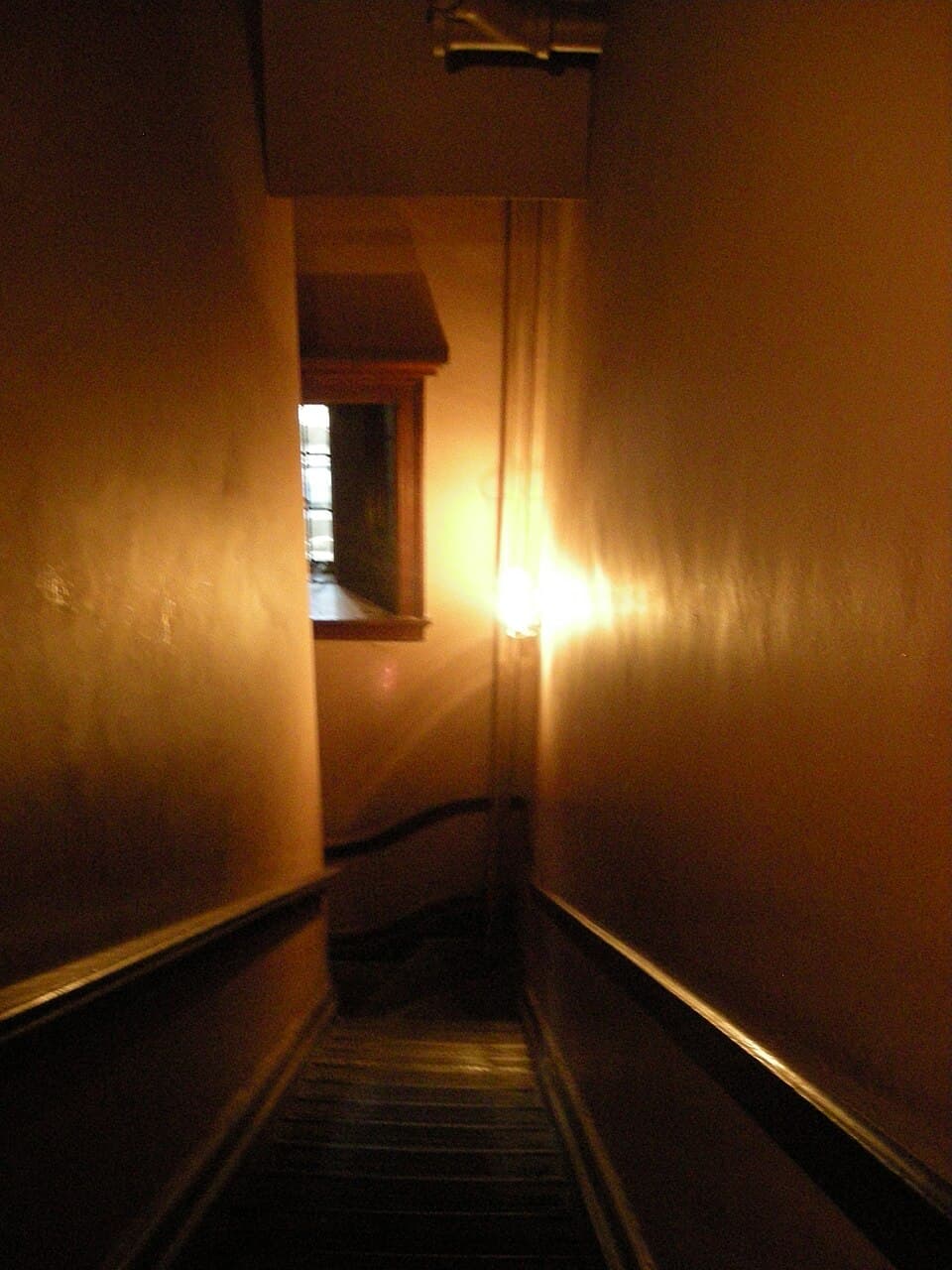
The Secret Passageway
Every great castle needs a secret, and Casa Loma is no exception. In Sir Henry Pellatt’s private study, you can find a fascinating feature: two doors cleverly concealed behind the floor-to-ceiling bookshelves. These hidden passages were not just for show; they served a practical purpose in the daily life of the mansion. They allowed Sir Henry to move discreetly between the different floors of the house or to retreat to his private quarters without being seen by staff or guests in the public rooms. In an era where social obligations could be overwhelming, these secret routes provided the master of the house with a valuable sense of privacy and a quick means of escape. They also add an element of intrigue and mystery to the home, sparking the imagination of everyone who discovers them. This detail reflects the playful, theatrical side of Sir Henry's personality, as well as the meticulous planning that went into designing a home that could accommodate both public grandeur and private convenience.
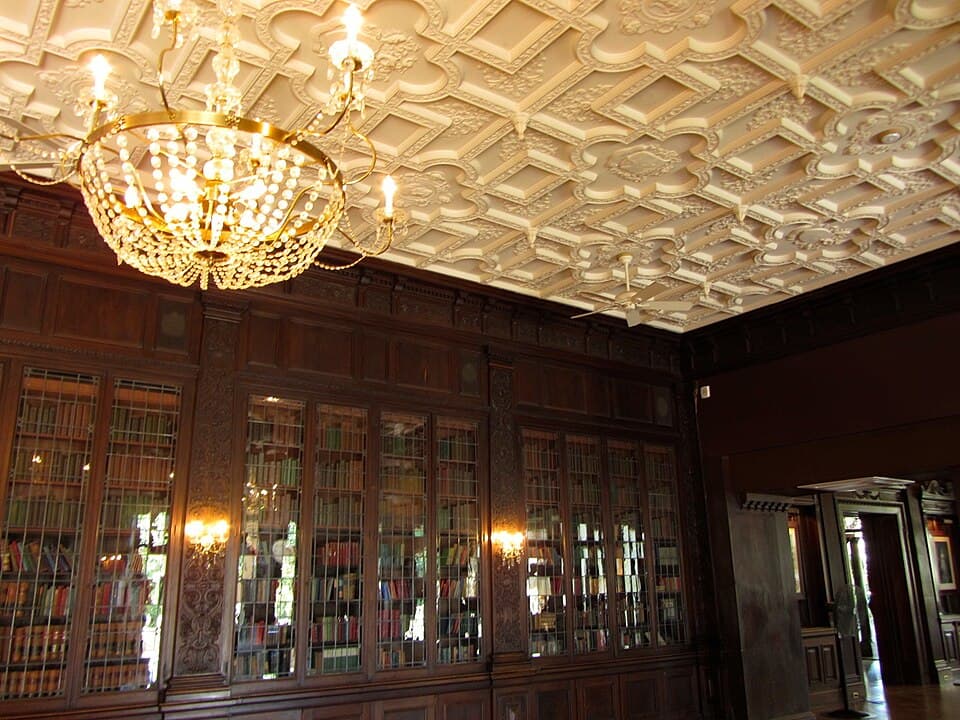
The Library Ceiling
The library is a space of quiet grandeur, distinguished by its magnificent plaster ceiling. If you look closely at the intricate patterns, you can see the coats of arms of the Pellatt family woven into the design. This room was once filled with approximately 10,000 books, reflecting Sir Henry’s intellectual interests and his desire to curate a world-class private collection. To understand the sheer scale of the mansion's interior, consider its total floor area of 64,700 square feet. That is roughly equivalent to the size of a modern football field, all contained within a single private residence. The library alone occupies a significant portion of the main floor, designed as a sanctuary for reading and study. The detailed craftsmanship of the ceiling demonstrates the level of care invested in every square inch of the home. It wasn't just about size; it was about achieving a level of decorative perfection that would rival the great estates of Europe.
The Conservatory: A Glass Oasis
Showcases the stunning stained-glass dome and the botanical luxury of the sunroom.
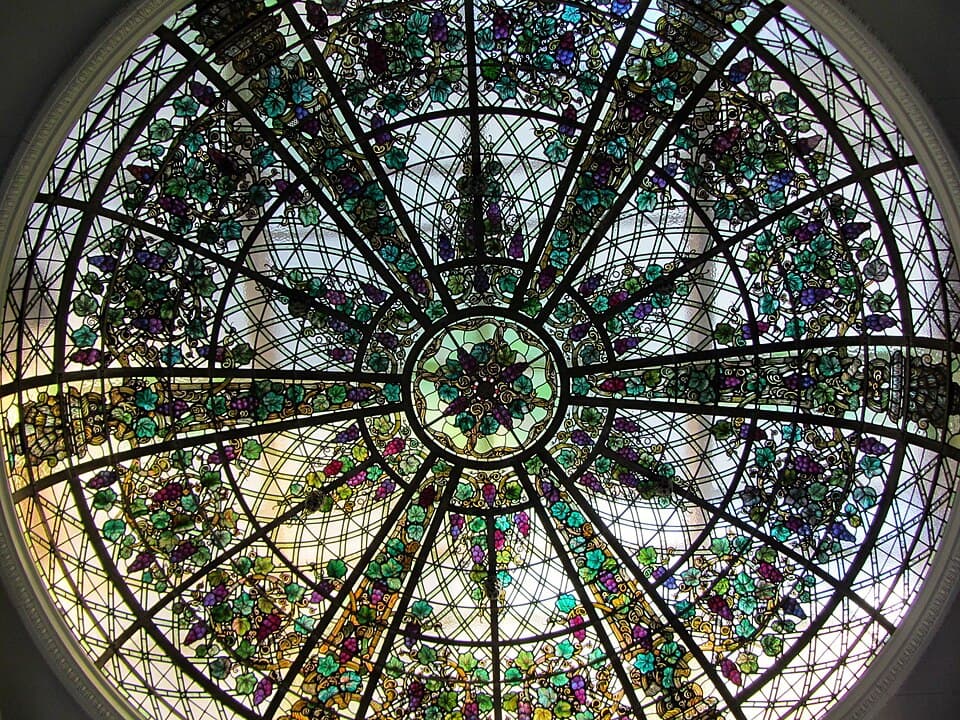
Stained Glass Dome
Looking up in the Conservatory, you are greeted by one of Casa Loma’s most beautiful features: the stained-glass dome. This masterpiece is decorated with colorful grapevines and floral patterns, creating a vibrant canopy over the room. However, the beauty of the dome is matched by some clever hidden engineering. Beneath the flower beds in this room, steam pipes were installed to keep the soil and the plants warm, ensuring their survival in the winter. Furthermore, to ensure the dome remained a focal point at all hours, hundreds of lightbulbs were installed behind the glass. This allowed the stained glass to glow beautifully even at night, transforming the room into a glowing jewel box after the sun went down. This blend of artistic beauty and practical innovation is a recurring theme throughout the mansion. The dome is not just a decorative window; it is a sophisticated system designed to enhance the sensory experience of the space, regardless of the time or the weather outside.
The Dining & Serving Rooms
Explores the entertaining spaces, including the gilded doors and the scale of the serving areas.
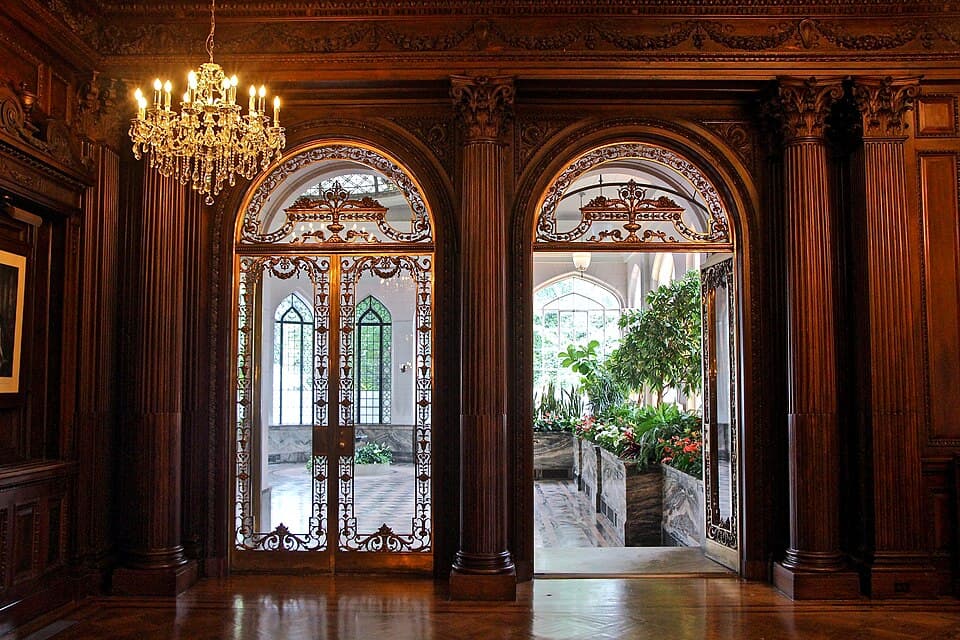
The Gilded Doors
The entrance to the Conservatory is marked by these grand gilded doors. Their intricate metalwork and bright finish serve as a transition point between the botanical luxury of the sunroom and the more formal spaces of the main hall. Beyond their historical significance, these doors and the rooms they lead into have a modern legacy in popular culture. Casa Loma has served as a filming location for numerous movies and television shows. Fans of the X-Men franchise might recognize the mansion as the setting for Professor Xavier's School for Gifted Youngsters. It has also appeared as the iconic Wayne Manor in the series Titans. The castle's timeless, versatile appearance makes it a favorite for directors looking to evoke a sense of tradition, wealth, or mystery. When you walk through these doors, you are following in the footsteps of both the original owners and some of the most famous characters in modern cinema. This cinematic connection has helped keep the story of Casa Loma alive for a new generation of visitors.
The Private Suites & Round Room
Covers the second-floor living quarters, including Sir Henry's tiger rug, Lady Pellatt's suite, and the architecturally unique Round Room. This area also houses the 'White Lady' ghost lore.
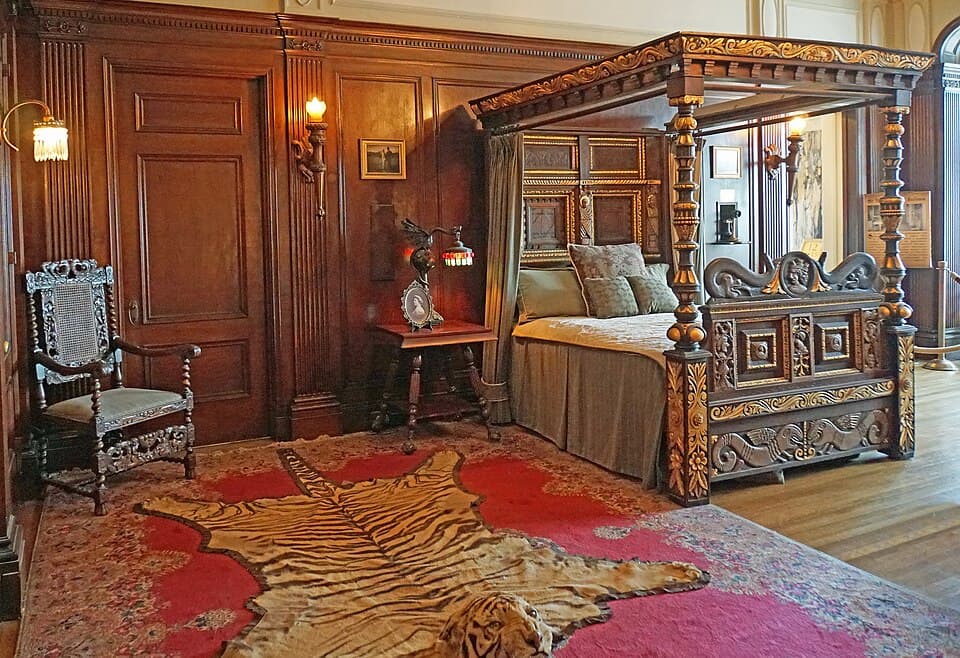
Sir Henry's Suite
Sir Henry Pellatt’s suite offers a powerful contrast to the delicate blue tones of Lady Pellatt's rooms. Characterized by rich, dark mahogany paneling, this was the personal sanctum of the man who once controlled much of Toronto’s electrical infrastructure. As the head of the Toronto Electric Light Company and the developer of the first hydro-electric plant at Niagara Falls, Sir Henry was one of the most influential figures in Canadian business. Within these walls, you can find a built-in safe hidden behind the paneling—a discreet feature that underscores the high-stakes world of finance in which he operated. The suite was designed to be both a place of rest and a private office where he could manage his vast business interests. The heavy wood and masculine aesthetic were meant to project an image of stability and command, befitting a man of his stature. While the rest of the house was a stage for public life, this room was where the architect of Casa Loma could retreat to reflect on his accomplishments and oversee the power he held over the city's early modern development.
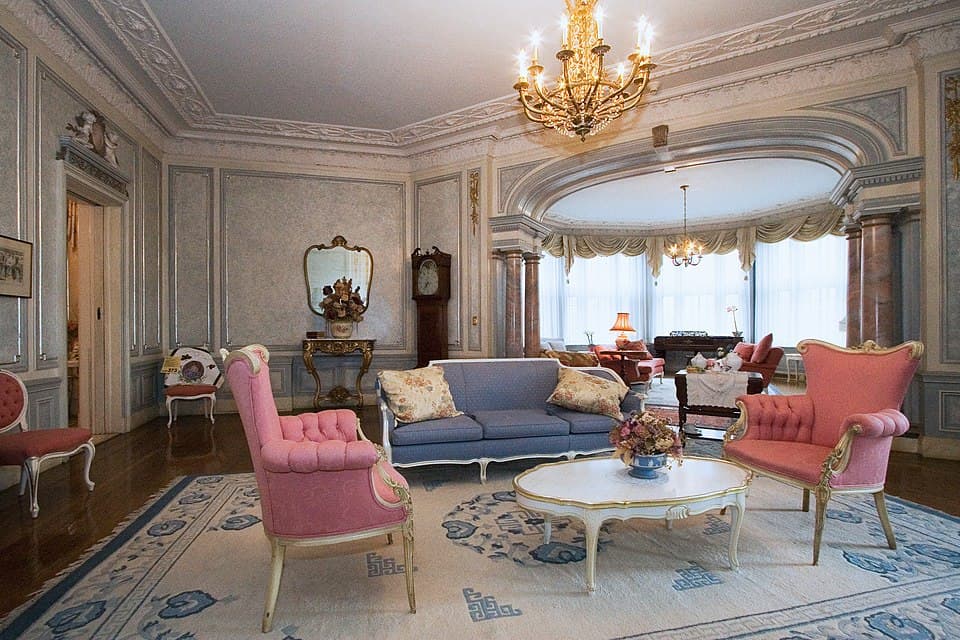
Lady Pellatt's Suite
Lady Pellatt’s suite serves as an elegant sanctuary, distinct from the more somber, wood-paneled rooms found elsewhere in the mansion. The space is defined by its soft 'Wedgwood blue' walls and intricate, Wedgwood-style plasterwork, which creates a bright and refined atmosphere. This suite was the private domain of Lady Pellatt, a woman who played a central role in Toronto's high society. Beyond her duties as hostess of the castle, she was a significant and early supporter of the Girl Guides of Canada, often opening the grounds of her home to host their events and rallies. The delicate decor of this room reflects her personal taste and the dignity of her position. Large windows would have flooded the room with light, emphasizing the classical motifs and fine craftsmanship of the walls. In a home designed to project power and history, this suite offers a more intimate look at the family’s daily life and the personal style of the woman who shared Sir Henry’s grand dream. It remains one of the most charming examples of Edwardian interior design within the castle.
The Queen's Own Rifles & Tower Views
Combines the third-floor military museum with the climb to the Norman and Scottish towers for skyline views.
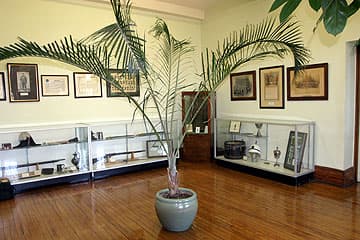
Queen's Own Rifles Museum
Located on the third floor of Casa Loma, this museum is dedicated to the history of the Queen’s Own Rifles of Canada, a regiment that held deep personal significance for Sir Henry Pellatt. Sir Henry wasn't just a benefactor; he was an active and dedicated member, eventually rising to the rank of Major-General. His devotion to the unit was legendary and often extremely expensive. In a remarkable display of both his wealth and his patriotism, Sir Henry once famously paid out of his own pocket to transport the entire six-hundred-man regiment to England for military exercises, ensuring they were trained to the highest international standards. As you browse the displays, you will find a vast collection of uniforms, medals, and weaponry that trace the regiment’s service from the nineteenth century through the World Wars. The museum offers a window into the military traditions of the Edwardian era and the significant role that private citizens like Pellatt played in supporting national defense. This space serves as a poignant reminder that while Sir Henry lived a life of opulence, he was also deeply invested in the civic and military institutions of his country, viewing his castle not just as a home, but as a place to honor Canadian history and service.
The Stables & Vintage Car Collection
The final stop covers the luxurious stables (former site of a secret WWII sonar lab), the vintage car collection, and the exit via the Baldwin Steps.
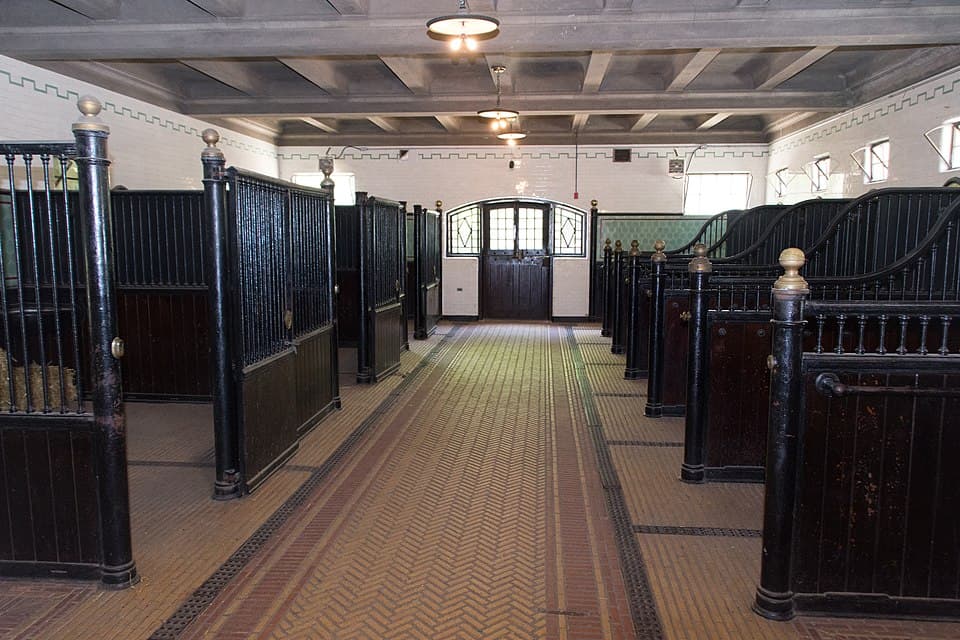
The Mahogany Stables
The stables at Casa Loma were designed with a level of opulence that rivaled many grand homes of the era. Featuring stalls made of fine mahogany and floors laid with high-quality Spanish tile, these stables were a testament to Sir Henry's love for his horses and his desire for perfection in every corner of his estate. Each stall even featured the name of the horse in gold lettering. However, beneath this veneer of luxury lies a fascinating, top-secret chapter of history. During World War II, long after the Pellatts had left, this area was repurposed for a highly classified mission. Hidden behind signs that claimed the area was 'Under Repair,' Canadian scientists worked in a covert laboratory here to manufacture ASDIC devices. ASDIC, which we now know as sonar, was a critical technology used by the Allied forces to detect German U-boats in the Atlantic. The thick walls and private nature of the stables made them an ideal location for such sensitive work, keeping the project safe from prying eyes. It is a remarkable historical irony that a space built for the ultimate Edwardian luxury ended up playing a pivotal, clandestine role in a global conflict that would forever change the world, turning these stables into a quiet hero of the war effort.
Want to hear the rest?
Download the Stanza app to unlock all 25 stops and full GPS-guided navigation.
Frequently Asked Questions
How long does the Casa Loma audio tour take?
The Casa Loma audio guide includes 25 narrated stops. Most visitors spend 45 minutes to 1.5 hours exploring the complete tour, though you can listen at your own pace and skip or revisit any stop.
Is the Casa Loma audio guide available in my language?
Stanza supports 15 languages: English, Spanish, French, German, Italian, Portuguese, Russian, Japanese, Chinese, Korean, Arabic, Hindi, Polish, Dutch, Hebrew. Check the guide in the app to confirm the languages currently available for this tour.
Can I use the audio guide offline at Casa Loma?
Yes! Download the complete Casa Loma tour — including all audio, maps, and images — before your visit. The Stanza app works completely offline, so you don't need WiFi or mobile data at the venue.
How much does the Casa Loma audio guide cost?
The Stanza app is free to download. The current listed price for the Casa Loma audio guide is $1.99; app-store region and currency may affect the final price.
How do I use the Stanza audio guide at Casa Loma?
Download the free Stanza app, search for "Casa Loma", and download the tour. When you arrive at the venue, the app uses GPS to detect your location and automatically plays the relevant narration as you move between points of interest — completely hands-free.
What makes the Stanza audio guide different from other Casa Loma tours?
Stanza offers GPS-triggered narration that plays automatically as you walk through Casa Loma — no need to manually select stops. The tour is available in 15 languages, works fully offline, and includes 25 expertly narrated stops with images and historical context.
What other audio guides are available near Casa Loma?
Stanza offers multiple audio guides in Toronto, Canada and nearby areas. After downloading the app, browse the map to discover all available tours near Casa Loma. Each guide can be downloaded for offline use.