Stanza · Audio guide
Church of Our Lady before Týn Audio Guide
A place to remember. A story to take with you.
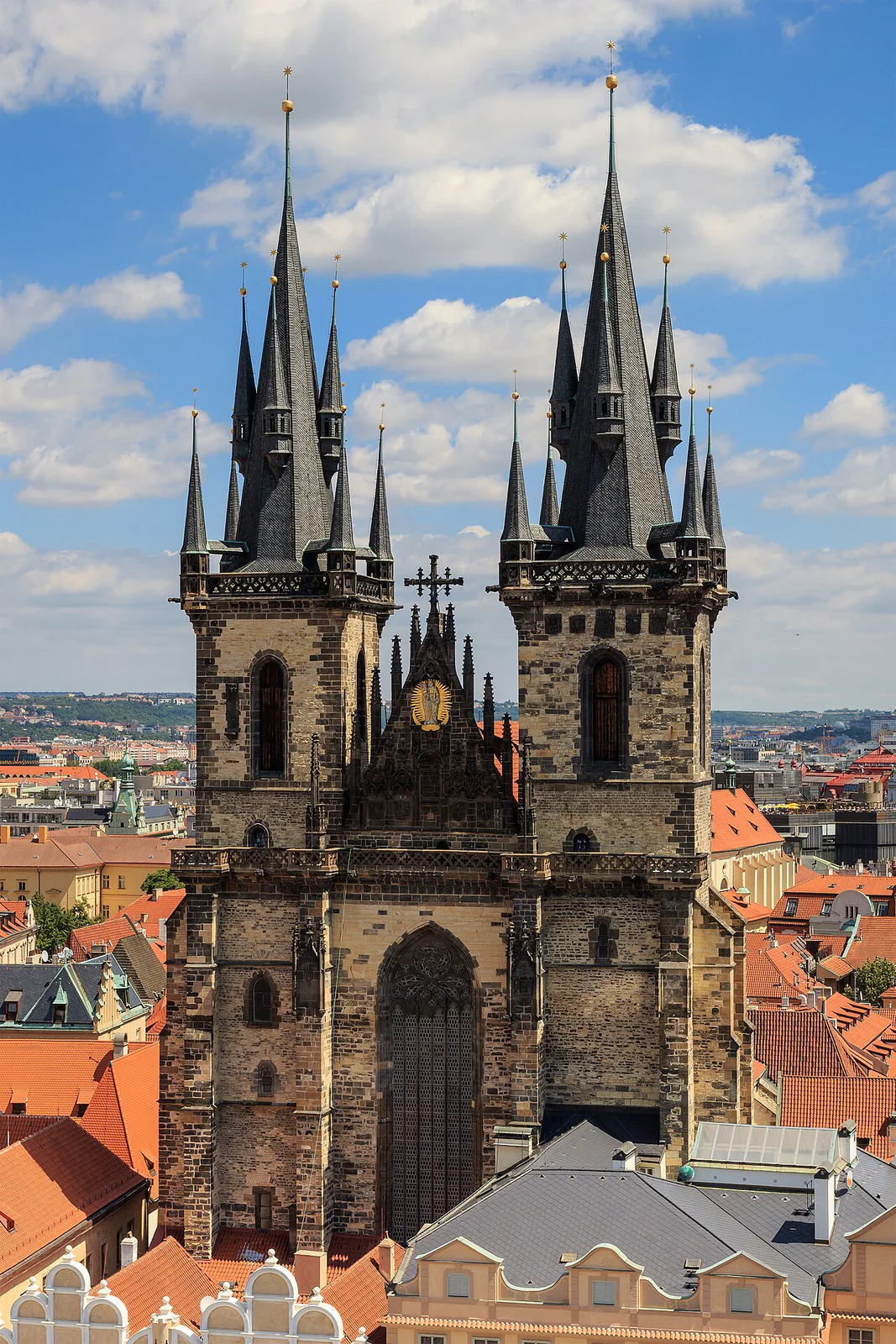
The Church of Our Lady before Týn is a Gothic church located in the Old Town of Prague. It has served as the main church of this part of the city since the 14th century.
Download Stanza, then search for “Church of Our Lady before Týn”.
About the tour
One guide. Your kind of visit.
The Church of Our Lady before Týn is a Gothic church located in the Old Town of Prague. It has served as the main church of this part of the city since the 14th century.
Ready when you are.
- 01Get the free Stanza app.
iOS & Android
- 02Find your guide.
“Church of Our Lady before Týn”
- 03Download before you go.
Works offline
Audio guide / 9 narrated stops
Inside the guide
Get to know a few of the stories before you go. Open a stop to read more.
01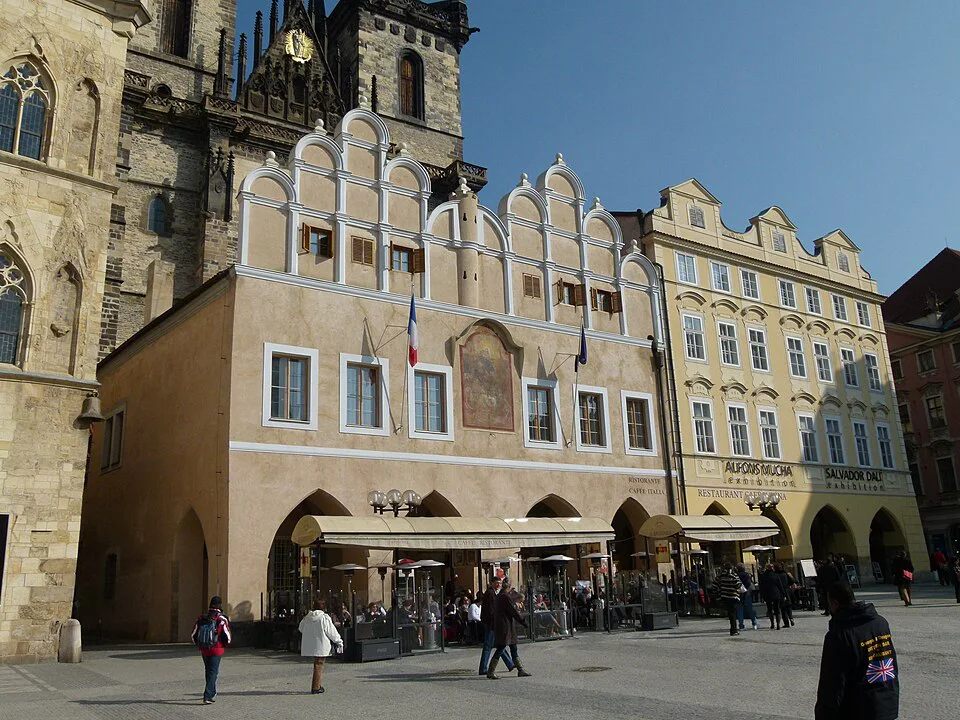 Old Town Square Approach and Hidden Facade
The Týn School and the Hidden Approach
Welcome to the Church of Our Lady before Týn, the great Gothic church of Prague's Old Town. It has been the main church of this part of the city since the 14th century, and its twin spires still rise above the rooftops of Old Town Square. The odd thing is that from the square itself, the church seems to hide. A row of old houses stands directly in front of its west face, and one of them is the former Týn School, with its tall stepped gable. The church grew out of a Romanesque chapel built in the 11th century for foreign merchants trading at the nearby Týn Courtyard. That chapel was replaced by an early Gothic church in 1256, and the present building followed from the 14th century. To reach the main entrance, visitors pass through a narrow passage between the houses in front of it. So the merchants who built their grand parish church left it a discreet doorway, tucked behind the school and its neighbours.
Photo: Imani · CC BY-SA 3.0
02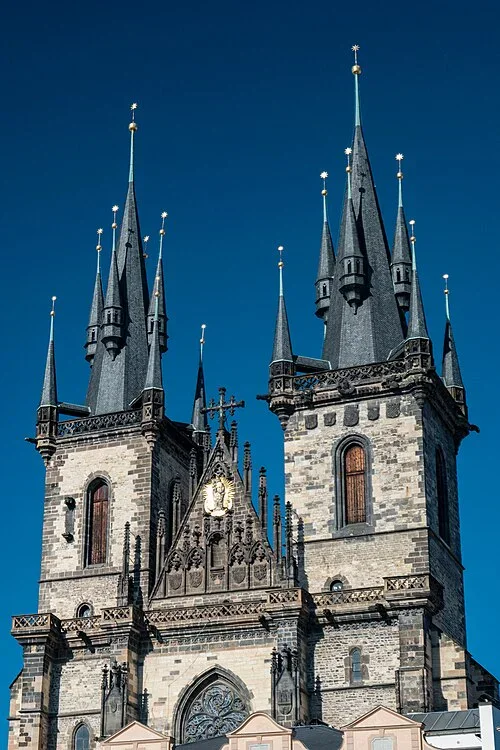 Old Town Square Approach and Hidden Facade
The Twin Towers of Týn
The two towers are the church's signature, eighty metres high and visible across the whole Old Town. Each spire is crowned by eight smaller spires, arranged in two layers of four, which gives the silhouette its prickly, unmistakable outline. The towers were the last part of the building to rise. By the early 1400s the church itself stood almost complete, with only the towers, the gable and the roof still missing. The southern tower waited longest of all, finished only in 1511 under the architect Matěj Rejsek. In the 1970s, renovation work wrapped the whole west front in scaffolding, and it stayed there for years. That scaffold became a fixture of the era, and dozens of people climbed it at night, up fifty to eighty metres, in climbs that were illegal but quietly tolerated. The successful climbers even kept a logbook of their ascents, which the story places near the tip of the southern tower.
Nan Palmero from San Antonio, TX, USA · CC BY 2.0
03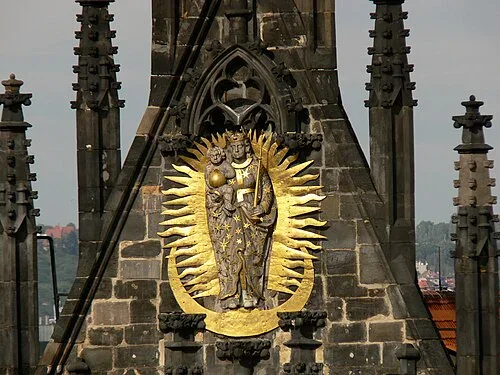 The Western Gable and the Hussite Legacy
The Gable: Chalice, Heretic King and Madonna
Between the towers sits the gable, and on it a golden Madonna with a vast halo. She is the newest chapter of a long argument. For two centuries this church belonged to the Hussites, the reform movement that swept Bohemia, and from 1427 its vicar was John of Rokycan, later the royal administrator of the vacant archdiocese of Prague. Under King George of Poděbrady, a stone statue of the king was set into the gable, below a huge golden chalice, the symbol of the Hussites. King and chalice stayed there for about a hundred and fifty years. After the lost Battle of White Mountain the church passed to the Catholics, and the symbols came down. On the night of 17 January 1623, seminary students climbed the gable and lowered both the chalice and the king's statue, led by the canon Jan Ctibor Kotva together with a Jesuit. It was dangerous work, done at height in the dark. Three years later the imperial bailiff of Prague commissioned a marble Madonna, about two point seven metres tall. Her crown, her sceptre and the rays of her halo were all made by melting down the Hussite chalice. In 2017 the Czech Bishops Conference resolved to restore the Golden Chalice, and a new gilded chalice now stands on the gable once more.
Listen in the appLukáš Kalista · CC BY-SA 4.0
04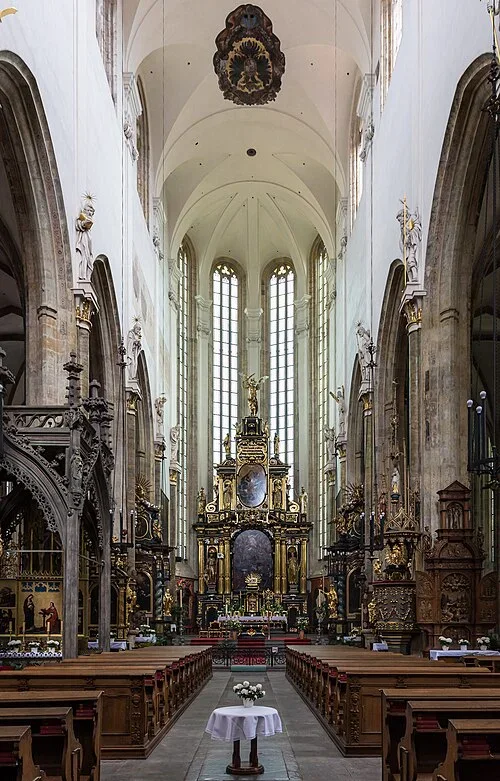 The Main Nave and the Mundt Pipe Organ
The Nave: Gothic Bones, Baroque Vault
Inside, the church opens into a tall three-aisled basilica, strikingly vertical, built in the late Gothic style. The design belongs to the great generation of Prague builders: it was drawn up under Matthias of Arras and later Peter Parler, the architect of St Vitus Cathedral. Work on the present church began in the 14th century, and the Gothic bones are still everywhere in the structure. The side aisles keep their original Gothic ribbed vaults, and stone tracery in the windows lets light fall in shafts down the nave. The vault overhead tells a different story. In 1679 the church was struck by lightning, and the fire that followed badly damaged the old medieval vault. What was rebuilt afterwards sits lower than the original, a broad Baroque vault with triangular sections. So the ceiling is Baroque, the pillars and aisles Gothic, and the two styles meet halfway down the walls.
Listen in the appPhoto: Uoaei1 · CC BY-SA 4.0
05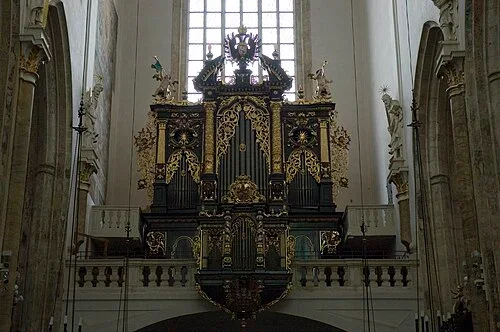 The Main Nave and the Mundt Pipe Organ
The Mundt Organ and the Gallery
On the western gallery stands one of the church's treasures: a pipe organ built by Jan J. Mundt between 1670 and 1673. Its case is carved and gilded in the early Baroque manner, and it ranks among the three oldest surviving pipe organs in Prague. From 1691 its bench was held by Tomáš Baltazar Janovka, a musicologist as well as a musician. He served as the church's organist for fifty years, a span that must have carried him from young man to old. Few instruments anywhere can claim half a century of continuous service from a single pair of hands.
Listen in the appFrancesco Gasparetti · CC BY 2.0
06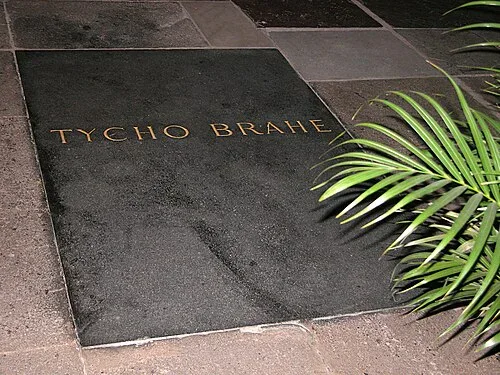 Tomb of Tycho Brahe
The Tomb of Tycho Brahe
At the first southern pillar of the nave lies a dark stone slab with a single name set in gold: Tycho Brahe. He was the Danish astronomer who served as imperial court astronomer to Rudolf II, and he died in Prague in 1601. He was buried here that same year, and his tombstone stands by the pillar, one of the most visited spots in the church. The stone now set in the floor dates from 1901, a replacement placed three hundred years after his death. Astronomers, scientists and the simply curious have sought out the slab ever since.
Listen in the appRobert Scarth · CC BY-SA 2.0
07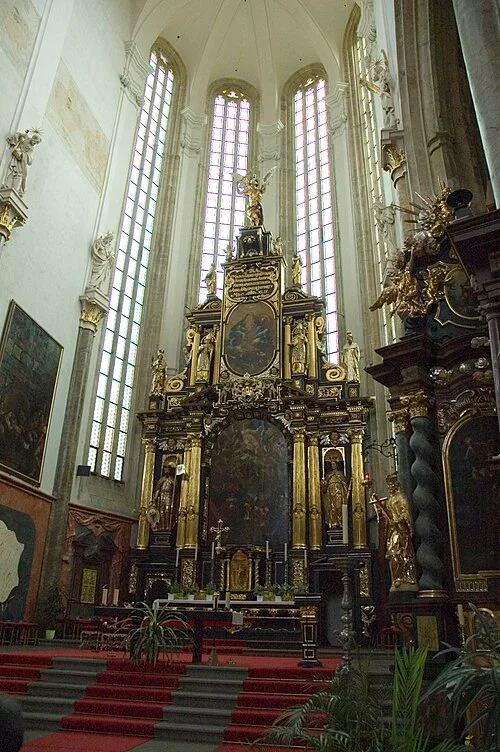 The Presbytery and High Altar
The High Altar and Karel Škréta
At the head of the nave stands the high altar, raised in 1649, when the Catholic church was reshaping this building after the Hussite centuries. Its titular painting shows the Assumption of the Virgin Mary, and it came from the brush of Karel Škréta, one of the leading Czech Baroque painters. He painted several of the side altar canvases here as well. Around the presbytery gather the early Baroque altars with their carved woodwork, along with sculptures by Jan Jiří Bendl and paintings by Petr Brandl and other Baroque masters. After 1620, art like this was how the returning Catholic church announced itself, filling a Gothic interior with gold, colour and carved saints.
Listen in the appFrancesco Gasparetti · CC BY 2.0
08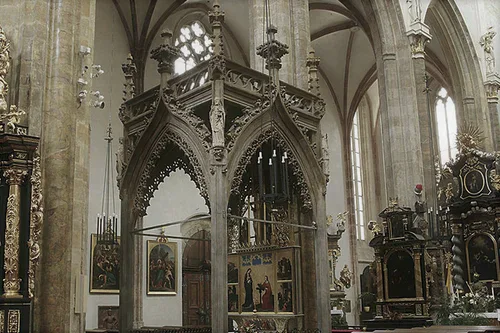 The Northern Aisle and Rejsek Stone Baldachin
The Rejsek Stone Baldachin
In the north aisle stands a piece of the medieval church that survived all the Baroque rebuilding: a stone baldachin, or canopy, carved in 1493. It probably came from the workshop of Matěj Rejsek, the same architect who completed the southern tower. Its first job was to stand over the tomb of Augustin Luciano of Mirandola, a bishop far from his home in Italy. The canopy has a square plan, held up by four painted stone supports joined by ogee arches, those curves that dip and rise like a swan's neck. Corner turrets and Gothic ornament run along the arches, statues stand on each support, and the load-bearing pillars finish in slender finials. On its eastern side the canopy carries paintings by Karel Škréta, so late Gothic stonework and Baroque paint share one monument. Only a handful of medieval furnishings survive in the church, and among them are two works of the so-called Týn Calvary Master from the 15th century, the Madonna of the Týn and a Calvary sculpture at the end of this north aisle.
Listen in the appAndrej Šumbera · CC BY-SA 4.0
09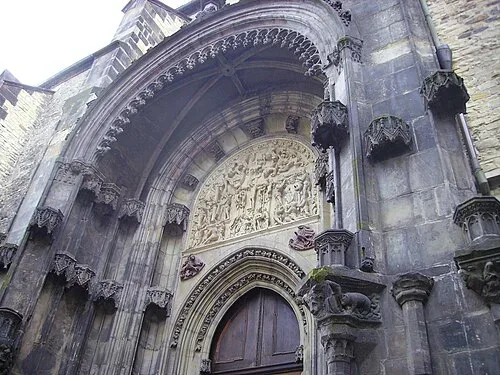 The Northern Portal
: Parler's Passion
On the northern side of the church, opening towards Týnská street, lies the portal that shows what the medieval masons could really do. It came from the workshop of Peter Parler, and its sculpture counts among the most important monuments of Gothic carving in Bohemia from the years before the Hussite wars. The tympanum above the doorway is carved with three scenes from Christ's Passion, crowded with figures in rich compositions. Every fold, face and gesture was cut by hand into the stone more than six hundred years ago. This is the church's merchants and masons at their most ambitious, the skill that raised the towers and filled the gable with symbols later fought over by Hussites and Catholics. A building raised by merchants for their city, argued over by two faiths, and still holding its ground above the Old Town.
Listen in the appPhoto: Zairon · CC0
Church of Our Lady before Týn
Frequently asked questions
How much does the guide cost?
Free app download. Listed guide price: $0.99. Guide price shown in the app. Audio guide only. Venue admission is separate.
Can I listen without internet?
Yes. Download the guide’s audio, images, and maps in the app before your visit. Your downloaded content is then available offline.
Can I listen in my language?
This audio guide is available in 15 languages, including English.
Do I need to follow a schedule?
No. This is a self-guided experience. Choose your stops, pause whenever you like, and return to a story at your own pace.
At your own pace
Explore Church of Our Lady before Týn.
Download Stanza, then search for “Church of Our Lady before Týn”.
Free app download · Guide price shown in the app
Keep exploring
Nearby audio guides
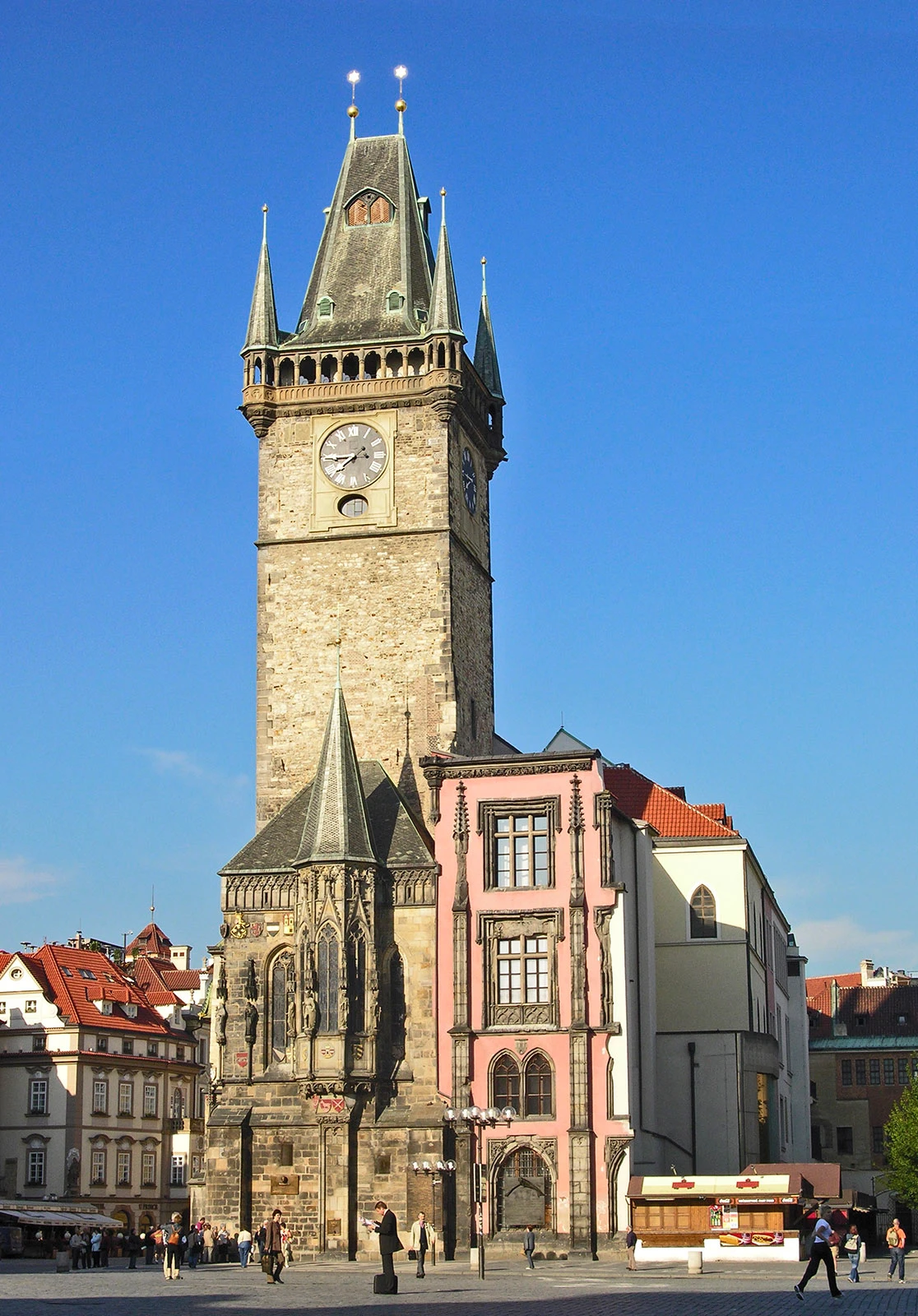
Prague · 1 km
Old Town Hall
Content & sources
Hans Peter Schaefer, http://www.reserv-a-rt.de · CC BY-SA 3.0
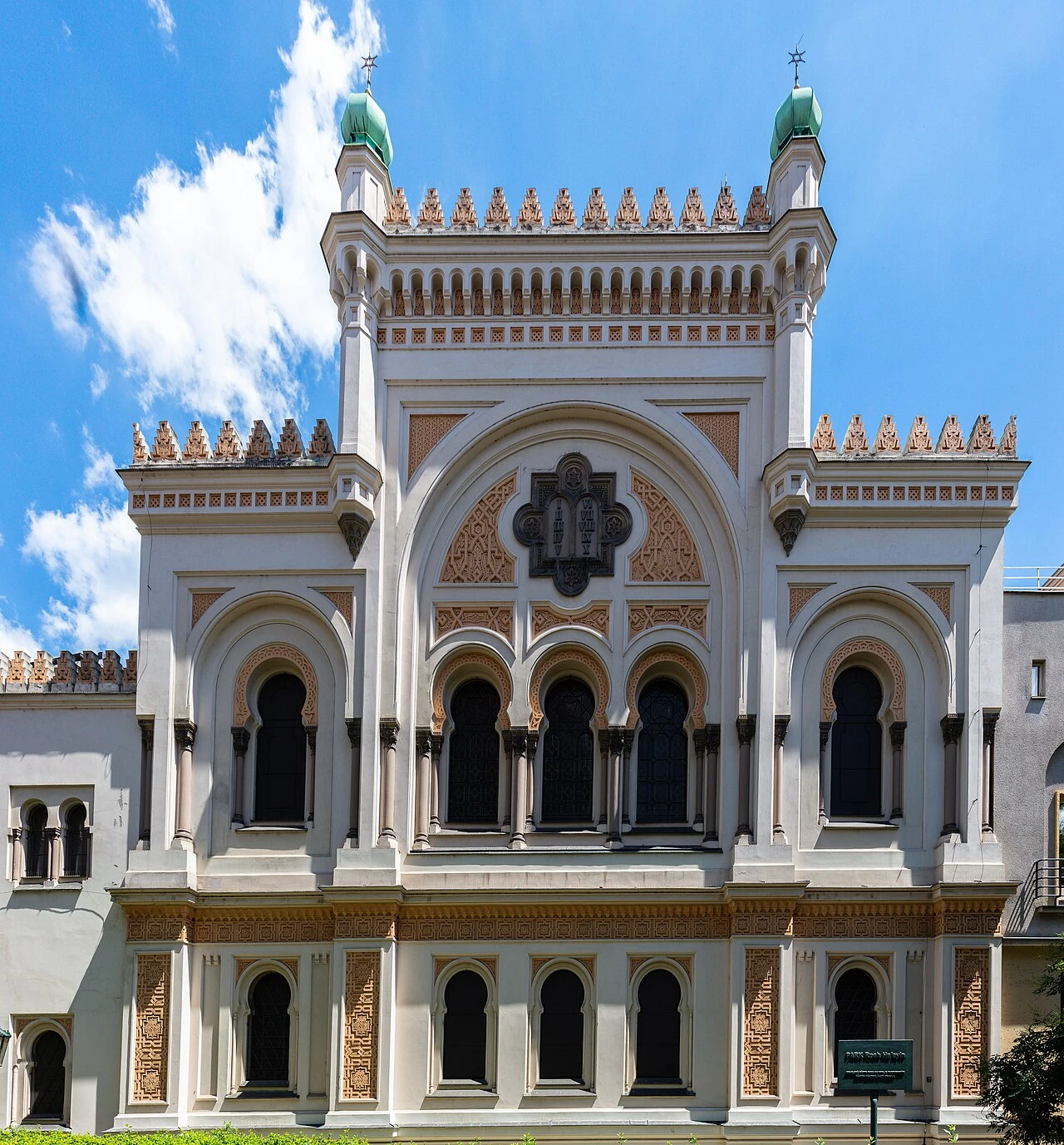
Prague · 1 km
Spanish Synagogue
Content & sources
Diego Delso · CC BY-SA 4.0
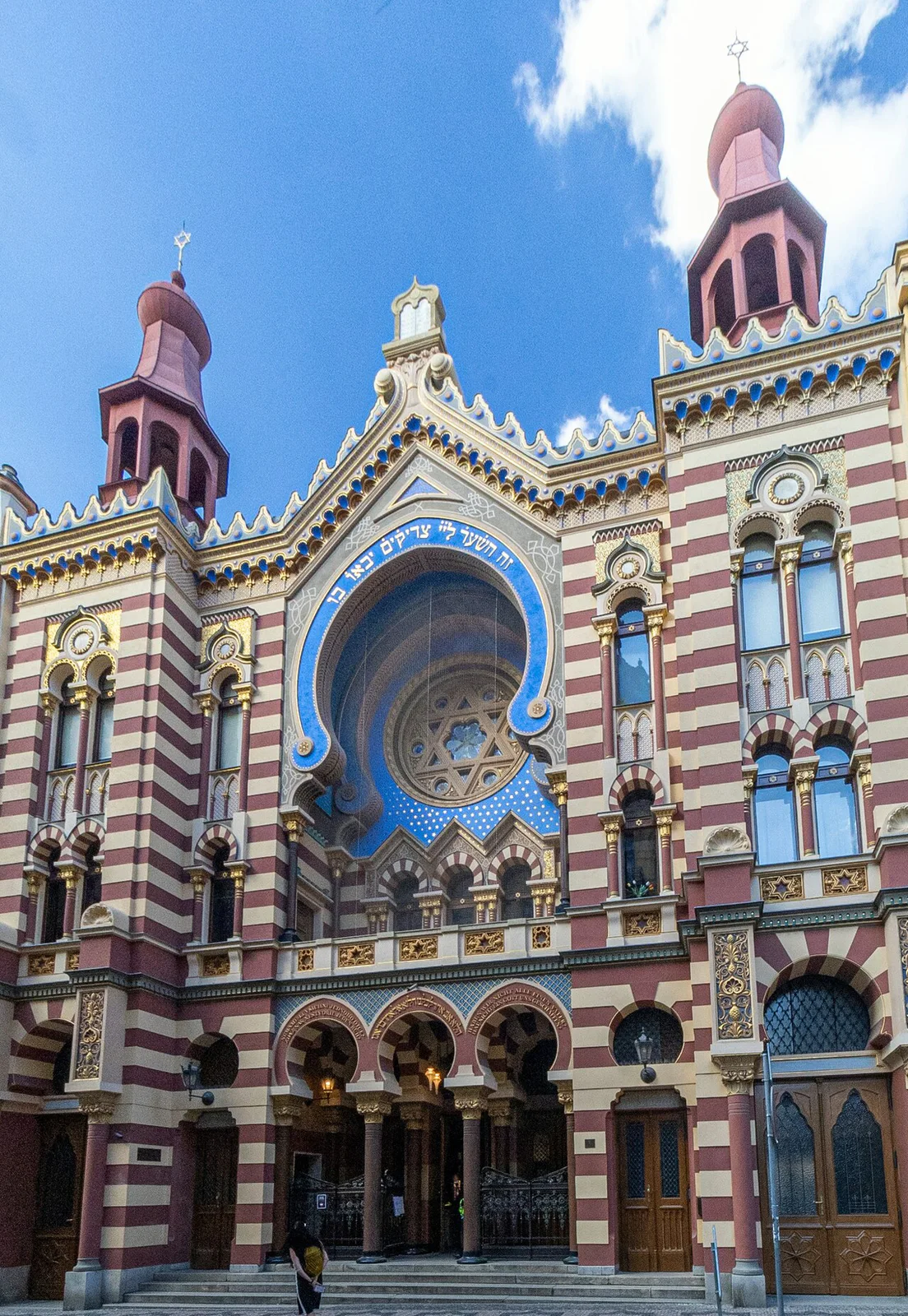
Prague · 1 km
Jubilee Synagogue
Content & sources
Vit · CC BY-SA 4.0
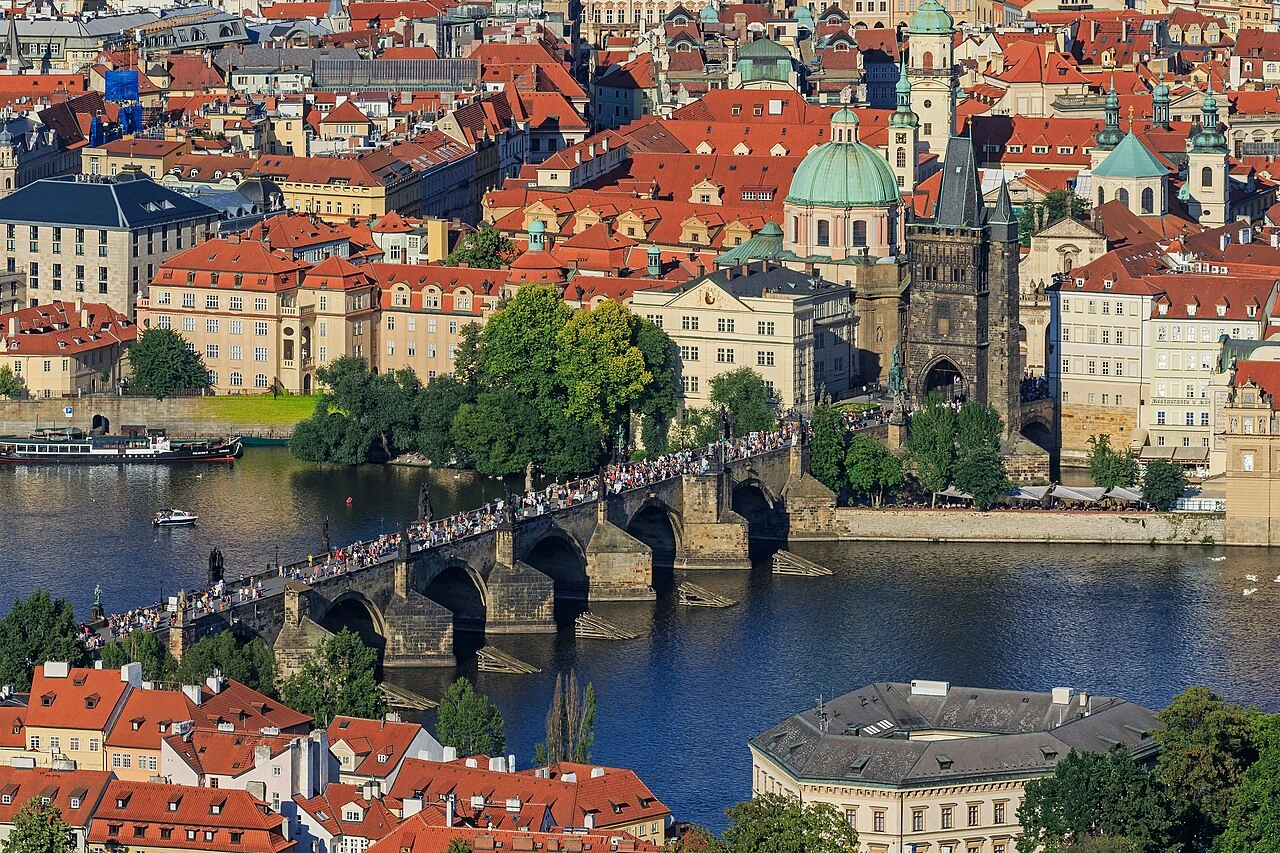
Prague · 1 km
Charles Bridge
Content & sources
Photo: A.Savin · FAL