Languages
15Schloss Neuschwanstein Audio Guide
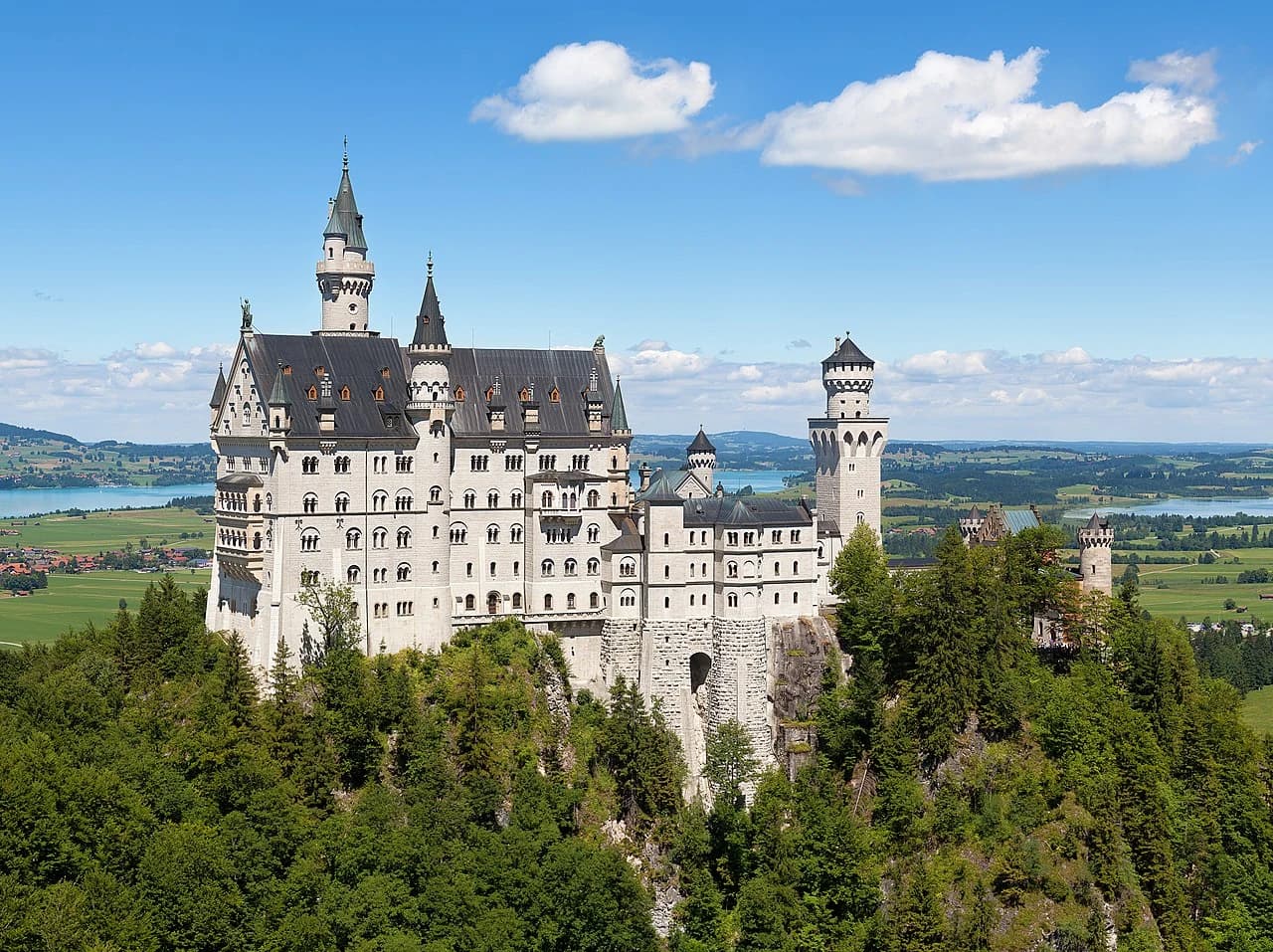
Schloss Neuschwanstein is a landmark in Hohenschwangau, Germany. Explore it with Stanza's GPS-triggered offline audio guide — available in 15 languages.
Quick Facts
29
Stops
15
Languages
100%
Offline
📍 Hohenschwangau, Germany · 47.5575°N, 10.7494°E
About Schloss Neuschwanstein
A 19th-century Romanesque Revival palace built for King Ludwig II of Bavaria, located in southwest Bavaria, Germany.
Schloss Neuschwanstein is also known as Neuschwanstein, Schloß Neuschwanstein, Schloss Neuschwanstein.
This self-guided audio tour features 29 narrated stops organized across 6 sections, including The Red Gatehouse, The Upper Courtyard & Unbuilt Keep, The Throne Room, The Royal Bedroom, The Royal Kitchen, The Fairytale Legacy. As a castle, Schloss Neuschwanstein offers a unique cultural experience in the heart of Hohenschwangau, Germany.
The Stanza audio guide is available in 15 languages and works entirely offline — download the complete tour including audio narration, maps, and images before your visit. As you walk through Schloss Neuschwanstein, GPS-triggered narration plays automatically at each point of interest.
Last updated:
What you will hear
The Red Gatehouse
The official entrance to the castle complex. This area highlights the contrast between the red brick gatehouse and the white limestone palace, and introduces the story of the Nazi art depot.
The Royal Arms
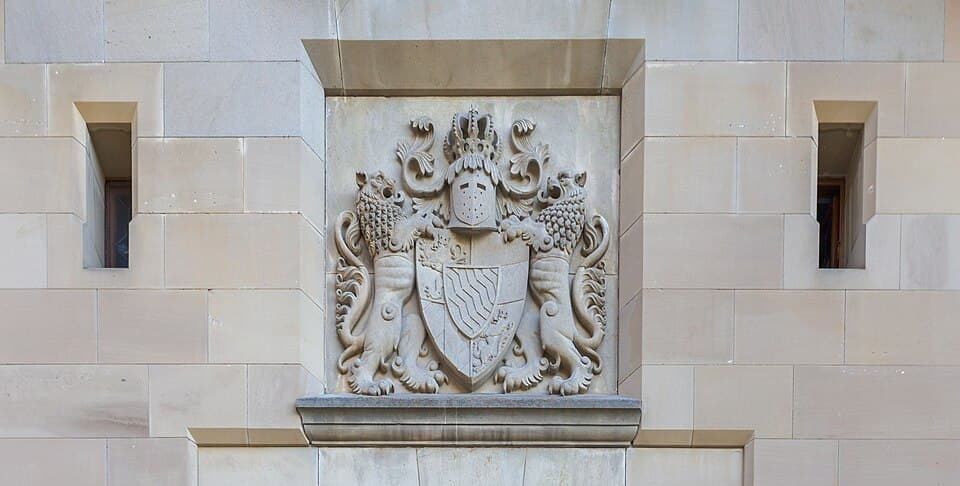
Above the gateway, you will see a detailed stone carving of the Bavarian coat of arms. This heraldic display is more than just decoration; it is a profound statement of King Ludwig II’s identity. The shield features the traditional lions and symbols of the House of Wittelsbach, the dynasty that had ruled Bavaria for centuries. Ludwig was deeply obsessed with his royal lineage and the concept of kingship by divine right. He believed that a king’s power came from God, a belief that was increasingly out of step with the political reality of his time. By the late nineteenth century, Bavaria had been absorbed into a newly unified Germany, and the King’s actual political influence had been greatly diminished. This carving represents his internal world, where he remained an absolute monarch. In his castles, Ludwig could surround himself with the symbols of medieval power and ancient royalty, creating a realm where his authority was unquestioned. The precision of the stone carving, with its rearing lions and central shield, reflects the high level of craftsmanship Ludwig demanded. Every detail of this castle was designed to reinforce his self-image as a romanticized knight-king, a sovereign whose true home was in the legends of the past rather than the parliamentary politics of the present.
The Upper Courtyard & Unbuilt Keep
The heart of the castle's layout. This area features the murals of St. George and marks where the massive 90-meter keep was originally planned to stand.
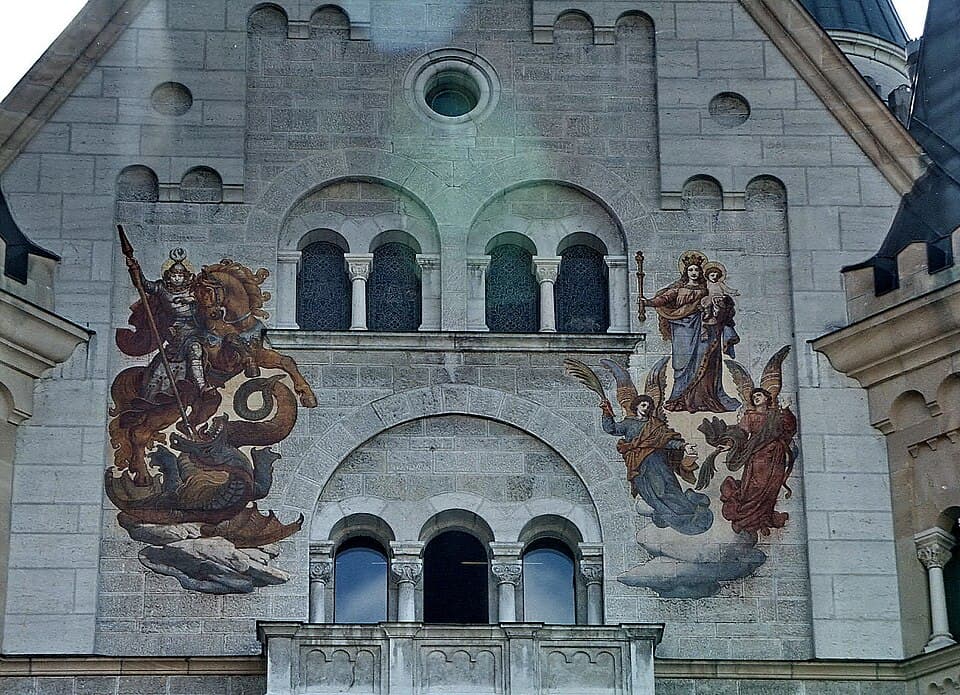
Mural of Saint George
On the facade of the palace, you are greeted by a large mural depicting Saint George in the midst of his legendary battle with the dragon. This image was deeply significant to King Ludwig II. Saint George was the patron saint of the Order of the Knights of Saint George, a chivalric order that Ludwig revitalized and took very seriously. For the King, Saint George was the ultimate symbol of the medieval knight: brave, pure, and dedicated to a holy cause. Ludwig saw himself in a similar light, a guardian of traditional values and the arts in an era he felt was increasingly materialistic and soulless. The mural represents the victory of good over evil, or in Ludwig's romanticized view, the triumph of noble chivalry over the 'dragon' of modern industrial society. The painting style is typical of nineteenth-century historicism, looking back to the art of the Middle Ages while using modern techniques for durability. Placing such a prominent image on the exterior of the building was a way for Ludwig to publicly state the purpose of his castle. It was not just a home; it was a sanctuary for the knightly ideals of a bygone age. As you look at the dynamic scene, notice the detail in the dragon’s scales and the knight’s gleaming armor—all designed to transport the viewer into the world of German legend.
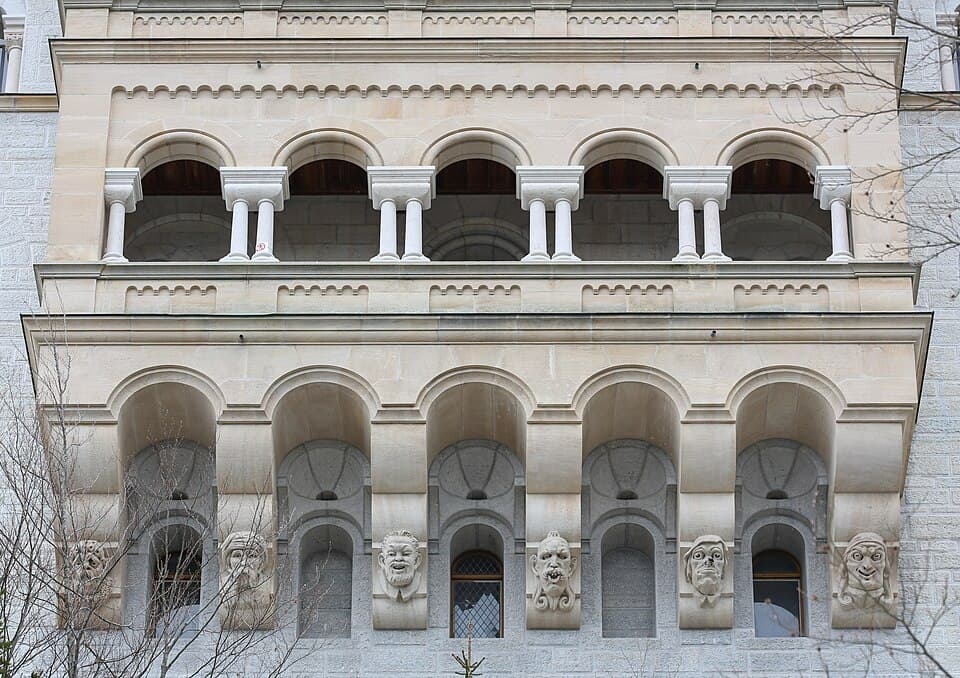
Palace Arcades
As we look closer at the palace walls from the courtyard, notice the elegant Romanesque arcades. These rows of arches, supported by slender columns, are a classic feature of the style Ludwig admired so much. If you look up toward the balconies, you might also spot various grotesque stone heads peering down. These carvings are typical of medieval architecture, often serving as decorative waterspouts or symbolic protectors of the building. While these features give the castle a centuries-old appearance, the reality of its construction was quite different. Despite the medieval look, Neuschwanstein was built using the most modern nineteenth-century methods. Beneath that picturesque surface lies a core of modern brick. The outer 'skin' of the castle is made of light-colored limestone, much of which was sourced from nearby quarries. This blend of old-world aesthetics and new-world technology is what makes Neuschwanstein a masterpiece of its era. Ludwig wanted the beauty of the past but utilized the efficiency of the present to achieve it. The use of brick and iron allowed for much faster construction and taller structures than traditional stone-only methods would have permitted. These arcades and decorative elements are the 'costume' of the building, carefully crafted to hide its modern skeleton and fulfill the King’s vision of a timeless fairytale palace.
The Throne Room
A MUST-SEE Byzantine-style hall. This floor-to-ceiling masterpiece lacks a physical throne, emphasizing Ludwig's spiritual view of kingship.
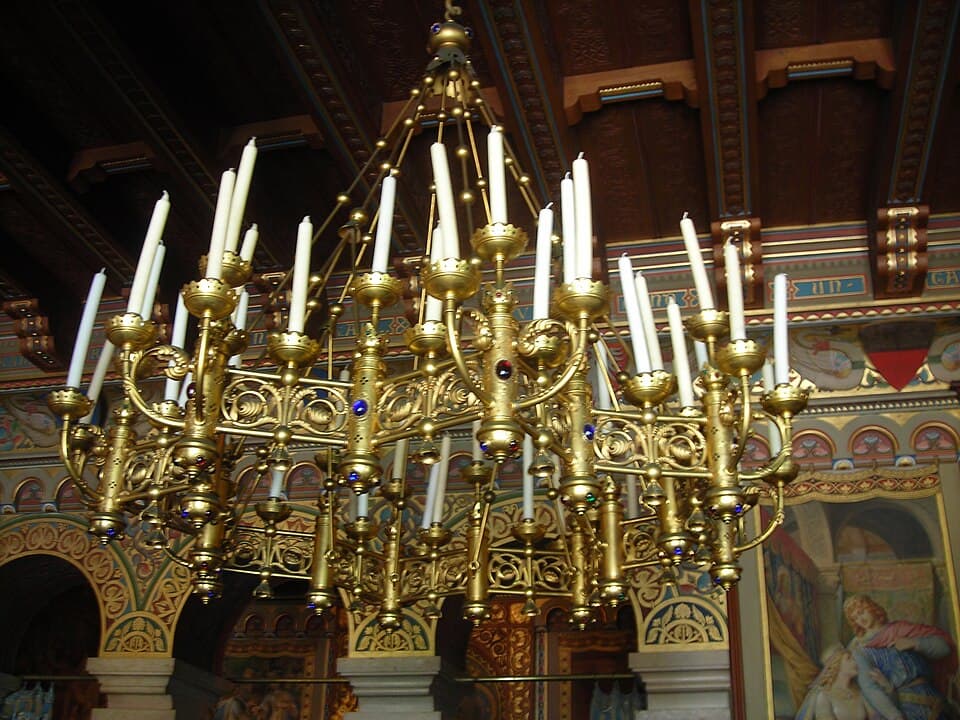
The Byzantine Chandelier
Suspended from the ceiling of the Throne Room is one of the castle's most magnificent artifacts: a massive chandelier that stands four meters high. Its design is shaped like a giant crown, a direct symbol of the royal authority that the room was built to celebrate. This impressive piece was crafted from gilded copper and is lavishly decorated with glass stones that catch the light from every angle. The chandelier was designed to be functional as well as beautiful. It originally held 96 candles, and you can imagine the warm, flickering glow they would have cast across the golden murals and mosaic floor below. This lighting would have significantly enhanced the sacred and mystical atmosphere of the room during evening hours. To create such a large and heavy object and suspend it safely required significant engineering. The gilded copper provided the appearance of gold without the excessive weight, while the intricate metalwork allowed for the delicate, crown-like patterns. This chandelier is a perfect example of how Ludwig used high-quality materials and historical design to create a sense of timeless majesty. It draws the eye upward, completing the visual journey from the earthly floor to the celestial ceiling, and serves as a literal and figurative light at the center of the King's most important ceremonial space.
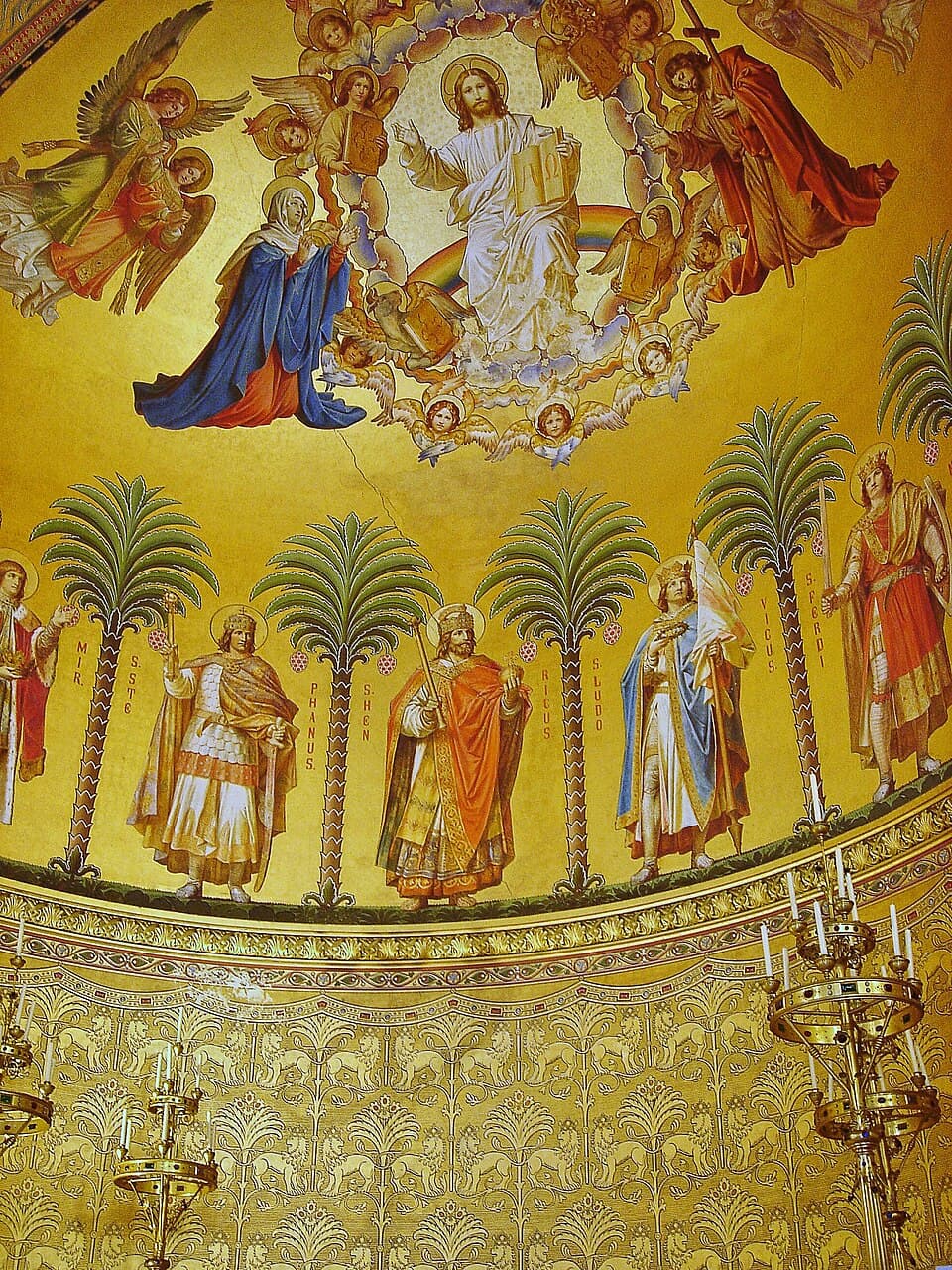
The Golden Apse
Dominating the end of the Throne Room is the Golden Apse, a space that feels more like a cathedral than a secular palace. The style here is distinctly Byzantine, inspired by the great churches of Constantinople and the court of the Holy Roman Empire. The walls are covered in shimmering gold backgrounds, creating a sacred atmosphere that was meant to elevate the King’s status. Notice the figures painted within the gold. These are the six canonized kings of Europe, including Saint Louis of France and Saint Stephen of Hungary. They represent Ludwig's spiritual connection to the great rulers of the past. He saw himself as part of this lineage of 'sacred' kingship, chosen by God to lead his people. Perhaps the most striking thing about this 'Throne Room' is that it is missing its most important piece: a physical throne. Although a magnificent chair made of gold and ivory was planned for the platform in front of the apse, it was never completed due to the King’s death. Ludwig never sat on a throne in this room. However, for him, the throne was more of a spiritual concept than a physical object. The room itself functioned as a monument to his belief in kingship, a place where he could feel connected to the divine authority he believed he possessed, regardless of his actual political power.
The Royal Bedroom
A MUST-SEE masterpiece of Neo-Gothic woodcarving. This room is also where King Ludwig II was arrested in 1886.
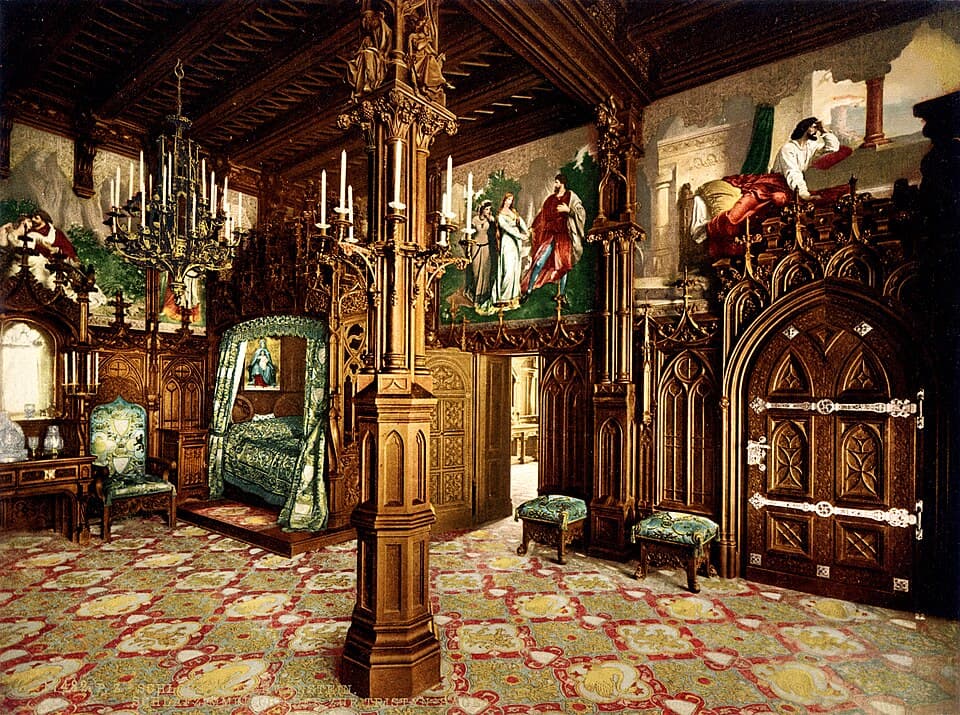
The Royal Bedroom
As we enter the Royal Bedroom, the style shifts dramatically from the Byzantine grandeur of the Throne Room to a deeply intimate and intricate Neo-Gothic world. The first thing you will notice is the extraordinary woodcarving that covers almost every surface. This room is considered a masterpiece of nineteenth-century craftsmanship, a testament to the King's obsession with detail. To complete the carvings in this single room, it took a team of fourteen master carvers over four years of continuous work. Every inch of the dark wood is alive with detail. Pay special attention to the state bed; its massive canopy is topped with a forest of delicate, soaring spires. These were not just random decorations; they were designed to resemble the towers of a great Gothic cathedral, reflecting Ludwig’s belief that his bedroom should be a sanctuary as sacred as a church. The depth and complexity of the carvings create a sense of being inside a carved jewel box. The legends depicted in the murals on the walls further enhance this feeling. For Ludwig, the bedroom was a place of deep personal retreat where he could surround himself with the artistic beauty and chivalric stories he loved. The sheer labor represented by these wooden walls shows just how far the King was willing to go to turn his inner fantasies into a physical reality.
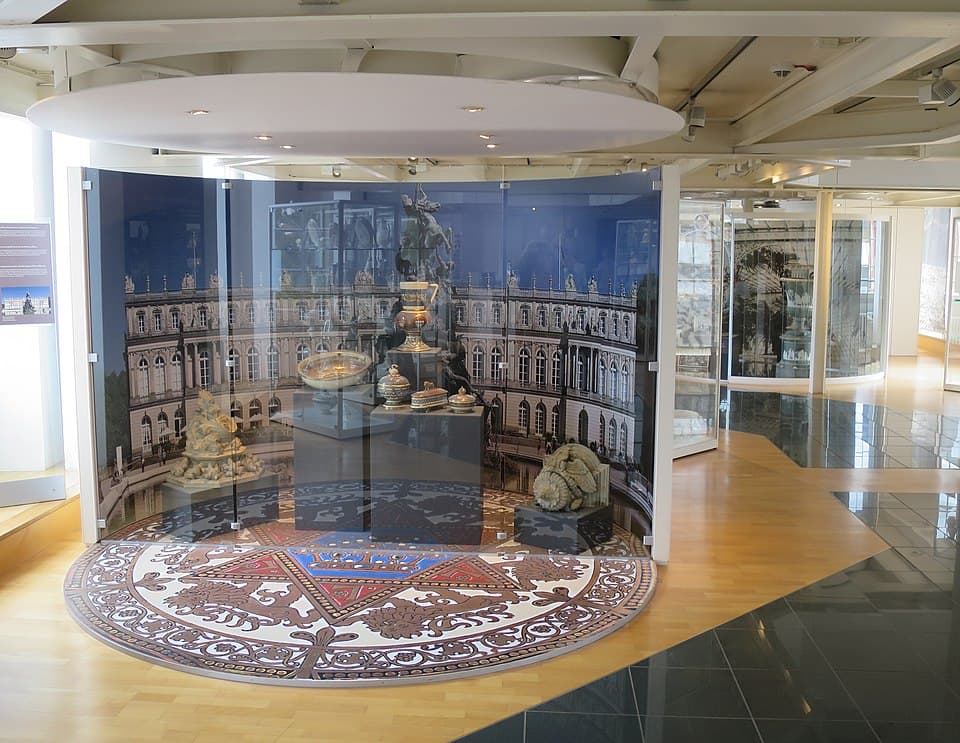
Royal Personal Effects
On display here are some of the personal effects that give us a rare glimpse into the daily life of King Ludwig II. One of the most notable items is the elaborate washing set, which includes a basin and pitcher designed with the same high level of artistry as the rest of the castle. These objects remind us that while the castle felt like a dream, it was a home for a living person. However, the reality of the King's life here was quite solitary. Despite the palace’s vast scale—covering over 6,000 square meters—Ludwig only ever inhabited a few finished rooms. He lived primarily in his bedroom, study, and the small living quarters on the third and fourth floors. Much of the rest of the castle remained an empty shell during his lifetime, with over 200 rooms planned but only about 15 truly completed and decorated. Ludwig was known to be a night owl, often sleeping during the day and spending his nights working or wandering through the finished halls by candlelight. This lifestyle, combined with his preference for dining alone using specialized service mechanisms, meant that his daily routine was far removed from the social bustle of a traditional court. These personal items are silent witnesses to the lonely existence of a man who built a palace for thousands but chose to live almost entirely within the confines of his own imagination.
The Royal Kitchen
A prime example of modern technology hidden in a medieval shell. Features advanced 19th-century equipment like heat-driven rotating spits.
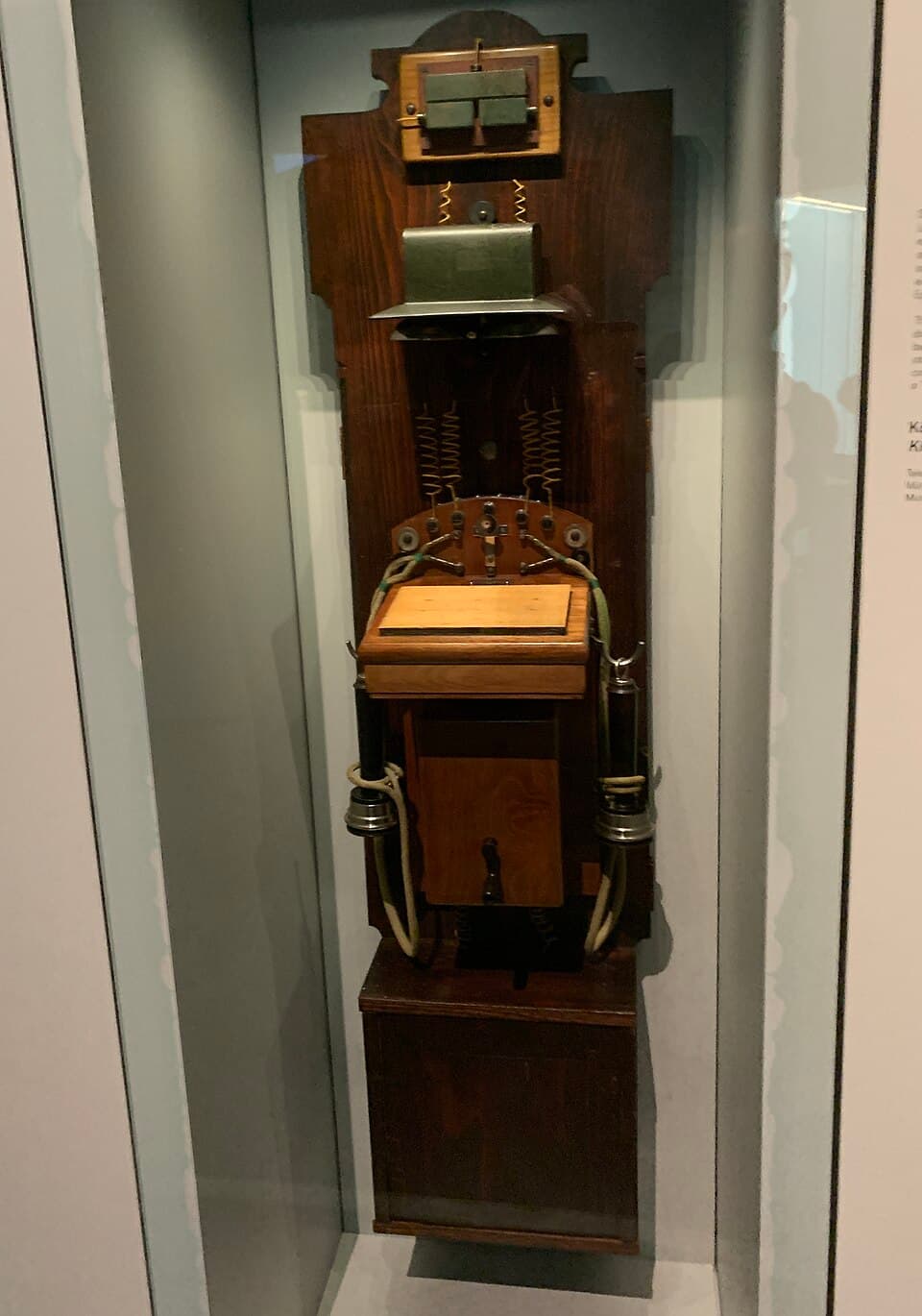
The Palace Telephone
It may seem incongruous to find a telephone in a castle designed to evoke the spirit of the thirteenth century, but King Ludwig II was an early adopter of communication technology. This device was part of a sophisticated network that connected Neuschwanstein to his other palaces, such as Linderhof and Hohenschwangau. It was one of the very first telephone lines established in Bavaria. In addition to the telephone, the castle was equipped with a battery-powered bell system that allowed the King to summon servants from any room, reflecting a high degree of technical planning. This modern communication system was essential for a monarch who spent much of his time in isolation, allowing him to manage his affairs and stay in contact with his government and architects without the need for constant face-to-face meetings. The presence of such technology underscores a central theme of Neuschwanstein: the use of modern industrial means to create a perfect, romanticized illusion of the past. Even as he retreated into his legends, the King remained tethered to the modern world through these wires and bells.
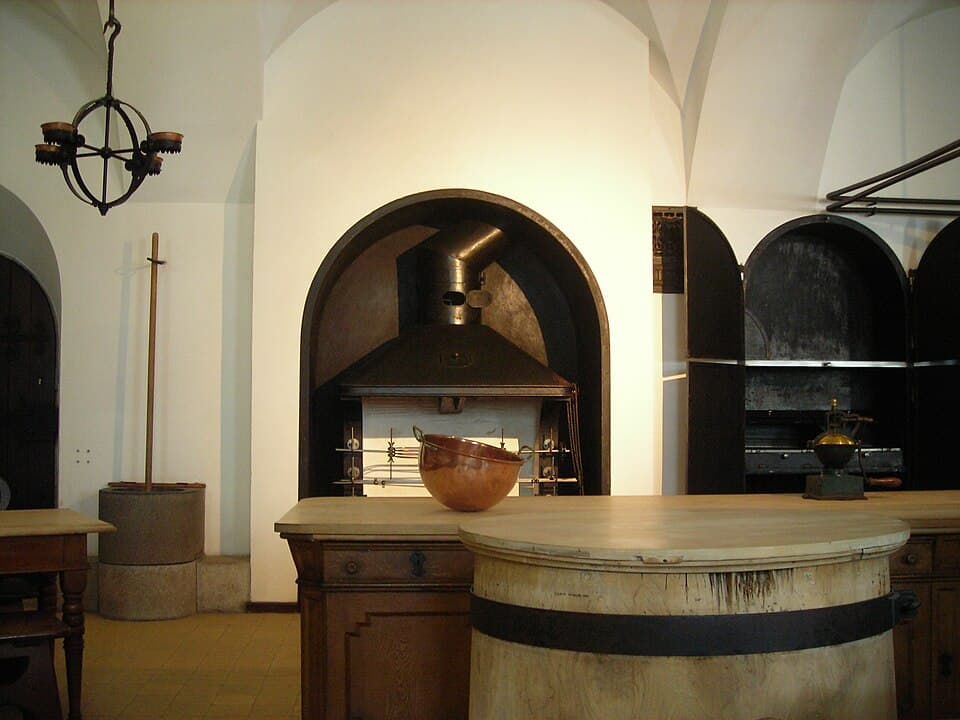
The High-Tech Kitchen
Stepping into the castle's kitchen reveals a world of nineteenth-century innovation that contradicts the medieval atmosphere of the upper floors. This was a state-of-the-art facility for its time. Notice the large ovens and the sophisticated rotisserie system. These roasting spits were actually heat-driven; as the hot air rose from the fire, it would turn a turbine that kept the meat rotating automatically, ensuring an even cook without manual labor. This kitchen also utilized a complex system of flues and chimneys to manage smoke and heat, keeping the work environment manageable for the staff. The commitment to modern convenience extended beyond the kitchen as well; Neuschwanstein was one of the first buildings in Germany to feature a centralized heating system and automatic flushing toilets, a luxury that was almost unheard of in the 1880s. These features demonstrate that while King Ludwig II lived in a world of historical fantasy, he was more than willing to embrace the cutting-edge technology of the Industrial Revolution to make his private refuge as comfortable and efficient as possible.
The Fairytale Legacy
A concluding look at the castle's global impact and its UNESCO World Heritage status. Reflects on the 'Fairytale King's' enduring vision.
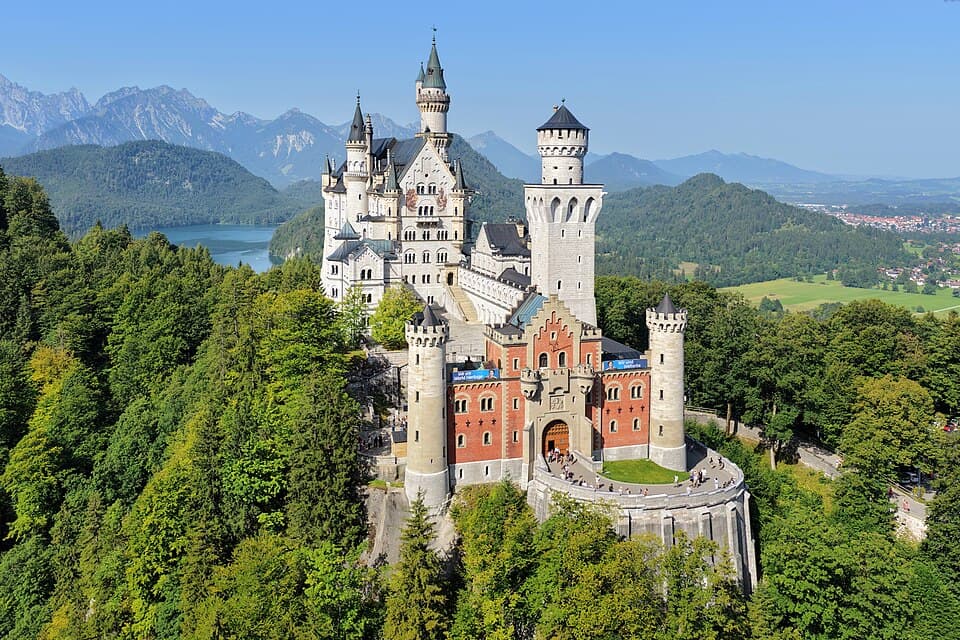
The Castle in the Alps
Standing here and looking at the castle set against the dramatic backdrop of the Alps, it is easy to understand its enduring appeal. Neuschwanstein has become one of the most photographed and recognized buildings on earth. Every year, it draws approximately 1.5 million visitors from across the globe, with as many as 6,000 guests passing through its gates every single day during the peak summer months. It is a testament to the power of imagination and the human desire for beauty and legend. While the King was criticized in his own time for his excessive spending and his withdrawal from reality, his legacy has become a major cultural and economic asset for Bavaria. The castle stands as a permanent fixture of the landscape, a dream made manifest in stone and mortar. It continues to fulfill Ludwig’s wish to create 'the most beautiful place on earth,' even if he did not live to see it finished. From this distance, the individual details of the rooms fade, and you are left with the sheer, iconic silhouette that has inspired everything from opera sets to theme park castles.
Want to hear the rest?
Download the Stanza app to unlock all 29 stops and full GPS-guided navigation.
Frequently Asked Questions
How long does the Schloss Neuschwanstein audio tour take?
The Schloss Neuschwanstein audio guide includes 29 narrated stops. Most visitors spend 45 minutes to 1.5 hours exploring the complete tour, though you can listen at your own pace and skip or revisit any stop.
Is the Schloss Neuschwanstein audio guide available in my language?
Stanza supports 15 languages: English, Spanish, French, German, Italian, Portuguese, Russian, Japanese, Chinese, Korean, Arabic, Hindi, Polish, Dutch, Hebrew. Check the guide in the app to confirm the languages currently available for this tour.
Can I use the audio guide offline at Schloss Neuschwanstein?
Yes! Download the complete Schloss Neuschwanstein tour — including all audio, maps, and images — before your visit. The Stanza app works completely offline, so you don't need WiFi or mobile data at the venue.
How much does the Schloss Neuschwanstein audio guide cost?
The Stanza app is free to download. The current listed price for the Schloss Neuschwanstein audio guide is $4.99; app-store region and currency may affect the final price.
How do I use the Stanza audio guide at Schloss Neuschwanstein?
Download the free Stanza app, search for "Schloss Neuschwanstein", and download the tour. When you arrive at the venue, the app uses GPS to detect your location and automatically plays the relevant narration as you move between points of interest — completely hands-free.
What makes the Stanza audio guide different from other Schloss Neuschwanstein tours?
Stanza offers GPS-triggered narration that plays automatically as you walk through Schloss Neuschwanstein — no need to manually select stops. The tour is available in 15 languages, works fully offline, and includes 29 expertly narrated stops with images and historical context.
What other audio guides are available near Schloss Neuschwanstein?
Stanza offers multiple audio guides in Hohenschwangau, Germany and nearby areas. After downloading the app, browse the map to discover all available tours near Schloss Neuschwanstein. Each guide can be downloaded for offline use.