Stanza · Audio guide
Cipők a Duna-partonAudio guide
A place to remember. A story to take with you.
This poignant memorial in Budapest commemorates the Jewish victims who were shot into the Danube by Arrow Cross militiamen during World War II. It consists of 60 pairs of iron shoes from the 1940s, left on…
Download Stanza, then search for “Cipők a Duna-parton”.
About the tour
One guide. Your kind of visit.
This poignant memorial in Budapest commemorates the Jewish victims who were shot into the Danube by Arrow Cross militiamen during World War II. It consists of 60 pairs of iron shoes from the 1940s, left on the bank as if their owners had just stepped out of them.
Ready when you are.
- 01Get the free Stanza app.
iOS & Android
- 02Find your guide.
“Cipők a Duna-parton”
- 03Download before you go.
Works offline
Audio guide / 14 narrated stops
Inside the guide
Get to know a few of the stories before you go. Open a stop to read more.
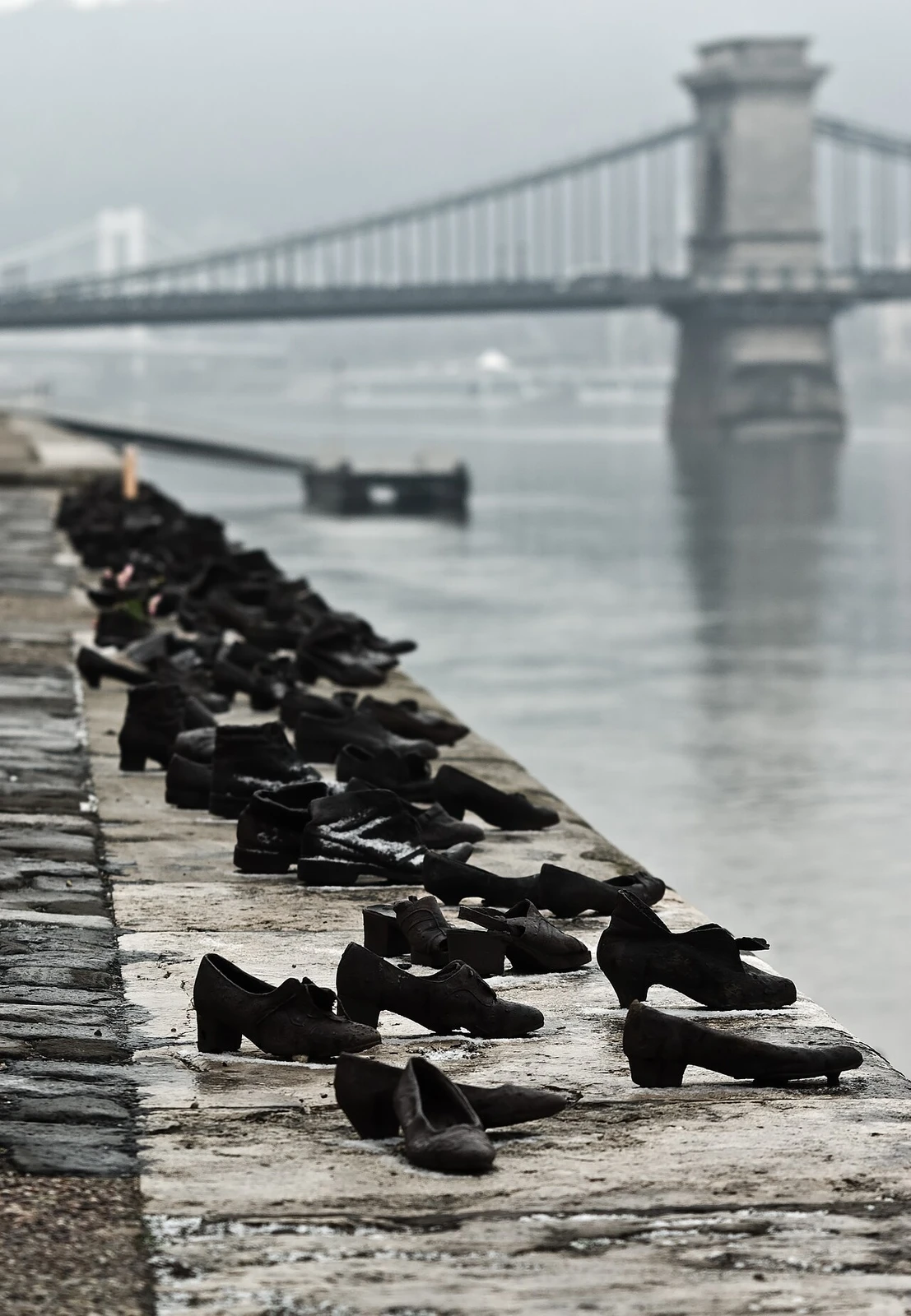
01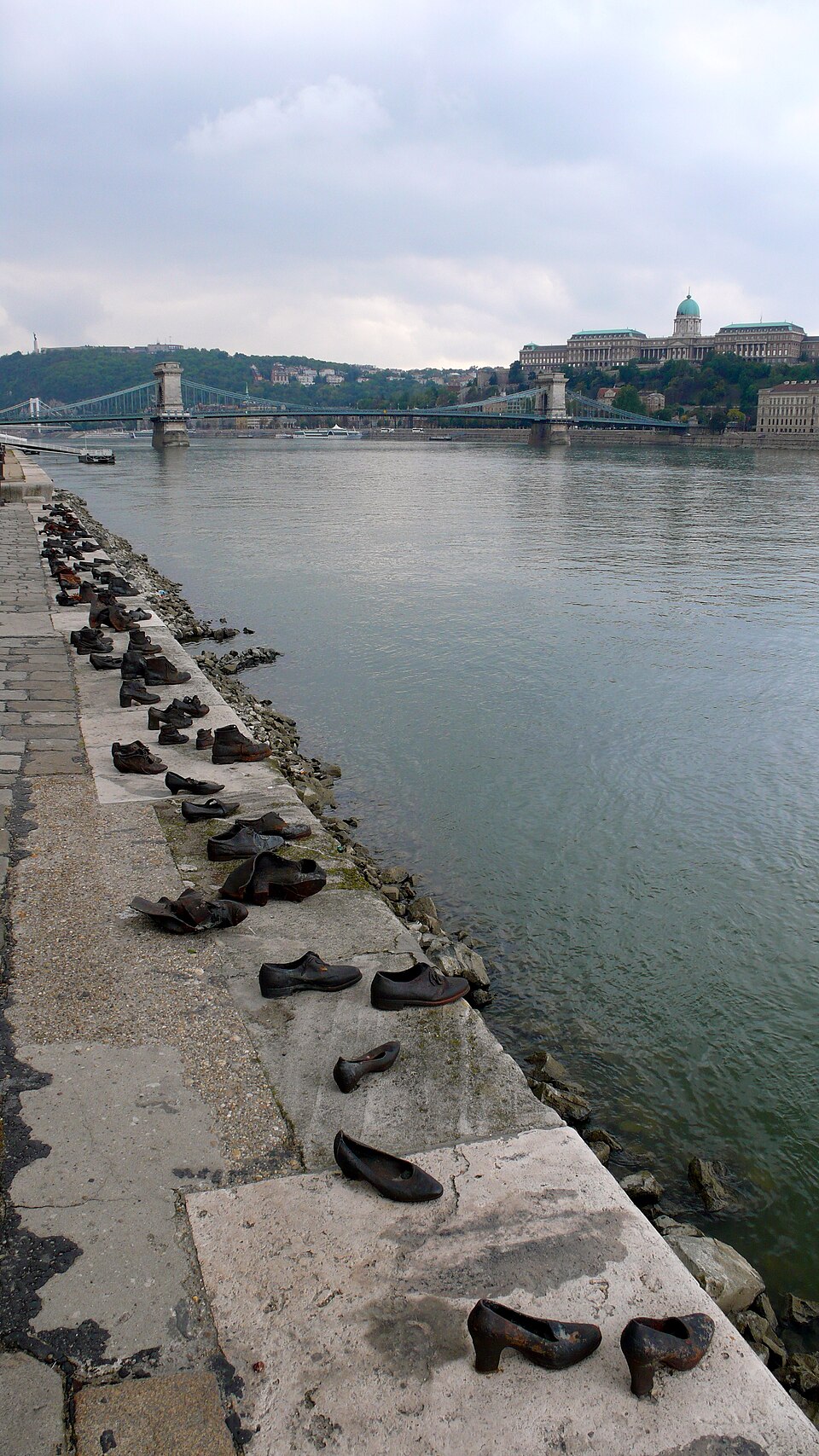 Arrival at the Danube PromenadeView from the Promenade
Welcome to one of the most powerful memorials in the world. Spanning forty meters along the Pest side of the Danube, this installation creates a haunting silhouette against the river’s edge. Conceived by film director Can Togay and realized by sculptor Gyula Pauer, it honors the victims who lost their lives on these banks during the final years of World War II. The monument consists of sixty pairs of period-appropriate shoes, each one meticulously crafted from iron. Unlike traditional statues that stand on pedestals, these objects rest directly on the pavement, inviting you to walk among them. By choosing the humble shoe as the central symbol, the artists transformed a common everyday item into a profound statement on loss and the sudden interruption of human life. This site has become a pilgrimage point for visitors from across the globe, serving as a silent, unmoving witness to the city's past. As you look out over the water, consider how these sixty pairs represent thousands of individual stories that were silenced forever on this very embankment.
Cebete · CC BY 2.0
02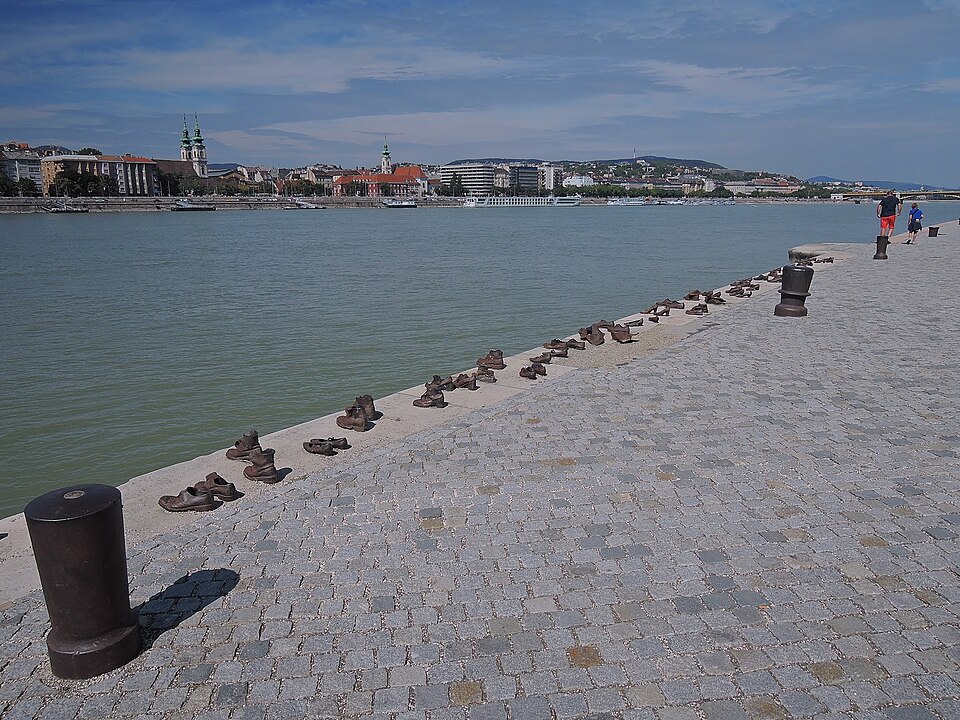 Arrival at the Danube PromenadeThe Iron Embankment
The physical layout of the monument is as significant as the sculptures themselves. Stretched thin along the stone embankment, the sixty pairs of shoes lead your eye down the curve of the Danube. To provide a space for visitors to pause, a seventy-centimeter-high stone bench runs parallel to the shoes. This architectural feature serves as more than just seating; it creates a defined space for reflection, separating the memorial from the bustle of the city promenade. The bench invites you to sit, look toward the water, and engage with the installation at eye level. By placing the shoes directly on the rough stone of the embankment, the artists integrated the art into the actual site where the history unfolded. The proximity to the water's edge is intentional, reminding everyone who visits that the river itself was the final destination for those who were once wearing these shoes. This simple arrangement of stone and iron creates a powerful environment for mourning and education.
IIya Kuzhekin · CC BY 3.0
03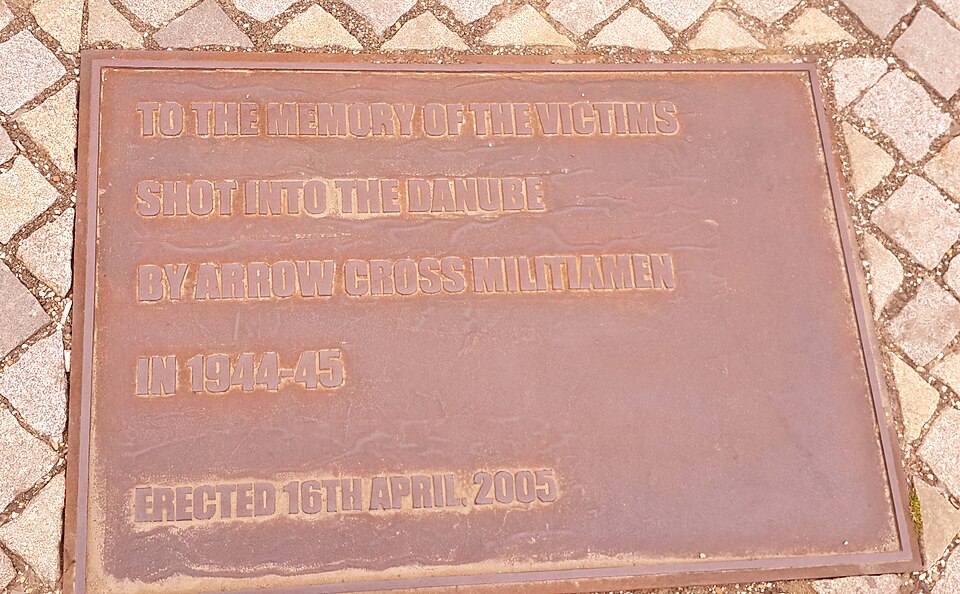 The Memorial PlaquesThe English Plaque
The dedication text on this plaque serves as the official voice of the memorial. It was inaugurated on April 16, 2005, a date chosen specifically to mark the sixtieth anniversary of the Holocaust in Hungary. The inscription is dedicated to the memory of the victims who were shot into the Danube by the Arrow Cross militiamen during the winter of 1944 and 1945. It honors the 3,500 people who met their end here, a group that included approximately 800 Jews who were targeted for their faith. This plaque transforms the artistic installation into an undeniable historical record. It names the perpetrators and the period of time, ensuring that the specific context of these crimes is never lost or forgotten. By reading these words, visitors move from the abstract feeling of the empty shoes to a concrete understanding of the scale of the atrocity. It is a somber reminder that the beauty of the riverbank was once the site of unimaginable state-sponsored violence against innocent civilians.
Listen in the appMeni yuzevich at Hebrew Wikipedia · CC BY-SA 3.0
04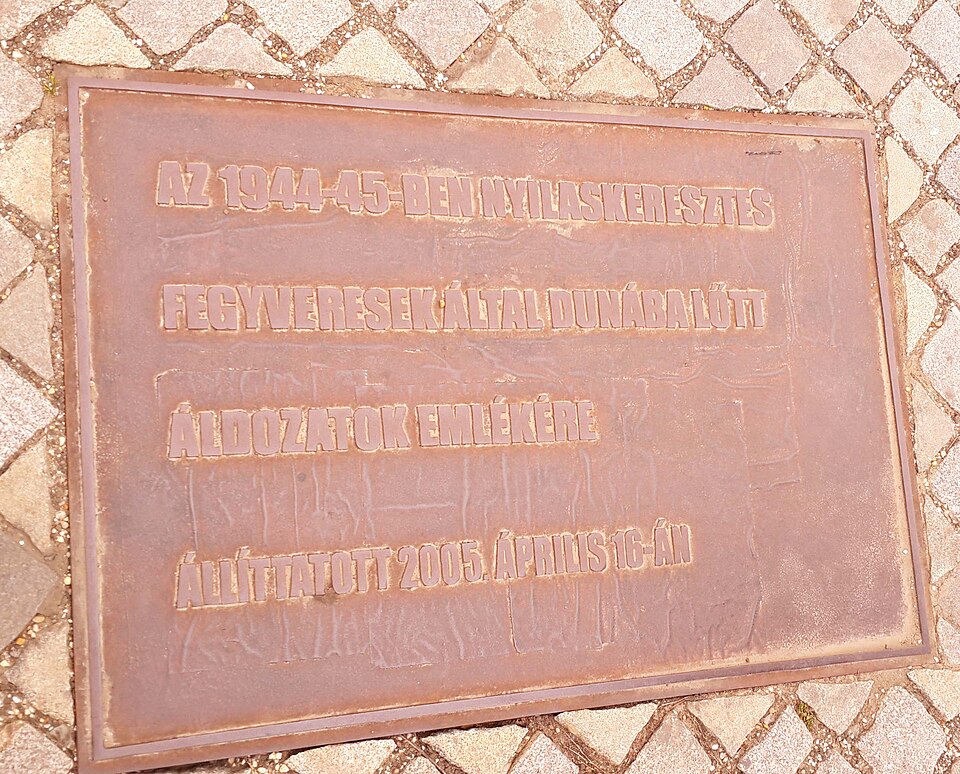 The Memorial PlaquesThe Hungarian Dedication
Notice the three cast iron signs installed at intervals along the memorial. They carry the same weight of history in Hungarian, English, and Hebrew, ensuring the message reaches a global audience while honoring the victims' primary languages. These plaques explain that the atrocities occurred during the desperate final months of the war, specifically the winter of 1944 and 1945. During this time, the fascist Arrow Cross militia conducted mass executions at the river's edge. Because the Danube flows year-round, even in the depths of winter, the militia used it as a convenient way to dispose of bodies, forcing people to stand on the very edge of the bank before being shot. The signs act as an anchor for the memorial, rooting the rusted iron shoes in a specific, harrowing era of Hungarian history. They describe a time when the rule of law had collapsed, replaced by the unchecked brutality of a militia that targeted their own fellow citizens in the heart of the capital city.
Listen in the appMeni yuzevich at Hebrew Wikipedia · CC BY-SA 3.0
05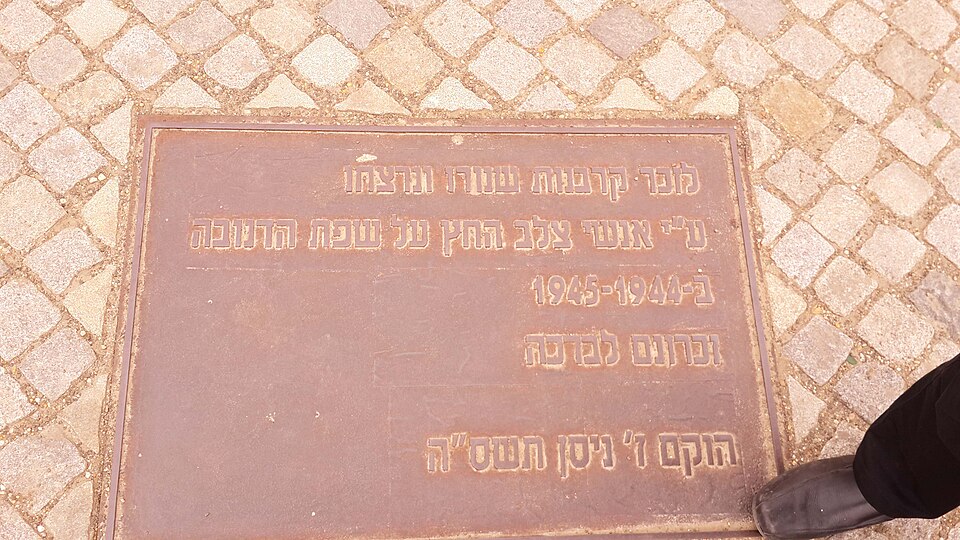 The Memorial PlaquesThe Hebrew Plaque
This plaque emphasizes the Jewish context of this memorial site and commemorates a rare moment of survival amidst the tragedy. While thousands were lost, history also remembers the events of January 8, 1945. On that day, a group of 154 people was being led to this very riverbank for execution. They were saved at the final moment through the heroic efforts of rescuers Károly Szabó and Pál Szalai. Szabó, a clerk at the Swedish Embassy, and Szalai, a high-ranking police officer, worked together to intercept the group and prevent the slaughter. Their actions stand as a testament to the power of individual courage in the face of systemic evil. The presence of the Hebrew text acknowledges the deep impact of the Holocaust on the Jewish community of Budapest, for whom this site remains a place of profound mourning. It connects the silent shoes on the bank to the living descendants of those who survived, reminding us that even in the darkest chapters of history, there were those who risked everything to protect human life.
Listen in the appMeni yuzevich at Hebrew Wikipedia · CC BY-SA 3.0
06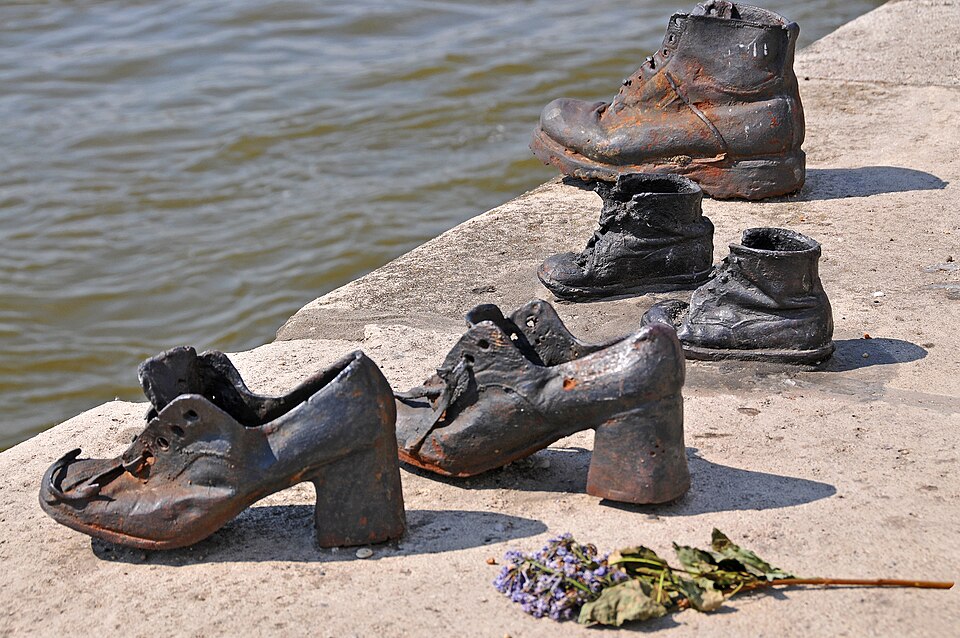 The Symbolism of AbandonmentA Woman’s Heels
As you examine the detail of the women's shoes, you may notice their delicate heels and elegant shapes. These weren't just random sculptures; they were modeled after the real footwear of the 1940s. There is a chilling reason why the victims were left without their shoes. In the winter of 1944, footwear was an extremely valuable commodity due to wartime shortages. Before being shot into the river, victims were ordered by the Arrow Cross militia to remove their shoes and any other clothing of value. The militia intended to gather these items and resell them for profit after the executions were complete. Seeing these elegant heels today evokes a sense of the domestic, everyday lives the women were leading before they were dragged to the river. The shoes represent the humanity of the individuals, standing in stark contrast to the cold, transactional logic of their murderers. Each empty shoe suggests a person who was once getting dressed for work, a walk, or a social gathering, never imagining their footwear would outlive them in this tragic way.
Listen in the appDennis G. Jarvis · CC BY-SA 2.0
07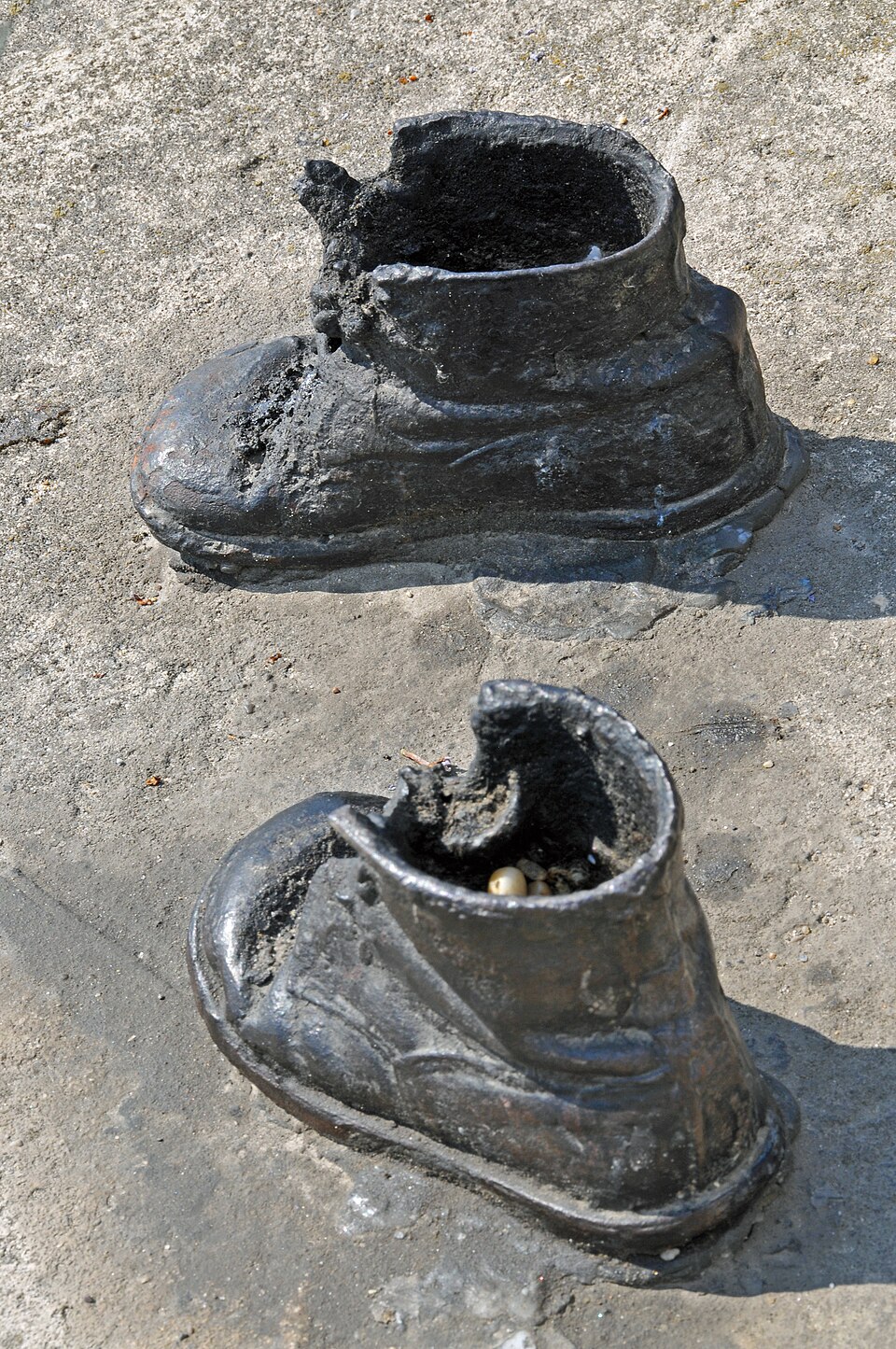 The Symbolism of AbandonmentA Child’s Tiny Boots
Among the dozens of shoes, the most heartbreaking are the smallest ones—the tiny boots and sandals belonging to children. These miniature sculptures emphasize that the victims of the Arrow Cross militia included people from all walks of life, including the most innocent and vulnerable. The sculptor, Gyula Pauer, chose to use iron for the entire installation, allowing the metal to rust over time. This weathered, orange-brown patina matches the era and gives the shoes a heavy, permanent quality. By leaving the shoes empty, the artist makes the absence of the children feel tangible. You can almost imagine the small feet that once filled these boots. The rust mimics the decay of time, but the solid iron ensures that the memory remains indestructible. These tiny shoes stand as a powerful rebuke to the ideology that fueled the violence, reminding every passerby that the loss of a child is a universal tragedy that transcends politics or borders. They are a silent, heavy presence on the stone embankment.
Listen in the appDennis G. Jarvis · CC BY-SA 2.0
08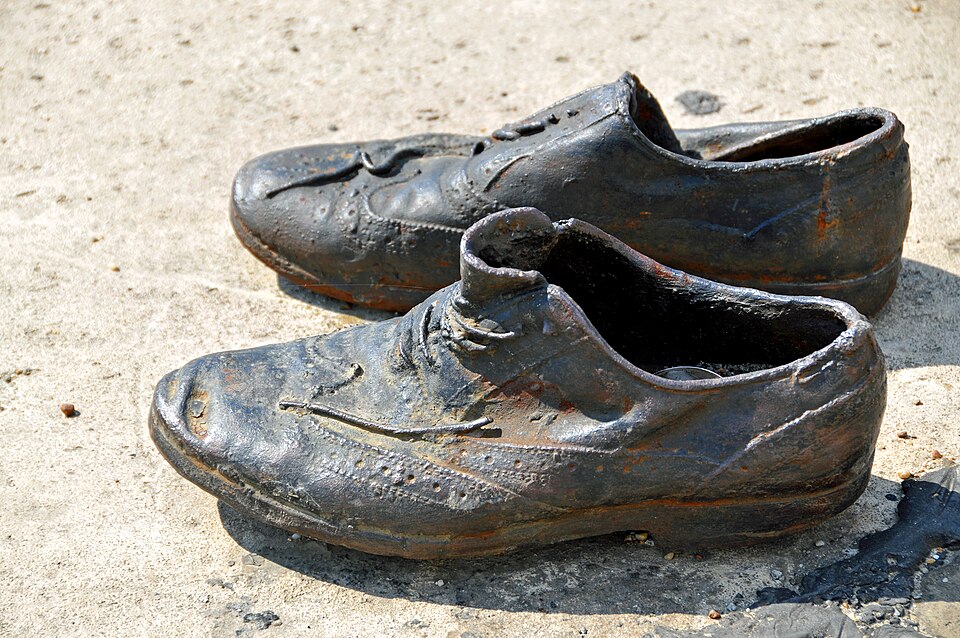 The Symbolism of AbandonmentA Man’s Dress Shoes
The craftsmanship of these shoes is remarkable, with the iron capturing the intricate textures of worn leather, creased toes, and even the frayed ends of laces. This level of detail was a deliberate choice by the sculptor to make the shoes look like they were recently discarded. The conceptual inspiration for the memorial came partly from the 1955 film 'Budapesti Tavasz' or 'Spring in Budapest.' In a poignant scene from the movie, a character finds abandoned shoes along the riverbank after the city's liberation, a visual shorthand for the lives that had been swept away by the current. By recreating these 'cinematic' shoes in three dimensions, the artists have brought a powerful image from fiction into the real world. These men's dress shoes, some well-worn and others more formal, represent the fathers, sons, and brothers who were taken from the city. The detail in the iron invites you to look closely, perhaps noticing a heel worn down on one side or a tongue that has flopped forward, adding a deeply personal touch to the collective memorial.
Listen in the appDennis G. Jarvis · CC BY-SA 2.0
09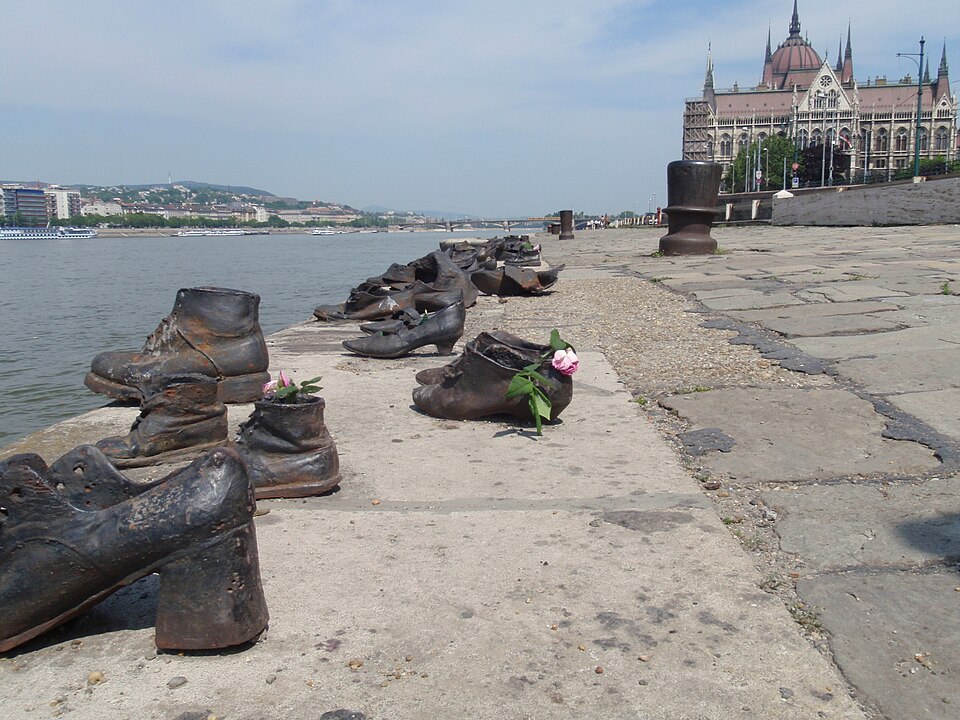 The Arrow Cross TerrorShadow of the Parliament
Take a moment to look toward the north, where the magnificent neo-Gothic towers of the Hungarian Parliament building rise just three hundred meters away. This proximity is one of the most chilling aspects of the memorial. While the Parliament stood as the symbol of supreme political power and the rule of law, the riverbank just a few minutes' walk away was the site of brutal, unchecked violence. During the reign of the Arrow Cross militia, the distance between the halls of government and the site of mass murder was agonizingly short. This geographic reality raises haunting questions about how such atrocities could occur in the shadow of the nation’s highest institution. The grand architecture of the city, with its domes and spires, stands in stark contrast to the rusted iron shoes on the rough stone embankment. It serves as a permanent reminder that even in a city of great culture and political sophistication, the safeguards of civilization can fail, leading to the darkest chapters of human history occurring in plain sight.
Listen in the appPhoto: Cachaves · CC BY-SA 3.0
10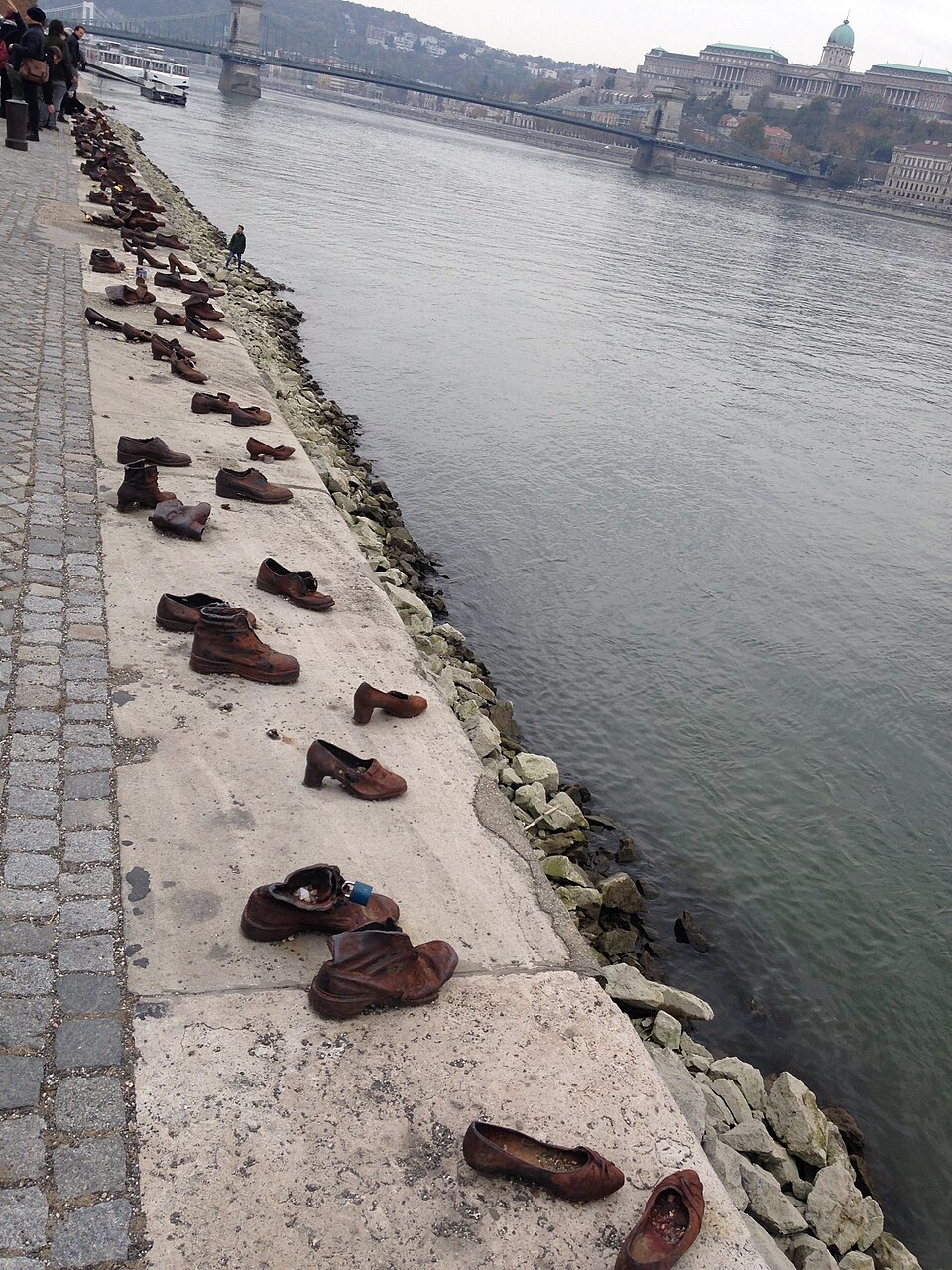 The Arrow Cross TerrorThe Line of Absence
As you walk along the embankment, let your gaze follow the long line of shoes that seems to trail off into the distance. There are exactly sixty pairs in total, purposefully arranged to look as though they were just stepped out of moments ago. Some are placed neatly together, while others are scattered or turned at odd angles, suggesting the suddenness and chaos of the militia's actions. This intentional spacing creates a 'line of absence,' where the space where a person should be is the most prominent feature of the art. The 'abandoned' look of the shoes is a powerful storytelling tool; it implies a narrative of people being forced to stop in their tracks, leave their possessions behind, and face their final moments. The length of the installation—forty meters—forces you to walk beside it, experiencing the scale of the loss step by step. This arrangement ensures that the memorial is not just something you look at, but something you move through, making the historical reality of the mass executions feel more immediate and personal.
Listen in the appPhoto: Yamen · CC BY-SA 4.0
Cipők a Duna-parton
Frequently asked questions
How much does the guide cost?
Free app download. Listed guide price: $0.99. Guide price shown in the app. Audio guide only. Venue admission is separate.
Can I listen without internet?
Yes. Download the guide’s audio, images, and maps in the app before your visit. Your downloaded content is then available offline.
Can I listen in my language?
Stanza supports 15 languages. Check the app for the languages available for this guide.
Do I need to follow a schedule?
No. This is a self-guided experience. Choose your stops, pause whenever you like, and return to a story at your own pace.
At your own pace
Explore Cipők a Duna-parton.
Download Stanza, then search for “Cipők a Duna-parton”.
Free app download · Guide price shown in the app
Keep exploring
Nearby audio guides
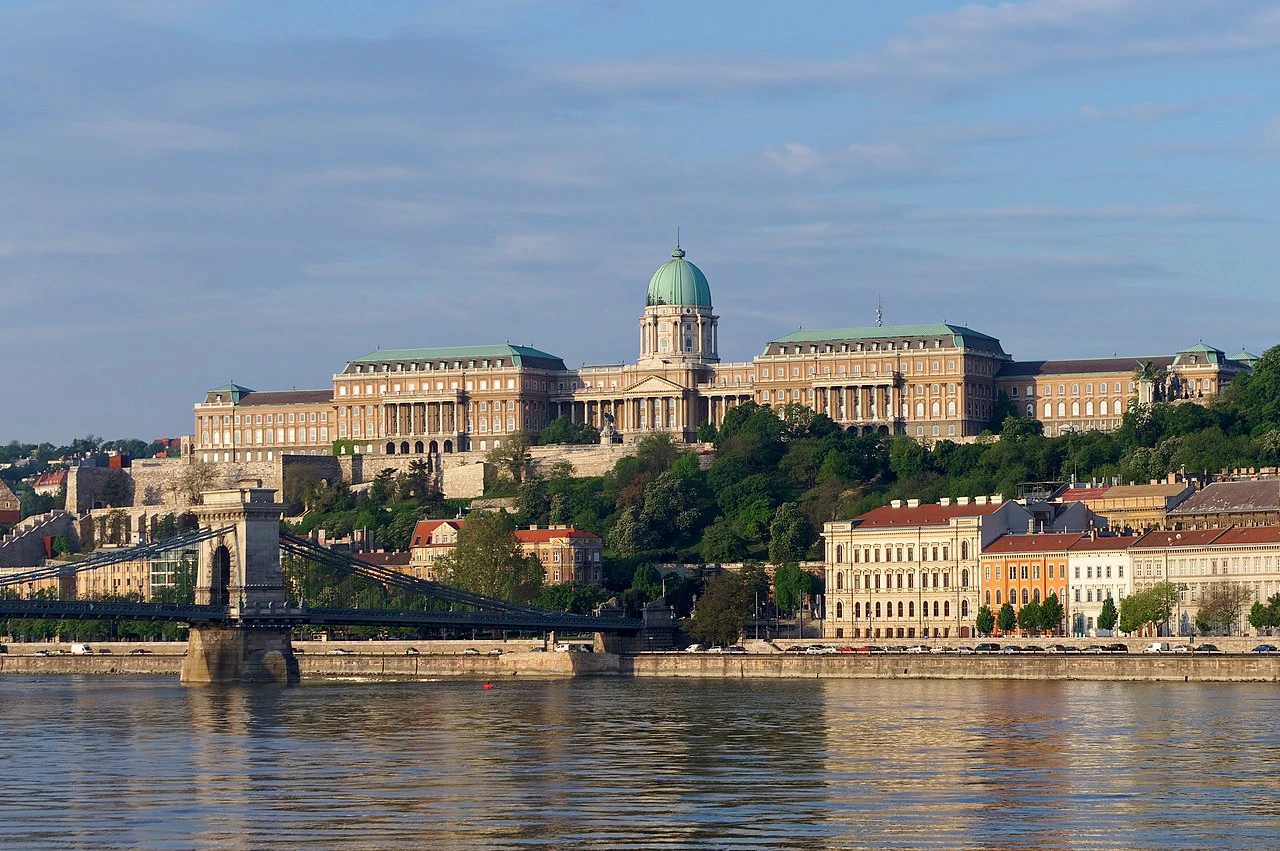
Budapest
Budavári Palota
Content & sources
Jakub Hałun · CC BY-SA 4.0
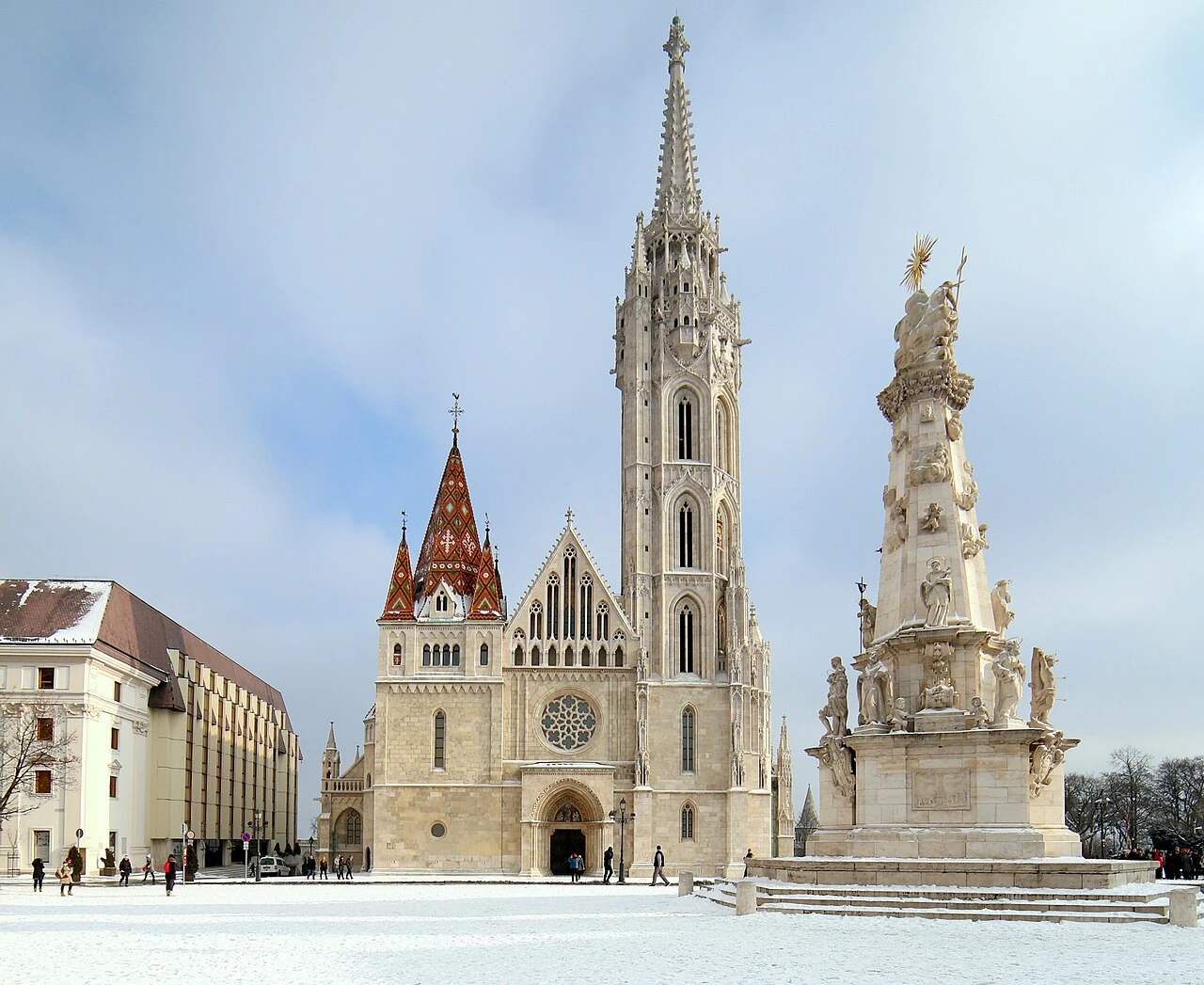
Budapest
Mátyás-templom
Content & sources
Photo: Thaler Tamas · CC BY-SA 4.0
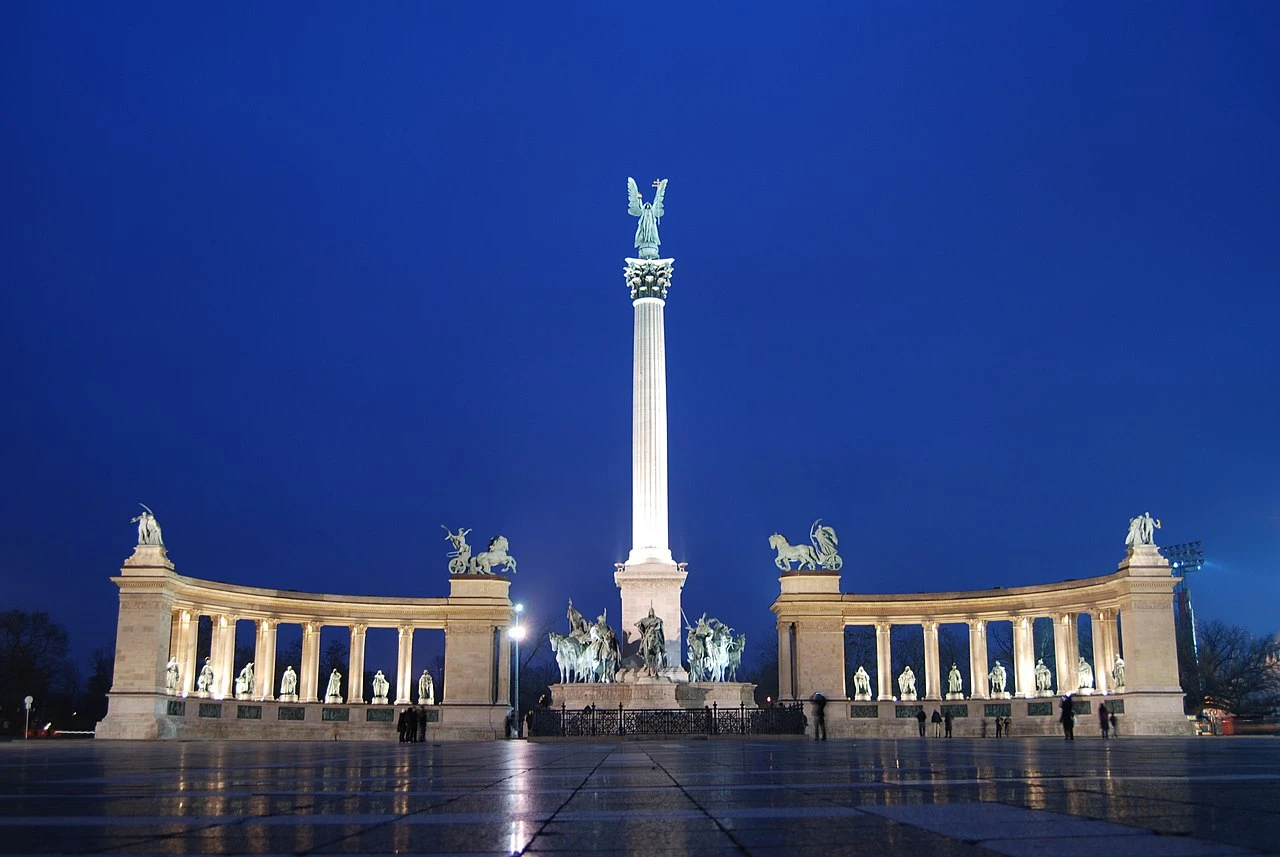
Budapest
Millenniumi emlékmű
Content & sources
Paul Mannix · CC BY 2.0