Stanza · Audio guide
Basilica of Bom Jesus Audio Guide
A place to remember. A story to take with you.
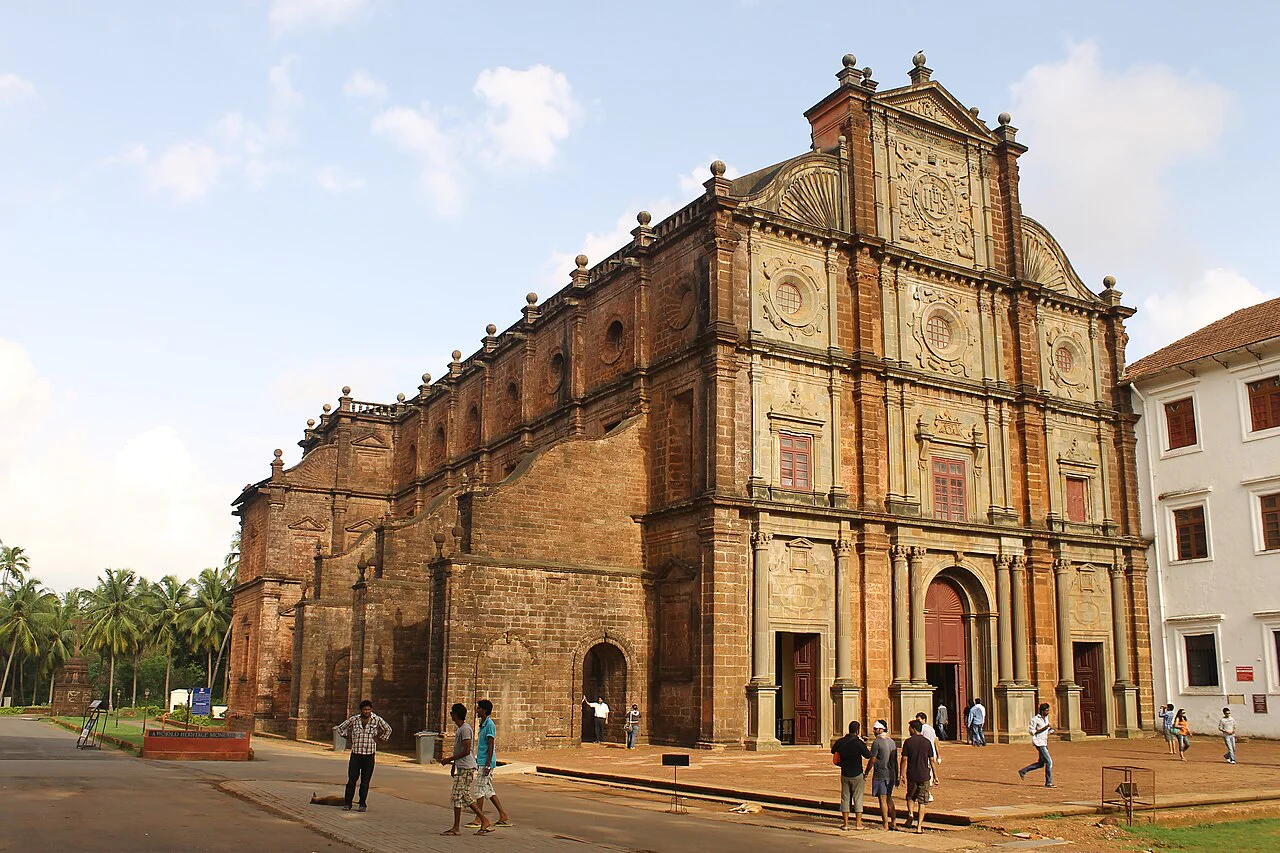
The Basilica of Bom Jesus is a Catholic basilica located in Old Goa, India. It is a pilgrimage centre and a UNESCO World Heritage Site that holds the body of St Francis Xavier.
Download Stanza, then search for “Basilica of Bom Jesus”.
About the tour
One guide. Your kind of visit.
The Basilica of Bom Jesus is a Catholic basilica located in Old Goa, India. It is a pilgrimage centre and a UNESCO World Heritage Site that holds the body of St Francis Xavier.
Ready when you are.
- 01Get the free Stanza app.
iOS & Android
- 02Find your guide.
“Basilica of Bom Jesus”
- 03Download before you go.
Works offline
Audio guide / 12 narrated stops
Inside the guide
Get to know a few of the stories before you go. Open a stop to read more.
01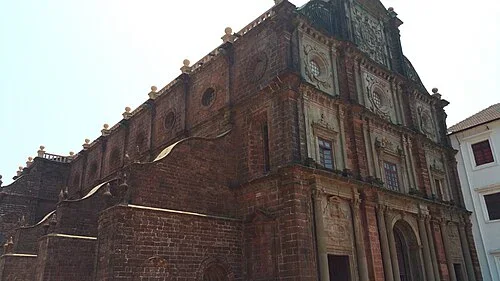 Tri-Tiered Laterite Facade
The Laterite Facade of the Basilica of Bom Jesus
Welcome to the Basilica of Bom Jesus, the Jesuits' church in Old Goa, once the capital of Portuguese India. This tour follows the building from its weathered front to the shrine at its heart. Work began in 1594, and the church was consecrated in May 1605 by the archbishop, Aleixo de Menezes. The dark reddish walls are laterite, a local stone left bare instead of plastered. That exposed stone gives the church its look, and it also needs constant care. The architectural historian Vishvesh Prabhakar Kandolkar, who has written a book devoted to this building, notes that it needs significant work to keep its structure sound. The world has taken notice all the same. UNESCO recognises the basilica as a World Heritage Site, and it ranks among the Seven Wonders of Portuguese Origin in the World. In 1946 a papal decree raised it to the rank of basilica. It was built to be worthy of the body of St Francis Xavier, which rests inside.
Photo: Sanju71821 · CC BY-SA 4.0
02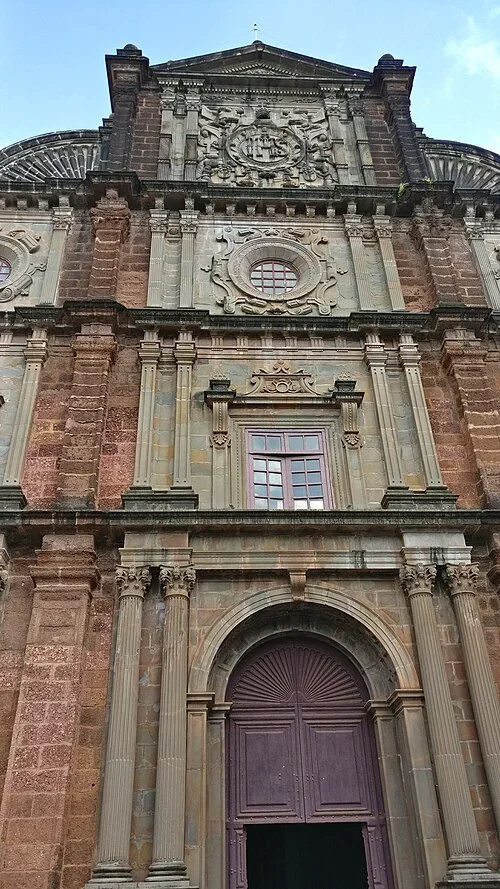 Carved Basalt Portal and IHS Emblem
The Basalt Portal and Facade Orders
The main entrance is framed in carved stone, dark and hard, and pilgrims have walked through this doorway for four centuries. The facade rises in tiers, each level dressed with the classical orders, the column styles that Renaissance architects borrowed from ancient Rome. Pilasters run up the corners, capitals crown them, and carved pediments close the levels above the windows and door. This stacking of orders was a favourite device of Baroque church builders, giving a flat wall the rhythm of a Roman monument. Every moulding and scroll here was cut by hand, and the deep shadows between the frames change with the light through the day. The doorway itself is deep and arched, with a heavy door set well back inside the frame. It is the threshold through which generations of visitors have passed on their way to the saint inside.
Jaysheel Utekar · CC BY-SA 4.0
03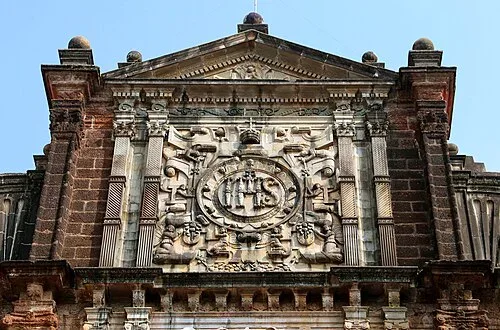 Carved Basalt Portal and IHS Emblem
The IHS Emblem of the Society of Jesus
High on the facade, in the carved pediment, sits a medallion with three letters: IHS. That monogram is the emblem of the Society of Jesus, the Jesuit order, and it proclaims who built this church. The name of the building says the same thing in Portuguese. Bom Jesus means Good Jesus, and in Portuguese-speaking lands that name was used for the Ecce Homo, the image of Christ presented to the people. So the dedication is a statement of identity, carved in stone above the entrance and spoken in the church's very name. The Jesuits were the great missionary order of their day, and this was their church in the capital of Portuguese India. The same three letters return inside, at the climax of the high altar.
Listen in the appPhoto: Sailko · CC BY 3.0
04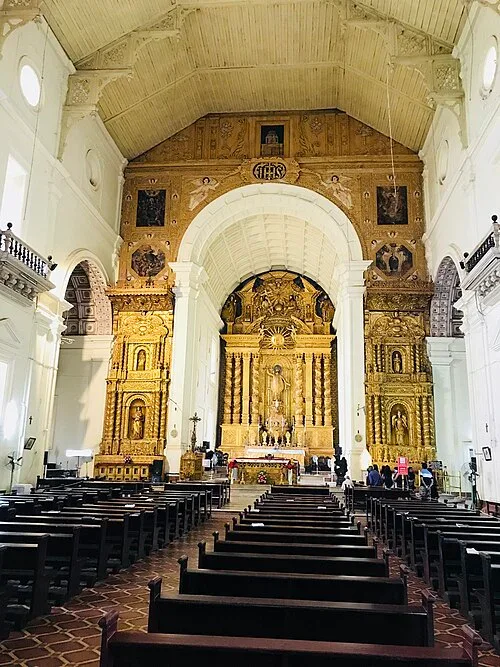 Central Nave and Single-Hall Design
The Single Nave
Inside, the church is one vast hall rather than a maze of side chapels. Rows of dark wooden pews run down a single open space, and nothing blocks the view towards the sanctuary. Every seat has a clear line to the altar, and the pale wooden ceiling spans the whole width above. This single-nave plan was the shape Jesuit churches of that era favoured, because it was built for preaching. The Counter-Reformation church wanted congregations gathered as one body, hearing one sermon, watching one celebration. Side aisles and dividing walls would have broken that assembly into pieces, so here there are none. At the far end of the view, the whole hall converges on a gilded altar.
Listen in the appPhoto: Mousumi 0694 · CC BY-SA 4.0
05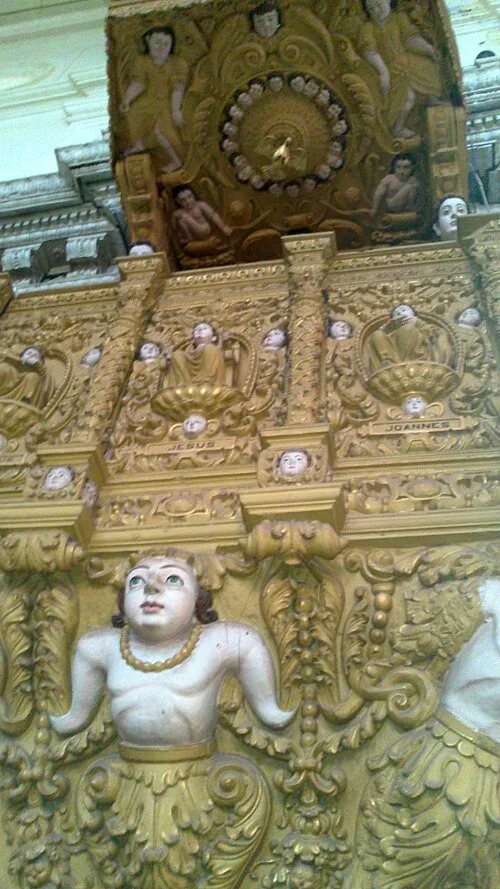 Carved Wooden Pulpit
The Carved Wooden Pulpit
Mounted high on the nave wall hangs the pulpit, and it is almost overwhelming up close. Gilt wood covers every surface, carved with saints, angels and swirling foliage, and painted faces look out from the panels with startling life. Two small carved names can still be read among the figures, JESUS and JOANNES, marking Christ and John the Baptist. From this raised box the preacher stood above the congregation, his voice carrying down the single hall the church was shaped to serve. The woodcarving is the work of a tradition the Jesuits fostered wherever they built, turning local craftsmen loose on sacred furniture. Little here is symmetrical or calm; figures twist out of the gold in every direction. It is decoration with a job to do, holding the eyes of the congregation while the words were spoken.
Listen in the appPhoto: Rohini · CC BY 3.0
06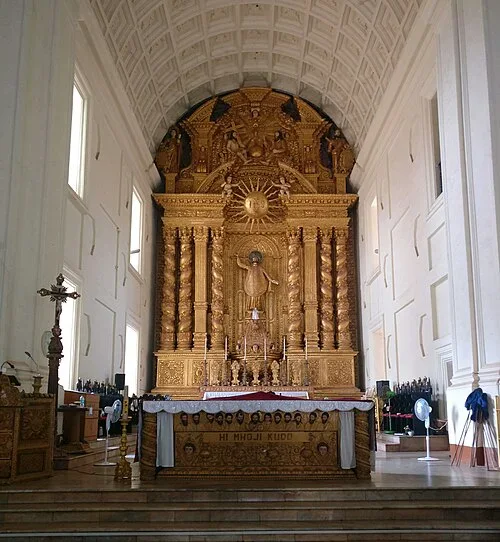 Gilded High Altar of Saint Ignatius
The Gilded High Altar
The high altar fills the end of the hall with gold. It is a Baroque retable, rising in tier upon tier of twisted columns, niches and carved scenes, and it dominates the sanctuary completely. On the altar stands a statue of Ignatius of Loyola, the founder of the Society of Jesus, the order that raised this church. His figure gazes upward, and above him the Jesuit monogram blazes in a radiant sunburst, the same three letters carved on the facade outside. The altar is the visual climax of the whole nave, the point every pew faces. Its Baroque style belongs to the same era of exuberant, theatrical church art as the pulpit and the carved portal. After the quiet of the weathered exterior, the gold comes as the building's great surprise.
Listen in the appErrol Fernandes · CC BY-SA 4.0
07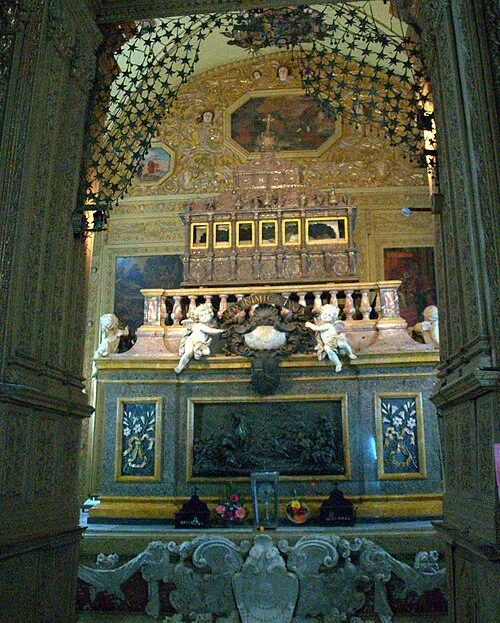 Chapel and Mausoleum of Saint Francis Xavier
The Chapel of Saint Francis Xavier
Pilgrims come to this basilica for one reason above all: the body of St Francis Xavier lies here. Xavier was the great Jesuit missionary of Asia, and he died in 1552 on Shangchuan Island, off the Chinese coast, far from Goa. He was buried at Malacca, and in 1554 his remains were brought to this city. When his grave was opened, those present found the body remarkably preserved, and the account of that discovery fixed his reputation as a wonder-worker. The church built here became his shrine, and the chapel at its heart holds the tomb beneath a canopy of gilt and painting. Above the altar, cherubs in marble flank the casket where the saint rests. The next two stops look closely at that monument: first the marble tomb itself, then the silver casket it carries.
Listen in the appPhoto: Hemant192 · CC BY-SA 3.0
08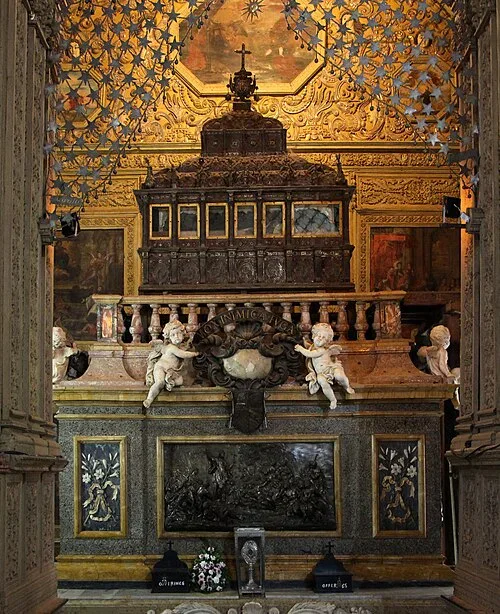 Chapel and Mausoleum of Saint Francis Xavier
The Marble Mausoleum of Saint Francis Xavier
The tomb of St Francis Xavier is a work of Italian marble, and it was carved by the Florentine sculptor Giovanni Battista Foggini. Foggini worked on it through the sixteen-eighties and nineties, at the height of his career in Florence. The mausoleum rises in tiers: a base of inlaid marble panels with bronze reliefs, a balustraded upper level, and the casket standing above it all. Marble cherubs perch at the corners and lean against the balustrade, and a carved cartouche with the saint's name crowns the front. The reliefs below show scenes from Xavier's life and work, dark bronze against the pale stone. It is a piece of late Baroque Florence transplanted to the Indian coast, made to give the saint a resting place worthy of his fame. The silver casket set upon it holds the relics themselves, and it has a story of its own.
Listen in the appPhoto: Sailko · CC BY 3.0
09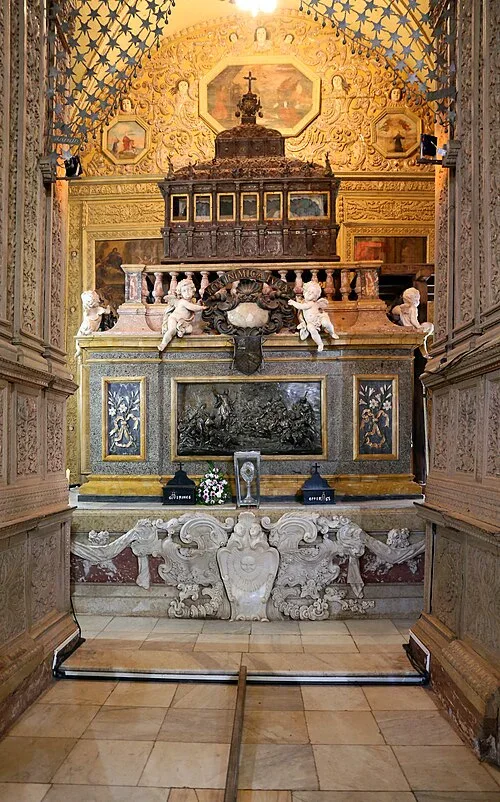 Chapel and Mausoleum of Saint Francis Xavier
The Silver Casket of Saint Francis Xavier
Resting on top of the marble mausoleum stands the silver casket, the reliquary that encloses the mortal remains of St Francis Xavier. Its recorded description credits the silverwork to Indian craftsmen, completed by 1637, so it is older than the Florentine tomb beneath it. The casket is built like a miniature building, with a domed, tiered roof and rows of windows along its sides, each panel worked in silver. Through those windows the faithful could see towards the relics within, and the whole form was designed to be seen, carried and honoured. It sits at the exact centre of the chapel, the focus of every prayer offered here. Flowers and small offerings stand on the altar before it. Indian hands, Italian marble, and a Portuguese saint: the shrine gathers three worlds into one monument.
Listen in the appPhoto: Sailko · CC BY 3.0
10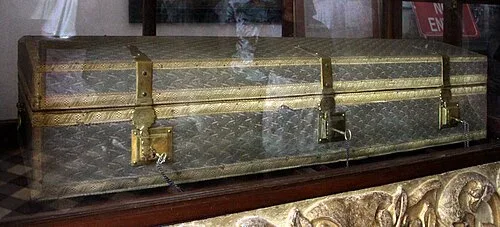 Relic Chamber and Decennial Exposition Catafalque
The Catafalque of 1744 and the Decennial Exposition
In the corridor that runs around the chapel, behind glass, lies a long metal-bound chest. This is a catafalque, a bier for displaying a body, and its recorded history says it was used for the exposition of the saint's remains in 1744. It speaks to a tradition that still lives: the relics of St Francis Xavier are traditionally brought down from their casket once every ten years, so the public can venerate them at close range. Those decennial expositions draw pilgrims to Old Goa in extraordinary numbers, some walking for days to reach the basilica. The old bier, with its heavy locks and studded straps, is one of the surviving instruments of that ritual. It has waited here for generations between the great gatherings. The next one, on the church's own rhythm, is always less than ten years away.
Listen in the appPhoto: Sailko · CC BY 3.0
- 11
The Vestments of Saint Francis Xavier
Embroidered vestments associated with the saint, on show in the basilica's gallery.
- 12
The Professed House Courtyard
The arcaded courtyard of the Professed House, where the Jesuit community lived.
Basilica of Bom Jesus
Frequently asked questions
How much does the guide cost?
Free app download. Listed guide price: $0.99. Guide price shown in the app. Audio guide only. Venue admission is separate.
Can I listen without internet?
Yes. Download the guide’s audio, images, and maps in the app before your visit. Your downloaded content is then available offline.
Can I listen in my language?
This audio guide is available in 15 languages, including English.
Do I need to follow a schedule?
No. This is a self-guided experience. Choose your stops, pause whenever you like, and return to a story at your own pace.
At your own pace
Explore Basilica of Bom Jesus.
Download Stanza, then search for “Basilica of Bom Jesus”.
Free app download · Guide price shown in the app
Keep exploring
Audio guides — India
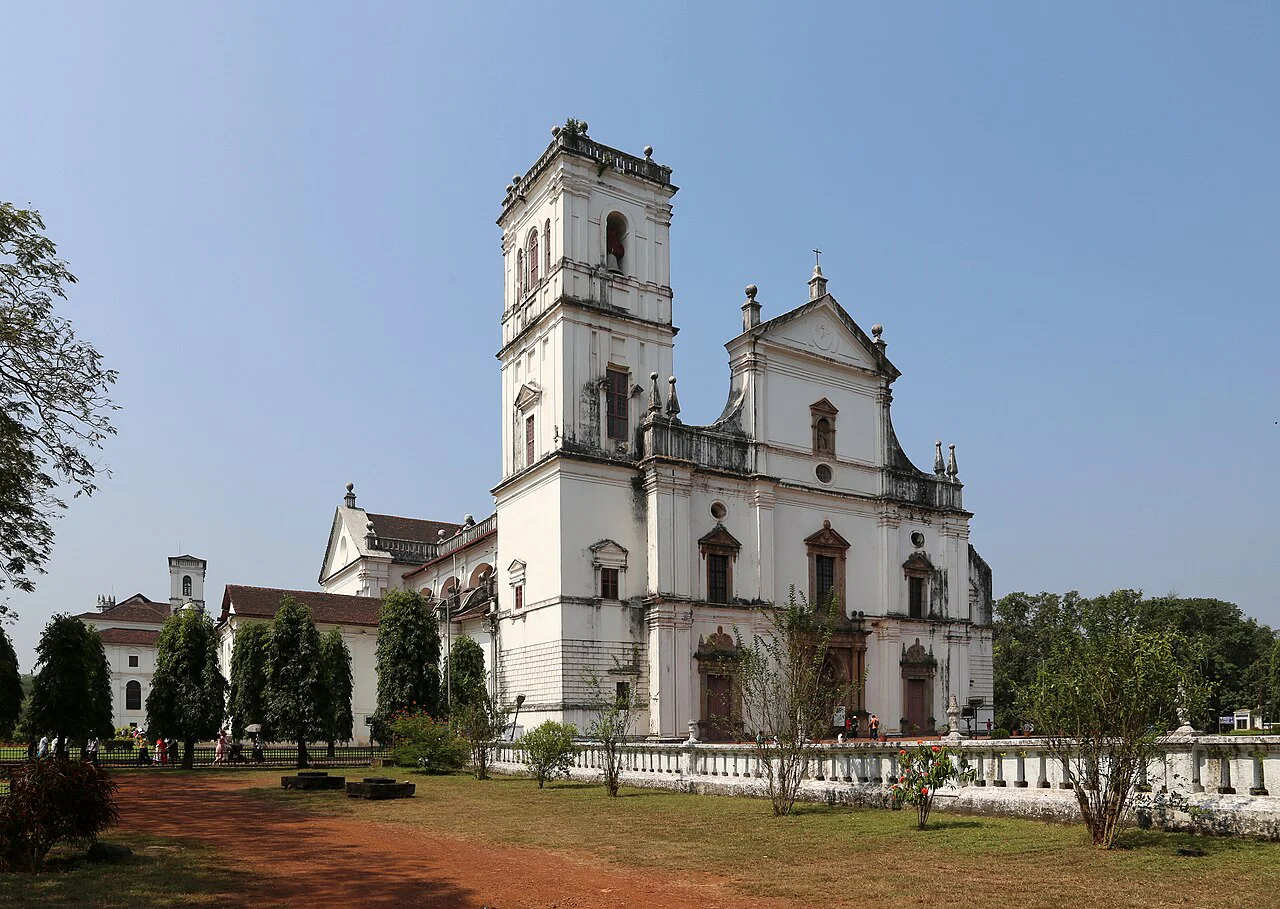
Panaji · 1 km
Se Cathedral
Content & sources
Photo: Sailko · CC BY 3.0
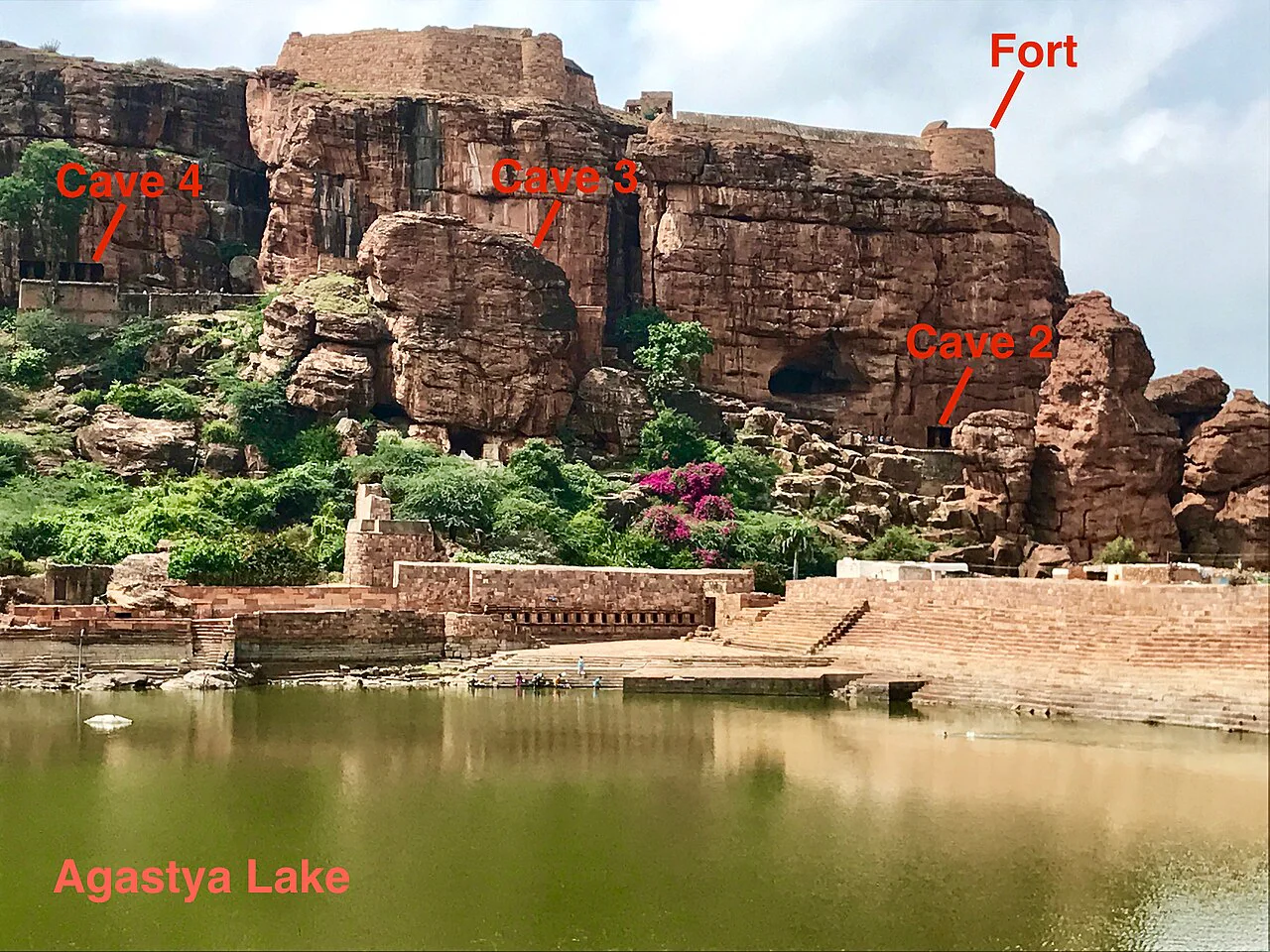
Badami
Badami cave temples
Content & sources
Photo: Ms Sarah Welch · CC BY-SA 4.0
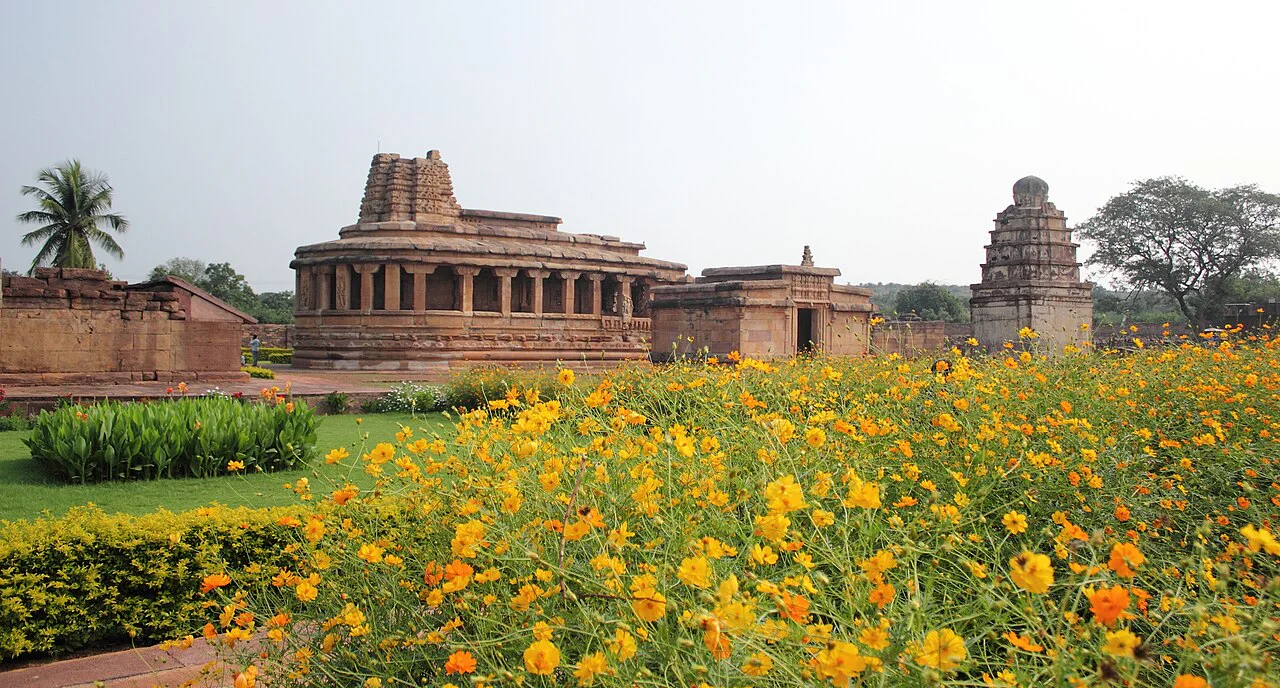
Kalligudda
Aihole
Content & sources
Parthasarathi Chakrabarty · CC BY-SA 4.0
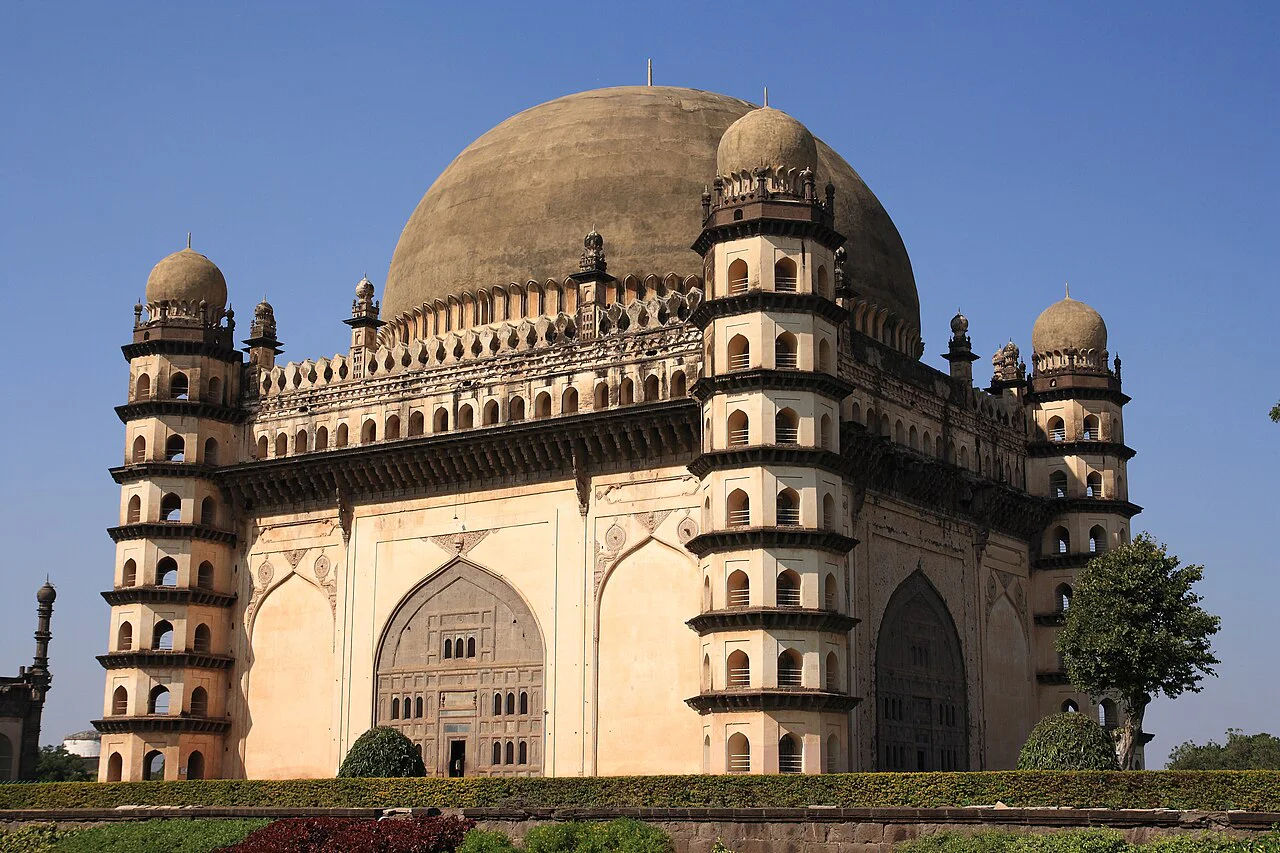
Vijayapura
Gol Gumbaz
Content & sources
Photo: Meesanjay · CC BY-SA 3.0