Stanza · Audio guide
Sillustani Audio Guide
A place to remember. A story to take with you.
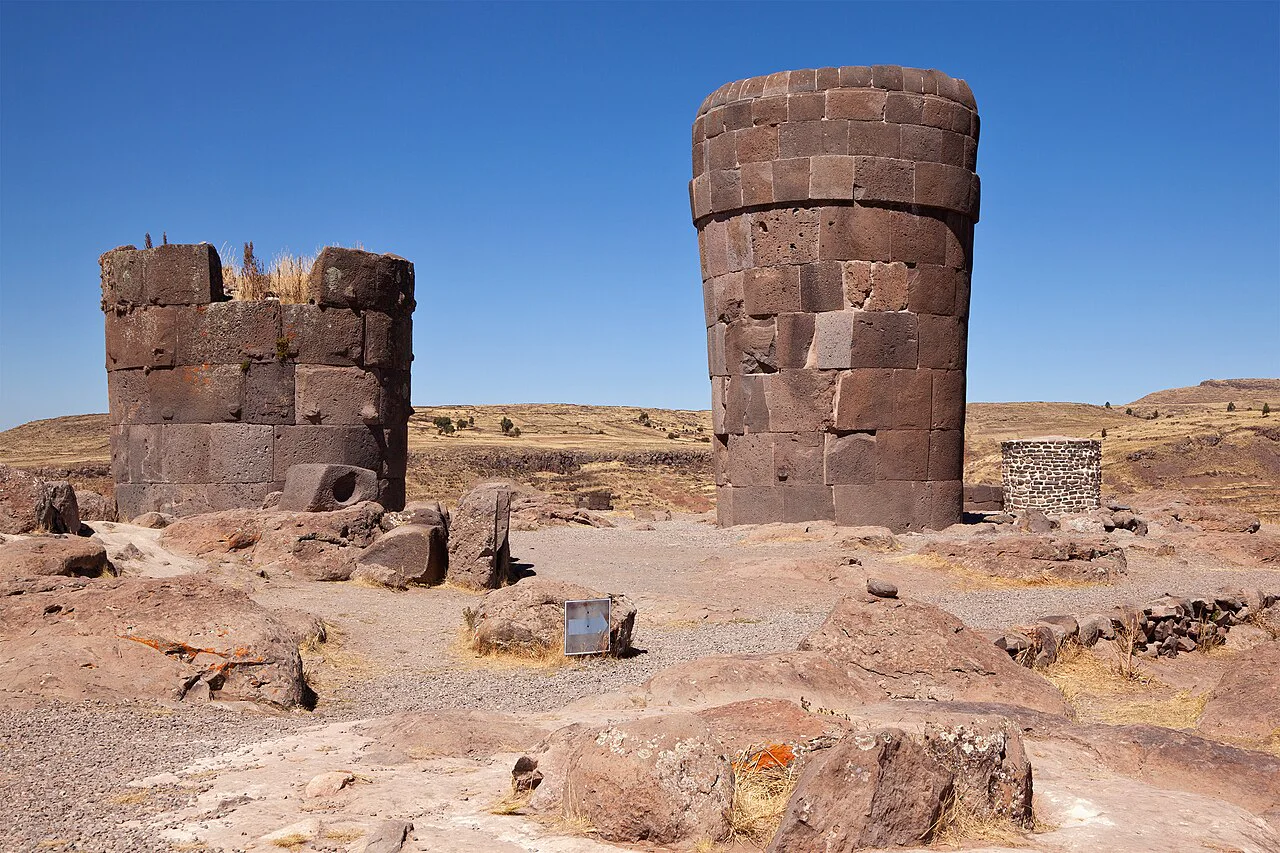
Sillustani is a pre-Inca cemetery located on the shores of Lake Umayo in Peru. It features tower-like tombs called chullpas that were built by the Qulla people before they were conquered by the Inca Empire.
Download Stanza, then search for “Sillustani”.
About the tour
One guide. Your kind of visit.
Sillustani is a pre-Inca cemetery located on the shores of Lake Umayo in Peru. It features tower-like tombs called chullpas that were built by the Qulla people before they were conquered by the Inca Empire.
Ready when you are.
- 01Get the free Stanza app.
iOS & Android
- 02Find your guide.
“Sillustani”
- 03Download before you go.
Works offline
Audio guide / 12 narrated stops
Inside the guide
Get to know a few of the stories before you go. Open a stop to read more.
01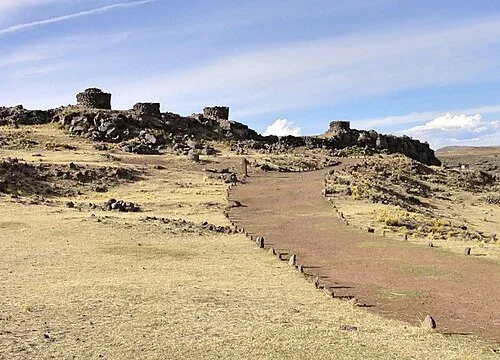 Peninsula Ascent Path
The Peninsula Path: Arrival at Sillustani
Welcome to Sillustani, a pre-Inca cemetery set on a peninsula in Lake Umayo, near the city of Puno in southern Peru. The gravel path ahead climbs toward a ridge lined with stone towers, and the walk begins high: the site sits at nearly thirty-nine hundred meters above sea level, so the climb is a slow one. Official records count some ninety-one funerary towers here. They spread across roughly sixty hectares of the peninsula. These towers, called chullpas, held the dead of the Qulla people, most likely speakers of Puquina, who ruled this region from around the twelfth century. The Inca conquered them in the fifteenth century and buried their own elite here in turn. For roughly four centuries, this ridge served as a sacred cemetery devoted to the ancestors. Of all the chullpa sites around the Titicaca basin, Sillustani is considered the best preserved. The path runs up through open plateau toward the towers on the skyline, and the first ones ahead are the oldest.
Photo: Pierre André Leclercq · CC BY-SA 4.0
02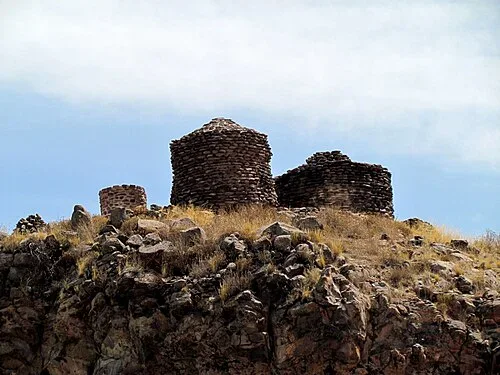 Rustic Qulla Chullpas Sector
Rustic Qulla Chullpas
These rough towers of uncut fieldstone belong to the earliest phase of the cemetery, the work of the Qulla kingdom from around the twelfth century. A chullpa is an above-ground tower built to house the remains of elite families, generation after generation, rather than a grave dug into the earth. The tradition was never unique to Sillustani. Similar towers rise across the whole of the south Central Andes, with the above-ground burial style reaching back at least to the mature Tiwanaku period. What the Qulla elites wanted was visibility. A family mausoleum raised on this ridge announced the standing of a lineage to everyone who saw it, and the dead kept their place among the living. Even the name carries an old idea. In his dictionary of 1612, the Jesuit Ludovico Bertonio recorded that local people called the stone towers uta amaya, houses of the soul. His word chullpa actually described basket burials of semi-nomadic herders, but the name stuck to the towers and has stayed with them ever since.
bobistraveling · CC BY 2.0
03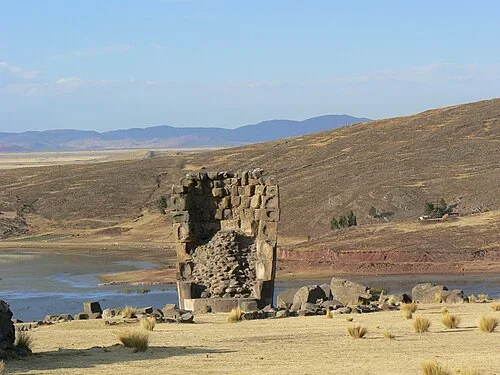 Rustic Qulla Chullpas Sector
A Ruined Tower by the Water
Not every tower on this ridge survived the centuries intact. Many of the tombs were dynamited by grave robbers hunting for the burial goods placed with the dead, and others were simply left unfinished, their walls never closed. The collapsed tower here shows how these buildings were put together on the inside, a core of smaller stones behind the outer face. Whether this particular one fell to dynamite or to slow decay is not recorded, so the honest answer is that its ruin has more than one possible cause. Loss, though, was not the end of the story. Some of the chullpas have undergone modern restoration, including a project in 2005 directed by the archaeologist Eduardo Arizaca Medina. His team built wooden ramps and used pry bars to move the stones, easing blocks back toward the positions their builders had chosen.
Listen in the appPhoto: Kevstan · CC BY-SA 3.0
04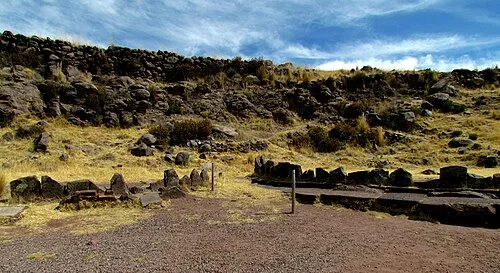 The Intiwatana and Ritual Spaces
Stone Enclosures on the Plateau
The towers are only part of what the official record lists on this peninsula. Alongside them stand terraces, corrals, stairways, monoliths and enclosures, as well as stone arrangements known as intiwatanas. The low settings of slabs here are traditionally described as solar and lunar calendar stones, places where the movements of the sky were read. That astronomical role is interpretation and tradition rather than measured fact, so it is best held lightly. What the wider layout shows more securely is that Sillustani was never a scatter of isolated graves. It was a composed landscape of funerary areas, transit routes, places of observation and sectors probably tied to ritual or to the upkeep of the site. The dead occupied the high ground, and the living moved through a plateau organised around them.
Listen in the appbobistraveling · CC BY 2.0
05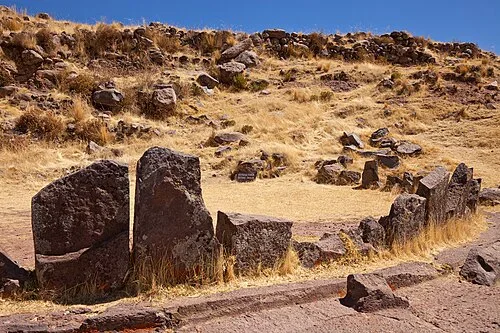 The Intiwatana and Ritual Spaces
The Circular Enclosure
The curved line of large slabs here shows a skill the towers usually get the credit for. Choosing the right blocks, shaping them and fitting them together took judgement, and the builders carried that same care into the open spaces of the plateau. The circular form was no accident either. Studies of the Titicaca basin have shown that chullpas were deliberately placed where they could be seen, from the approaches to the site and even from the lagoon itself, working as landmarks across the territory. Whatever the original purpose of this enclosure, its setting suggests a plateau organised for movement and ceremony, with the monuments kept in sight from many directions.
Listen in the appPhoto: Unukorno · CC BY 3.0
06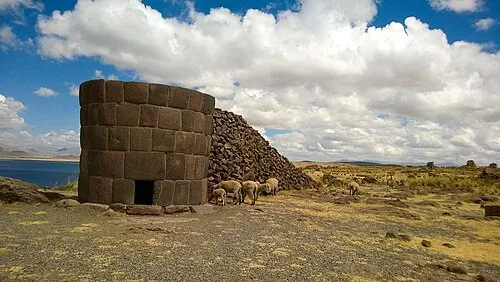 The Unfinished Chullpa and Construction Ramp
The Unfinished Chullpa and Its Ramp
One tower here was never finished, and that is precisely what makes it valuable. Its earthen ramp still lies against the wall, with large stones resting on it where the work stopped. The picture is unusually direct: builders dragged blocks up the ramp and stacked them onto the walls course by course, raising the ramp as the tower grew. A sign at the site notes that a few of those large stones were found still lying on the ramp leading to the unfinished chullpa. There is even an eyewitness link to the practice. Father Cobo, a Spanish chronicler, saw Inca builders using a similar ramp during the construction of the Cusco Cathedral, the same technique carried from ancient towers to a colonial church. One more detail completes the method. The towers contain no steps at all, so access to the chambers was never by stairway, and the ramp was the only way up while the walls rose.
Listen in the appMilagros Mosqueira · CC BY-SA 4.0
07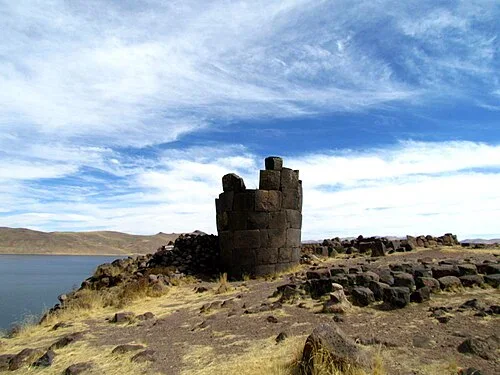 The Monumental Chullpa del Lagarto
The Chullpa del Lagarto
The tallest tower at Sillustani rises about twelve meters from the ground. Its base measures just over seven meters across, swelling slightly outward toward the bottom. This is the Chullpa del Lagarto, built in fine imperial Inca style after the Inca conquered the Qulla in the fifteenth century, when the best masonry of Cusco arrived on this ridge. The ground near it kept a secret until 1971. During cleaning and restoration work close to the tower, workers came upon what is now called the Sillustani Treasure. The official inventory drawn up by CORPUNO records five hundred and one gold pieces, along with two pieces of an unidentified alloy. The full offering also held objects of silver, copper and Spondylus shell, with beads of lapis lazuli, bone and ceramic. Scholars assign the whole assemblage to the funerary offering of a high-ranking Qulla noble, laid to rest near one of Sillustani's most emblematic towers.
Listen in the appbobistraveling · CC BY 2.0
08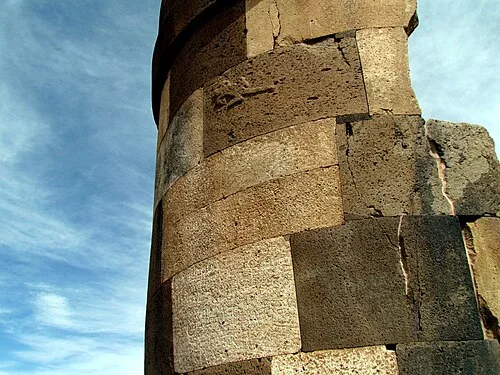 The Monumental Chullpa del Lagarto
The Lizard and the Legend of the Nail
On one block of this tower, a lizard is carved in low relief, and that small animal gives the Chullpa del Lagarto its name. Animal shapes appear on some of the tombs at Sillustani but not on all of them, which is exactly what makes them useful. Their presence helps to distinguish buildings, hierarchies and different moments of construction, a visual language of rank rather than mere decoration. The name of the whole site carries a legend of its own. Sillu means fingernail in the local languages, and the story explains the name Sillustani as a place where fingernails slide, resbaladero de uñas. The finest walls, the story goes, were fitted so tightly that not even a fingernail could slip between the blocks. It is popular etymology rather than a documented translation, but the joints of the masonry make the point on their own.
Listen in the appbobistraveling · CC BY 2.0
09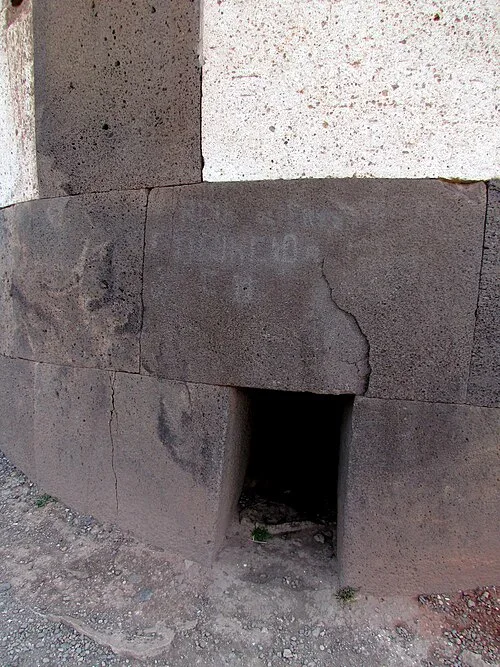 Solar Alignment and Burial Chambers
The East-Facing Door
Every opening in these towers faces east, and it is the only opening the building has. East was the direction where the sun was believed to be reborn from Mother Earth each day, so the dead were placed to face the daily return of the light. The doorway itself is strikingly small, a low gap at the base of a tower built for the living to see from afar. That size had a practical consequence. The opening was far too small for a body to pass through comfortably, so the funerary bundles were evidently placed inside while the chamber was still open, and the tomb was sealed around them. The entrance, in other words, was not made for visitors. It was made for the sun.
Listen in the appbobistraveling · CC BY 2.0
10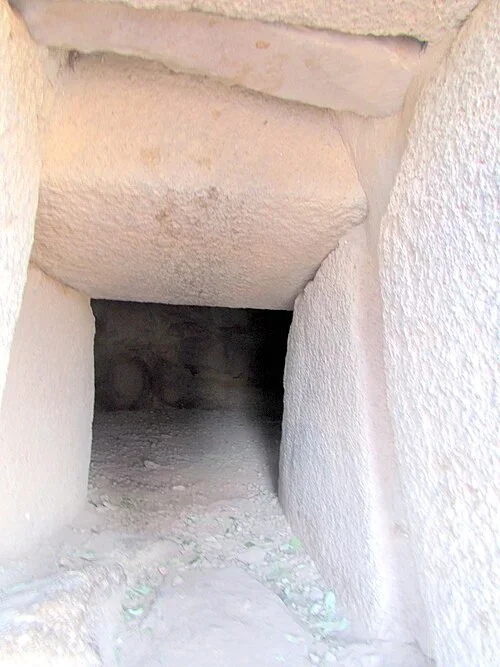 Solar Alignment and Burial Chambers
Inside the Burial Chamber
The low doorway opens into a chamber built quite differently from the wall outside. The interior was raised with small and medium stones, while the outer face received the large, finely finished blocks, combining a working structure inside with a monumental surface for the community to see. The chambers were built to hold entire groups of people, most likely extended families of the elite, and the towers were probably reserved for nobility. Their preservation was not deliberate. The corpses were not intentionally mummified, yet in the dry environment created by the closed tomb they survived for centuries. Most of the mummy bundles show the dead buried in a fetal position, curled as if waiting to be born again toward the eastern door.
Listen in the appbobistraveling · CC BY 2.0
- 11
Carved Rock by the Shore
A spiral carved into living rock beside the shore, one of the site's most mysterious marks.
- 12
Lake Umayo: The Sacred Boundary
Lake Umayo on three sides: the sacred water that set the cemetery apart, and what Sillustani says about honouring the dead.
Sillustani
Frequently asked questions
How much does the guide cost?
Free app download. Listed guide price: $0.99. Guide price shown in the app. Audio guide only. Venue admission is separate.
Can I listen without internet?
Yes. Download the guide’s audio, images, and maps in the app before your visit. Your downloaded content is then available offline.
Can I listen in my language?
This audio guide is available in 15 languages, including English.
Do I need to follow a schedule?
No. This is a self-guided experience. Choose your stops, pause whenever you like, and return to a story at your own pace.
At your own pace
Explore Sillustani.
Download Stanza, then search for “Sillustani”.
Free app download · Guide price shown in the app
Keep exploring
Audio guides — Peru
Cuzco
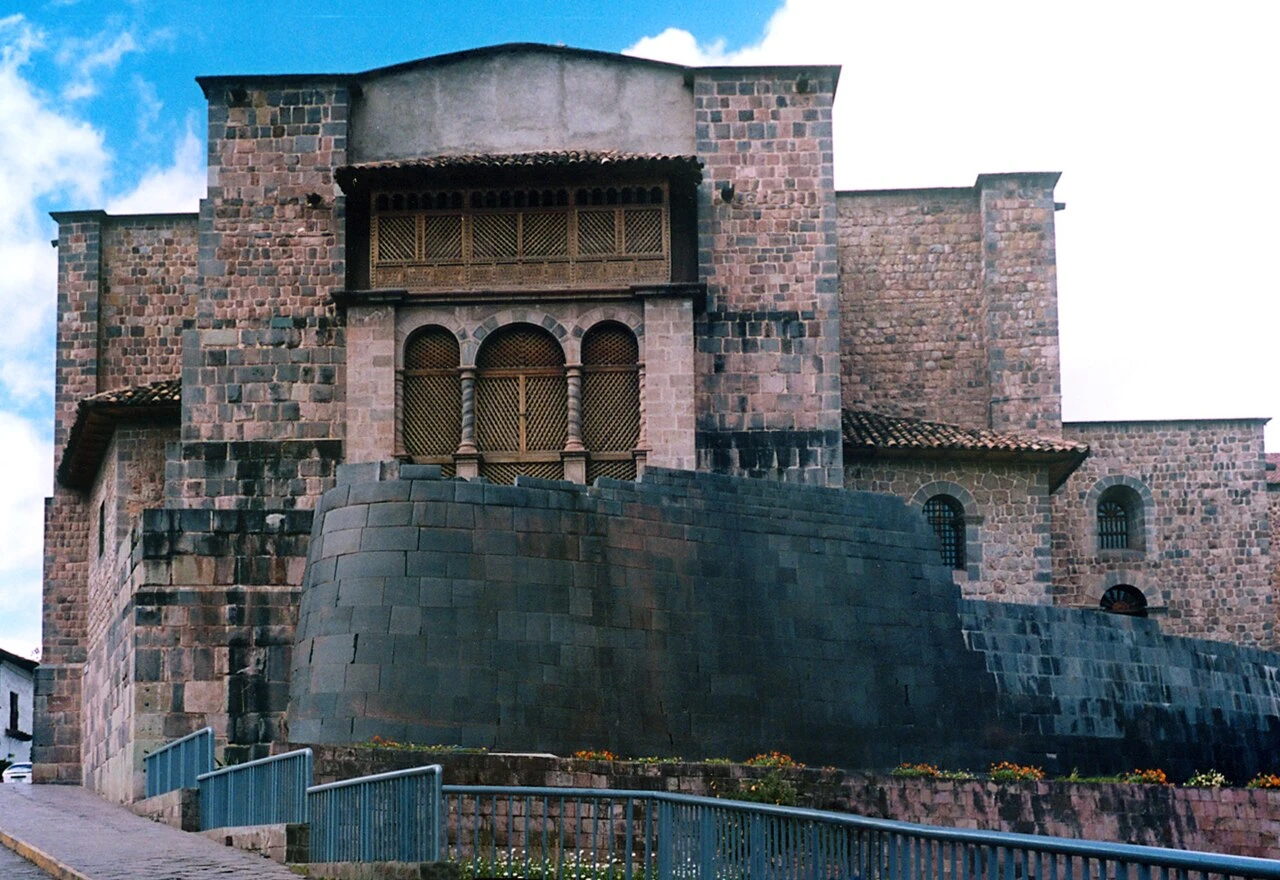
Qorikancha
Content & sources
Håkan Svensson (Xauxa) · CC BY 2.5
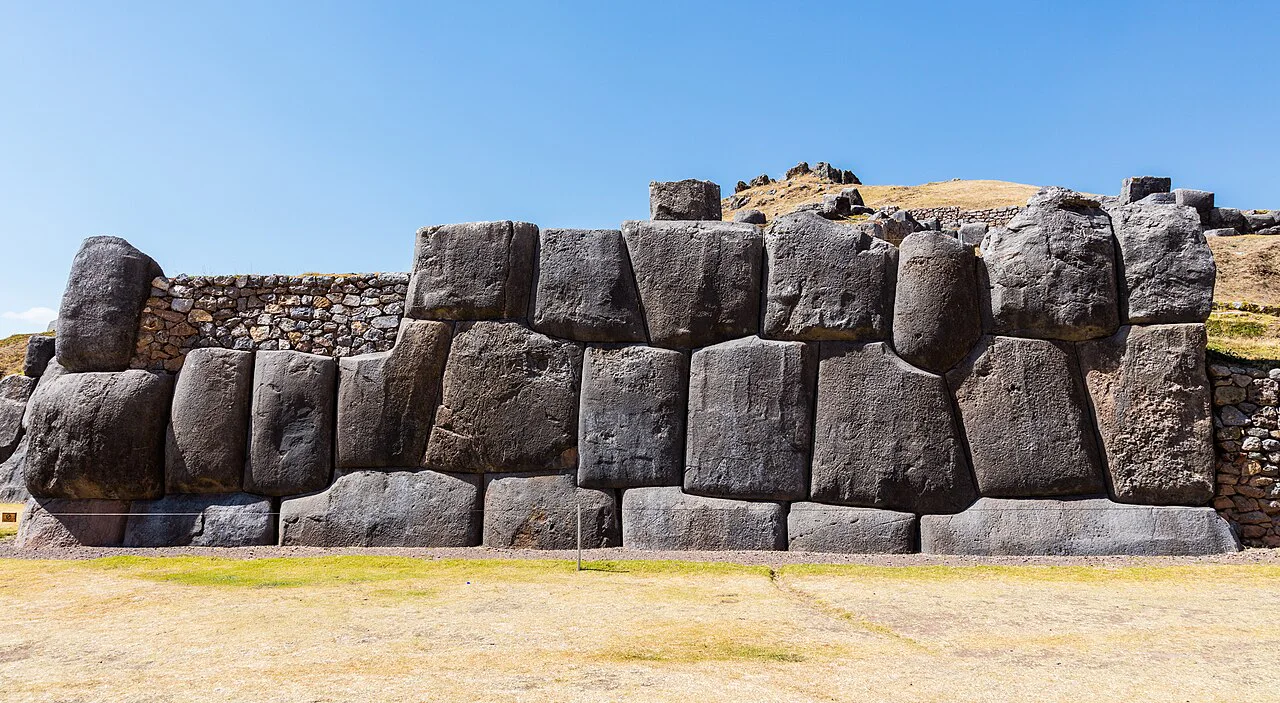
Cusco
Sacsayhuamán
Content & sources
Diego Delso · CC BY-SA 4.0
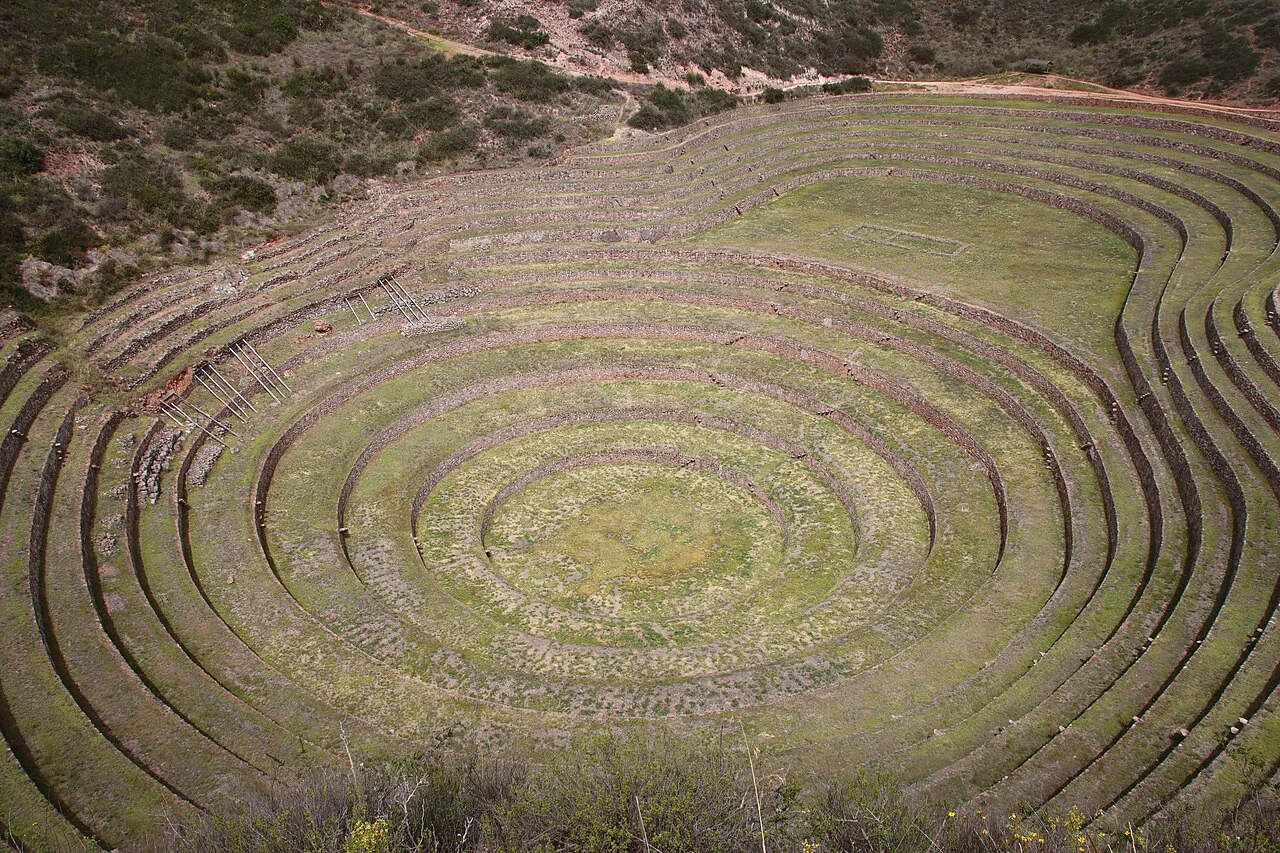
Huarocondo
Moray
Content & sources
Photo: Draceane · CC BY-SA 4.0
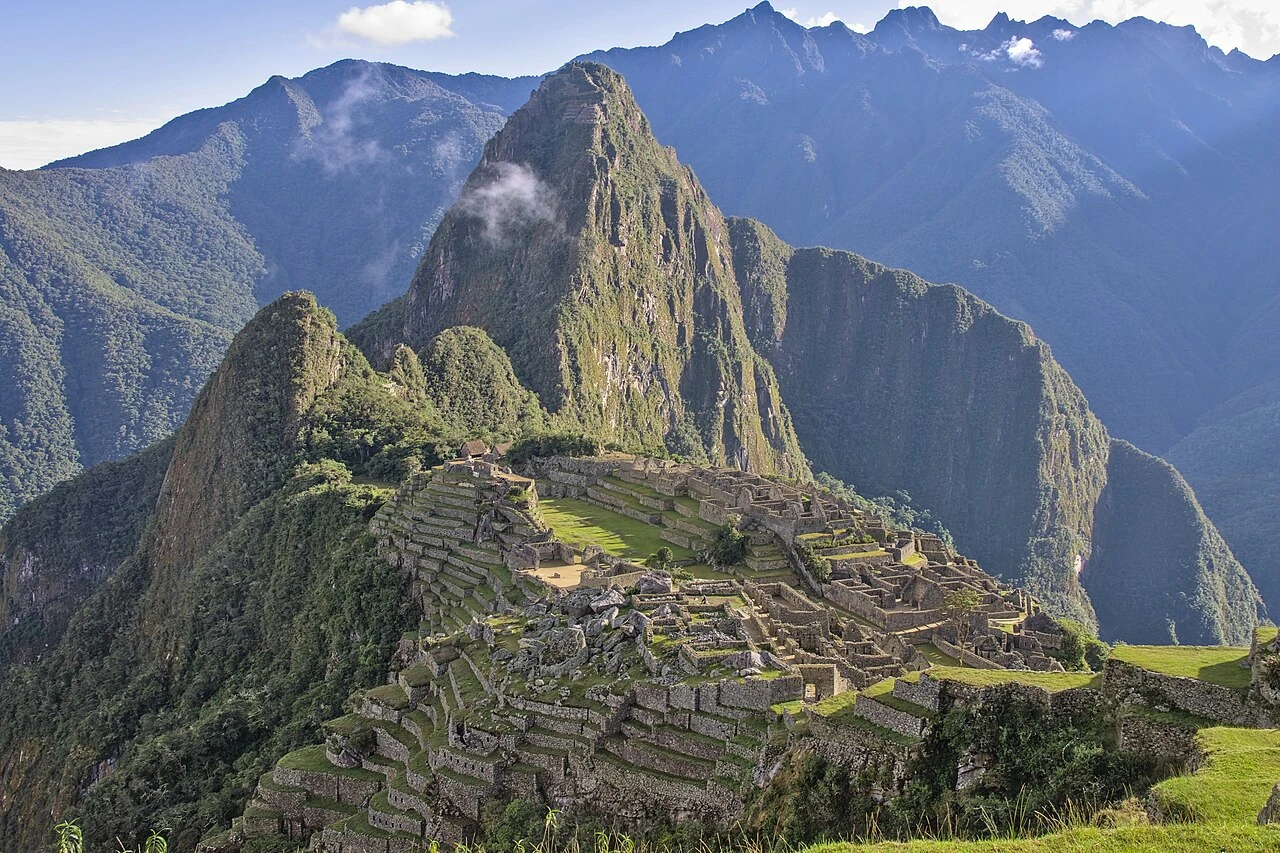
Machupicchu
Machu Picchu
Content & sources
Photo: Draceane · CC BY-SA 4.0