Stanza · Audio guide
Basílica de San Martín Audio Guide
A place to remember. A story to take with you.
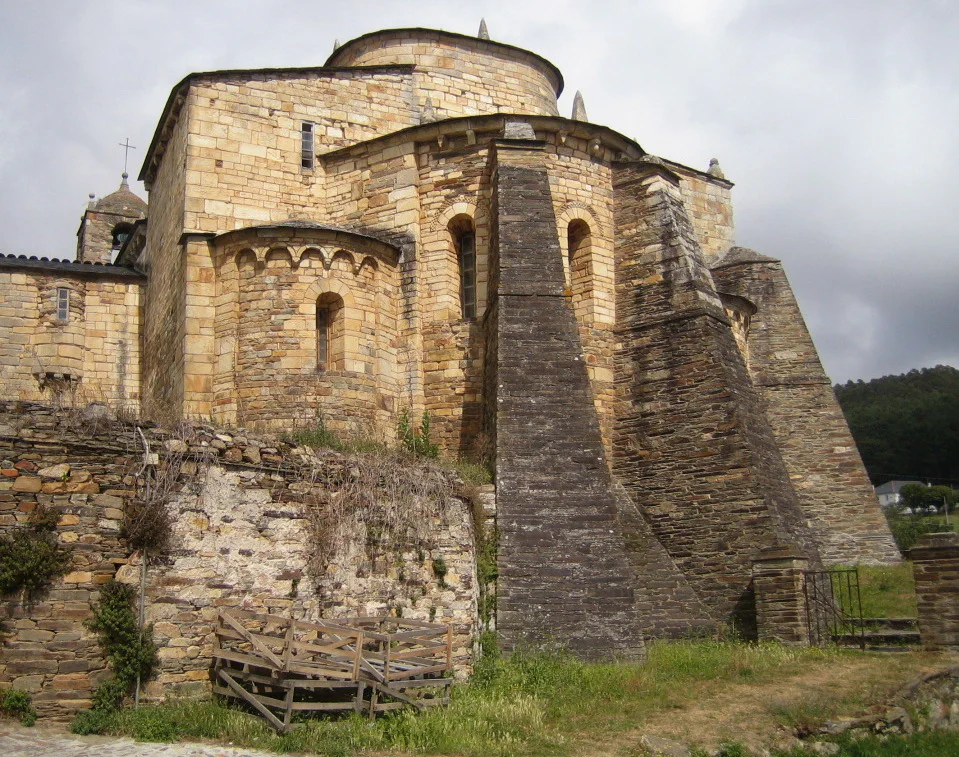
The Basilica of San Martiño de Mondoñedo is a church located in the municipality of Foz in Galicia, Spain. It is considered the oldest cathedral in Spain and served as the seat of two bishops in the ninth…
Download Stanza, then search for “Basílica de San Martín”.
About the tour
One guide. Your kind of visit.
The Basilica of San Martiño de Mondoñedo is a church located in the municipality of Foz in Galicia, Spain. It is considered the oldest cathedral in Spain and served as the seat of two bishops in the ninth century.
Ready when you are.
- 01Get the free Stanza app.
iOS & Android
- 02Find your guide.
“Basílica de San Martín”
- 03Download before you go.
Works offline
Audio guide / 11 narrated stops
Inside the guide
Get to know a few of the stories before you go. Open a stop to read more.
01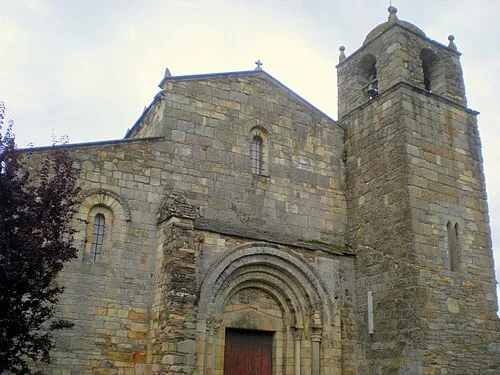 The Western Facade and Spain's Oldest Cathedral
The West Front of Spain's Oldest Cathedral
Welcome to San Martiño de Mondoñedo, a church many historians consider the oldest cathedral in Spain. Its story begins far from here, in the sixth century, when Christians fleeing the Saxons in Britain settled in Galicia and founded a bishopric at Bretoña. That church took part in the councils of Toledo and grew influential. Then, in the middle of the ninth century, Viking raiders destroyed Bretoña. Its bishopric fled to the coast, and here it met another exiled see, the one from Dumio near Braga, in what is now Portugal. King Alfonso the Third offered this place for a monastery that would house both bishops at once. The first bishop of the double seat was Sabarico. For more than two centuries, from the year 870, this was a working cathedral, seat of the kingdom of Galicia's bishops. The stonework rising above the doorway is largely late Romanesque, from the eleventh and twelfth centuries, built on that far older foundation. Some researchers even suspect a monastery called Máximo stood here before any of it.
Jaume Meneses · CC BY-SA 2.0
02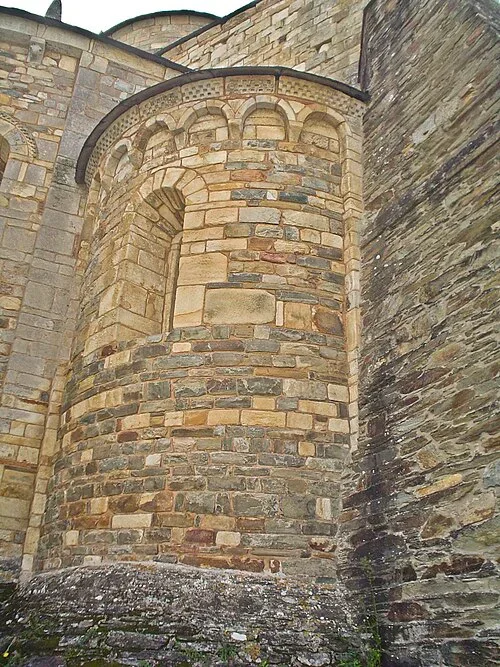 The Exterior Apse and Lombard Stonework
The Apse and Lombard Stonework
Around the back of the church, the curved apse wall tells the story of how the building grew. It took shape in three separate campaigns, in the tenth, eleventh and twelfth centuries. The masonry itself shows the seams: patches of stone in slightly different colours mark where one phase ended and the next began, and where later hands reworked older fabric. Across the upper wall run shallow bands and rows of small blind arches, the style known as Lombard, which spread through Europe with the early Romanesque masons. The same language appears on all three semicircular apses at the east end. The central one is divided by vertical strips, with a window in each bay dressed in checkered stonework. None of the masons left a name. Their skill is the only signature they gave.
http://gl.wikipedia.org/w/index.php?title=User:Alma · CC BY-SA 3.0
03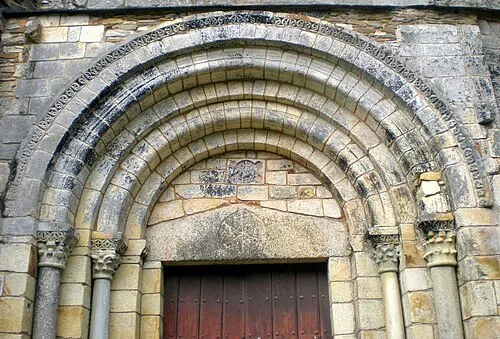 The Western Romanesque Portal
The main doorway is a twelfth-century piece of ceremony, built from five arches that step inward one behind another. Three of them rest on the salients of the wall itself. The other two spring from two pairs of columns, the outer ones of local stone, the inner ones of marble, which may well have come from the old temple on this site. Some of their capitals carry lightly ribbed leaves, and one is carved with animal heads that look like monkeys. Two of the capitals are far older than the doorway around them: they may date to the sixth century and be reused Visigothic pieces. Above the door, a pentagonal lintel bears a six-armed chrismon of the Navarrese type, the intertwined monogram of Christ. Higher still, a Lamb of God sits inside a four-lobed circle, its cross resting on the lamb's own foot. That lamb turns up again and again in the rural Romanesque of Galicia.
Listen in the appJaume Meneses · CC BY-SA 2.0
04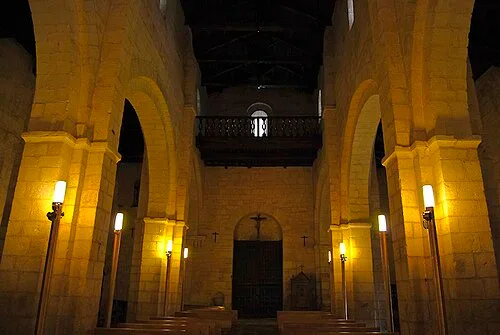 The Central Nave and Pre-Romanesque Roots
Inside the Nave: Pre-Romanesque Roots
Inside, the nave opens into three aisles divided by massive rectangular piers, under a plain wooden roof. The south wall and part of the north wall are the oldest fabric in the building, raised in the tenth century by Bishop Rosendo, the same prelate who later founded the monastery of Celanova. He built on a core far more ancient still. On the north wall, three splayed windows light the aisles, and a doorway with a horseshoe arch, probably carried over from the primitive temple, now stands blocked up. On the south wall, projecting stone brackets survive where the beams of the old monastery cloister once rested. When the bishopric moved away in 1112, the original monks were replaced by Augustinian canons. They stayed until 1534, when Pope Clement the Seventh attached the priory to the cathedral of Mondoñedo, after years in which the abbots lived far away in León and left the canons to drift without direction.
Listen in the appvillafi · CC BY 2.0
05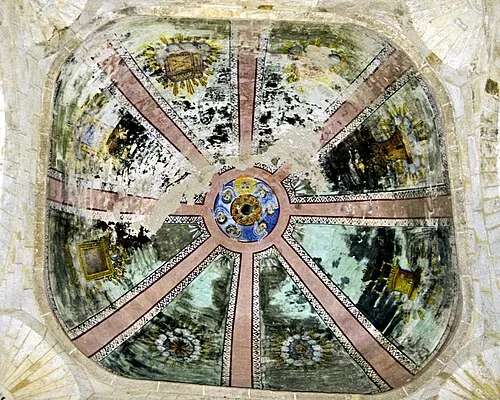 The Crossing and Rectangular Dome
The Crossing and Its Rectangular Dome
Overhead, where the arms of the church cross, sits one of the most original features of the basilica. The dome rests on a drum that is rectangular, with its corners rounded off. That shape is a rare transitional experiment in early Romanesque of northern Spain, and it shows clearly both from inside and from outside. Painted ribs radiate from a central medallion at the crown of the vault, drawing the eye to the liturgical heart of the church, where light and decoration concentrate. Scholars compare the drum to Catalan and Lombard models. The eleventh-century builders were feeling their way toward solutions that later Romanesque would make standard.
Listen in the appJim Anzalone · CC BY-SA 2.0
06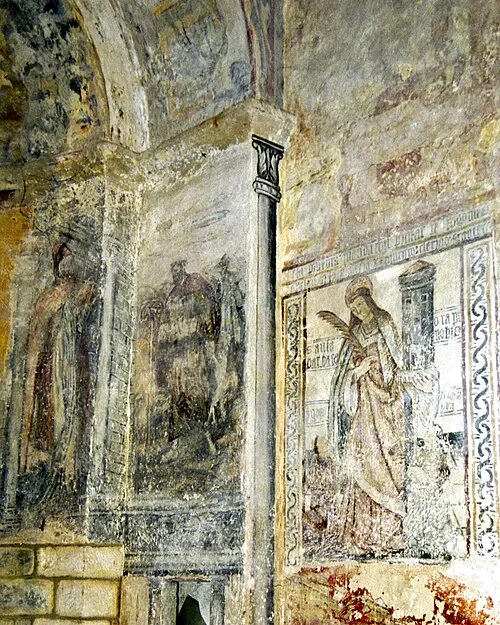 The Central Apse, Romanesque Frescoes, and Altarpiece
The Oldest Romanesque Frescoes in Galicia
On the walls of the sanctuary, faded figures stand in long robes, framed by bands of painted inscription. These murals were hidden for most of their existence. Through the Middle Ages, church maintenance meant brushing layer after layer of lime whitewash over the walls, and each coat sealed the painting beneath a little further from harm. Restoration work in the first months of 2008 stripped some of that away and revealed the murals, badly deteriorated but unmistakably there. Experts catalogued them as the oldest Romanesque frescoes in Galicia and dated them to the twelfth century. One haloed figure holds a book before her, and the inscribed borders run like text around the composition. What the full programme of images meant, no one has yet established.
Listen in the appJim Anzalone · CC BY-SA 2.0
07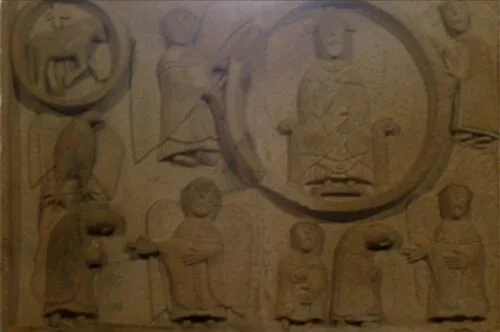 The Central Apse, Romanesque Frescoes, and Altarpiece
The Romanesque Stone Altarpiece
Above the altar of the central apse hangs a small retable carved in stone, about a metre and forty centimetres wide and eighty centimetres tall. Its makers were sculptors of real mastery, the same hands whose capitals elsewhere in the church tell stories: the parable of the rich man Epulon, the beheading of John the Baptist, hunting scenes, animals and plants, and the sin of lust above all. At the centre of the panel, Christ sits enthroned on a faldistorio, the folding seat of rank, with a cross-shaped halo and his hand raised in blessing. Two winged angels hold the great circle around him, one dressed in alb and chasuble, the other in alb and long cloak. In the upper corner a smaller roundel holds a Lamb of God leaning on a staff, and beneath it an eagle, a motif repeated on some of the capitals. What the whole scene narrates is a puzzle. Historians have not agreed on how to read it, though the most widely held view is that it shows an episcopal ceremony.
Listen in the appPhoto: Yeza · CC BY-SA 4.0
08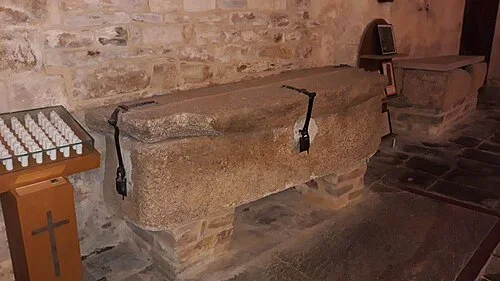 The Parish Museum and Treasures of Saint Gonzalo
The Sepulcher of Bishop Gonzalo
In the parish museum rests a massive tomb chest of rough granite, its heavy slab lid once held down with iron straps. It belongs to Bishop Gonzalo, the man whose memory fills this church. He had been abbot at the great monastery of Sahagún before taking this see in 1071, and he led it until 1112. Among ordinary people he was deeply popular, and they held him to be a saint. He was also one of the last of the fifteen bishops who occupied this cathedral between 870 and 1112, before the seat moved on to Villamayor de Brea, the town that took the old name of Mondoñedo with it. His tomb stayed behind, at the church he actually served.
Listen in the appPhoto: Cossue · CC BY-SA 4.0
09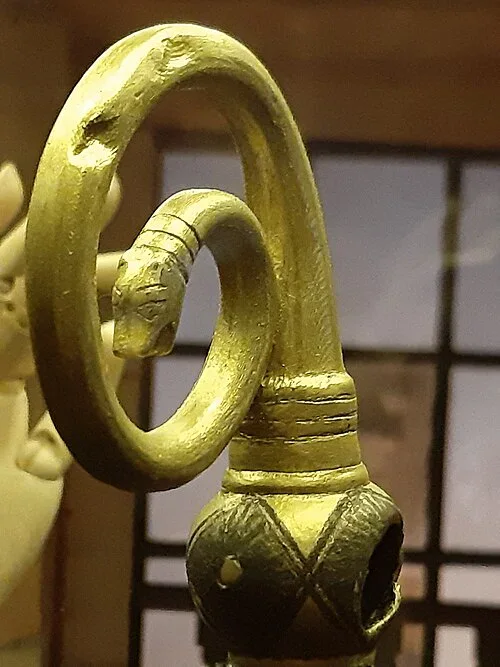 The Parish Museum and Treasures of Saint Gonzalo
Saint Gonzalo's Crosier
The crook of a bishop's staff gleams here in gilded copper, curled into a spiral that ends in a small animal head with banded neck. Below it, the knob is worked with diamond patterns around dark settings. The staff itself is wood, a metre and forty-five centimetres long, joined to this copper volute of about ten centimetres, and it is preserved in the museum as the crosier of Saint Gonzalo. The legend that made him a saint of this coast belongs to the sea beside the church. The story goes that a fleet of pirates entered the Ría de Foz to raid it. Gonzalo climbed to a height above the water and knelt in prayer, and with every prayer another enemy vessel went down, until the whole armada had sunk. The raid failed, the story says, on his prayers alone.
Listen in the appPhoto: Cossue · CC BY-SA 4.0
10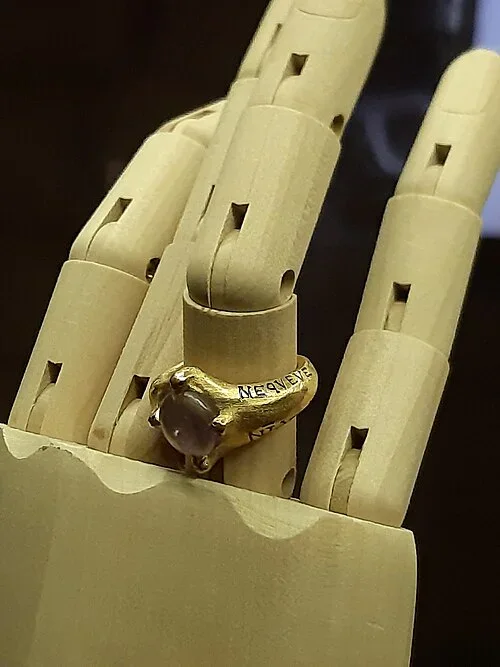 The Parish Museum and Treasures of Saint Gonzalo
The Defiant Ring of Saint Gonzalo
On the pale wooden hand of a mannequin sits a gold ring with a quartz stone, clasped by four little bird heads with bright stones set in their eyes. This one is a reproduction; the parish keeps the original. The ring came to light when Gonzalo's tomb was opened, and around its band runs a Latin inscription: Nolo esse datus neque venundatos. In English, I do not want to be given away or sold. It reads as a warning, and people believed it worked, for the sacred ring was never traded away from the church. One writer on the Romanesque of Galicia admitted, with a smile, that an inscription so conveniently possessive makes him a little suspicious. The ring itself says nothing on the matter.
Listen in the appPhoto: Cossue · CC BY-SA 4.0
- 11
The Buttresses and the Spring of A Zapata
The eighteenth-century buttresses holding up a thousand-year-old church, and the spring that rose where a saint threw his slipper.
Basílica de San Martín
Frequently asked questions
How much does the guide cost?
Free app download. Listed guide price: $0.99. Guide price shown in the app. Audio guide only. Venue admission is separate.
Can I listen without internet?
Yes. Download the guide’s audio, images, and maps in the app before your visit. Your downloaded content is then available offline.
Can I listen in my language?
This audio guide is available in 15 languages, including English.
Do I need to follow a schedule?
No. This is a self-guided experience. Choose your stops, pause whenever you like, and return to a story at your own pace.
At your own pace
Explore Basílica de San Martín.
Download Stanza, then search for “Basílica de San Martín”.
Free app download · Guide price shown in the app
Keep exploring
Nearby audio guides
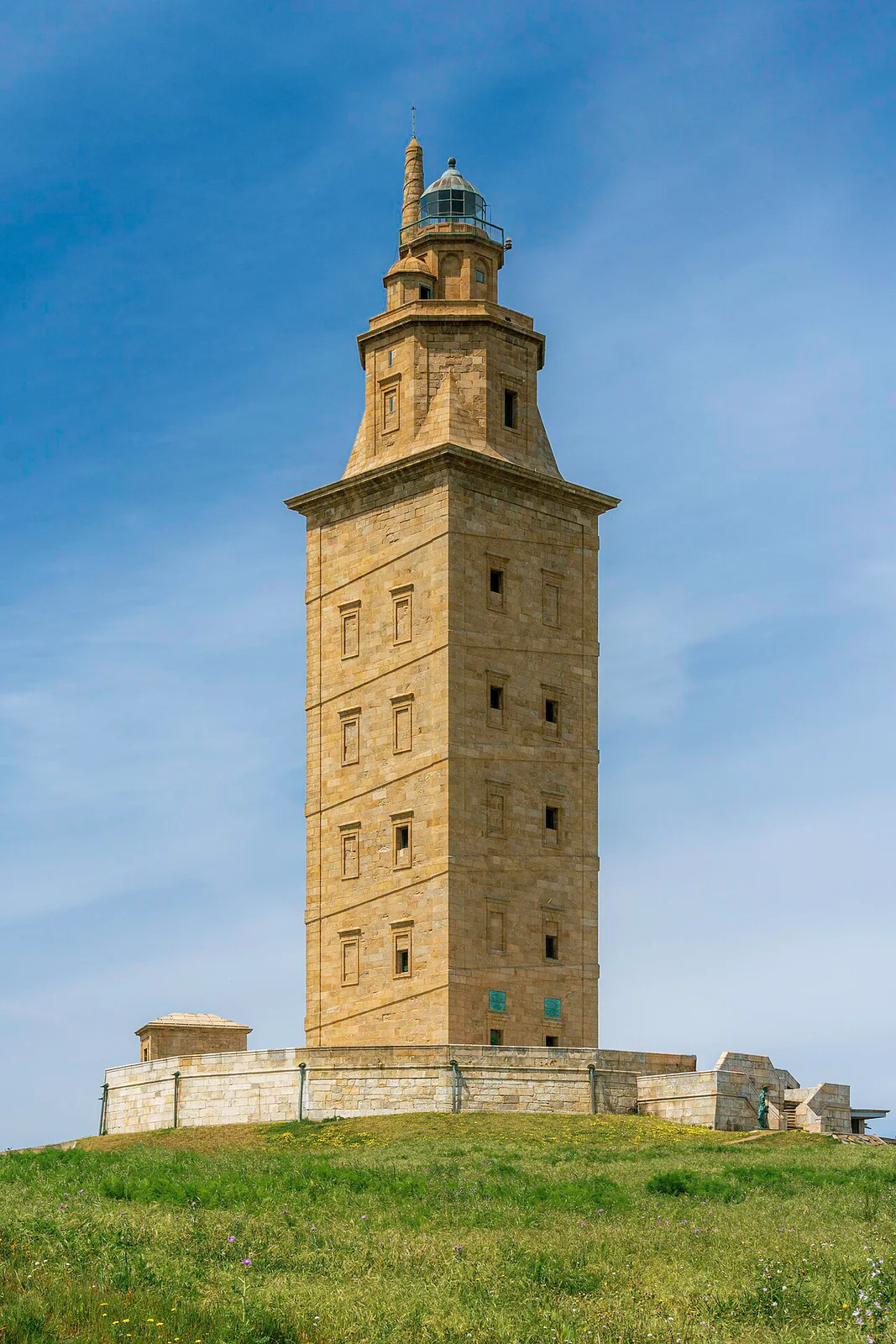
A Coruña · 91 km
Torre de Hércules
Content & sources
Photo: Fernando · CC BY-SA 4.0
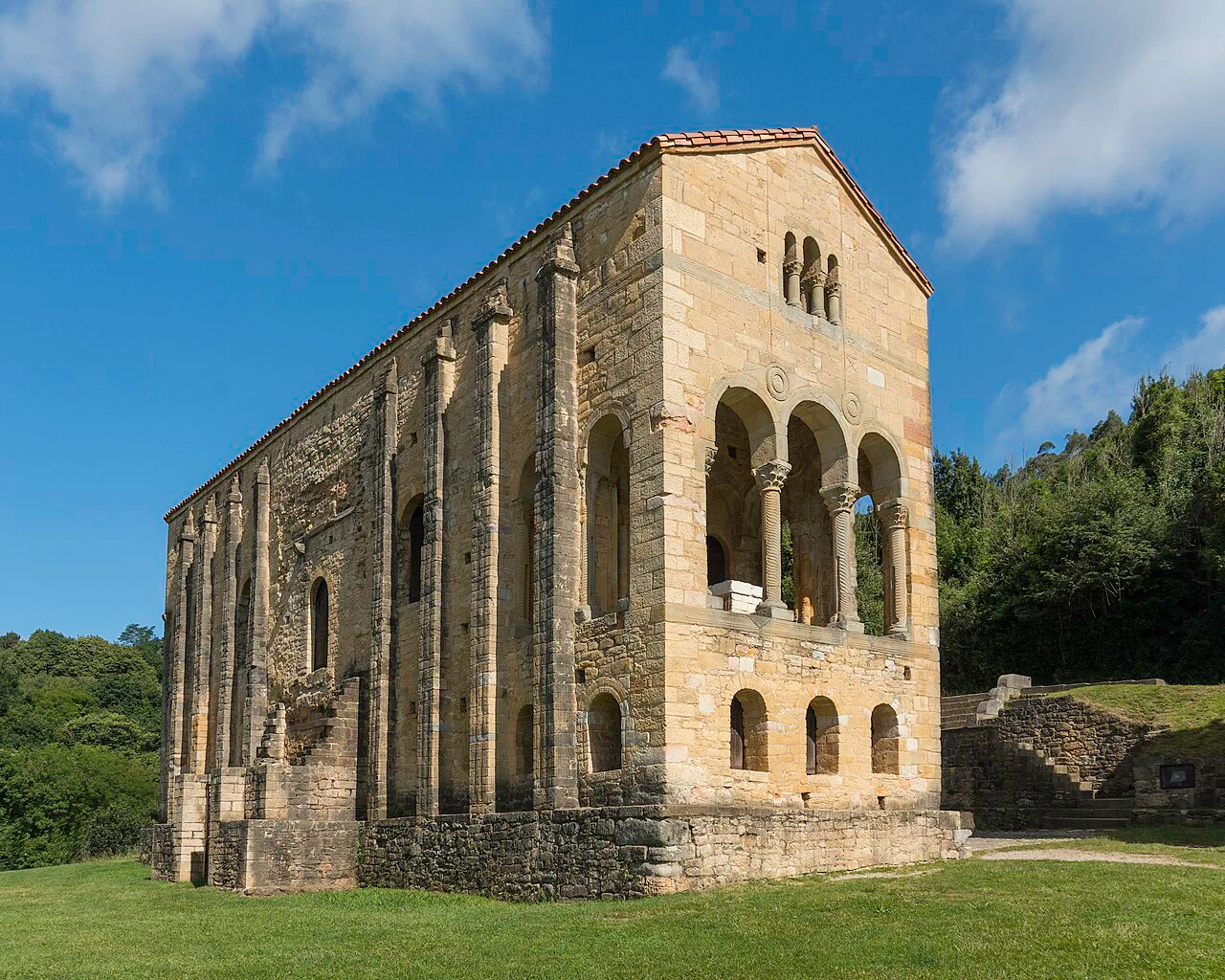
Oviedo · 118 km
Santa María del Naranco
Content & sources
Photo: Fernando · CC BY-SA 4.0
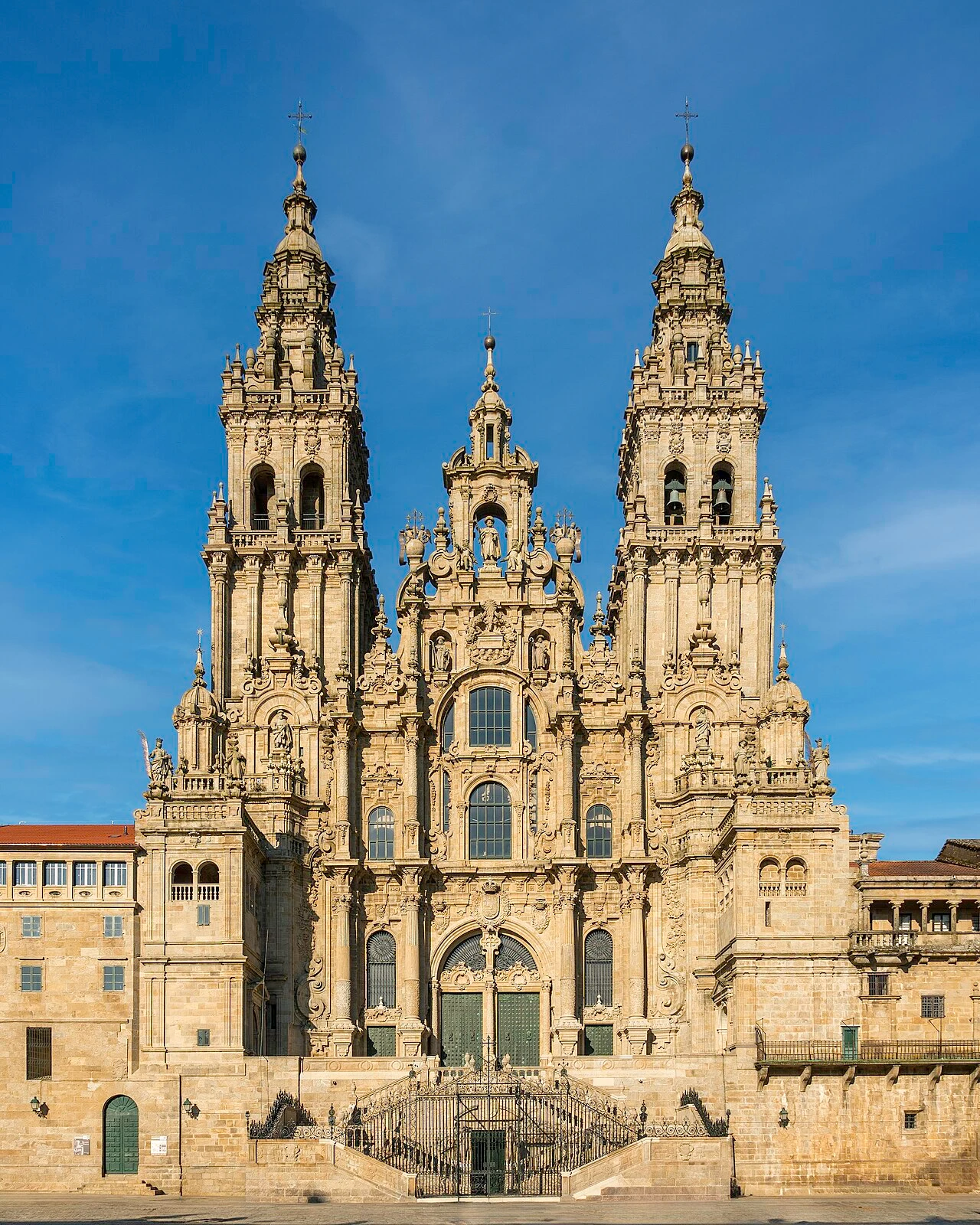
Santiago de Compostela · 126 km
Santiago de Compostela Cathedral
Content & sources
Photo: Fernando · CC BY-SA 4.0
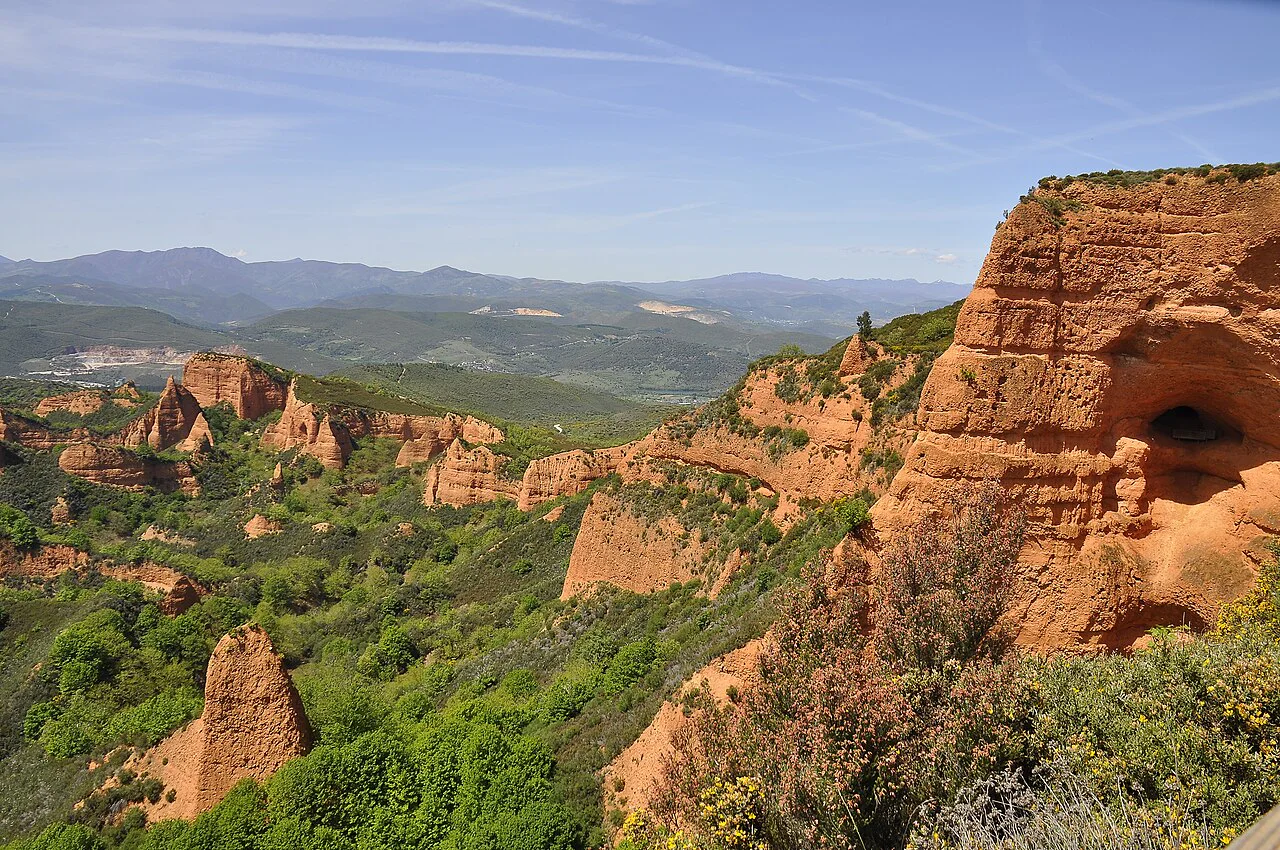
Carucedo · 130 km
Las Médulas
Content & sources
Frayle from Salamanca, España · Public domain