Languages
15Göbekli Tepe Audio Guide
Göbekli Tepe is an archaeological site in Haliliye, Turkey. Explore it with Stanza's guided offline audio tour — narrated in 15 languages.
Quick Facts
16
Stops
15
Languages
100%
Offline
📍 Haliliye, Turkey · 37.2231°N, 38.9225°E
About Göbekli Tepe
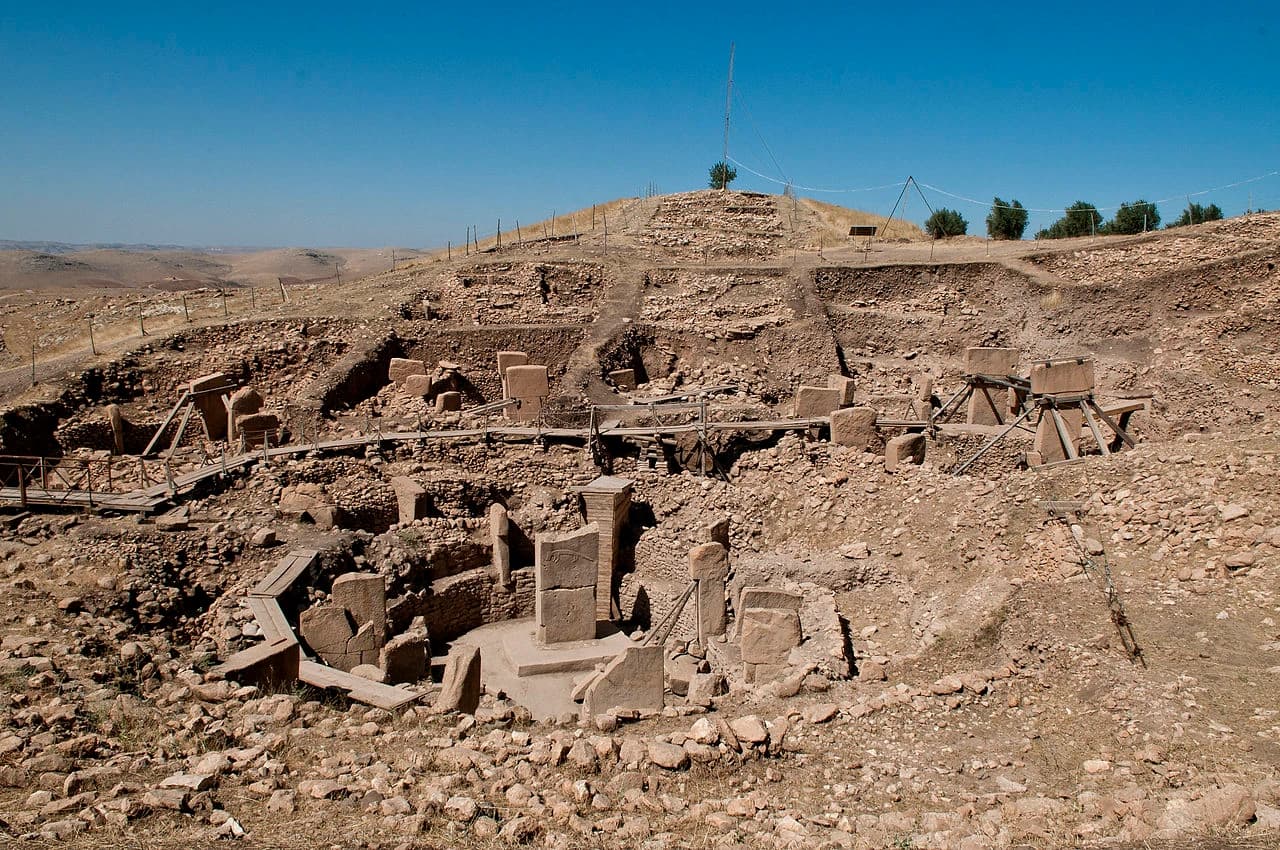
Göbekli Tepe is a Neolithic archaeological site and a tell in southeastern Turkey. It is renowned for its monumental circular and oval structures featuring carved pillars, dating back to the Pre-Pottery Neolithic period.
Göbekli Tepe is also known as Potbelly Hill, Portasar, Göbekli Tepe, Göbeklitepe.
This self-guided audio tour features 16 narrated stops organized across 6 sections, including The Hill of the Potbelly: Landscape and Canopy, Enclosure B: The Fox's Domain, Enclosure D: The Neolithic Masterpiece, Pillar 43: The Vulture Stone, The Divine Form: Anthropomorphic Pillars, Ancestors and Totems: Ritual Life. As a archaeological site, Göbekli Tepe offers a unique cultural experience in the heart of Haliliye, Turkey.
The Stanza audio guide is available in 15 languages and works entirely offline — download the complete tour including audio narration, maps, and images before your visit. As you walk through Göbekli Tepe, GPS-triggered narration plays automatically at each point of interest.
Last updated:
What you will hear
The Hill of the Potbelly: Landscape and Canopy
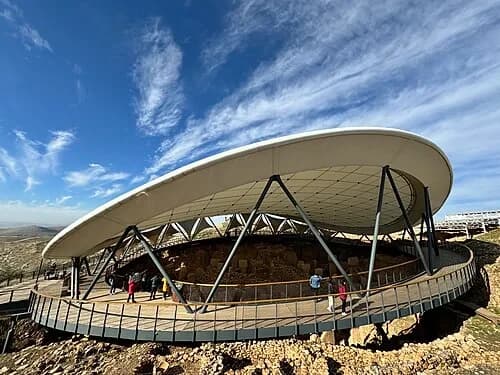
Arrival at the summit. These images establish the scale of the artificial mound (tell) and the modern protection system.
The Summit View
Standing on the summit of what locals call 'the Hill of the Potbelly,' you are positioned over a site that remained active for approximately 1,500 years. During that long era, these enclosures were expanded, modified, and eventually intentionally buried before being abandoned around 8000 BCE. The elevated wooden walkway you are using was carefully constructed to allow visitors a clear view into the deep excavation pits without treading on or disturbing the delicate limestone structures below. From here, look out at the vast, arid landscape of southeastern Turkey. In the Neolithic period, this environment would have looked very different—it was a lush, fertile region teeming with wild game and vast fields of natural grasses. The people who built these temples traveled from across this region to participate in rituals and construction. Because they had not yet developed a system of writing, their history is written in the stones beneath your feet. The sheer effort required to move stones weighing several tonnes up this hill speaks to a deeply shared belief system. Each pit represents a different phase of construction, showing how the builders refined their techniques over centuries, moving from simple walls to the complex, decorated enclosures visible today.
Enclosure B: The Fox's Domain
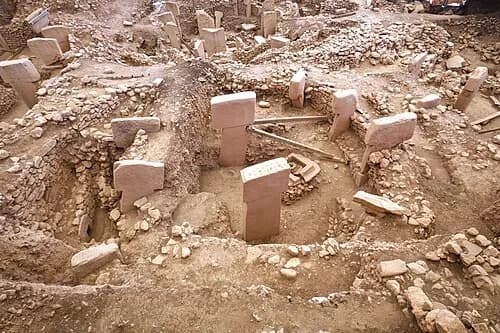
Moving along the walkway to the 'Fox Building'. This area highlights the transition from animal reliefs to stylized human forms.
The Fox Building
In Enclosure B, the prevailing theme shifts from snakes to foxes. This area is often called the 'Fox Building' due to the prominent carvings of the animal found on its central pillars. These structures were not homes; no hearths or domestic debris typical of living quarters have been found within them. Instead, they appear to be purely ritual spaces where groups gathered for ceremonies or seasonal events. The architecture here is designed to draw the eye toward the center. Surrounding stone walls reinforce and protect the central T-shaped pillars, which act as the spiritual focal points of the entire room. In the Neolithic mind, the T-shape was likely a representation of something significant, perhaps a stylized human figure or a deity. The surrounding benches built into the walls suggest that people sat and observed rituals performed in the central area. The foxes carved here are depicted with high levels of detail, showing their bushy tails and pointed ears. By creating these dedicated spaces, the people of the Neolithic were establishing a sense of place and community that had never existed before on this scale. The stone walls acted as a boundary between the wild world outside and the sacred, ordered world they created within.
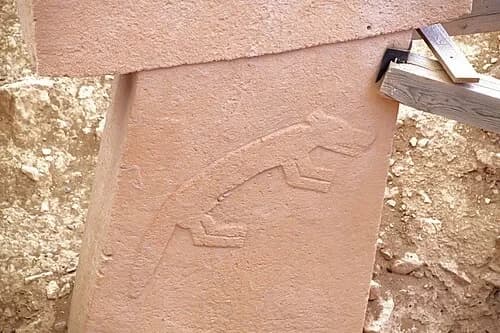
The Leaping Fox Relief
This specific relief provides an excellent example of the artistry found at Göbekli Tepe. The fox is depicted in an aggressive, active posture, as if it is lunging or leaping. Achieving this level of detail in low relief required immense skill, as the artist had to meticulously chip away the surrounding limestone to leave the animal's form raised above the surface. Notice the definition in the limbs and the snarling expression, which gives the carving a sense of life and motion even after eleven millennia. The choice of animals like foxes, scorpions, and snakes is telling. These were not the primary food sources for the hunter-gatherers of the time, who mostly survived on wild sheep, cattle, and gazelle. Instead, these predatory or venomous creatures likely represented something symbolic—perhaps protective spirits, totems for specific clans, or guardians of a 'world of the dead.' The fact that such a fierce animal is placed on a central pillar suggests it was meant to be seen and respected by anyone entering the enclosure. This artistic choice demonstrates that early humans were not just focused on survival, but were deeply engaged in complex symbolic thinking. They used their environment to create a visual language that helped them make sense of the powerful and often dangerous natural forces surrounding them.
Enclosure D: The Neolithic Masterpiece
The climax of the site visit. This enclosure contains the tallest and most detailed pillars, reaching 5.5 meters.
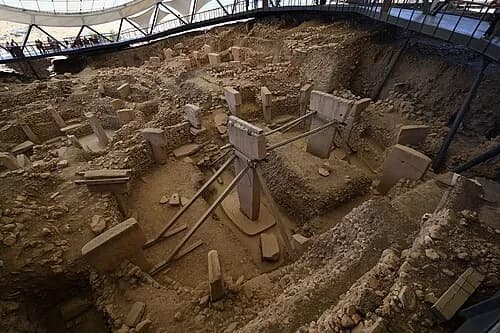
Enclosure D: The Masterpiece
We have reached the climax of the tour: Enclosure D. This is widely considered the best-preserved and most impressive of all the excavated circles. The preservation is so exceptional because the site was intentionally buried by its creators around 8000 BCE, which protected the stone surfaces from thousands of years of wind and rain. The enclosure features two massive central pillars that dominate the space, reaching heights of up to 5.5 meters. These are the tallest pillars found at Göbekli Tepe so far. The scale of these stones is staggering. Each of the central pillars weighs between 10 and 20 metric tonnes. To move and erect these monoliths, a massive coordinated effort was required, involving hundreds of people working together without the aid of modern technology. The surfaces are densely covered with animal reliefs and symbols, creating a complex visual narrative that researchers are still trying to decode. Standing here, the sheer size of the pillars makes you feel small, which was likely the intended effect for the Neolithic pilgrims who visited this place. The enclosure feels like a sacred theater, where the towering stone figures presided over whatever communal activities took place. It represents the absolute pinnacle of Neolithic engineering and artistic ambition, a true masterpiece from the dawn of human history.
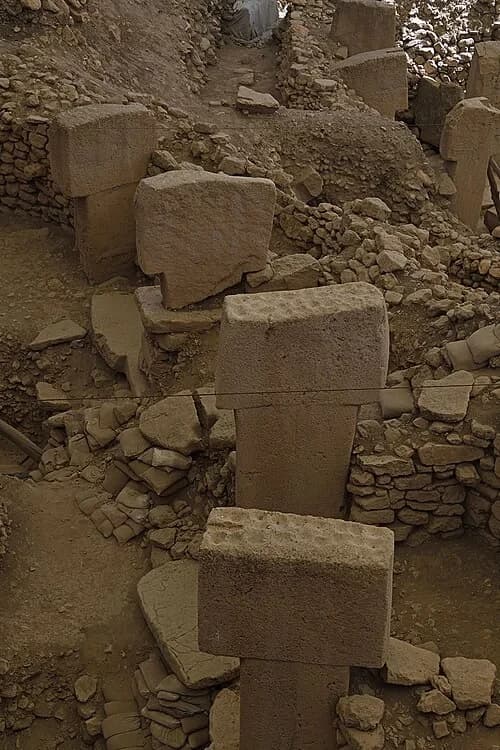
The Megalithic Sequence
Looking at the sequence of pillars lining the interior wall of Enclosure D, you can begin to appreciate the true engineering prowess of these ancient builders. Moving these stones from the nearby quarries was an immense task. Hundreds of people would have had to work in perfect coordination, using ropes and wooden rollers to pull the multi-tonne limestone blocks across the landscape. The labor wasn't just physical; it required sophisticated planning and social organization to manage such a large workforce over months or years. Once the pillars reached the site, they were set into shallow grooves carved directly into the bedrock. Despite being top-heavy and standing on relatively narrow bases, they were balanced with such incredible precision that they remained upright for over 11,000 years. This shows a deep understanding of weight, balance, and the properties of the limestone they were working with. The pillars are arranged in a circle, creating a contained space that feels separate from the world outside. Between the pillars, the gaps are filled with stone-and-mortar walls, reinforcing the structure and providing a backdrop for the central figures. This sequence of stones served as the structural bones of the temple, creating a rhythmic and orderly environment that was essential for the religious or social functions of the site.
Pillar 43: The Vulture Stone
A specific stop for the most famous pillar in Enclosure D, often linked to ancient astronomy and constellations.
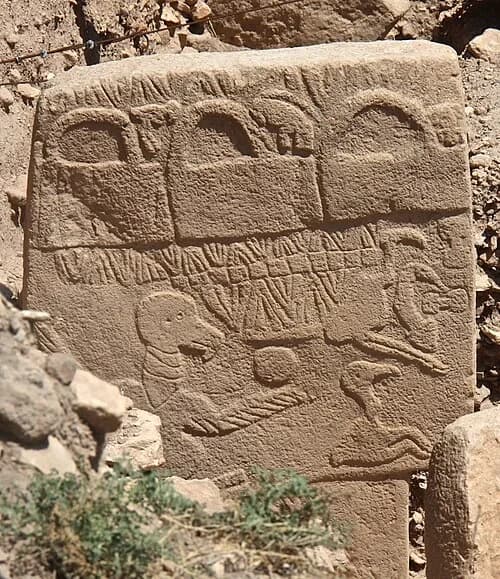
The Vulture Stone
Pillar 43, famously known as the Vulture Stone, is one of the most debated and studied stones at Göbekli Tepe. It features a complex arrangement of various animals, including a prominent vulture that appears to be holding a round object, often interpreted as a human head or a celestial body. Surrounding the vulture are scorpions, snakes, and other birds, all carved with remarkable detail. Unlike the single-animal carvings seen elsewhere, this pillar seems to tell a specific story or convey a broader message. Some researchers have proposed a fascinating theory: that the Vulture Stone isn't just art, but a coded record of ancient astronomy. The positions of the animals might map out specific constellations as they appeared in the night sky thousands of years ago. Some even suggest it documents a prehistoric comet strike that may have impacted the region, causing a significant shift in the climate or environment. While these theories are controversial, they highlight the depth of symbolic complexity present here. Whether it represents a mythological story, a map of the heavens, or a record of a historical event, the Vulture Stone proves that the Neolithic people were keen observers of the natural and celestial worlds. The stone serves as a window into a complex worldview that integrated nature, the stars, and human experience.
The Divine Form: Anthropomorphic Pillars
Explaining the T-shape. Use clear museum replicas to show the arms, belts, and hands that prove these pillars represent humans.
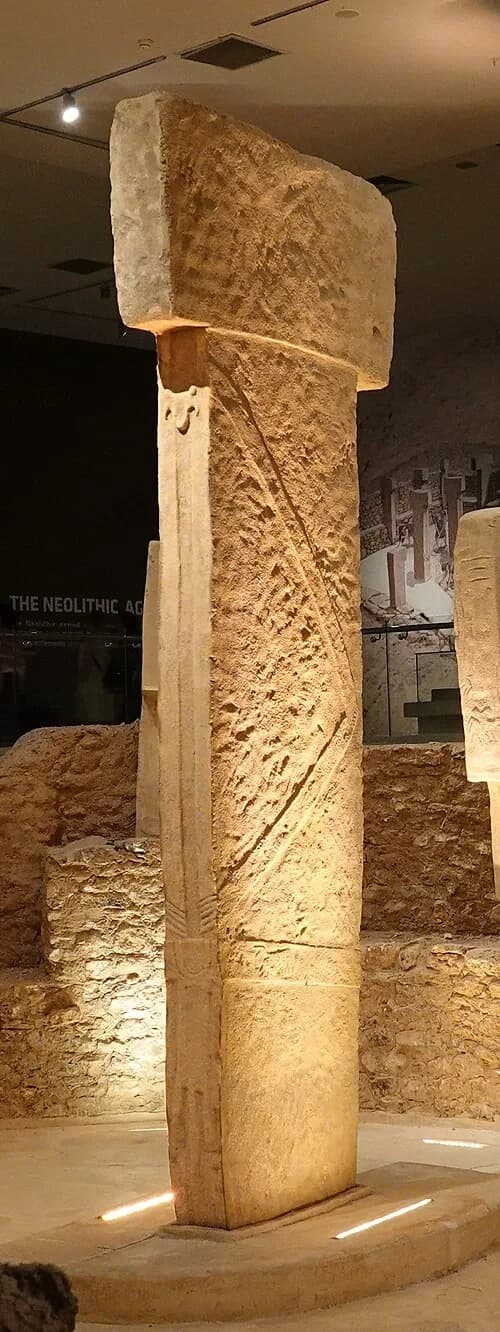
The Anthropomorphic Form
The distinctive T-shape of the pillars at Göbekli Tepe is the site's most recognizable feature. While they might look abstract at first glance, a closer look reveals they are stylized human forms. These pillars were carved to represent headless people or supernatural beings. On the sides of the pillars, you can clearly see arms carved in relief, with elbows bent and hands reaching toward the front. Some pillars even feature belts wrapped around the 'waist,' with a loincloth hanging down from the center. The absence of heads is significant. It might suggest that these figures represent deceased ancestors, or perhaps they depict deities that were not meant to have human faces. By giving the massive stones human-like features, the builders were essentially 'bringing them to life,' transforming the limestone into silent observers of the rituals. These pillars would have acted as the spiritual guardians of the space, presiding over the gatherings. This anthropomorphism—the attribution of human traits to non-human things—is a central part of many ancient religions. It allowed the Neolithic people to relate to the massive, imposing forces they worshipped on a more personal level. These stylized humans stood as intermediaries between the physical world of the living and the spiritual world they believed existed beyond.
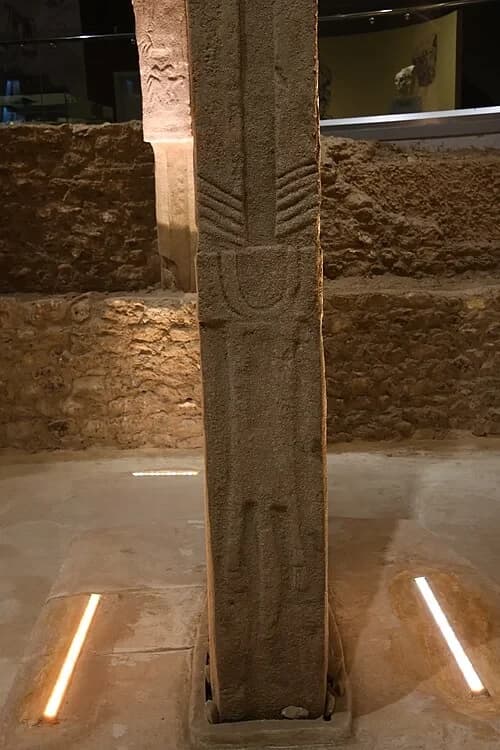
Hands and Ritual Attire
Looking closely at the front of this pillar, you can see the finely carved hands meeting just above the waistline. The fingers are depicted as long and slender, carefully rendered in the limestone. Just below the hands is a belt, and hanging from it is a loincloth, likely intended to represent a garment made from animal skin. These specific details provide a rare and fascinating connection to the actual physical appearance and attire of the Neolithic people who built this site. These humanizing elements transform the massive, intimidating stone into something more recognizable. They suggest that the figures represented by the pillars were not just abstract concepts, but were seen as individuals with specific ritual roles or status. The care taken to carve the fingers and the folds of the clothing shows a high level of observation and a desire for realism in these stylized forms. By including these details, the builders bridged the gap between the monumental and the human. It connects us across eleven millennia to the people who once stood in the shadow of these stones, wearing similar garments and participating in the same rituals. This level of detail reminds us that the creators of Göbekli Tepe were individuals with their own traditions, aesthetics, and sense of identity, which they chose to immortalize in stone.
Ancestors and Totems: Ritual Life
A look at the spiritual life of the builders. Includes the 11,000-year-old totem and rare female imagery.
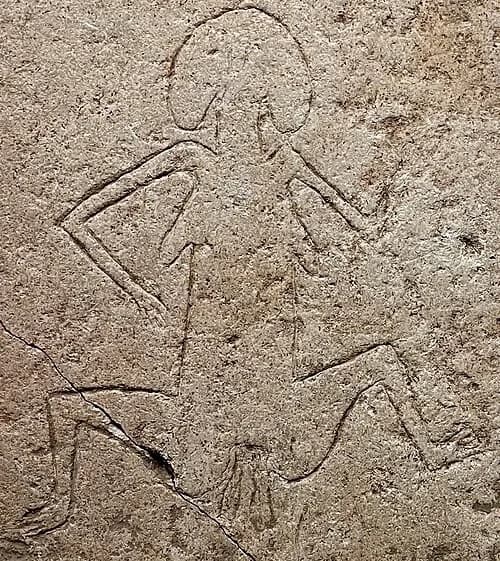
The Female Engraving
This unique stone slab is one of the most surprising finds at the site. It depicts a woman in a squatting position, with her legs splayed in a pose often interpreted as giving birth. This image is significant because almost all other carvings at Göbekli Tepe feature male animals or aggressive predators. The focus is usually on power, teeth, and claws. Finding such a direct representation of a female figure—and one in a state of creation rather than aggression—is highly unusual. This rare find tells us that the spiritual world of these people was more diverse than the large pillars might suggest. While the main enclosures may have been dedicated to more public, perhaps male-dominated rituals, this slab hints at other aspects of their belief system, possibly related to fertility, life cycles, or the specific role of women in their society. Because it was found on a stone bench rather than a central pillar, it may have been used in a more private or specific context. It challenges the idea that the site was purely about aggressive symbolism. Instead, it suggests a balanced worldview that acknowledged both the dangerous predators of the wild and the fundamental human experience of birth and life. This single engraving provides a vital piece of the puzzle, helping us understand the full scope of Neolithic human experience and belief.
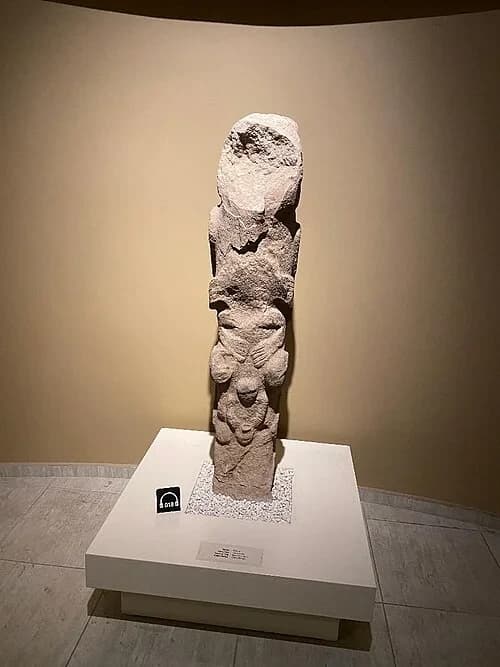
The Neolithic Totem
In addition to the massive pillars, smaller and more complex artifacts like this totem pole have been found at Göbekli Tepe. This rare object features a sequence of stacked figures, starting with a large, aggressive predator at the top—possibly a bear or a large feline—with its mouth open and paws clutching something below. Beneath the predator are smaller figures, including human-like faces with prominent eyes and noses. This arrangement is highly unusual and suggests a very specific mythological narrative. Objects like this support the theory of a 'skull cult' tradition among these Neolithic people. In many similar cultures, the heads of the deceased were removed, plastered, and displayed as a form of ancestor worship. The prominence of heads and faces in this totem, and the way they are being held or guarded by the predator above, might relate to these beliefs. This totem pole represents a different way of conveying stories and symbols than the large pillars, using vertical space to show a hierarchy or a sequence of characters. It points to a rich and probably very diverse mythology that involved both the animal world and the human ancestors. The skill required to carve such a complex, multi-figured object from a single piece of stone is a testament to the specialized craftsmen who were part of this hunter-gatherer society.
Want to hear the rest?
Download the Stanza app to unlock all 16 stops and the complete guided audio tour.
Frequently Asked Questions
How long does the Göbekli Tepe audio tour take?
The Göbekli Tepe audio guide includes 16 narrated stops. Most visitors spend 45 minutes to 1.5 hours exploring the complete tour, though you can listen at your own pace and skip or revisit any stop.
Is the Göbekli Tepe audio guide available in my language?
Stanza supports 15 languages: English, Spanish, French, German, Italian, Portuguese, Russian, Japanese, Chinese, Korean, Arabic, Hindi, Polish, Dutch, Hebrew. Check the guide in the app to confirm the languages currently available for this tour.
Can I use the audio guide offline at Göbekli Tepe?
Yes! Download the complete Göbekli Tepe tour — including all audio, maps, and images — before your visit. The Stanza app works completely offline, so you don't need WiFi or mobile data at the venue.
How much does the Göbekli Tepe audio guide cost?
The Stanza app is free to download. The current listed price for the Göbekli Tepe audio guide is $3.99; app-store region and currency may affect the final price.
How do I use the Stanza audio guide at Göbekli Tepe?
Download the free Stanza app, search for "Göbekli Tepe", and download the tour. When you arrive at the venue, the app uses GPS to detect your location and automatically plays the relevant narration as you move between points of interest — completely hands-free.
What makes the Stanza audio guide different from other Göbekli Tepe tours?
Stanza offers GPS-triggered narration that plays automatically as you walk through Göbekli Tepe — no need to manually select stops. The tour is available in 15 languages, works fully offline, and includes 16 expertly narrated stops with images and historical context.
What other audio guides are available near Göbekli Tepe?
Stanza offers multiple audio guides in Haliliye, Turkey and nearby areas. After downloading the app, browse the map to discover all available tours near Göbekli Tepe. Each guide can be downloaded for offline use.