Stanza · Audio guide
Fethiye Camii Audio Guide
A place to remember. A story to take with you.
The Pammakaristos Church is a famous Byzantine church building in Istanbul that served as the last pre-Ottoman home of the Ecumenical Patriarchate. It is significant for containing the largest quantity of…
Download Stanza, then search for “Fethiye Camii”.
About the tour
One guide. Your kind of visit.
The Pammakaristos Church is a famous Byzantine church building in Istanbul that served as the last pre-Ottoman home of the Ecumenical Patriarchate. It is significant for containing the largest quantity of Byzantine mosaics in the city after the Hagia Sophia and the Chora.
Ready when you are.
- 01Get the free Stanza app.
iOS & Android
- 02Find your guide.
“Fethiye Camii”
- 03Download before you go.
Works offline
Audio guide / 7 narrated stops
Inside the guide
Get to know a few of the stories before you go. Open a stop to read more.
01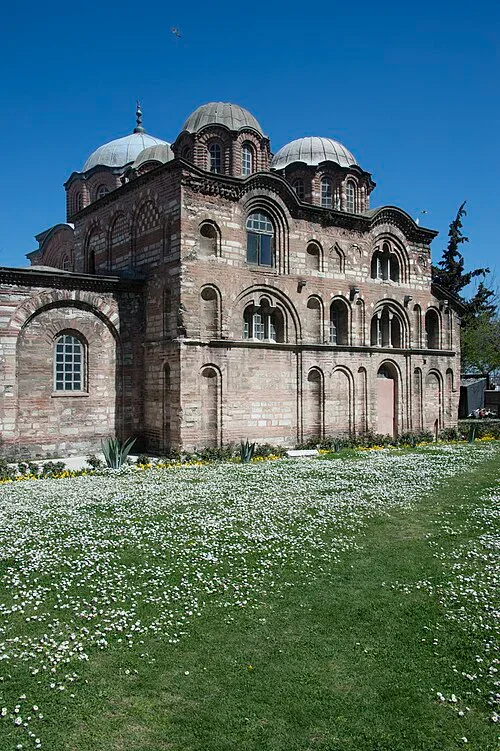 Courtyard and Mosque Exterior
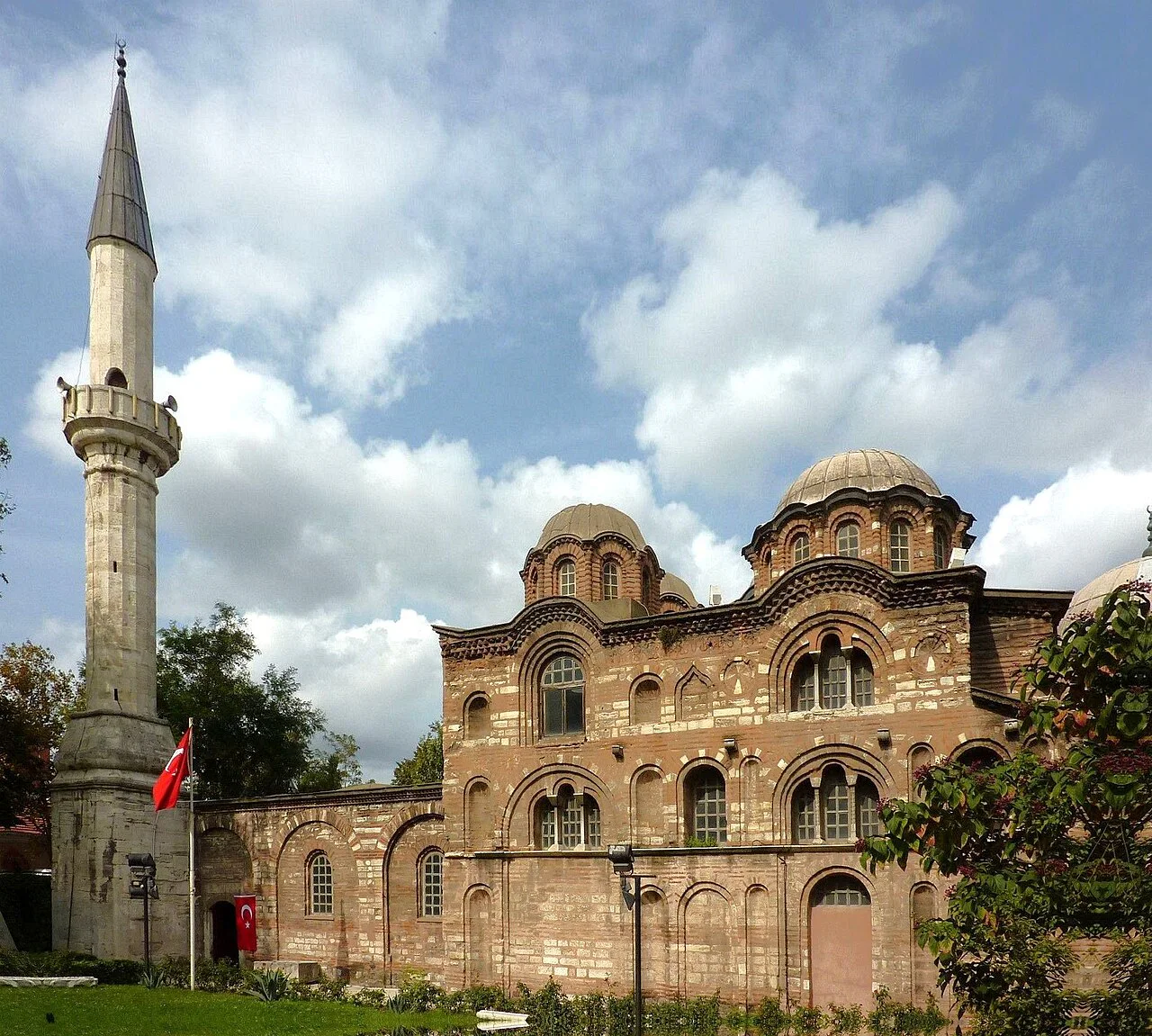
The South Elevation: A Complex in Layers
This place has lived three lives, and every one of them left a mark on these walls. It began as a Byzantine monastery church of the Mother of God, called Pammakaristos, the All-Blessed. Later it housed the Ecumenical Patriarchate, and after that it became a mosque. Today part of it is still a mosque, and the side chapel is a museum. A long-lost inscription recorded the founders of the monastery: John Comnenus and his wife Anna Doukaina. The main church itself is harder to date. Most scholars put it between the eleventh and twelfth centuries. Some name the emperor Michael VII Doukas as the builder, and one Swiss scholar argued the origins went back to the eighth century. The walls keep the debate alive in brick and stone. Look for the banding across the facade, where rows of brick alternate with pale stone. The bricklayers of that early period used a subtle trick, setting every other course of brick back behind the wall face and sinking it in mortar. The building grew by additions over the centuries, and each phase of work is legible in the fabric. Over the next few stops, the story follows those layers, from a widow's chapel to a sultan's conquest.
Photo: Dosseman · CC BY-SA 4.0
02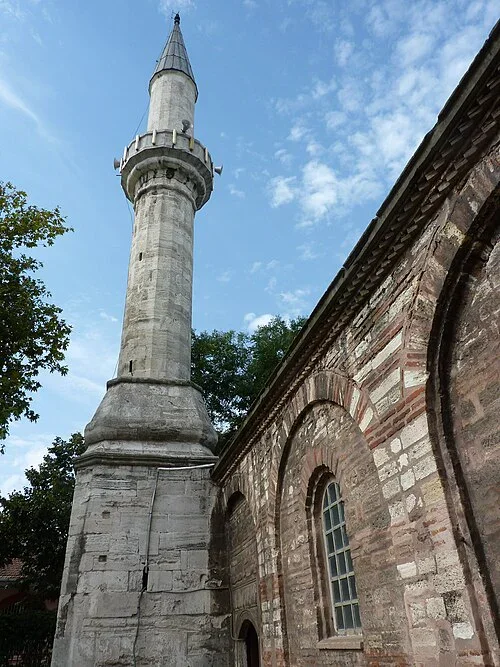 Courtyard and Mosque Exterior
The Minaret and the Mosque of the Conquest
A slender stone minaret stands against brickwork laid by Byzantine masons centuries apart. Around 1587, Sultan Murad III turned this church into a mosque. He renamed it Fethiye Camii, the Mosque of the Conquest, in memory of his victories in Georgia and Azerbaijan. The conversion changed the building profoundly. Workmen removed most of the interior walls to open a larger space for prayer. The arcades that once linked the main aisle to its side aisles came down, replaced by broad arches. The three apses of the Byzantine church were taken away entirely. In their place, toward the east, a great domed room rose at an oblique angle to the old layout, aligned toward Mecca. And at the corner, the minaret went up, the muezzin's call taking the place of church bells. That single tower, bolted onto medieval fabric, tells the whole story of the transformation. This part of the complex is still an active mosque today.
User:Vmenkov · CC BY-SA 3.0
03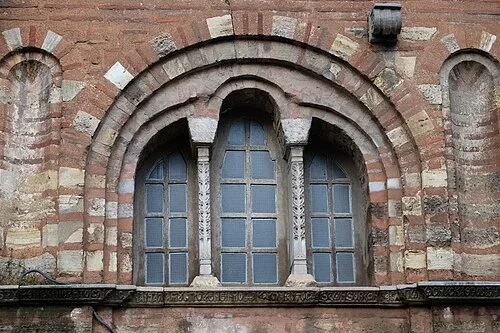 The Parekklesion South Facade and Inscriptions
The Parekklesion Facade: Martha's Memorial Chapel
Carved marble columns divide this tall window into three lights, a small show of elegance in brick and stone. The chapel behind it is the parekklesion, a funerary chapel added to the south side of the church in the early fourteenth century. Its story belongs to a widow. Around 1305 died Michael Doukas Glabas Tarchaneiote, a general and protostrator serving the emperor Andronikos II Palaiologos. His wife Maria, who took the name Martha as a nun, built this chapel in his memory shortly after 1310. It was dedicated to Christ the Word, though some accounts say simply to Christ himself. She gave it two storeys and its own narthex, so it could work alongside the great church while serving as a place of worship in its own right. Its plan is the classic cross-in-square, with five domes, but the proportions are far more slender and vertical than the type usually allows. Some architectural historians call it the most beautiful building of the late Byzantine period in Constantinople. The carved cornices and careful banding of brick and stone across its surfaces are part of that reputation.
Listen in the appBrad Hostetler · CC BY 2.0
04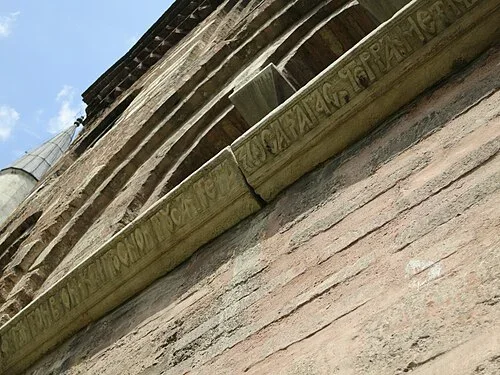 The Parekklesion South Facade and Inscriptions
The Greek Epigrams of Manuel Philes
Cut into the stone course running along this wall, letters of Greek catch the light. They belong to a dedicatory inscription composed by Manuel Philes, one of the prominent poets of the late Byzantine court. The verse runs along both the inside and the outside of the parekklesion, addressed to Christ. Poetry here was not added to the building afterwards. It was built into the architecture itself, carved permanently into the cornices as part of the design. Literary tribute turned into ornament is a rare thing to survive anywhere. Here it still circles the chapel, seven centuries after the chisels finished their work.
Listen in the appBrad Hostetler · CC BY 2.0
05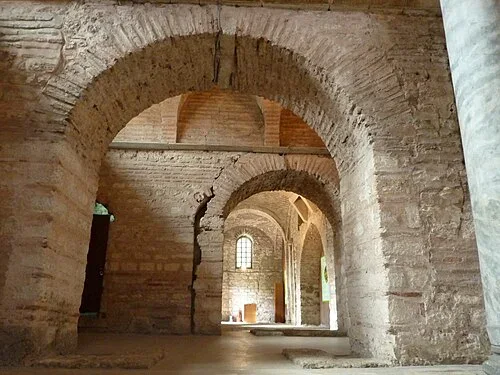 The Parekklesion Interior and Patriarchal Seat
Inside the Chapel: Seat of the Patriarchate
The brick arches of this chapel rise tall and narrow, plain plaster over old fabric, a space stripped back to its bones. Its austere calm suits the story of this building's second life. Constantinople fell in 1453. The seat of the Greek Orthodox Patriarchate first moved from Hagia Sophia to the Church of the Holy Apostles. Then in 1456 it came here, to the Pammakaristos, and stayed for more than a century. Under Patriarch Gennadios Scholarios, this complex became the center of Greek Orthodoxy for the whole world. This chapel survived as part of that headquarters, while the great ceremonies took place in the complex's main church. Among them was the synod of 1484, which formally condemned the decrees of the Council of Ferrara-Florence, the failed attempt at reunion between the eastern and western churches. The patriarchate remained here until 1587, when the sultan took the church for a mosque.
Listen in the appUser:Vmenkov · CC BY-SA 3.0
06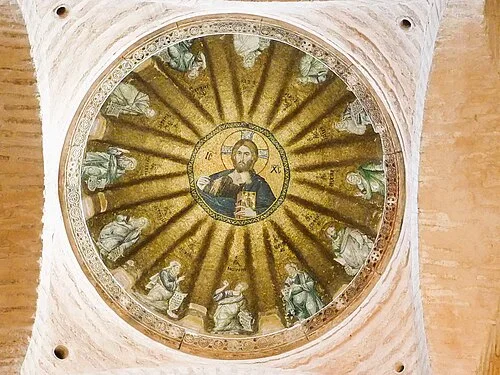 The Central Dome: Christ Pantocrator and Prophets
The Dome: Christ Pantocrator and the Prophets
At the summit of the dome, Christ looks down from a golden circle, one hand raised in blessing, a book in the other. This is Christ Pantocrator, the ruler of all, the image that crowned Byzantine church domes for centuries. Around him, arranged in the curve of the dome, stand twelve prophets of the Old Testament on the same gold ground, among them Moses, Isaiah, Jonah and Zechariah. The panels belong to the early fourteenth century, the work of the chapel's builders. To the right side of the dome, a mosaic of the Baptism of Christ survives intact. These mosaics give this chapel the largest quantity of Byzantine mosaic work in Istanbul after Hagia Sophia and the Chora Church. They are less extensive and less perfectly preserved than the Chora's. Even so, they are a key resource for understanding late Byzantine art, the last great flowering of the empire's capital, made as the empire itself was shrinking toward its final years.
Listen in the appPhoto: Chris06 · CC BY-SA 4.0
07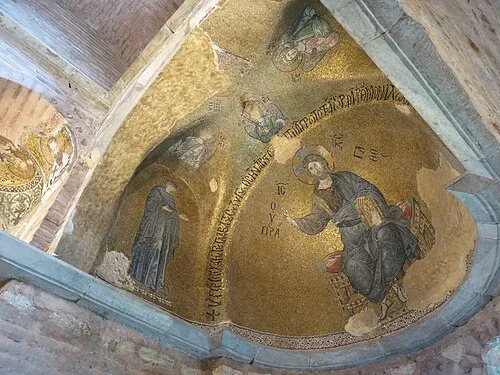 The Apse: Christ Enthroned and Sanctuary Mosaics
The Apse: Christ and the Closing Image
In the curve of the apse, the gold returns. Christ sits enthroned here in a mosaic known as Christ Hyperagathos, shown with the Virgin Mary and St John the Baptist beside him. The composition is a Deesis, the great image of intercession that Byzantine artists placed at the heart of their sanctuaries. The Mother of God and the Forerunner turn toward Christ, pleading on behalf of the human world. It is a quiet ending for a visit through this building. A monastery church, a patriarch's seat, a sultan's mosque, a museum of mosaics: all of it rests within these same walls.
Listen in the appBrad Hostetler · CC BY 2.0
Fethiye Camii
Frequently asked questions
How much does the guide cost?
Free app download. Listed guide price: $0.99. Guide price shown in the app. Audio guide only. Venue admission is separate.
Can I listen without internet?
Yes. Download the guide’s audio, images, and maps in the app before your visit. Your downloaded content is then available offline.
Can I listen in my language?
This audio guide is available in 15 languages, including English.
Do I need to follow a schedule?
No. This is a self-guided experience. Choose your stops, pause whenever you like, and return to a story at your own pace.
At your own pace
Explore Fethiye Camii.
Download Stanza, then search for “Fethiye Camii”.
Free app download · Guide price shown in the app
Keep exploring
Nearby audio guides
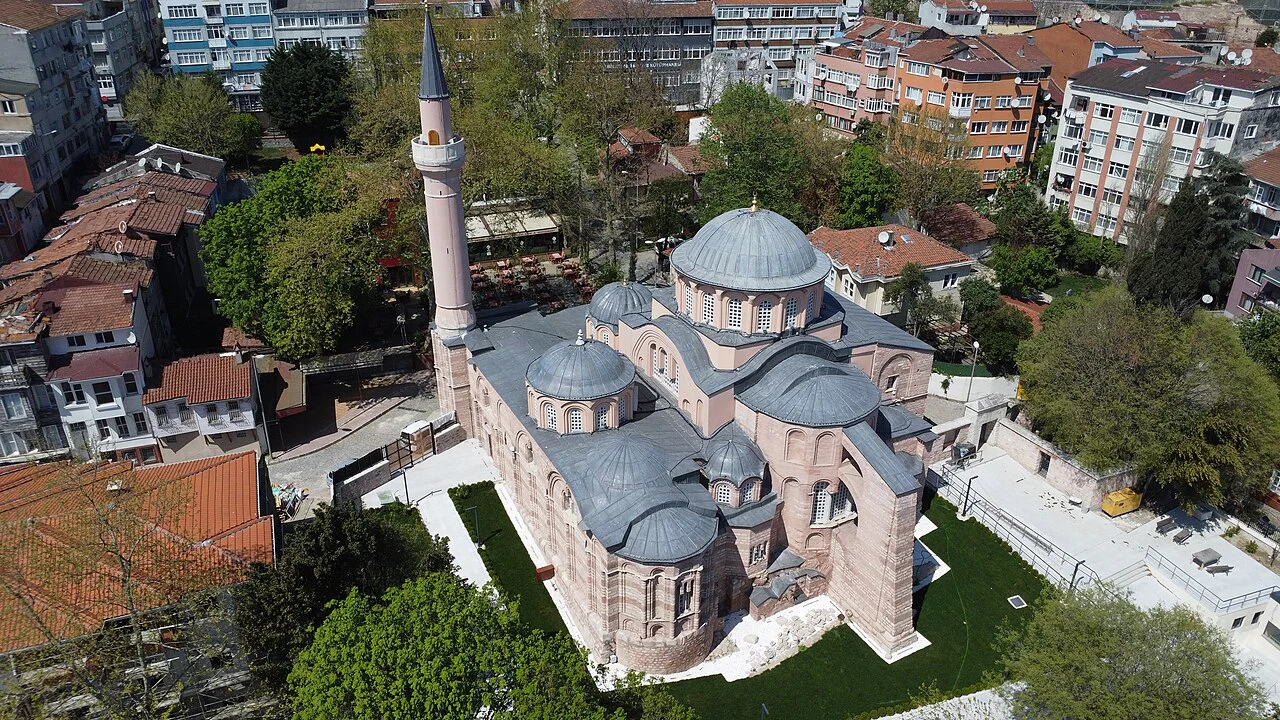
Istanbul · 1 km
Kariye Camii
Content & sources
Photo: Tadam · CC0
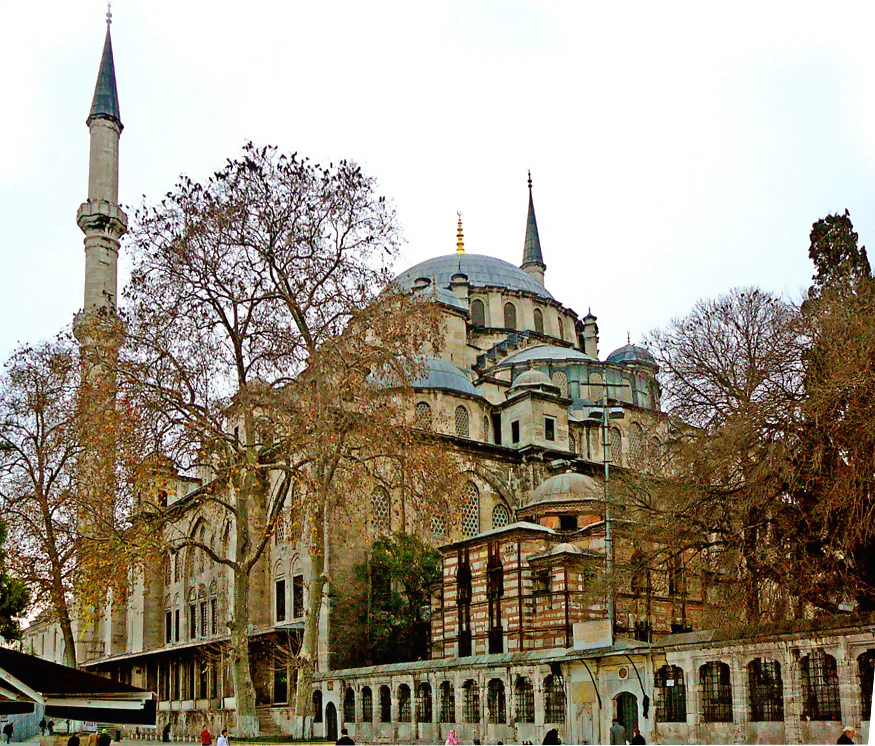
Istanbul · 1 km
Fatih Camii
Content & sources
Muscol · CC BY-SA 3.0
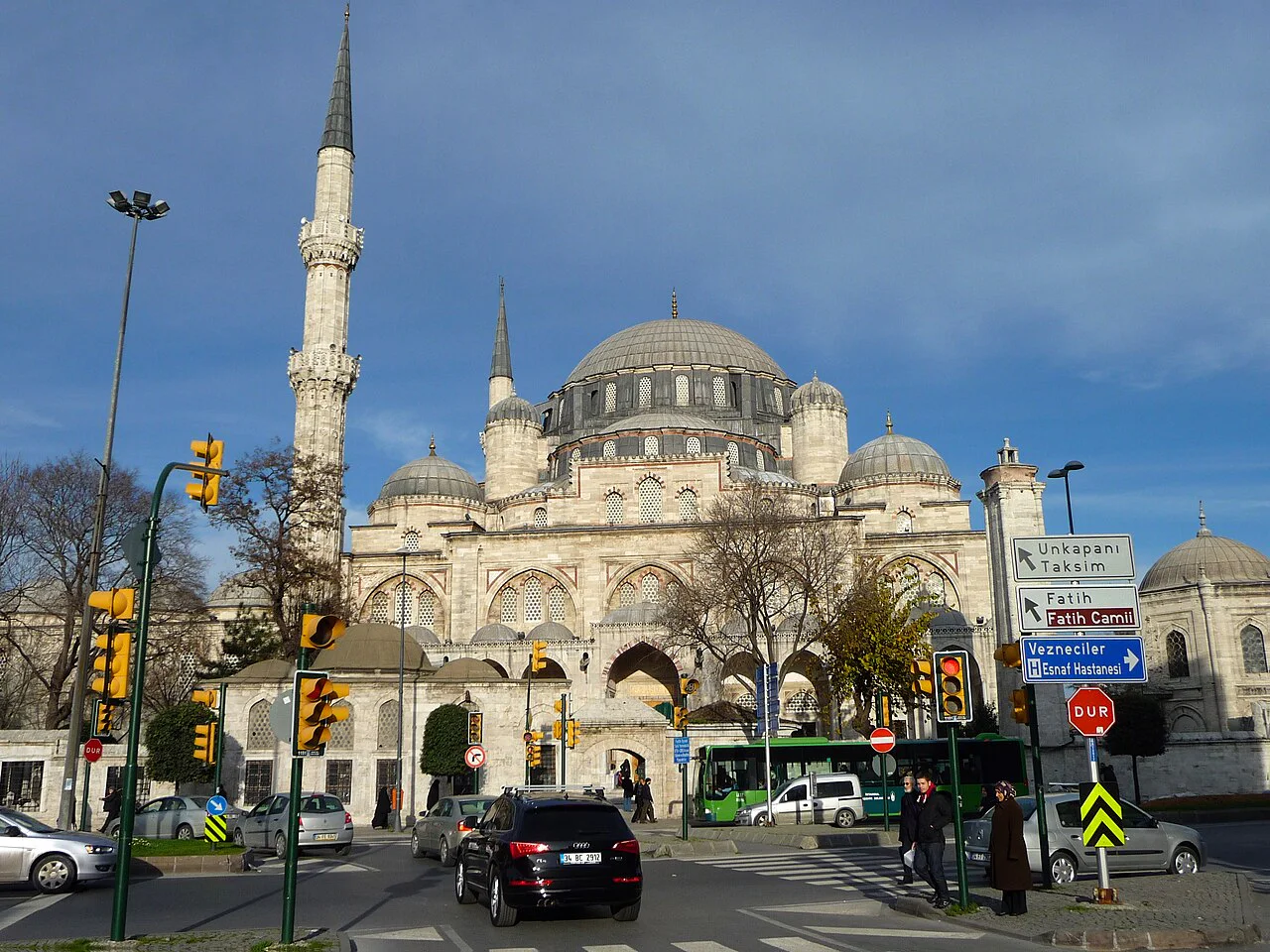
Istanbul · 2 km
Şehzade Camii
Content & sources
Photo: Ondřej Žváček · CC BY 2.5
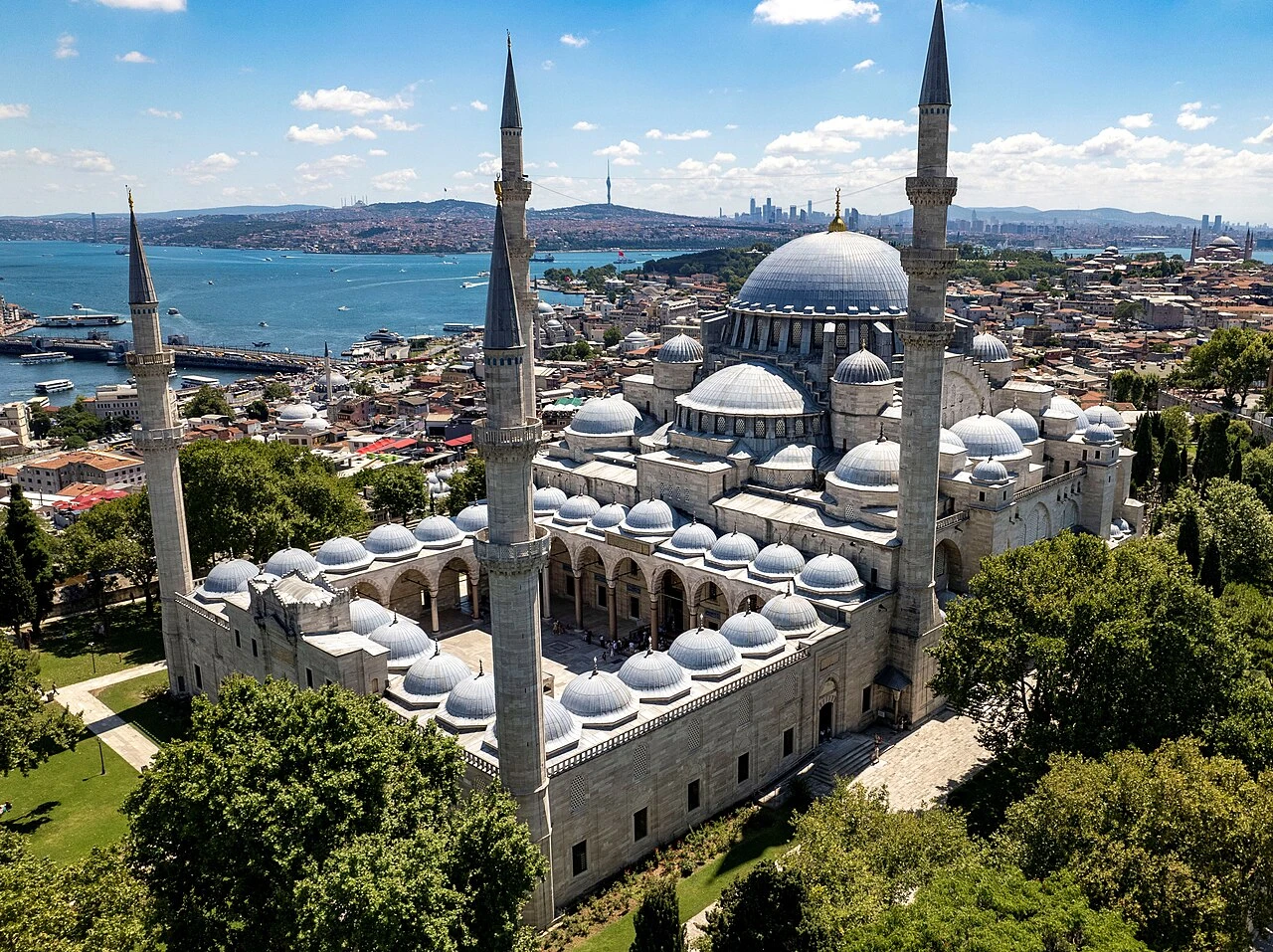
Istanbul · 2 km
Süleymaniye Mosque
Content & sources
Hunanuk · CC0