Stanza · Audio guide
Jarlshof Audio Guide
A place to remember. A story to take with you.
Jarlshof is a prehistoric archaeological site located in Shetland, Scotland. It contains remains dating from 2500 BC up to the 17th century AD.
Download Stanza, then search for “Jarlshof”.
About the tour
One guide. Your kind of visit.
Jarlshof is a prehistoric archaeological site located in Shetland, Scotland. It contains remains dating from 2500 BC up to the 17th century AD.
Ready when you are.
- 01Get the free Stanza app.
iOS & Android
- 02Find your guide.
“Jarlshof”
- 03Download before you go.
Works offline
Audio guide / 14 narrated stops
Inside the guide
Get to know a few of the stories before you go. Open a stop to read more.
01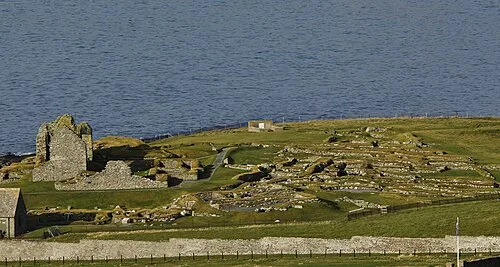 The Visual Threshold and Visitor Centre
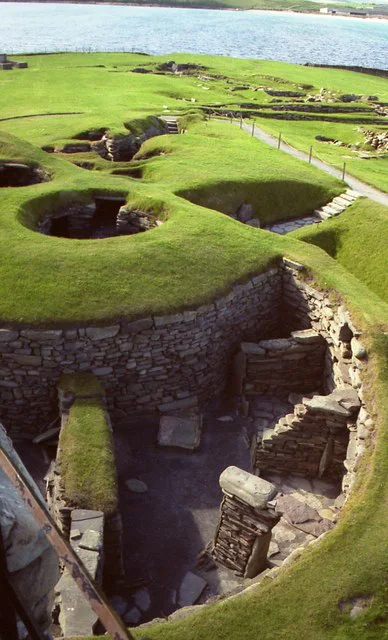
Jarlshof from Above: Four Thousand Years on One Headland
Welcome to Jarlshof, on the southern tip of Shetland's Mainland. Below stretches a low headland beside the West Voe of Sumburgh, and almost every stone on it has a story from a different age. People settled here from around 2500 BC, and others kept coming until the sixteen hundreds. That is more than four thousand years of living on one small patch of ground. The Bronze Age farmers, the Iron Age tower builders, the Picts, the Norse and the Scottish lairds all built on top of what came before. Their houses overlap in this one compact area, layer upon layer, like pages pressed together. Jarlshof has been called one of the most remarkable archaeological sites ever excavated in the British Isles. This tour follows those layers in order, from the earliest settlers to the last inhabitants.
Ronnie Robertson · CC BY-SA 2.0
02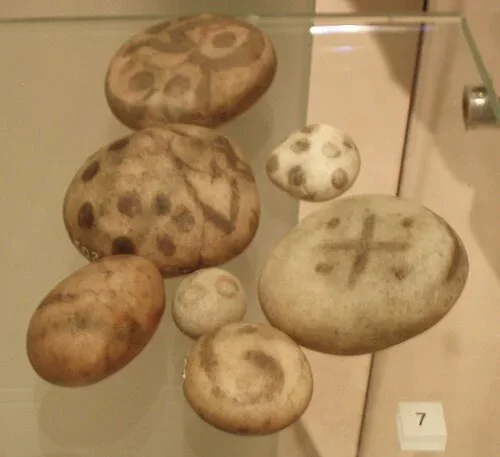 The Visual Threshold and Visitor Centre
Pictish Painted Pebbles
These small painted stones carry the mark of the Picts, the people who lived here in the centuries before the Vikings. Painted pebbles turn up at more than two dozen Pictish sites across Scotland, so the habit was a widespread one. The example found at Jarlshof itself was a fragment of slate, painted with a cross and two small S-shaped scrolls. The cross and scrolls suggest a link with Christian beliefs. Alongside such pebbles, the Picts left a bone pin with a rounded head, probably for hair or clothing, dated between about 500 and 800 AD. One of only two Pictish symbol stones known in Shetland was found here too, carved with a double disc shape and a Z-rod. Decoration like this is the clearest signature the Picts left at Jarlshof. Outside stand the houses they actually lived in.
Photo: Catfish Jim and the soapdish · CC BY-SA 3.0
03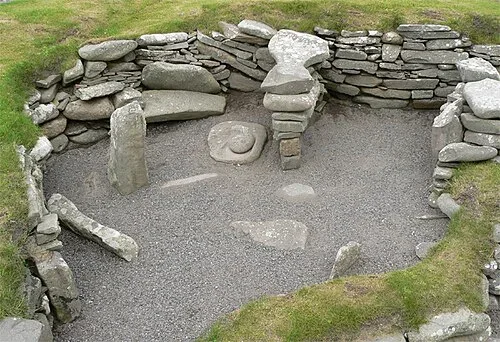 The Bronze Age Village and Smithy
A Bronze Age House, Part-Buried for Warmth
People were living at Jarlshof by around 2500 BC, making this one of the oldest settled places in Shetland. The houses that survive date mostly to the late Bronze Age, which in Scotland ran from about 2000 BC to 800 BC. They are small oval buildings with thick stone walls, and their plan resembles Skara Brae in Orkney, though the Jarlshof houses are smaller and were built later. In the earliest period they may have been partly sunk into the ground. That was a practical choice rather than a ritual one. Setting the walls into the earth gave the structure stability in the gales, and the surrounding soil acted as insulation against the cold. In a climate as exposed as this coast, a house that hugged the ground simply lasted longer. These were the first permanent homes on the headland.
Listen in the appPhoto: Otter · CC BY-SA 3.0
04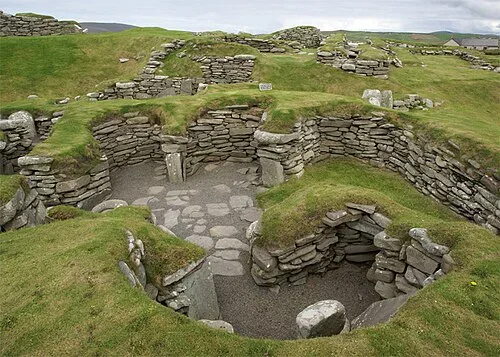 The Bronze Age Village and Smithy
The Bronze Age Smithy
Beside the houses lies the workshop of a Bronze Age smith. Broken clay moulds found here show that axes, knives, swords and pins were cast on this spot. A bronze dagger turned up at the site as well. The objects point to a smith trained in the Irish style of metalworking, so ideas travelled across the sea even then. The community kept animals close by too. There was a cattle stall with a waste channel running to a tank in the courtyard, and a whale vertebra set into a wall that may have served as a tethering post. Among the finds was a curious bone plaque, five centimetres long, with three holes bored into its ends and patterns scratched across it. Nobody knows what it was for. A layer of clean sand covers the Bronze Age buildings, hinting that the site stood empty before the next people arrived.
Listen in the appPhoto: Otter · CC BY-SA 3.0
05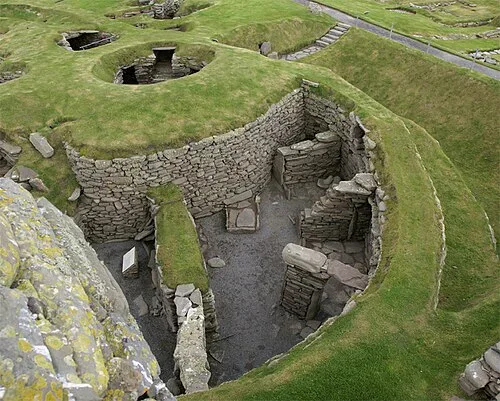 The Iron Age Broch and Roundhouses
The Broch: Iron Age Tower by the Sea
The great round tower of the broch is the boldest thing the Iron Age left here. It probably rose thirteen metres or more, the height of a four-storey building, though that figure comes from reading the surviving stumps rather than from any standing wall. Part of the tower has already gone into the sea, and modern sea defences now run along the shore to hold the line. Brochs were built across Shetland, and most sites of this period show some kind of fortification. Jarlshof fits the pattern. From the top, the position commanded fine views over the surrounding seas, so anyone approaching by water would have been seen long before they landed. Between 1949 and 1952, Jarlshof became one of the first two broch sites to be excavated with modern scientific techniques. Earlier digging had badly disturbed the deposits inside, but the work still revealed a complex sequence of building across the ages.
Listen in the appPhoto: Otter · CC BY-SA 3.0
06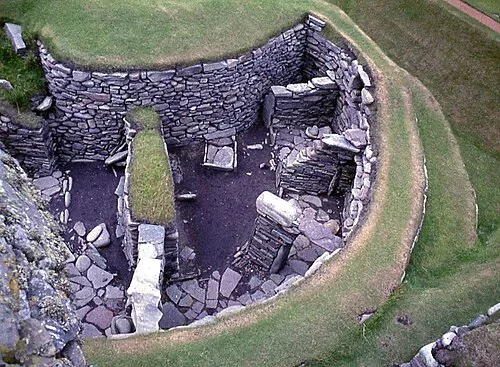 The Iron Age Broch and Roundhouses
Living in the Broch's Shadow
Recycling old stonework became a habit at Jarlshof, and this roundhouse is a good example. When the broch was in its prime, an outer defensive wall enclosed a house and byre, which the excavators judged rather poorly built. Later generations saw that wall as a ready-made foundation. They used it to raise a large roundhouse in the shelter of the broch, in the lee of the tower's protection. The Iron Age settlers had already built part of their village on top of the Bronze Age one below, so the ground was being worked over again and again. One roundhouse was replaced by a grander version with aisles, and querns for grinding grain found nearby suggest it stood before 200 BC. Nothing was wasted here. Stone that had defended one generation housed the next.
Listen in the appAlan Reid · CC BY-SA 2.0
07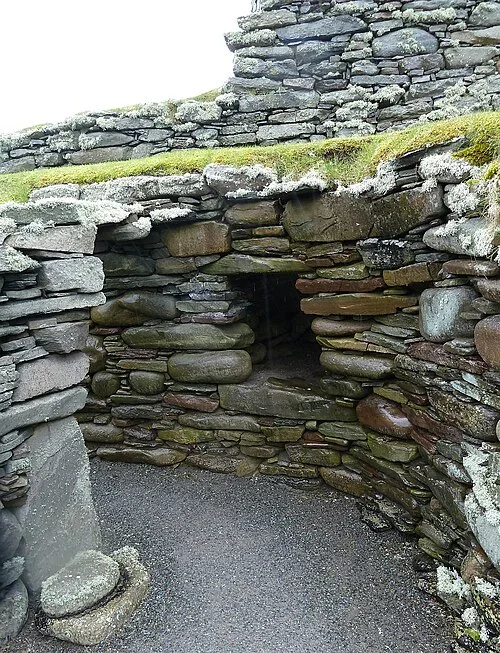 The Pictish Wheelhouses
Inside the Wheelhouse
The wheelhouse is the masterpiece of the Pictish settlement. Inside, stone piers radiate from the floor like the spokes of a wheel, and the bays between them carried the roof. The best preserved structure still holds a significant part of its stone roof, with bays corbelled inward as the walls rise. The earliest part of the complex dates to around 200 BC. What makes the Jarlshof wheelhouses unusual is how they were built. Many wheelhouses elsewhere in Scotland are dug into the earth, but these were raised from ground level upwards. Two of the four main structures here count among the finest examples of the type anywhere. The design, though, was still finding its feet.
Listen in the appRob Farrow · CC BY-SA 2.0
08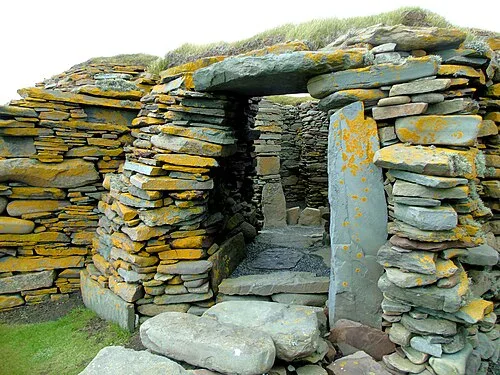 The Pictish Wheelhouses
Wheelhouse Entrance: A Design Still Evolving
The wheelhouses were not built once and finished. They went through three successive periods of construction, and the differences between them read like a series of trials. One building was first raised as a simple circle, with the radial piers pushed in afterwards, which may have been a less stable early attempt. In one structure the piers alternate between rectangular and V-shaped. In another, every pier is V-shaped, as if the builders had settled on the design they liked best. Later parts of the complex were built several centuries after the great wheelhouse-building age of the Western Isles, which ran from the first century BC to the second century AD. No radiocarbon dating has been attempted at Jarlshof, so the exact sequence rests on the excavators' reading of the stonework. Whatever its faults, the style clearly worked, because these are among the best examples of their kind anywhere.
Listen in the appCarroll Pierce · CC BY-SA 2.0
09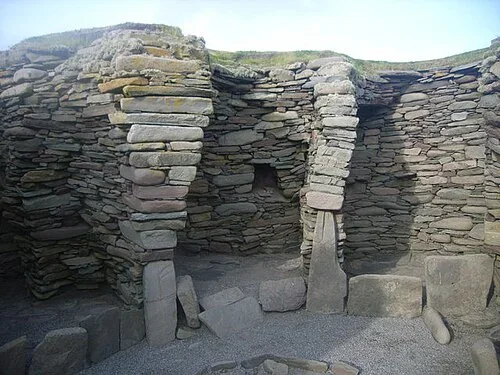 The Pictish Wheelhouses
From Picts to Norsemen: A Culture in Transition
When the Norse took over this settlement, they built in a style that looks nothing like the Pictish one. Their houses were rectangular, where the older ones had been round. Yet look at the lowest courses of wall, and the two periods were put together in exactly the same way. Small finds blur the line further. Viking-style loom weights and spindle whorls lay alongside stone discs of clearly Pictish design. Most intriguing of all are the drawings scratched on slate: dragon-prowed ships, a portrait of an old man, a young bearded man, and a four-legged animal. They came from the Viking levels of the site, but their style is Pictish. Either they pre-date the Norse arrival, or art and culture simply carried on from one people into the next. A bronze-gilt harness mounting, made in Ireland in the eighth or ninth centuries, came out of the same ground.
Listen in the appNicholas Mutton · CC BY-SA 2.0
10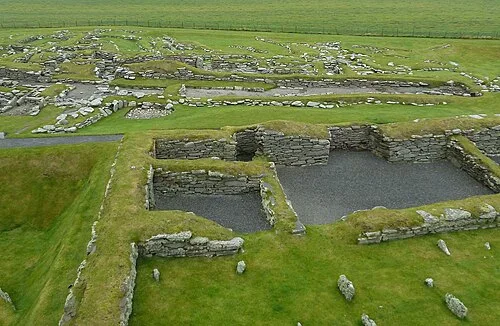 The Norse Settlement and Longhouses
The Norse Village: Britain's Largest Visible Viking Site
This broad sweep of low green foundations is the Norse village, the most extensive Viking-age settlement visible anywhere in Britain. The Norse are believed to have lived here continuously from the ninth century to the fourteenth. Seven of their houses have been found, though no more than two stood in use at any one time. Around them sat outbuildings, including a small square structure with a large hearth that may have been a sauna, later replaced by two separate outhouses. Excavation here changed what historians knew about the Viking world. In the 1930s, Alex Curle uncovered the first confirmed Norse longhouse in the British Isles. Digs in the 1950s then brought up rich evidence of fishing and farming, enough to piece out daily life in Norse Shetland in rare detail.
Listen in the appRob Farrow · CC BY-SA 2.0
- 11
Inside a Norse Longhouse
A longhouse twenty metres long, from chief's hall to cattle shed and beyond.
- 12
The Byre Door Mystery and the Norse Larder
A cow-shaped doorway puzzle, and the wool, fish and iron of the Norse economy.
- 13
The Old House of Sumburgh and Sir Walter Scott
The Stewarts' fortified house, and the novelist whose invented name turned out half true.
- 14
Storm, Sand and Survival
The storm that unveiled Jarlshof, and the sea that still threatens it.
Jarlshof
Frequently asked questions
How much does the guide cost?
Free app download. Listed guide price: $0.99. Guide price shown in the app. Audio guide only. Venue admission is separate.
Can I listen without internet?
Yes. Download the guide’s audio, images, and maps in the app before your visit. Your downloaded content is then available offline.
Can I listen in my language?
This audio guide is available in 15 languages, including English.
Do I need to follow a schedule?
No. This is a self-guided experience. Choose your stops, pause whenever you like, and return to a story at your own pace.
At your own pace
Explore Jarlshof.
Download Stanza, then search for “Jarlshof”.
Free app download · Guide price shown in the app
Keep exploring
Audio guides — United Kingdom
Bimbister · 145 km
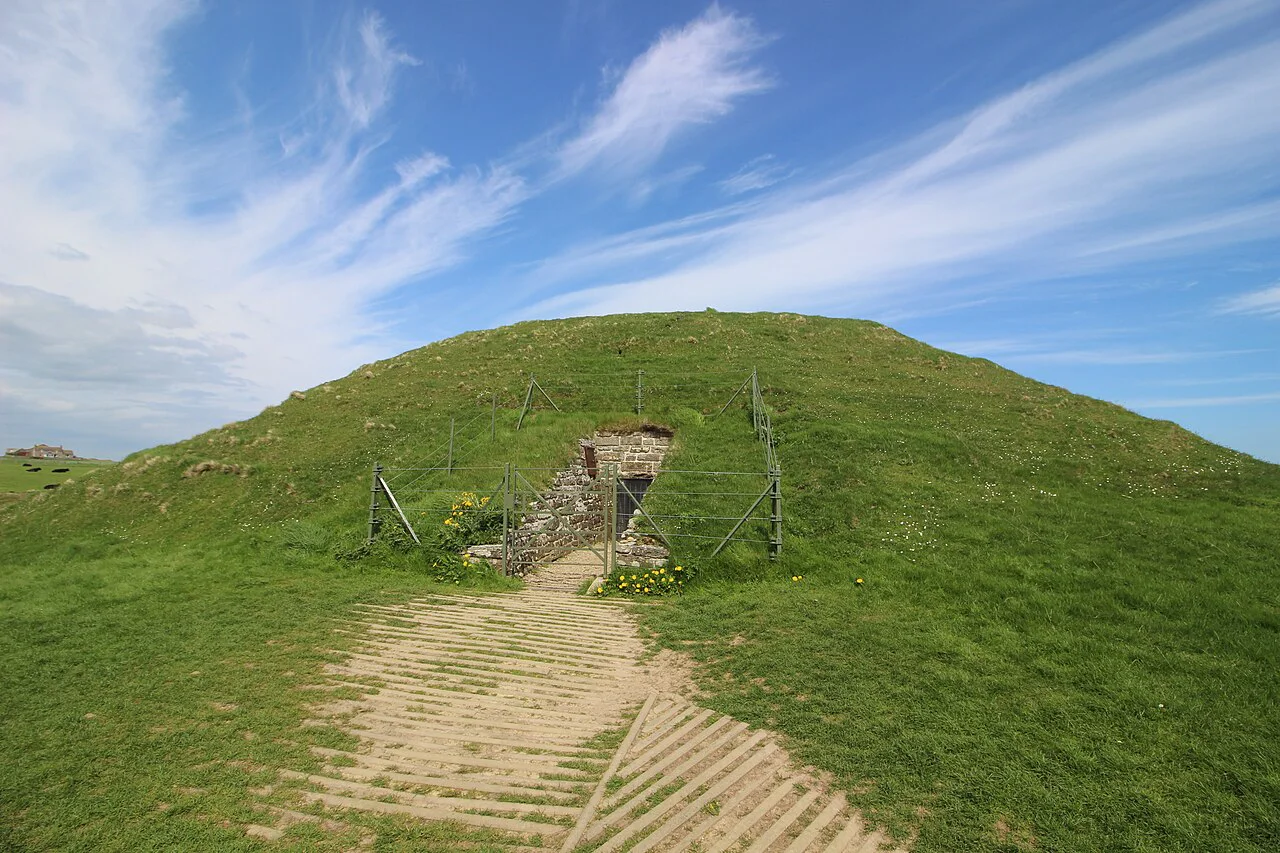
Maeshowe
Content & sources
Photo: Beep boop beep · CC BY-SA 4.0
Stenness · 146 km
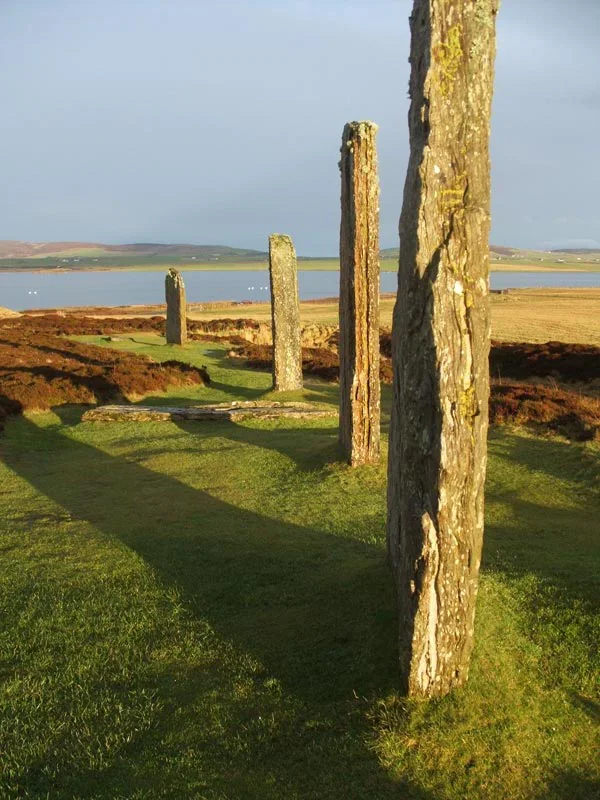
Ring of Brodgar
Content & sources
User Guinnog on en.wikipedia · CC BY-SA 3.0
Orkney Islands · 147 km
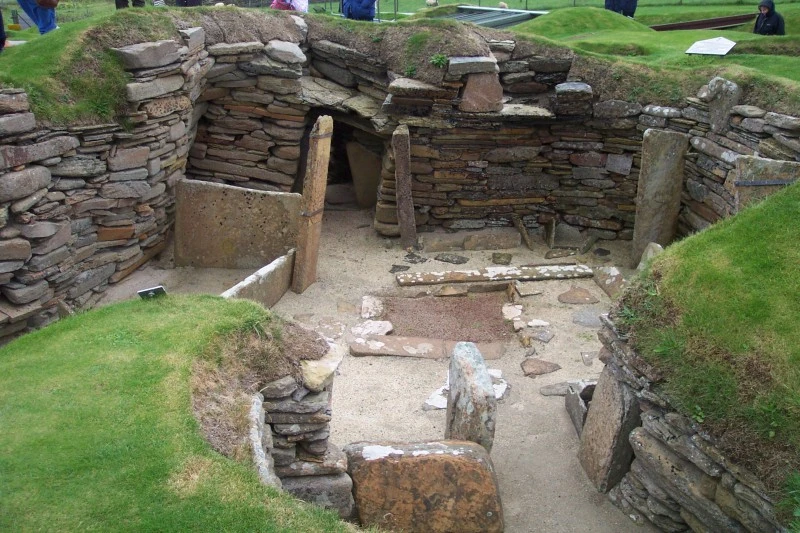
Skara Brae
Content & sources
Dr. John F. Burka · CC BY-SA 3.0
Breasclete
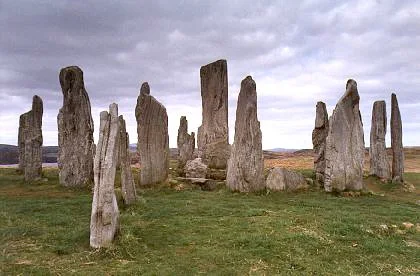
Callanish Stones
Content & sources
Photo: David Kernow~commonswiki · CC BY-SA 2.5