Stanza · Audio guide
Mastabat al-Fir'aun Audio Guide
A place to remember. A story to take with you.
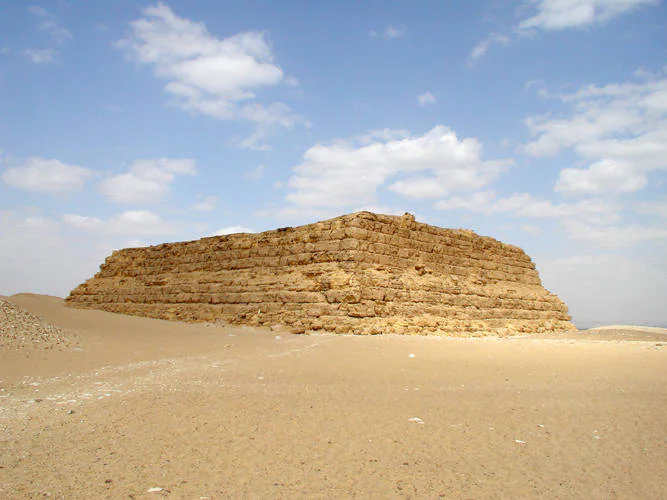
The Mastabat al-Fir'aun is the grave monument of the ancient Egyptian king Shepseskaf, who was the last king of the Fourth Dynasty. It is located in South Saqqara between the Pyramid of Djoser and the…
Download Stanza, then search for “Mastabat al-Fir'aun”.
About the tour
One guide. Your kind of visit.
The Mastabat al-Fir'aun is the grave monument of the ancient Egyptian king Shepseskaf, who was the last king of the Fourth Dynasty. It is located in South Saqqara between the Pyramid of Djoser and the pyramids of Dahshur.
Ready when you are.
- 01Get the free Stanza app.
iOS & Android
- 02Find your guide.
“Mastabat al-Fir'aun”
- 03Download before you go.
Works offline
Audio guide / 4 narrated stops
Inside the guide
Get to know a few of the stories before you go. Open a stop to read more.
01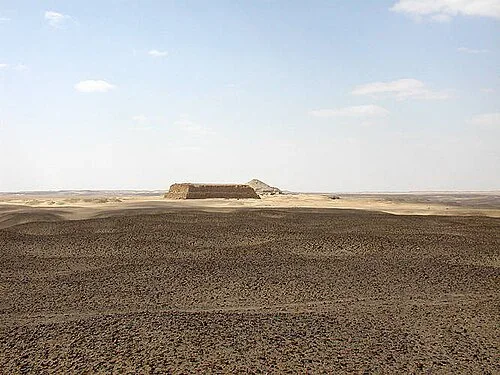 Desert Approach and Sarcophagus-Shaped Facade
Mastabat al-Fir'aun: A Tomb in the Empty Desert
A lone rectangular mass rises out of empty desert here in South Saqqara. The Arabs named it Mastabat al-Fir'aun, the Bench of the Pharaoh. It is the grave monument of King Shepseskaf, who ruled from about 2510 to 2503 BC. He is the last known king of the Fourth Dynasty. The spot sits halfway between the Pyramid of Djoser at Saqqara and the pyramids of Sneferu at Dahshur. The later pyramid of Pepi the Second stands close by. Shepseskaf's builders raised this place as the king's final resting place, meant to carry him safely into the afterlife. And it raises one question from the start. Why did the last king of the great pyramid-building dynasty not build a pyramid? The monument itself offers the first clues.
Jon Bodsworth · Copyrighted free use
02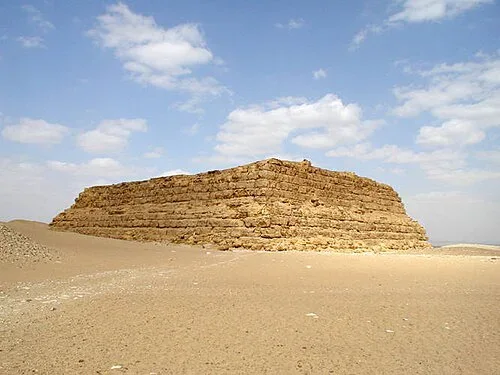 Desert Approach and Sarcophagus-Shaped Facade
The Giant Sarcophagus Shape
Every major ruler before Shepseskaf in his dynasty raised a pyramid. Sneferu, Khufu and Khafre all did. Shepseskaf instead built a flat-topped block shaped like a colossal sarcophagus, or a giant bench. The Arabic name says exactly that, the Bench of the Pharaoh. The base runs about a hundred metres from end to end. From side to side it measures seventy-four metres. The whole thing stands about eighteen metres high, with sides leaning at about seventy degrees, like a mastaba rather than pyramid faces. The Egyptians had a name of their own for it, Qebeh Shepseskaf, meaning Shepseskaf is cool. Why he broke with the pyramid remains an open puzzle. One guess links the break with tradition to a distancing from the sun priests of Heliopolis. Another points to a reign too short to complete a pyramid. No text from his own time explains the choice.
Jon Bodsworth · Copyrighted free use
03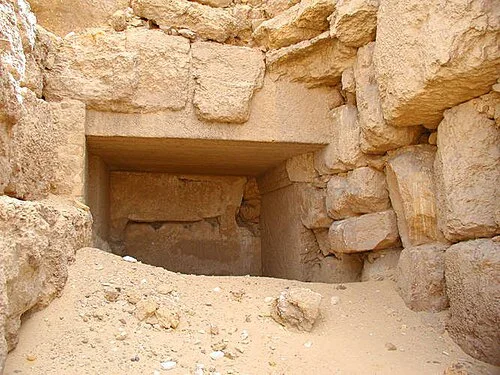 Northern Entrance and Sloping Access Corridor
The Northern Entrance and the Burial Chambers
The way into the tomb hides on its shorter northern side. A passage slopes down into the bedrock at twenty-three and a half degrees. Three portcullis blocks still sit anchored in the ceiling, made to drop and seal the passage. The walls and ceiling here are clad in granite, hard stone set against any robber. Past the descent the passage runs level, then opens into the ante-chamber, more than eight metres long with a pointed granite roof. A short passage leads on from its western end to the burial chamber, roofed like a barrel vault. Only fragments of the sarcophagus remain, probably greywacke or basalt. For a long time nobody knew who lay here. Auguste Mariette first explored these underground rooms in 1858. The full excavation came in the mid-1920s, under Gustave Jéquier. He found a fragment of a stele carrying the king's name, and proved the tomb belonged to Shepseskaf. Until that discovery, the monument had been wrongly credited to Unas, the last ruler of the Fifth Dynasty.
Listen in the appJon Bodsworth · Copyrighted free use
04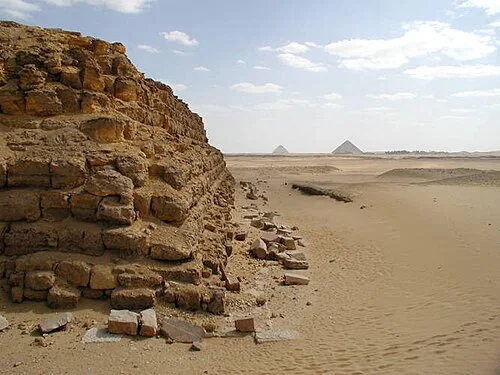 Core Masonry and Construction Techniques
Stones from Sneferu: Building the Last Royal Tomb
The eroded blocks of the core tell where the stone came from. It is the same reddish limestone used for the Red Pyramid of Sneferu, cut from a quarry just west of that pyramid at Dahshur. In its day the monument looked nothing like it does now. The lowest course was faced in pink granite. Every layer above it wore fine Tura limestone. Only sparse traces of that cladding survive. Fallen blocks lie scattered at the base, where the facing has stripped away over the ages. What is left is the stepped heart of the tomb, bare to the sky. Stone cut beside Sneferu's own pyramid ended up in the last known king's tomb.
Listen in the appJon Bodsworth · Copyrighted free use
Mastabat al-Fir'aun
Frequently asked questions
How much does the guide cost?
Free app download. Listed guide price: $0.99. Guide price shown in the app. Audio guide only. Venue admission is separate.
Can I listen without internet?
Yes. Download the guide’s audio, images, and maps in the app before your visit. Your downloaded content is then available offline.
Can I listen in my language?
This audio guide is available in 15 languages, including English.
Do I need to follow a schedule?
No. This is a self-guided experience. Choose your stops, pause whenever you like, and return to a story at your own pace.
At your own pace
Explore Mastabat al-Fir'aun.
Download Stanza, then search for “Mastabat al-Fir'aun”.
Free app download · Guide price shown in the app
Keep exploring
Nearby audio guides
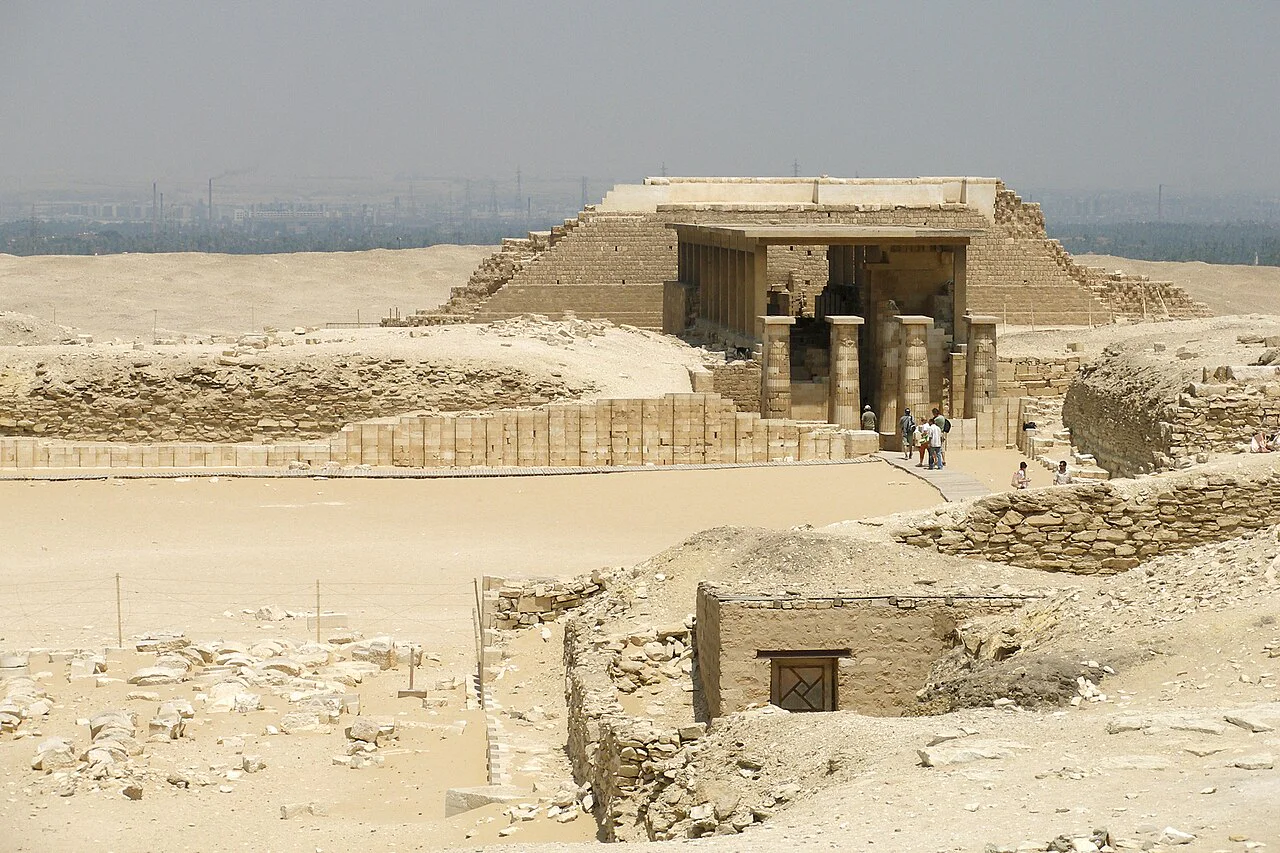
Saqqara · 2 km
Saqqara
Content & sources
Vyacheslav Argenberg · CC BY 4.0
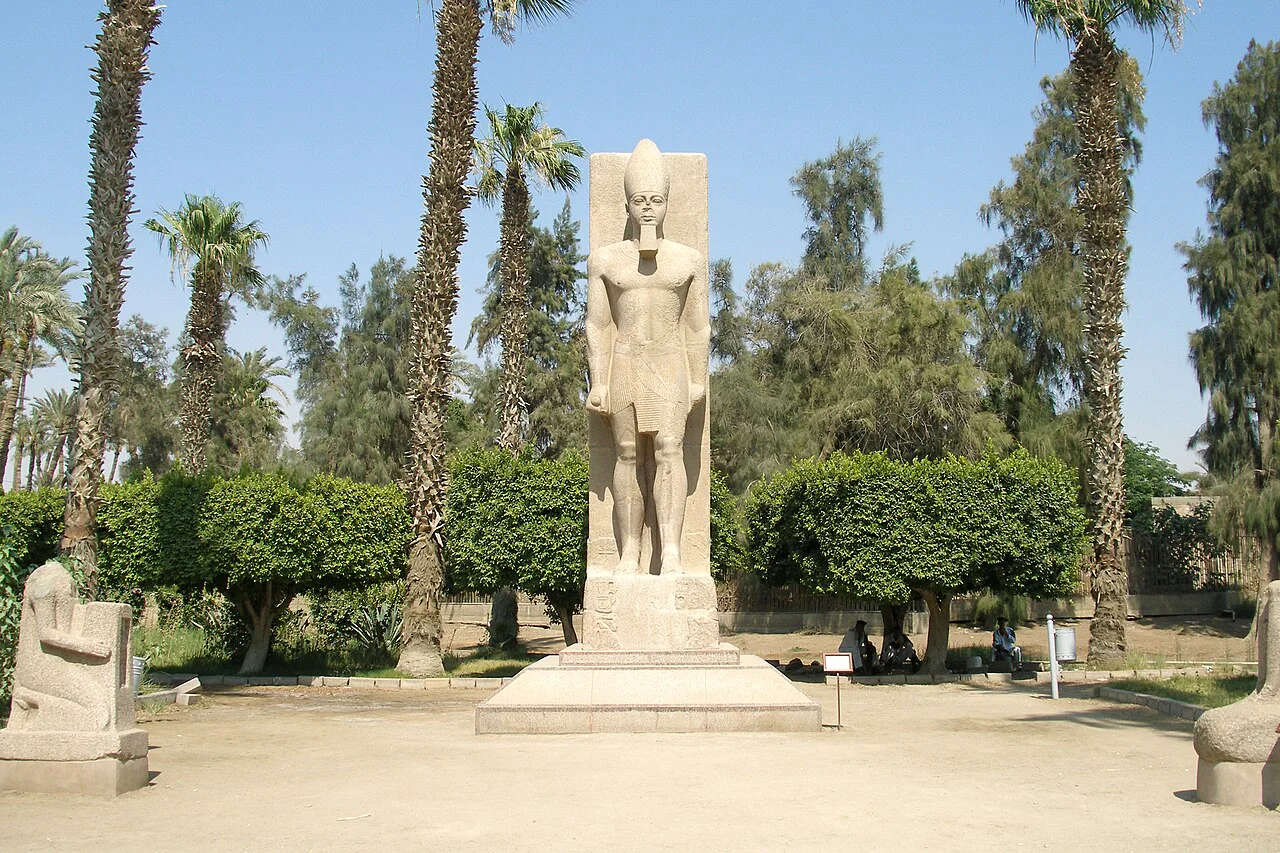
Mit Rahinah · 3 km
Memphis, Egypt
Content & sources
Vyacheslav Argenberg · CC BY 4.0
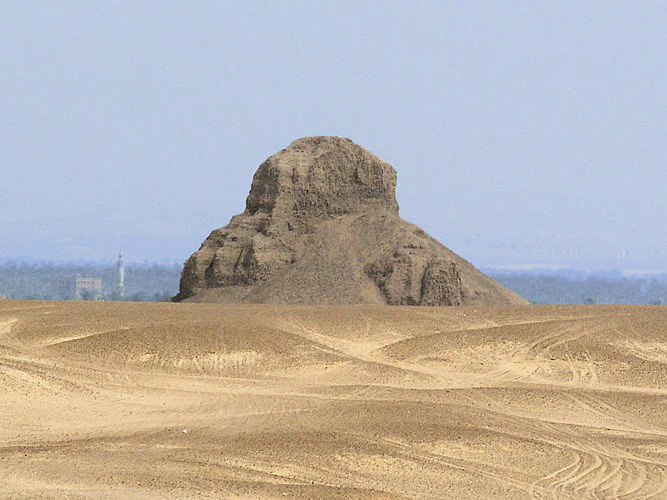
Minshat Dahshur · 5 km
Black Pyramid
Content & sources
Jon Bodsworth · Copyrighted free use
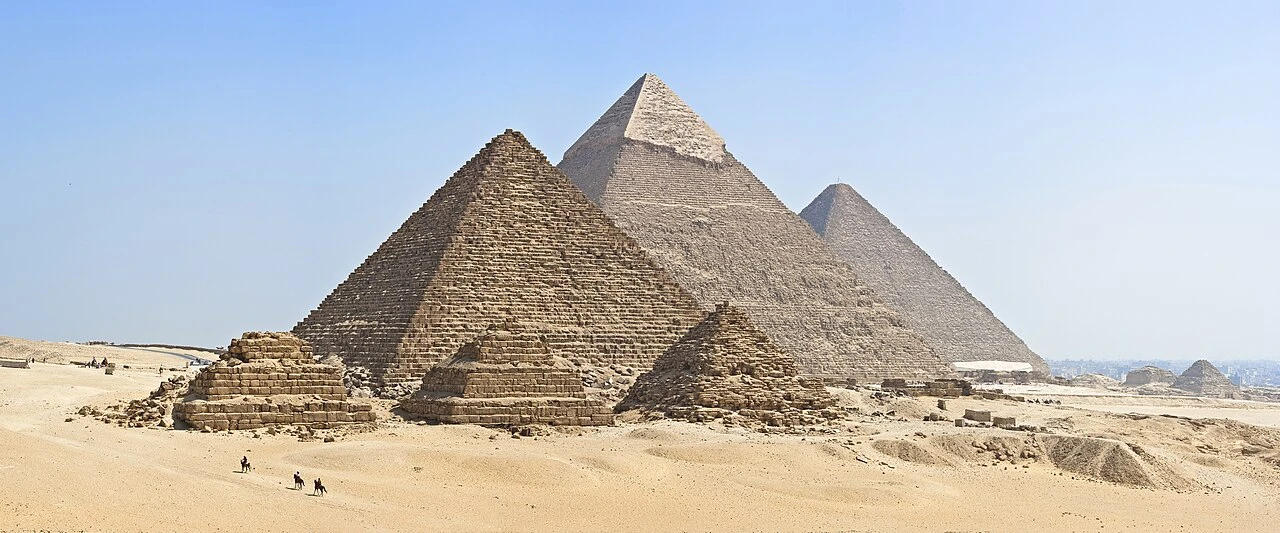
Giza · 17 km
Giza pyramid complex
Content & sources
KennyOMG · CC BY-SA 4.0