Stanza · Audio guide
Altes Museum Audio Guide
A place to remember. A story to take with you.
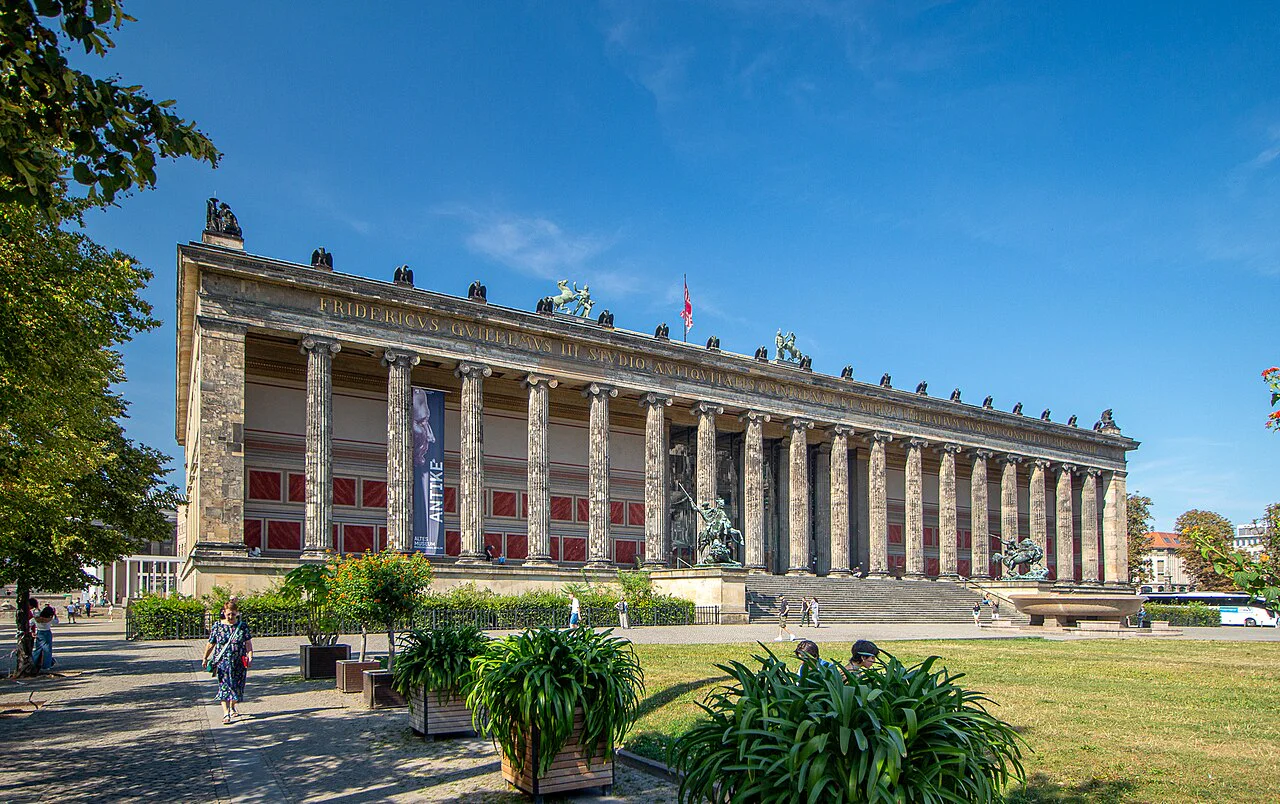
The Altes Museum is a listed building on the Museum Island in Berlin that houses the Antikensammlung and parts of the Münzkabinett. It is considered a major work of German Neoclassical architecture and is a…
Download Stanza, then search for “Altes Museum”.
About the tour
One guide. Your kind of visit.
The Altes Museum is a listed building on the Museum Island in Berlin that houses the Antikensammlung and parts of the Münzkabinett. It is considered a major work of German Neoclassical architecture and is a UNESCO World Heritage Site.
The Altes Museum guide tells the stories of 47 artworks, including Duenos Inscription (Unknown Artist), Tabula Capuana (José Luiz), Severan Tondo (Unknown Artist), Green Caesar (Unknown Artist), Belly amphora by the Nessos Painter (Nessos Painter), Amphiaraos Krater (Amphiaraos Painter), Berlin Goddess (Unknown Artist), and Victory of Calvatone (Unknown Artist). Every artwork is free to hear in the Stanza app until 1 January.
Ready when you are.
- 01Get the free Stanza app.
iOS & Android
- 02Find your guide.
“Altes Museum”
- 03Download before you go.
Works offline
Audio guide / 47 artworks
Inside the guide
Get to know a few of the stories before you go. Open a stop to read more.
01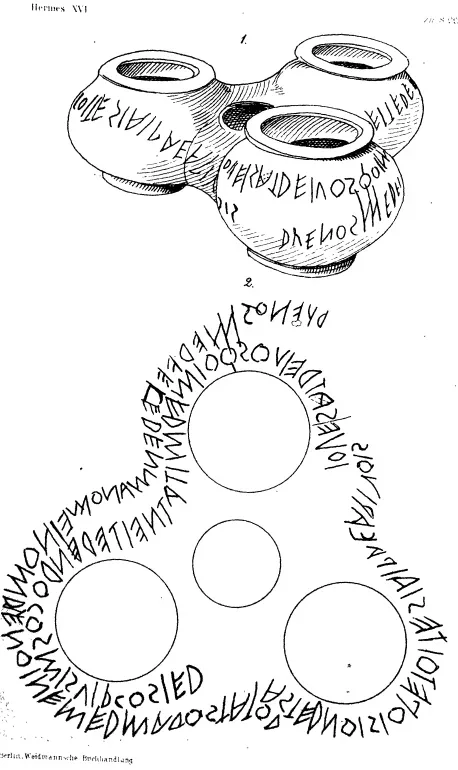
Duenos Inscription
For more than a hundred years people have argued about what this says, and never agreed. By 1983 there were more than fifty readings of the same few words, and none was accepted as right. The reason sits in the object itself. Three small round vases are joined by short clay arms, and words are scratched around their sides. The writing runs from right to left and spirals downward about one and a half times. From a level position the letters are upside down, because the writing was meant to be read from above. There are no spaces between the words, some letters are hard to tell apart, and there are signs of corrections. Every reader has to decide where one word ends and the next begins. In the 1950s people took the vases as containers for a love potion or beauty products. The words were a joke or a sales pitch. In the 1960s the reading changed. The opening was too solemn for that, calling the gods to witness, and the object came from a votive deposit, where offerings were left. So it was read as a formal promise about a girl's behavior toward a man, like a guardian's guarantee in a Roman play. No one knows who made it. It is what is called a speaking inscription, where the vase speaks in the first person.
Listen in the appUnknown author · Public domain
02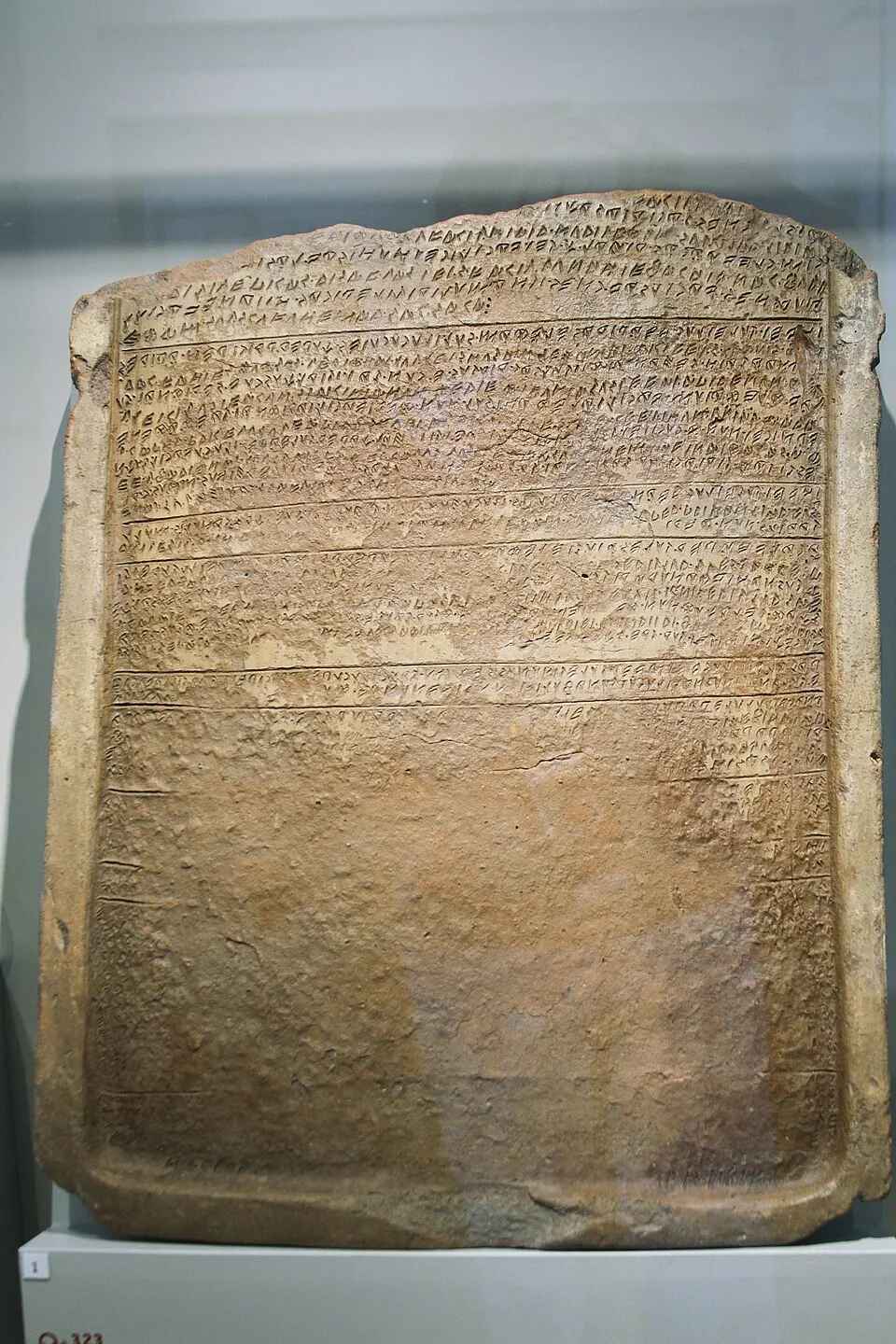
Tabula Capuana
The writing runs to the edge of the slab and doubles back on itself. One line goes left to right, the next right to left, and so on down. Lines drawn across divide the whole into ten bands, and each band seems to be a month. This looks like a ritual calendar. It seems to tell you what rite to perform, on which day, and for which god. Several hundred of its words can still be read, more than any Etruscan text except one. And yet the year it lays out is an old one. It starts in March and ends in December. There is no January and no February, because those came later, from Rome. The writing looks like the middle of the fifth century BC, but the words it copies are much older. The word that begins each set of instructions, over and over, is still not settled. It may mean a libation, or simply then.
Listen in the appJosé Luiz · CC BY-SA 4.0
03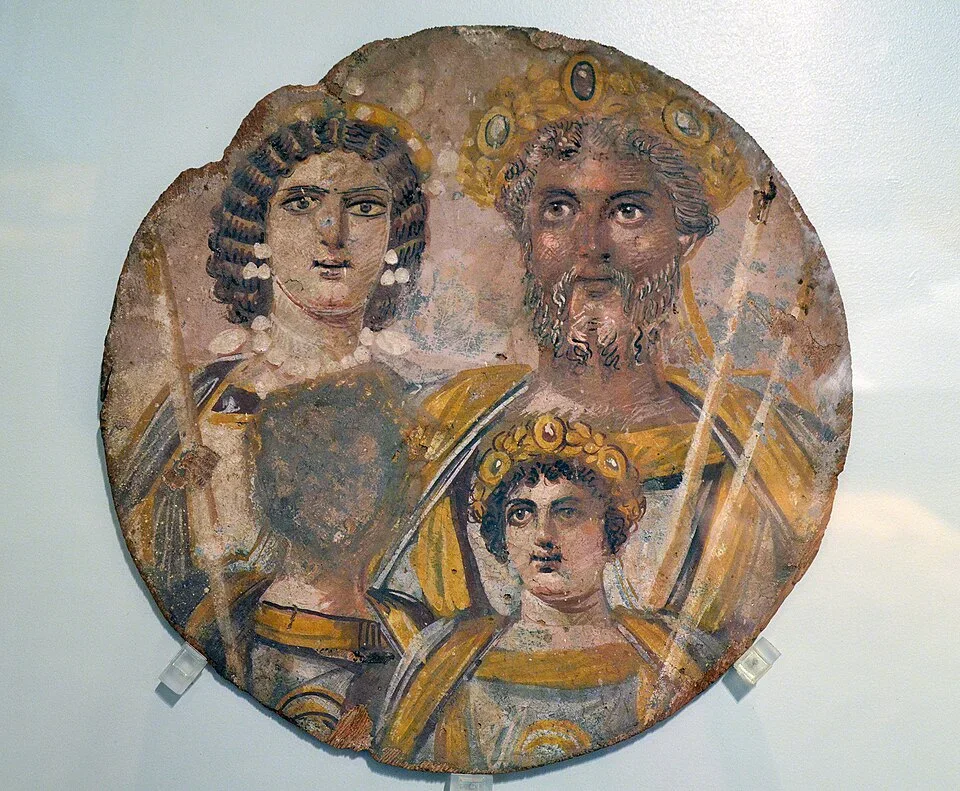
Severan Tondo
A face has been taken out of this circle, and it was probably Geta's. The other three faces are still there. Septimius Severus is on your right, Julia Domna on your left, and their two boys are in front of them. One boy has a face. The other has no face, and both boys still wear their jeweled gold wreaths. White robes edged with gold and those wreaths made the family's rank plain. An unknown painter made the panel about 200, while Severus was emperor. Portraits like this hung in Roman offices, and this one may have been a way to declare loyalty to the ruling house. Severus died in 211, and his sons were supposed to rule together. That December, Caracalla had Geta murdered. The Senate declared against Geta's memory, and his image was erased across the empire. His name and title disappeared from nearly every inscription too. By taking the face away here, the owner could go on supporting Caracalla and the dynasty.
Listen in the appUnknown author · Public domain
04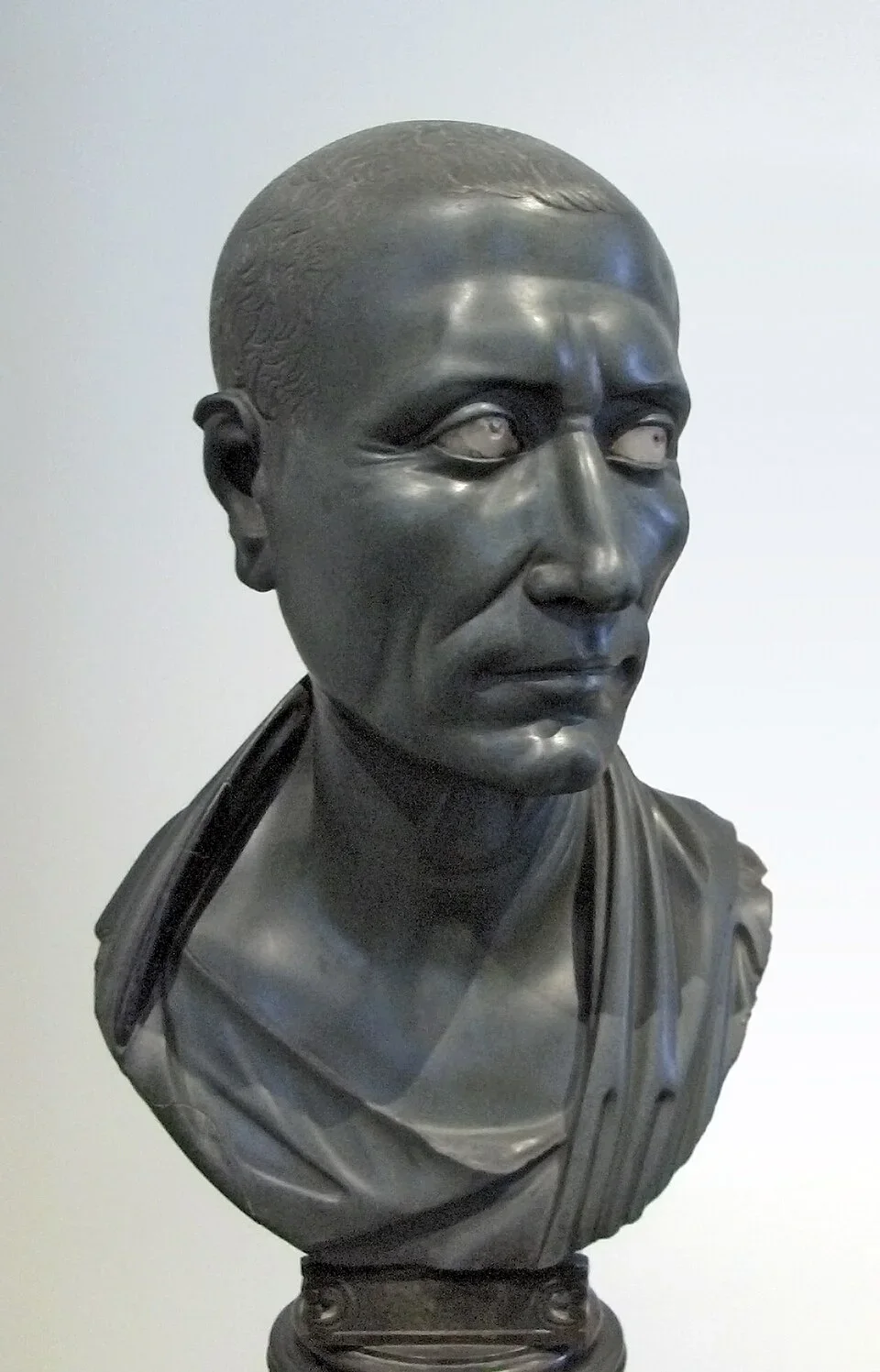
Green Caesar
The hair on this head is not carved. It is scratched into the surface and swept forward from the back, which makes the head look thinner. The habit came from late Egyptian art. No one knows who made it. The dark green stone comes from Wadi Hammamat in Upper Egypt, so the carving was probably done there. The face is almost certainly Caesar's, and it was made after he was dead. The only likenesses of him from his lifetime are on coins. So these are not the features of one particular man. The receding hairline, the lines on the forehead and nose, the hollow cheeks and deep folds are all marks of age. And here, age means authority. The gaze and thin mouth stand for dignity and strictness. The head turns to the right, which pulls the neck into folds, and that turn means energy and drive. The long, lean face, strong chin and slight Adam's apple give a spare, sober look. That was meant to recall the endurance of a successful general, even though the clothes are a statesman's, not a soldier's. Nothing more is known of its history in antiquity. It turned up in a collection in Paris, and in 1767 Frederick the Second of Prussia bought it. Since 2010 it has stood in the Altes Museum beside a portrait of Cleopatra.
Listen in the appPhoto: Xavax · Public domain
05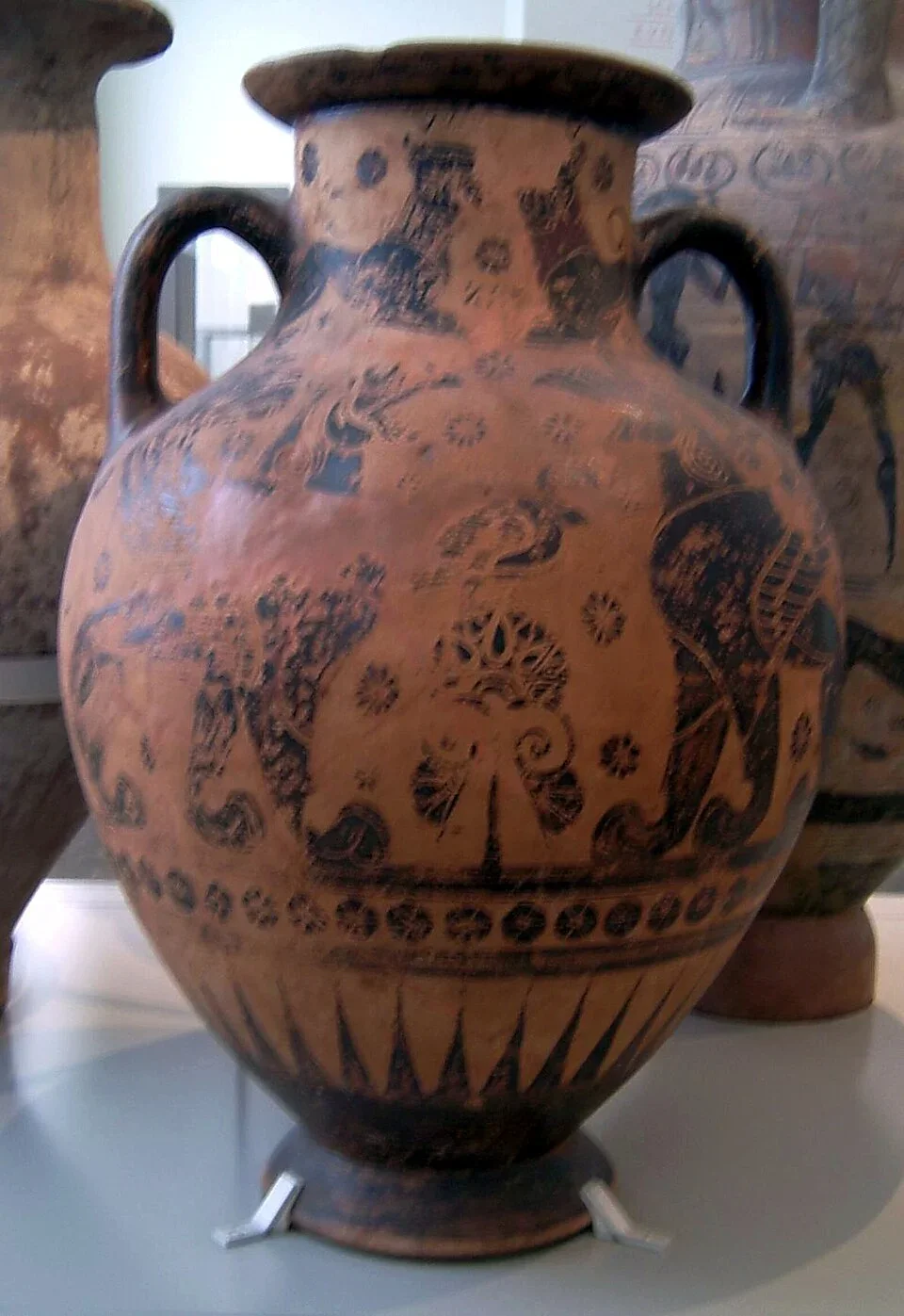
Belly amphora by the Nessos Painter
What are these two creatures doing, face to face across the belly of this vase, mouths open and teeth showing? They are griffins, seated opposite one another, with paws unusually large. Between them stands a small palm tree with an owl perched on it. Rosettes are scattered around them, and a zigzag line runs between each head and wing. The griffin on the right is the better preserved. Above, on the neck, two panthers face each other, the same pairing shown again in another form. Griffins almost never appear in Attic black-figure painting, and on a vase of this shape such a picture is especially rare. Few vases are certainly given to the Nessos Painter, the first real personality of Attic black-figure, and this is one of them. It is among the very first belly amphorae painted with figures. Only this side carries a picture. The back is entirely black. This decoration points to a grave vase. It most likely stood on a grave as a marker.
Listen in the appPicture taken by Marcus Cyron · CC BY-SA 3.0
06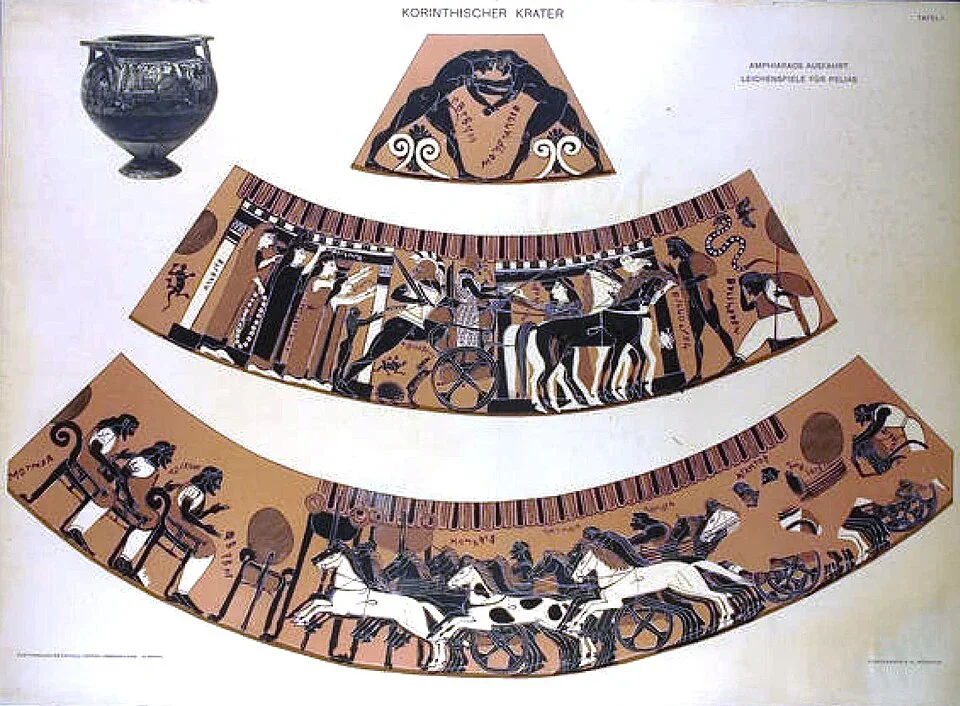
Amphiaraos Krater
An old servant sits on the ground. He seems to be the only one who understands that this journey ends with Amphiaraus dead. The vase catches him at the moment he climbs into his war chariot. He holds a drawn sword in his right hand. In his left, a second sword, still in its sheath, and his shield. He knew that everyone who joined this expedition against Thebes would die, and at first he refused to go. What changed his mind was his wife, Eriphyle. She had been given a necklace, and she persuaded him to join the fight. Now he turns his gaze toward the palace in anger, and there she stands, holding that necklace in her left hand. She is the only relative who does not beg for his safe return. The others raise their hands, pleading. We still do not know the real name of the painter who decorated this vase, so we call him the Amphiaraos Painter.
Listen in the appAmphiaraos Painter · Public domain
07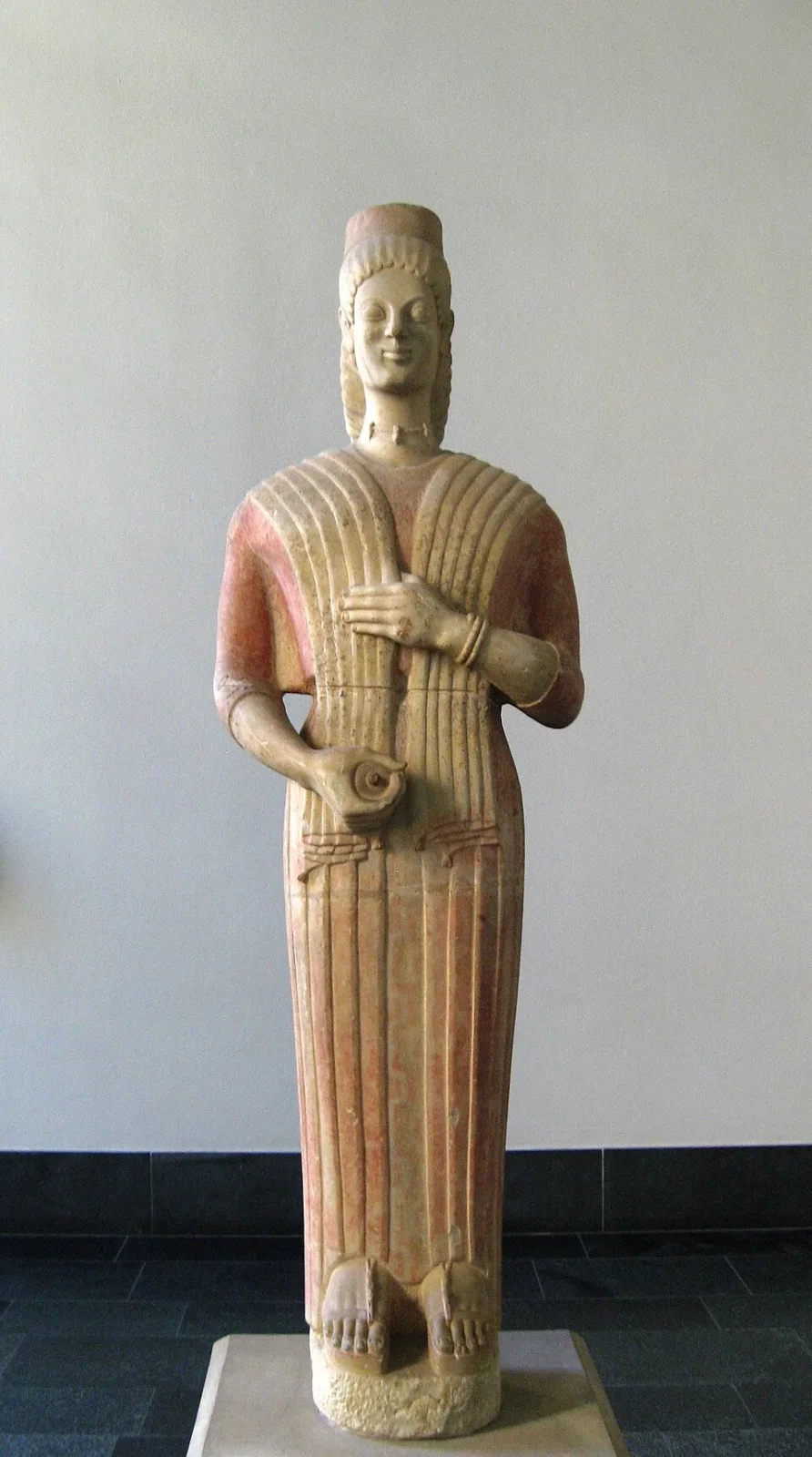
Berlin Goddess
She faces straight ahead, standing almost perfectly still, a fruit held at her right hip. No one knows who carved her, but around 570 BC a family probably had her made to mark a girl's grave. She most likely stood on a high base over a burial mound in southern Attica, a reminder of the girl they wanted remembered, not her portrait. That fruit is a sign of fertility. It links her to Demeter and Persephone, and to things that grow and then fade. The crown on her head is set with lotus buds, also tied to fertility goddesses. Her left hand tucks into the edge of her garment, the mark of the mistress of a house, in charge of its weaving. Her youth and jewellery spoke of a family of standing. The red and yellow on her clothes, the blonde in her hair, are still here. The family likely buried her soon after she was set up, to protect her, and the earth kept the colour safe. She was found in 1923, still complete, and came to Berlin. In 1945, as Berlin fell, Soviet authorities took her to the Hermitage as a trophy. She was returned, and in 2009 she was given a case of her own here.
Listen in the appPhoto: Gryffindor · Public domain
08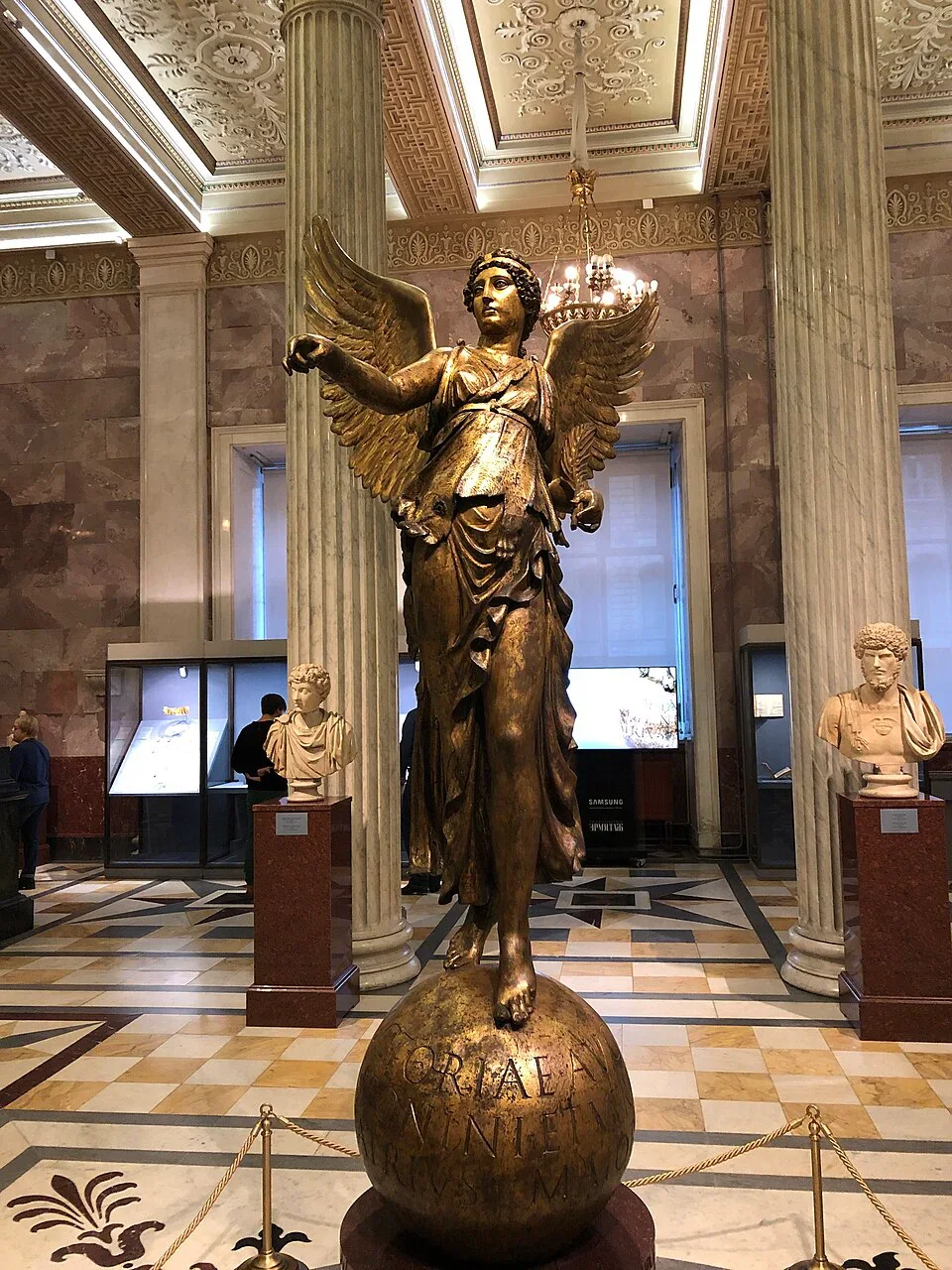
Victory of Calvatone
A woman stands on a globe, her left leg forward and coming out of her dress. A panther skin is tied over her left shoulder and fastened at the hip. Her body holds a movement between dancing and floating, and her right arm reaches forward. People have long called her Victoria, the Roman goddess of victory. But the wings that make her one are not ancient. Restorers added them, and the original probably had none. Without them, the panther skin points elsewhere. Diana, the hunting goddess, is often shown wearing one. So this may be Diana, not Victoria. The globe carries an inscription. It names two emperors, Antoninus and Verus, and a man called Marcus Satrius Maior, who dedicated the statue. That sets the work between 161 and 169, in their joint reign. It probably marked the end of Verus's Parthian campaign, after which he was celebrated as a new Dionysus. That may explain the maenad movement, for maenads followed Dionysus. Her left hand holds a palm frond, and that, too, was added by the restorers long after she was made.
Listen in the appPhoto: Testus · CC BY-SA 4.0
09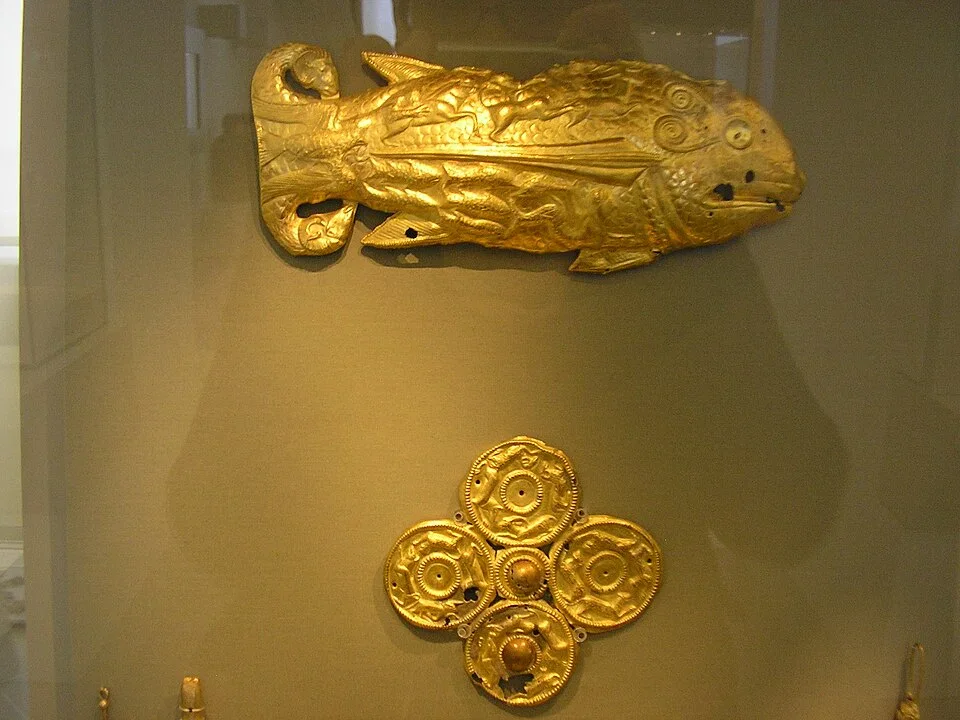
Vettersfelde Treasure
In 1882 a farmer was digging drainage ditches at the edge of a field in Brandenburg. He turned up dirty broken pottery and paid it no attention. Two days later he came back. Rain had washed the pieces clean, and now he saw gold and weapons. At the heart of the find is a fish. Across its body small animals catch their prey. A panther catches a boar, and a lion catches a deer. This animal art was probably made for a Scythian prince. Ahead of a swarm of fish swims a man who is half fish, grabbing one by the tail. He is Triton, a figure from Greek myth who looks after the fish. That figure tells you the work is Greek, probably made in a colony on the Black Sea. The maker's name is lost. Loops on the back let it be fastened to a shield. So how did it come to rest in a field this far north? One idea is that a Scythian band came this way near the end of the sixth century BC. A prince was buried here with his gold. But the dig found no human remains. When the site was examined again from 2001, it turned out to be a settlement.
Listen in the appPhoto: Natyss · Public domain
10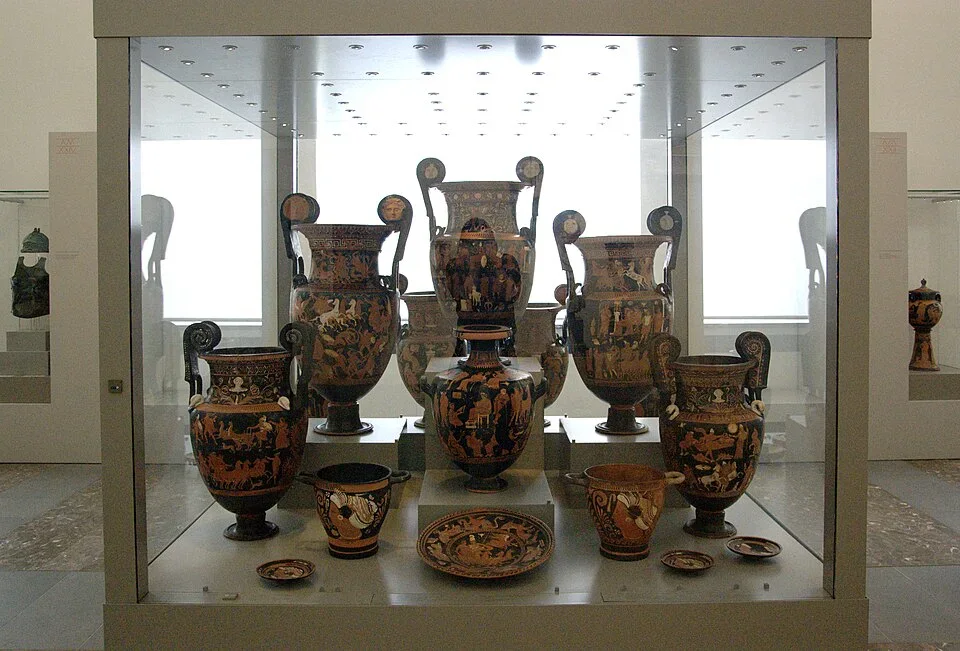
Apulische Bildervasen für eine Totenfeier
A boy has one foot raised, laying a garland on a ram. To his right, his father has a sacrificial knife drawn. But the ram is not the victim. The boy is, betrayed by a false oracle from his own stepmother. His sister Helle is horrified. The scene is painted on one of a group of vases made for a funeral, around 340 BC. They were showpieces, meant to impress at a burial rather than be used. Berlin bought them in 1984. The claim was that a traveler from Geneva had bought them in Naples, from a Basel family's estate, in the late nineteenth century. None of that holds up. The vases had been dug up illegally in Apulia in the second half of the twentieth century. They reached the market through a dealer in Geneva. In June 2024, Germany agreed to give them back to Italy. Whether they all came from the same grave is still not known.
Listen in the appVarious artists · Public domain
- 11
Neck Amphora by Exekias
Exekias · -600
- 12
Berlin Foundry Cup
Foundry Painter · http://www.wikidata.org/.well-known/genid/d8191dbd18b92428e6d54cb18c58ae1f
- 13
Fragment from the tomb of Nikarete
José Luiz · -400
- 14
Oinochoe by the Shuvalov Painter
Shuvalov Painter · -430
- 15
Athena with cross-strapped aegis
Unknown Artist · c. 150 BC
- 16
Taranto goddess
Unknown Artist
- 17
Amazon on Horseback
August Kiss · 1837–1841
- 18
The Lion Fighter
Albert Wolff · 1854–1861
- 19
Grave pinakes by Exekias
Exekias · -600
- 20
Berlin Adorant
Unknown Artist · c. 300 BC
- 21
Berlin glass amphora from Olbia
Unknown Artist · -200
- 22
Sabouroff head
Unknown Artist · 550–524 BC
- 23
Funerary relief of Publius Aiedius Amphio and Aiedia Fausta Melior
Unknown Artist · -29
- 24
Stele Giustiniani
Ingrid Geske · -459
- 25
Apollo Citharoedus
Praxiteles, Christian Daniel Rauch, Bartolomeo Cavaceppi · -400
- 26
Bronze statuette of hoplite
Unknown Artist · late 6th century BC
- 27
Statue of Ornithe
Geneleós · -600
- 28
Samian Hoplite
Unknown Artist · -600
- 29
Achilles binding Patroclus wounds Kylix
Sosias · c. 500 BC
- 30
Etruscan scarab with Tydeus
Unknown Artist · 500–475 BC
- 31
Antinous as Agathos Daimon
Unknown Artist · 150
- 32
Eschara
Unknown Artist
- 33
relief from Chrysapha
Unknown Artist · 550–540 BC
- 34
School cup
Douris · -479
- 35
Pocolom Group
Unknown Artist
- 36
Chalice crater by the Painter of the Berlin Dancing Girl
Painter of the Berlin Dancing Girl · c. 440–430 BC
- 37
smyrna girl grave relief
Unknown Artist · -200
- 38
Roman Marble Urn Antikensammlung Berlin
Unknown Artist · 200
- 39
Relief with Medea and the daughters of Pelias
Unknown Artist · 0
- 40
Actor as Papposilenus (Altes Museum)
Unknown Artist · early 2nd century AD
- 41
Sandalenlösende Aphrodite
Unknown Artist · -200
- 42
Attic Relief for Cybele Antikensammlung Berlin
Unknown Artist · 399 BC
- 43
Centaur Mosiac
Unknown Artist
- 44
Antinous (Sk 364), Altes Museum, Berlin
Unknown Artist
- 45
Antinous (Sk 363), Altes Museum, Berlin
Unknown Artist
- 46
grave relief of Silenis
Unknown Artist
- 47
Dodona Zeus
Unknown Artist · 470–460 BC
Altes Museum
Frequently asked questions
How much does the guide cost?
Free app download. Free until 1 January. Listed guide price: $2.99. Audio guide only. Venue admission is separate.
Can I listen without internet?
Yes. Download the guide’s audio, images, and maps in the app before your visit. Your downloaded content is then available offline.
Can I listen in my language?
In English for now. More languages soon.
Do I need to follow a schedule?
No. This is a self-guided experience. Choose your stops, pause whenever you like, and return to a story at your own pace.
Which artworks are in the Altes Museum audio guide?
47 artworks, including Duenos Inscription (Unknown Artist), Tabula Capuana (José Luiz), Severan Tondo (Unknown Artist), Green Caesar (Unknown Artist), Belly amphora by the Nessos Painter (Nessos Painter), Amphiaraos Krater (Amphiaraos Painter), Berlin Goddess (Unknown Artist), and Victory of Calvatone (Unknown Artist). The full list is on this page.
Is this the museum’s official audio guide?
No. Stanza is an independent audio guide app and is not affiliated with Altes Museum. Museum admission is separate.
At your own pace
Explore Altes Museum.
Download Stanza, then search for “Altes Museum”.
Free app download · Guide price shown in the app
Keep exploring
Nearby audio guides
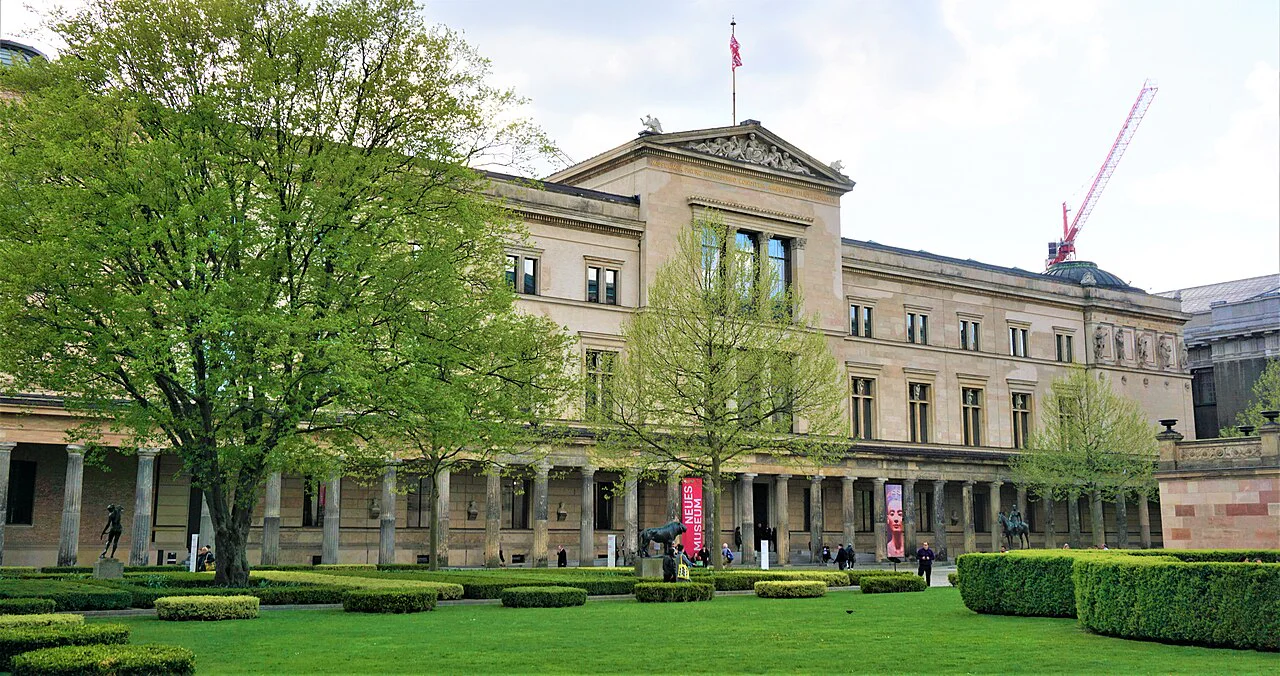
Berlin · 1 km
Neues Museum
Content & sources
Photo: Joyofmuseums · CC BY-SA 4.0
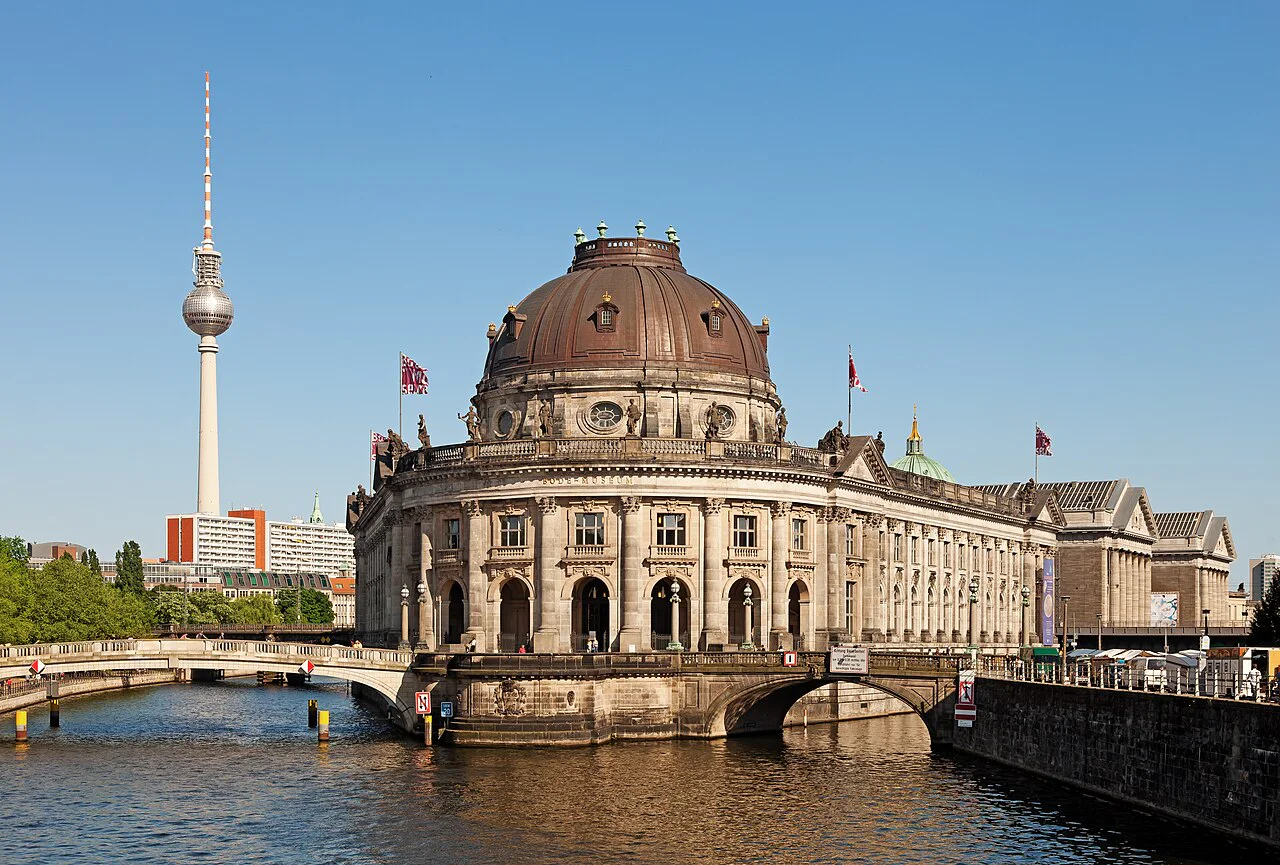
Berlin · 1 km
Bode-Museum
Content & sources
Thomas Wolf, www.foto-tw.de · CC BY-SA 3.0
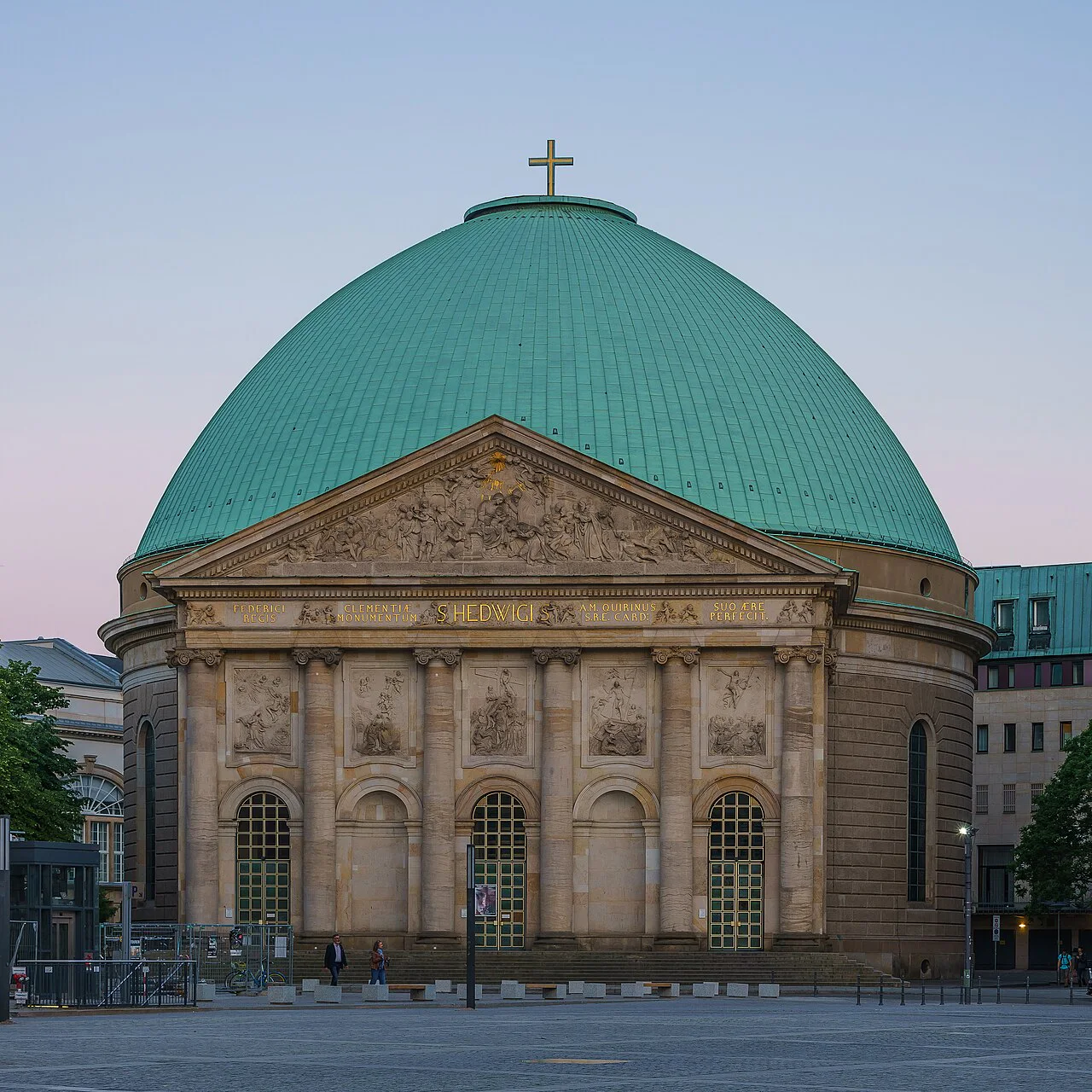
Berlin · 1 km
St.-Hedwigs-Kathedrale
Content & sources
Photo: A.Savin · FAL
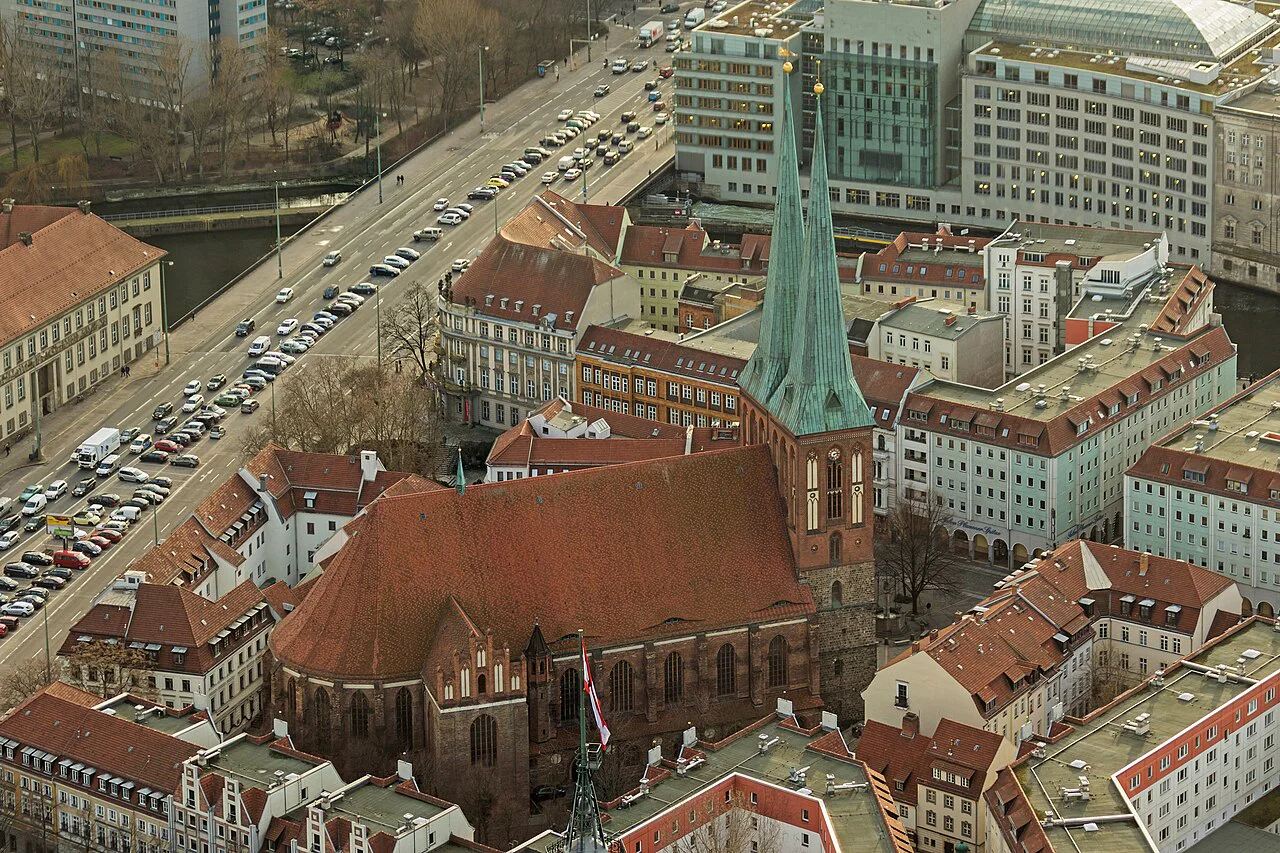
Berlin · 1 km
Nikolaikirche
Content & sources
Photo: A.Savin · CC BY-SA 3.0
Art museums
More art museum audio guides
Berlin · 34 artworks
Neues Museum
Content & sources
Photo: Joyofmuseums · CC BY-SA 4.0
Berlin · 38 artworks
Bode-Museum
Content & sources
Thomas Wolf, www.foto-tw.de · CC BY-SA 3.0

Berlin · 218 artworks
Gemäldegalerie, Berlin
Content & sources
Photo: Membeth · CC0
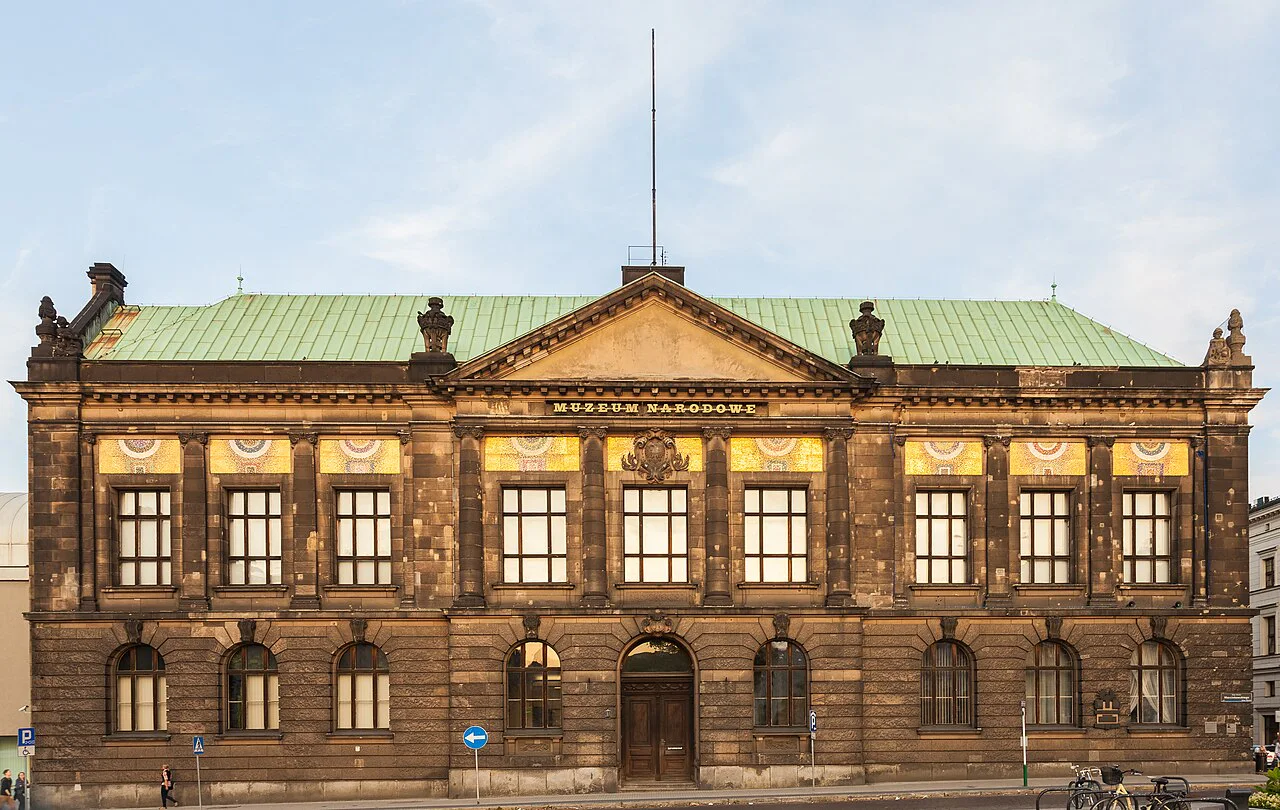
Poznań · 28 artworks
Muzeum Narodowe w Poznaniu
Content & sources
Diego Delso · CC BY-SA 4.0
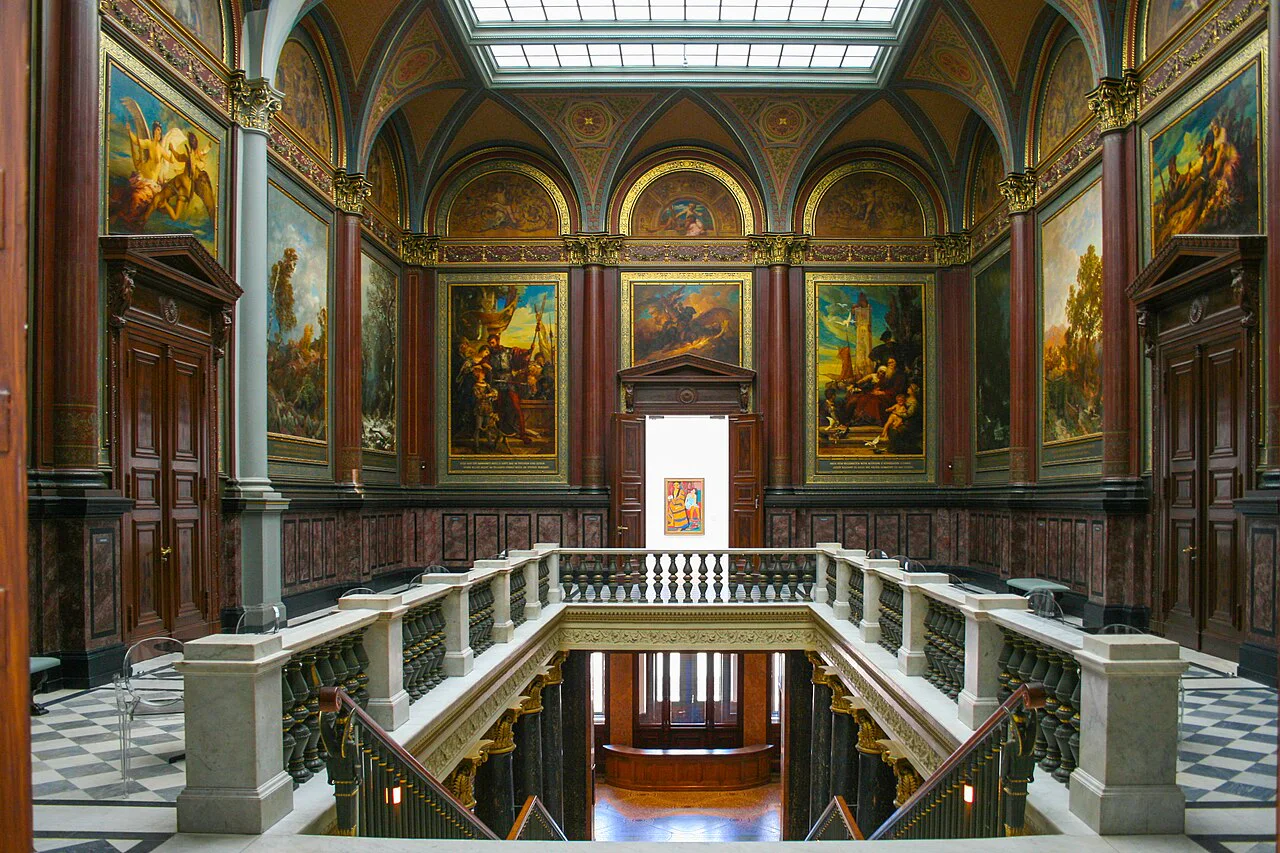
Hamburg · 64 artworks
Hamburger Kunsthalle
Content & sources
Photo: Daniela Kloth · GFDL 1.2

Wrocław · 44 artworks
Muzeum Narodowe we Wrocławiu
Content & sources
Photo: Jar.ciurus · CC BY-SA 3.0 pl