Stanza · Audio guide
Muzeum Narodowe we Wrocławiu Audio Guide
A place to remember. A story to take with you.
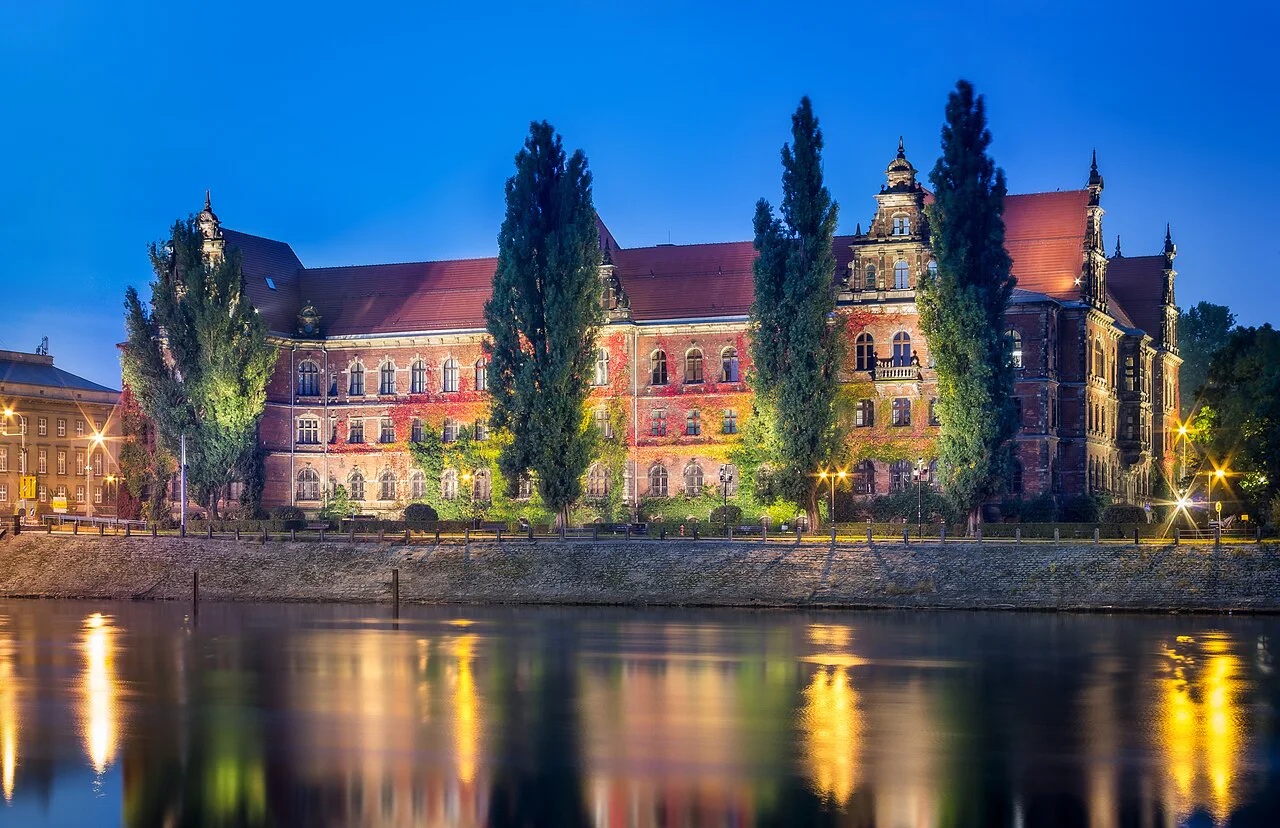
The National Museum in Wrocław is one of the main branches of the national museum system in Poland. It holds one of the largest collections of contemporary art in the country.
Download Stanza, then search for “Muzeum Narodowe we Wrocławiu”.
About the tour
One guide. Your kind of visit.
The National Museum in Wrocław is one of the main branches of the national museum system in Poland. It holds one of the largest collections of contemporary art in the country.
The Muzeum Narodowe we Wrocławiu guide tells the stories of 44 artworks, including Środa Treasure (Unknown Artist), The Lamentation of Christ (Lucas Cranach the Elder), Portrait of a priest (Helmich van Tweenhuysen II), Holy Trinity of Wrocław (Unknown Artist), Peasants fighting a pilgrim. (Marten van Cleve), Madonna in the Chamber (Wilhelm Kalteysen), Crucifixion. (Michael Willmann), and Birch Bosket (Stanisław Masłowski). Every artwork is free to hear in the Stanza app until 1 January.
Ready when you are.
- 01Get the free Stanza app.
iOS & Android
- 02Find your guide.
“Muzeum Narodowe we Wrocławiu”
- 03Download before you go.
Works offline
Audio guide / 44 artworks
Inside the guide
Get to know a few of the stories before you go. Open a stop to read more.
01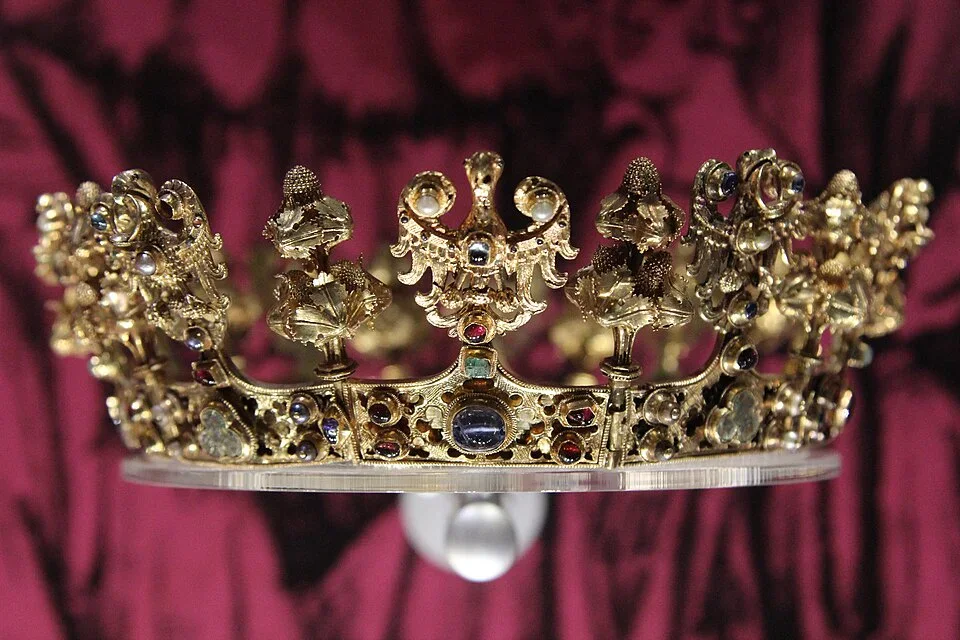
Środa Treasure
A gold woman's crown is the first thing that draws you here, and it probably belonged to Blanche of Valois. She was the first wife of Charles the Fourth, and it came to Środa as part of a loan that was never repaid. Around 1348, Charles, King of Bohemia, needed money to press his claim to be King of the Romans. He pawned a large part of his valuables to a Jewish banker in Środa called Muscho, and the crown was among them. But Charles never redeemed the loan, and Muscho never came back for what he held. So it lay hidden there for hundreds of years. The hoard also holds gold florins and thousands of silver Prague groschen. There are rings as well, one with dragon heads, one set with a sapphire, one with a moon and star. That changed in June 1985. Workers digging foundations for a telephone exchange in Środa found a clay jar full of silver coins. Three years later, during a demolition nearby, an even bigger cache came to light. Before the site was secured, much of it was carried off, and people sifted through the town's rubble dump for more. Officials bought back what they could and opened a criminal investigation. Some of it is still missing.
Listen in the appPhoto: Fallaner · CC BY-SA 4.0
02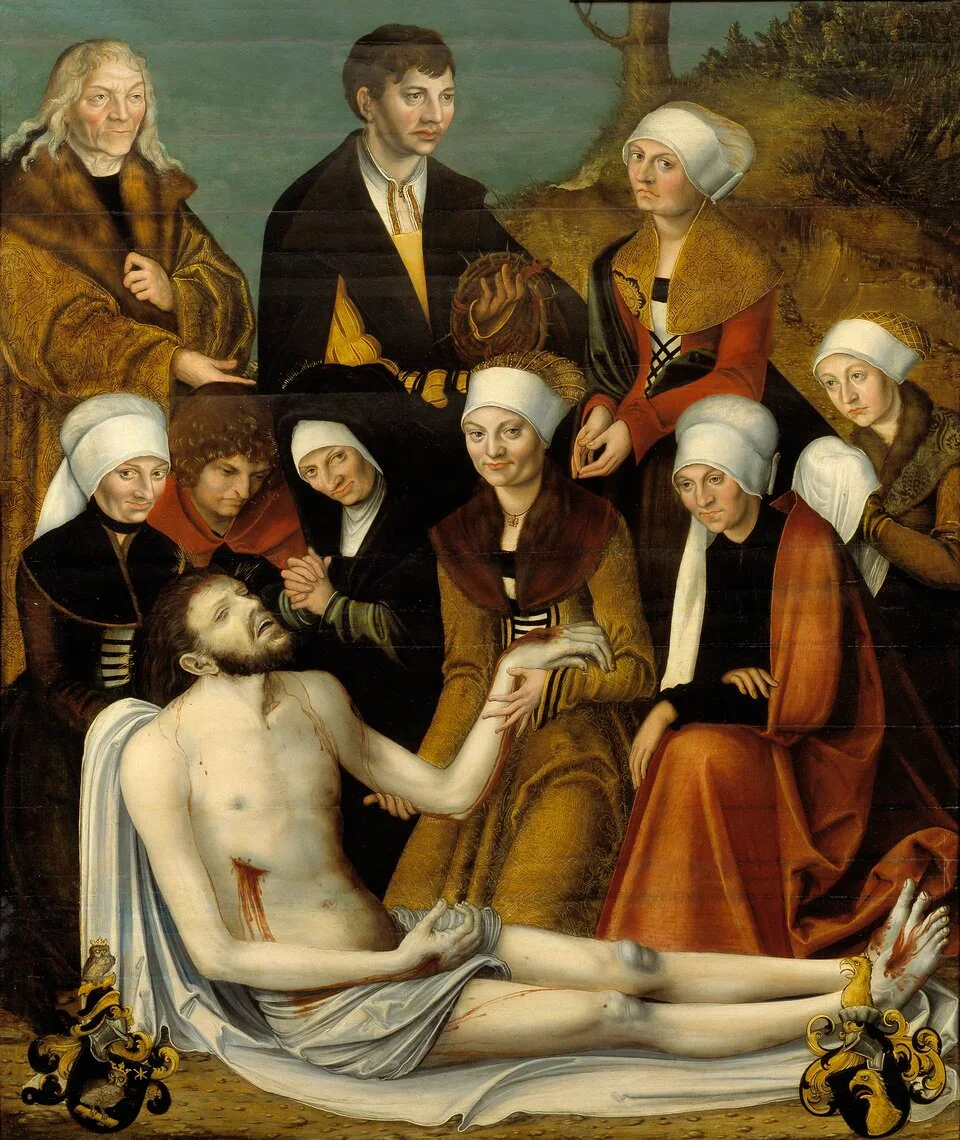
The Lamentation of Christ
Who are the people gathered around the dead Christ here? The body rests on a white cloth, held up by the figures nearest to it. You might expect saints. But the family around him are Konrad von Günterode, a merchant, his wife Anna, and their four children, all known by name. Here they stand beside the Virgin Mary, Mary Magdalene and John the Evangelist, part of the sacred scene. It was the workshop of Lucas Cranach the Elder that made this picture in the 1530s, placing this family among the holy figures. The painter gave them the same weight as the saints, and let each one respond in their own way. In the lower part of the picture are two coats of arms. They belong to Konrad and Anna. So this may be a memorial, made by a widow for her husband or by children for their parents.
Listen in the appSchool of Lucas Cranach the Elder · Public domain
03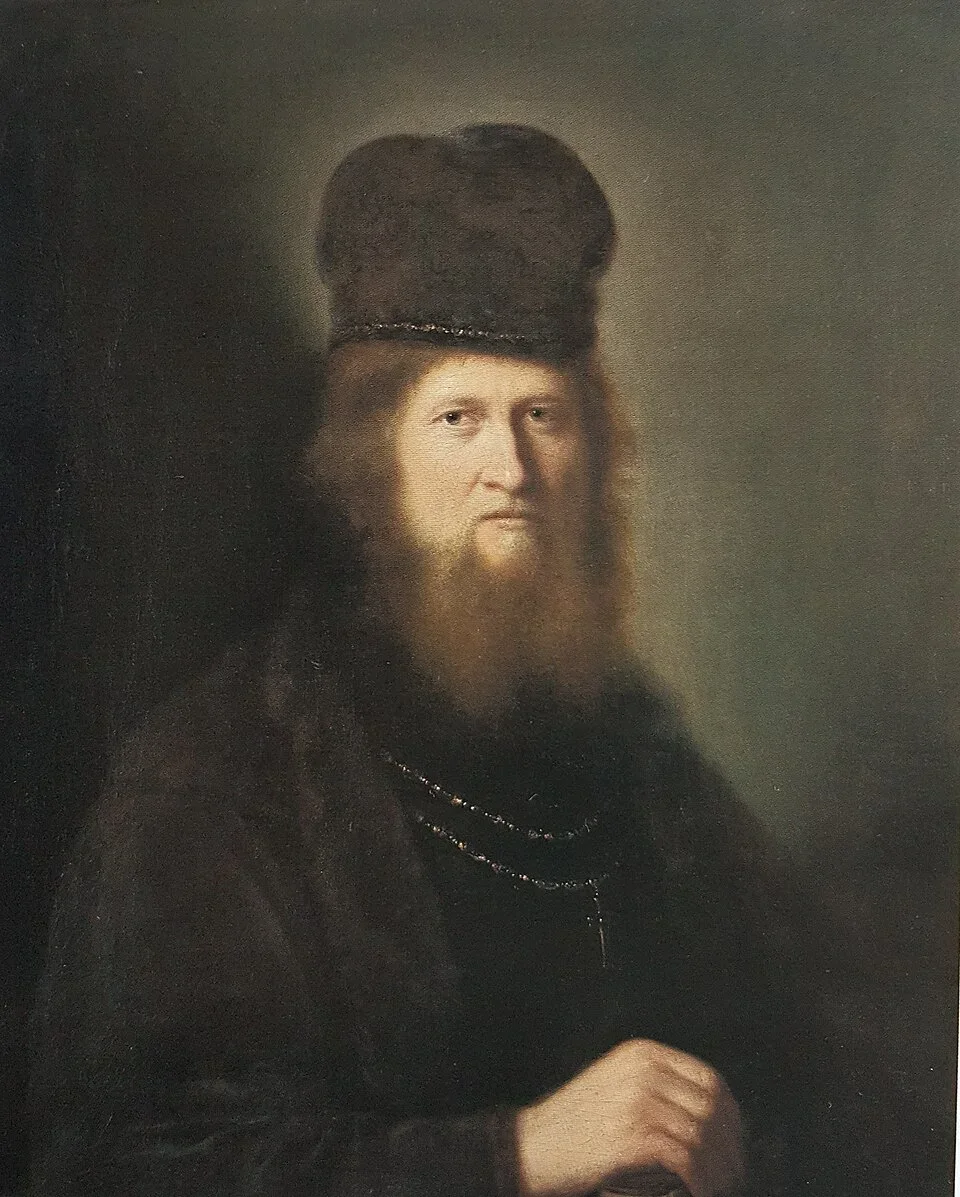
Portrait of a priest
This portrait came to Wrocław wearing Rembrandt's name. A city councillor gave it to the church of Saint Elizabeth about 1708. But the name would not stay. In the nineteenth century it went to Ferdinand Bol, one of Rembrandt's pupils. By 1879 it belonged to a German follower of Rembrandt. Each change moved it further from Rembrandt. Then, in 1973, letters on the canvas were read at last, and the painter became the HvT Monogramist. In 1994 he was named Helmich van Thweenhuysen the Second, a Dutch painter who worked in Gdańsk. Against all those names, here is the man himself. A grey beard frames his face, his head turned to the right, his right hand resting on a book. A tall soft cap sits on his head. That cap may explain an older title, The Greek Bishop, which took him for an Eastern Orthodox clergyman. Who he was is still not known.
Listen in the appPhoto: Adamt · Public domain
04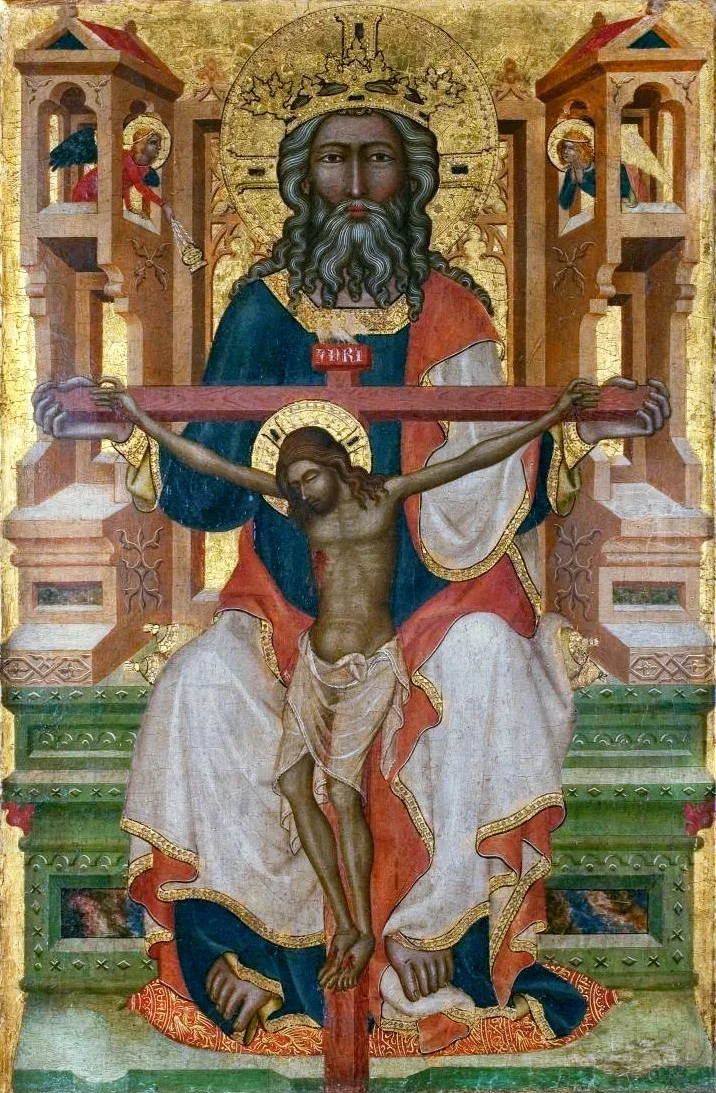
Holy Trinity of Wrocław
God the Father sits on his throne with his arms spread wide. In his hands he holds the cross, and on it hangs his dead Son. He is offering him. This kind of picture is called a Throne of Grace, one of the main ways artists in the Middle Ages showed the Trinity. The idea comes from the letters of Saint Paul. In his letter to the Romans he says God put his bloodied Son in front of the world as a sign of reconciliation. In the letter to the Hebrews he names the Throne of Grace. Christ's eyes are closed and his head falls to the right. Blood flows from the wound in his side, and he wears no crown of thorns. Still the flesh is soft, the ribs and breastbone faintly showing. Two small angels are there in the upper part of the throne. The one at God's right swings incense in red, the one at his left prays in blue. At the very top of the cross, on a tiny red plaque, sits a little white dove. That is the Holy Spirit, who with the Father and the Son completes the Trinity.
Listen in the appAnonymous (Silesia)Unknown author · Public domain
05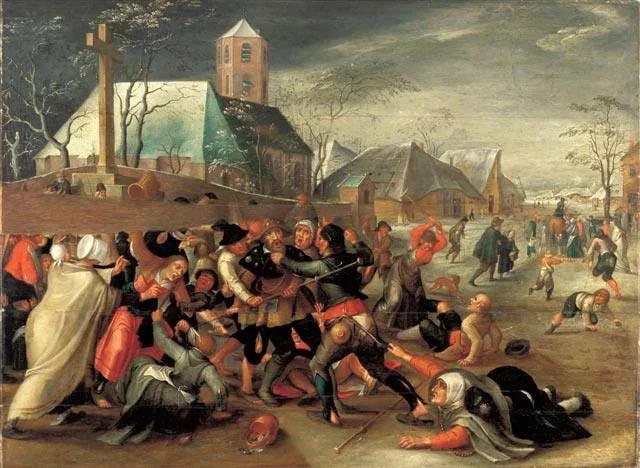
Peasants fighting a pilgrim.
Nobody is certain what this fight is, or who painted it. The village is deep in winter. On a road running off to the right, pilgrims and peasants are fighting, and passersby get pulled in. The pilgrims have shells sewn onto their clothes. But on the right, a soldier on horseback has poor people gathering around him, several of them hurrying toward him. He could be Saint Martin. Before he became bishop of Tours, Saint Martin served with Saint Hilary at Poitiers and set off for Italy to convert his parents. Robbers attacked him on the way, and one of them saved him. That horseman recalls his best known good deed. He shared his cloak and money with the poor at the gates of Amiens. The snow points another way. Saint Martin's Day falls on the eleventh of November, the start of winter. There were fairs, goose feasts and Martin's wine, and fights after the wine. The painting carries no signature. In 1971 it was credited to Marten van Cleve, who painted scenes of peasants, because it resembled his other work. It has also been given to Sebastian Vrancx. Before it arrived, the panel had broken in two and a wedge was missing. In 1971 the gap was filled with a plain oak wedge, and it is still visible.
Listen in the appMarten van Cleve · Public domain
06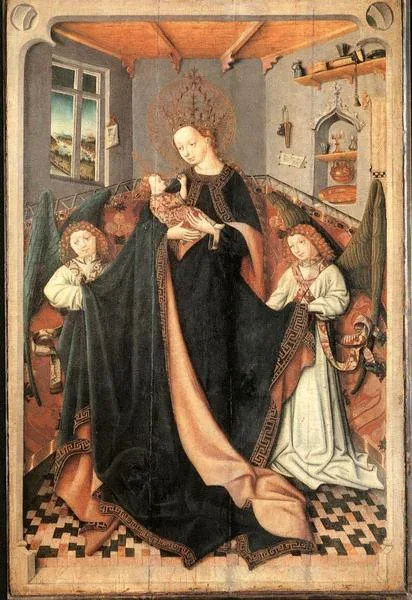
Madonna in the Chamber
High on the right, just under the arcade, a chalice stands with jugs for holy oils. It is easy to walk past. But the objects in this room were chosen for a reason. They speak of the Eucharist, and of God taking human form. A curtain hangs behind the figures and acts as a screen. On one side are Mary and the child. She wears a crown and holds the little Jesus half reclining in her arms, while angels in white robes hold up her dark cloak. On the other side lies an ordinary room, with a wooden ceiling and smooth bluish gray walls. The painter has set the holy figures right inside a domestic space. That way of bringing the sacred into an everyday room came from Netherlandish art. He probably knew the work of Jan van Eyck and Robert Campin. The whole thing was likely made for one person or a small circle to contemplate in private. Who painted it is still not settled.
Listen in the appWilhelm Kalteysen · Public domain
07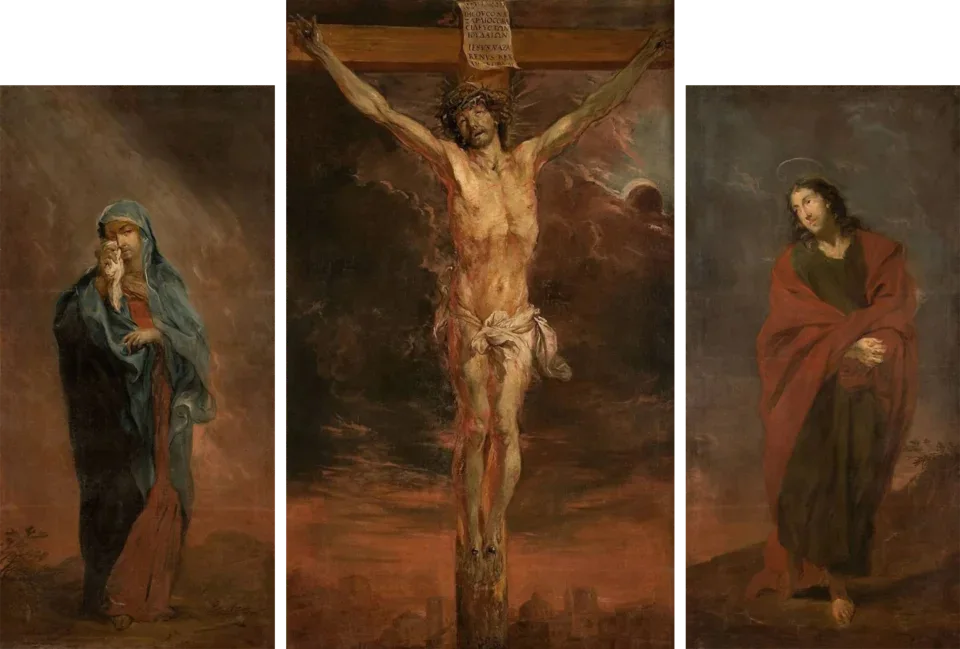
Crucifixion.
Gout was getting the better of Michael Willmann when he agreed to paint this. The abbot of the monastery at Lubiąż, Ludwig Bauch, wanted a Crucifixion to finish the remaking of the church's interior. It turned out to be the last thing Willmann ever made for that church. What you have here is three paintings. Christ is on the cross in the middle, the Virgin on the left, Saint John the Evangelist on the right. Willmann set them out the way the old carved groups once stood on a church beam, three separate pictures rather than one. Much of this came from pictures he already knew. The center follows a Crucifixion by Rubens. It shows in the way Christ's body lies on the cross, the view of Jerusalem behind him, and dark clouds with sunlight breaking through. The two figures at the sides he took from an earlier fresco of his own at Krzeszów, where they had been Mary and Saint Joseph. He painted it all in a loose, sketchy way, with strong contrasts of color. In 1942 the paintings were taken from the church to keep them safe, and they spent the war in storage. Only in 1981 did the center reach Wrocław, with the other two coming years later. Today all three hang together in Brzeg.
Listen in the appMichael Willmann · Public domain
08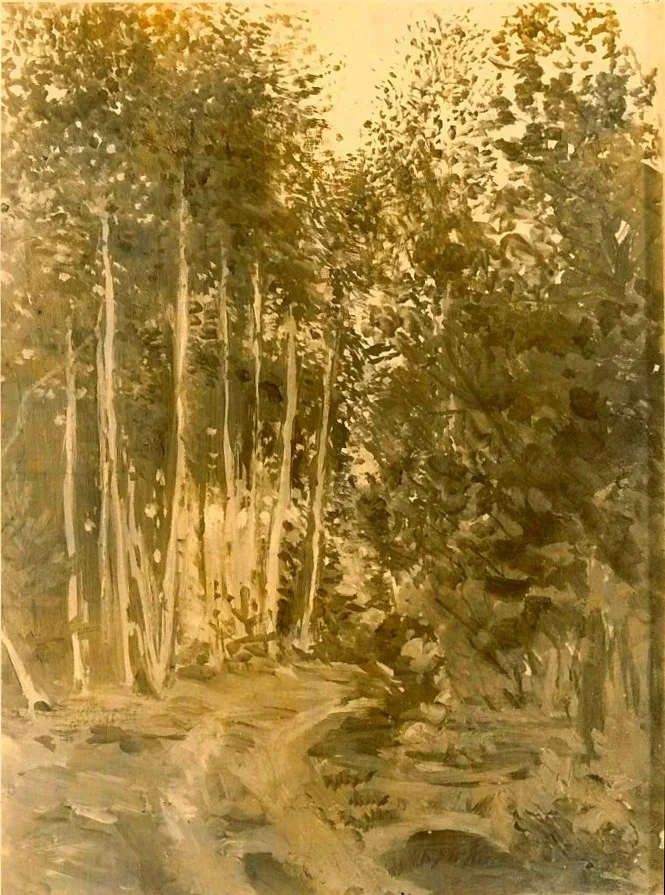
Birch Bosket
Watercolor was this painter's favorite way to work, yet this small birch grove is in oil. He painted it outdoors, straight from nature, around 1890, when that was still new in Polish painting. He was not yet forty. A sandy road passes through, and its ruts curve across the ground. Dense green bushes fill the right side. On the left, a row of young white birch trunks rises, tipped with green branches. It is an ordinary grove, the sort a walker or a mushroom picker would know, and he has made a whole picture out of it. The sky takes only a few percent of the surface, under a thin, even layer of cloud.
Listen in the appPhoto: Jedrzej1224 · CC BY-SA 4.0
09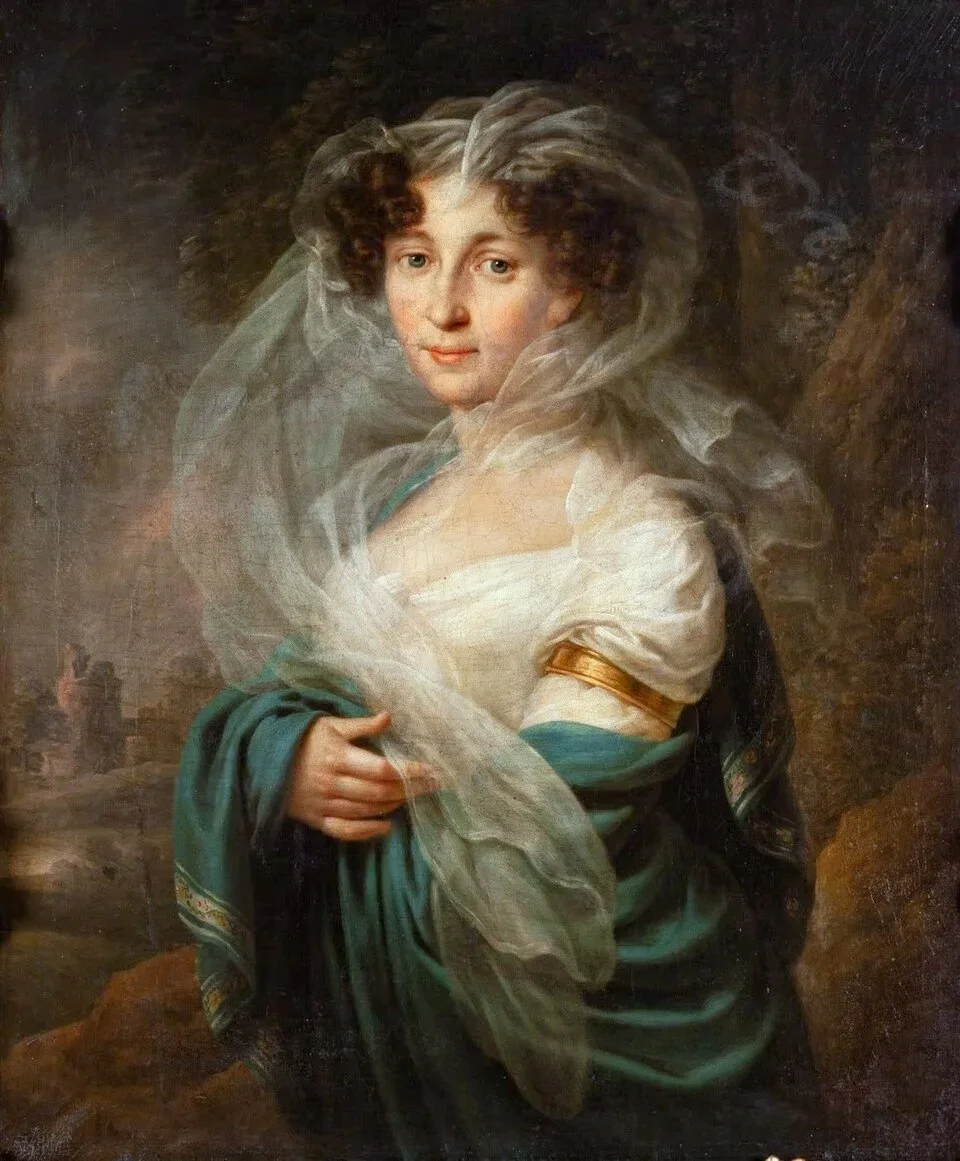
Portrait of Kazimiera Żółtowska, née Skoraszewska
A woman with dark hair smiles, dressed in white, with a blue shawl over her shoulders. She is Kazimiera Żółtowska, born Skoraszewska, the wife of General Edward Żółtowski. The man who painted her, Franciszek Ksawery Lampi, had settled in Warsaw. The women of the city's elite were his subject. He painted them from the shoulders up or down to the waist, and flattered them a little. He took the idea of those fine veils and shawls from the painter Isabey. Behind Kazimiera he set a romantic landscape, and he made the portrait in Warsaw about 1825. A portrait of the Żółtowskis' daughter is in the collection of the National Museum in Warsaw.
Listen in the appFranciszek Ksawery Lampi · Public domain
10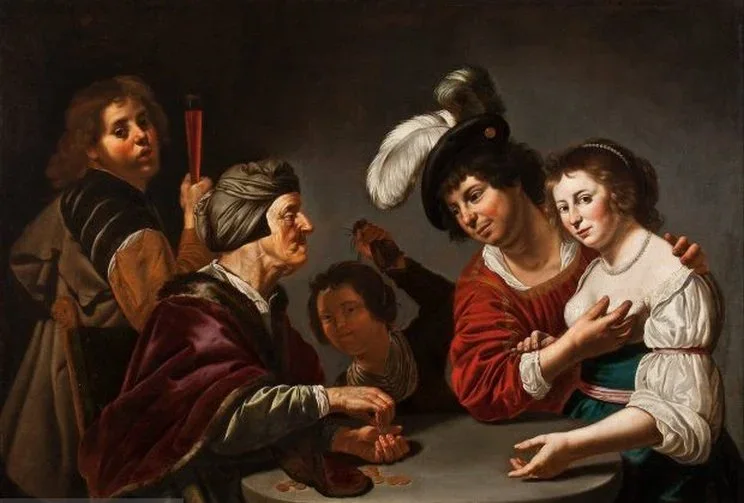
in the brothel
A young man has his hand on the girl beside him, and he has come for pleasure. The old woman on the left is counting the money he handed her. His red robe and his beret in the old style, with an ostrich feather, give him away. Dutch painting knew this young fool well, always in his showy clothes, throwing away his chances. This picture was meant as a warning. Wars and soldiers had helped prostitution spread in Holland. A man was told what women like these could cost him, his money, his good name, even his soul. He may be the prodigal son, squandering his fortune on a night like this. Jan van Bijlert, or someone in his workshop, grouped them around the table and showed them from the waist up, the way Caravaggio did. The girl looks straight out at you, and with her left hand she gestures toward the shameful scene. A small woman, a dwarf, holds out a purse. That is the greed this picture warns about.
Listen in the appPhoto: Adamt · Public domain
- 11
Boy Carrying a Sheaf
Aleksander Gierymski · 1893–1895
- 12
Anton von Werner: On July 19, 1870 (King Wilhelm at the sarcophagus of his mother, Queen Luise, in the mausoleum at Charlottenburg)
Anton von Werner · 1881
- 13
1 April 1656 Oath by John II Casimir Vasa (historical subject)
Jan Matejko · 1893
- 14
Entry of Jerzy Ossoliński into Rome in 1633
Bernardo Bellotto · 1779
- 15
Christ at the Column
Francisco de Zurbarán · 1655–1661
- 16
Village procession
Simon de Vos · 1640
- 17
Eve
Lucas Cranach the Elder · c. 1531
- 18
Racławice
Józef Marian Chełmoński · 1906
- 19
Two Daughters of the Ocean
François-Alfred Delobbe · 1885
- 20
Saint Anne
Unknown Artist · 1400
- 21
The Wine festival (Allegory of the Autumn).
Jan Gerritsz van Bronckhorst · 1650
- 22
The Entombment
Adriaen van der Werff · 1703
- 23
Christ at the column
Michael Willmann · 1701
- 24
Apollo and Daphne
Abraham Bloemaert · 1592
- 25
Portrait of the Artist’s Wife with a Pet Dog.
Konrad Krzyżanowski · 1911
- 26
Środa Crown
Unknown Artist · early 14th century
- 27
Magnanimity of Scipio
Jacob Willemsz de Wet · 1645–1675
- 28
Church Service in Delft
Emanuel de Witte
- 29
Ecce Homo
Michael Willmann
- 30
St. Augustine
Michael Willmann · 1696
- 31
Saint Jerome
Michael Willmann · 1695
- 32
Saint Ambrose
Michael Willmann
- 33
Saint Gregory
Michael Willmann
- 34
Willmann, The Last Supper, Wrocław 1a
Michael Willmann · c. 1661
- 35
Job and the musicians.
Master of 1518 · c. 1520
- 36
Casimir I the Restorer returning to Poland
Wojciech Gerson · 1893
- 37
Storm at sea
Unknown Artist · 1630
- 38
Woman plucking duck
Adriaen Cornelisz Beeldemaker · 1650s
- 39
Peacock and pintle
Isaac van Ostade
- 40
Michael Willman Opus Magnum 2019 P58 Paradise (ca 1670)
Michael Willmann · c. 1670
- 41
Orpheus playing on harp
Michael Willmann · c. 1670
- 42
Sejm in Gąsawa
Jan Matejko · 1866
- 43
In the Peasant Chamber
Unknown Artist
- 44
A woman in a window
Unknown Artist
Muzeum Narodowe we Wrocławiu
Frequently asked questions
How much does the guide cost?
Free app download. Free until 1 January. Listed guide price: $1.99. Audio guide only. Venue admission is separate.
Can I listen without internet?
Yes. Download the guide’s audio, images, and maps in the app before your visit. Your downloaded content is then available offline.
Can I listen in my language?
In English for now. More languages soon.
Do I need to follow a schedule?
No. This is a self-guided experience. Choose your stops, pause whenever you like, and return to a story at your own pace.
Which artworks are in the Muzeum Narodowe we Wrocławiu audio guide?
44 artworks, including Środa Treasure (Unknown Artist), The Lamentation of Christ (Lucas Cranach the Elder), Portrait of a priest (Helmich van Tweenhuysen II), Holy Trinity of Wrocław (Unknown Artist), Peasants fighting a pilgrim. (Marten van Cleve), Madonna in the Chamber (Wilhelm Kalteysen), Crucifixion. (Michael Willmann), and Birch Bosket (Stanisław Masłowski). The full list is on this page.
Is this the museum’s official audio guide?
No. Stanza is an independent audio guide app and is not affiliated with Muzeum Narodowe we Wrocławiu. Museum admission is separate.
At your own pace
Explore Muzeum Narodowe we Wrocławiu.
Download Stanza, then search for “Muzeum Narodowe we Wrocławiu”.
Free app download · Guide price shown in the app
Keep exploring
Audio guides — Poland
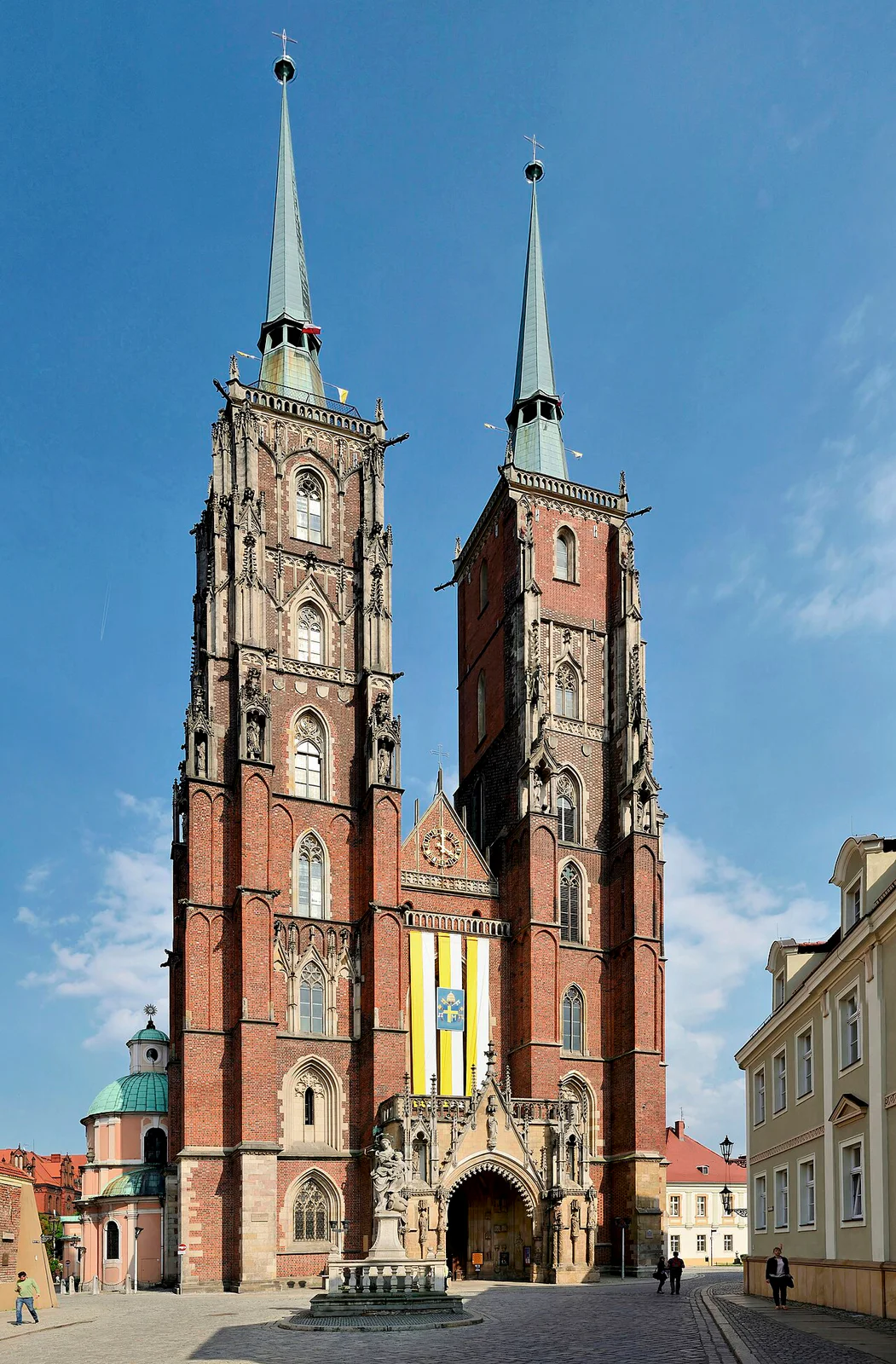
Wrocław · 1 km
Archikatedra św. Jana Chrzciciela we Wrocławiu
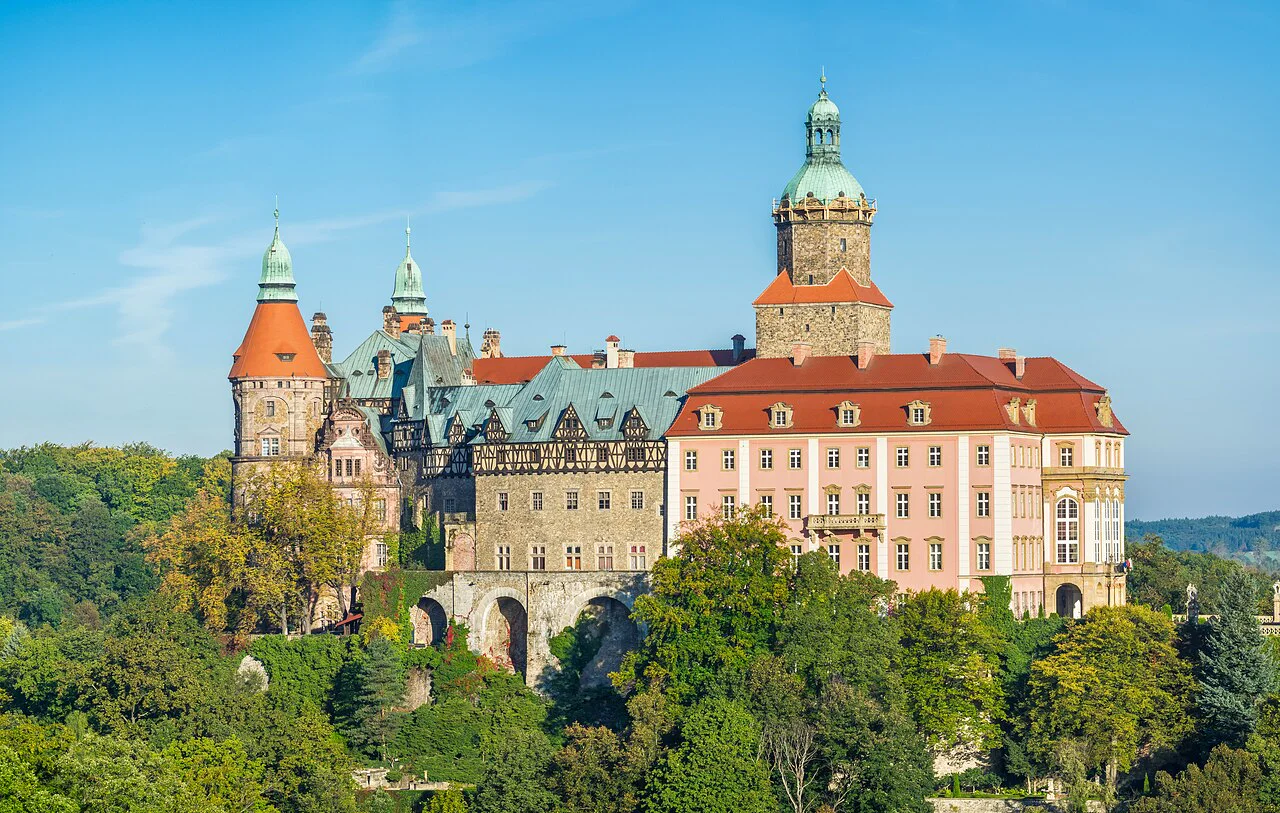
Wałbrzych · 61 km
Zamek Książ
Content & sources
Photo: Jar.ciurus · CC BY-SA 3.0 pl
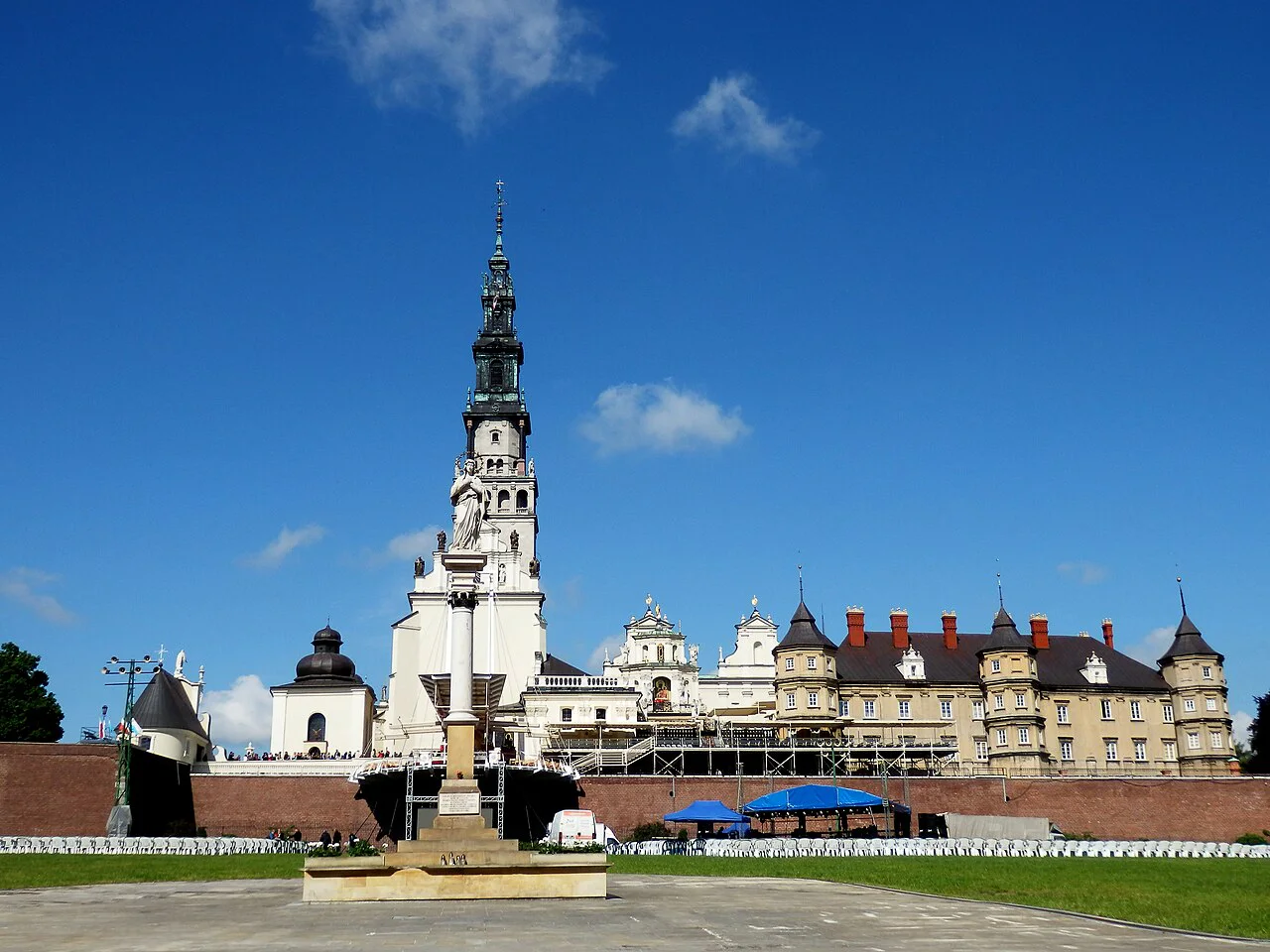
Częstochowa · 147 km
Jasna Góra
Content & sources
Photo: Ebielmaj · CC BY-SA 3.0 pl
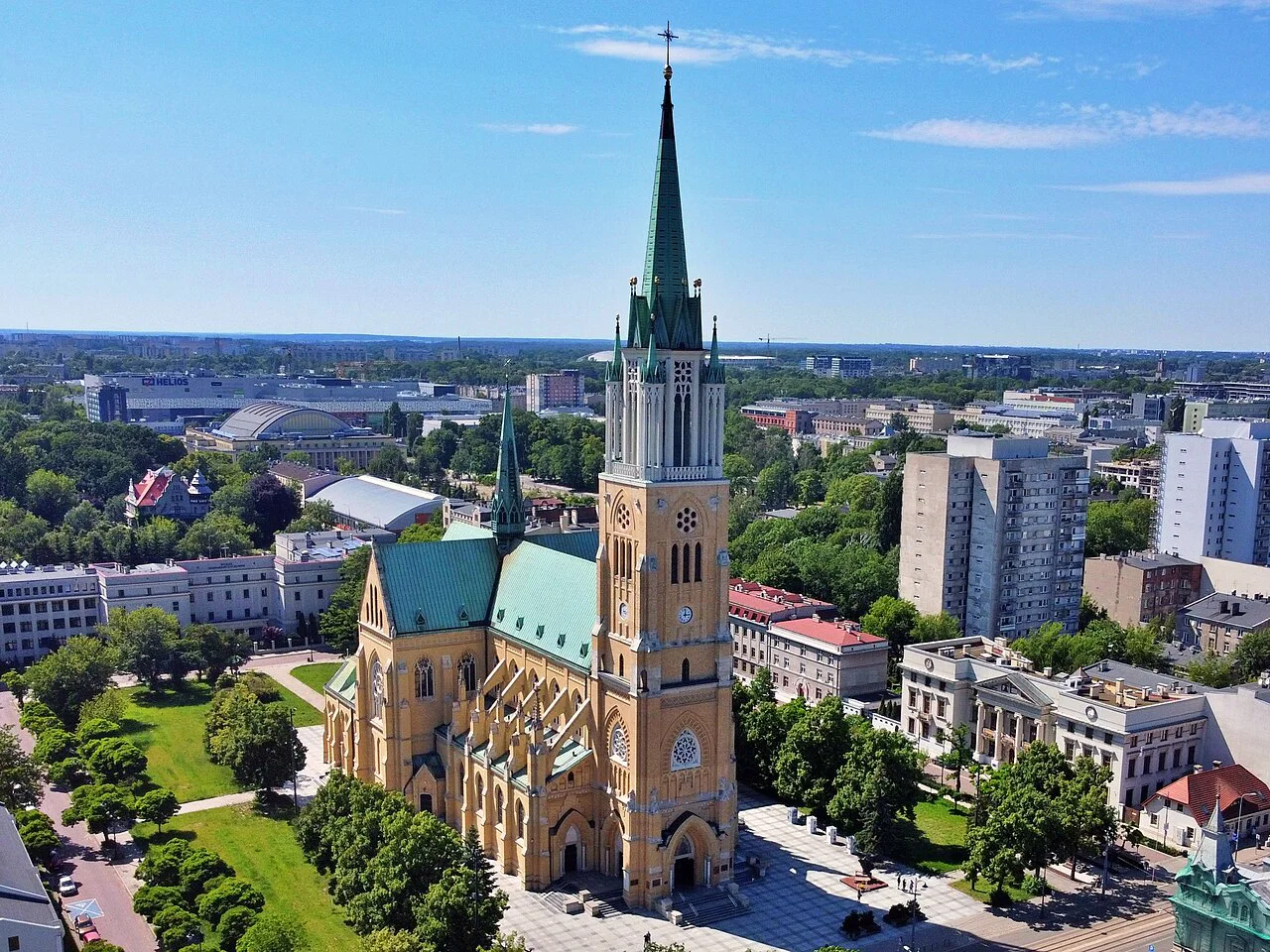
Łódź
Bazylika Archikatedralna św. Stanisława Kostki w Łodzi
Content & sources
Photo: Kapitel · CC BY-SA 4.0
Art museums
More art museum audio guides
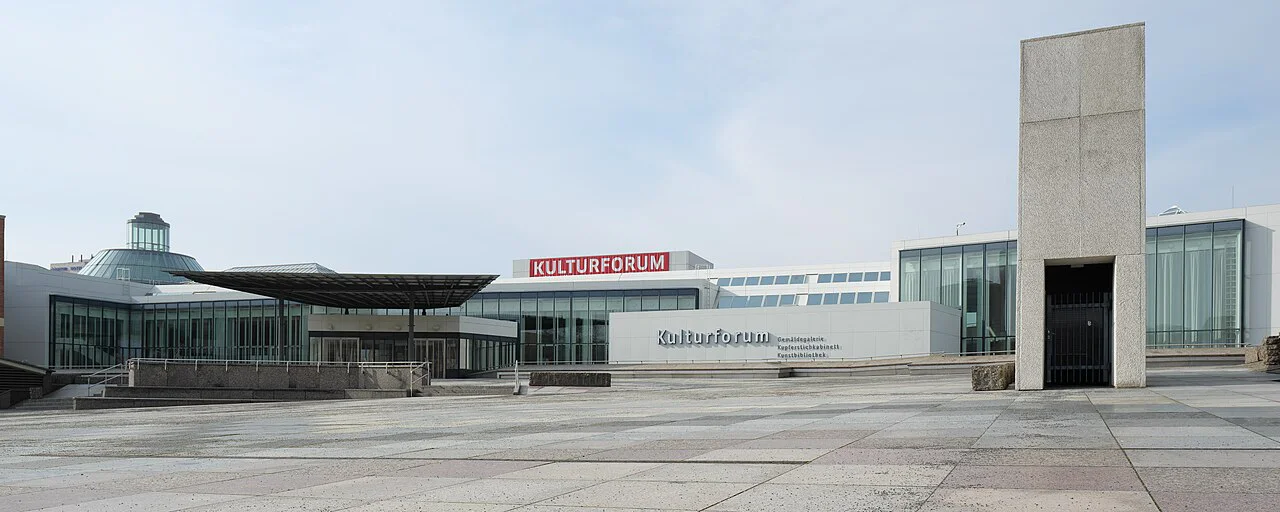
Berlin · 218 artworks
Gemäldegalerie, Berlin
Content & sources
Photo: Membeth · CC0
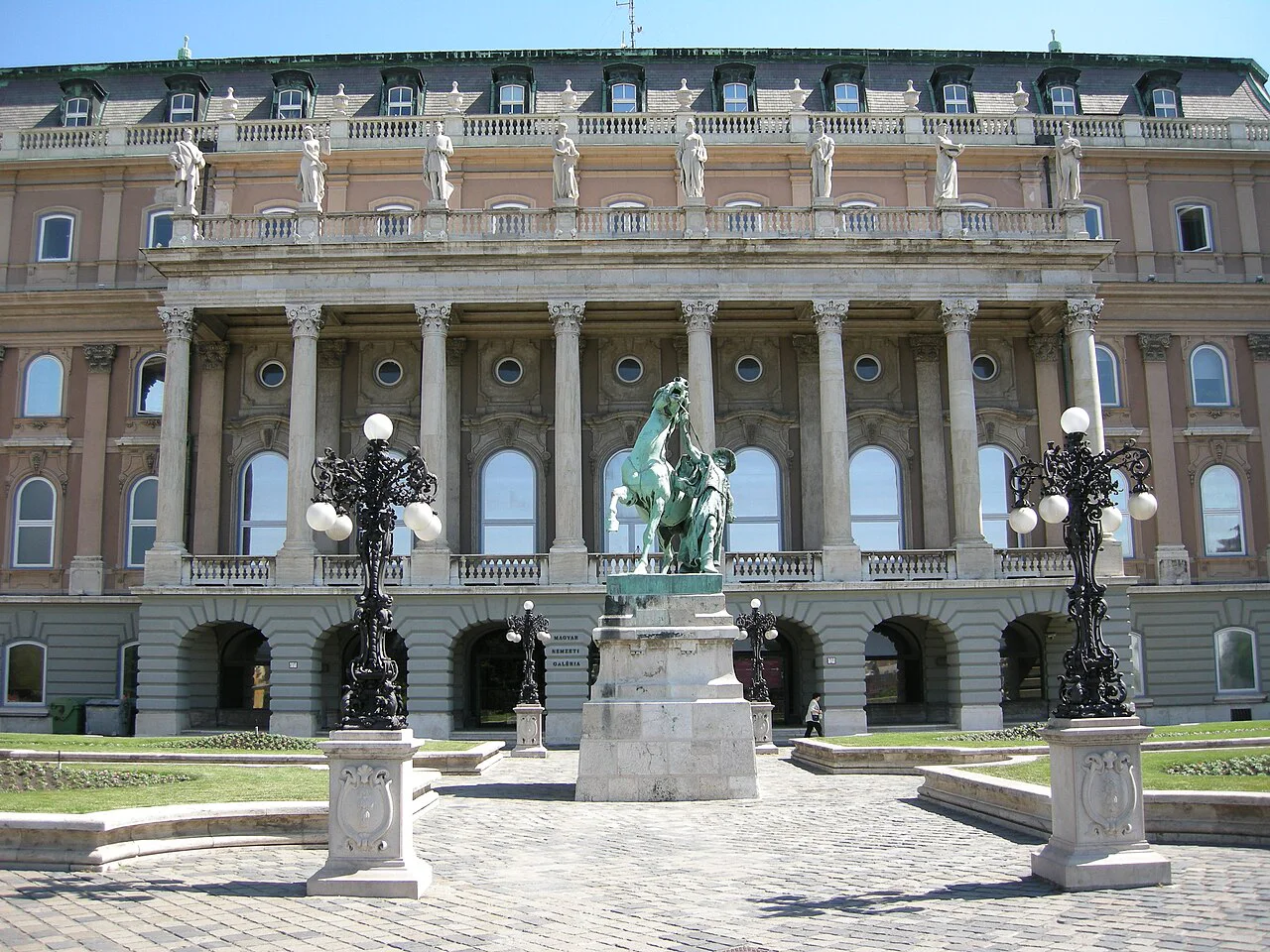
Budapest · 29 artworks
Hungarian National Gallery
Content & sources
Yoav Dothan · Public domain
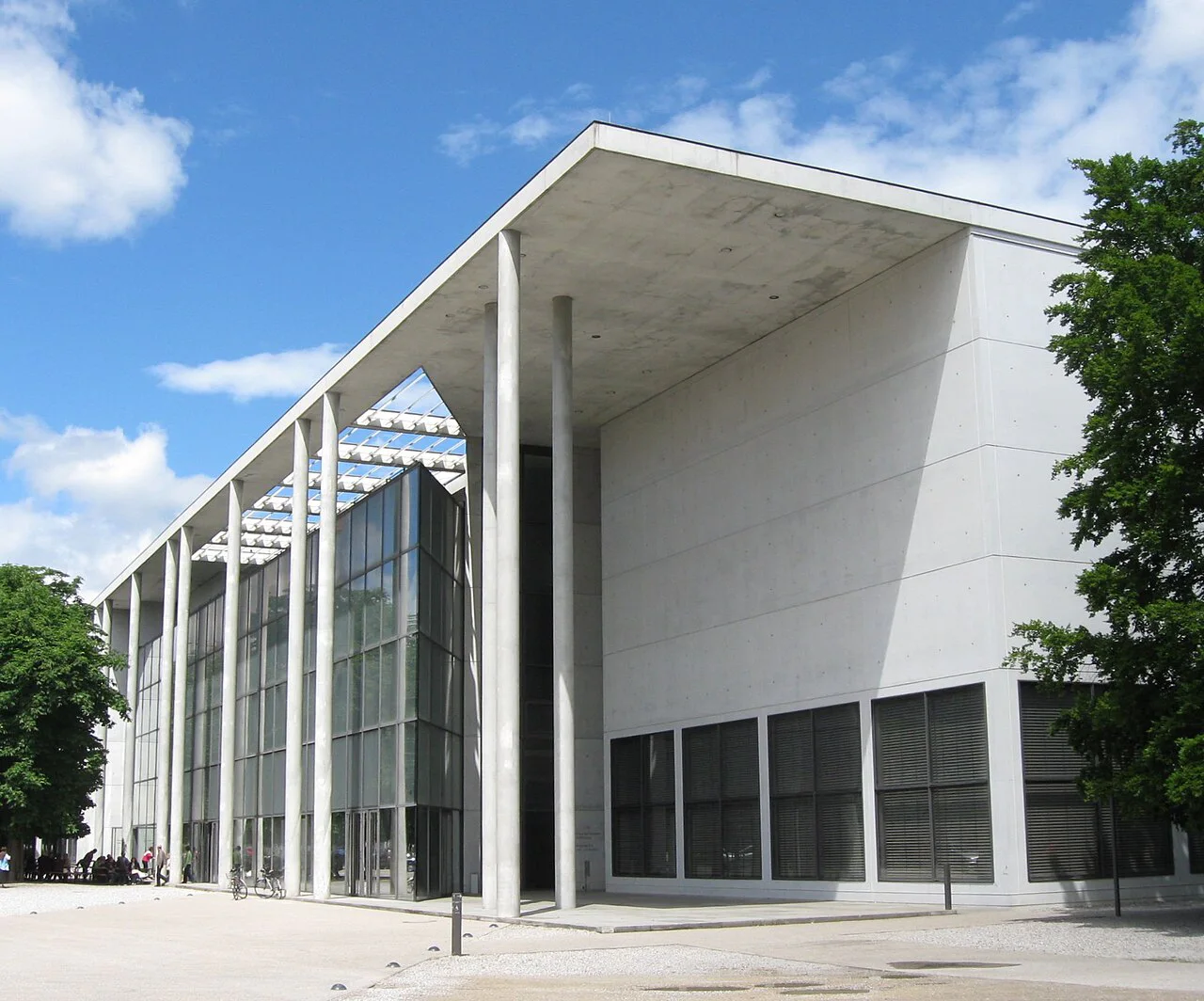
Munich · 6 artworks
Pinakothek der Moderne
Content & sources
Photo: Rufus46 · CC BY-SA 3.0
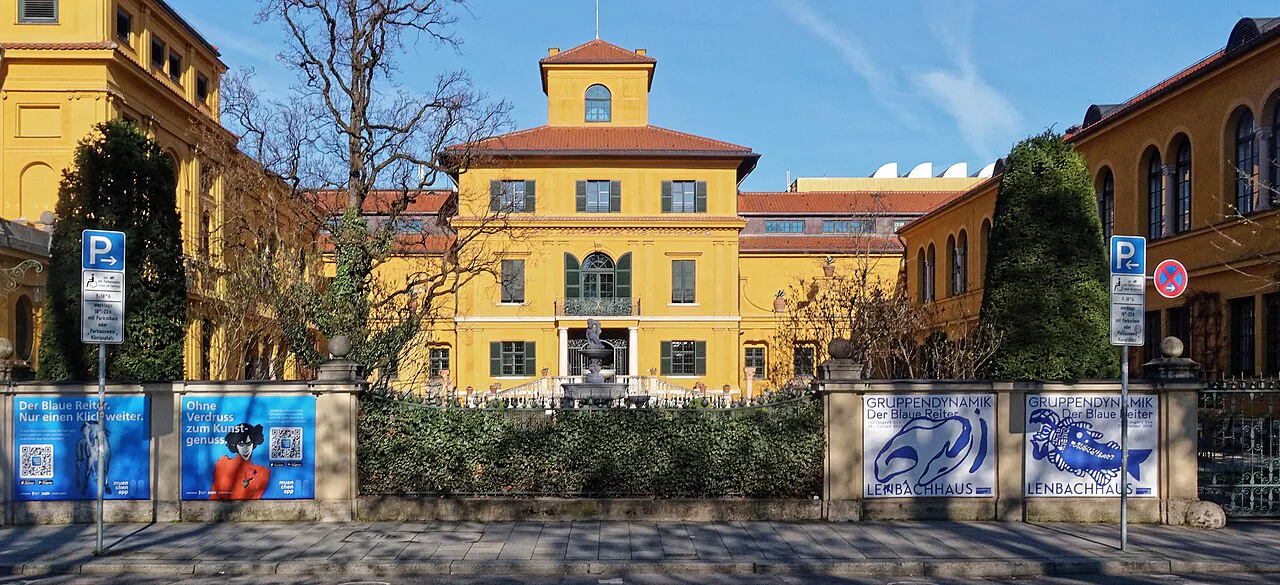
Munich · 33 artworks
Städtische Galerie im Lenbachhaus
Content & sources
Burkhard Mücke · CC BY-SA 4.0
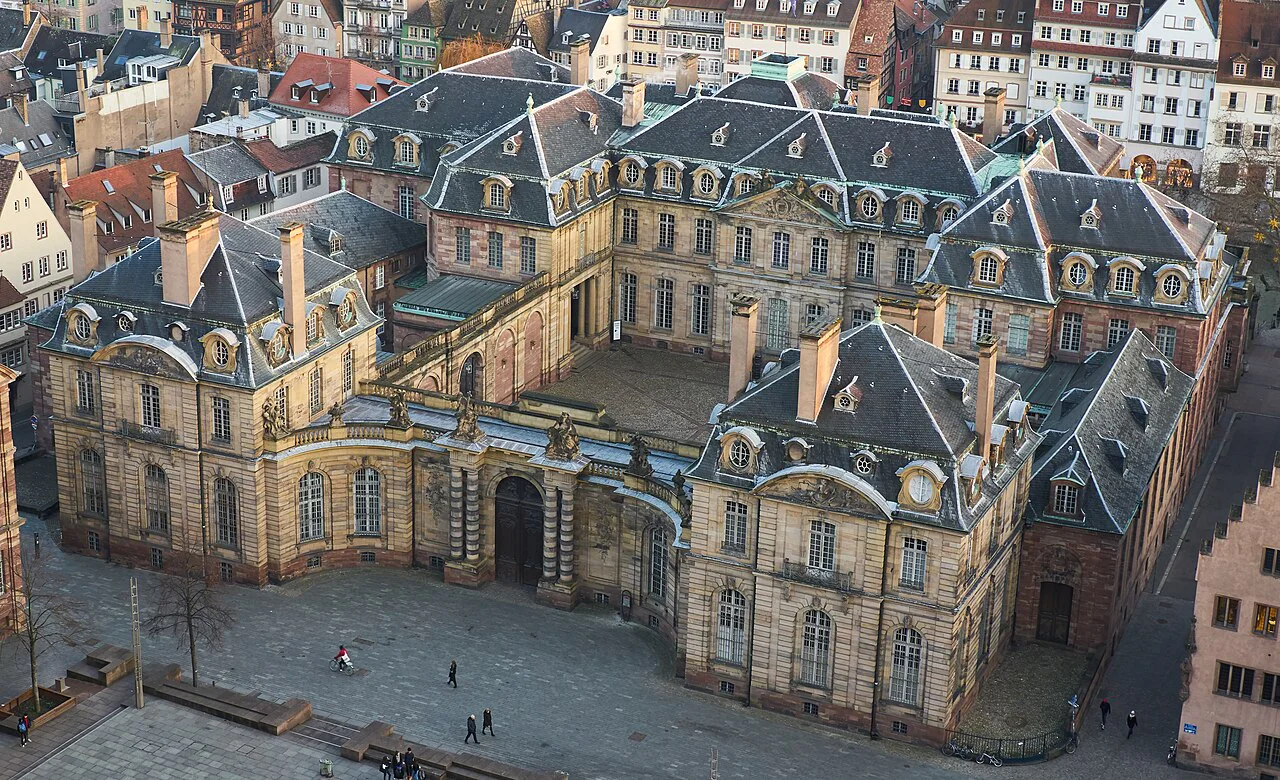
Strasbourg · 92 artworks
Musée des Beaux-Arts de Strasbourg
Content & sources
Radek Kucharski · CC BY 2.0
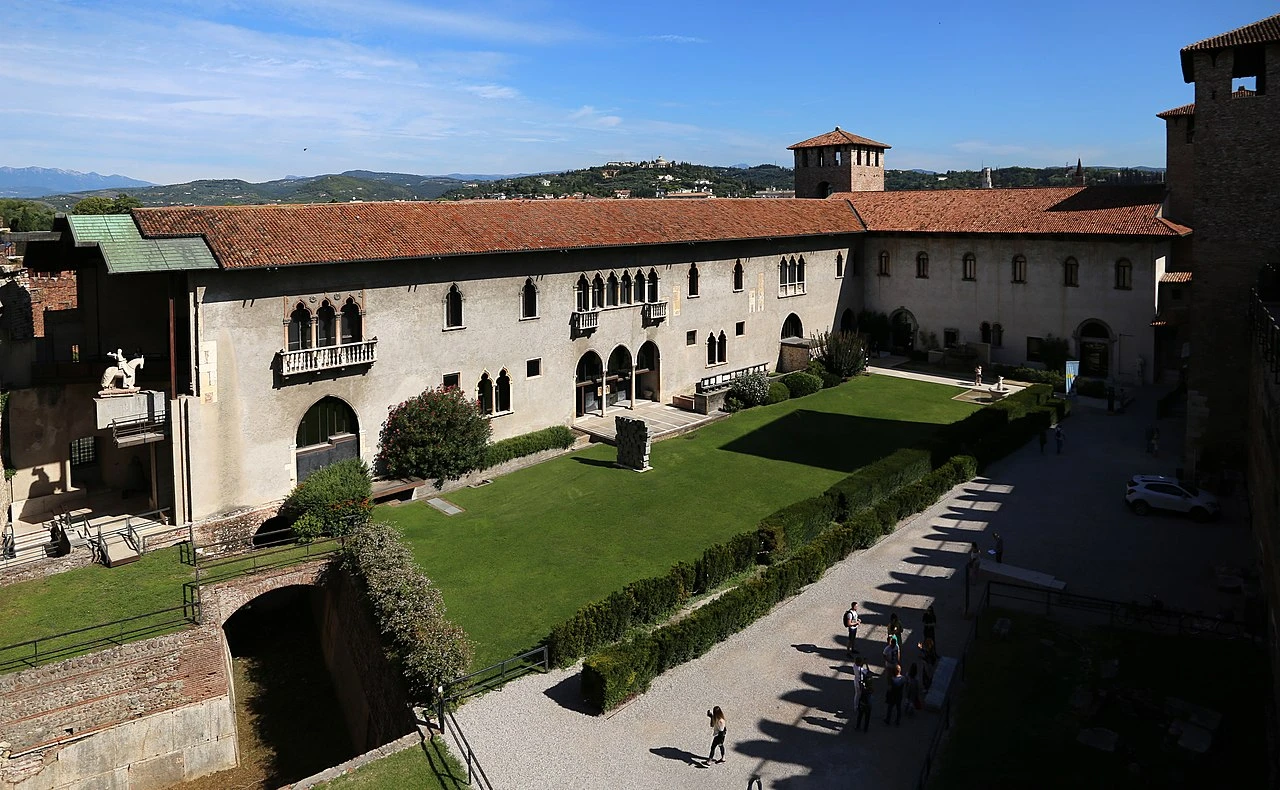
Verona · 65 artworks
Castelvecchio Museum
Content & sources
Photo: Sailko · CC BY-SA 4.0