Stanza · Audio guide
Pinakothek der Moderne Audio Guide
A place to remember. A story to take with you.
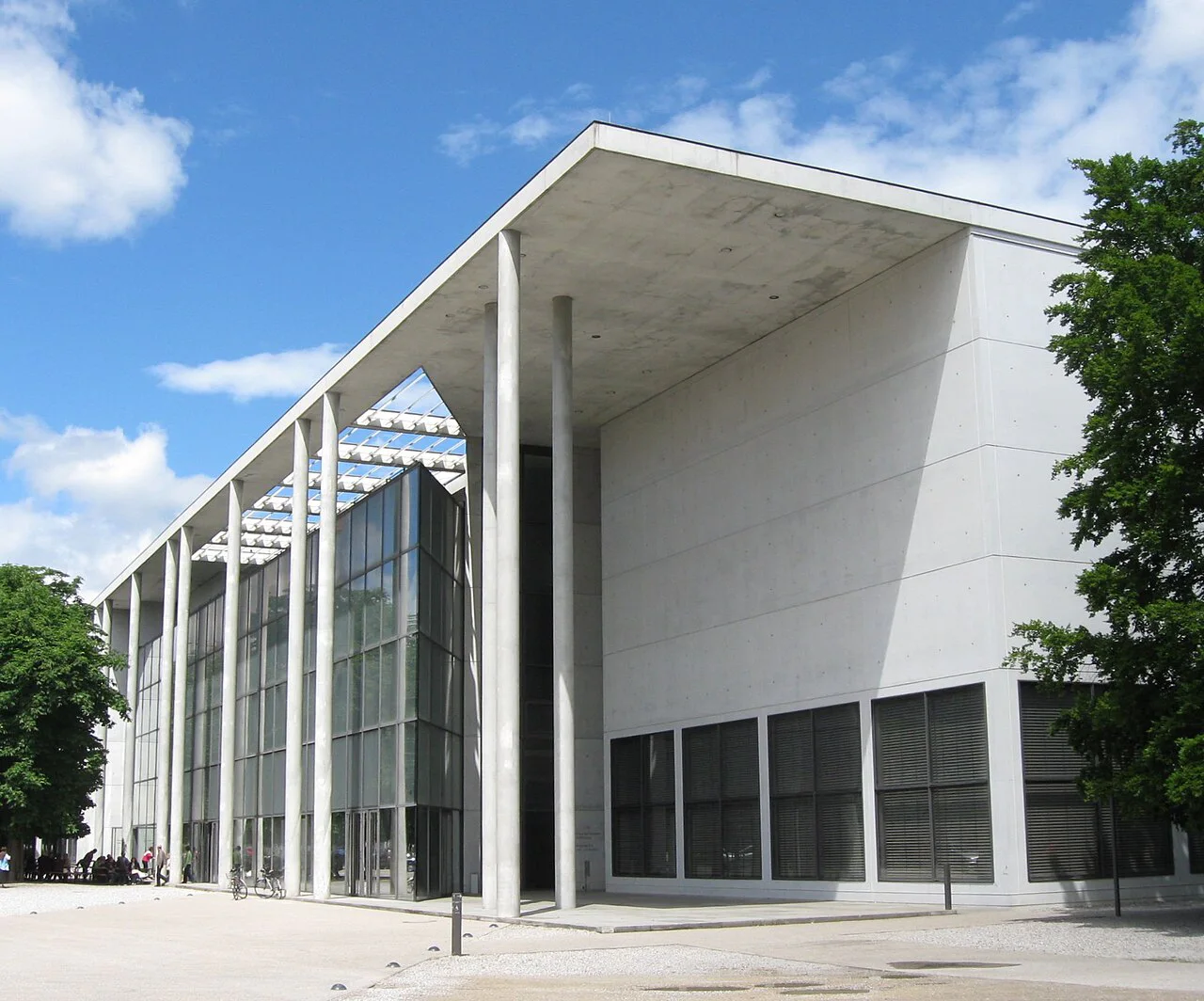
The Pinakothek der Moderne is a modern art museum. It is situated in central Munich's Kunstareal.
Download Stanza, then search for “Pinakothek der Moderne”.
About the tour
One guide. Your kind of visit.
The Pinakothek der Moderne is a modern art museum. It is situated in central Munich's Kunstareal.
The Pinakothek der Moderne guide tells the stories of 6 artworks, including Limits of Reason (Paul Klee), Fighting forms (Franz Marc), Tyrol (Franz Marc), The Cast Whale Project (Gil Shachar), Architekturmuseum der Technischen Universität München (Unknown Artist), and Rilke in Moscow by L.Pasternak (1928) (Leonid Pasternak). Every artwork is free to hear in the Stanza app until 1 January.
Ready when you are.
- 01Get the free Stanza app.
iOS & Android
- 02Find your guide.
“Pinakothek der Moderne”
- 03Download before you go.
Works offline
Audio guide / 6 artworks
Inside the guide
Get to know a few of the stories before you go. Open a stop to read more.
01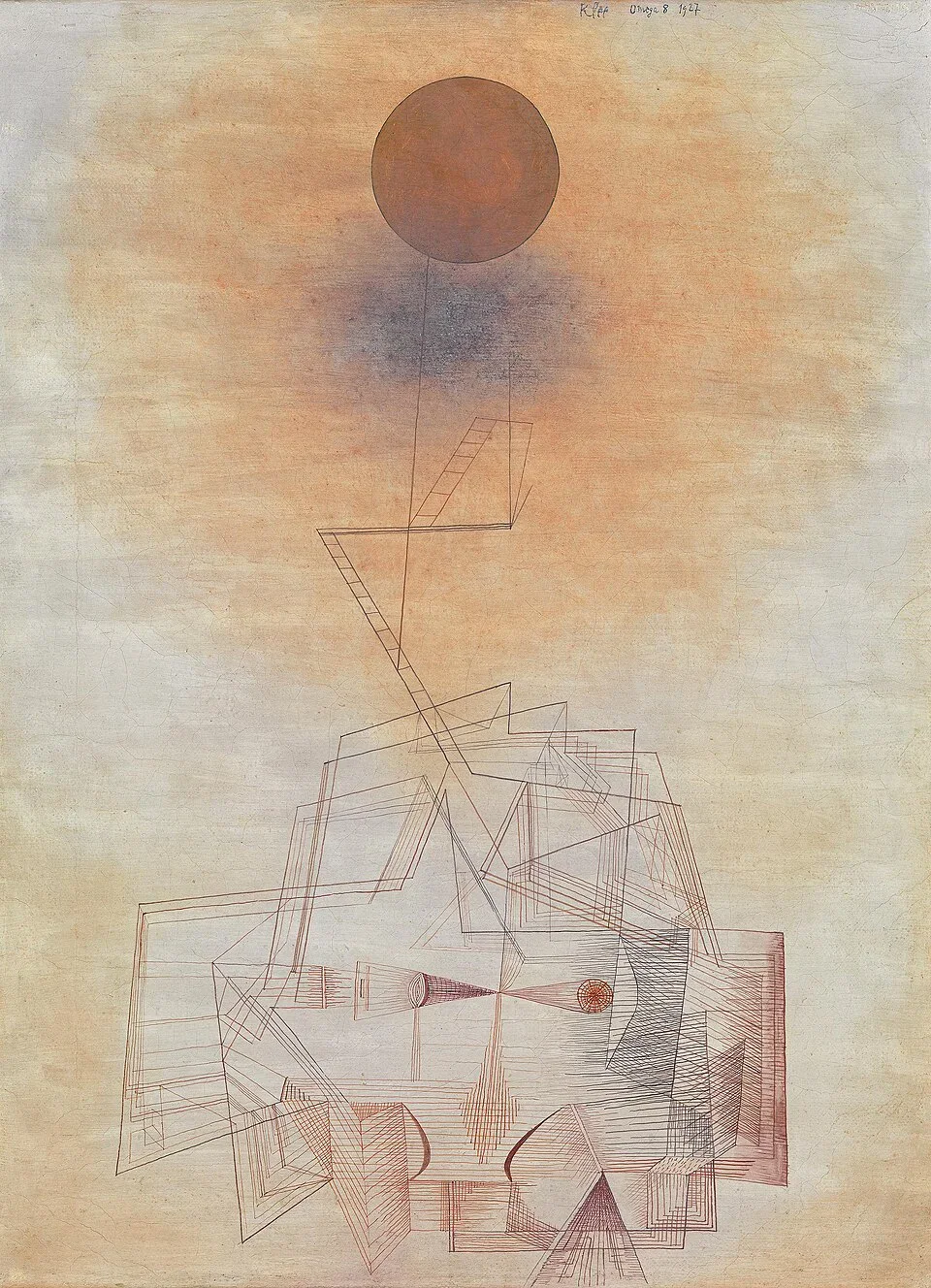
Limits of Reason
A red sphere floats in a white field, perfectly round and perfectly still. Below it, a fine web of lines forms a dense, complicated tangle across the lower half. The sphere hangs frozen, while the web is alive with movement. Together they hold the distance between what we can know and what we long to know. Klee made this while teaching at the Bauhaus, the German art school where he was a teacher and a resident artist. The lines do not stay down there. They climb up toward a rounded shape.
Listen in the appPaul Klee · Public domain
02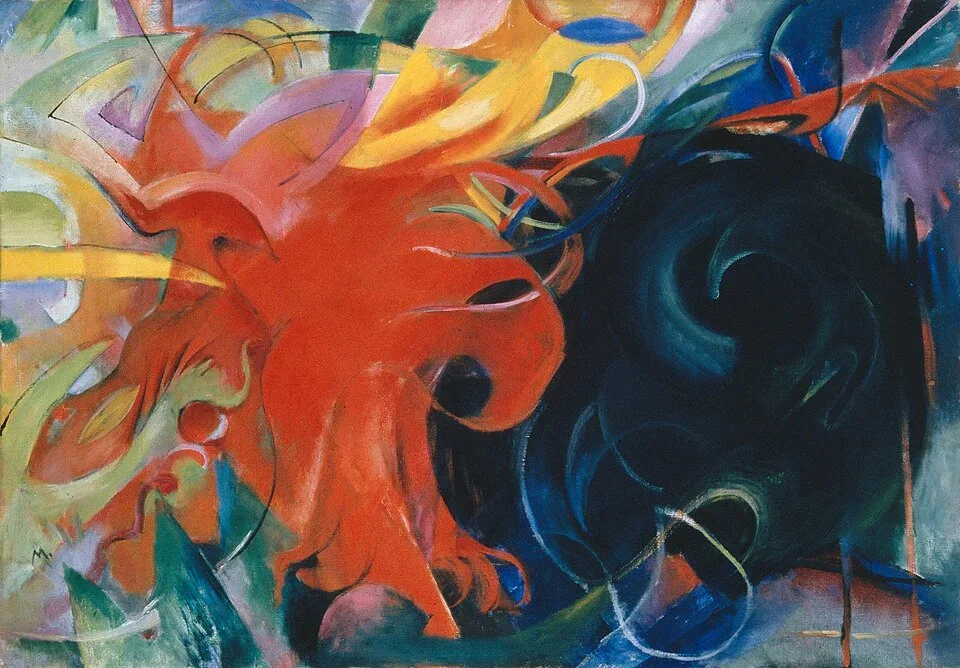
Fighting forms
In the front left of the picture are a few blue and green spikes. You could pass them by. They tell you these two great whirls are not only abstract. Something recognizable is folded into them. The red whirl is a little closer to you, branching as it drives toward the blue. The blue one is compact and nearly round, and it gives ground. The two even turn against each other, the red one clockwise and the blue one the opposite way. Marc had given colors meanings of his own. Red stood for heavy, brutal matter. Blue stood for the stern, spiritual, male principle. Read that way, matter is winning here and spirit is losing. That was the opposite of what he wanted. He hoped spirit would win the coming fight. Only later did he give the picture its name, in a letter to his wife Maria from the Western Front, where he was fighting. He died there in 1916. That late name made the two whirls into fighters, spirit against matter. The red form suggests a bird of prey, even a German imperial eagle bringing an enemy down. What the two forms truly stand for is still not known.
Listen in the appFranz Marc · Public domain
03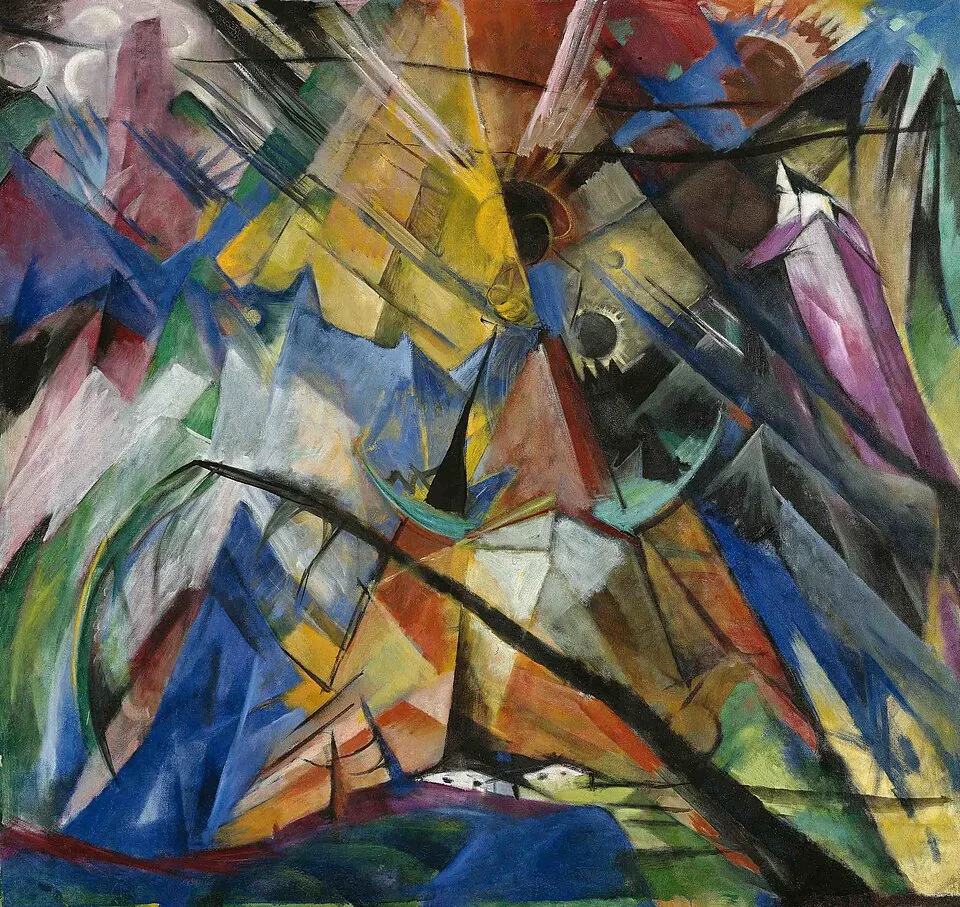
Tyrol
Franz Marc wanted more than mountains in this painting. He had shown it in Berlin in 1913, then took it back and worked on it again. At the center, where a sun had been, he put the Virgin Mary. She is faint, but you can make her out. She wears blue and red, with a ring of light around her head and the Christ child in her arms. At her feet is a green crescent moon. It marks her as the woman from the Book of Revelation, appearing at the end of time. The mountains are sharp triangles, row behind row, in bright, clashing colors. On the right a red sun rises between the peaks, announcing day. On the left, night sparkles with stars and arcs of light. That split recalls the Last Judgment. A bare black tree juts in from the front. At its tip is the hint of a sickle blade, so the tree becomes a scythe that brings death. The peaks came from a week Marc spent walking in South Tyrol in 1913, with Maria Franck, his future wife. Her parents invited them because her father was ill and had gone to a sanatorium. Marc sketched the mountains and buildings. Now he was turning that landscape into an ending, and a new beginning. He finished the painting in 1914, just before the war began.
Listen in the appFranz Marc · Public domain
04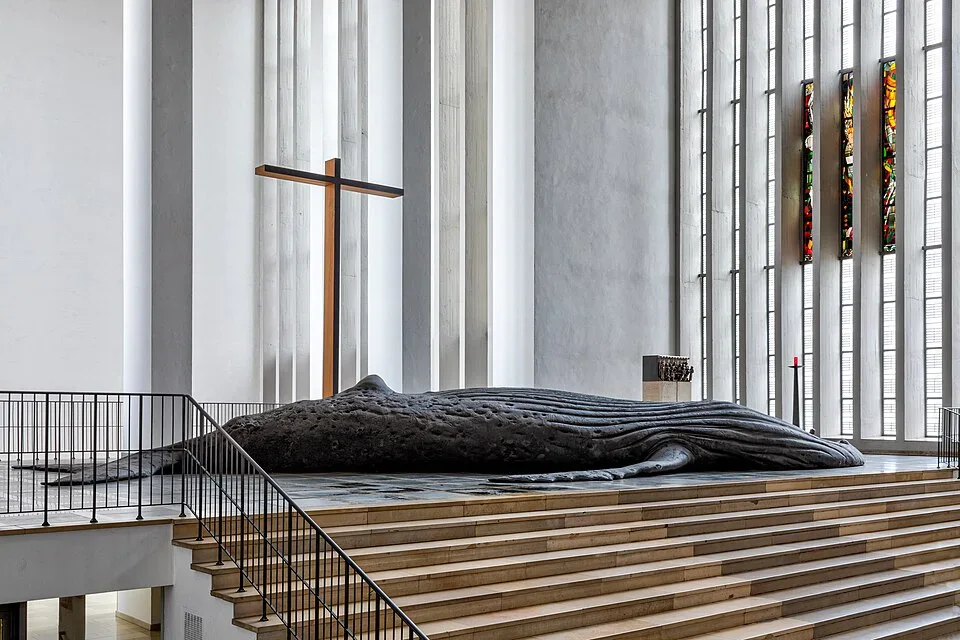
The Cast Whale Project
A whale lies on its back just above the tide line. It died only a short while ago, and death has let its body sag into a wide oval. The throat pouch hangs slack to one side and covers the mouth. The eyes are not visible. The sea could take it back at any hour. This cast keeps the whole body, just as it lay there. Gil Shachar first imagined it in a dream and made drawings, then set the idea aside because it seemed impossible. It would not leave him. Asked why he took it on, he said he had a strong feeling someone had to do it. His earlier casts were only fragments of people. He wanted this whole body. It took years to win permission and gather a team of artists, biologists and mold makers. Then they waited two years, ready to be called. On the nineteenth of August 2018 a whale washed ashore at Lambert's Bay. The team worked nearly three days to make the mold before the body decayed. They built a fence against the sea, and carried the mold away in more than thirty pieces. Not long after the mold was finished, a spring tide carried the whale back out to sea. In the months that followed its body broke apart, and pieces of it washed ashore again on that same stretch of beach.
Listen in the appDietmar Rabich · CC BY-SA 4.0
05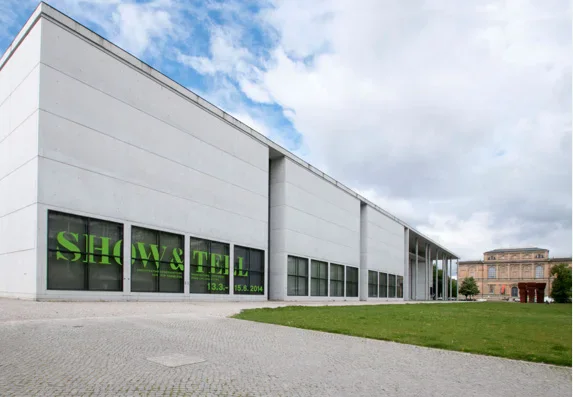
Architekturmuseum der Technischen Universität München
In the Second World War the drawings were moved away just in time. The rooms that held them were destroyed completely. When the war ended, there was nowhere left to show them, and for years the collection lay in the university's stores. It had begun in 1868, when King Ludwig the Second gave the new polytechnic school a set of architectural designs, so students could learn from examples. More drawings came through purchases and gifts, and before the First World War the collection had outgrown teaching. It had become a place of research. With no rooms of its own, the university began turning it into a museum in 1975. Two years later it started showing work at the Munich City Museum, almost every year, and that museum paid for the shows. In 1989 it took the name Architecture Museum. Now its rooms are here in the Pinakothek der Moderne, with no permanent display, only exhibitions that change. The archive holds around half a million drawings and plans from nearly seven hundred architects. Since 2009, a project has been digitising about forty thousand of the most valuable plans, so researchers, students and the public can study them online. The museum's own sign is a triangle with a square inside it. Together the two shapes stand for A and M.
Listen in the appPhoto: MuesumX · CC BY-SA 4.0
06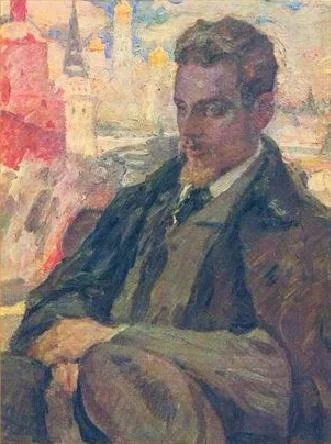
Rilke in Moscow by L.Pasternak (1928)
This portrait was painted after the man in it had died. Nothing in the face before you gives that away. He is the poet Rilke, shown here at twenty-four. Leonid Pasternak, the painter, probably made it in 1928, two years after Rilke died in 1926. The two men had met in Moscow in 1899. Rilke had come to Russia with Lou Andreas-Salomé and her husband, Friedrich. They felt close, yet met only twice more, both by chance. Once at a train station in Russia in 1900, and once in Italy in 1904. When the painting went on show in Berlin in 1932, it stirred great interest and moved Rilke's widow, Clara Westhoff, to tears. The face comes from sketches the painter had made in Moscow in 1899, at their first meeting.
Listen in the appL.Pasternak · Public domain
Pinakothek der Moderne
Frequently asked questions
How much does the guide cost?
Free app download. Free until 1 January. Listed guide price: $0.99. Audio guide only. Venue admission is separate.
Can I listen without internet?
Yes. Download the guide’s audio, images, and maps in the app before your visit. Your downloaded content is then available offline.
Can I listen in my language?
In English for now. More languages soon.
Do I need to follow a schedule?
No. This is a self-guided experience. Choose your stops, pause whenever you like, and return to a story at your own pace.
Which artworks are in the Pinakothek der Moderne audio guide?
6 artworks, including Limits of Reason (Paul Klee), Fighting forms (Franz Marc), Tyrol (Franz Marc), The Cast Whale Project (Gil Shachar), Architekturmuseum der Technischen Universität München (Unknown Artist), and Rilke in Moscow by L.Pasternak (1928) (Leonid Pasternak). The full list is on this page.
Is this the museum’s official audio guide?
No. Stanza is an independent audio guide app and is not affiliated with Pinakothek der Moderne. Museum admission is separate.
At your own pace
Explore Pinakothek der Moderne.
Download Stanza, then search for “Pinakothek der Moderne”.
Free app download · Guide price shown in the app
Keep exploring
Nearby audio guides
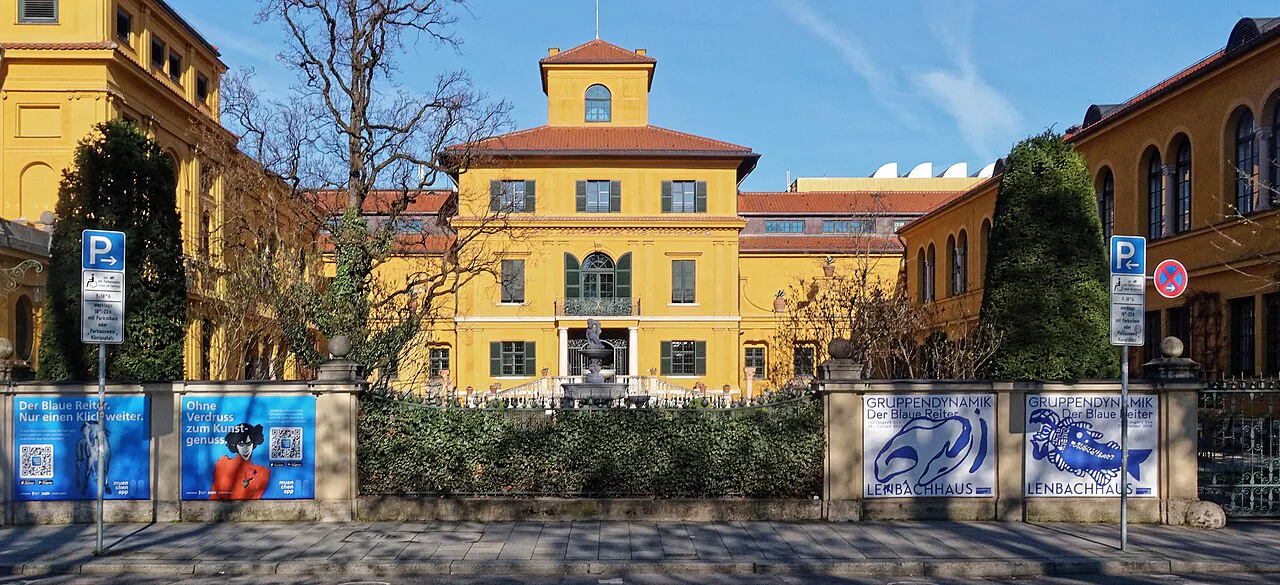
Munich · 1 km
Städtische Galerie im Lenbachhaus
Content & sources
Burkhard Mücke · CC BY-SA 4.0
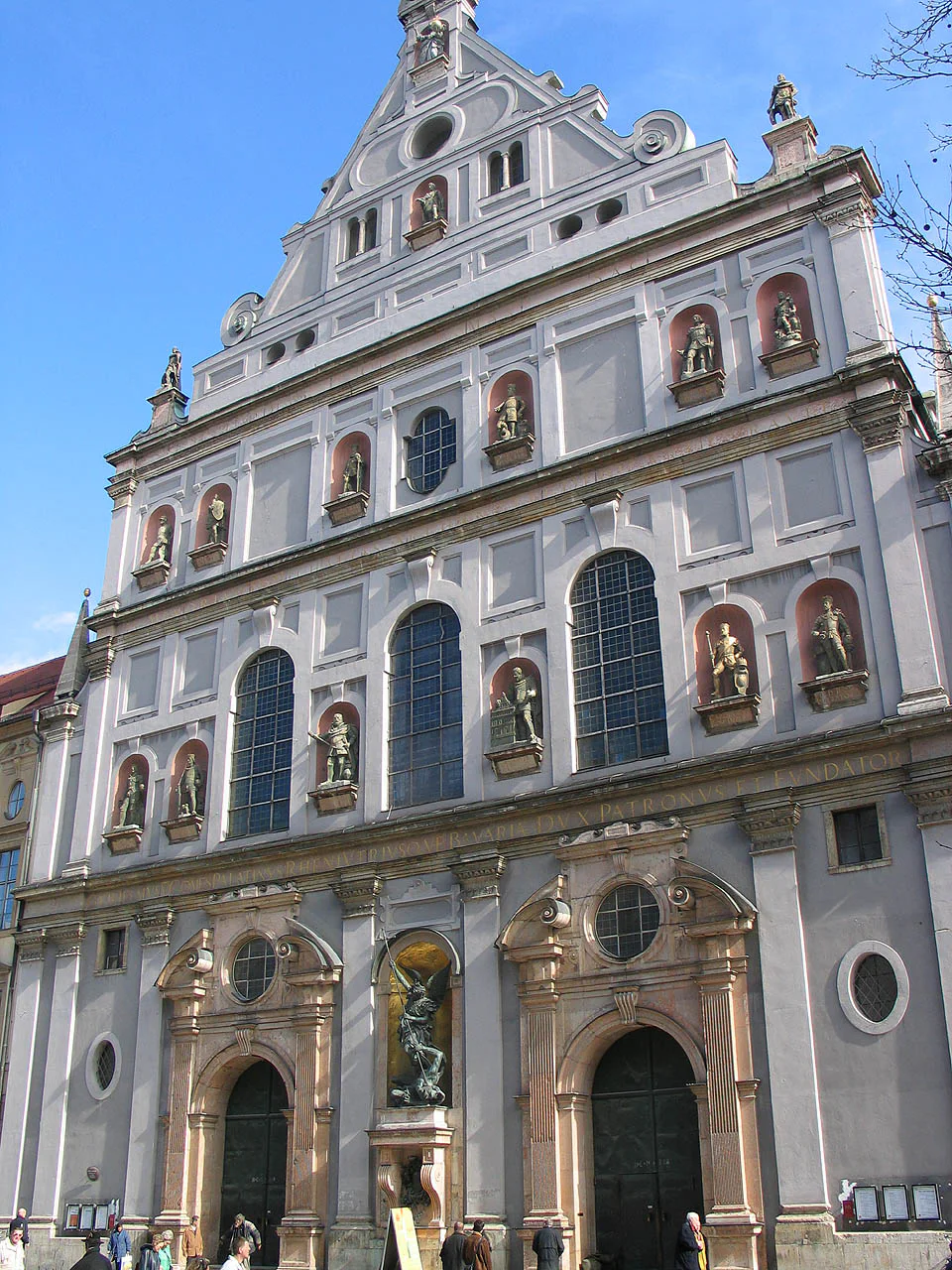
Munich · 1 km
St. Michael
Content & sources
Photo: Luidger · CC BY-SA 3.0
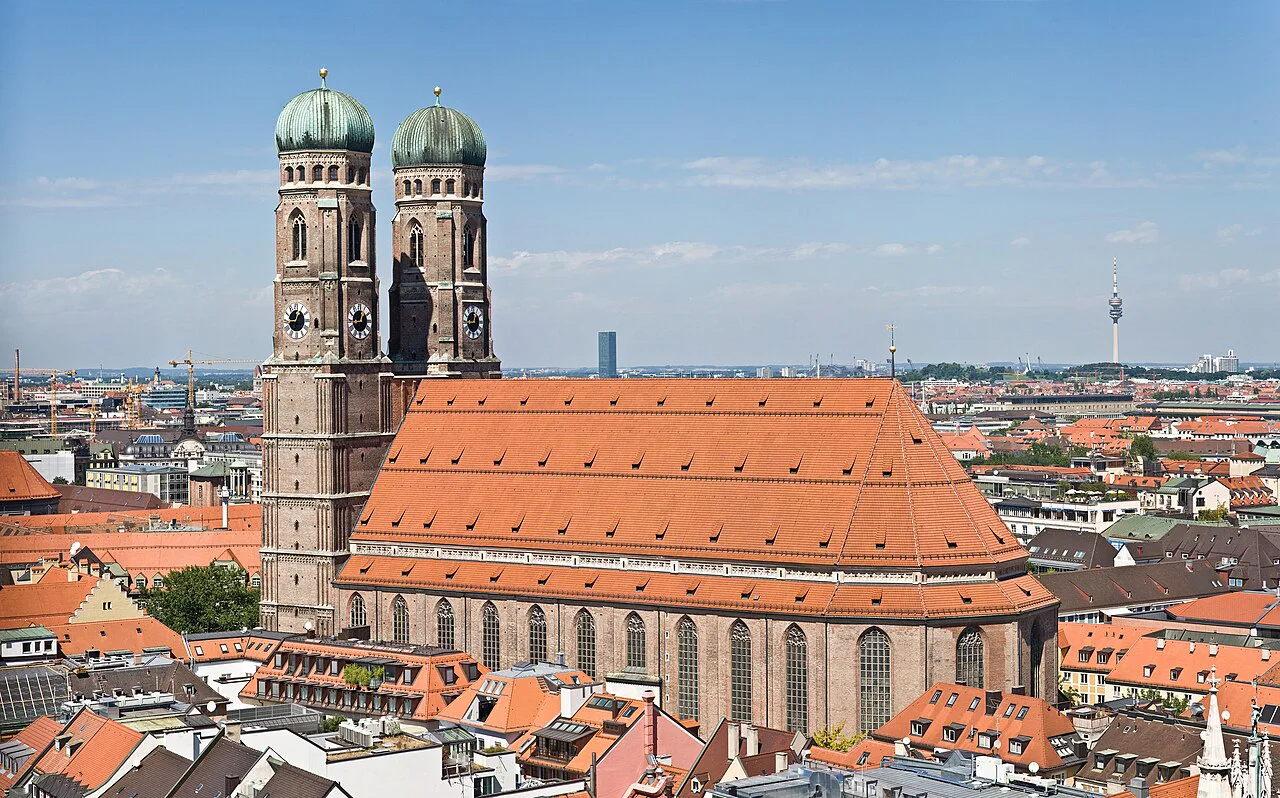
Munich · 1 km
Frauenkirche
Content & sources
Photo: Diliff · CC BY 2.5
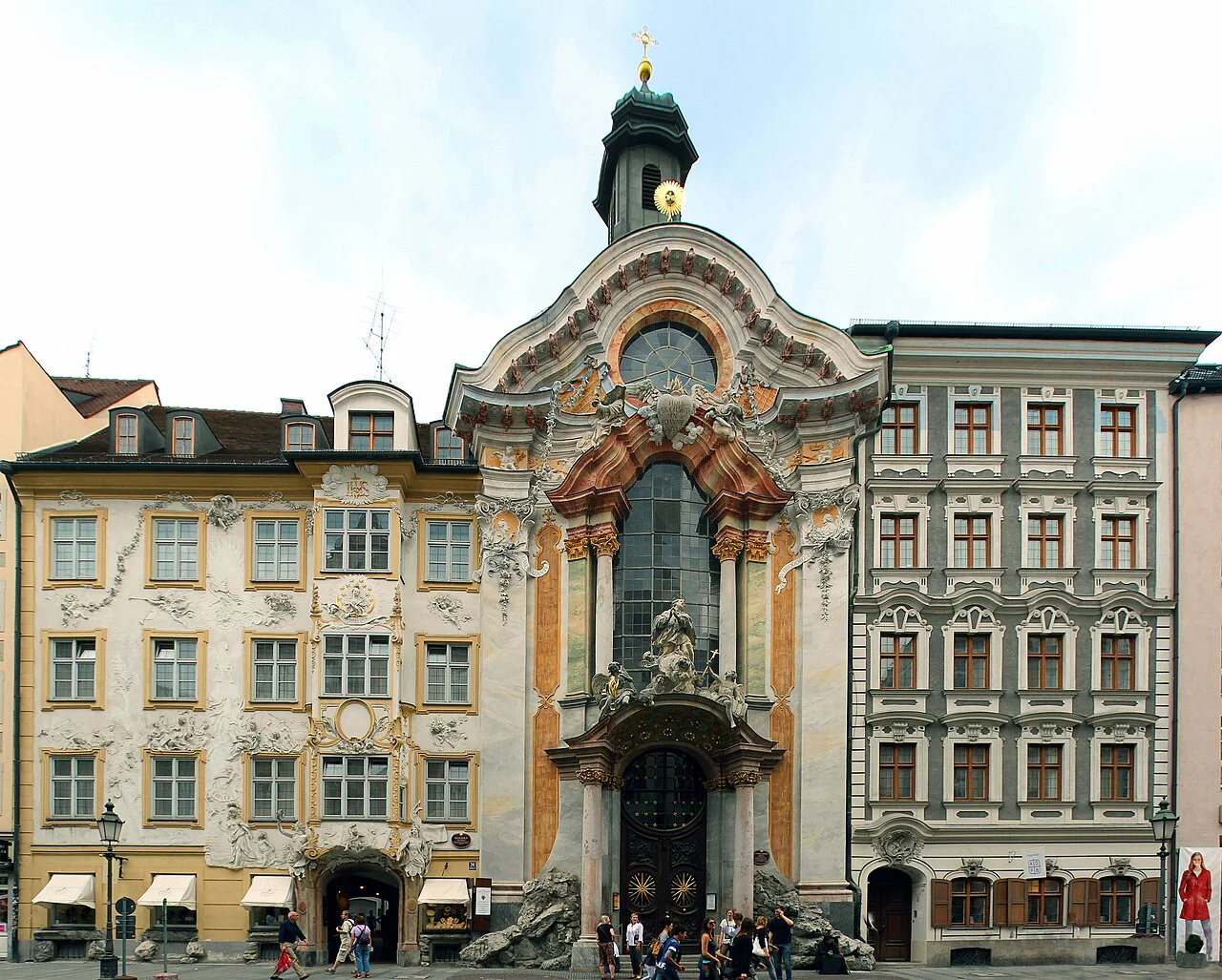
Munich · 1 km
Asamkirche
Content & sources
Wikiolo, derivative work Lämpel · CC BY-SA 4.0
Art museums
More art museum audio guides
Munich · 33 artworks
Städtische Galerie im Lenbachhaus
Content & sources
Burkhard Mücke · CC BY-SA 4.0
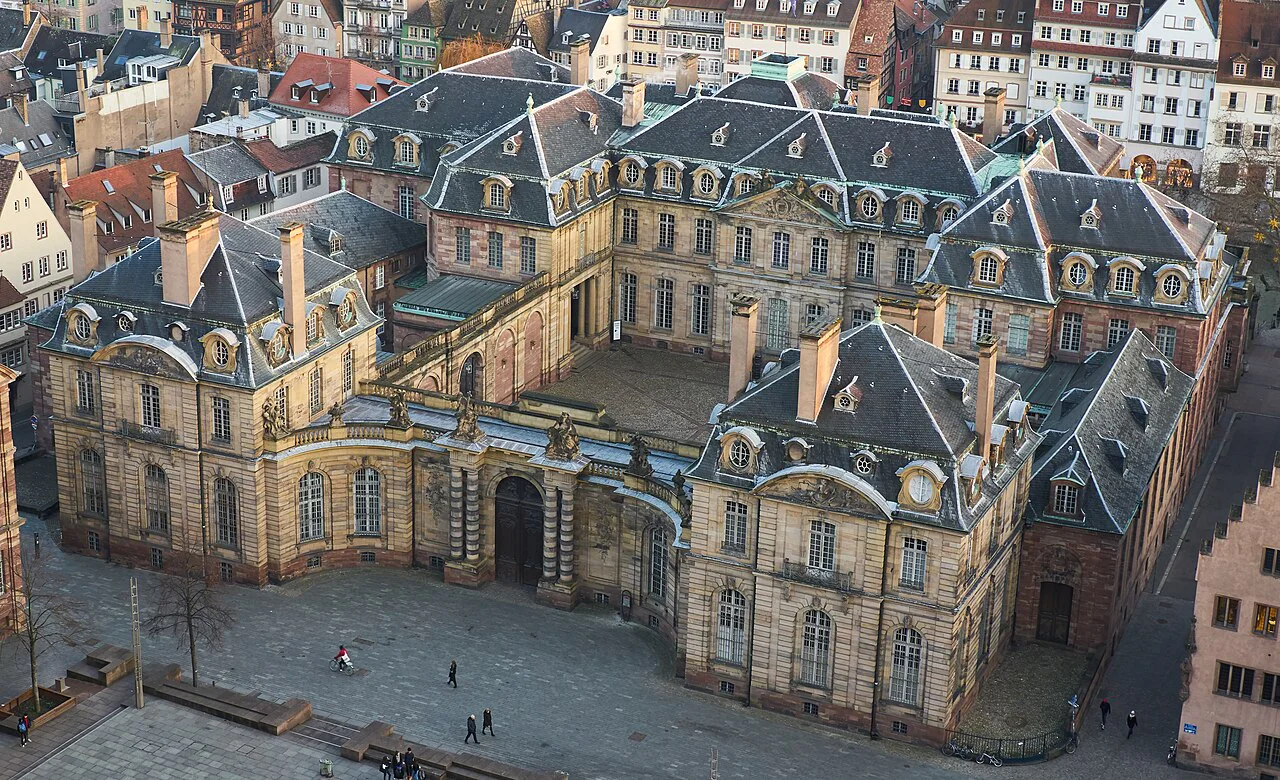
Strasbourg · 92 artworks
Musée des Beaux-Arts de Strasbourg
Content & sources
Radek Kucharski · CC BY 2.0
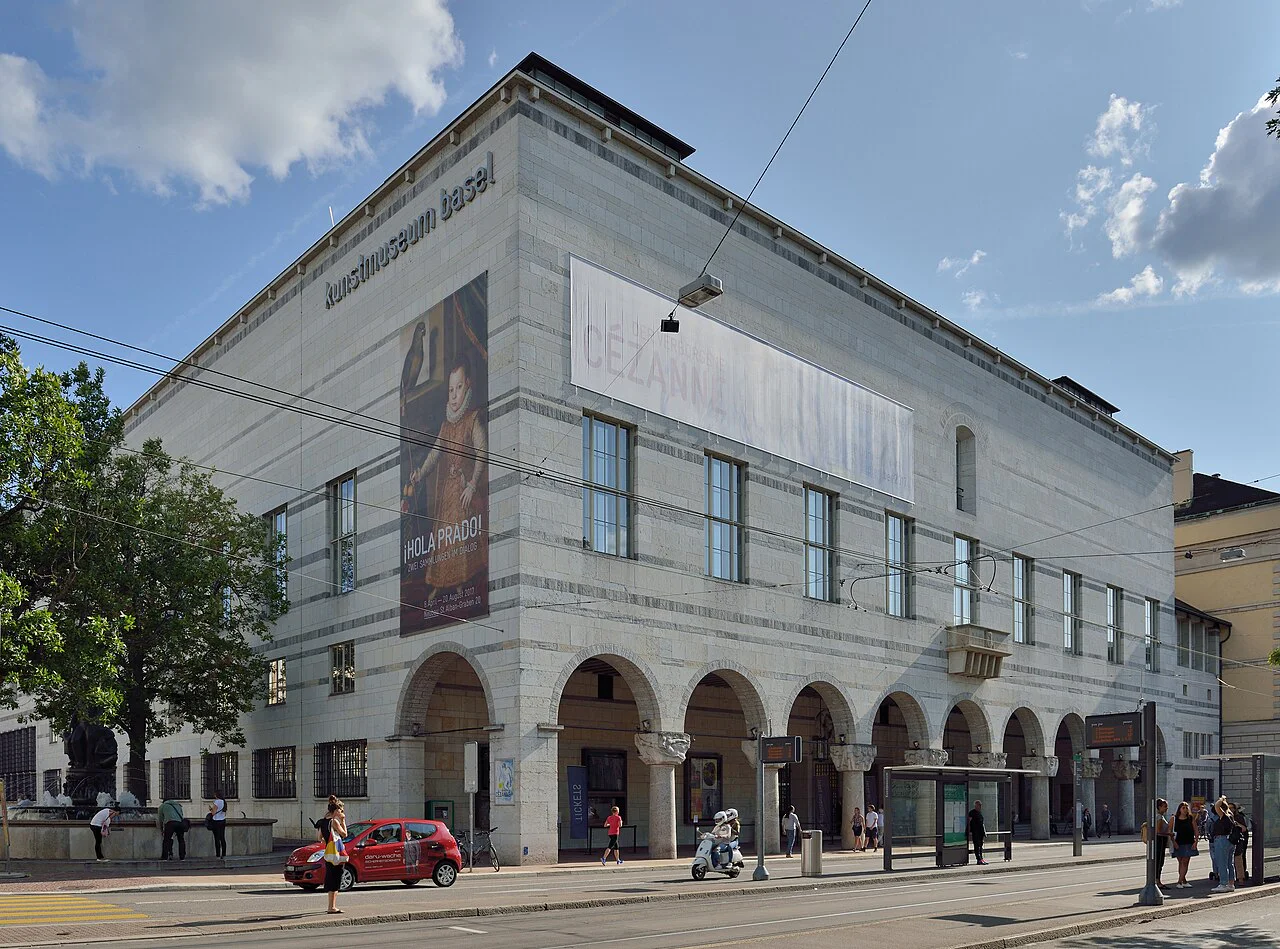
Basel · 61 artworks
Kunstmuseum Basel
Content & sources
Wladyslaw Sojka · FAL
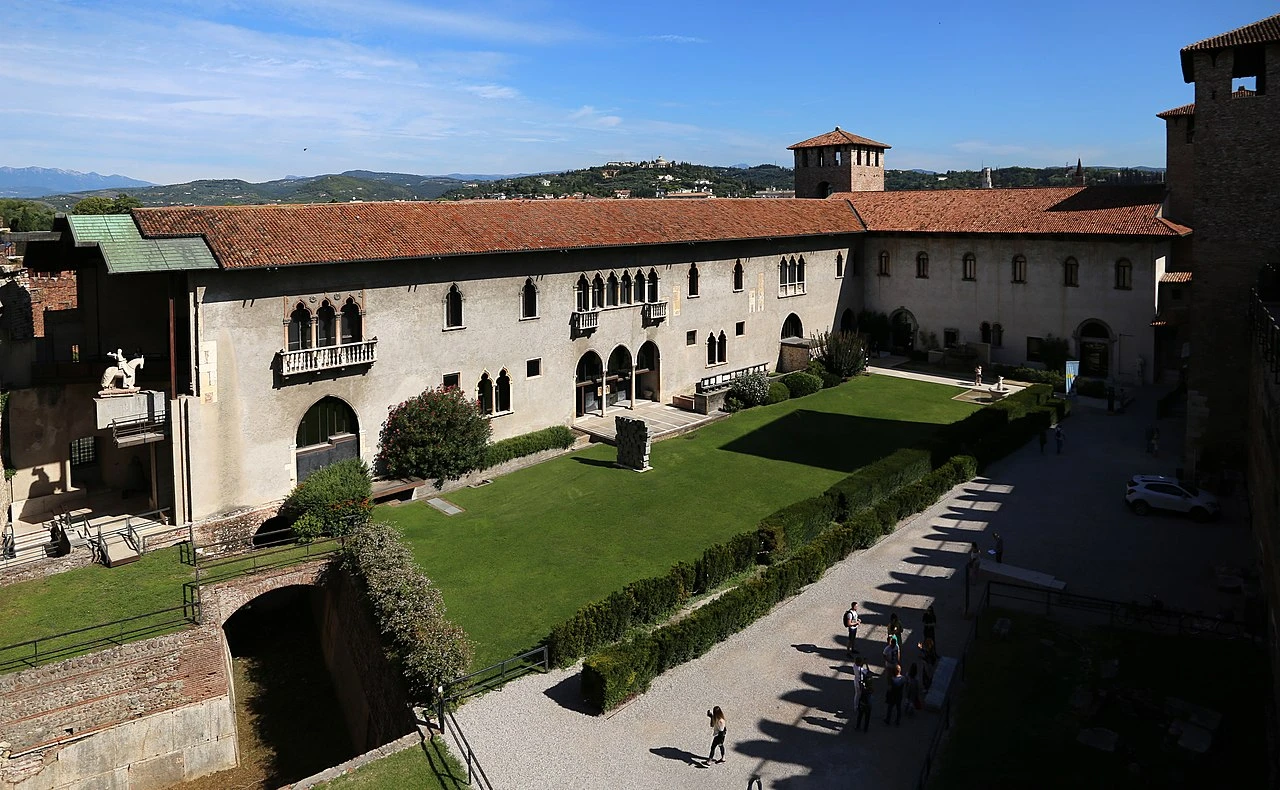
Verona · 65 artworks
Castelvecchio Museum
Content & sources
Photo: Sailko · CC BY-SA 4.0
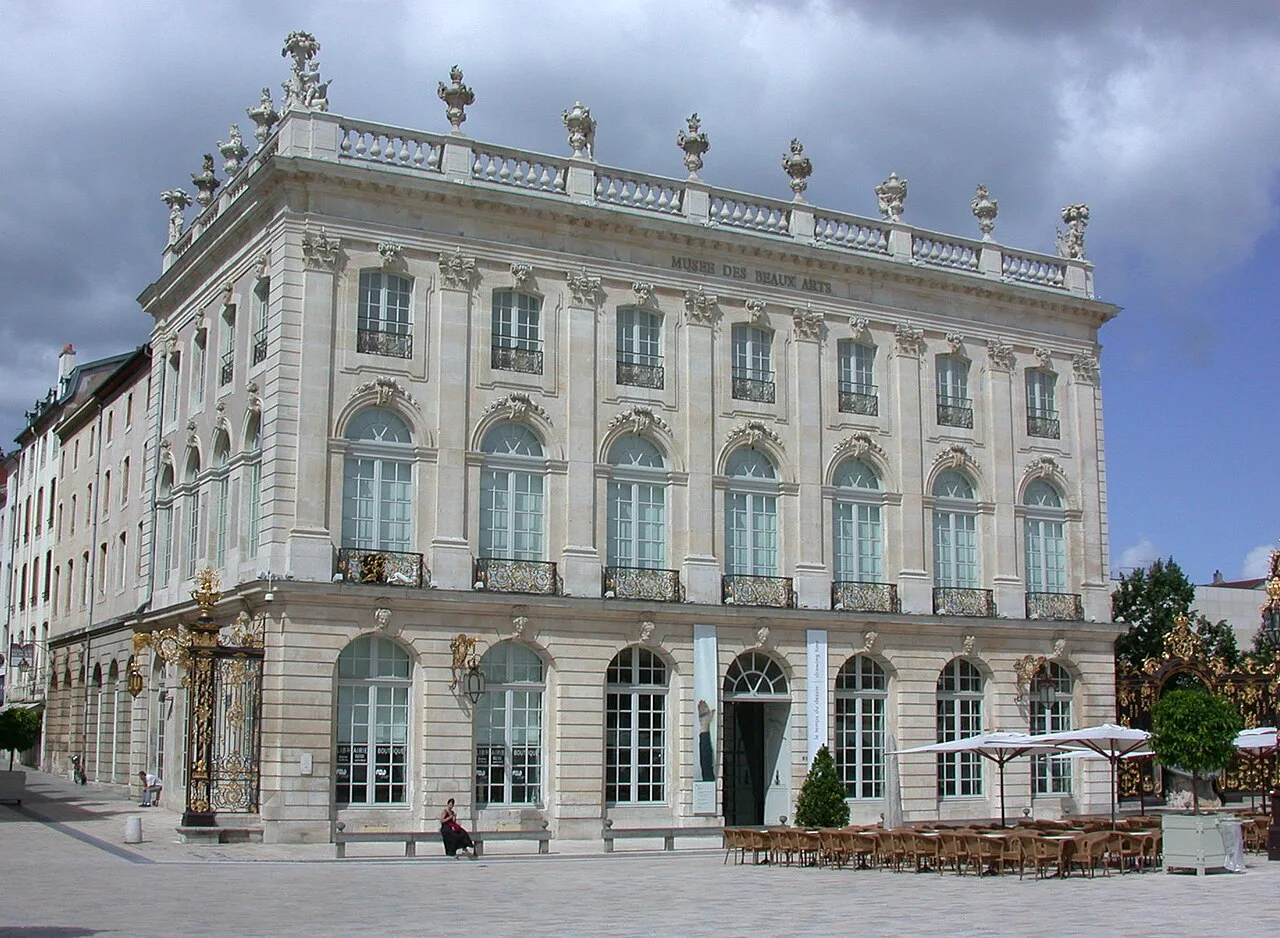
Nancy · 46 artworks
Musée des Beaux-Arts de Nancy
Content & sources
photo uploaded by User:RicciSpeziari. Photographer: Riccardo Speziari · CC BY-SA 3.0
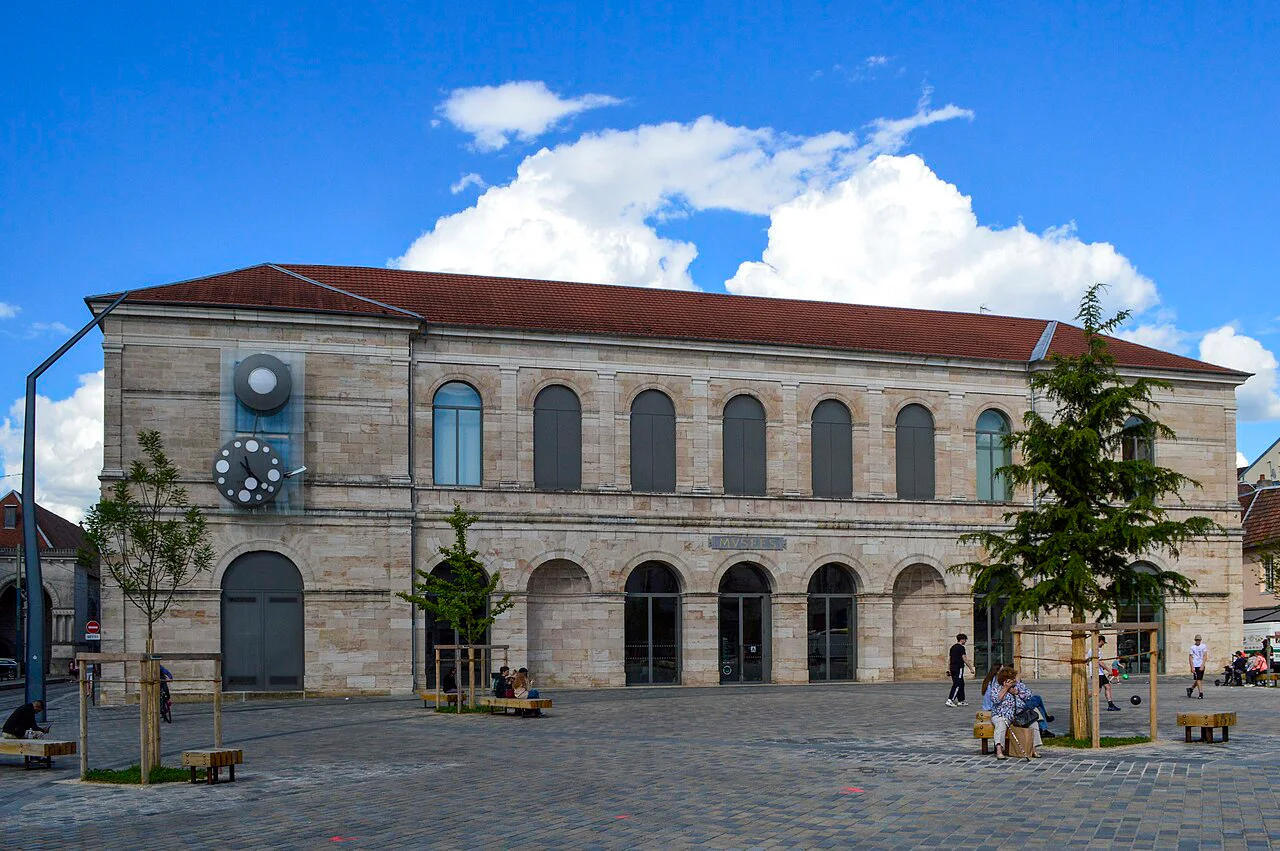
Besançon · 63 artworks
Musée des Beaux-Arts et d'Archéologie de Besançon
Content & sources
Photo: Wikipedro · CC BY-SA 4.0