Stanza · Audio guide
Frauenkirche Audio Guide
A place to remember. A story to take with you.
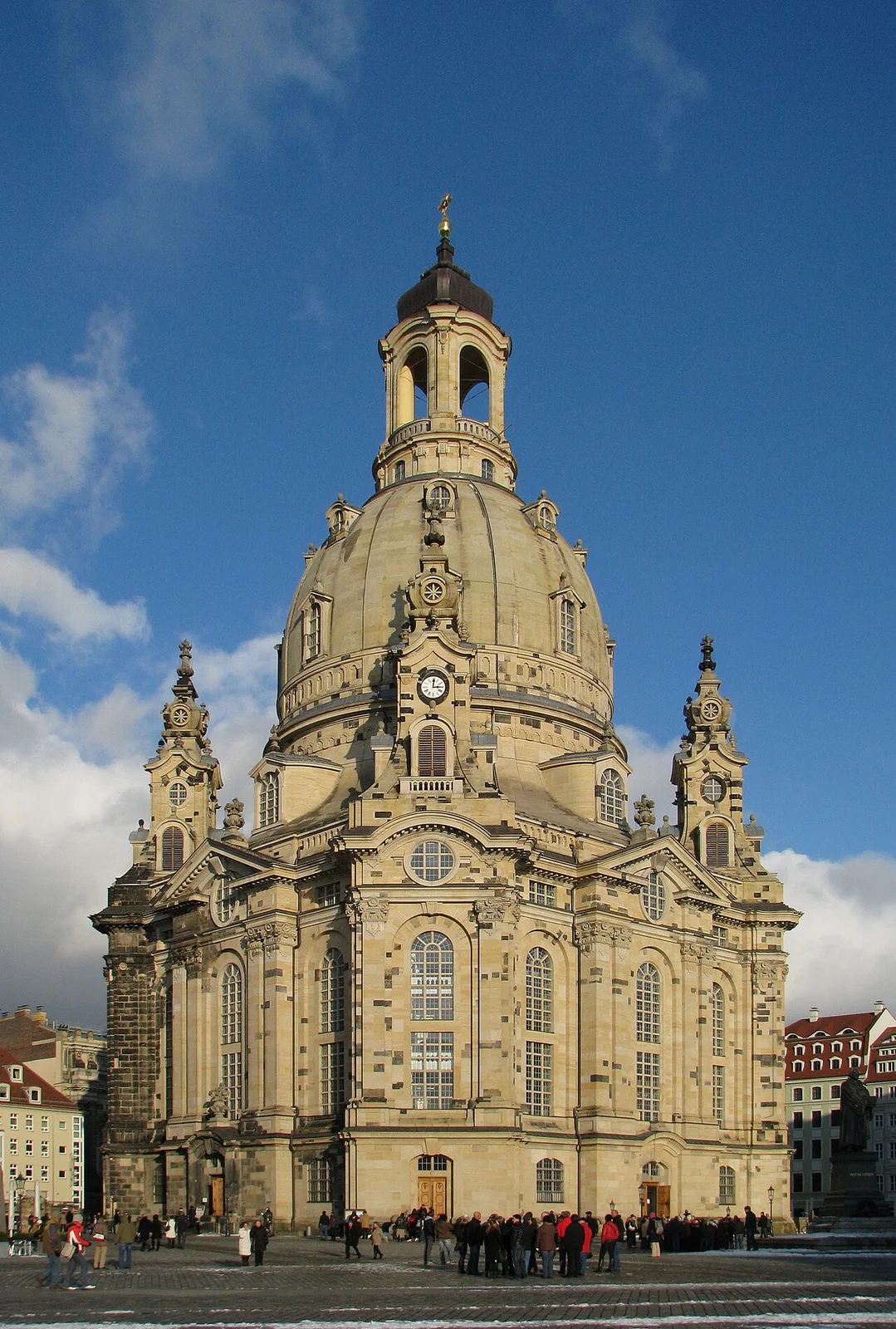
The Frauenkirche is a Lutheran church located in Dresden. It was destroyed during the Allied firebombing of World War II and reconstructed between 1994 and 2005.
Download Stanza, then search for “Frauenkirche”.
About the tour
One guide. Your kind of visit.
The Frauenkirche is a Lutheran church located in Dresden. It was destroyed during the Allied firebombing of World War II and reconstructed between 1994 and 2005.
Ready when you are.
- 01Get the free Stanza app.
iOS & Android
- 02Find your guide.
“Frauenkirche”
- 03Download before you go.
Works offline
Audio guide / 13 narrated stops
Inside the guide
Get to know a few of the stories before you go. Open a stop to read more.
01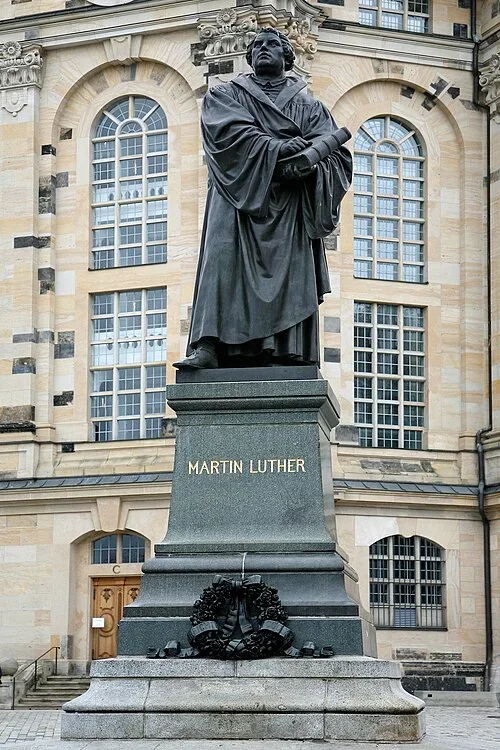 Neumarkt Square and the Wartime Memorials
Martin Luther Monument
Welcome to the Frauenkirche, the Church of Our Lady, and the square that tells its story. This bronze figure of Martin Luther has stood here since 1885, the work of the sculptor Adolf von Donndorf. Luther holds his Bible and looks toward the church door, the reformer in the city of his following. The church behind him exists because Dresden's citizens refused to give up their faith. In 1697 their prince-elector, Frederick August the First, converted to Catholicism to become King of Poland. His subjects feared he might now impose his new religion on them. Instead, he let the Lutheran citizens build their own great parish church, and even supported it. The first stone was laid in August 1726, and inside it the builders sealed a copy of the Augsburg Confession, the founding text of the Lutheran faith. A church had stood on this ground since the eleventh century, but the citizens tore it down to raise something larger. Luther's statue survived the war that later destroyed the church around him, and after restoration he stands here again.
Photo: W. Bulach · CC BY-SA 4.0
02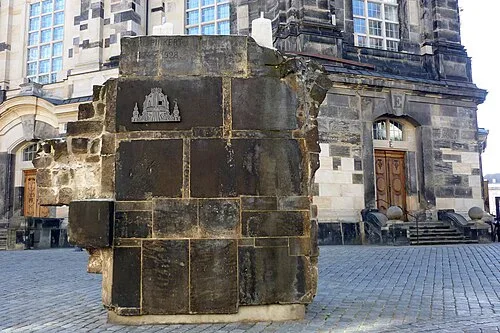 Neumarkt Square and the Wartime Memorials
Surviving Fragment of the Ruined Church
This blackened block of stone is a genuine piece of the old church, left where the fire reached it. On the night of February the thirteenth, 1945, Allied bombs set Dresden alight. The Frauenkirche burned for two days and nights as around 650,000 incendiary bombs fell on the city. The heat inside reached a thousand degrees. The great dome held through it all, glowing above the ruins while the fire raged. Then, on the morning of February the fifteenth at ten o'clock, the glowing pillars could carry it no longer. Nearly six thousand tons of stone crashed down, shattering the outer walls as it fell, and the church vanished from Dresden's skyline. After the war, Dresdners began pulling usable stones from the heap and numbering them, in hope of one day rebuilding. The ruins lay in the city center for nearly fifty years. In 1966 the East German authorities declared them a memorial against war, and each February the city commemorated the destruction among these stones.
Photo: SchiDD · CC BY-SA 3.0
03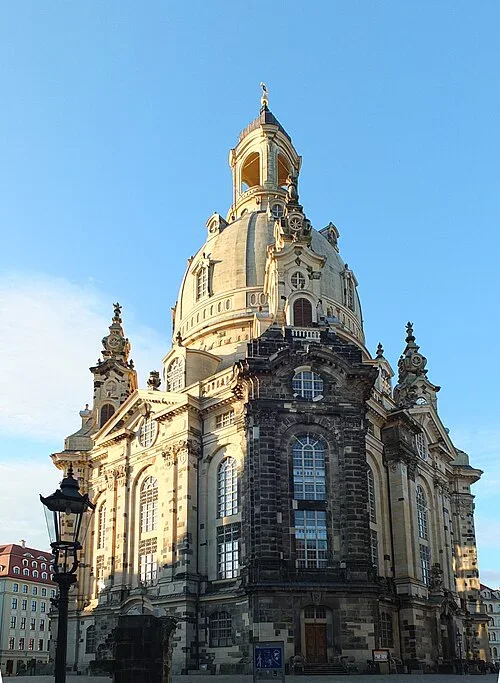 The Sandstone Facade and the Stone Bell
The Facade of Old and New Stones
The wall itself tells the story of the rebuilding. The dark stones are original, blackened by fire and weather; the pale ones are new Saxon sandstone. More than eight and a half thousand original stones were salvaged from the rubble heap. About three thousand eight hundred of them went back into the building. Each usable piece was measured and catalogued, and a computer program moved the stones around a screen in three dimensions to work out where each one had sat. The rest of the salvaged stones were sold to help pay for the work. Nothing was faked or smoothed over. The old and new stones will stay clearly distinguishable for many years, so the church wears its history on its face.
Listen in the appPhoto: Ad Meskens · CC BY-SA 4.0
04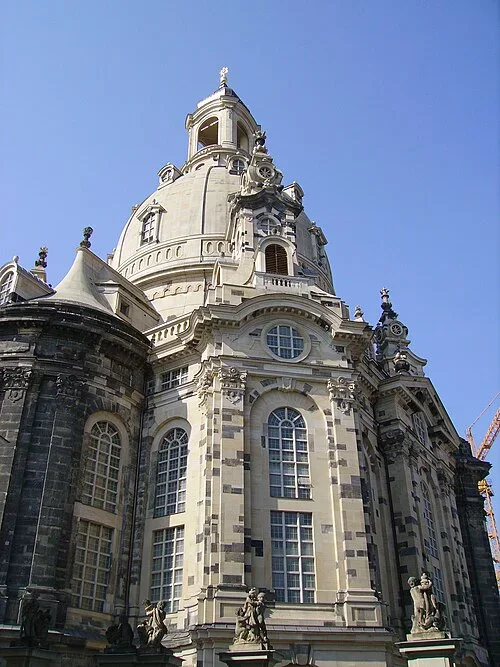 The Sandstone Facade and the Stone Bell
George Bähr's Stone Bell Dome
That great curved dome is called the Stone Bell, and its shape is unique. The lower part curves inward like the body of a bell, a form no other building in the world has. George Bähr, Dresden's city architect, designed the church and built it between 1726 and 1743. The dome is made entirely of Saxon sandstone and weighs, by different estimates, between nine and twelve thousand tons, resting on eight slender pillars inside. Engineers compared the feat to Michelangelo's dome over Saint Peter's in Rome. Many experts doubted it could stand at all, and one prominent architect even argued the stone dome should be torn down as too heavy for its supports. Bähr's dome answered them in 1760, during the Seven Years' War. Witnesses counted more than a hundred cannonballs fired by Frederick the Second's Prussian army that struck the dome and simply bounced off.
Listen in the app--Immanuel Giel 10:55, 22 September 2005 (UTC) · CC BY-SA 3.0
05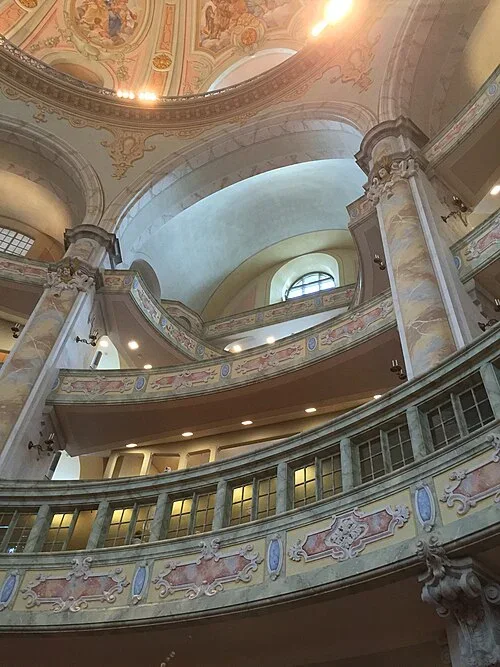 The Central Nave and Painted Cupola
The Circular Nave and Galleries
Inside, the room opens into a circle of light. George Bähr designed this space for the Protestant service of his time, and the idea was radical in its simplicity. The altar, the pulpit and the baptismal font all stand at the center, in full view of the entire congregation. Preaching and the word, not a distant high altar, form the heart of the service. Tiered galleries rise one above another in soft pastel colors, wrapping the round room and bringing every seat close to the center. The eight supports that carry the dome rise within the room itself. It is a room built so that a whole parish can hear and see together.
Listen in the appPhoto: Ubahnverleih · CC0
06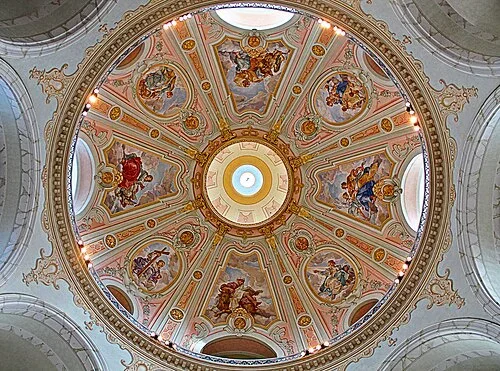 The Central Nave and Painted Cupola
The Painted Inner Cupola
High in the dome, eight painted panels circle the lantern. The Italian theater painter Giovanni Battista Grone created the originals in 1734: the four Evangelists, and the virtues of Faith, Hope, Love and Mercy. When the church was rebuilt, the paintings had to be recreated too. The first attempt failed. The Evangelist John came out far too colorful, and the fresco was chipped off the wall and replastered. The commission then went to the painter Christoph Wetzel, with a strict demand for historical fidelity. His templates were color photographs taken in 1943, when the paintings still existed. But that archive had been scattered and badly stored in the chaos after the war, so no one could say for certain how true the colors were to what Grone painted. What shines overhead now is a careful, honest attempt.
Listen in the appPhoto: Jupati · CC BY 3.0
07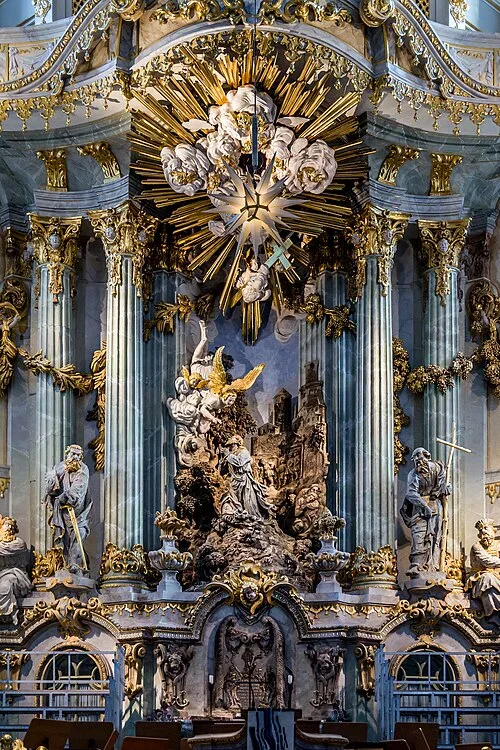 The High Baroque Altar and the Salvaged Cross
The High Baroque Altar
The high altar depicts Christ's agony in the Garden of Gethsemane, carved by Johann Christian Feige. Angels and clouds swirl upward in gold and pale stone around the praying figure on the Mount of Olives. When the church burned in 1945, the altar was among the few parts left standing, though falling debris lopped the features off most of the figures and scattered the fragments under the rubble. The restorers gathered what they could find. Around two thousand original pieces were cleaned and worked back into the structure. What is seen here is largely Feige's own work, reassembled piece by piece from the ruins.
Listen in the appPhoto: Raycer · CC BY-SA 4.0
08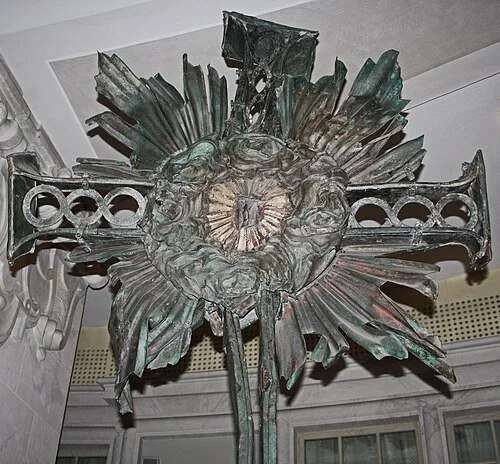 The High Baroque Altar and the Salvaged Cross
The Charred Original Dome Cross
Beside the altar stands a twisted metal shape that once crowned the dome. It was put up in 1743, and when the church collapsed it fell and burned with everything else. In June 1993 it was found again, unexpectedly, in the rubble. Its charred form now rests here inside the church, and a new cross crowns the dome in its place. That new cross was forged in London by the silversmiths Grant Macdonald, and the main craftsman was Alan Smith. His father Frank had flown as a member of one of the aircrews that bombed Dresden. The cross was paid for by the British people and the House of Windsor through the Dresden Trust. It toured British churches for five years, including Coventry Cathedral, before the Duke of Kent handed it over in February 2000. In June 2004 it was lifted onto the lantern as a cross of reconciliation, before sixty thousand spectators.
Listen in the appPhoto: Kora27 · CC BY-SA 4.0
09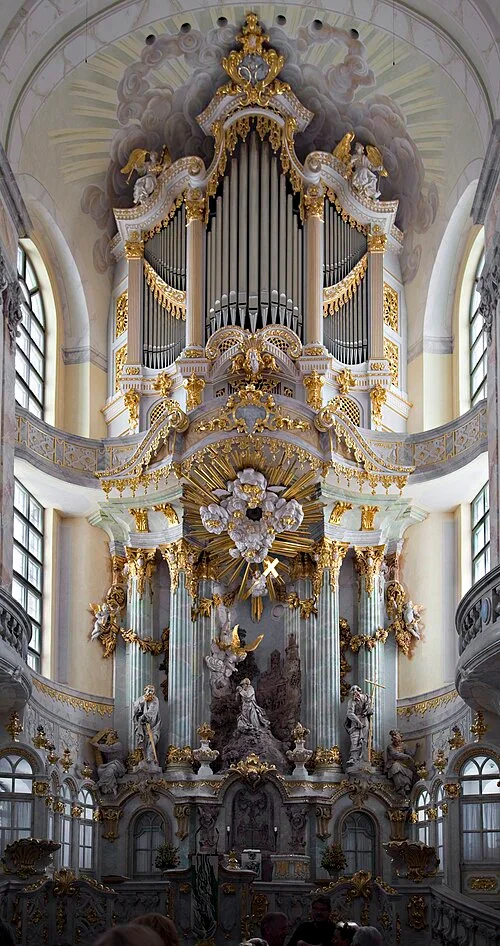 The Organ Gallery and the Kern Organ
The Kern Organ and the Organ Dispute
The great instrument above the altar carries one of the church's oldest stories. Gottfried Silbermann, the famous Saxon organ builder, completed a three-manual organ of forty-three stops here in 1736. It was dedicated in November, and on the first of December Johann Sebastian Bach gave a two-hour recital on it. Bach was thanking the church's patrons for the court composer's title they had obtained for him. When the church was rebuilt, the original design papers for the Silbermann organ still existed, and many people demanded an exact replica. The builders refused, and the quarrel became famous as the Dresden organ dispute. The commission went to Daniel Kern of Strasbourg, who finished an instrument of nearly four thousand nine hundred pipes in April 2005. It keeps all the Silbermann stops and their sounds, but adds a fourth manual in the symphonic style of the nineteenth century, suited to music written after the Baroque.
Listen in the appPhoto: Westerdam · CC BY-SA 3.0 de
10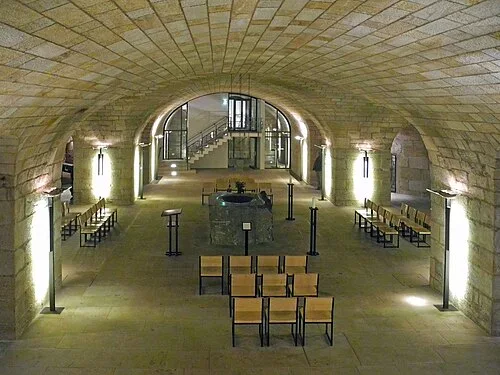 The Unterkirche and George Bähr's Tomb
The Unterkirche Crypt
Below the main church lie these heavy stone vaults, the quiet lower church. On the night of February the thirteenth, 1945, about three hundred people sheltered here in the cellars as the firestorm swept the city. The thick vaults above them held. When the church itself caught fire, the shelterers could only get out with great difficulty, because the flames were spreading with terrifying speed. The pillars overhead did their part too: they held long enough for everyone in the crypt to escape. Today the crypt serves the rebuilt church as a still, low room for quiet.
Listen in the appPhoto: SchiDD · CC BY-SA 4.0
- 11
George Bähr's Tomb
The architect buried in his own church, whose 1720s drawings guided the modern rebuild.
- 12
The Dome Ascent
The climb through the double stone shells of the dome, up to the platform in the lantern.
- 13
Panorama from the Lantern
The skyline the dome once ruled for two centuries, restored above the Elbe.
Frauenkirche
Frequently asked questions
How much does the guide cost?
Free app download. Listed guide price: $0.99. Guide price shown in the app. Audio guide only. Venue admission is separate.
Can I listen without internet?
Yes. Download the guide’s audio, images, and maps in the app before your visit. Your downloaded content is then available offline.
Can I listen in my language?
This audio guide is available in 15 languages, including English.
Do I need to follow a schedule?
No. This is a self-guided experience. Choose your stops, pause whenever you like, and return to a story at your own pace.
At your own pace
Explore Frauenkirche.
Download Stanza, then search for “Frauenkirche”.
Free app download · Guide price shown in the app
Keep exploring
Nearby audio guides
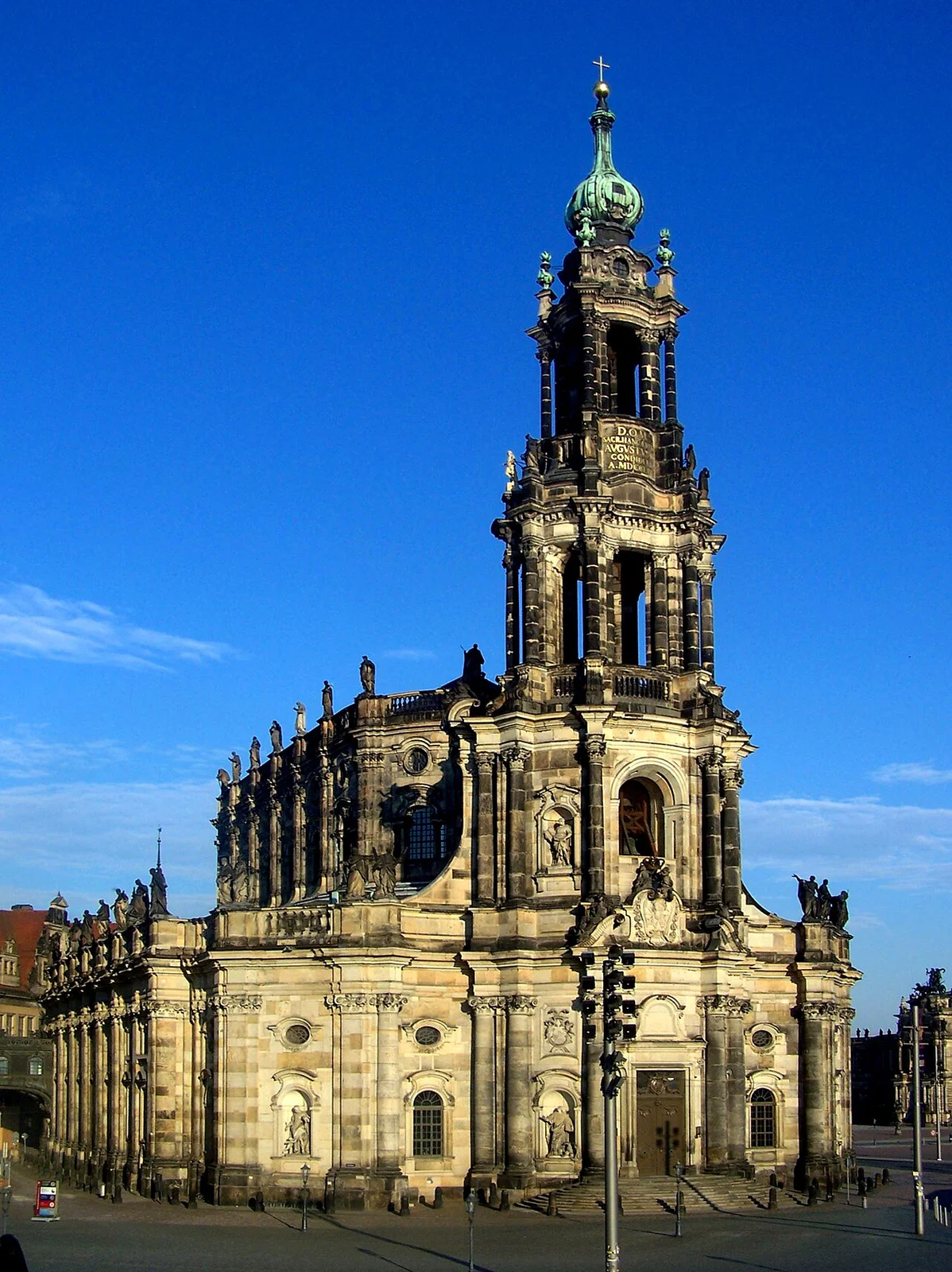
Dresden · 1 km
Katholische Hofkirche
Content & sources
Photo: X-Weinzar · CC BY-SA 3.0
Dresden · 1 km
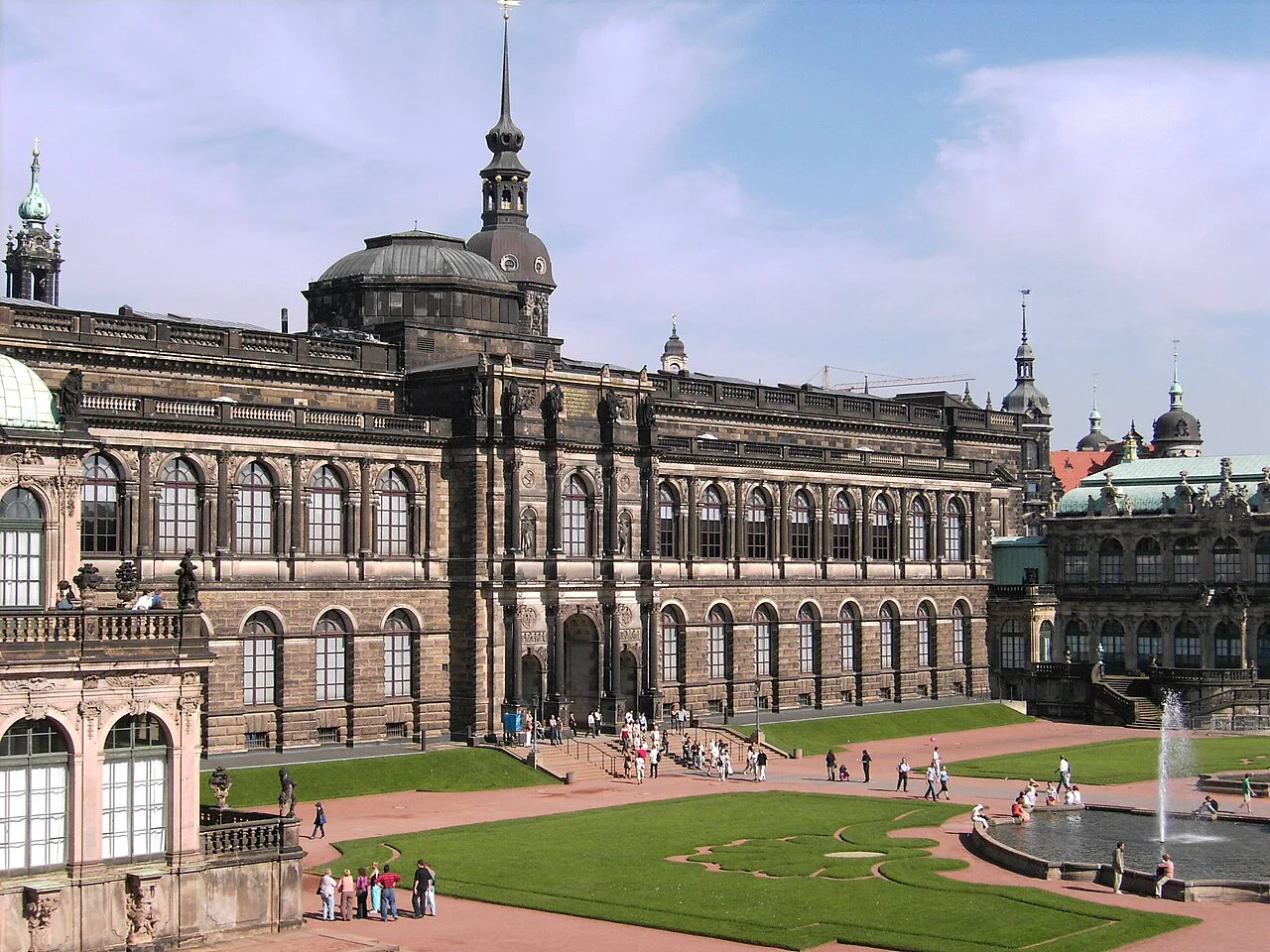
Gemäldegalerie Alte Meister
Content & sources
Photo: Ingersoll · Public domain
Dresden · 1 km
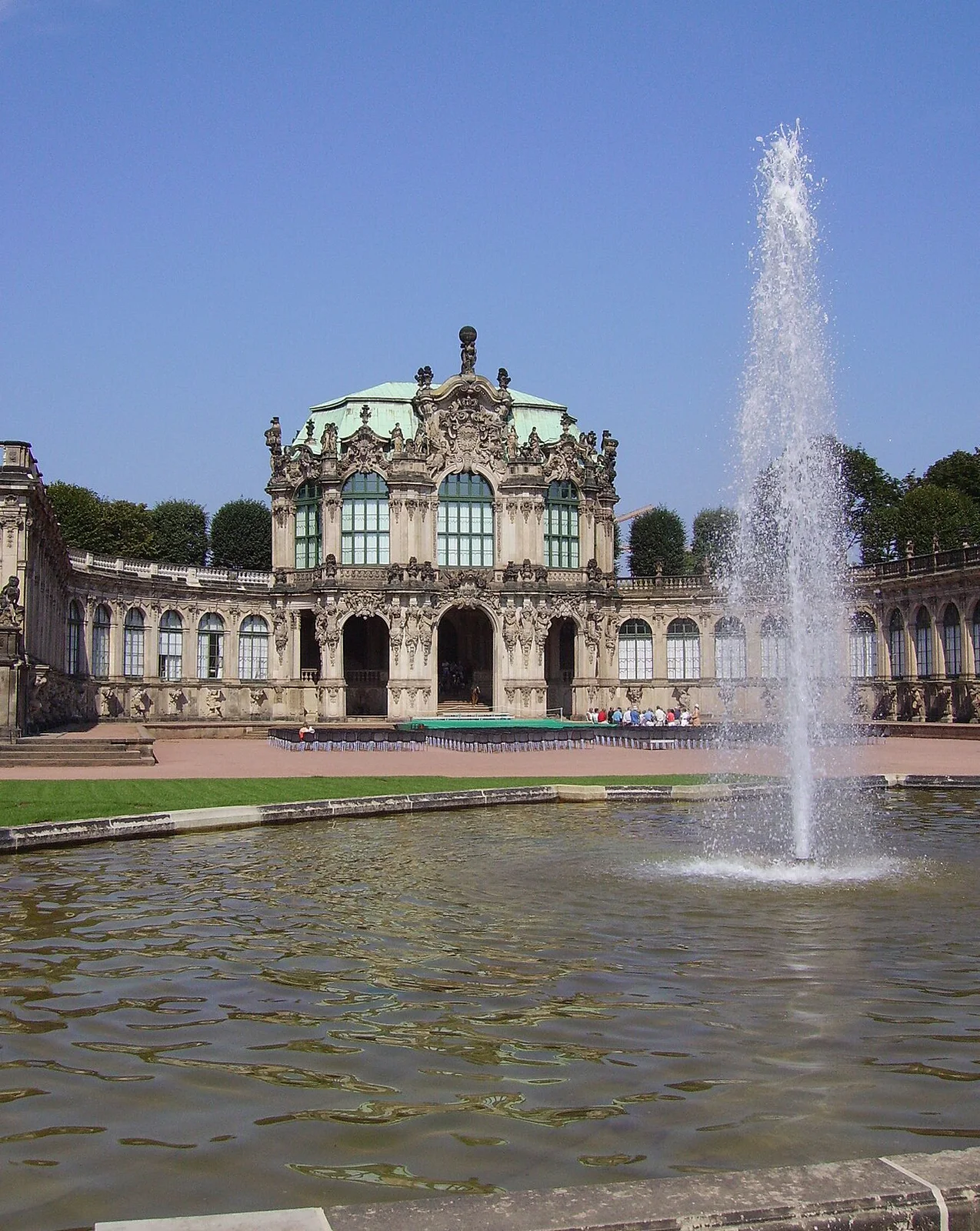
Zwinger
Content & sources
--Immanuel Giel 11:54, 22 September 2005 (UTC) · CC BY-SA 3.0
Leipzig · 97 km
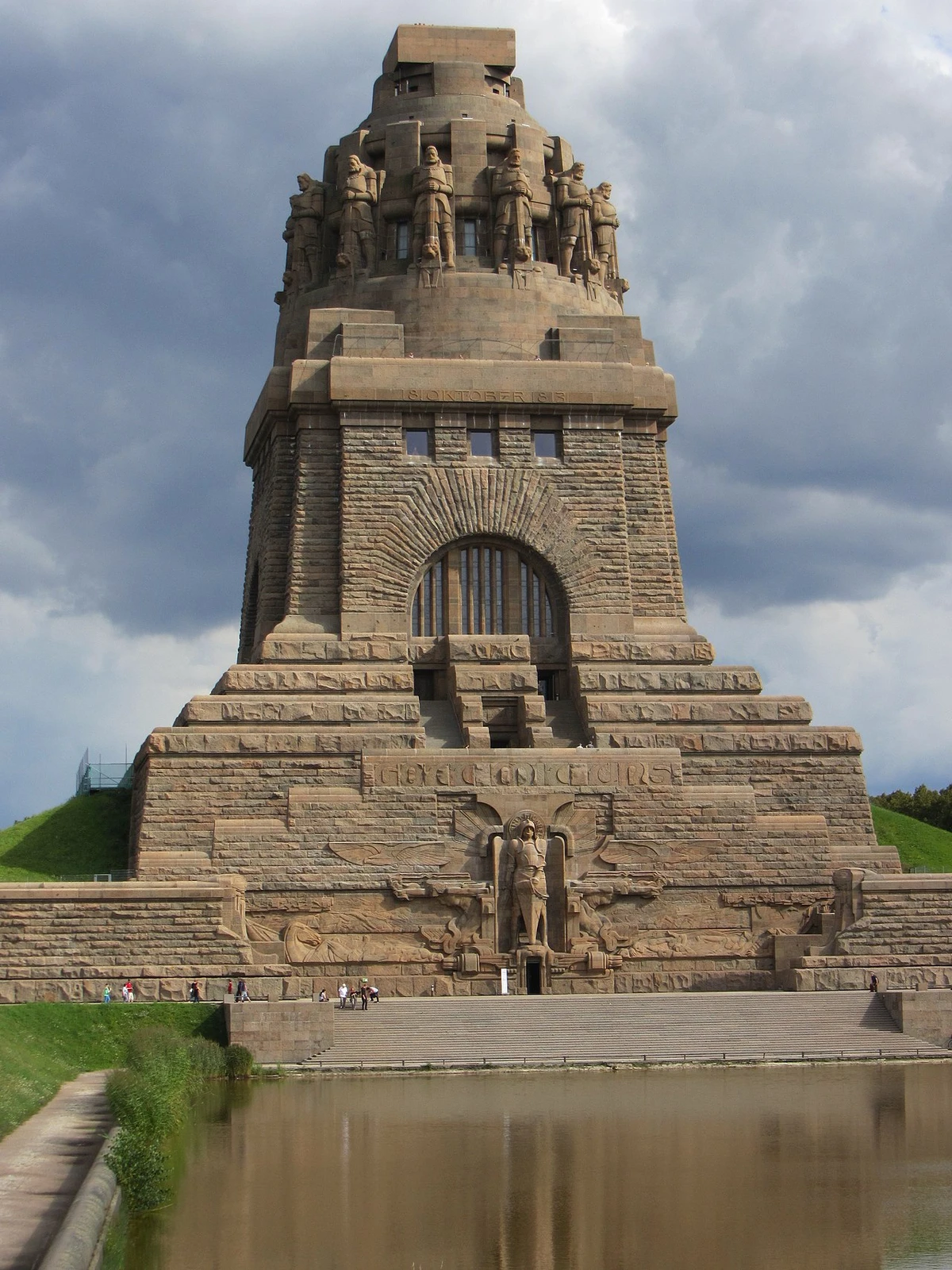
Völkerschlachtdenkmal
Content & sources
Photo: Paolchen · CC BY-SA 3.0 de