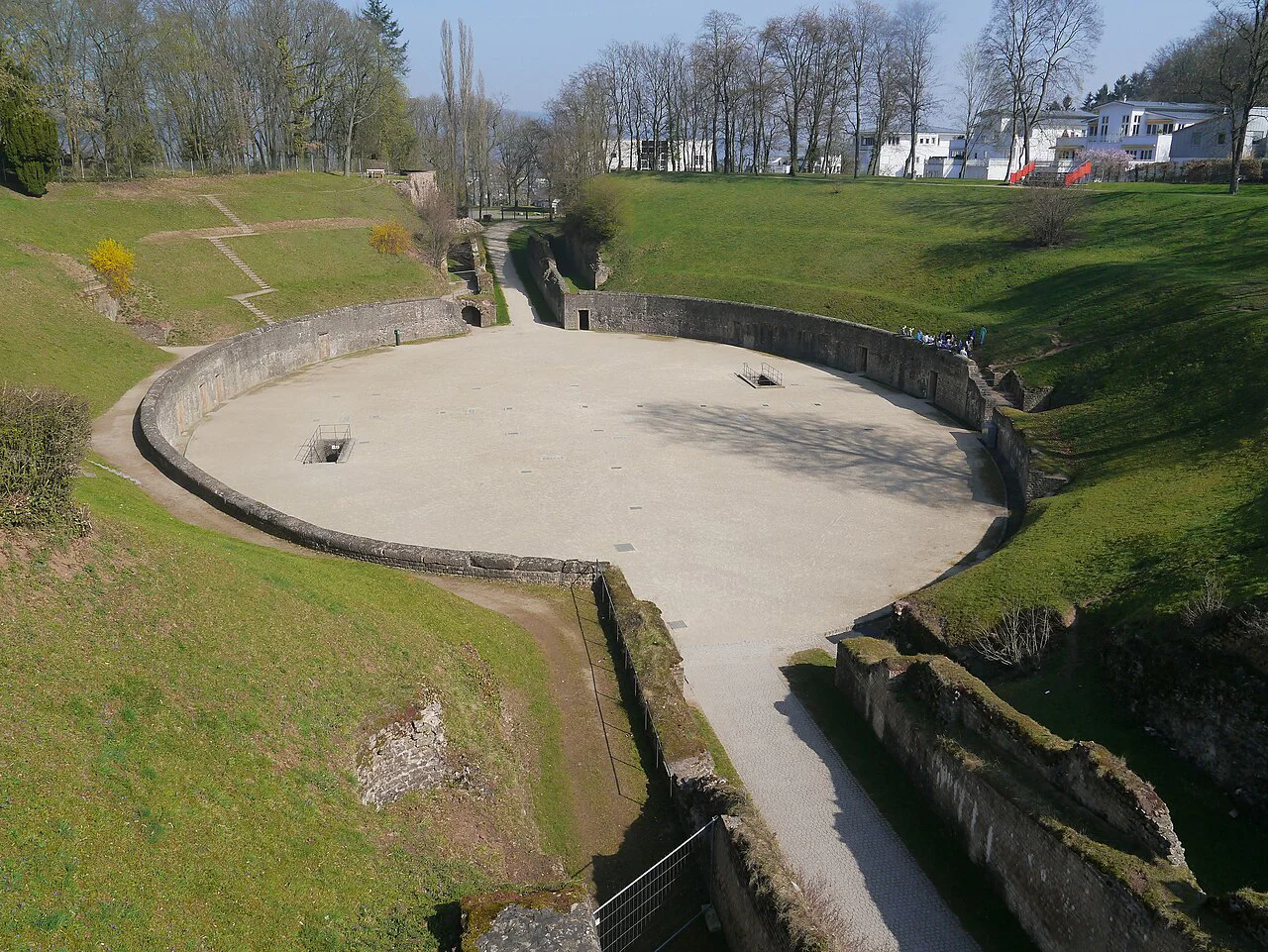
Stanza · Audio guide
Amphitheater Audio Guide
A place to remember. A story to take with you.
The Trier Amphitheater is a Roman amphitheater located in Trier, Germany. It is part of a UNESCO World Heritage Site that testifies to the importance of Trier as a major Roman city north of the Alps.
Download Stanza, then search for “Amphitheater”.
About the tour
One guide. Your kind of visit.
The Trier Amphitheater is a Roman amphitheater located in Trier, Germany. It is part of a UNESCO World Heritage Site that testifies to the importance of Trier as a major Roman city north of the Alps.
Ready when you are.
- 01Get the free Stanza app.
iOS & Android
- 02Find your guide.
“Amphitheater”
- 03Download before you go.
Works offline
Audio guide / 10 narrated stops
Inside the guide
Get to know a few of the stories before you go. Open a stop to read more.
01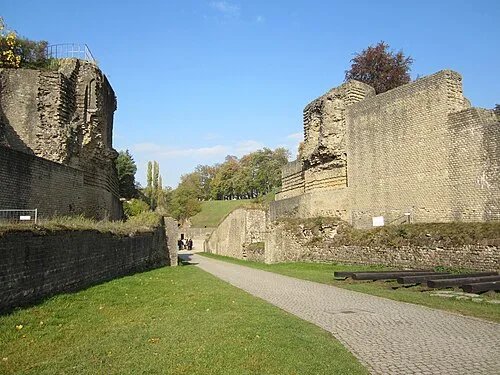 Northern Entrance and Roman City Gate
Entrance Path Beside the Surviving Wall Remains
Trier's Roman amphitheatre was built right into the city wall. It lies east of the old Roman city centre. Around the second century AD, under the emperor Antoninus Pius, its builders dug the structure into the side of a hill. That gave the building a second job. It also served as the city's eastern gate. Weathered stone walls rise beside the path, with grass covering the slope beyond. UNESCO listed the site in 1986, as evidence of Trier's importance as a major Roman city north of the Alps.
Photo: Nick-D · CC BY-SA 3.0
02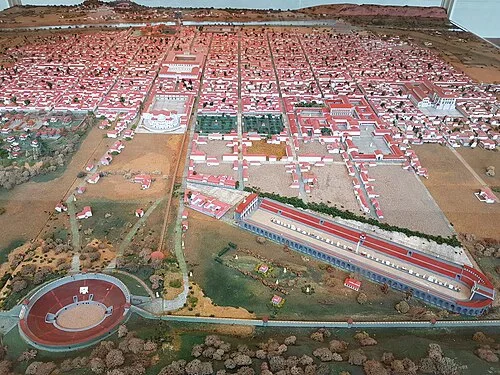 Northern Entrance and Roman City Gate
Scale Model of Roman Augusta Treverorum
Augusta Treverorum was the Roman name for Trier, and it was a crowded city. This model shows rows of small red-roofed houses, with straight streets running between them. Larger, monumental buildings stand out among the houses. A model like this gives the general look of the city, not an exact plan. The Tetrarchy was a system in which four rulers shared power across the empire. Around 293, during the Tetrarchy, Constantius Chlorus moved to Trier. After he arrived, he renovated the amphitheatre. The amphitheatre itself measures about one hundred and twenty by one hundred and forty-five metres.
Photo: Kleon3 · CC BY-SA 4.0
03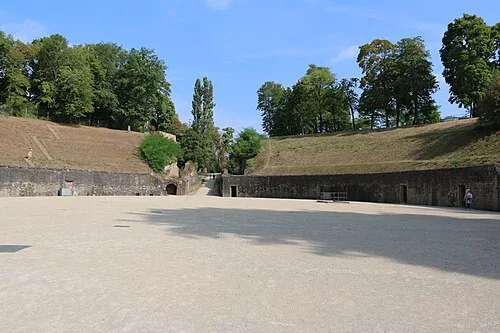 The Arena Floor and Imperial Staging Ground
The Arena Floor and Seating Banks
Gladiator fights and animal hunts were staged on this open oval floor. The Latin name for those animal hunts is venationes. Those fights could decide who lived and who died. Executions also took place at the amphitheatre. The seating could hold roughly eighteen to twenty thousand spectators, though the figures differ slightly. Stone walls with low openings edge the sandy floor, and grassy banks rise above them. In late antiquity, some emperors came here to watch in person.
Listen in the appPhoto: FrDr · CC BY-SA 4.0
04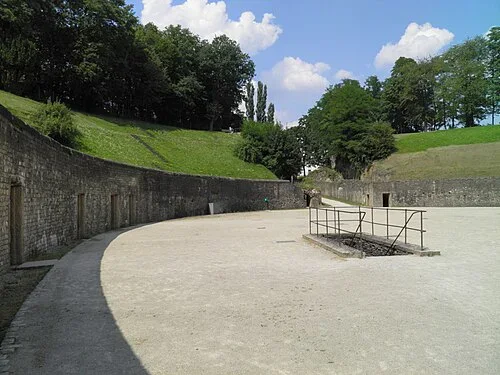 The Arena Floor and Imperial Staging Ground
Railed Opening in the Arena Floor
Beneath the arena lay a cellar, and part of it survives today. Lifts in those underground rooms let performers appear in the arena. A hidden lift in the middle of the floor could bring animals or performers up quickly. The cellar was also used to store animals, and to hold prisoners sentenced to death. Metal railings now edge an opening in the floor near the curved wall. Because of this underground system, the arena could not be flooded with water.
Listen in the appCarole Raddato from FRANKFURT, Germany · CC BY-SA 2.0
05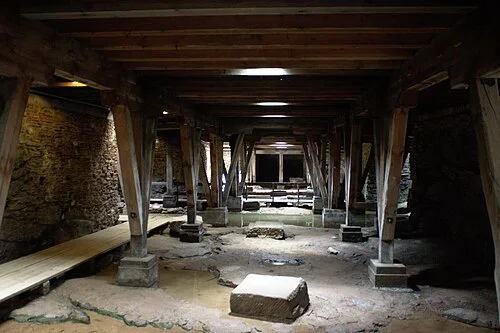 The Subterranean Hypogeum and 'Kaskeller'
Timber-Supported Cellar Gallery with Stone Blocks
The cellar and the galleries around it appear to have been built after the original amphitheatre. The clues are about twelve hundred coins from the late third century onward. Traces of wood were also found in the cellar. This gallery has timber posts and beams overhead, with stone blocks on the floor and a wooden walkway along one side. The wooden ceiling over the arena cellar was renewed in 1992 and 1993 for structural reasons. The dating depends on the coins and the wood found in the cellar, not on the timber overhead.
Listen in the appFlocci Nivis · CC BY-SA 4.0
06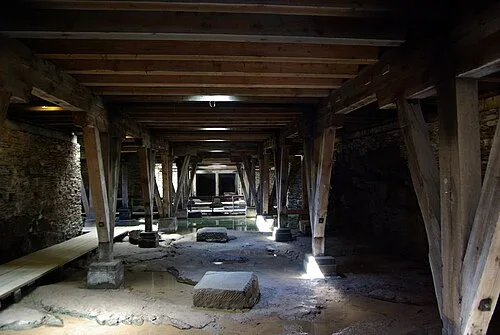 The Subterranean Hypogeum and 'Kaskeller'
Cellar Galleries with Diagonal Timber Braces
Until the nineteenth century, local people called this site the Kaskeller. City maps showed it under the same name. The name probably came from how the underground rooms were used, as storage cellars. Diagonal timber braces stand in this underground chamber, and light reflects off the water on the floor. Only when scientific study and restoration of the monument began did the old name disappear.
Listen in the appPhoto: Berthold Werner · CC BY-SA 3.0
07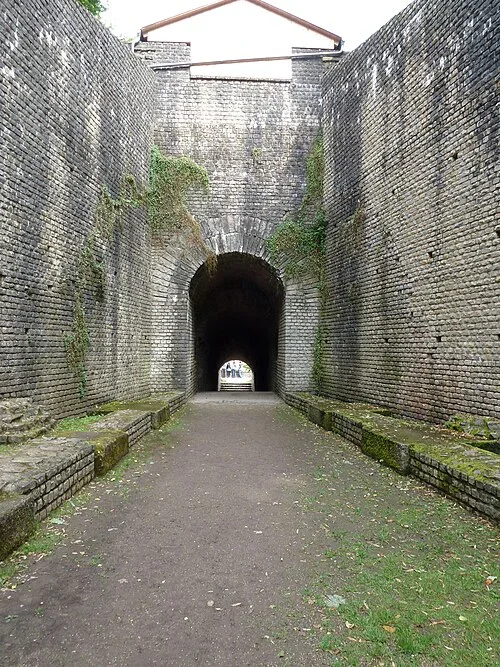 The Vaulted Vomitoria and Circulation Corridors
Vomitorium Passage with Stone Base Blocks
A vomitorium was a passage through which crowds entered and left the seats of a Roman amphitheatre. This one has low stone blocks along its base and a rounded arch at the far end. In many Roman amphitheatres, entrances and seats were often arranged by social rank. How seating was divided at Trier is not clear. The building faces north, and it has a northern exit and a southern one.
Listen in the appPhoto: Kelisi · CC BY-SA 3.0
08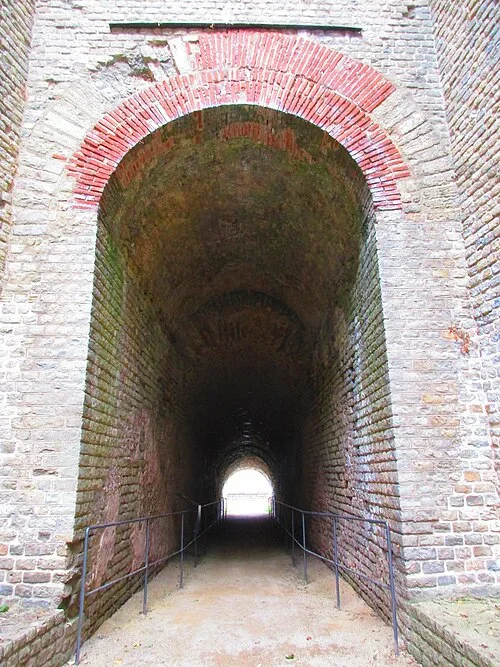 The Vaulted Vomitoria and Circulation Corridors
Brick-Arched Passage with Visitor Railings
Today the amphitheatre is a museum. For blind visitors, a small model stands at the entrance. Red brick courses frame the arch here, and metal railings line the passage. In summer, guided tours feature an actor in the role of the gladiator Valerius, who tells of his career. Until 2012, a festival called Brot & Spiele took place here every August. Occasionally, concerts and musicals are held in the amphitheatre. Simulated gladiator fights and performances are staged here now.
Listen in the appPhoto: QCA7 · CC BY-SA 4.0
09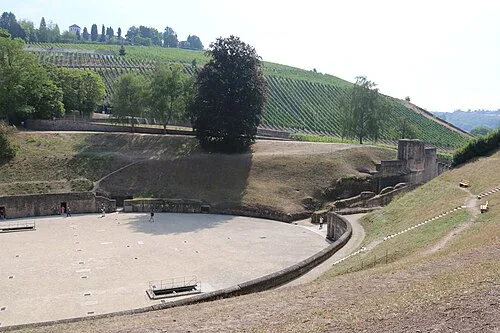 Petrisberg Embankment and Upper Viewing Ridge
Arena Wall and Hillside Embankment
The hill here is the Petrisberg. A curved stone wall runs around the arena, with grassy banks rising behind it. Vineyards climb the slope above. The hill was one reason the builders chose this spot. The slope meant that only half of the seating needed earth piled up.
Listen in the appPhoto: FrDr · CC BY-SA 4.0
10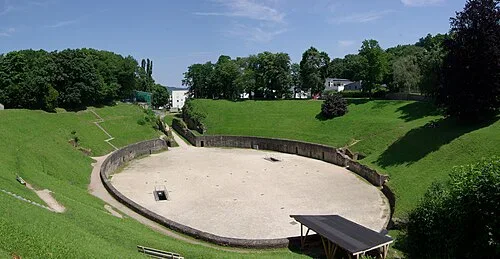 Petrisberg Embankment and Upper Viewing Ridge
Arena and Grassed Banks from the Upper Ridge
The arena stayed in use until the end of the Western Roman Empire, in the fifth century. In the Middle Ages, the site became a quarry, a place where stone was dug out for building. Many other buildings in Trier were used in the same way. Today grass covers the banks around the arena. A small burial ground was found on the eastern bank in 1996. It contained the graves of forty-six people.
Listen in the appPhoto: Berthold Werner · CC BY-SA 3.0
Amphitheater
Frequently asked questions
How much does the guide cost?
Free app download. Listed guide price: $0.99. Guide price shown in the app. Audio guide only. Venue admission is separate.
Can I listen without internet?
Yes. Download the guide’s audio, images, and maps in the app before your visit. Your downloaded content is then available offline.
Can I listen in my language?
This audio guide is available in 15 languages, including English.
Do I need to follow a schedule?
No. This is a self-guided experience. Choose your stops, pause whenever you like, and return to a story at your own pace.
At your own pace
Explore Amphitheater.
Download Stanza, then search for “Amphitheater”.
Free app download · Guide price shown in the app
Keep exploring
Nearby audio guides
Trier · 1 km
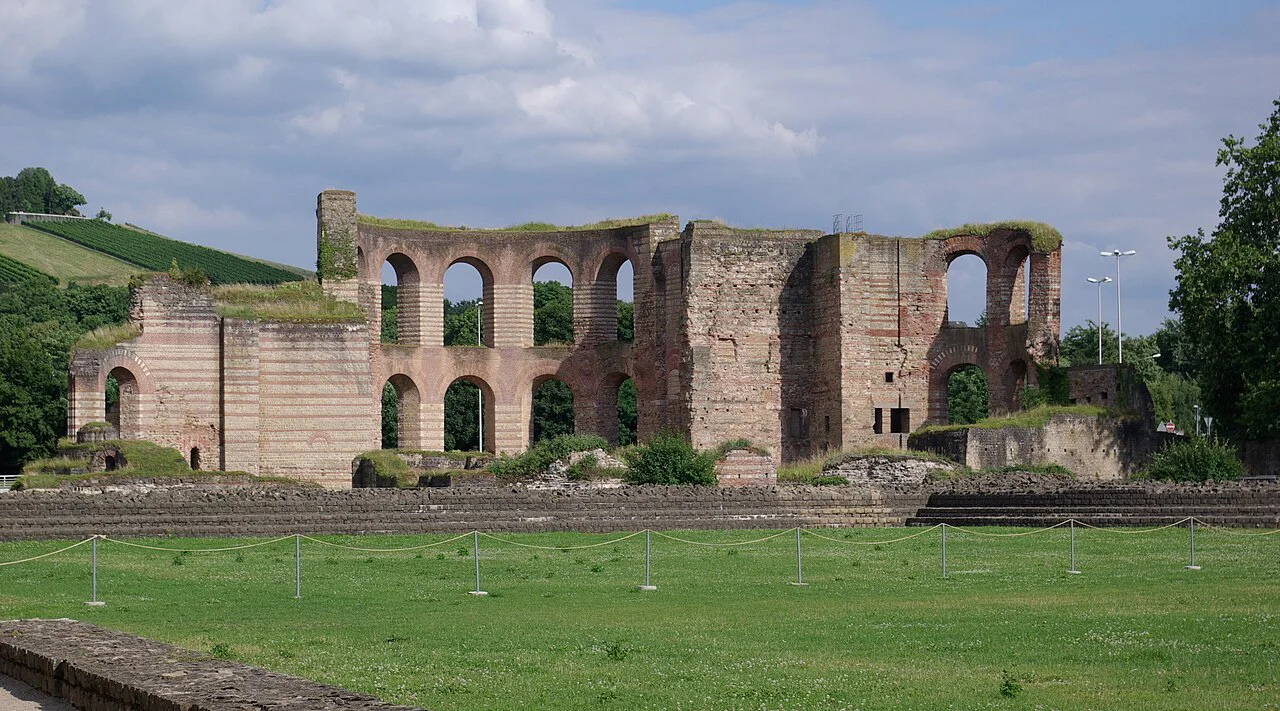
Kaiserthermen
Content & sources
Photo: Berthold Werner · Public domain
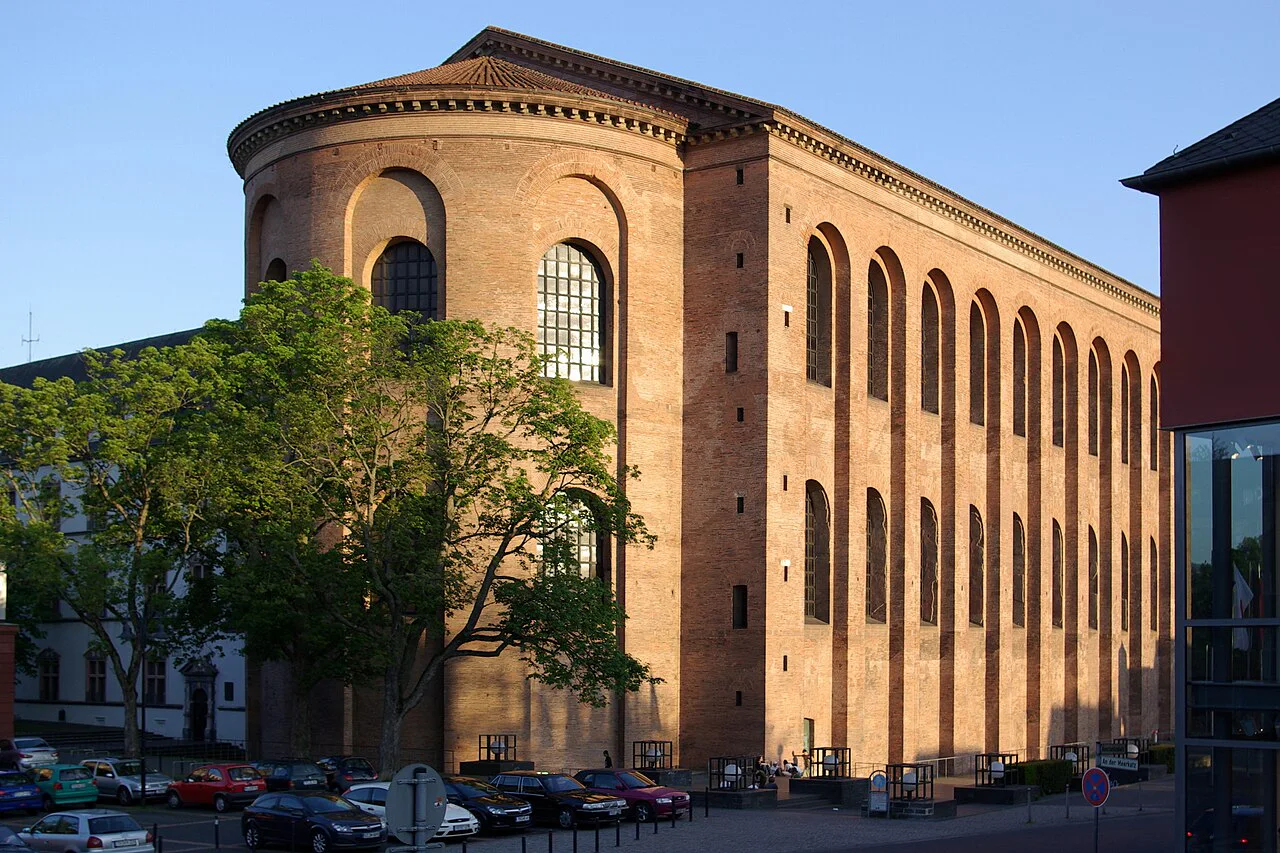
Trier · 1 km
Konstantinbasilika
Content & sources
Photo: Berthold Werner · Public domain
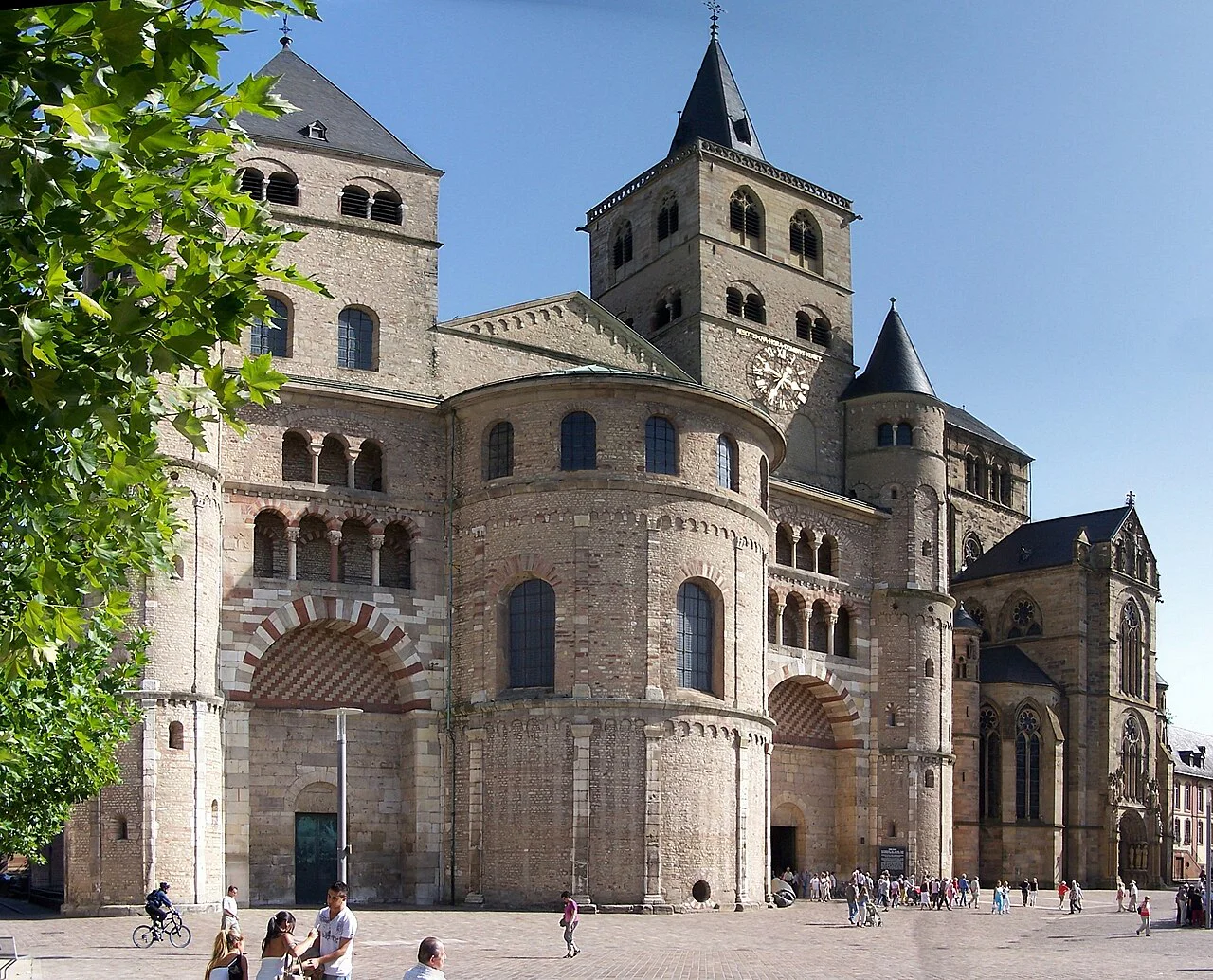
Trier · 1 km
Trierer Dom
Content & sources
Photo: Berthold Werner · CC BY-SA 3.0
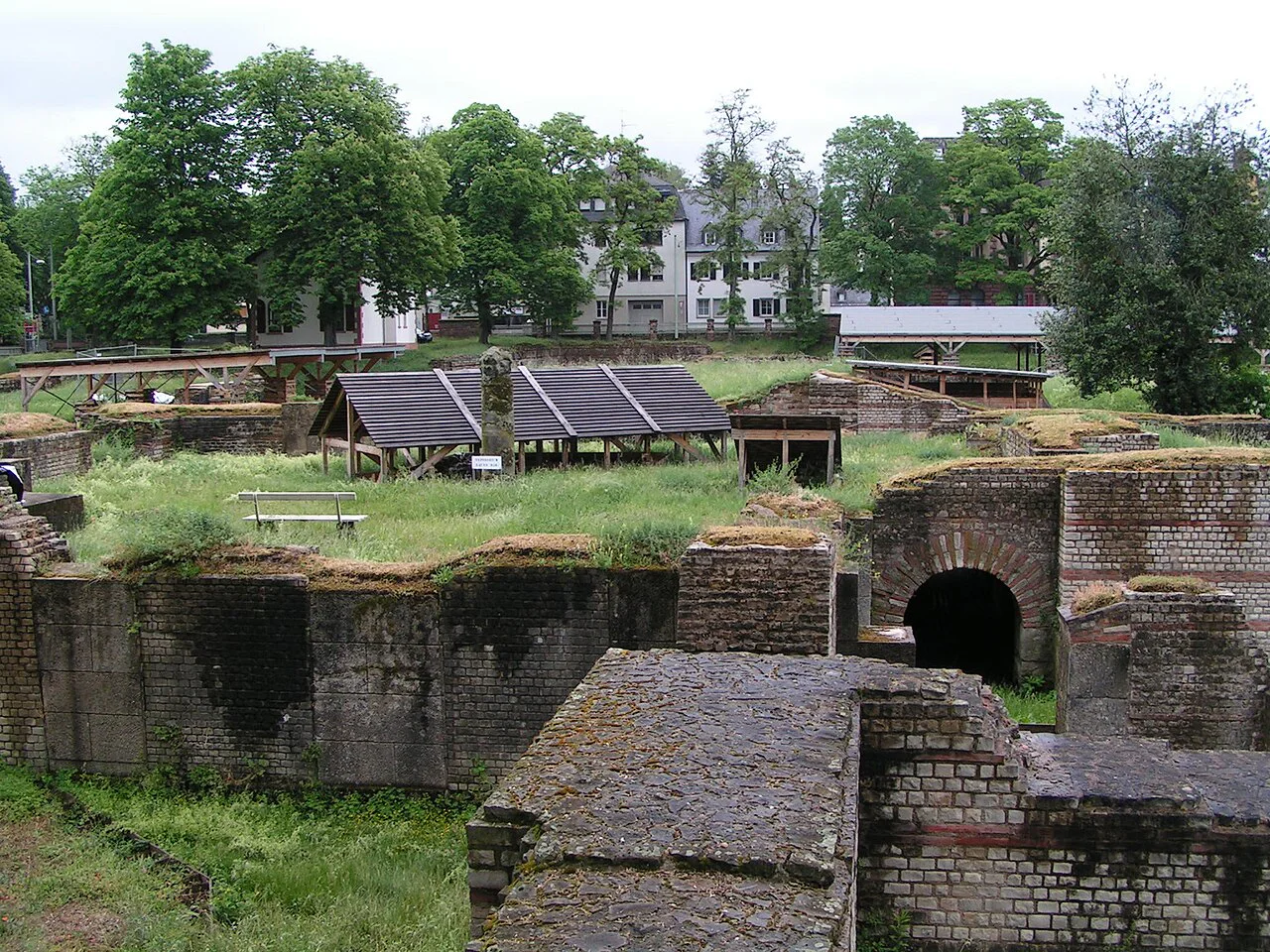
Trier · 1 km
Barbarathermen
Content & sources
Photo: Stefan Kühn · CC BY-SA 3.0