 Stanza / Audio guide
Content & sources
Stanza · Audio guide
Αψίδα του Γαλερίου Audio Guide
A place to remember. A story to take with you.
The Arch of Galerius and the Rotunda of Galerius are neighbouring early fourth-century AD monuments located in Thessaloniki. These sites are recognized as outstanding examples of early Byzantine art and…
Download Stanza, then search for “Αψίδα του Γαλερίου”.
About the tour
One guide. Your kind of visit.
The Arch of Galerius and the Rotunda of Galerius are neighbouring early fourth-century AD monuments located in Thessaloniki. These sites are recognized as outstanding examples of early Byzantine art and architecture and are inscribed on the UNESCO World Heritage List.
Ready when you are.
- 01Get the free Stanza app.
iOS & Android
- 02Find your guide.
“Αψίδα του Γαλερίου”
- 03Download before you go.
Works offline
Audio guide / 9 narrated stops
Inside the guide
Get to know a few of the stories before you go. Open a stop to read more.
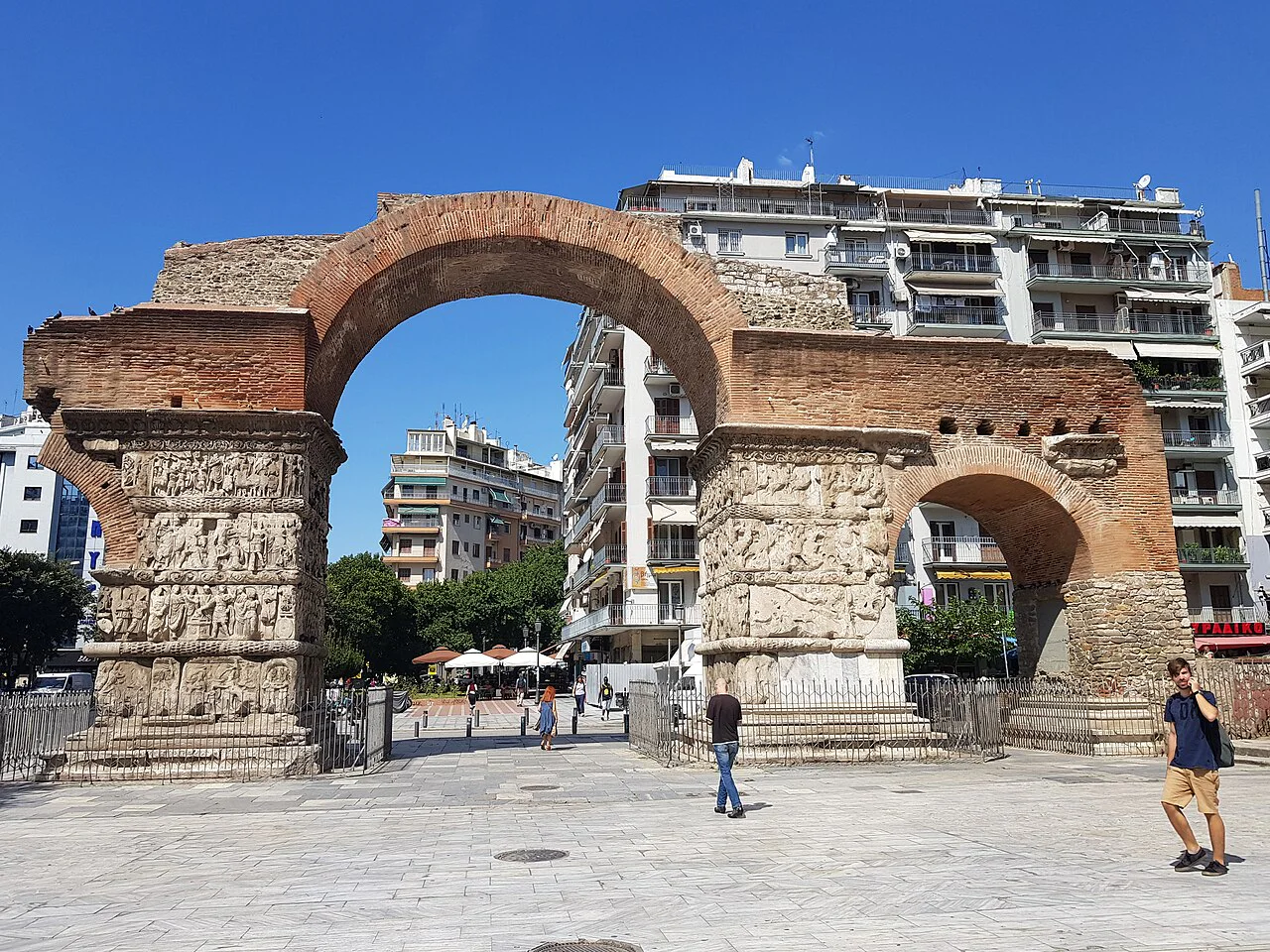
01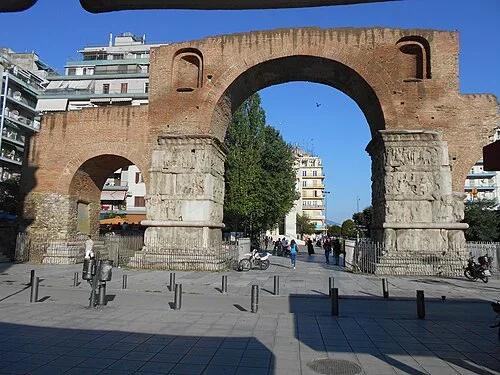 The Monumental Gateway and the Via Egnatia
Arch of Galerius Across the Via Egnatia
Four co-rulers shared power over the late Roman Empire, in a system called the tetrarchy. Today the arch is linked with Galerius, who ruled as Caesar within that system. The Via Egnatia was the main Roman road from Dyrrhacium to Byzantium. In Thessaloniki it was the city's main east-west street, which Romans called a decumanus maximus. The road ran through the arch's central opening. About twenty-nine metres of the arch's western side still survive. In 1988 UNESCO placed the arch and the neighbouring Rotunda on its World Heritage List, as part of the early Christian and Byzantine monuments of Thessaloniki.
Listen in the appPhoto: Ribouldingue · CC BY-SA 4.0
02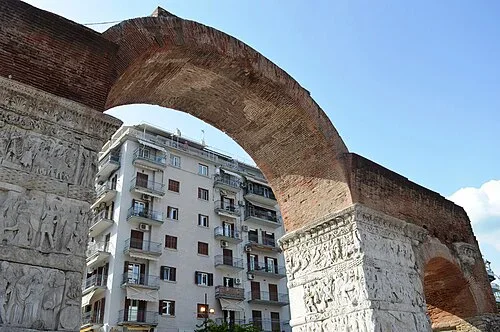 The Monumental Gateway and the Via Egnatia
Octopylon Vault and Surviving Piers
This gateway once had eight piers. Only three survive. Its design was an octopylon, meaning a gateway on eight pillars. Four large piers stood in the centre. Four smaller ones stood at the sides, and together they framed a triple arch. The central opening rose about twelve and a half metres high. The masonry has a core of rough rubble, covered first in brick and then in marble panels carved in relief. The whole eastern side is lost, along with one pier on the western side. Reconstructions show the lost arches meeting above the road to form a low dome, which no longer exists.
Listen in the appPhoto: Stavros Stavrakis · CC BY-SA 4.0
03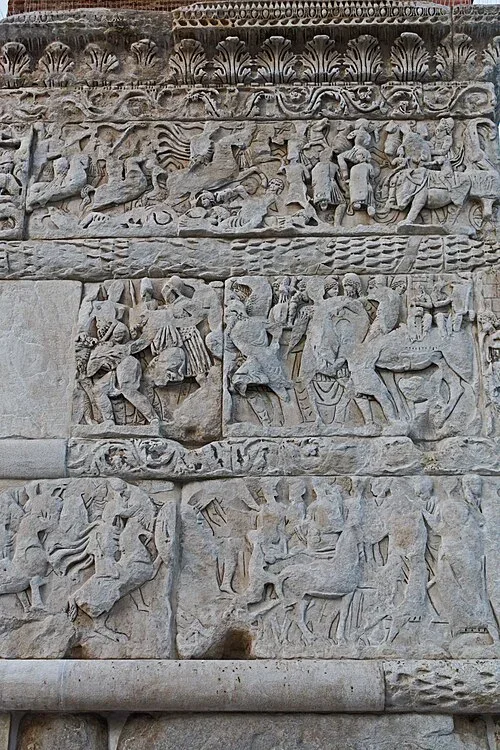 The Northern Pillar: Friezes of the Persian Campaign
Northern Face: Persian Campaign Reliefs
Galerius's wars against the Sassanid Persians are carved into the marble of the two pillars beside the central passage. Construction began in 298. It continued into 299. The arch was dedicated in 303. Some Greek accounts give 305 as the year it was built. The arch celebrates the battle of Satala and the capture of Ctesiphon, the Persian capital, both in 298. Another victory was over Narses, the seventh Sassanid ruler. That victory is dated to 299.
Listen in the appPhoto: Ymblanter · CC BY-SA 4.0
04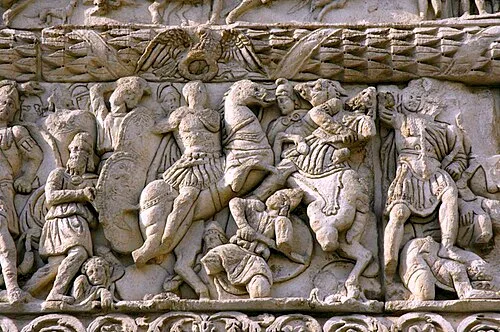 The Northern Pillar: Friezes of the Persian Campaign
Equestrian Combat Relief
One carved scene shows a mounted Galerius attacking the Sassanid king Narses with a lance. The two men did not fight each other face to face. So the scene makes a claim about power, not a report of a fight. Galerius sits securely on his rearing horse, while Narses is almost unhorsed. In art of this period, size and placement usually signalled rank, and the composition puts the winner on top. An eagle carrying a victory wreath flies toward Galerius. Terrified Sassanid soldiers cower beneath the hooves of Galerius's horse.
Listen in the appThe original uploader was Nefasdicere at English Wikipedia. · CC BY 2.5
05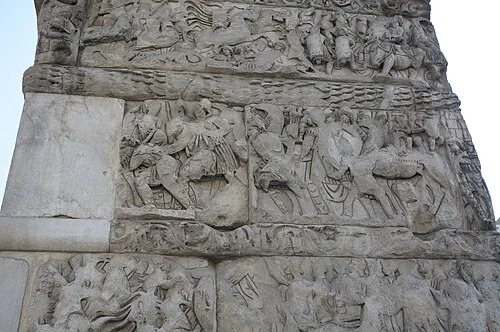 The Northern Pillar: Friezes of the Persian Campaign
Northern Pillar: Stacked Relief Registers
Each pillar carries four registers, which are horizontal bands of carving stacked one above another, with elaborate mouldings between them. The story runs from the top down, and the bands are numbered in that order. The carvers packed every surface with figures, even where the story would have been just as clear without them. They cared more for the pattern than for true proportions. Elephants stand as tall as horses, horses are smaller than the men beside them, and a city gate rises no higher than a person. Inscriptions on the arch suggest that the carvers were Greek craftsmen. A label naming the Tigris river survives, which suggests the builders added labels where a scene needed one. The marble has suffered in the modern city. Conservators cleaned and strengthened the reliefs between 1991 and 2001, yet a few years later the damage from air pollution was again visible to the naked eye.
Listen in the appG.Garitan · CC BY-SA 4.0
06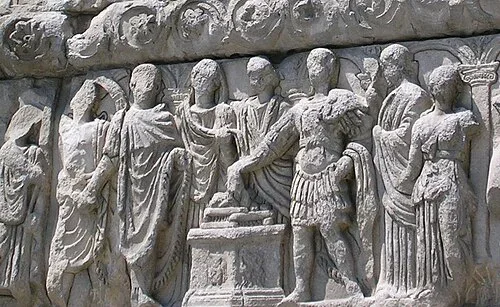 The Southern Pillar: Imperial Sacrifice and the Tetrarchy
Sacrifice Panel with Altar
This sacrifice is the main scene of all the reliefs on the arch. Galerius and his senior colleague Diocletian stand on either side of an altar to offer thanks. Only Galerius wears armour, and he is the one who makes the offering on the altar. On the two sides of the altar that can be seen, carvings show Zeus and Heracles. Beside them, women stand for Peace, the Universe, Concord and Prosperity. The rulers themselves are carved in an impersonal, almost diagram-like way. Experts compare that style to the statues of the tetrarchs cut from porphyry, a hard purple stone, at Saint Mark's Basilica in Venice. The panel celebrates the unity of the tetrarchy.
Listen in the appself work · CC BY-SA 3.0
07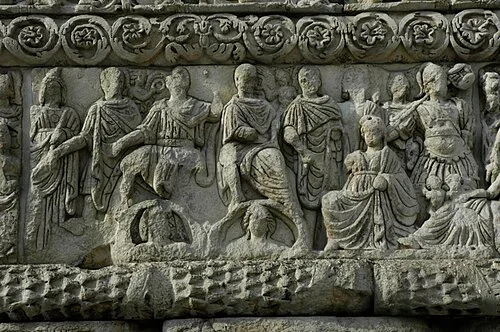 The Southern Pillar: Imperial Sacrifice and the Tetrarchy
Imperial Group Panel
The family scene shows the imperial family joined in a sacrifice of thanksgiving. Galerius's wife, Valeria, stands at his side. She was the daughter of Diocletian, and her presence helped tie Galerius to his predecessor. The scene's distant model was the Altar of Peace in Rome, whose carvings come from the age of Augustus. So the monument claimed legitimacy through family and older Roman precedent, not only through victory. At some point, the arch's dedication was forgotten. By the nineteenth century, under Ottoman rule, its patron was a matter of guesswork. Some guesses named famous rulers of the past. Karl Frederik Kinch examined the arch in the 1880s. His study, published in 1890, identified it as dedicated to Galerius.
Listen in the appThe original uploader was Nefasdicere at English Wikipedia. · CC BY 2.5
08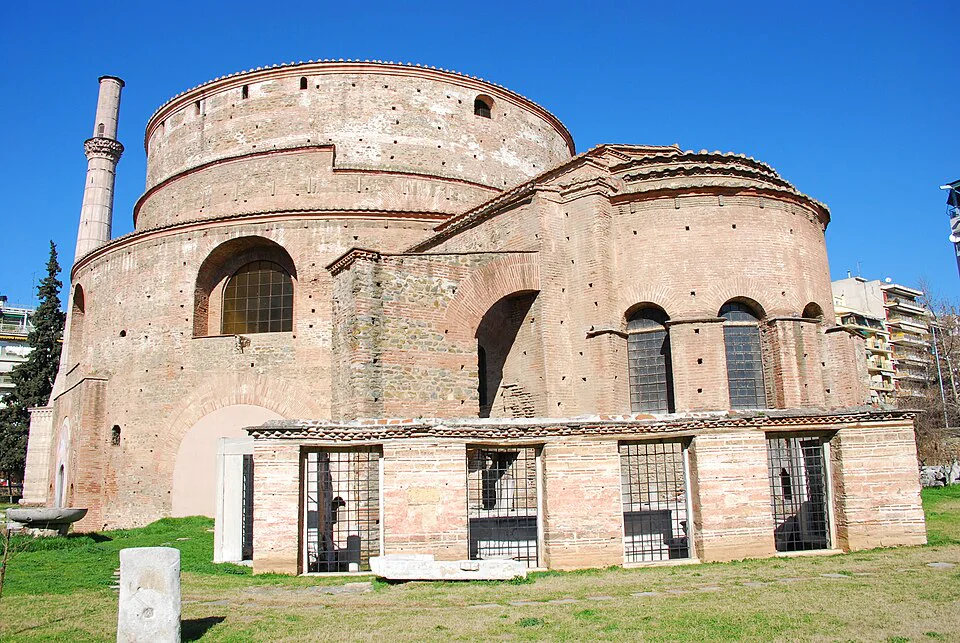 The Imperial Processional Axis: Rotunda and Palace Avenue
The Rotunda of Galerius on the Processional Axis
Galerius planned the Rotunda and the arch as parts of one imperial precinct, linked to his palace in Thessaloniki. Measured from the arch, the Rotunda lies about a hundred and twenty-five metres to the northeast. The palace complex lies about two hundred and thirty-five metres to the southwest. A road linked the two along the arch's long axis. A reconstruction adds colonnades along both sides of that road, making it a processional way. Archaeologists have found substantial remains of the palace.
Listen in the appGeorge M. Groutas · CC BY 2.0
09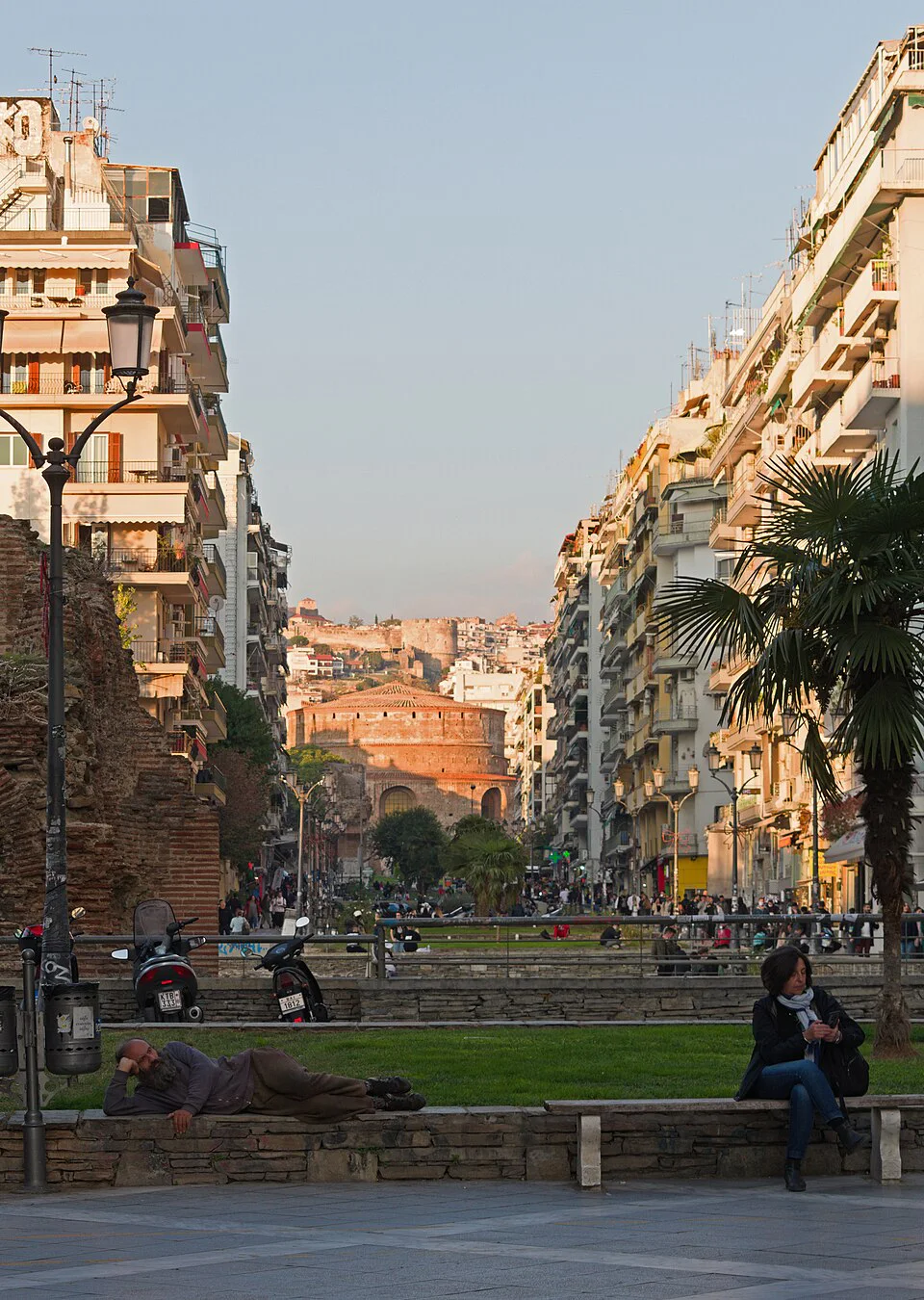 The Imperial Processional Axis: Rotunda and Palace Avenue
Dimitriou Gounari Street toward the Rotunda
In late 1864, a Frenchman named Emmanuel Miller arrived to take the portico known as Las Incantadas to France. The people of Thessaloniki loudly objected, and false rumours spread that the arch would go too. The arch was not touched, but the portico was removed. In the early twentieth century a horse-drawn tram ran along the street, followed by an electric tram. The surviving part of the arch was built over with houses. Those later additions have since been cleared from the arch, and part of the street is now for pedestrians. Today Greeks call the monument Kamara, which simply means arch.
Listen in the appPhoto: Ymblanter · CC BY-SA 4.0
Αψίδα του Γαλερίου
Frequently asked questions
How much does the guide cost?
Free app download. Listed guide price: $0.99. Guide price shown in the app. Audio guide only. Venue admission is separate.
Can I listen without internet?
Yes. Download the guide’s audio, images, and maps in the app before your visit. Your downloaded content is then available offline.
Can I listen in my language?
This audio guide is available in 15 languages, including English.
Do I need to follow a schedule?
No. This is a self-guided experience. Choose your stops, pause whenever you like, and return to a story at your own pace.
At your own pace
Explore Αψίδα του Γαλερίου.
Download Stanza, then search for “Αψίδα του Γαλερίου”.
Free app download · Guide price shown in the app
Keep exploring
Nearby audio guides
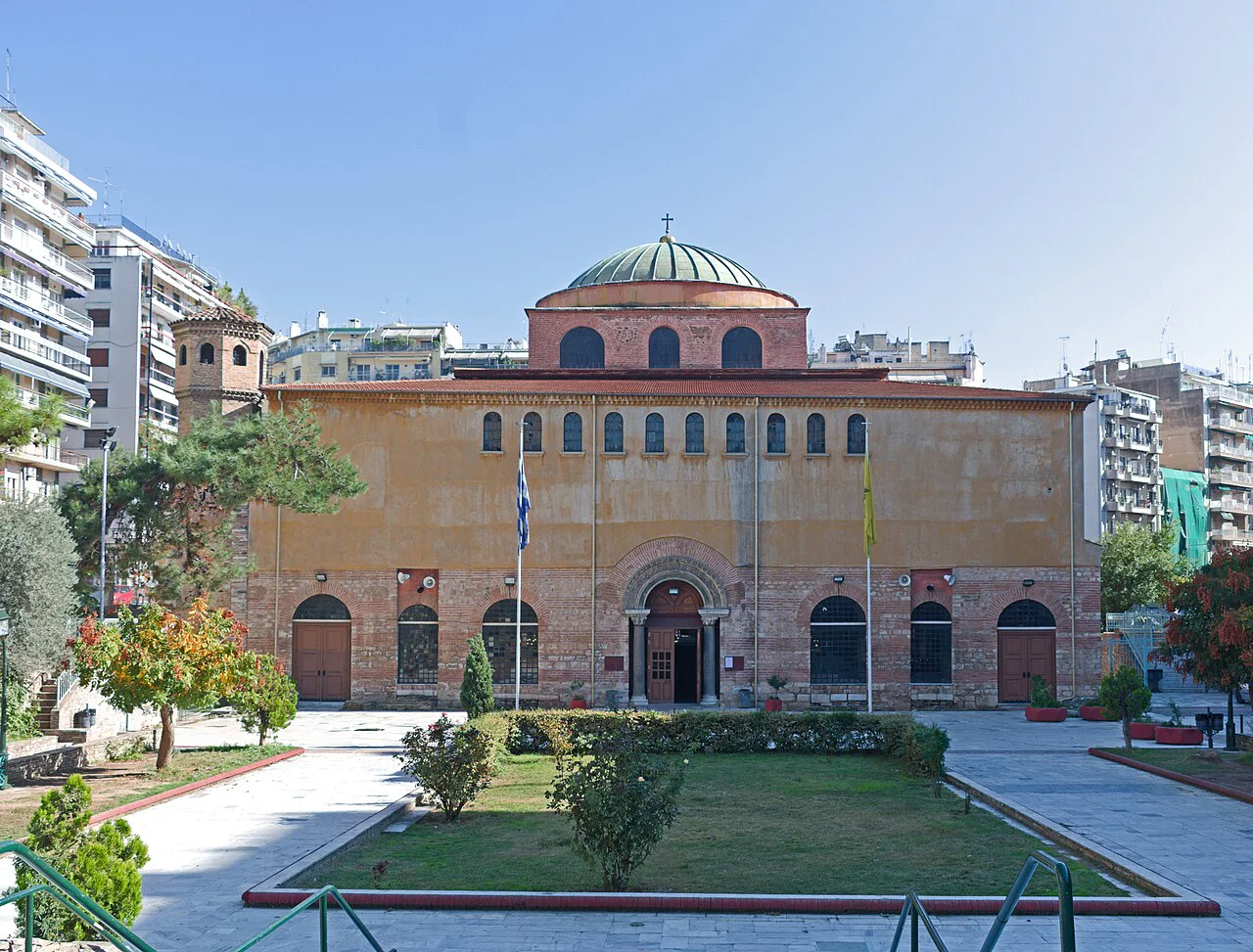
Thessaloniki · 1 km
Αγία Σοφία
Content & sources
Photo: Ymblanter · CC BY-SA 4.0
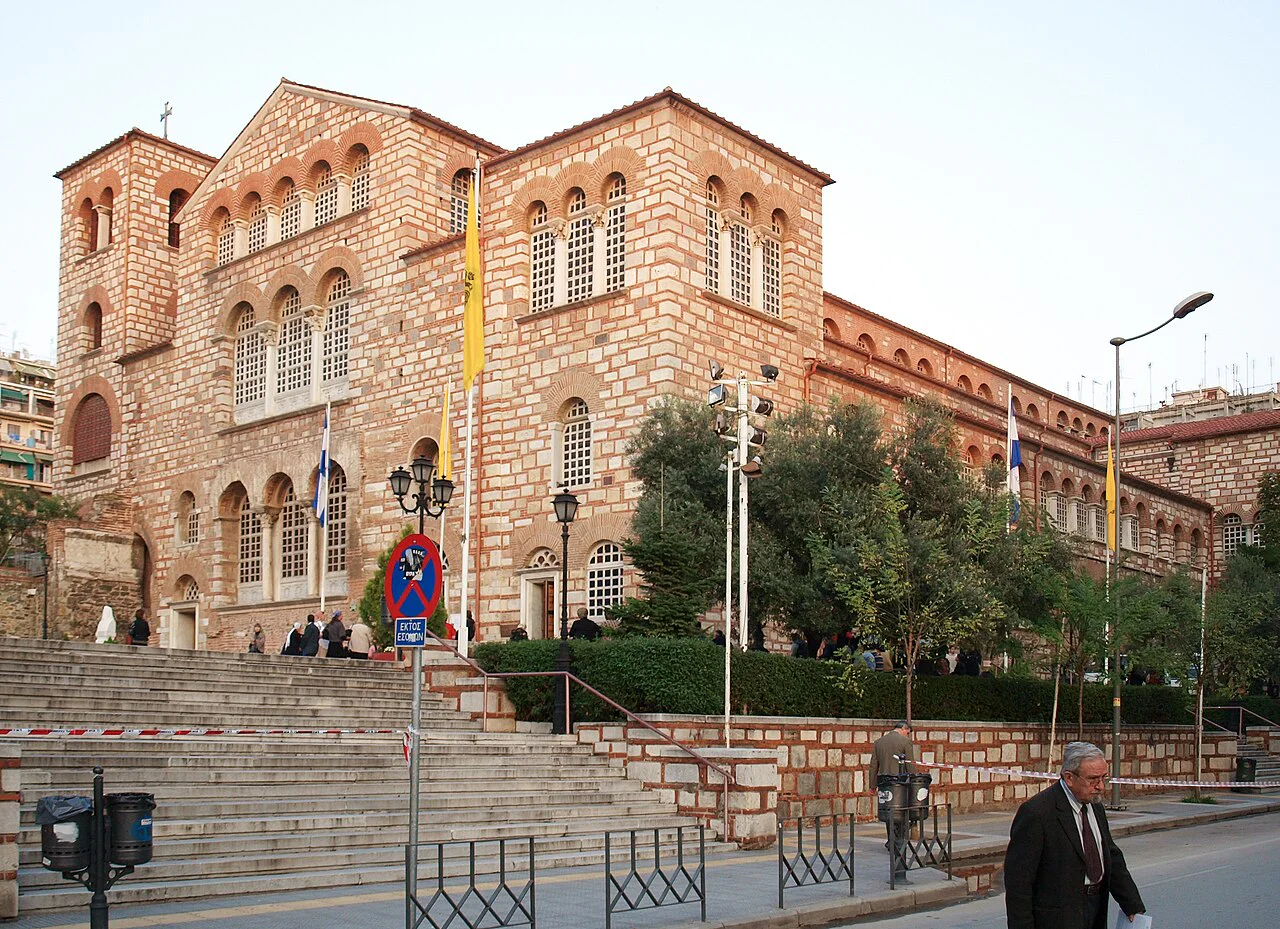
Thessaloniki · 1 km
Ιερός Ναός Αγίου Δημητρίου Θεσσαλονίκης
Content & sources
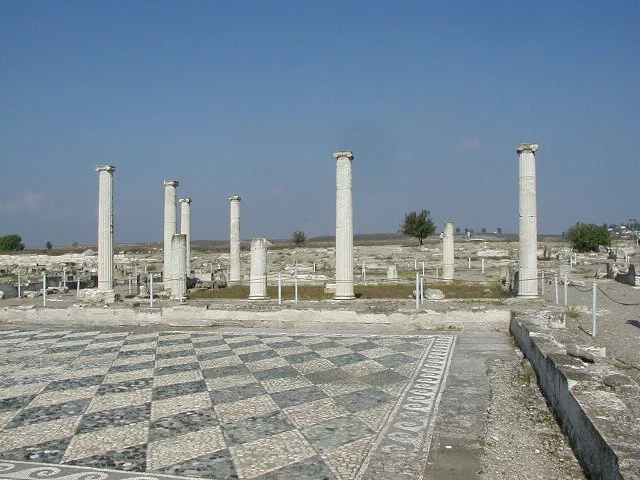
Pella · 39 km
Αρχαία Πέλλα
Content & sources
Brian Donovan · Public domain
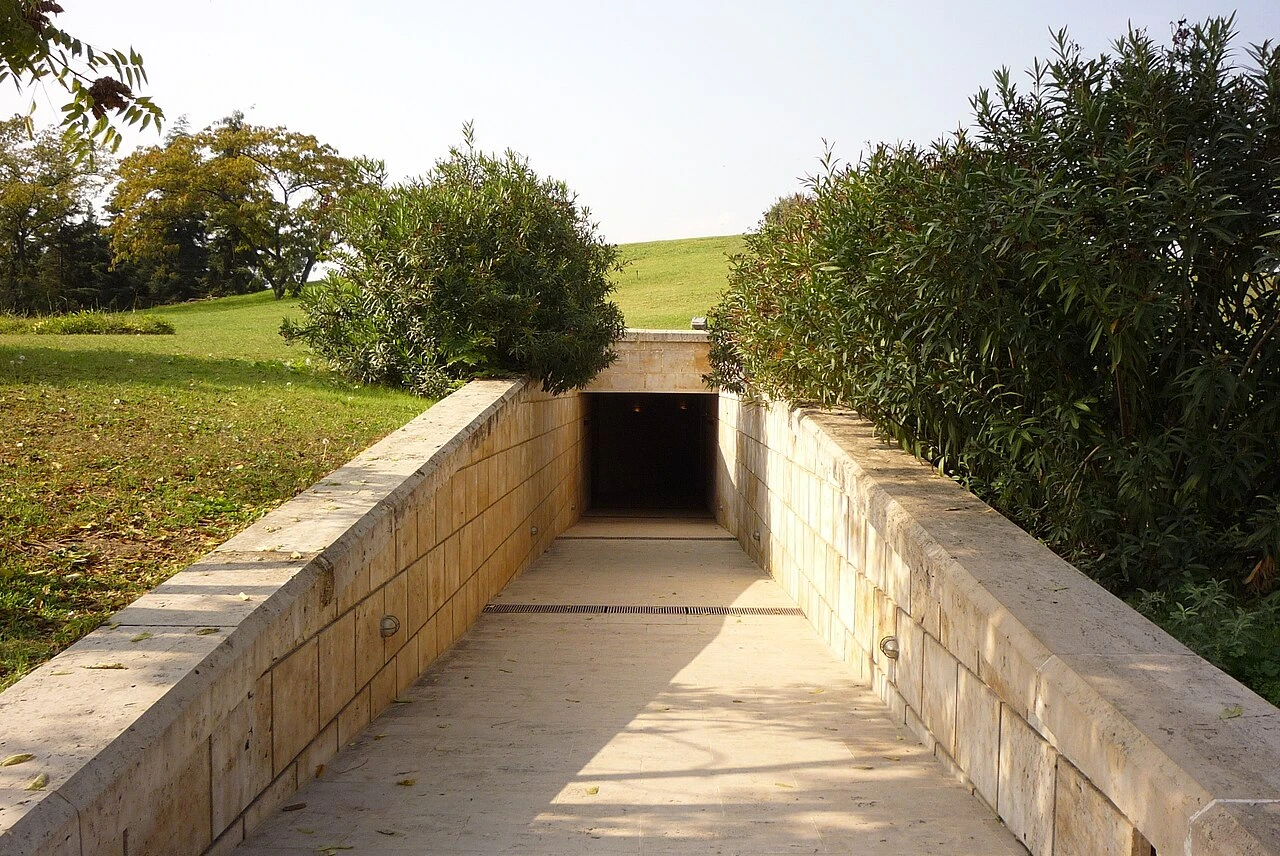
Vergina · 56 km
Royal Tombs of Vergina
Content & sources
Colin W · CC BY-SA 3.0