Stanza · Audio guide
Royal Tombs of VerginaAudio guide
A place to remember. A story to take with you.
The archaeological site of Aigai contains the remains of the ancient capital of the Kingdom of Macedon, including the famous royal tombs of Philip II. It is a UNESCO World Heritage site known for its…
Download Stanza, then search for “Royal Tombs of Vergina”.
About the tour
One guide. Your kind of visit.
The archaeological site of Aigai contains the remains of the ancient capital of the Kingdom of Macedon, including the famous royal tombs of Philip II. It is a UNESCO World Heritage site known for its well-preserved frescoes and elaborate grave goods.
Ready when you are.
- 01Get the free Stanza app.
iOS & Android
- 02Find your guide.
“Royal Tombs of Vergina”
- 03Download before you go.
Works offline
Audio guide / 28 narrated stops
Inside the guide
Get to know a few of the stories before you go. Open a stop to read more.
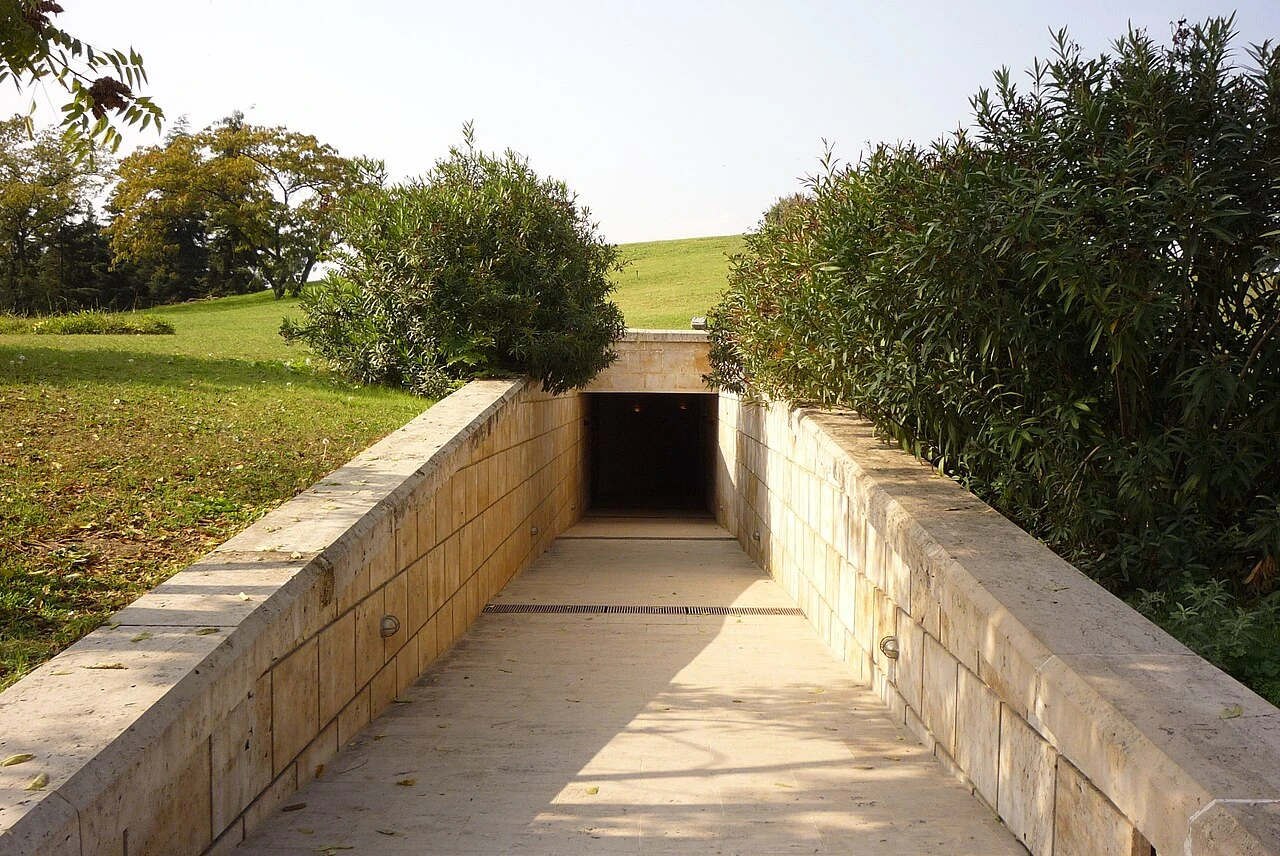
01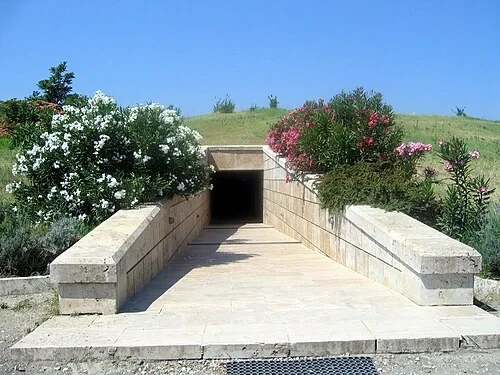 The Descent into the Great TumulusThe Descent to the Underworld
Welcome to the ancient capital of the Macedonian kings. This modern ramp leads down into the interior of the Great Tumulus, where the original tombs remain exactly as they were discovered. Unlike most museums, this building was constructed to enclose the archaeological site, maintaining the climate-controlled conditions necessary to preserve the delicate structures found here. The transition from the bright, warm Greek sun to this dimly lit, quiet interior serves as a deliberate shift in atmosphere, marking your entry into the sacred royal cemetery. Here, the kings of the Argead dynasty were laid to rest over two millennia ago. The space is kept cool and dark to protect the ancient wall paintings and delicate artifacts from light and moisture. This underground complex allows for an up-close encounter with the burial mound's internal structure while keeping the site's historical integrity intact. The somber quiet of the descent helps ground the experience, preparing you for the remarkable stories of power, family, and mortality revealed by the excavations of the 1970s.
Rufus210 · Public domain
02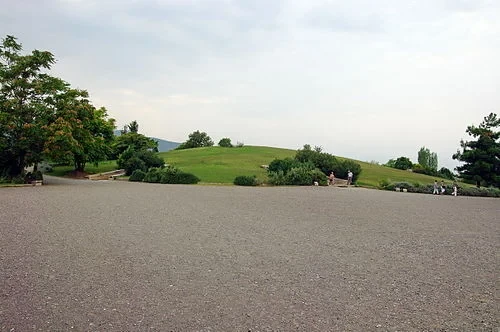 The Descent into the Great TumulusThe Great Tumulus
The massive artificial hill covering this site is known as the Great Tumulus. Standing approximately 40 feet high and stretching 360 feet across, this enormous mound was constructed over a period of a thousand years, from the Archaic era through to the Roman period. Its primary purpose was to protect the resting places of the Argead kings from tomb raiders, who were a constant threat to royal burials even in antiquity. The foundation of this monumental site dates back to approximately 750 BC. Over centuries, the mound was expanded as more members of the royal family were interred. The sheer scale of the hill reflects the status of the capital, Aigai, and the power of the Macedonian monarchy. Excavating such a vast area required immense precision to ensure the structural stability of the burial chambers hidden deep beneath the layers of compressed soil. Today, the tumulus serves as a permanent marker for one of the most important archaeological finds of the twentieth century, housing the undisturbed burials of one of history's most influential dynasties.
Bgabel · CC BY-SA 3.0
03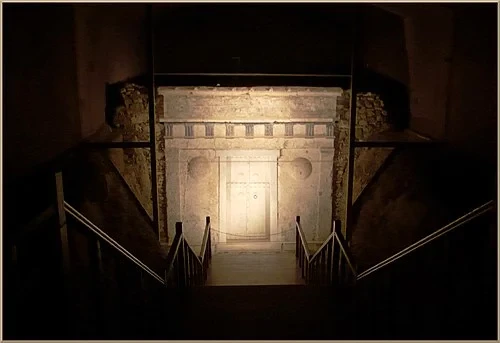 The Descent into the Great TumulusEntrance to Philip II's Tomb
Notice the architectural facade of Tomb II, identified as the final resting place of King Philip II. The design features a pair of Doric columns flanking a central entrance, which is sealed by massive stone double doors. When archaeologist Manolis Andronikos uncovered this entryway in 1977, he made history. It was the first time a royal Macedonian tomb had ever been discovered completely undisturbed by looters. The facade follows the style of a classical temple, intended to elevate the status of the deceased to a heroic level. The sheer weight of the stone blocks and the precision of the joints reflect the high level of Macedonian engineering in the 4th century BC. This discovery fundamentally changed our understanding of ancient Greek burial practices and the sophistication of the Macedonian court. Looking at these heavy doors, you are seeing the original entryway that was sealed over 2,300 years ago, protecting a treasure trove of artifacts that lay hidden and forgotten until the modern era.
Listen in the appPhoto: DocWoKav · CC BY-SA 4.0
04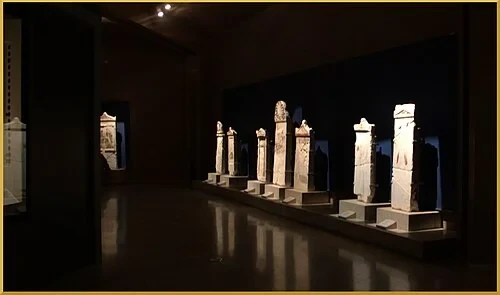 The Grave Stelae GalleryThe Citizens Gallery
This gallery displays a collection of grave stelae recovered from the soil fill used to build the Great Tumulus. Unlike the grand, temple-like tombs of the royal family, these markers were originally created for the ordinary citizens of Aigai. They were found discarded and repurposed as building material when the burial mound was expanded centuries after their initial use. These stone slabs feature painted names and simple carvings that offer a direct link to the daily lives of people who inhabited this capital 2,400 years ago. Each stela tells a small part of a personal story, identifying a father, a daughter, or a local merchant. While the kings claimed the historical headlines, these citizens formed the backbone of the Macedonian state that eventually conquered much of the known world. Seeing these names preserved in stone brings a human scale to the vast historical events associated with the site, reminding us that the ancient capital was a living city populated by individuals beyond the royal court.
Listen in the appPhoto: DocWoKav · CC BY-SA 4.0
05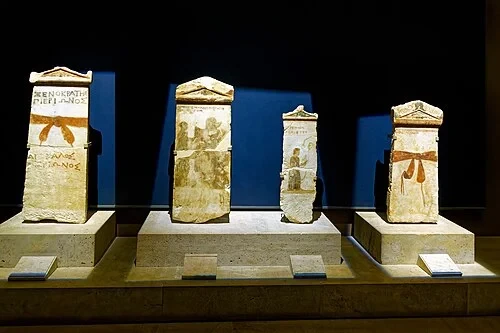 The Grave Stelae GalleryPainted Grave Markers
Looking closely at these stone slabs, you can still see the remnants of original pigments used by ancient craftsmen. The simple red and black lettering identifies the deceased, preserving names that would otherwise have been lost to history. These stones likely served as markers in an earlier, simpler cemetery located nearby. When the Great Tumulus was expanded to protect the royal tombs, these older markers were utilized as basic construction fill for the mound. This recycling of materials was a common practice, but for modern historians, it provided a fortuitous archive of the local population. The use of basic mineral pigments shows how even modest burial markers were decorated to ensure the name of the deceased remained legible. The survival of these colors is rare, as paint on stone usually fades quickly when exposed to the weather. Their preservation within the dark, dry layers of the mound fill allows us to see the actual handwriting and color choices of the people of Aigai from the fourth century BC.
Listen in the appPhoto: Holger Uwe Schmitt · CC BY-SA 4.0
06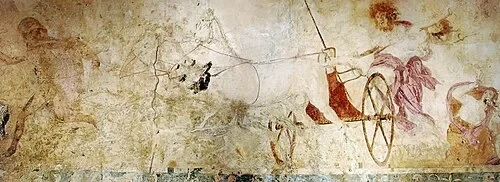 The Tomb of Persephone (Tomb I)The Abduction of Persephone
The wall painting from Tomb I captures a moment of intense drama and movement, depicting the abduction of Persephone. This 4th-century BC mural is a rare and precious survivor, representing one of the few existing examples of large-scale painting from the Classical Greek era. Notice the dynamic rendering of the chariot wheels, which are blurred to suggest high speed. The figure of Persephone is particularly striking, with her arms reaching out in a gesture of desperation as she is carried away to the underworld. The artist used fluid brushstrokes to convey the chaos and emotion of the mythological scene. Most ancient Greek paintings have perished over time, but the sealed environment of this tomb protected these pigments for millennia. The scale and quality of the work suggest it was commissioned by a high-ranking individual, possibly a member of the royal family itself. The mural provides a window into the artistic sophistication of the time, showing that Macedonian artists were masters of composition and emotional expression.
Listen in the appUnknown author · Public domain
07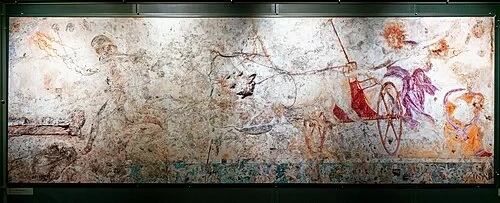 The Tomb of Persephone (Tomb I)The Underworld Mural
This full fresco composition depicts a central theme in ancient burial rites: the journey into the underworld. The scene shows the god Hermes leading a chariot, acting as the psychopomp who guides souls to the afterlife. Nearby, the Fates appear in a state of mourning, their presence emphasizing the finality of human life. The myth of Persephone, who spent half the year in the underworld and half on earth, was a powerful metaphor for the ancient Greeks. It represented the cycle of the seasons, the inevitability of death, and the recurring hope for rebirth. Choosing this specific myth for a tomb interior provided context and perhaps a measure of comfort for the transition to the realm of the dead. The arrangement of the figures creates a narrative flow, drawing the eye across the sequence of events. The technical skill required to execute such a large work on wet plaster—known as the true fresco technique—is evident in the layering of colors and the survival of the mural’s intricate details today.
Listen in the appPhoto: Holger Uwe Schmitt · CC BY-SA 4.0
08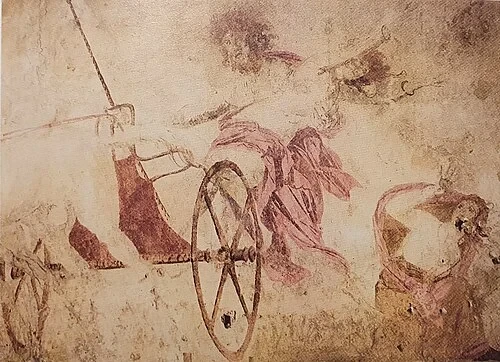 The Art of the UnderworldHades in the Chariot
The figure of Hades in the chariot is the focal point of this dramatic mural. His expression is intense, capturing the power and determination of the god of the underworld. He firmly holds both the reins of the horses and the struggling figure of Persephone, his form rendered with remarkable anatomical detail. A key technical achievement here is the use of chiaroscuro—the dramatic contrast between light and shadow. This technique creates a sense of three-dimensional depth and physical presence, demonstrating how advanced Macedonian artistic methods were during the 4th century BC. The way the shadows fall across Hades' face and clothing adds a layer of psychological depth to the character. Artists in the Macedonian court were clearly experimenting with light and perspective in ways that would not be seen again in Europe for centuries. This specific portrayal of Hades serves as a reminder of the artistic innovation occurring in northern Greece during the era of Philip and Alexander, where royal patronage attracted the most skilled painters of the age.
Listen in the appUnknown author · Public domain
09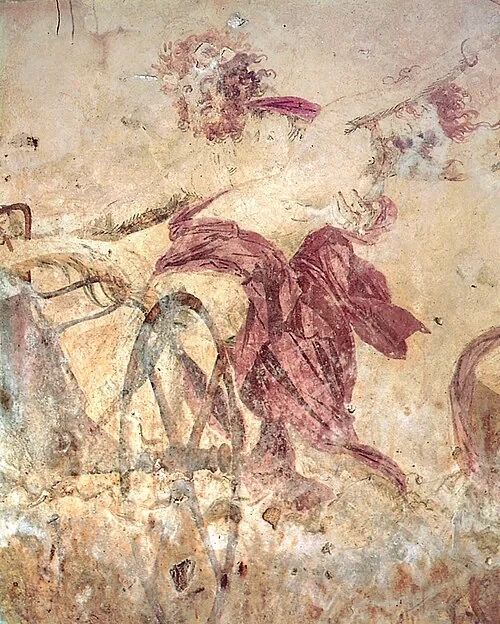 The Art of the UnderworldThe Grieving Witnesses
Among the secondary figures in this mural is a seated woman representing Demeter, the Earth goddess and mother of the abducted Persephone. Her posture and expression convey a deep sense of sorrow and loss, echoing the grief of the family who commissioned this tomb. The artist utilized a somber palette of ochre, terra-cotta, and deep reds to reinforce the melancholy nature of the scene. These earth tones were derived from natural minerals, ground into fine powders and applied directly to the damp plaster. It is a striking thought that these elaborate paintings were never meant to be seen by the living once the tomb was sealed. They were created solely for the benefit of the deceased in the afterlife, serving as a permanent ritual backdrop for their final rest. The presence of Demeter links the private grief of a royal family to the grand mythological traditions of the Greek world. This mural remained a secret masterpiece, hidden beneath the earth for over two thousand years until archaeologists carefully brought it back into the light.
Listen in the appUnknown author · Public domain
10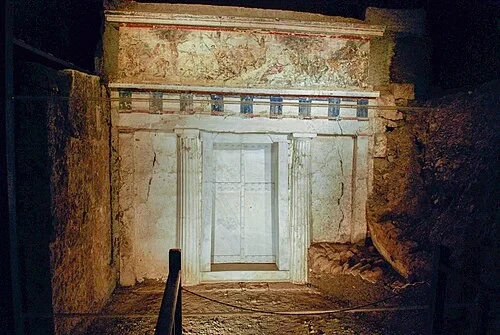 The Facade of Philip II (Tomb II)The Royal Hunting Frieze
Running along the top of the Doric entrance is a long painted band known as the Royal Hunting Frieze. This artwork depicts a grand hunt taking place within a sacred grove, a favorite pastime and vital social ritual of the Macedonian nobility. Various hunters are shown pursuing a range of wild animals through a landscape of trees and rocks. Among the prey is a lion, a creature that held significant symbolic weight in ancient Macedonia as an emblem of royal power and personal bravery. Successfully hunting a lion was considered a rite of passage for kings and princes, proving their fitness to lead. The frieze captures the frantic energy of the chase, with horses in mid-stride and hunters poised with spears. The detail in the animals' forms and the varied terrain shows a commitment to realism that was a hallmark of the Macedonian court style. This mural served as a permanent record of the king's prowess in life, intended to accompany him into eternity as a symbol of his status.
Listen in the appPanegyrics of Granovetter (Sarah Murray) · Public domain
Royal Tombs of Vergina
Frequently asked questions
How much does the guide cost?
Free app download. Listed guide price: $3.99. Guide price shown in the app. Audio guide only. Venue admission is separate.
Can I listen without internet?
Yes. Download the guide’s audio, images, and maps in the app before your visit. Your downloaded content is then available offline.
Can I listen in my language?
Stanza supports 15 languages. Check the app for the languages available for this guide.
Do I need to follow a schedule?
No. This is a self-guided experience. Choose your stops, pause whenever you like, and return to a story at your own pace.
At your own pace
Explore Royal Tombs of Vergina.
Download Stanza, then search for “Royal Tombs of Vergina”.
Free app download · Guide price shown in the app
Keep exploring
Nearby audio guides
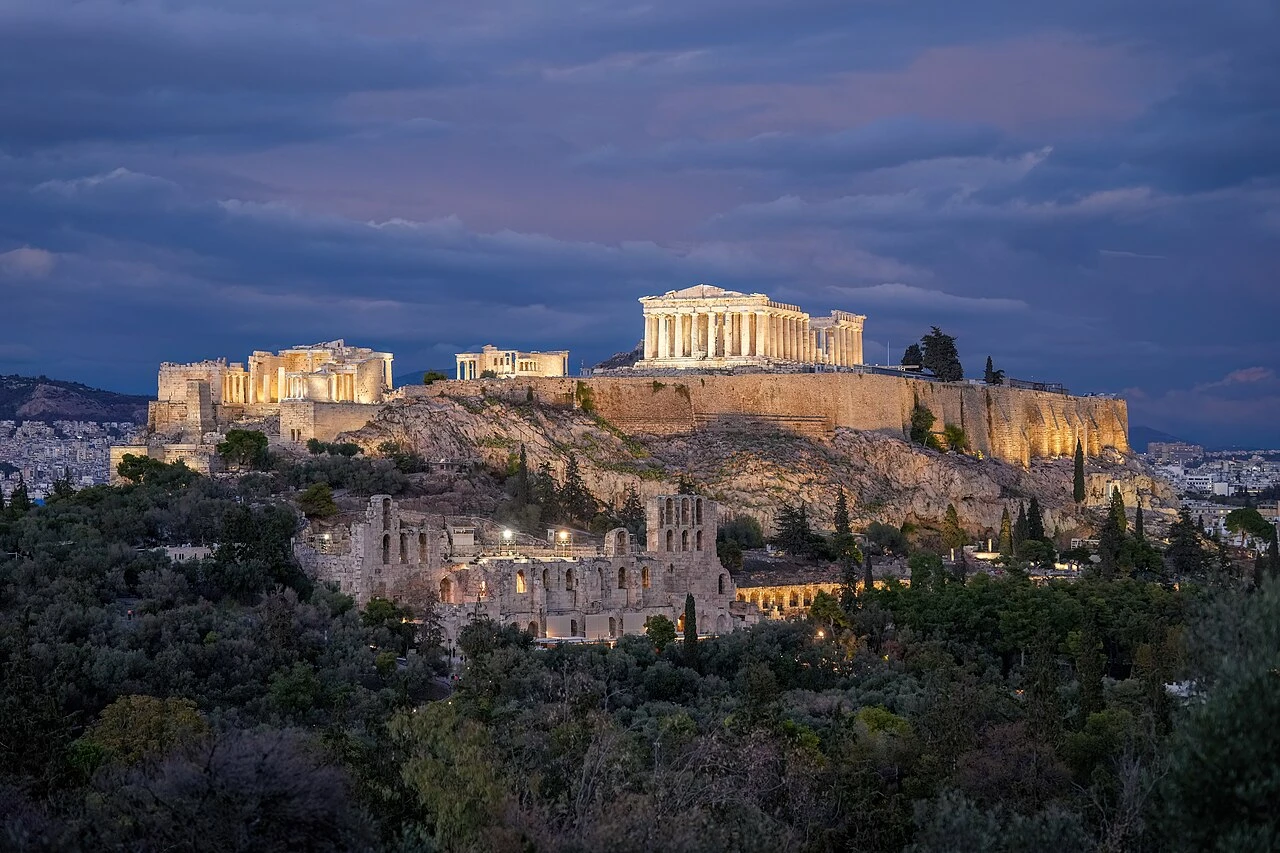
Athens
Acropolis of Athens
Content & sources
Photo: Giles Laurent · CC BY-SA 4.0
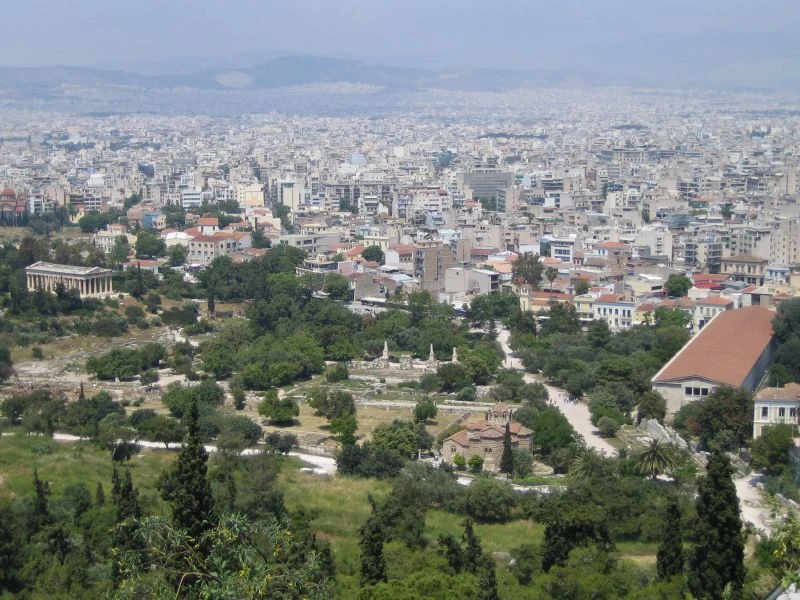
Athens
Ancient Agora of Athens
Content & sources
https://www.flickr.com/people/jonezes/ · CC BY-SA 2.0
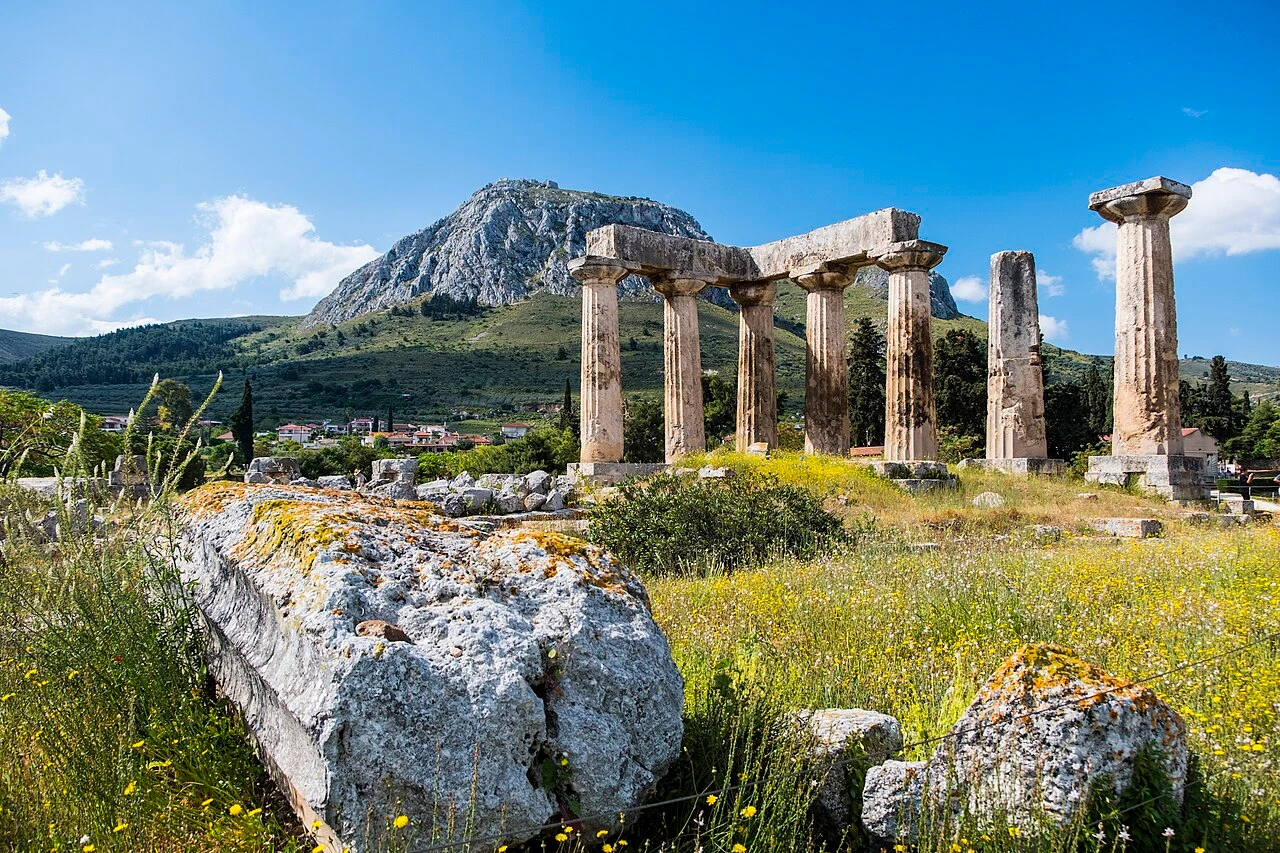
Corinth
Ancient Corinth
Content & sources
Davide Mauro · CC BY-SA 4.0
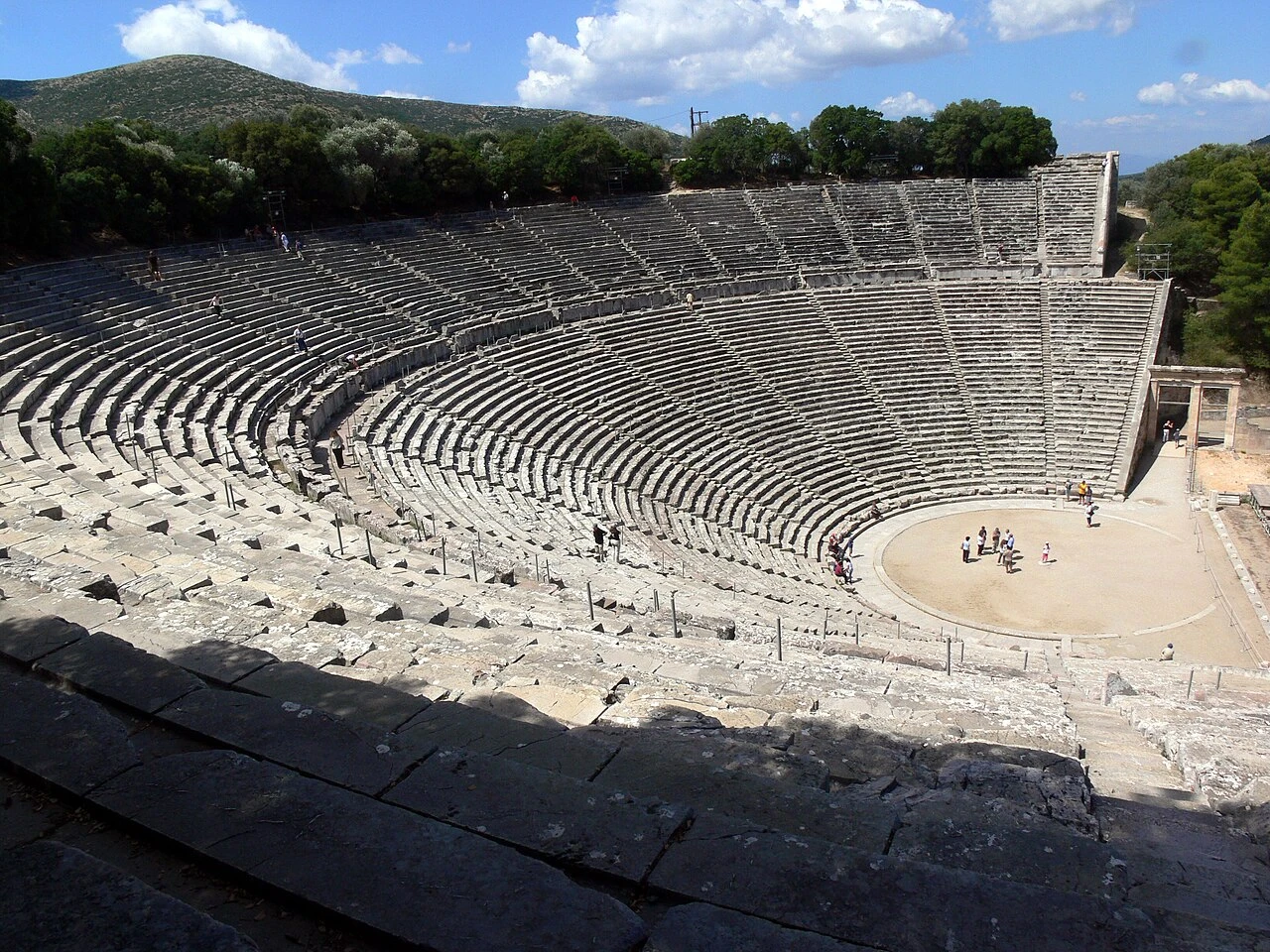
Epidaurus
Ancient Epidaurus
Content & sources
Photo: Fingalo · CC BY-SA 2.0 de