Stanza · Audio guide
Agrasen Ki Baoli Audio Guide
A place to remember. A story to take with you.
Agrasen Ki Baoli is a 60-meter long and 15-meter wide historical stepwell in New Delhi, India. It is one of the ancient baolis of India.
Download Stanza, then search for “Agrasen Ki Baoli”.
About the tour
One guide. Your kind of visit.
Agrasen Ki Baoli is a 60-meter long and 15-meter wide historical stepwell in New Delhi, India. It is one of the ancient baolis of India.
Ready when you are.
- 01Get the free Stanza app.
iOS & Android
- 02Find your guide.
“Agrasen Ki Baoli”
- 03Download before you go.
Works offline
Audio guide / 7 narrated stops
Inside the guide
Get to know a few of the stories before you go. Open a stop to read more.
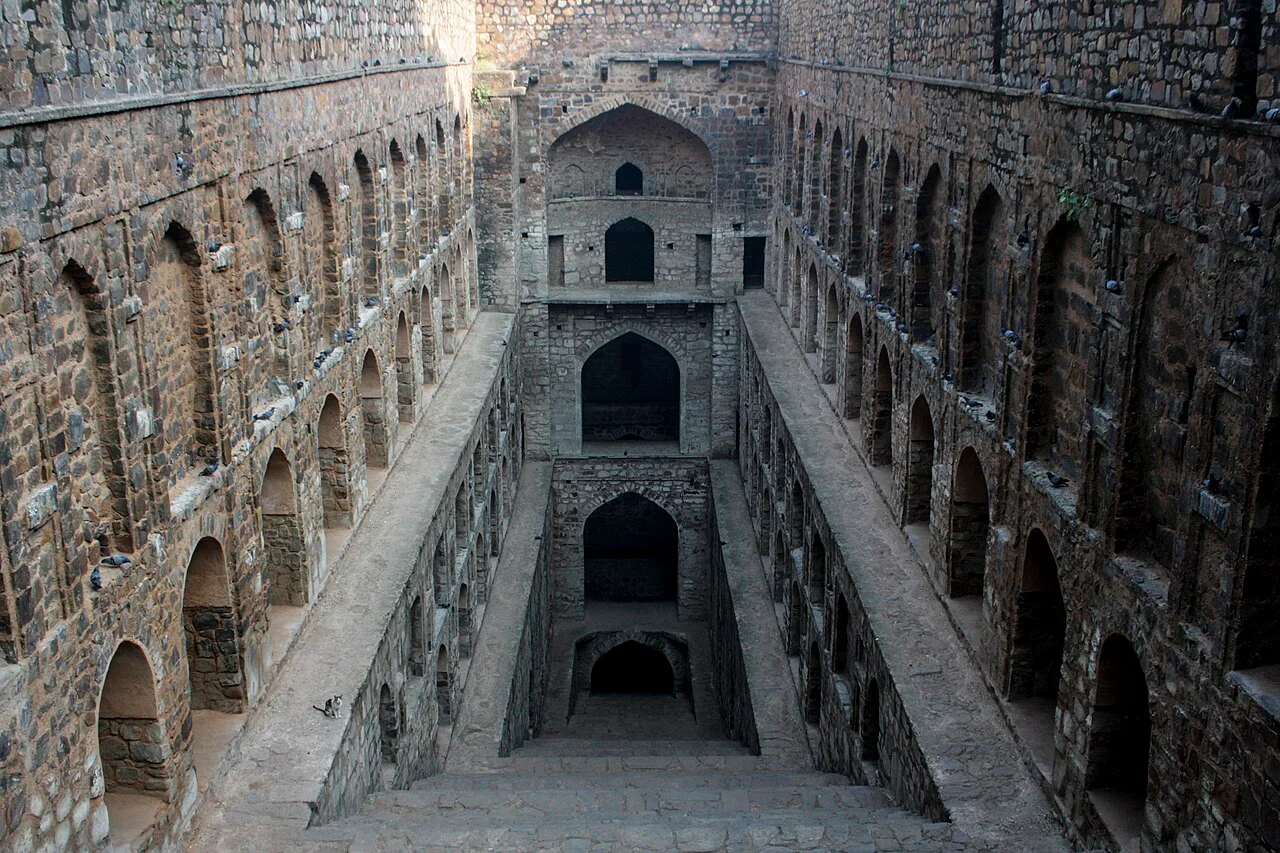
01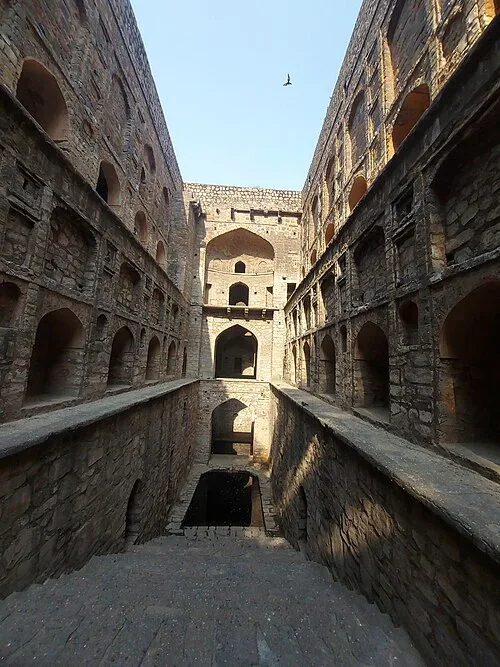 Upper Viewing Platform
Agrasen Ki Baoli from the Upper Platform
Welcome to Agrasen Ki Baoli, a stepwell on Hailey Road, close to Connaught Place in New Delhi. A baoli is a well you reach by walking down: a staircase that sinks into the earth until it meets the water. This one runs sixty metres from end to end. Across the top it measures fifteen metres, a long stone corridor of steps and arches descending into the ground. No historical record names its builder. The belief here is that the Aggarwal community built it in honour of their ancestor, Maharaja Agrasen, a king whom local legend places in the age of the Mahabharata. That early date rests on tradition alone. The stonework itself points to a later chapter: the architecture suggests a rebuild under the Tughlaq or Lodi rulers of the Delhi Sultanate, sometime between the fourteenth and early sixteenth centuries. So the well is likely a Sultanate structure carrying a much older name.
Souvik Sarkar · CC BY-SA 4.0
02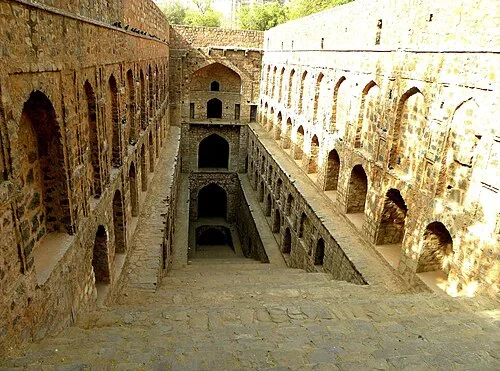 The Descent down the Stone Steps
The Descent: Steps into the Earth
The staircase is the whole idea of the place. It drops about fifteen metres into the earth, down steps steep enough to slow anyone in a hurry. Sources disagree on the count, but around a hundred and eight is the figure most often given. Three levels are visible, each lined with arched niches on both sides. The steps were not decoration; they were the mechanism. The water table beneath Delhi rises and falls with the seasons. When the well was full, people drew water from the upper landings. In the dry months they climbed further down, to wherever the water had settled. Every level of this staircase answered to a different time of year, and the descent itself was the design.
Rahul Sharma · CC BY-SA 3.0
03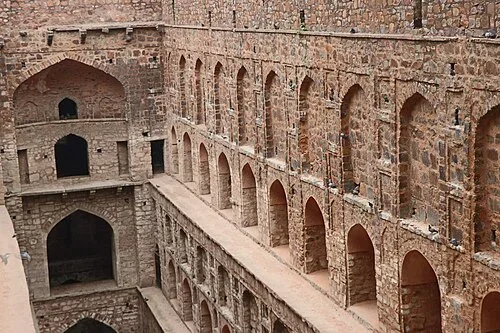 Side Arched Galleries
The Arched Galleries
The tiers of arches along the walls did more than hold back the earth. Shade the water, and the whole well grows cooler. Stepwells like this are often described as an early kind of climate design, built on the Persian principle of sunken, shaded water courts. Through a Delhi summer, these deep galleries stayed far cooler than the street. They also gave the place its reputation. The story goes that the dark water at the bottom had a hypnotic pull, drawing people to jump in, and that the baoli is haunted. Those tales are legend rather than history, but they draw ghost-hunters all the same. The water, in any case, is long gone; the reservoir sits dry.
Listen in the appKuldeep Maruvada · CC BY-SA 4.0
04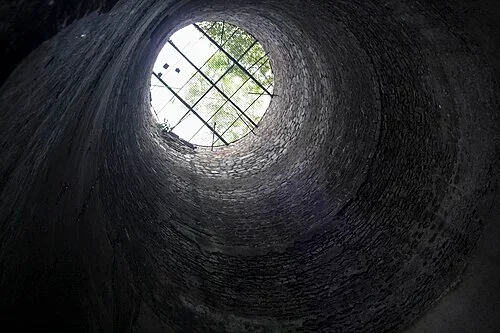 The Deep Well Shaft
The Well Shaft Looking Up
At the far end of the reservoir, the staircase arrives at the well itself: a round shaft of stone, open to the sky. Straight up from the bottom, the daylight narrows to a circle at the top. This is where the structure reached the groundwater, the deep store everything above was built to serve. Stepwells belong to one of the oldest water traditions on earth. Ancient India built water temples and reservoirs, and the earliest known forms go back to Dholavira, in the Indus Valley Civilisation. This baoli kept serving the city long after its builders were gone. In more recent times, while it still held clean water, people came from Old Delhi and New Delhi to learn swimming here. Delhi's swimmers practised their strokes in a medieval well.
Listen in the appIndrajit Das · CC BY-SA 4.0
05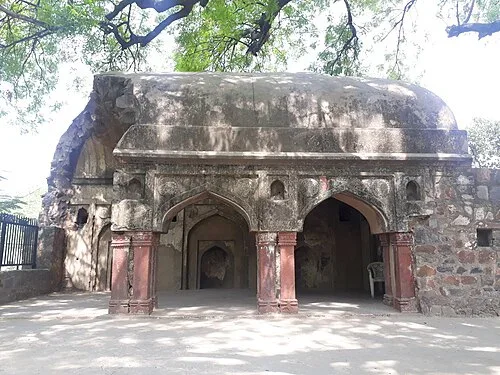 The Western Mosque Platform
The Western Mosque
Toward the western end stands a small mosque, three-sided, raised on a solid platform above the ground. A well that served a whole community naturally drew a place of prayer to sit beside it. No record names who built it, or exactly when; its style suggests the same Sultanate era as the rebuilt stepwell. The facade shows arched bays resting on carved pillars, and the prayer hall opens through three arched doorways. Its most distinctive feature is the roof: a broad, smooth curve that has been compared to the back of a whale. Water for the body at one end of the platform, prayer for the community at the other.
Listen in the appPhoto: Pinakpani · CC BY-SA 4.0
06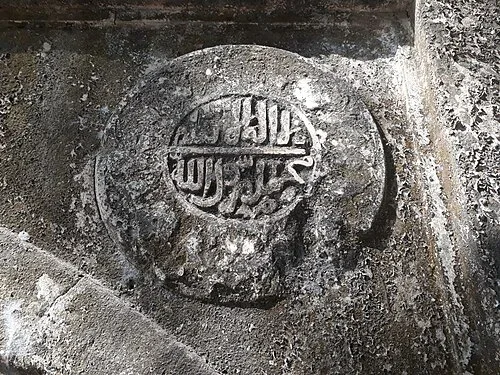 The Western Mosque Platform
Carved Medallion in the Mosque
Set into the spandrel beside an arch is a round stone medallion, carved with Arabic calligraphy arranged in a circle. Centuries of weather have softened the carving, and salt blooming through the stone has partly obscured the surface. The full inscription can no longer be read. Around it, the mosque's ornament mixes two traditions at once. Islamic calligraphy sits beside motifs drawn from Indic carving, including chaitya-shaped patterns on the composite columns. The craftsmen of the Sultanate worked fluently in both languages, and this single worn roundel carries both.
Listen in the appPhoto: Pinakpani · CC BY-SA 4.0
07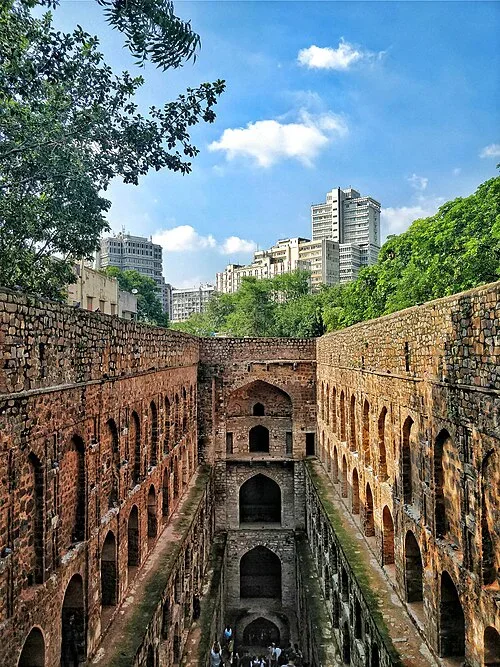 Ascent and Exit
Survival in Modern Delhi
The old red stone of the stepwell now rises against the offices and hotels of Connaught Place, medieval Delhi and modern Delhi in a single view. The Archaeological Survey of India protects the monument under the Ancient Monuments and Archaeological Sites and Remains Act of 1958. It is listed as a Monument of National Importance, officially recorded as Uggar Sain's Baoli, reference number N-DL-52. India Post honoured it with a postage stamp in 2012. Filmmakers keep finding it too; its depth and arches have appeared on screen in films including PK. The people who cut these steps into the earth left Delhi a well that outlived the world that needed it.
Listen in the appPhoto: Petekai96 · CC BY-SA 4.0
Agrasen Ki Baoli
Frequently asked questions
How much does the guide cost?
Free app download. Listed guide price: $0.99. Guide price shown in the app. Audio guide only. Venue admission is separate.
Can I listen without internet?
Yes. Download the guide’s audio, images, and maps in the app before your visit. Your downloaded content is then available offline.
Can I listen in my language?
This audio guide is available in 15 languages, including English.
Do I need to follow a schedule?
No. This is a self-guided experience. Choose your stops, pause whenever you like, and return to a story at your own pace.
At your own pace
Explore Agrasen Ki Baoli.
Download Stanza, then search for “Agrasen Ki Baoli”.
Free app download · Guide price shown in the app
Keep exploring
Nearby audio guides
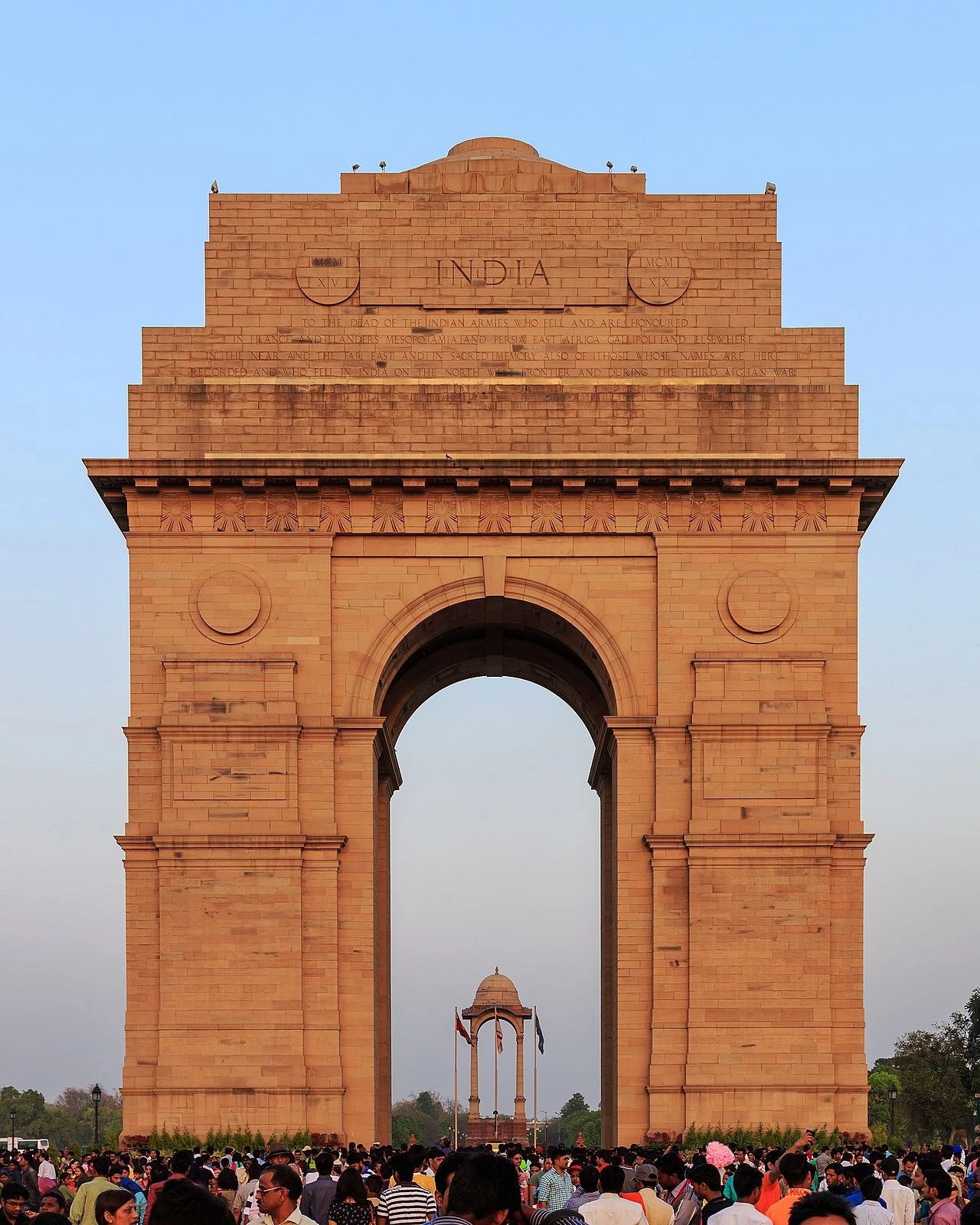
New Delhi · 2 km
India Gate
Content & sources
Photo: A.Savin · FAL

Delhi · 3 km
Purana Qila
Content & sources
Photo: A.Savin · FAL
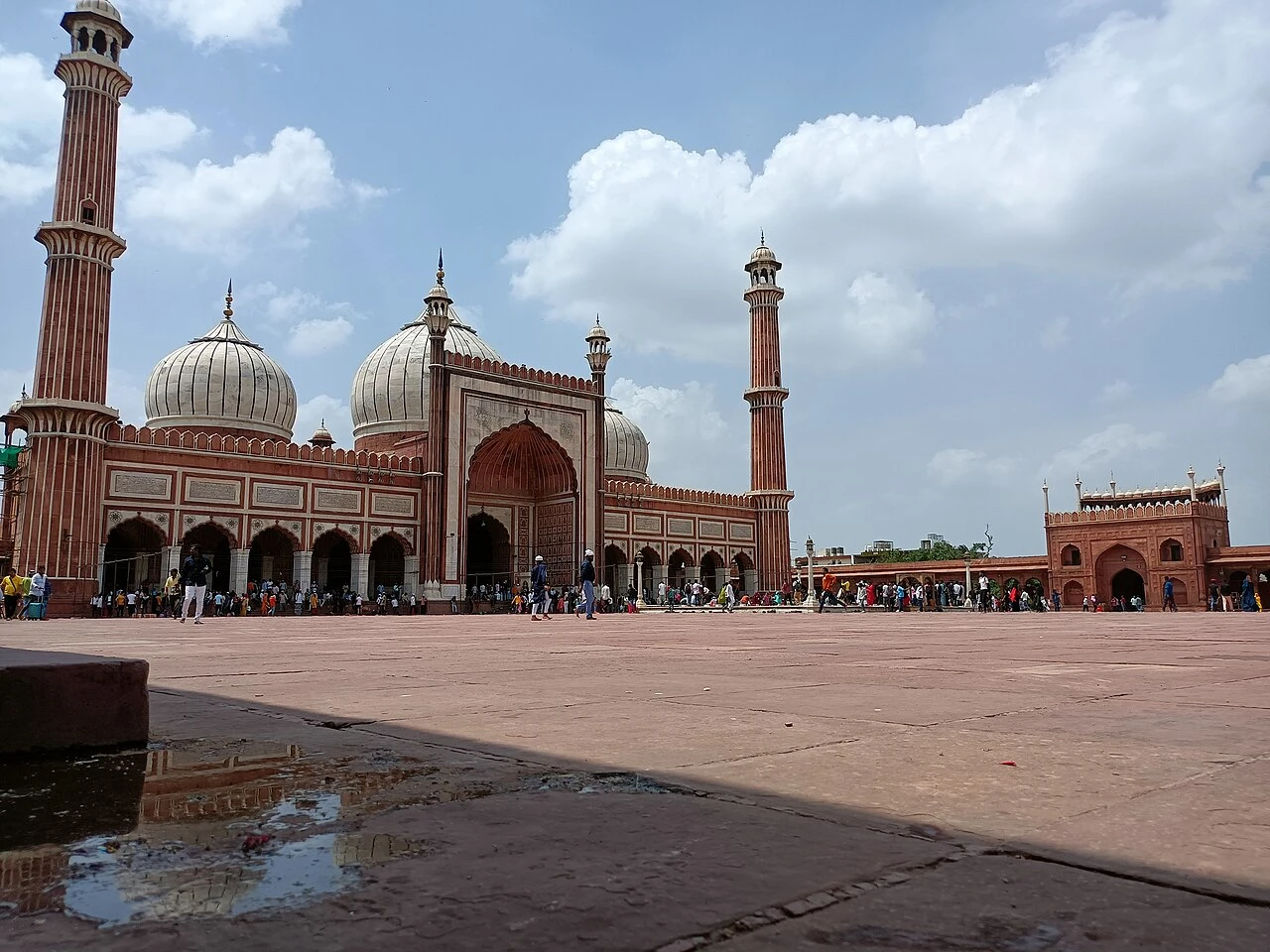
Delhi · 3 km
Jama Masjid
Content & sources
Photo: Photographic view · CC BY-SA 4.0
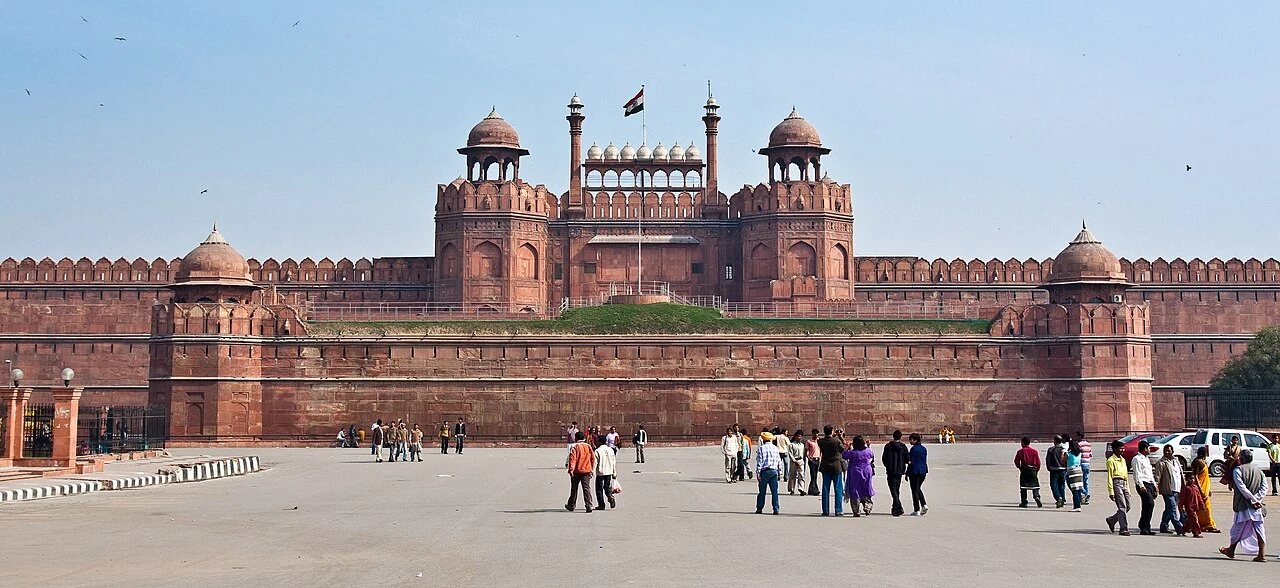
Delhi · 4 km
Red Fort
Content & sources
Photo: PerSona77 · CC BY-SA 3.0