Stanza · Audio guide
City Palace, Udaipur Audio Guide
A place to remember. A story to take with you.
City Palace, Udaipur is a palace complex situated in the city of Udaipur in the Indian state of Rajasthan. It was built over a period of nearly 400 years with contributions from several rulers of the Mewar…
Download Stanza, then search for “City Palace, Udaipur”.
About the tour
One guide. Your kind of visit.
City Palace, Udaipur is a palace complex situated in the city of Udaipur in the Indian state of Rajasthan. It was built over a period of nearly 400 years with contributions from several rulers of the Mewar dynasty.
Ready when you are.
- 01Get the free Stanza app.
iOS & Android
- 02Find your guide.
“City Palace, Udaipur”
- 03Download before you go.
Works offline
Audio guide / 19 narrated stops
Inside the guide
Get to know a few of the stories before you go. Open a stop to read more.
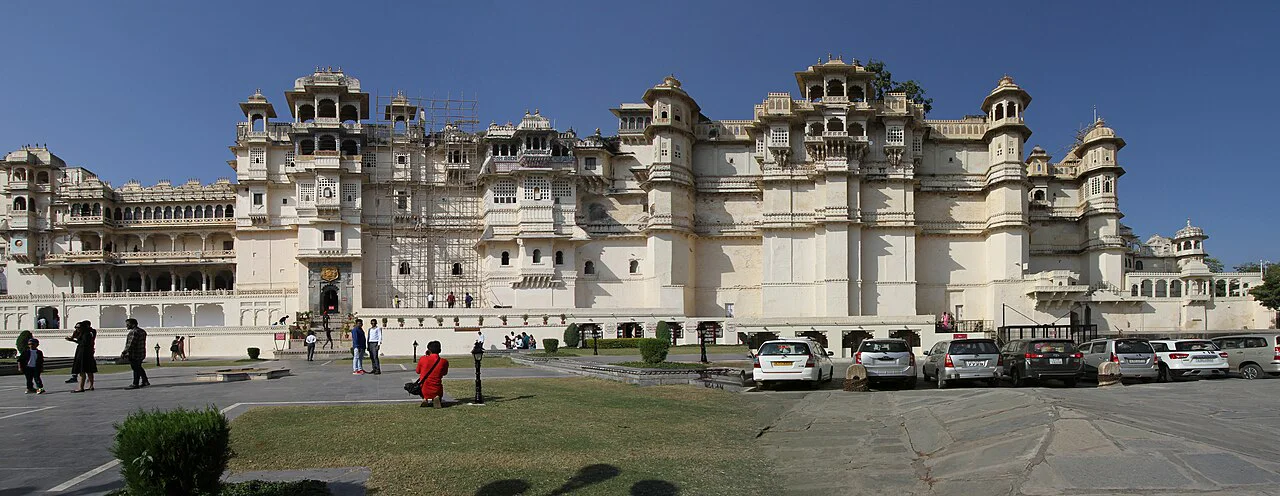
01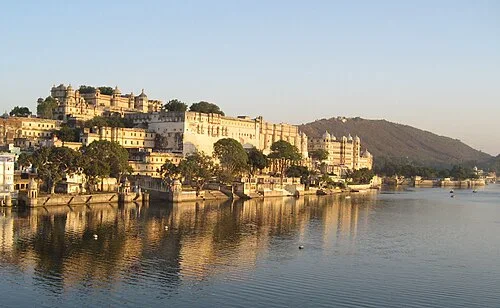 The Fortified Facade and Badi Pol
The Lakeside Fortress Facade
Welcome to the City Palace of Udaipur. This walk leads through its gates, courtyards and painted halls. Seen from across Lake Pichola, it reads as one enormous fortress wall, and that is how it was meant to read. The facade runs some two hundred and forty-four metres along the ridge, rising about thirty metres above the water. Behind that blind, windowless face lie eleven separate palaces, joined into a single complex. Work began in 1553, when Maharana Udai Singh the Second moved his capital here from Chittor. After him, twenty-two generations of Sisodia Maharanas kept building, over roughly four hundred years. It is all granite and marble outside, with mirror-work, murals and coloured glass within. The site itself was the first defence: forests, lakes and the hills of the Aravalli range ring it on every side. Of all the palace complexes in Rajasthan, this one is considered the largest.
tommy · CC BY-SA 2.0
02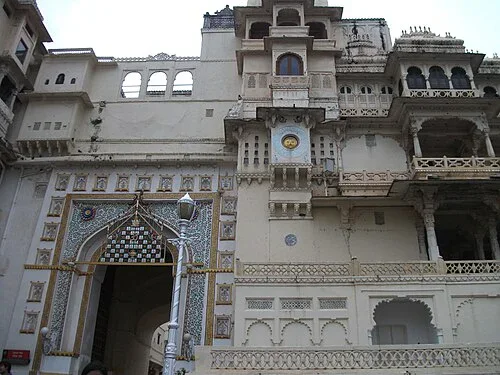 The Fortified Facade and Badi Pol
The Great Gate (Badi Pol)
Every visitor once entered the palace through this gate, the Badi Pol, the Great Gate. It was built in 1600 and opens into the first courtyard of the complex. Royal processions came this way from the city, and the route today follows the same line. Beyond it stands the Tripolia, a triple-arched gate raised in 1725. The lane between the two gates is lined with shops and kiosks, owned by craftsmen, book-binders, miniature painters and textile dealers. The gate is richly decorated, with painted panels, arched balconies and a tiled medallion set above the arch. Further along the route, at the Tripolia, there is a royal ritual worth hearing about.
Photo: Prajuvn · CC BY-SA 4.0
03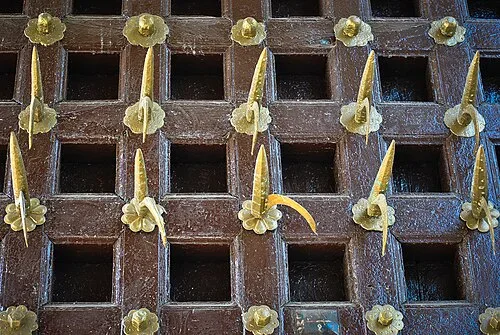 The Fortified Facade and Badi Pol
Iron Spikes Against War Elephants
Iron spikes stud this great timber door in neat rows, each one set on a rosette of metal. They are the sharpest hint of how seriously the builders of this palace thought about attack. The whole palace sits on a ridge high above the lake, so approaches were steep and exposed. Inside, the layout was designed to confuse invaders. Corridors zigzag between enclosed quadrangles, so that no charging cavalry could gather speed and no large force could mass unseen. A gate studded with iron points like these could not be easily forced or battered down. The decoration is courtly, but the engineering beneath it is pure fortress.
Listen in the appPhoto: Sujay25 · CC BY-SA 3.0
04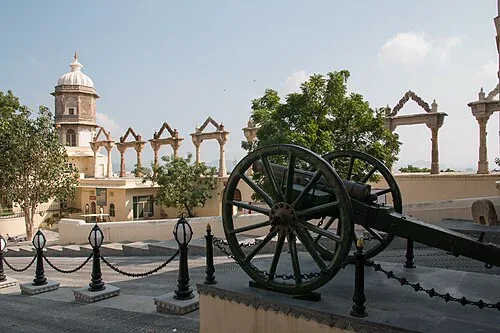 Tripolia Gate and Manak Chowk
Tripolia Gate and the Toran Arches
The triple-arched Tripolia Gate gives the northern entry to the palace, and its arches frame a very particular ceremony. Between this gate and the Great Gate stand eight marble arches, called Toranas. Here, so it is said, the Maharanas were publicly weighed. The scales were balanced with gold and silver, and the metal was then distributed among the people of the city. The ritual, known as Tuladan, turned the ruler's own body weight into charity. A gun stands nearby, one of the pieces of historic ordnance kept on display at the gate, a quiet reminder that this ceremonial approach was also a military one.
Listen in the appPhoto: Daniel VILLAFRUELA · CC BY-SA 3.0
05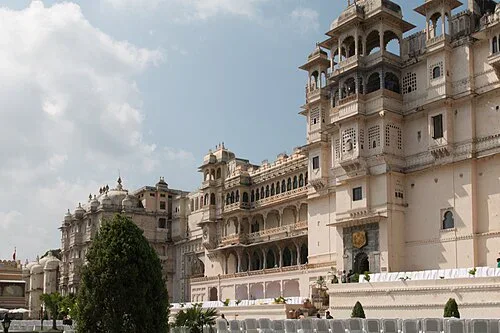 Tripolia Gate and Manak Chowk
Manak Chowk: The Elephant Arena
Past the Tripolia Gate opens the Manak Chowk, the great public courtyard of the palace. This was the arena where elephant fights were staged. Before a war campaign began, the Maharanas tested the prowess of their war elephants here, in front of the court. Behind the entrance of the Badi Pol there still stands a high wall built for these contests, which the elephants would pull and push each other against. The spectacle was a public measure of the army's strength before it marched. The courtyard has kept its ceremonial role into the present. Every year the Maharana Mewar Foundation Awards are presented here, honouring students and public figures from India and abroad.
Listen in the appPhoto: Daniel VILLAFRUELA · CC BY-SA 3.0
06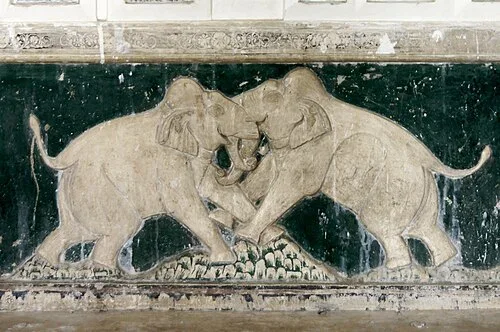 Tripolia Gate and Manak Chowk
Elephants in Courtly Art
Two elephants clash head to head in this carved relief, trunks entwined, feet planted against each other. The pose is unmistakably the duel of the Manak Chowk arena, the contest heard about in the courtyard earlier. Rajput craftsmen returned to the elephant again and again in their work. It stood for royal power and for war preparedness, the two qualities a Maharana most wanted on display. Fighting elephants appear not only in stone but in the palace's painted rooms as well. Here the spectacle of the arena has been made permanent, set into the very fabric of the court that watched it.
Listen in the appJakub Hałun · CC BY-SA 4.0
07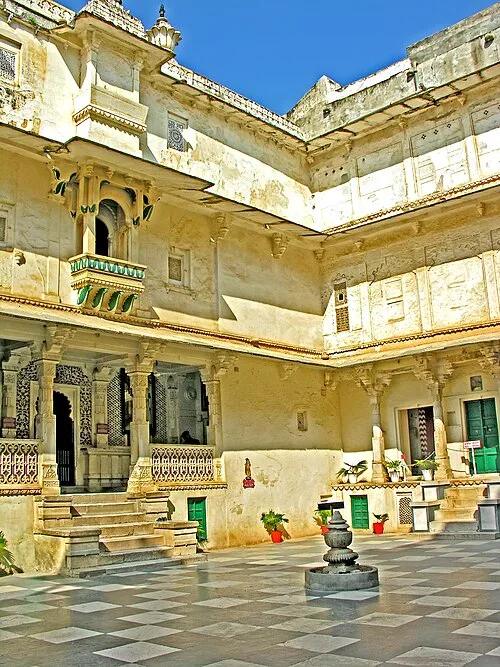 Rai Angan and the Sun Emblem
Rai Angan: Where Udaipur Began
The tradition of Udaipur's founding begins with a hunting trip. Maharana Udai Singh the Second, so the story goes, met a meditating hermit on this ridge during one of his expeditions. The sage advised him to build his new capital on this very spot. The Maharana took the advice, and the first royal structure he raised here was a courtyard, the Rai Angan. It stands as the beginning of the whole City Palace complex. The court was built at the place where the hermit had given his counsel, and around it the palace and the city of Udaipur both grew. Every later generation of builders added to what started in this one quiet quadrangle.
Listen in the appDennis G. Jarvis · CC BY-SA 2.0
08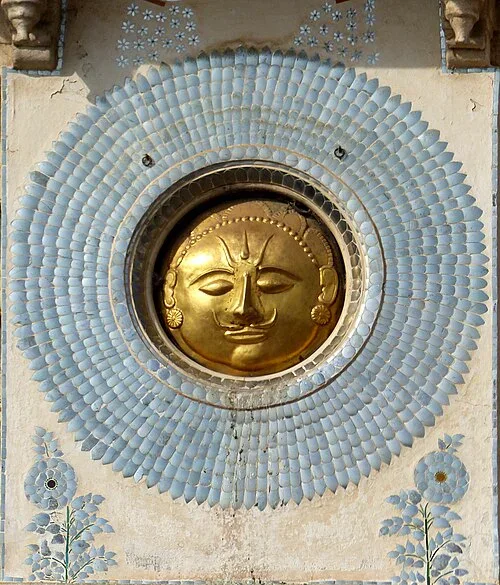 Rai Angan and the Sun Emblem
The Sun Emblem of the Sisodias
A golden face gazes out from the centre of a great radiating halo, ringed with petals of pale blue glass. This is the sun-face emblem, the religious insignia of the Sisodia dynasty. The Maharanas of Mewar traced their line to Surya, the sun god himself, and the emblem appears again and again across the palace. One looks out from the facade of the Manak Chowk, and the largest of all is set in the wall of the Surya Chopar. Every morning, before breakfast, it was customary for the Maharana to offer obeisance to the sun, facing east. The emblem carries a line from the Bhagavad Gita in Sanskrit, which means God helps those who do their duty.
Listen in the appWolfgang Sauber · CC BY-SA 4.0
09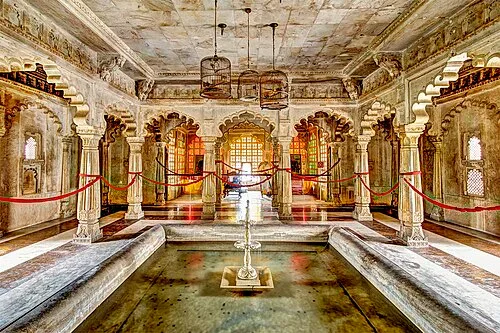 Badi Mahal: The Elevated Garden Palace
Badi Mahal: The Palace on the Rock
Badi Mahal, the Great Palace, is also called the Garden Palace, and it hides a trick of engineering. The whole building rests on a natural rock formation some twenty-seven metres high. Because of that, its ground-floor rooms stand level with the fourth floors of the palaces around it. A visitor stepping inside crosses from one building height to another without noticing a staircase. At the heart of the hall sits a square marble tub, framed by cusped arcades. This pool was used for the celebrations of Holi, the festival of colours, when the court played with water and pigment in this enclosed marble basin.
Listen in the appFiroze Edassery · CC BY-SA 3.0
10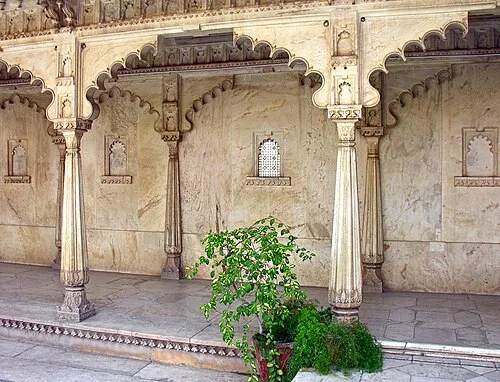 Badi Mahal: The Elevated Garden Palace
The Garden Palace Arcade
Rows of cusped arches carry this arcade, the blend of Rajput and Mughal taste that runs through the whole palace. In the halls around the Badi Mahal, quieter pleasures were kept. Miniature paintings of the eighteenth and nineteenth centuries are displayed here, courtly pictures of processions and festivals. The walls themselves are painted too. One shows Jag Mandir, the island palace in the lake, as it appeared in the eighteenth century. Another shows the Vishnu of the Jagdish temple, and another the very courtyard of this palace, seen by the painters who worked in it. There is even a painting of an elephant fight. The rulers of Mewar liked to commission images of their own world, and here that world still hangs on the walls.
Listen in the appDennis G. Jarvis · CC BY-SA 2.0
- 11
Sheesh Mahal: Chamber of Mirrors
A royal reception chamber where every wall of cut glass turns one small flame into a room full of light.
- 12
The Glass Chamber
Coloured glass pictures set into mirrored walls, in a palace quarter of delight chambers.
- 13
Mor Chowk: The Peacock Courtyard
Three glass peacocks, one for each season, built from thousands of hand-fitted pieces more than three centuries after the palace began.
- 14
A Peacock in Close-up
A close look at one glass peacock, where every feather of the fanned tail is a separate piece of glass.
- 15
Zenana Mahal: The Women's Quarters
The secluded apartments of the royal women, and the 1974 decision that turned them into a museum.
- 16
The Royal Swing (Jhula)
A swing hung on carved chains, a piece of everyday leisure from the palace's private apartments.
- 17
Durbar Hall and the Crystal Treasure
The state banqueting hall of 1909, with its ladies' gallery, great chandeliers, and a cargo of crystal left unopened for a century.
- 18
Shiv Niwas and the Palace After the Kingdom
What became of a royal palace when the kingdom ended: hotels, trusts, and a family that stayed on.
- 19
The View the Palace Was Built For
The lake, the city and the hills, framed by the arch the palace was built to command.
City Palace, Udaipur
Frequently asked questions
How much does the guide cost?
Free app download. Listed guide price: $0.99. Guide price shown in the app. Audio guide only. Venue admission is separate.
Can I listen without internet?
Yes. Download the guide’s audio, images, and maps in the app before your visit. Your downloaded content is then available offline.
Can I listen in my language?
This audio guide is available in 15 languages, including English.
Do I need to follow a schedule?
No. This is a self-guided experience. Choose your stops, pause whenever you like, and return to a story at your own pace.
At your own pace
Explore City Palace, Udaipur.
Download Stanza, then search for “City Palace, Udaipur”.
Free app download · Guide price shown in the app
Keep exploring
Audio guides — India
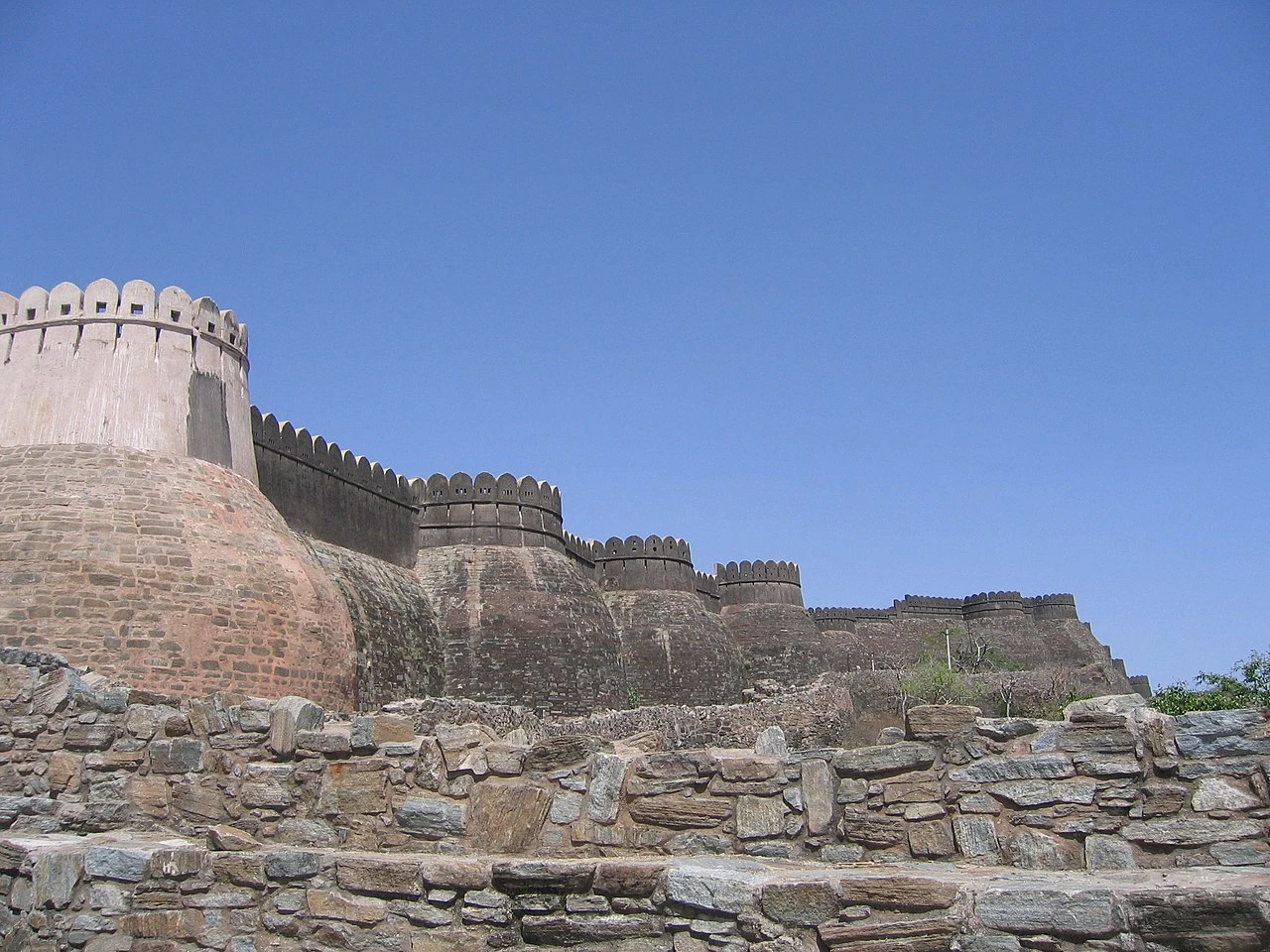
Quila Kumbhalgarh · 65 km
Kumbhalgarh Fort
Content & sources
Shivam Chaturvedi – Aryarakshak at English Wikipedia · CC BY-SA 3.0
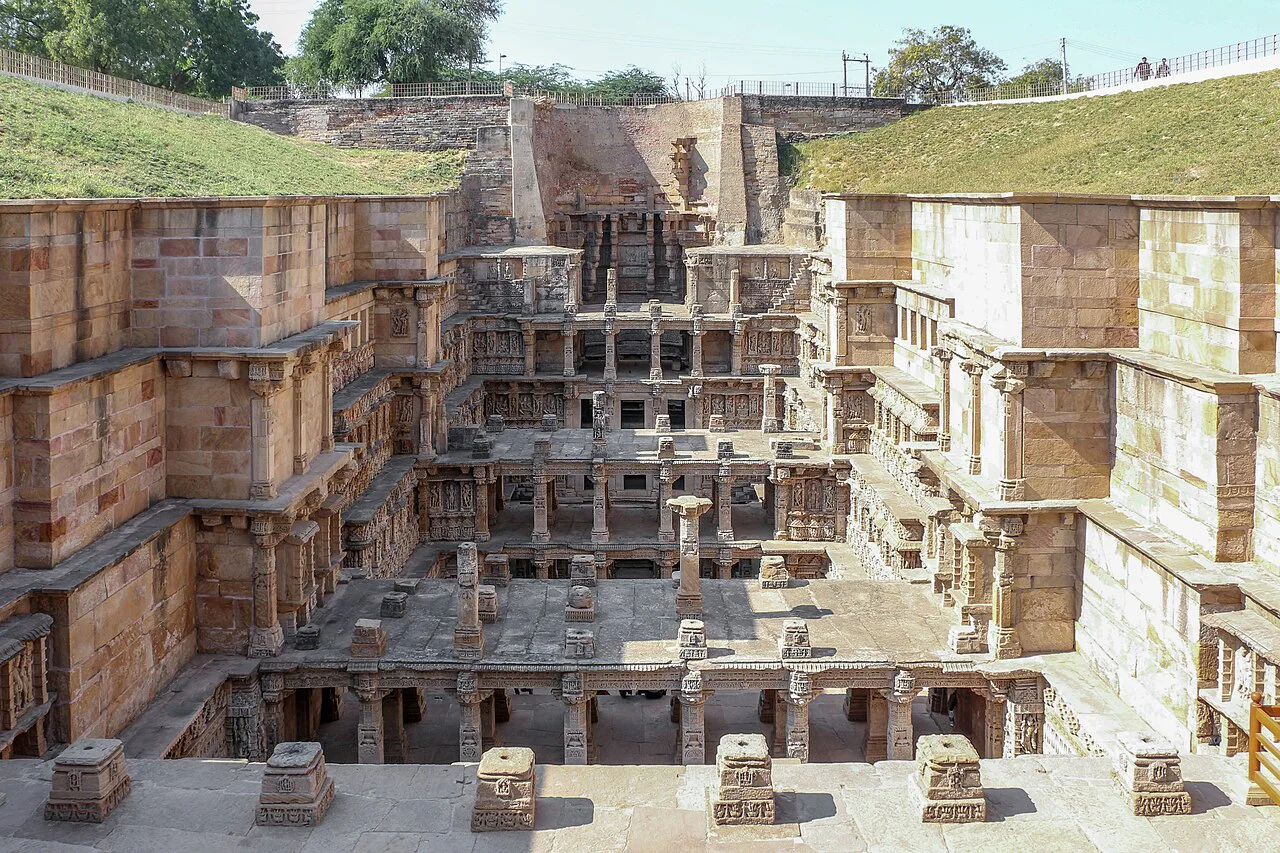
Patan
Rani ki Vav
Content & sources
Bernard Gagnon · CC BY-SA 3.0
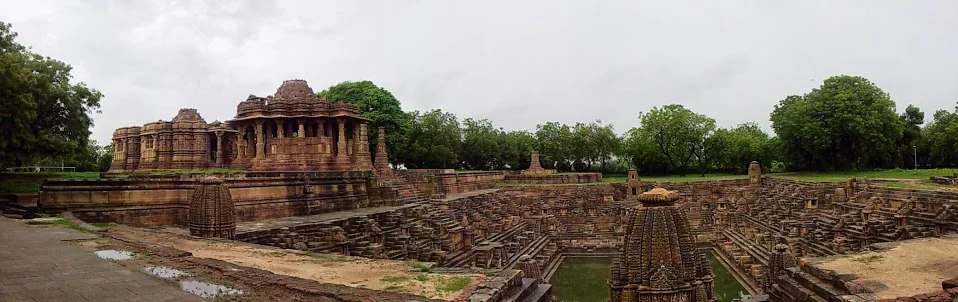
Modhera
Sun Temple, Modhera
Content & sources
Photo: Aakarjinwala · CC BY-SA 3.0
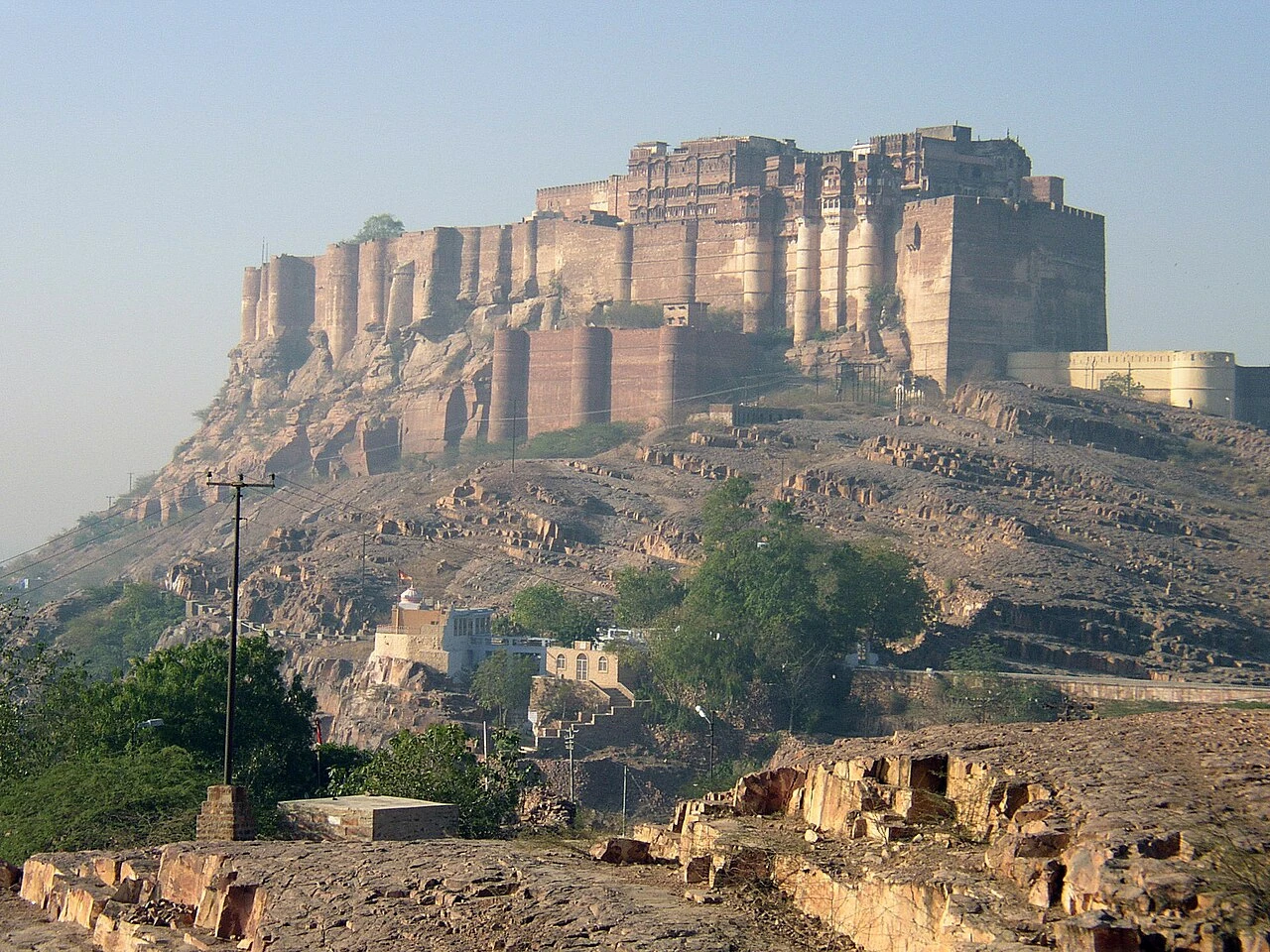
Jodhpur
Mehrangarh Fort
Content & sources
Photo: Knowledge Seeker · Public domain