Stanza · Audio guide
Mehrangarh FortAudio guide
A place to remember. A story to take with you.
Mehrangarh Fort is a massive historic fort located in Jodhpur, Rajasthan, India. Perched on a hilltop, it overlooks the city and houses several palaces, courtyards, and a museum.
Download Stanza, then search for “Mehrangarh Fort”.
About the tour
One guide. Your kind of visit.
Mehrangarh Fort is a massive historic fort located in Jodhpur, Rajasthan, India. Perched on a hilltop, it overlooks the city and houses several palaces, courtyards, and a museum.
Ready when you are.
- 01Get the free Stanza app.
iOS & Android
- 02Find your guide.
“Mehrangarh Fort”
- 03Download before you go.
Works offline
Audio guide / 34 narrated stops
Inside the guide
Get to know a few of the stories before you go. Open a stop to read more.
01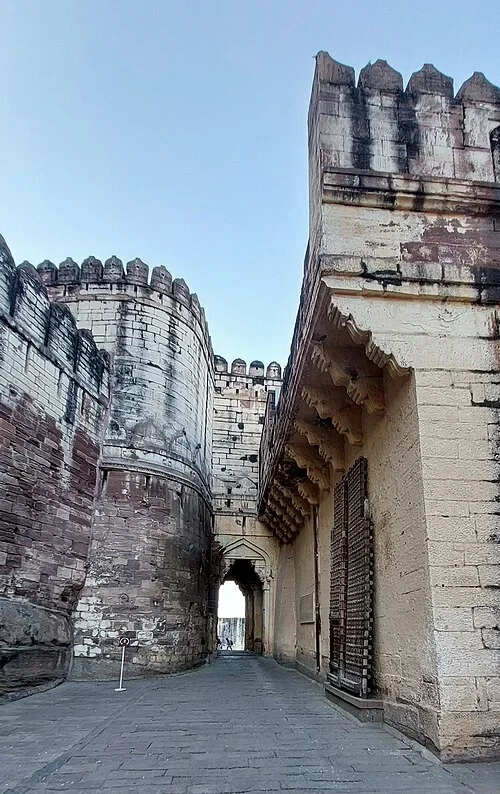 Jai Pol: The Victory GateThe Citadel Walls
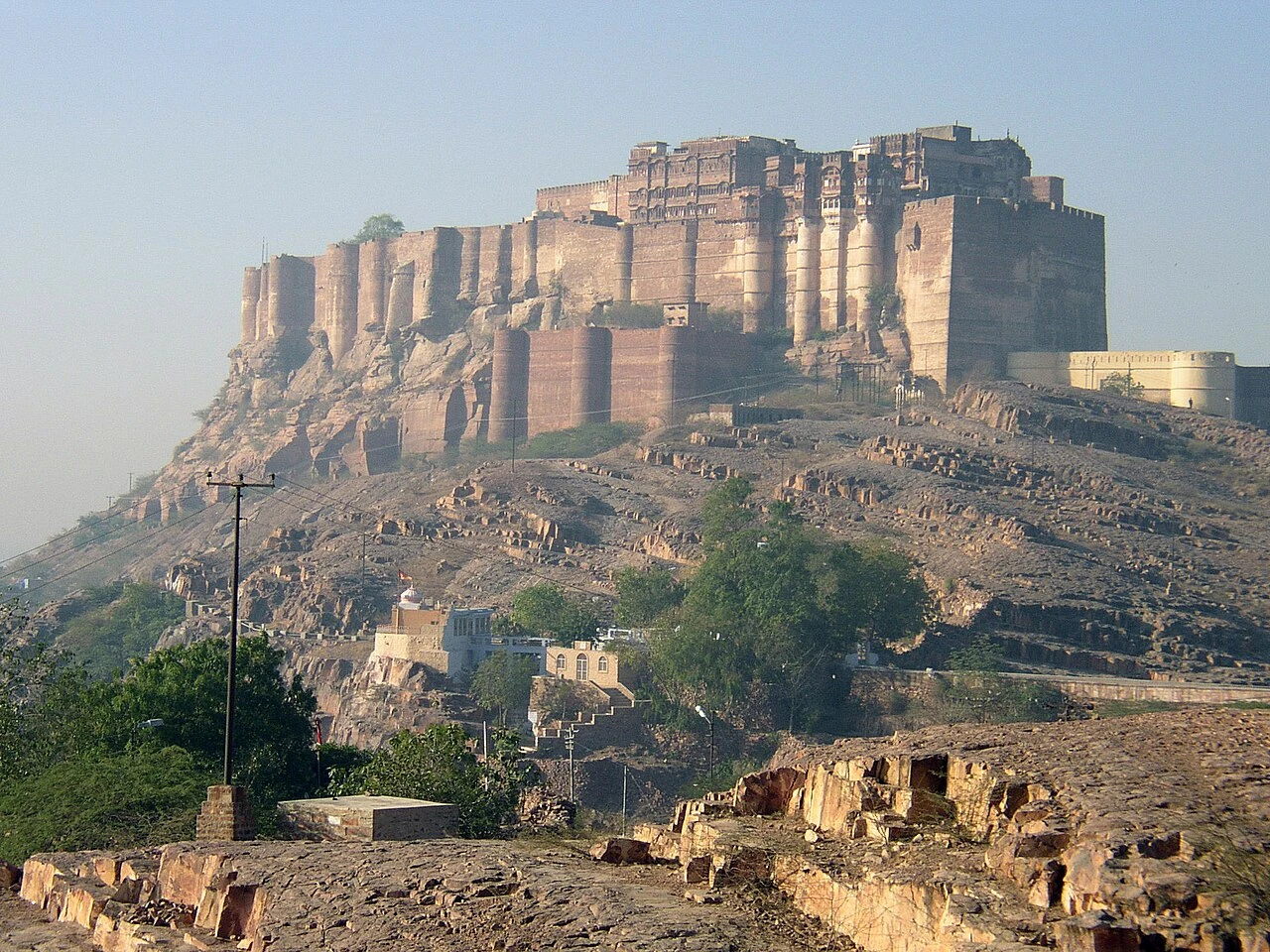
Welcome to Mehrangarh Fort. This colossal structure rises 122 meters above the surrounding plains, a height that made it nearly invincible in its day. Maharaja Rao Jodha, the chief of the Rathore clan, laid the foundation for this stronghold on May 12, 1459, when he decided to move his capital from nearby Mandore. The name 'Mehrangarh' translates to 'Sun-Fort,' derived from the Sanskrit word 'Mihir' for sun and 'Garh' for fort. This honors the Rathore dynasty’s claim of direct descent from the Sun God. As you look up, the sheer verticality of the walls is staggering, with some sections reaching up to 36 meters in height. These walls are not just defensive barriers; they were designed to integrate with the rugged volcanic rock of the hill itself, making the fort appear as a natural extension of the landscape. Over the centuries, successive rulers added their own layers to this architectural behemoth, but the core foundation remains as a legacy of Rao Jodha’s strategic vision for his people's security within the arid landscape of Rajasthan.
Photo: Pinakpani · CC BY 4.0
02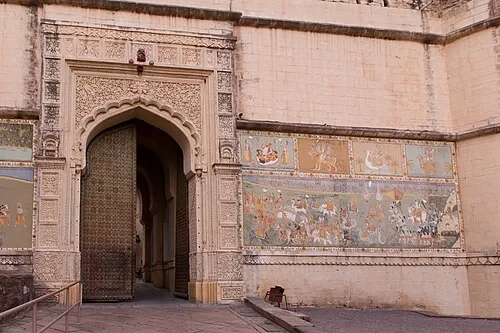 Jai Pol: The Victory GateThe Victory Gate
Standing before the Jai Pol, or 'Victory Gate,' you are at the first of seven defensive gates that guard the path into the fort. Maharaja Man Singh commissioned this structure in 1806 to celebrate his successful defense against the combined forces of Jaipur and Bikaner. The architecture serves as a clear statement of power and resilience. The massive wooden doors are reinforced with iron spikes to deter charging war elephants. Flanking the arched entrance are colorful folk murals depicting traditional figures and floral motifs, adding a celebratory aesthetic to the functional defense. Each gate in this series was designed to be increasingly difficult to breach, forcing any attacker through a gauntlet of fire and arrows. This particular gate marks a turning point in the fort's 19th-century history, transitioning from a purely medieval fortress into a site of grand royal display. The colorful paintings on the walls were periodically refreshed to keep the spirit of victory alive for both the royal household and the local subjects who passed through these portals regularly.
Photo: Daniel VILLAFRUELA · CC BY-SA 3.0
03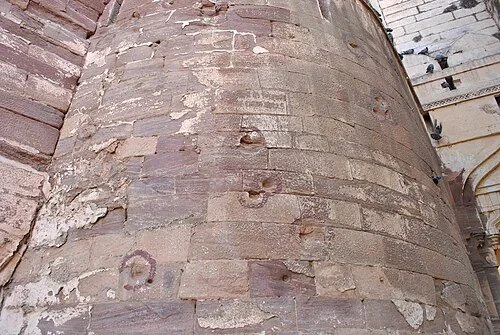 The Ascent and Cannonball ScarsThe Siege Scars
Upon closer inspection of these stone surfaces, you can find distinct, circular indentations. These are actual cannonball scars from the 1808 siege by the Jaipur army. This conflict was part of a long-standing rivalry between the princely states of Rajasthan. Despite being pelted by heavy artillery, the fort remained largely intact. The secret to its survival lies in the incredible thickness of the outer walls, which measure up to 21 meters wide in certain areas. This massive bulk allowed the structure to absorb the kinetic energy of iron cannonballs without crumbling or breaching. The walls are constructed from solid blocks of locally quarried sandstone, precisely fitted to withstand the shock of impact. Seeing these impact marks today brings the reality of early modern warfare into focus. They serve as physical evidence of the strategic importance of this hill and the sheer engineering might required to protect the Rathore capital. While the surrounding city of Jodhpur has changed significantly over the centuries, these scars remain exactly as they were over two hundred years ago.
Listen in the appPhoto: Schwiki · CC BY-SA 3.0
04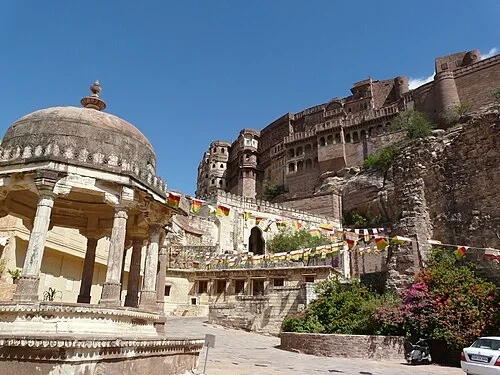 The Ascent and Cannonball ScarsThe Path of Strategy
The path leading into the central area of the fort is deliberately steep and characterized by sharp, winding turns. This was a critical defensive strategy rather than a simple consequence of the terrain. By forcing an ascent through narrow, zig-zagging corridors, the builders ensured that enemy elephants could never gain enough straight-line momentum to ram the heavy wooden gates. Attackers would find themselves slowed down and exposed to defensive fire from the high walls above at every turn. Beyond the tactical layout, this area holds a darker piece of the fort's history. According to long-standing legend, Maharaja Rao Jodha was advised to bury a man alive in the foundation to ensure the fort's prosperity. Raja Ram Meghwal volunteered for this sacrifice, and a plaque nearby marks the spot where he was buried. This story reflects the cultural beliefs regarding the protection of ancestral strongholds. Every twist in the road was calculated to protect the royal family inside, combining physical engineering with spiritual safeguards to create one of the most impregnable sites in India.
Listen in the appVarun Shiv Kapur from New Delhi, India · CC BY 2.0
05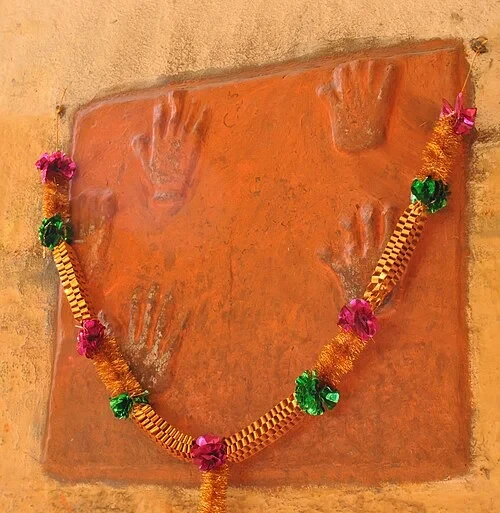 Loha Pol and the Sati HandprintsThe Marks of Sati
Located near the Loha Pol are several small, red handprints pressed into the stone walls. These are known as sati marks, and they carry a deeply somber historical weight. They were left by royal widows as they departed the fort for the final time to commit self-immolation on their husbands' funeral pyres. This ritual was once considered an act of devotion and honor within certain segments of Rajput society. Before leaving, the women would dip their hands in a mixture of red pigment and oil and press them against the stone to leave a permanent record of their presence and their sacrifice. The practice was tied to the Rathore dynasty’s strict code of honor and the tragic realities of medieval warfare, where the death of a king often signaled a catastrophic shift for the entire court. Viewing these marks requires a reflective approach to the difficult aspects of the region's cultural past. They represent lives that ended in a ritualized display of grief and loyalty, frozen in time on the very walls that once offered them sanctuary. The pigment has faded over the generations, yet the outlines of individual fingers remain clearly visible.
Listen in the appPhoto: Schwiki · CC BY-SA 3.0
06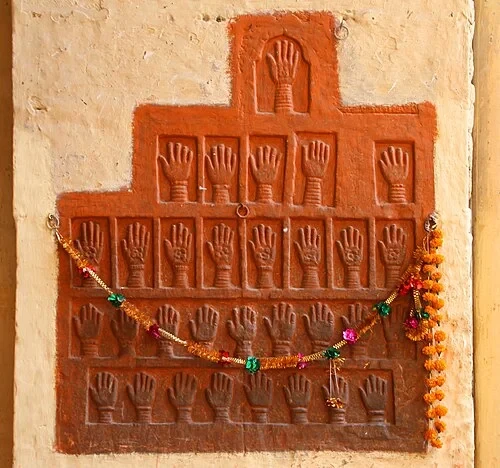 Loha Pol and the Sati HandprintsThe Queen’s Imprints
These specific handprints found at the Loha Pol, or Iron Gate, belong to the fifteen queens of Maharaja Man Singh, who passed away in 1843. Following the death of their husband, these women followed the established custom of the era, leaving these imprints as they exited the fort to join the funeral procession. The number fifteen emphasizes the scale of the royal household and the collective nature of this final rite. Even today, you might see small floral garlands or offerings left by visitors in front of these marks. This demonstrates how the site continues to be viewed through a lens of respect and traditional memory. While the practice of sati is a complex and often troubling chapter of history, for many locals, these handprints symbolize the strength and unwavering resolve expected of the Rathore queens. The Loha Pol itself was the final point of exit from the secure inner palace, making it the most significant location for such a ritual. These imprints provide a tangible link to the individual women who lived within these walls, ensuring their names and status are not forgotten by the generations that followed.
Listen in the appPhoto: Gerd Eichmann · CC BY 4.0
07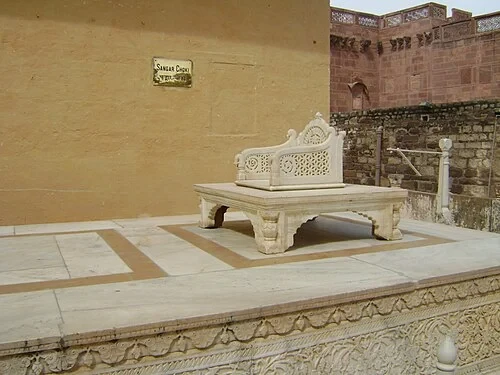 Shringar Chowk: The Coronation CourtThe Coronation Throne
In the center of the courtyard known as Shringar Chowk stands a simple but elegant white marble throne. This is the spiritual and political heart of the fort, as every Rathore ruler since the 15th century has been formally crowned on this very spot. The courtyard’s name, Shringar Chowk, translates to 'The Coronation Court,' reflecting its primary function in the life of the state. Unlike the opulent, indoor throne rooms seen in European palaces, this outdoor setting allowed for a more public ceremony. The surrounding architecture features multi-storied balconies and windows where the royal family and high-ranking officials could gather to witness the investiture. The layout ensured that the new Maharaja was visible to his subjects, reinforcing the bond between the ruler and the people from the very start of his reign. Even after the capital moved to modern Jodhpur, the tradition of returning to this marble seat for the coronation continued, maintaining a direct link to the founder, Rao Jodha. The throne sits on a raised platform, subtly elevated above the paved floor of the courtyard, surrounded by the intricate sandstone facades of the palace buildings.
Listen in the appPhoto: Morakhia · CC BY-SA 4.0
08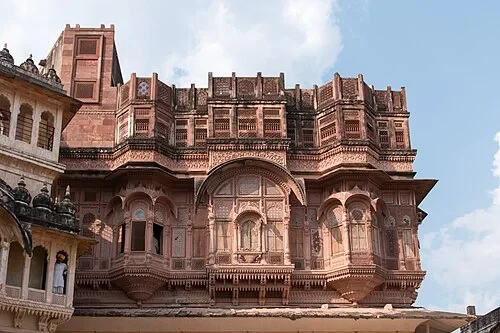 Shringar Chowk: The Coronation CourtThe Palace Facades
The surrounding walls of the palace courtyards are famous for their extraordinary sandstone carvings. The level of detail achieved here is so fine that it often draws comparisons to wood carving or delicate lace. It was this visual splendor that led the author Rudyard Kipling to describe the fort as 'a palace that might have been built by Titans and colored by the morning sun.' The artisans who worked on these facades were masters of 'jali' work, the art of carving intricate geometric and floral patterns into solid stone slabs. This wasn't merely decorative; the perforated designs allowed for light and air to pass through while maintaining privacy for those inside. The warm, golden hue of the Jodhpur sandstone catches the light in a way that emphasizes the depth and complexity of the relief. The patterns repeat and interlock across the balconies and window frames, creating a sense of unified rhythm across the massive structures. It is evidence of the immense wealth and artistic patronage of the Marwar rulers, who transformed a rugged mountain stronghold into a masterpiece of royal architecture that has survived for over five hundred years.
Listen in the appPhoto: Daniel VILLAFRUELA · CC BY-SA 3.0
09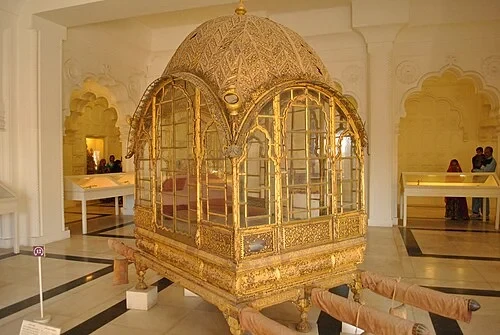 The Palki Khana: Royal PalanquinsGrand Palanquin
This is the Mahadol palanquin, one of the museum's most prized and historically significant artifacts. It was not originally commissioned by the Rathore rulers but was instead captured in 1730 during a military campaign against the Governor of Gujarat, Mubariz-ul-Mulk. Taking such a luxurious item from a defeated enemy was a major statement of dominance and victory. The carriage is heavily decorated with gold leaf, glass work, and colorful enamel, reflecting the extreme wealth that defined high-ranking officials and royalty in the 18th century. It was designed to be carried by several attendants using the long poles that extend from its base. The interior provides a glimpse into the comfort expected by its passengers, with fine fabric linings and a sheltered seat. Having this object on display in Mehrangarh serves as a reminder of the shifting power dynamics and the intense rivalries between regional states in historical India. The Mahadol has been carefully preserved within the fort's museum, retaining its brilliant finish and intricate details over nearly three centuries of history.
Listen in the appPhoto: Schwiki · CC BY-SA 3.0
10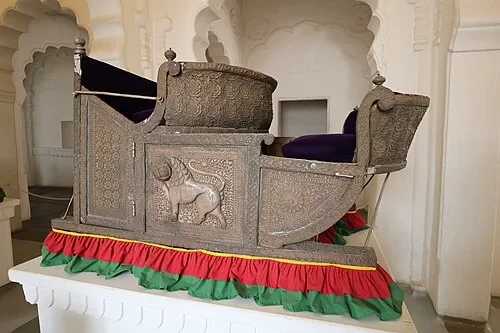 The Palki Khana: Royal PalanquinsThe Lion Howdah
This impressive object is an elephant howdah, a specialized seat designed to be secured onto the back of a royal elephant. This particular example is notable for its heavy silver-embossed relief work. On the side panels, you can clearly see the figure of a lion, a traditional symbol of courage, power, and the martial spirit of the Rajput rulers. The howdah is divided into two distinct sections. The front compartment, which is more spacious and more elaborately decorated, was reserved for the Maharaja. The smaller rear compartment was intended for a trusted attendant or a bodyguard, who would often carry a fly-whisk or specialized weapons to protect the ruler. Traveling by elephant was the ultimate sign of high status in India, and the quality of the howdah signaled the importance of the passenger to everyone they passed. These seats were meticulously engineered to balance on the animal's back while providing a stable platform for the ruler to oversee processions. The combination of intricate floral patterns and fierce animal imagery illustrates the dual nature of the Jodhpur court: its appreciation for high art and its foundation in military strength.
Listen in the appPhoto: কুমুদ ঘোষ · CC BY-SA 4.0
Mehrangarh Fort
Frequently asked questions
How much does the guide cost?
Free app download. Listed guide price: $1.99. Guide price shown in the app. Audio guide only. Venue admission is separate.
Can I listen without internet?
Yes. Download the guide’s audio, images, and maps in the app before your visit. Your downloaded content is then available offline.
Can I listen in my language?
Stanza supports 15 languages. Check the app for the languages available for this guide.
Do I need to follow a schedule?
No. This is a self-guided experience. Choose your stops, pause whenever you like, and return to a story at your own pace.
At your own pace
Explore Mehrangarh Fort.
Download Stanza, then search for “Mehrangarh Fort”.
Free app download · Guide price shown in the app
Keep exploring
Nearby audio guides
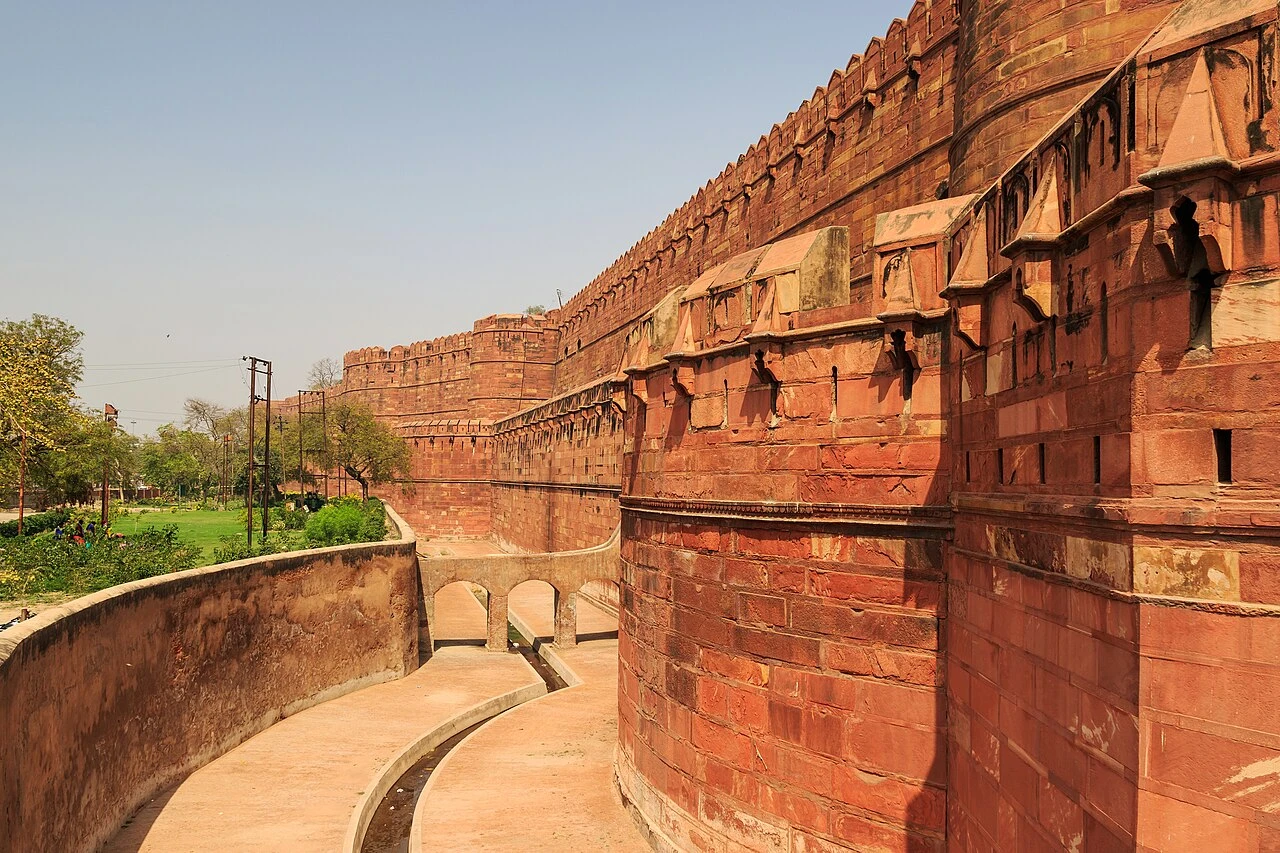
Agra
Agra Fort
Content & sources
Photo: A.Savin · FAL
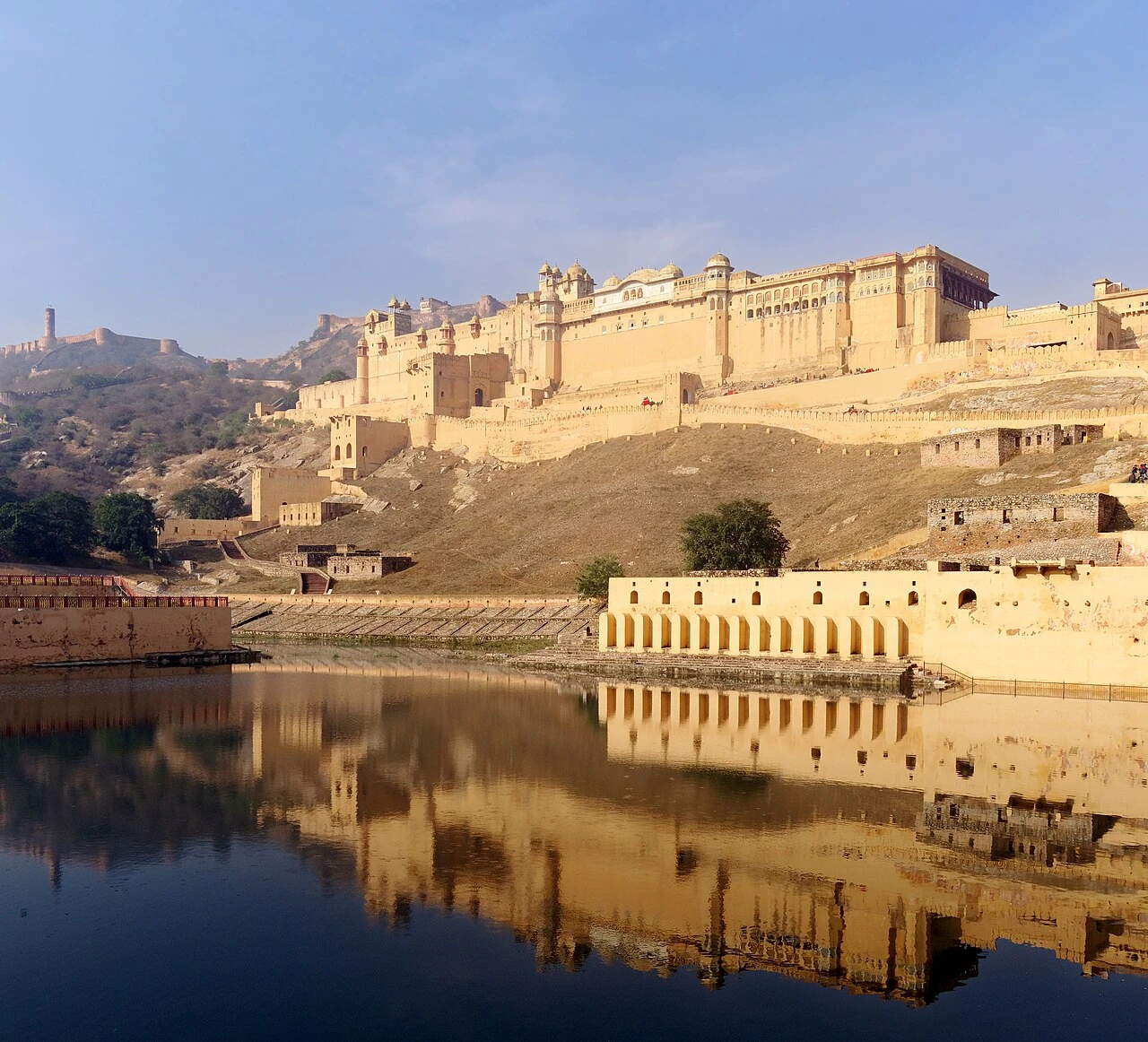
Jaipur Municipal Corporation
Amber Fort
Content & sources
Jakub Hałun · CC BY-SA 4.0
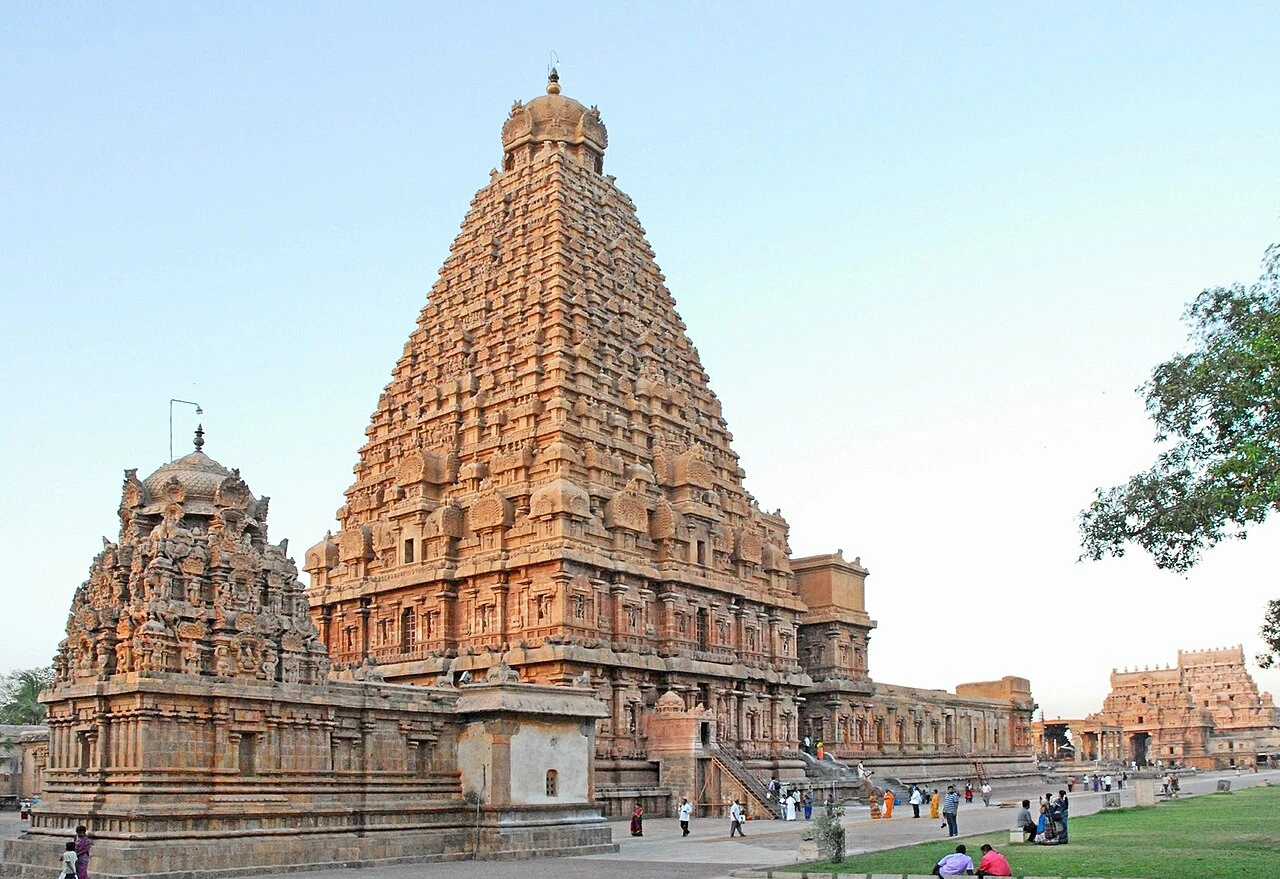
Thanjavur
Brihadisvara Temple
Content & sources
Jean-Pierre Dalbéra from Paris, France · CC BY 2.0
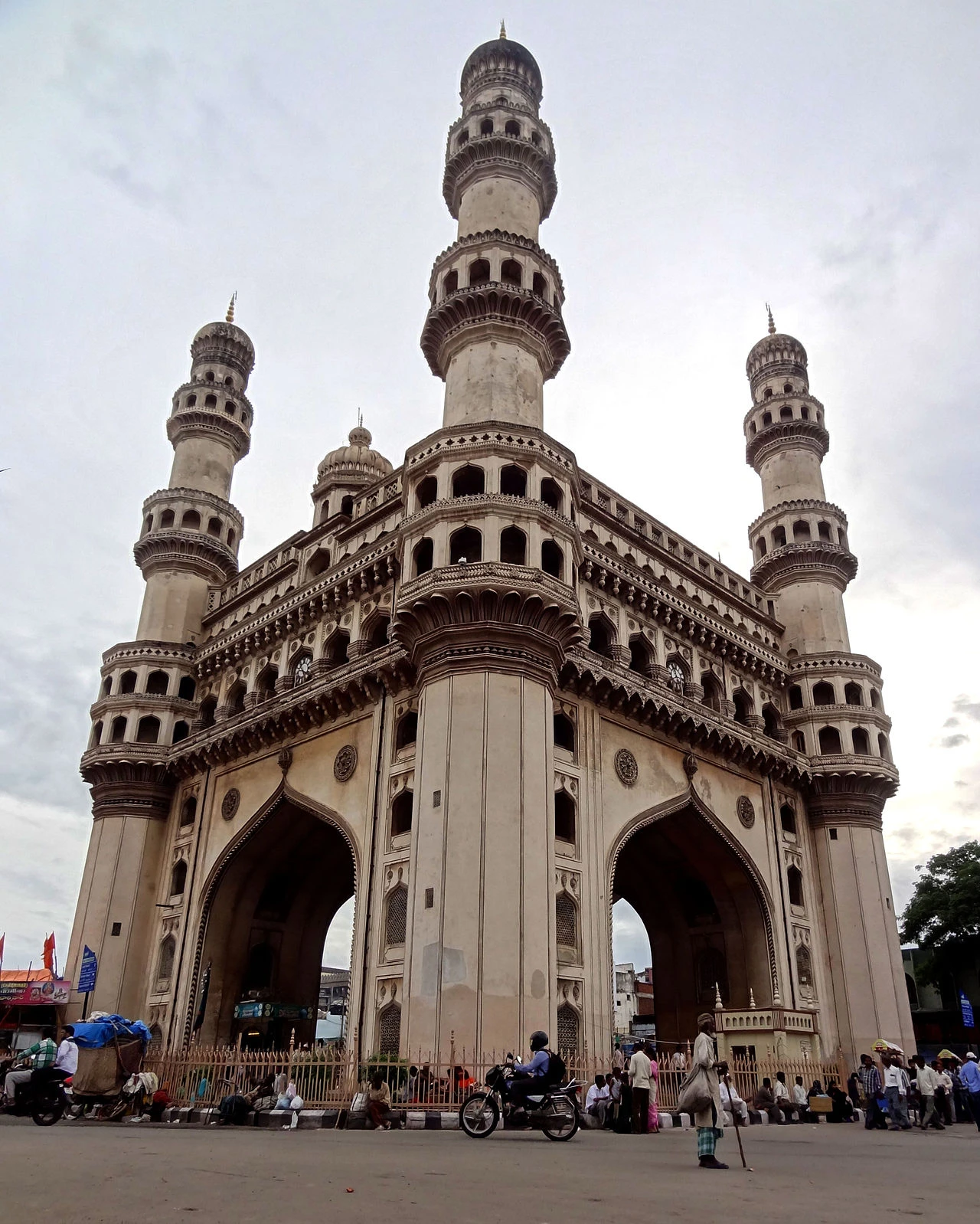
Hyderabad
Charminar
Content & sources
Gopikrishna Narla · CC BY-SA 3.0