Stanza · Audio guide
Alamut Castle Audio Guide
A place to remember. A story to take with you.
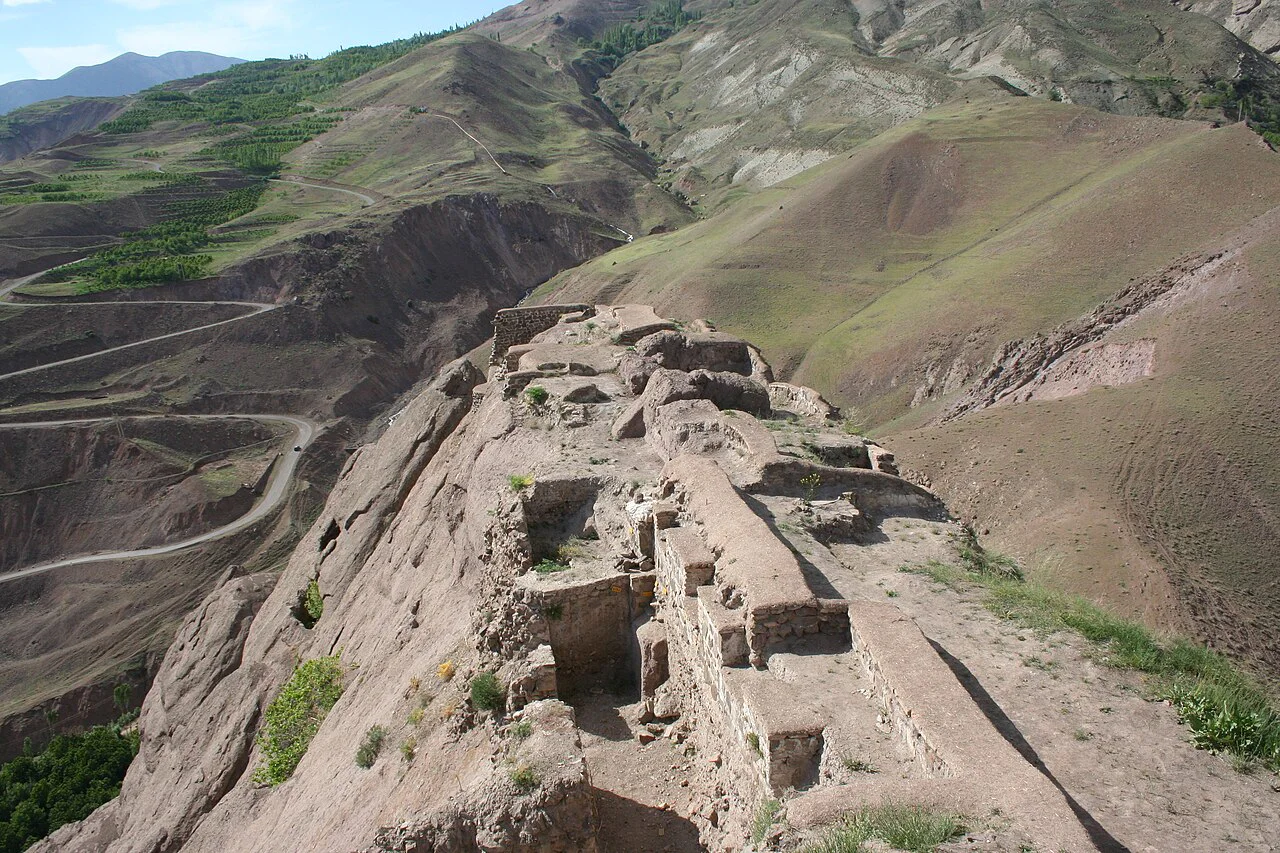
Alamut is a ruined mountain fortress located in the Alamut region of Iran. It is situated near the village of Gazor Khan in Qazvin province, approximately 200 km from Tehran.
Download Stanza, then search for “Alamut Castle”.
About the tour
One guide. Your kind of visit.
Alamut is a ruined mountain fortress located in the Alamut region of Iran. It is situated near the village of Gazor Khan in Qazvin province, approximately 200 km from Tehran.
Ready when you are.
- 01Get the free Stanza app.
iOS & Android
- 02Find your guide.
“Alamut Castle”
- 03Download before you go.
Works offline
Audio guide / 11 narrated stops
Inside the guide
Get to know a few of the stories before you go. Open a stop to read more.
01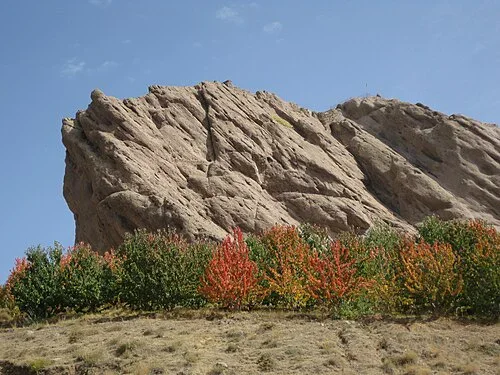 Base Trail near Gazor Khan Village
Alamut: The Eagle's Rock
Welcome to Alamut, a fortress on a sheer rock in the Alamut valley of Qazvin province in Iran. The story begins with an eagle. Around the year 840, a Daylami ruler named Wahsudan ibn Marzuban was out hunting when he saw a soaring eagle settle on this high, unreachable crag. He saw the advantage of the spot at once and chose it for a fortress. The people of the valley already had a name for the place, Aluh amut. What it means is argued over still: some say Eagle's Teaching, others say Nest of Punishment. Long after Wahsudan, this same rock became the headquarters of the Nizari Ismaili state, and in 2026 the castle and its related fortifications joined the UNESCO World Heritage List. The rest of this tour follows that story: a fortress, a state, and a legend.
simonhn (Simon Helle Nielsen) from flickr.com · CC BY 2.0
02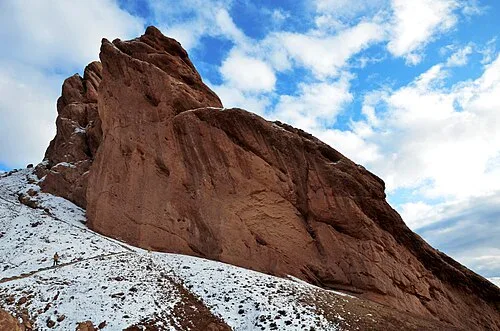 Base Trail near Gazor Khan Village
The Impregnable Rock
The rock does most of the defending here. It rises from a narrow base, somewhere near two hundred meters above the valley floor, too sheer for ladders or siege engines. The valley itself is guarded as well. At its western entrance stands the Shirkuh gorge, walled by cliffs more than three hundred and fifty meters high, where three rivers meet and rage for much of the year. The nearest town, Qazvin, connects to the valley only by a rough mule track. An approaching army raised dust clouds that could be spotted long before it arrived. For all these reasons, people held that the fortress could not be taken by any direct military attack.
Alireza Javaheri · CC BY 3.0
03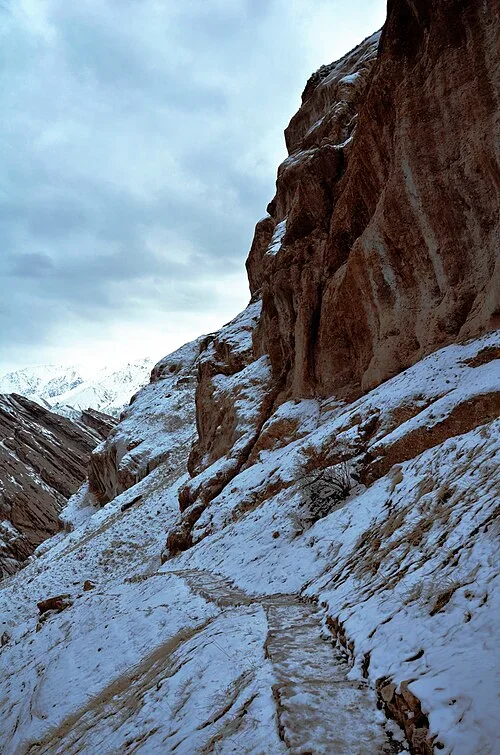 The Steep Stone Stairway
The Climb to the Fortress
Every attacker had to earn the summit the hard way. The path up the northeast ridge is steep and exposed, and anyone climbing it was in plain view the whole way, watched from the walls above. Today a modern stone stairway carries visitors up the same slope. The climb was part of the castle's defense: any force that reached the top would arrive exhausted, in small numbers, and under observation.
Listen in the appAlireza Javaheri · CC BY 3.0
04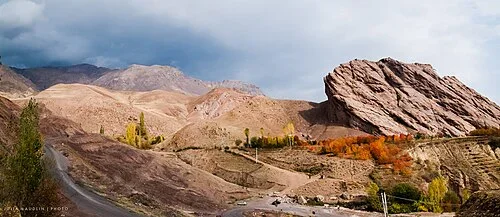 The Steep Stone Stairway
A Fortress Never Taken by Force
By 1090, this crag had a challenger. His name was Hassan-i Sabbah, a missionary of the Nizari Ismaili cause. The Seljuk vizier Nizam al-Mulk had ordered his arrest, so Hassan lived in hiding in Qazvin, about sixty kilometers away. He chose his target well. The valley around the castle was fertile, and its people were mostly fellow Shi'i Muslims, ready to back a revolt against the Seljuks. Resentment ran deep across Iran: the Seljuks had divided the farmland into fiefs and levied heavy taxes, and artisans and the poor felt the squeeze. The castle itself had never been captured by military means. So Hassan did not plan an assault. He planned something far more careful, and how he got inside is the story of the rock-cut entrance, the next stop on this tour.
Listen in the appJulia Maudlin from Lake Oswego, Oregon, USA · CC BY 2.0
05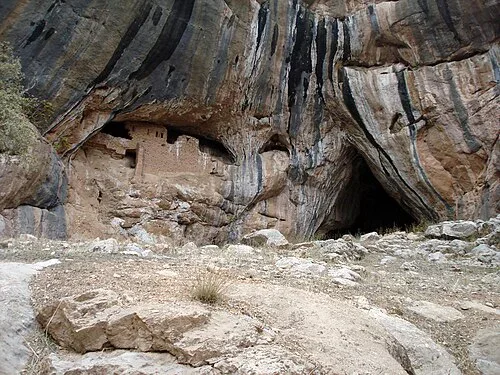 Northeast Rock-Cut Entrance Tunnel
The Rock-Cut Entrance
In the summer of 1090, Hassan set out from Qazvin toward Alamut by a mountain route through Andej. There he stayed, disguised as a schoolteacher under the name Dehkhoda. He waited until his supporters had settled in the village of Gazorkhan below the castle, or taken work inside the fortress itself. Still disguised, he made his way in through the rock-cut entrance and won the trust and friendship of the soldiers. Careful not to attract the attention of the Zaydi lord Mahdi, he quietly drew prominent men of the castle to his mission. When Hassan finally revealed himself and claimed the castle, Mahdi called his guards to seize him. They were prepared to follow Hassan instead. Mahdi realized he had been outmaneuvered, and he was allowed to walk out freely. The story adds that he was given a draft of three thousand gold dinars for the fortress, honored in full by a Seljuq officer serving the Ismaili cause. Not a drop of blood had been shed. From then on, locals called the place Hassan Sabbah's Castle.
Listen in the appPhoto: Omidramezani · CC BY-SA 4.0
06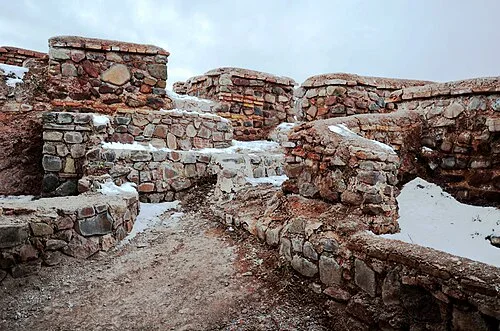 Eastern Lower Castle and Stables
The Lower Castle Walls
The fortress was never a single build. It began under the Justanid rulers, and after Hassan seized it in 1090 the work never really stopped: expansion and re-fortification went on for more than a hundred and fifty years, until 1256. What remains carries the marks of that long afterlife. Excavations in 2004 led by the Iranian archaeologist Hamideh Choubak found evidence of another wave of destruction in the Safavid period, and further signs point to an Afghan attack on the castle as well. The neatly rebuilt sections here are modern conservation work, laid over those layers of ruin.
Listen in the appAlireza Javaheri · CC BY 3.0
07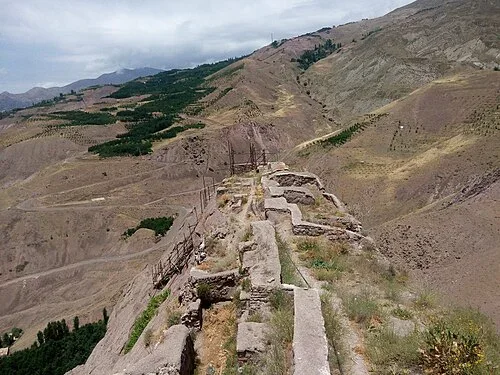 Western Upper Castle (Jorqala)
The Upper Castle: Seat of a State
From 1090 to 1256, this upper ridge was the seat of a state. The Nizari Ismaili state was scattered across Persia and Syria, a chain of strongholds each ringed by hostile territory, and Alamut was its administrative and spiritual headquarters. Hassan-i Sabbah founded an observatory and a mint inside the castle. His treasury, it is said, was hidden beneath a pool on the western slope, and is reportedly still untouched. A vine tree on that same slope is attributed to him. A mausoleum inside the castle held Hassan, his successor Kia Buzurg-Ummid, and Dihdar Ali Ardestani, until it was demolished just before the Mongol takeover. The state's devoted fighters, the fida'is, became famous far beyond Persia. Europe took the word Assassin from them, and their legend is where this tour ends.
Listen in the appPhoto: Yaser atani · CC BY-SA 4.0
08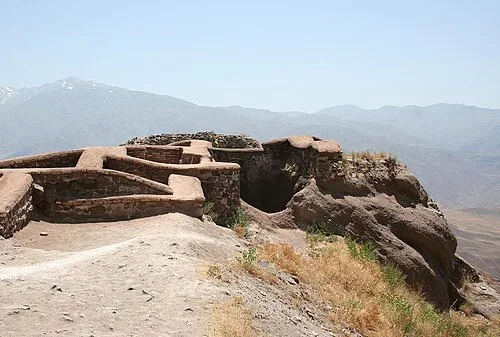 The Lost Intellectual Sanctuary
The Library of Alamut
Here stood a famous library of medieval Persia: the library of Alamut. It was likely built after Hassan's fortification of the castle, and it grew into a place of study with astronomical instruments and a rare collection of works. Scholars and scientists of many religious persuasions came from around the world and stayed for months at a time, hosted by the Ismailis. The library was lost twice over. Early in the leadership of Imam Jalal al-Din Hasan, scholars from Qazvin were invited into the castle to burn any books they judged heretical. Then, in December 1256, the anti-Ismaili historian Juvayni was permitted to pick what he wanted: copies of the Quran, astronomical instruments and treatises, a few Ismaili works. The remainder was set aflame. His own judgment was the only measure of heresy, so some of the richest writing on the Ismaili faith burned with it.
Listen in the apphttp://en.wikipedia.org/wiki/User:Payampak · CC BY-SA 3.0
09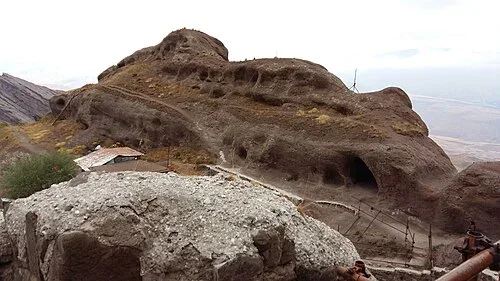 The Rock-Cut Water Cisterns
Water in the Rock
A garrison can outlast an army only if water holds out, and the rock was engineered for that. Ceramic pipes called tanbusheh carried water down from the nearby mountains into the castle. By the same pipeline method, milk was supplied from Gav-Dushan, a place near the higher mountain Kuh-e Shatan. Cut into the rock were storage areas holding reserves against a siege. It is quiet infrastructure, easy to overlook beside the cliffs, but it is what made long resistance possible.
Listen in the appPhoto: S.Mary.Gh · CC BY-SA 4.0
10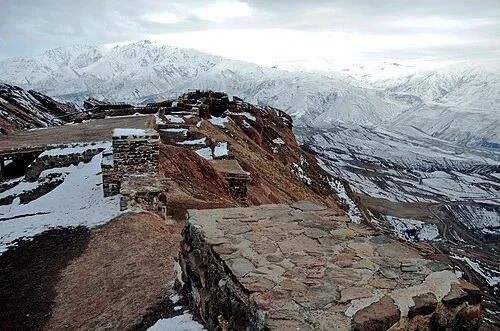 Summit Lookout and the Mongol Fall
The Summit: Surrender to the Mongols
Late in 1256, the Mongol armies of Hulegu Khan closed in. The Imam Rukn al-Din Khurshah, who had succeeded his murdered father the year before, began making gestures of submission. At Hulegu's demand he even started dismantling the towers and battlements here at Alamut, and at Maymundiz and Lamasar. Hulegu read the gestures as delay. His troops encircled Maymundiz, the Imam's residence, in early November, and after days of bombardment Rukn al-Din surrendered in exchange for safe passage for himself and his family. At Alamut itself, the Mongol prince Balaghai called on the commander Muqaddam al-Din to give up the castle. In obedience to the Imam's order that all the fortresses surrender, he and his men came down, and the Mongols entered and began the demolition. The castle was well fortified and might have withstood a long assault, but it was small and easily surrounded, and the Imam's command settled the matter. Nizari forces recaptured the castle in 1275, showing the destruction had not wiped them out. It was seized again in 1282 by Hulegu's eldest son. Afterward it passed through the hands of local powers, and slowly fell to ruin.
Listen in the appAlireza Javaheri · CC BY 3.0
- 11
The Legend of the Assassins
The painted storming, the paradise garden myth, and what scholars actually found.
Alamut Castle
Frequently asked questions
How much does the guide cost?
Free app download. Listed guide price: $1.99. Guide price shown in the app. Audio guide only. Venue admission is separate.
Can I listen without internet?
Yes. Download the guide’s audio, images, and maps in the app before your visit. Your downloaded content is then available offline.
Can I listen in my language?
This audio guide is available in 15 languages, including English.
Do I need to follow a schedule?
No. This is a self-guided experience. Choose your stops, pause whenever you like, and return to a story at your own pace.
At your own pace
Explore Alamut Castle.
Download Stanza, then search for “Alamut Castle”.
Free app download · Guide price shown in the app
Keep exploring
Audio guides — Iran
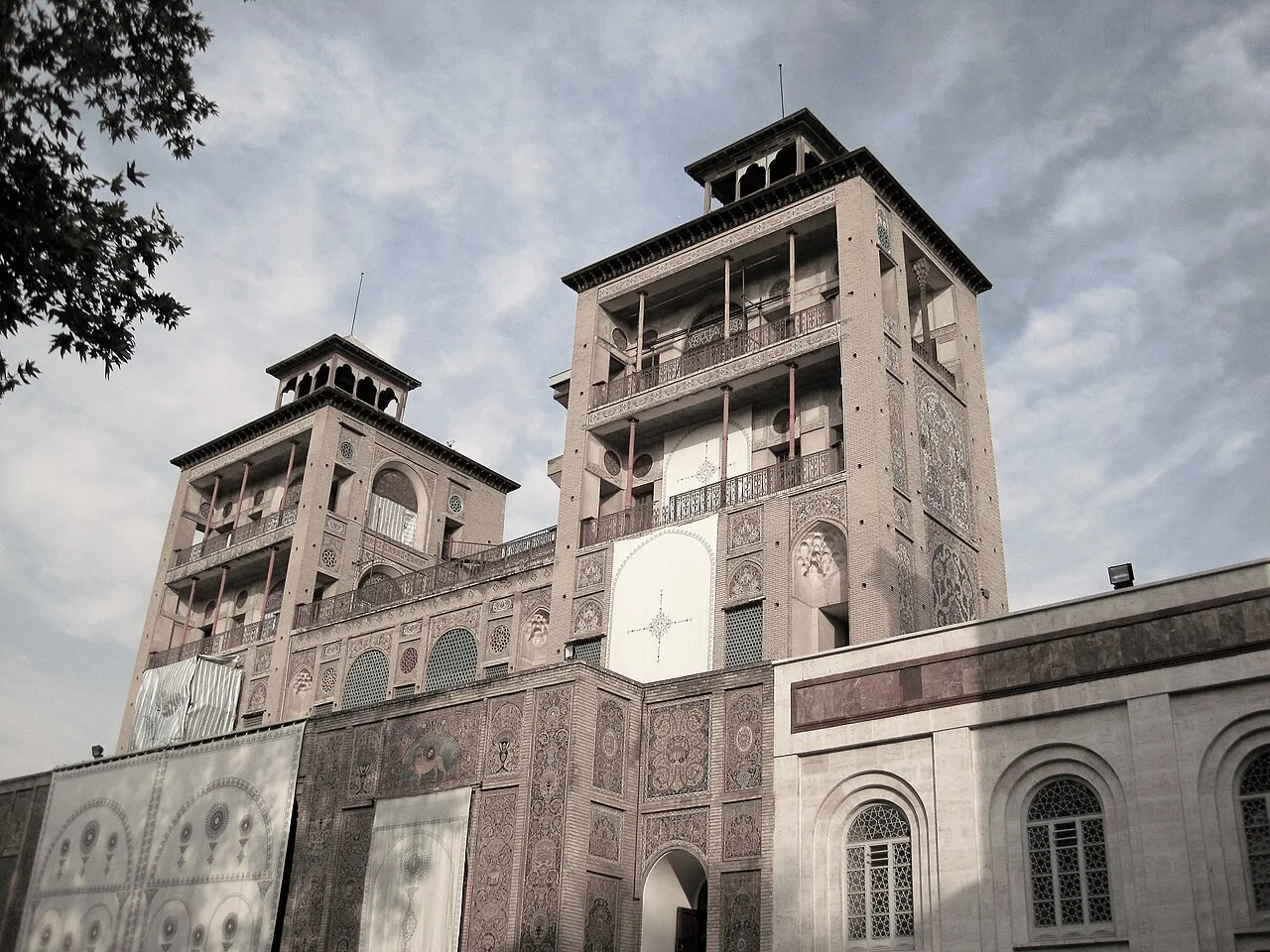
Tehran · 113 km
Golestan Palace
Content & sources
Photo: Miladpoorali · CC BY-SA 4.0
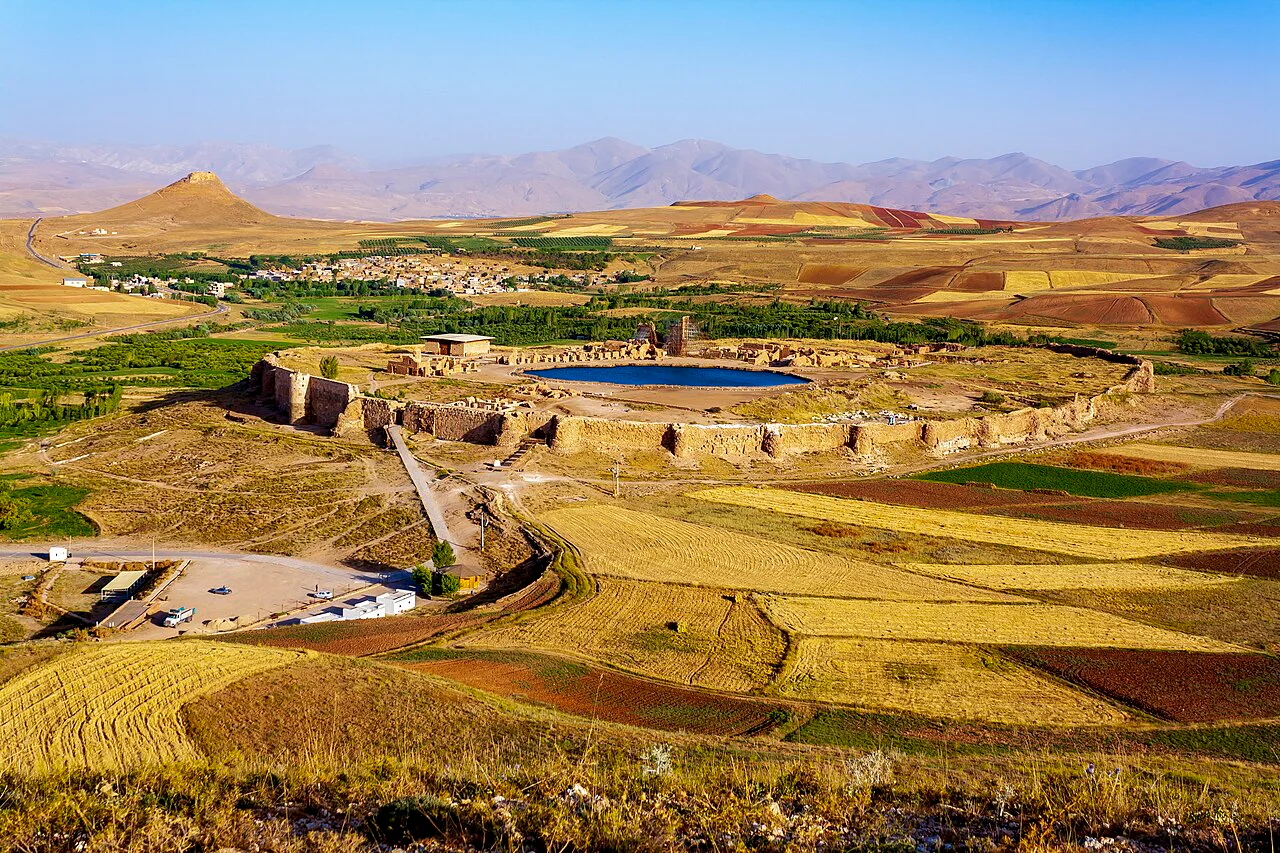
Takab
Takht-e Soleymān
Content & sources
Photo: Elaheabed · CC BY-SA 4.0
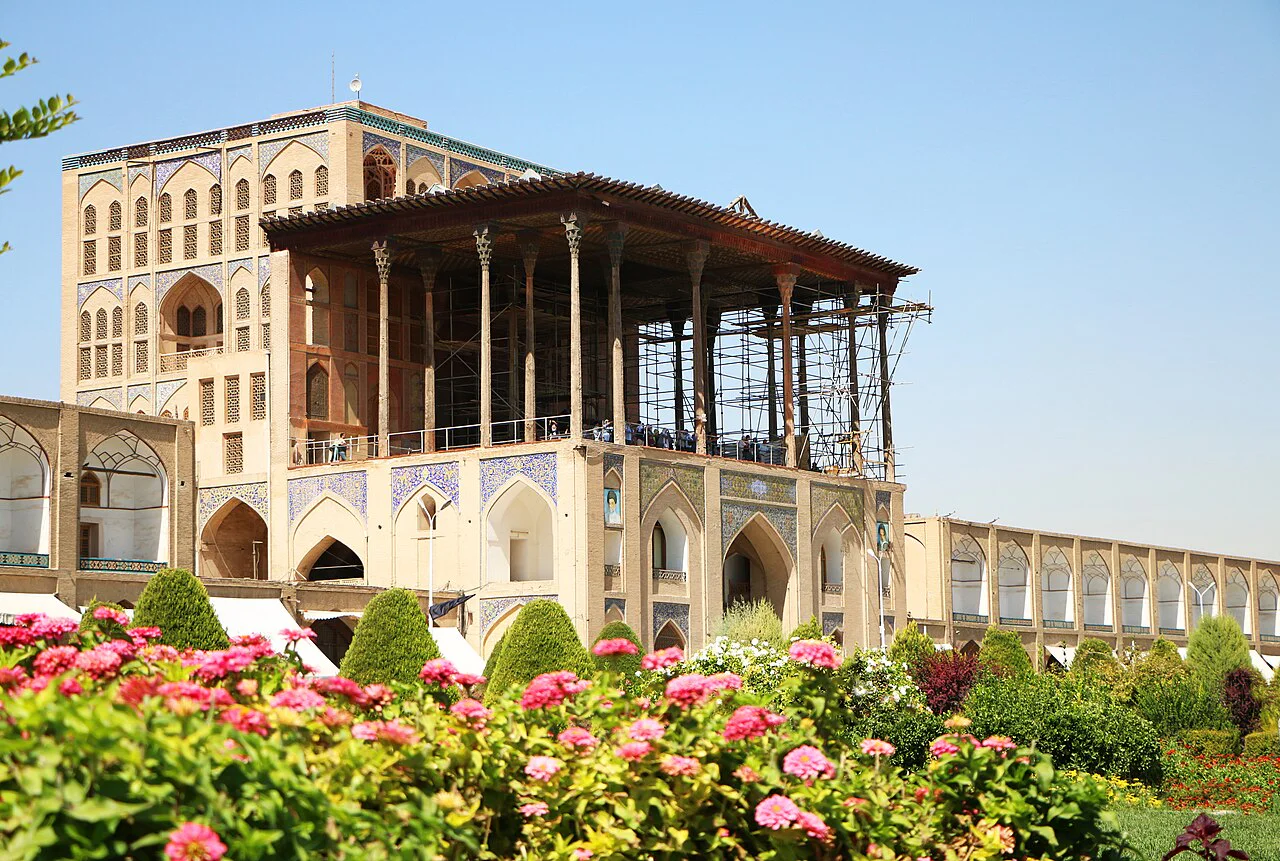
Isfahan
Ali Qapu
Content & sources
Photo: Zahradibaji · CC BY-SA 4.0
Shush
Chogha Zanbil
Content & sources
Photo: Shauni · CC BY-SA 3.0