Stanza · Audio guide
Castillo de Loarre Audio Guide
A place to remember. A story to take with you.
Loarre Castle is a well-preserved Romanesque fortress and former monastery situated on a rocky outcrop in the Huesca province. It is widely considered one of the finest examples of medieval military and…
Download Stanza, then search for “Castillo de Loarre”.
About the tour
One guide. Your kind of visit.
Loarre Castle is a well-preserved Romanesque fortress and former monastery situated on a rocky outcrop in the Huesca province. It is widely considered one of the finest examples of medieval military and religious architecture in Spain.
Ready when you are.
- 01Get the free Stanza app.
iOS & Android
- 02Find your guide.
“Castillo de Loarre”
- 03Download before you go.
Works offline
Audio guide / 14 narrated stops
Inside the guide
Get to know a few of the stories before you go. Open a stop to read more.
01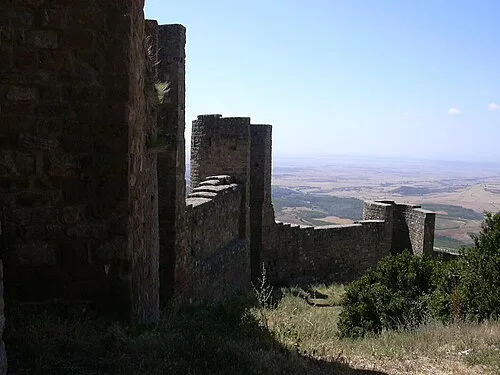 Outer Wall and Albarrana Watchtower
The Outer Curtain Wall
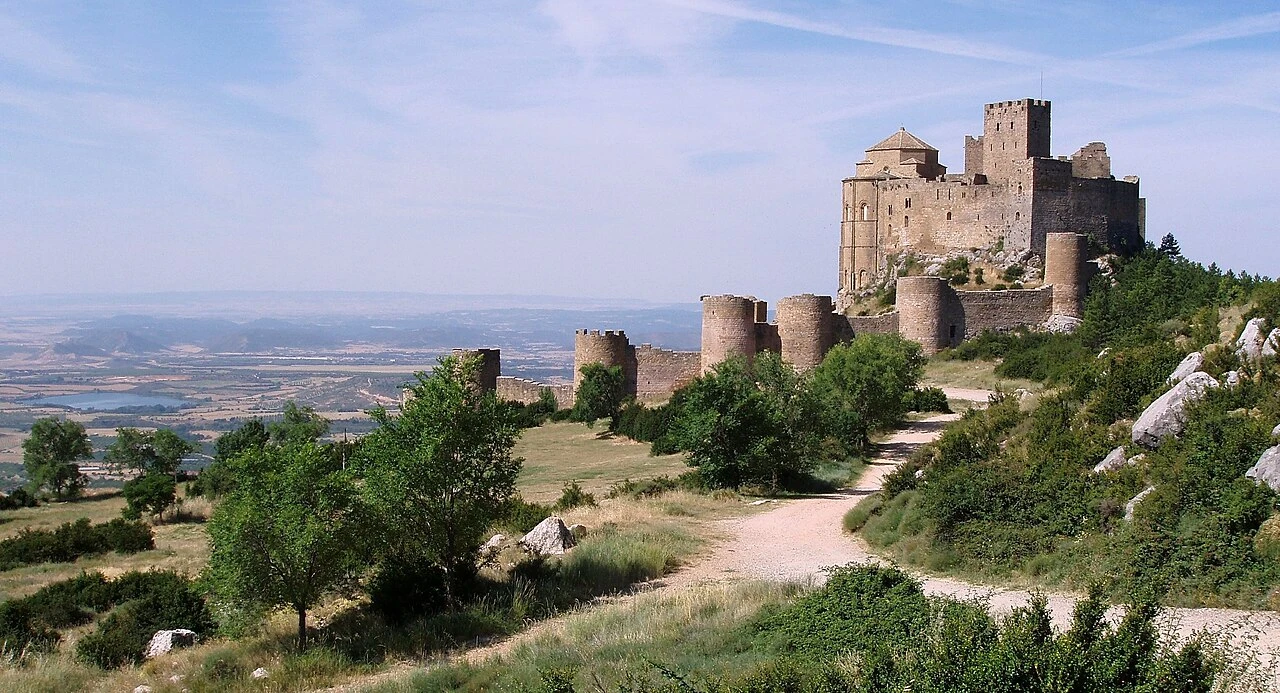
Welcome to Loarre, a fortress and a monastery sharing a single rock, where the Pyrenees tumble down toward the plains of Huesca. It is a Romanesque castle and abbey in Aragon, and one of the oldest castles in Spain. Its eleventh- and thirteenth-century builders chose this spot because it straddled the frontier between Christian and Muslim lands. Later restorations rebuilt many walls and towers, yet much of the original survives. The great wall wrapping the whole complex is the last chapter of the building story. It went up in 1287 under the Crown of Aragon. The enclosure covers about ten thousand square metres. The walls themselves are a metre and a third thick. Semicircular towers of two or three storeys jut from the wall, their arrow slits placed with no symmetry at all. One tower breaks the pattern. On the western side stands a square, three-storey tower, and beneath its round arch lies the gate known as the Gate of the Kings. The main gate faces east, flanked by a pair of the round towers. Today this counts among the best-preserved Romanesque fortresses in Europe, and Spain declared it a national monument in 1906.
Photo: Ecelan · CC BY-SA 3.0
02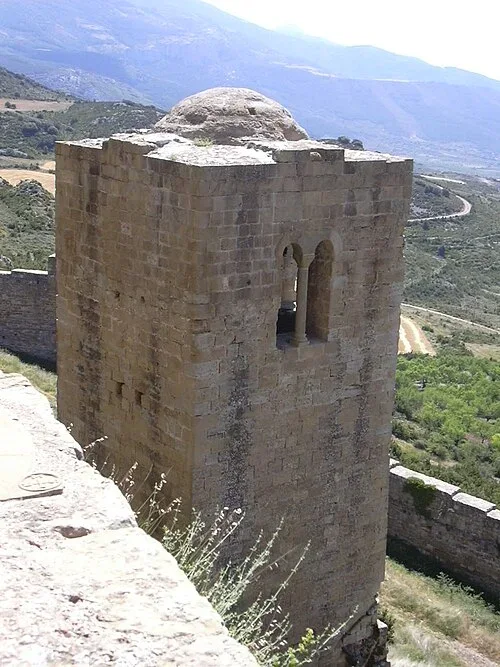 Outer Wall and Albarrana Watchtower
The Albarrana Watchtower
Not every tower here leans on the wall for strength. This one stands clear of it, a detached watchtower of the kind the Spanish call albarrana. The idea is simple and clever. A tower built apart can fall without dragging the fortress down with it. On a contested frontier, that kind of insurance mattered. Attackers who captured an outlying tower still faced the wall behind it, untouched. This one rises free against the mountains, built of neat, pale ashlar blocks. Its roof is a rounded dome of stone. A twin-arched opening lights its upper face. From such a perch, watchmen could scan the approaches long before trouble arrived.
Photo: Ecelan · CC BY-SA 3.0
03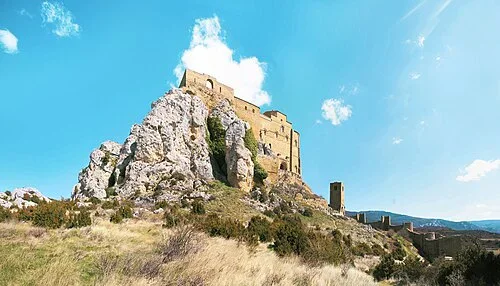 Natural Limestone Bedrock Foundation
The Limestone Crest
The rock came first, and the castle simply grew out of it. Loarre sits on a sheer crest of living limestone, and its builders anchored the fortress directly onto that stone. In medieval warfare, attackers often brought walls down by mining, digging a tunnel beneath them and collapsing the ground. Against this crest the trick was useless. There was no soft earth to undermine, only solid rock. The same broken terrain shaped the plan of the place. A single unified building was impossible here. So Loarre became a collection of separate buildings, towers and chapels, all tied together by curtain walls. The original heart held two towers and a chapel behind several lines of defence.
Listen in the appJuanedc from Zaragoza, España · CC BY 2.0
04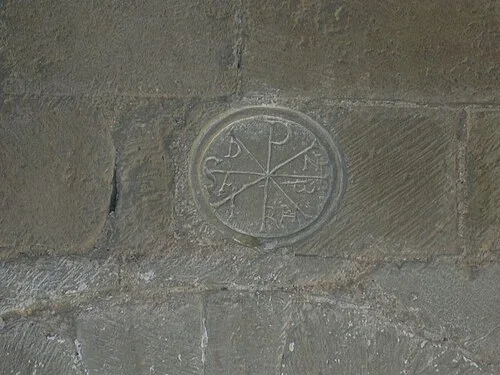 Romanesque Citadel Portal and Barrel-Vaulted Stairway
The Crismón at the Citadel Gate
A carved medallion watches over the entrance to the citadel. It is a Crismón, the monogram of Christ, its letters woven into a single sign. On a frontier between faiths, setting it above the gate was a plain statement of whose ground this was. The portal it belongs to is pure Romanesque, built of three superimposed semicircular arches. The central arch rests on two columns with capitals carved in plant forms. Outside, the stonework carries the jaqués, a checkerboard moulding that runs along the arch like a chess board. Higher up, the tympanum once showed a Pantocrator, Christ in majesty. Only the lower part of the figure survives. A restoration in the nineteen-forties destroyed most of the rest.
Listen in the appPhoto: Ecelan · CC BY-SA 3.0
05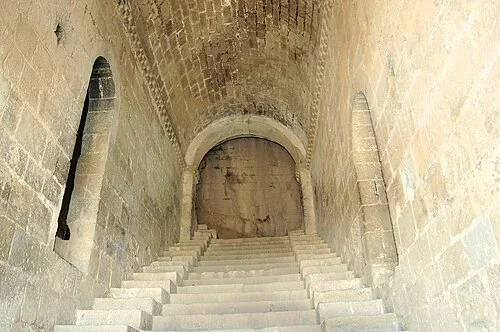 Romanesque Citadel Portal and Barrel-Vaulted Stairway
The Barrel-Vaulted Stairway
Past the gate, the castle stages its first ceremony. A monumental staircase climbs into the dark under a single barrel vault, one continuous curve of stone spanning the whole ascent. Along its edge runs the same jaqués checkerboard that dresses the entrance. Two round arches open off the stair. The one on the left leads to the guardroom, a small rectangular chamber where sentries waited. The arch on the right carries its own Crismón and opens onto the crypt of Santa Quiteria. Even the staircase did double duty, grand enough for ceremony and narrow enough to defend.
Listen in the appPhoto: Taitacimu · CC BY-SA 3.0 es
06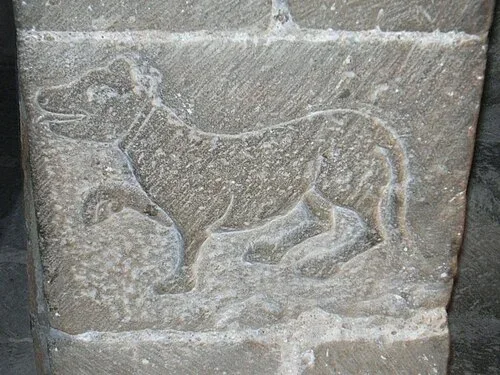 Crypt of Santa Quiteria
Entering the Crypt of Santa Quiteria
At the door of the crypt, a beast is carved into the stone. It is a four-legged creature in low relief, tongue lolling, wearing something like a collar. Dog-like, though the stone does not commit to a species. Beyond it waits the crypt of Santa Quiteria, half-circle shaped at the apse end and rectangular at the foot, all under a barrel vault. This was a place of burial, where the dead of the community were laid. And it keeps one famous trick. The acoustics are extraordinary. A word spoken in the vaulted chamber carries with startling force.
Listen in the appPhoto: Ecelan · CC BY-SA 3.0
07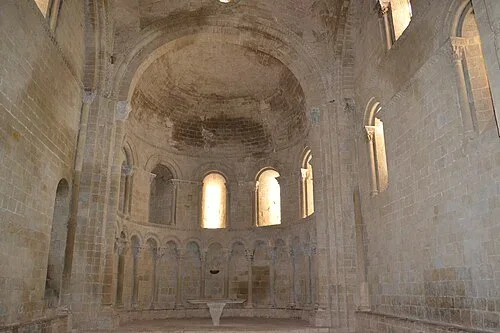 Church of San Pedro and Central Dome
The Church of San Pedro and its Dome
Above the crypt rises the church of San Pedro, the spiritual heart of the castle. It is a single Romanesque nave covered by a barrel vault, ending in a semicircular apse ringed with attached columns and carved capitals. Between nave and apse opens the surprise, a dome rising twenty-six metres, a feature almost never seen in Romanesque building. That ambition reflects what the church became. Around 1071, King Sancho Ramírez drew Loarre into a grand design. On the seventeenth of October that year, Pope Alexander the Second placed San Pedro de Loarre under his protection. That protection came with the introduction of the Roman liturgy into this church and other monasteries of the region, binding the fortress to the papal cause on the frontier. What became of the church's Romanesque wall paintings, nobody knows.
Listen in the appPhoto: Hibiscus7 · CC BY-SA 4.0
08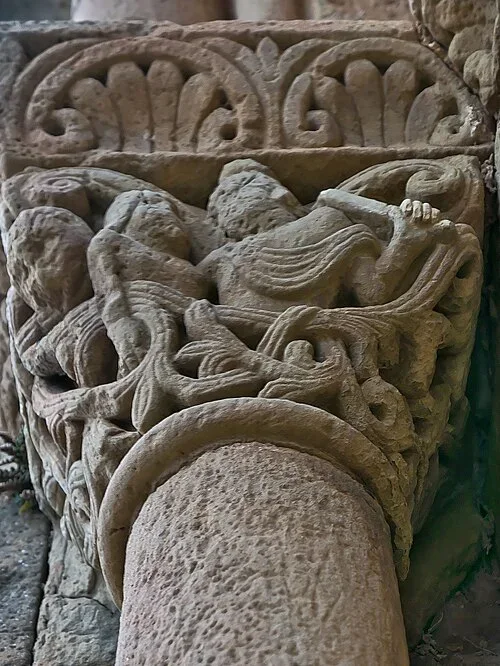 Church of San Pedro and Central Dome
The Sacrifice of Isaac Capital
One capital in this church tells a whole Bible story in stone. It shows the Sacrifice of Isaac, Abraham's hand raised over his son, the figures caught in a dense tangle of carved vines under an abacus of stiff palmettes. It is energetic, confident work, cut deep into the stone. Around the apse, its companions carry biblical scenes, fantastic creatures and plant motifs, a whole sculpted library. For congregations who could not read, this was how the stories reached them, images set at eye level and preaching in stone.
Listen in the appPhoto: Jl FilpoC · CC BY-SA 4.0
09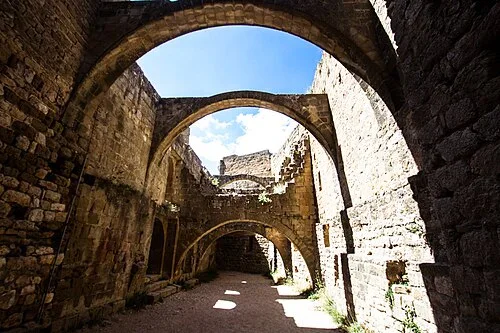 Monastic Living Quarters
The Canons' Quarters
These arcaded rooms, open to the sky today, once housed a religious community. King Sancho Ramírez settled canons of Saint Augustine here. One telling puts their arrival in 1071. Another says 1073. From Loarre he prepared his campaign against Muslim Huesca, which fell in 1096. Then the story turned. In 1097 his successor, Peter the First, gave all of Loarre's goods to the new royal monastery at Montearagon. The canons' role here slipped away, and the castle lost its monastic character. Before long the military half withered too. Once the Muslims left the Hoya plain, a fortress raised against them had little left to do.
Listen in the appPhoto: Magnificus · CC BY-SA 3.0 es
10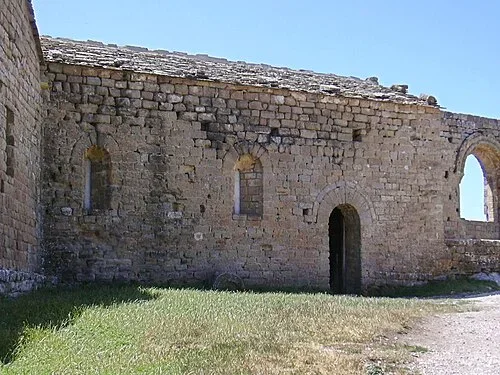 Patio de Armas and Chapel of Santa María
The Chapel of Santa María and the Original Core
The plainest building on the rock tells the oldest story. In the early eleventh century, King Sancho Garcés the Third of Pamplona threw up a frontier outpost here. Some accounts set it around 1020. Others give the years 1033 to 1035. Its job was to watch the passes of Arguis and Riglos and to mount attacks on Bolea, the Muslim town on the plain below. This little chapel of Santa María belonged to that first garrison, one simple nave with small openings and no ornament to speak of. Around it stood the courtyard of arms, the service rooms, the kitchens and the military quarters. Before the monks and the dome, Loarre was simply a spearpoint.
Listen in the appPhoto: Ecelan · CC BY-SA 3.0
- 11
The Castle Cistern
The reservoir cut into the rock that kept a hilltop garrison drinking through a siege.
- 12
The Torre de la Reina
The Queen's Tower, where a frontier fortress shows off fashionable twin-arched windows.
- 13
The Torre del Homenaje
The freestanding keep, reachable only by a removable bridge, and the abbess who defended the castle in 1413.
- 14
The View over the Hoya de Huesca
The plain that explains the castle, Bolea below, and the Hollywood film that found Loarre again.
Castillo de Loarre
Frequently asked questions
How much does the guide cost?
Free app download. Listed guide price: $1.99. Guide price shown in the app. Audio guide only. Venue admission is separate.
Can I listen without internet?
Yes. Download the guide’s audio, images, and maps in the app before your visit. Your downloaded content is then available offline.
Can I listen in my language?
This audio guide is available in 15 languages, including English.
Do I need to follow a schedule?
No. This is a self-guided experience. Choose your stops, pause whenever you like, and return to a story at your own pace.
At your own pace
Explore Castillo de Loarre.
Download Stanza, then search for “Castillo de Loarre”.
Free app download · Guide price shown in the app
Keep exploring
Audio guides — Spain
Zaragoza · 78 km
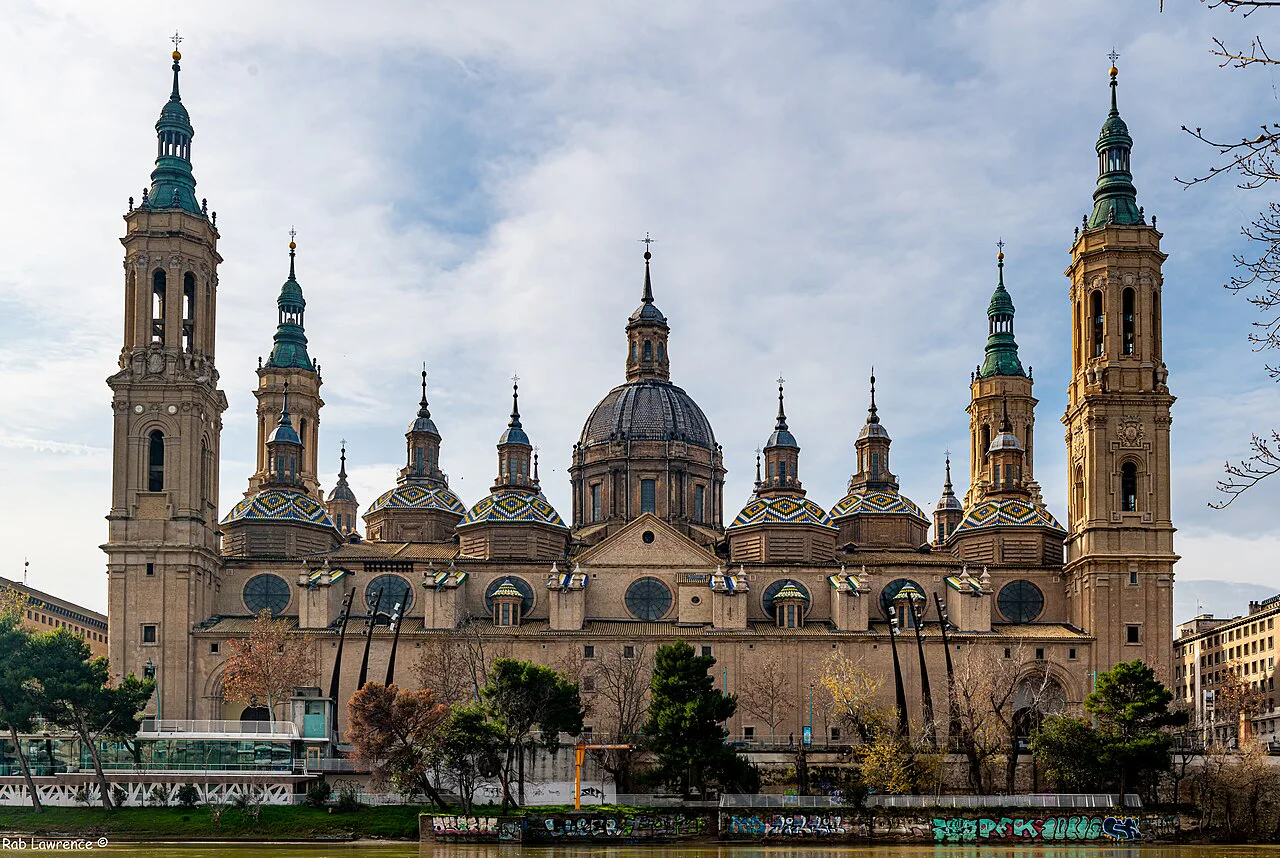
Catedral basílica de Nuestra Señora del Pilar
Content & sources
Rab Lawrence · CC BY 2.0
Zaragoza · 78 km
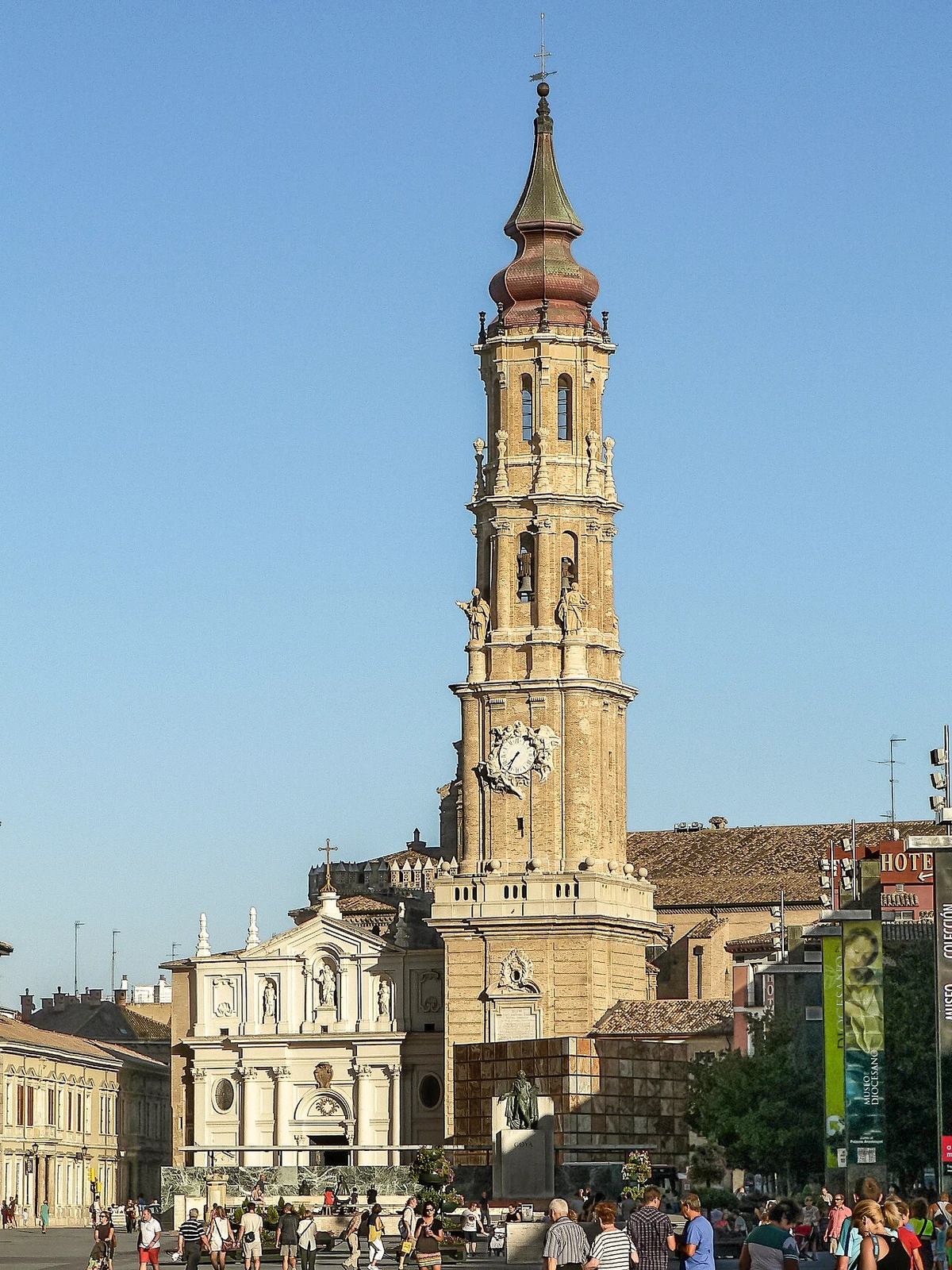
La Seo de Zaragoza
Content & sources
FRANCIS RAHER · CC BY 2.0
Zaragoza · 78 km
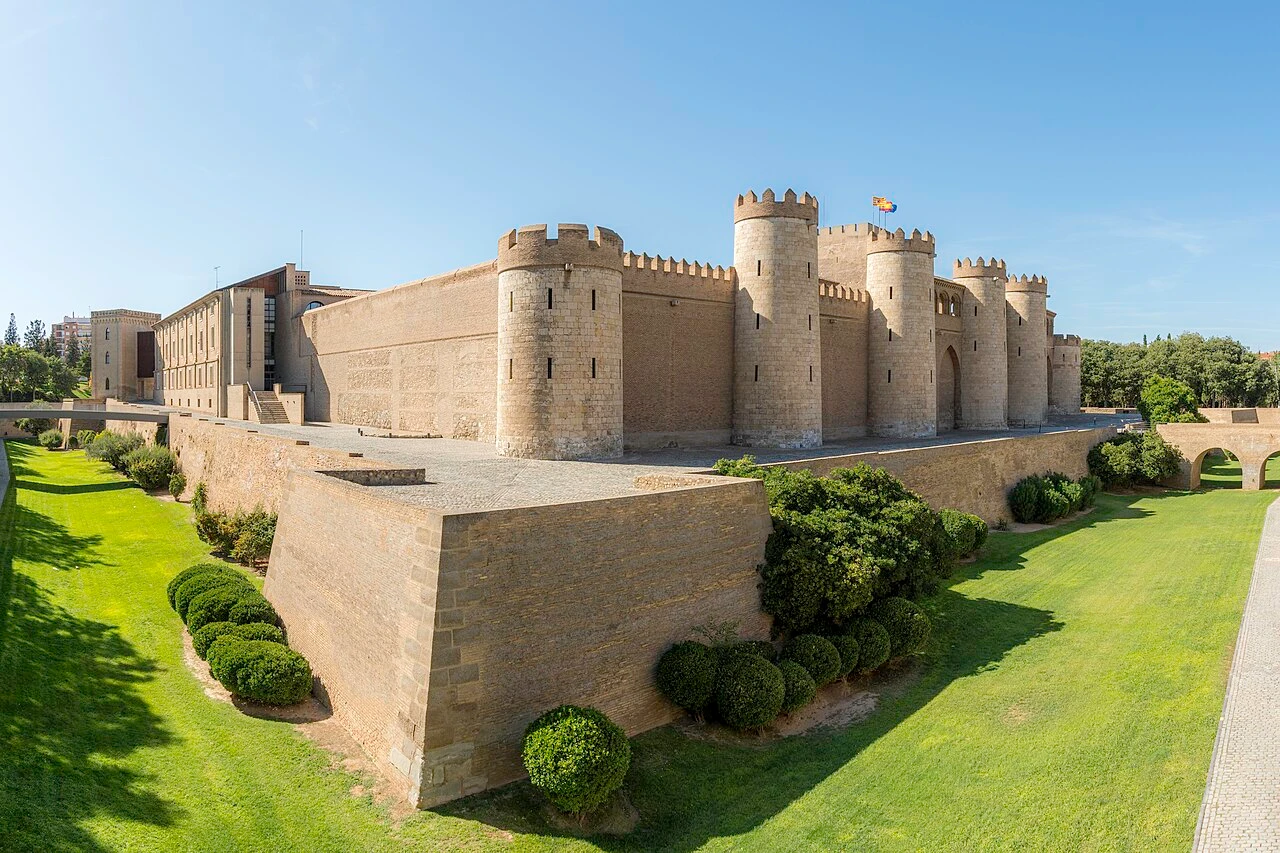
La Aljafería, Palacio de la Aljafería
Content & sources
Photo: Fernando · CC BY-SA 4.0
Garray
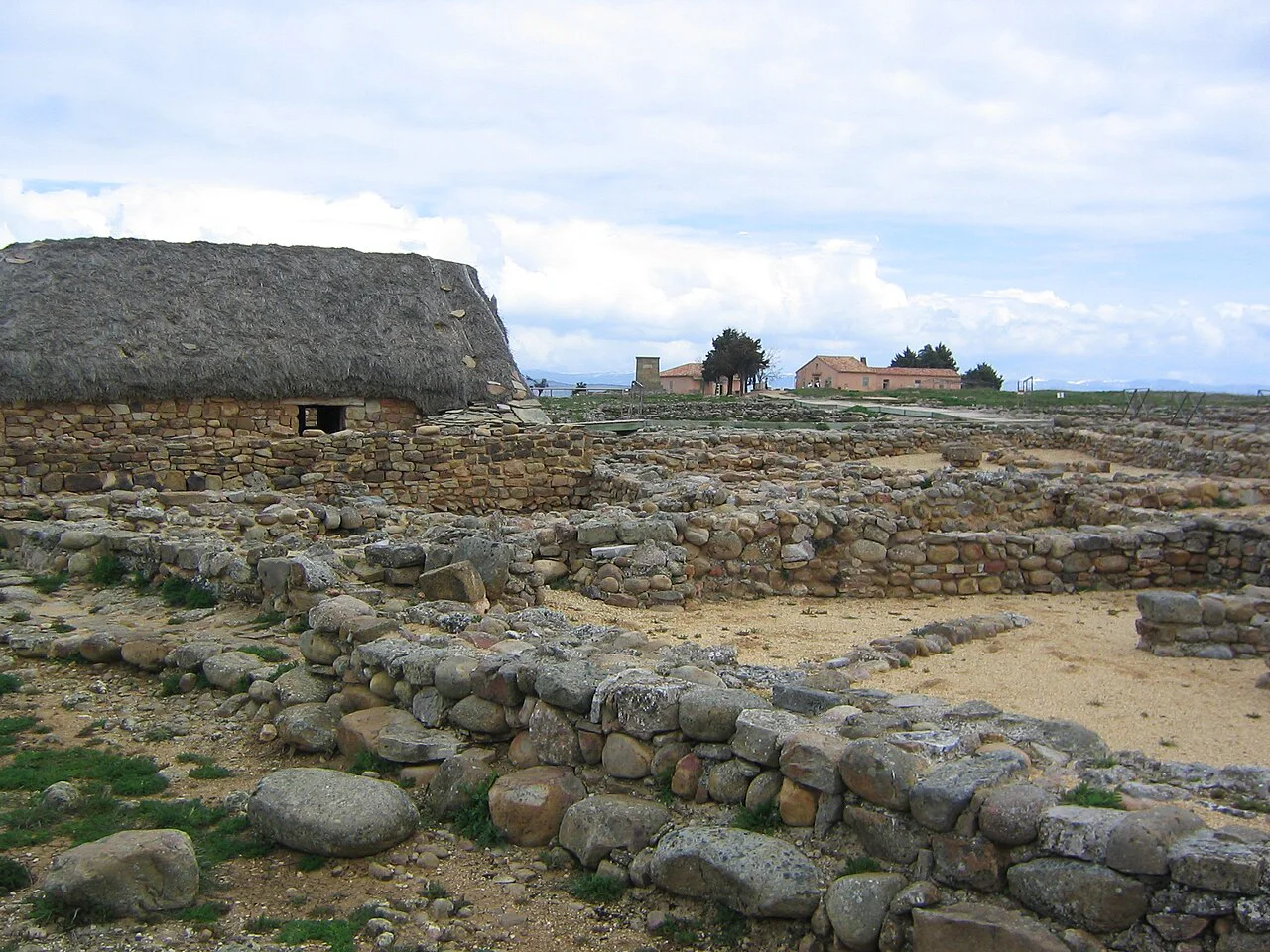
Numancia
Content & sources
Photo: Txo · Public domain