Stanza · Audio guide
Catedral basílica de Nuestra Señora del Pilar Audio Guide
A place to remember. A story to take with you.
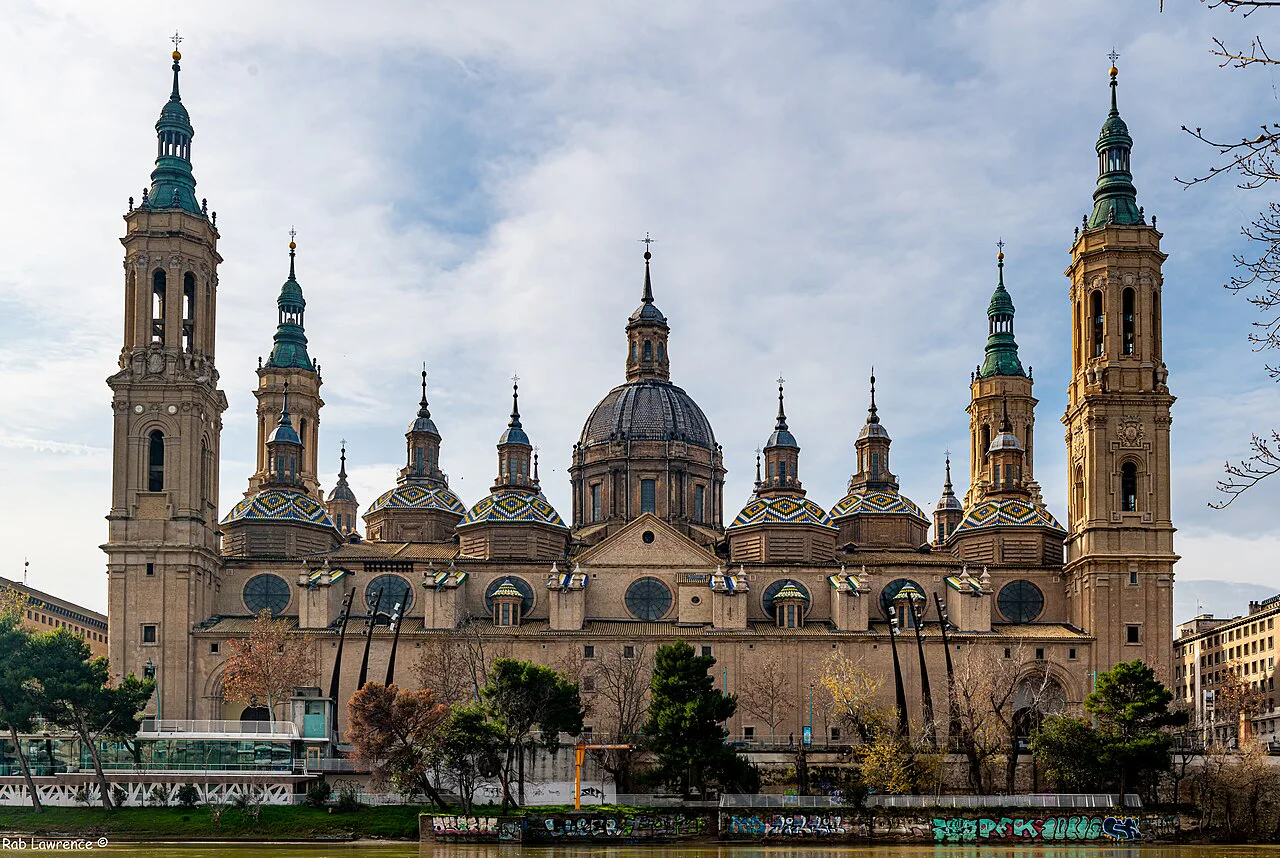
The Cathedral Basilica of Our Lady of the Pillar is a Catholic church in Zaragoza, Aragon. It is dedicated to the Blessed Virgin Mary and is reputed to be the first-ever church dedicated to her.
Download Stanza, then search for “Catedral basílica de Nuestra Señora del Pilar”.
About the tour
One guide. Your kind of visit.
The Cathedral Basilica of Our Lady of the Pillar is a Catholic church in Zaragoza, Aragon. It is dedicated to the Blessed Virgin Mary and is reputed to be the first-ever church dedicated to her.
Ready when you are.
- 01Get the free Stanza app.
iOS & Android
- 02Find your guide.
“Catedral basílica de Nuestra Señora del Pilar”
- 03Download before you go.
Works offline
Audio guide / 13 narrated stops
Inside the guide
Get to know a few of the stories before you go. Open a stop to read more.
01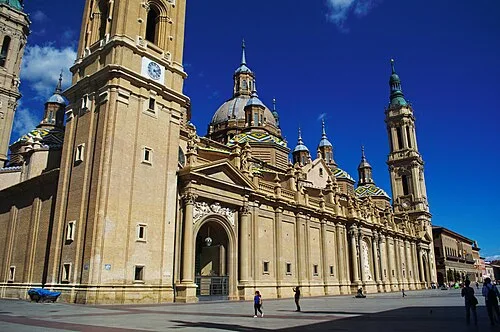 Plaza del Pilar and South Facade
The South Facade on Plaza del Pilar
Welcome to the Basilica of Our Lady of the Pillar, the great church of Zaragoza. It is a Catholic pilgrimage shrine, built for one purpose: to enclose and honour a holy column of jasper that tradition says the Virgin Mary herself left behind. People have come to pray here for centuries, and the building is reputed to be the first church ever dedicated to Mary. It shares the role of cathedral with the nearby church of La Seo, so Zaragoza has two. The church on this square is Baroque, and its construction began in 1681 under King Charles II of Spain. The facade rises sheer from the plaza, a long wall of brick and towers meant to be seen from far across the city.
Photo: Escarlati · CC BY-SA 3.0
02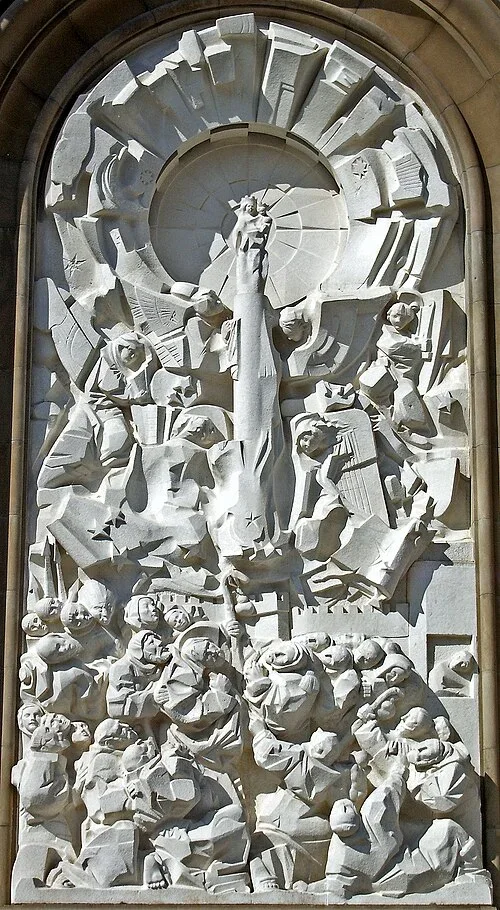 Plaza del Pilar and South Facade
Venida del Pilar — the Coming of the Virgin, by Pablo Serrano
Carved into the facade is the scene that started everything. This relief by the Aragonese sculptor Pablo Serrano, made in 1969, shows the coming of the Virgin. The story, as tradition tells it, goes like this. Soon after the death and resurrection of Jesus, the apostle Saint James was preaching in Spain, and his mission was going badly. Deep in prayer by the banks of the Ebro, on the second of January in the year forty, he saw the Mother of Jesus appear to him. She gave him a column of jasper and a command, telling him: this place is to be my house, and this image and column shall be the title and altar of the temple you shall build. A chapel was raised on the spot, honoured as the first church dedicated to Mary. It is a story of faith rather than of records. No trace of that first chapel has ever been found, and the written evidence for the devotion only appears at the end of the thirteenth century. Yet a church of Santa María stood on this ground by the ninth century, and the pillar has been venerated here ever since. Serrano carved it in living stone, in his own time, which says something about how much the story still means in Aragon.
Photo: Escarlati · CC BY-SA 3.0
03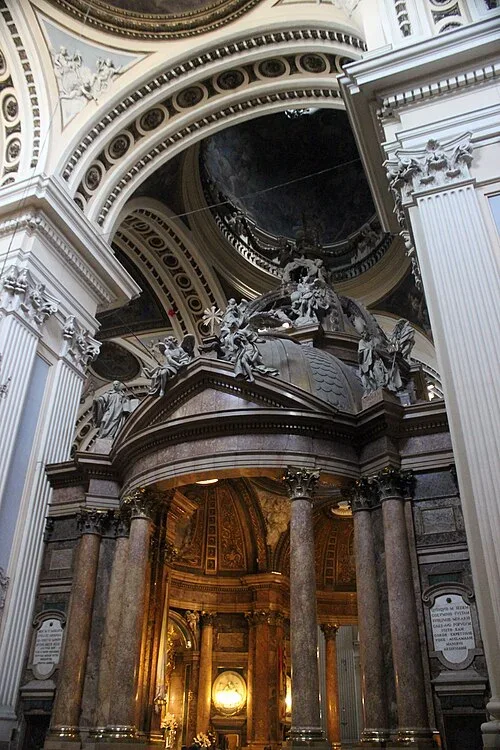 The Santa Capilla and the Virgin of the Pillar
The Santa Capilla of Ventura Rodríguez
At the eastern end of the basilica stands its heart, the Santa Capilla, the Holy Chapel. In 1725 the governing body of Zaragoza decided the old chapel of the Virgin was no longer worthy of the pillar it held. They gave the job to Ventura Rodríguez, an architect who transformed the whole scheme of the building. Under his plan the basilica grew to its present size, about a hundred and thirty metres long and sixty-seven wide, crowned by eleven cupolas and four towers. His own chapel was finished in 1754, an elliptical temple of marble columns and sculpted forms set inside the great church, with the pillar of the Virgin at its centre. The canopy above it, the carved figures and the dome visible overhead are all his design. One detail ties this chapel to a famous name. The gilt covering and much of the ornamentation throughout the building were designed and overseen by José Goya, a local gilder. He was the father of Francisco, a boy who would grow up to paint the vaults around this very chapel.
Listen in the appMiguel Hermoso Cuesta · CC BY-SA 4.0
04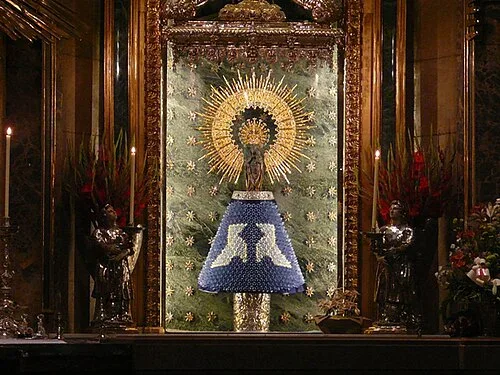 The Santa Capilla and the Virgin of the Pillar
Our Lady of the Pillar
Here is the reason for the whole building: a wooden statue barely more than a foot tall. It is a work of the late Gothic style, carved around fourteen thirty-five, and attributed to Juan de la Huerta, an image-maker from Daroca. Mary stands crowned, holding her mantle, while the Christ child at her side clutches her cloak and a small bird. The statue rests on the jasper column, sheathed in bronze and silver, and both are wrapped in a rich embroidered mantle like the one dressing it now. Kings of Spain, foreign rulers and saints have all knelt before this small figure, among them Saint Teresa of Ávila and Saint Ignatius of Loyola. Every nation of Hispanic origin has donated its own vestments for the statue, and they are changed through the year. Her feast falls on the twelfth of October, the day Spain marks its Hispanic heritage and the date of Columbus's landfall in the New World. Pope John Paul II, on both his visits here, called her the Mother of the Hispanic Peoples. In 1905 the statue was solemnly crowned, and the crown alone was valued at nearly half a million pesetas of the day.
Listen in the appPhoto: Archivaldo · CC BY-SA 3.0
05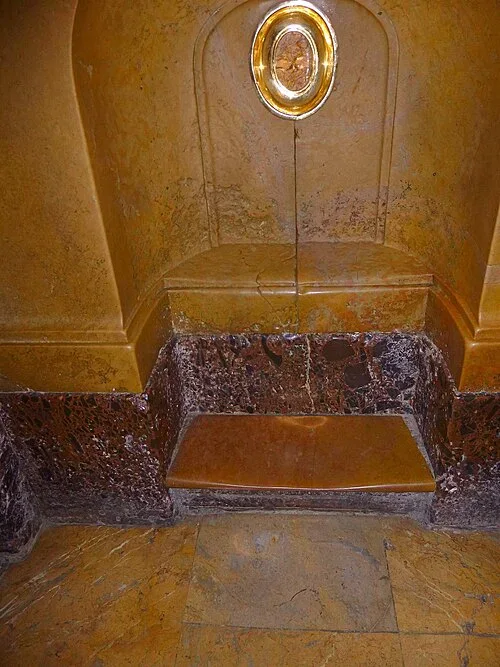 The Humilladero: Touching the Sacred Column
The Humilladero — Venerating the Holy Column
At the back of the Holy Chapel there is a small opening made for one purpose: contact. It is called the humilladero, a word that means a place of kneeling. Through an oculus cut into the stone, the faithful can reach the Holy Column itself and venerate it with a touch or a kiss. Usually the column is covered, protected by a sheath of bronze and silver beneath the statue's long mantle. But on the second, the twelfth and the twentieth of each month, the mantle is drawn back entirely. On those days the jasper shows bare along its whole length, the stone that tradition says the Virgin handed to Saint James. For the pilgrims who queue here, often after walking for days, this is the moment the whole journey has been for. Skin against stone, and a prayer.
Listen in the appPhoto: Zarateman · CC0
06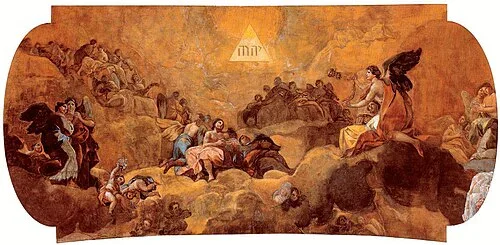 The Coreto Vault: Goya's Early Fresco
Goya's Coreto Vault: Adoration of the Name of God
Painted across this vault is the earliest major public work of Francisco de Goya, painted in his home city in 1772. The subject is the Adoration of the Name of God. Angels and figures gather in the clouds, adoring the divine name shining above them, while an angel at the right sounds a trumpet. Goya was in his twenties, working in the circle of the Bayeu brothers, the court painter Francisco Bayeu above all, who held the commission for the vaults around the Holy Chapel. The fresco already shows the traits that would make him famous: loose, lively brushwork and figures full of movement rather than academic stillness. The chapter accepted this one gladly. It sits in a gilded frame that still carries a scar from the Civil War. For now, this is Goya before Madrid, before the dark pictures, a young Zaragozan getting his first wall to fill.
Listen in the appFrancisco Goya · Public domain
07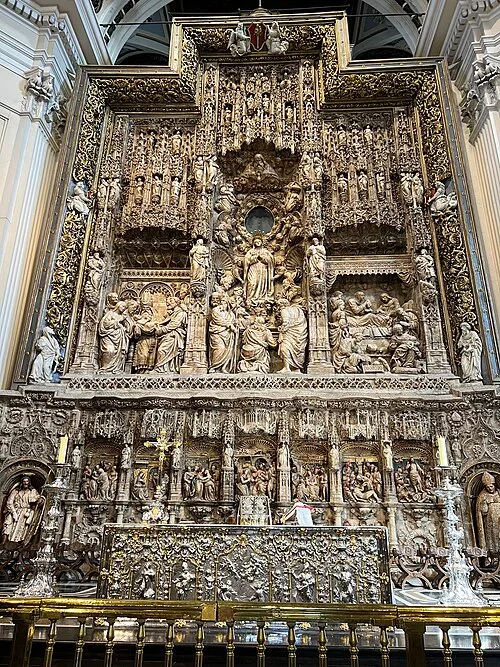 The Alabaster High Altarpiece
 of Damián Forment
Behind the main altar rises a wall of carved alabaster, the high altarpiece of Damián Forment. He worked on it in the fifteen-tens, and dedicated it to the Assumption of the Virgin. The architecture of the retable is still late Gothic, all pinnacles and delicate tracery, but the scenes within are fully Renaissance, with a new sense of body and space. This altarpiece is also a survivor, and its story explains why. In 1434 the Romanesque church that stood here burned down. It was rebuilt in the Mudéjar Gothic style, brick and Gothic forms side by side, and that is the church Forment's work was made for. Two and a half centuries later the great Baroque basilica rose around it, swallowing nearly everything that came before. What remains of the Gothic church inside the new shell comes down chiefly to two things: this altarpiece, and the choir stalls nearby. Everything else gave way to the Baroque.
Listen in the appPhoto: Danielhythloday · CC BY-SA 4.0
08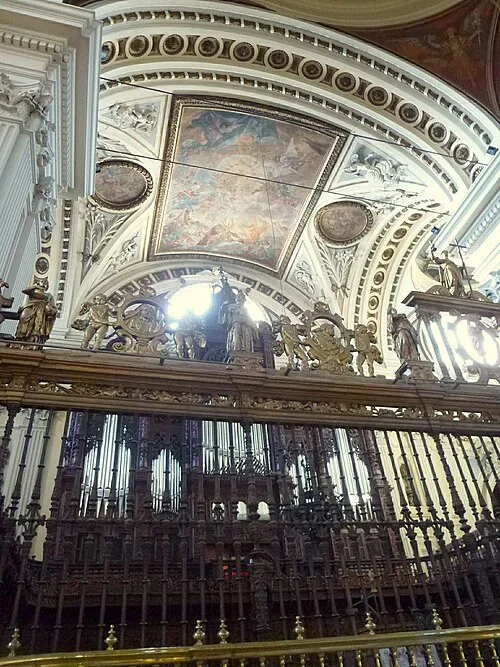 The Main Choir and Plateresque Organ
The Renaissance Choir Stalls
The choir of the basilica holds some of the finest carving in Aragon. Three sculptors, Esteban de Obray, Juan de Moreto and Nicolás Lobato, worked on these stalls between 1542 and 1548. They built the seating in three superimposed rows, stepped upward and curved in a deep arc, so that every canon had a place and a view of the altar. Under the lower seats, hidden from casual sight, the wood is inlaid with marquetry of yellow boxwood, small decorative panels that only the seated would ever notice. There were originally a hundred and thirty-eight stalls. A hundred and twenty-four survive, and a few of the displaced ones were given a second life along the sides of the presbytery by the main altar. Above the choir enclosure rise the painted vaults, so the wood and the fresco were made to be seen together, the Renaissance seats beneath the heavens.
Listen in the appPhoto: Zarateman · CC0
09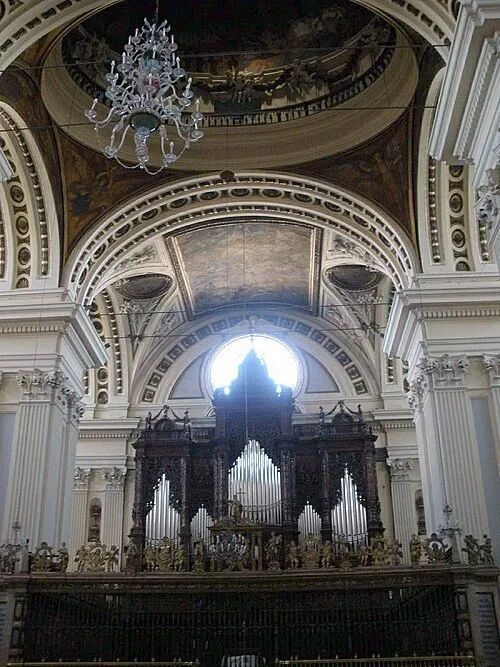 The Main Choir and Plateresque Organ
The Plateresque Organ and the Music of the Basilica
Towering over the choir stands the great organ, and its case is older than it looks. It was made in 1529 by Juan de Moreto and Esteban Ropic in the Plateresque style, the Spanish fashion that carved stone and wood like silversmiths' work. A traveller named Juan Bautista Labaña saw it in 1610 and praised its extraordinary sculpture, and it kept its original appearance until 1940. Then, in the mid twentieth century, the instrument was enlarged so it could play the whole classical and romantic repertoire. More pipes were added and the case widened, and the new parts were carved in deliberate imitation of the old, so the seams do not show. Music has sounded here for far longer than this one instrument. The first organ was built in 1463, singers with instruments are recorded in the Middle Ages, and among the choirmasters of the seventeenth century was the Baroque composer Joseph Ruiz Samaniego. The organ above the choir is simply the latest voice of a very long choir.
Listen in the appPhoto: Zarateman · CC0
10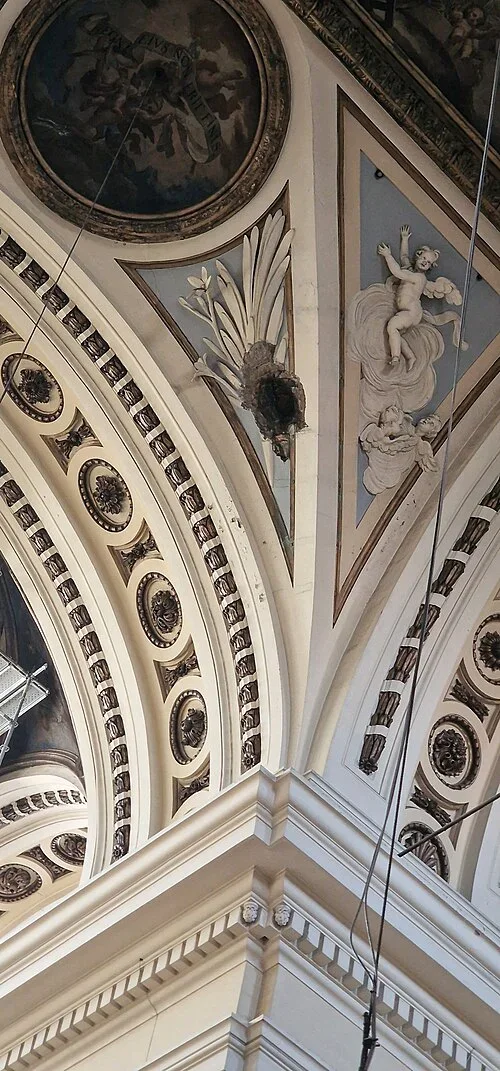 The Civil War Bombs and Vault Scars
The Bomb Hole in the Vault
In the decoration of this vault there is a wound that was never repaired. In the early hours of the third of August 1936, during the Spanish Civil War, a republican Fokker F-VII bomber flew low over Zaragoza and dropped four bombs on the city. One fell in the streets outside. One struck the Plaza del Pilar itself. A third pierced the roof of the basilica, and the fourth came down inside the gilded frame of Goya's fresco in the Coreto. None of them exploded. The impacts alone shattered the casings and spilled their explosive across the vault, leaving the damage that shows in the stucco here. The people of Zaragoza took the survival of their church as a sign of the Virgin's protection. Two of the projectiles were kept, and they are still on display on a pillar near the Santa Capilla, close to the chapel they might have destroyed.
Listen in the appPhoto: Ecelan · CC BY-SA 4.0
- 11
Goya's Regina Martyrum Dome
Goya's Regina Martyrum, the dome he painted at the height of his powers, and the quarrel it cost him.
- 12
The Ebro Riverfront and the Scars of the Sieges
The Ebro riverfront, where the founding tradition began and where French shells left their marks.
- 13
Eleven Domes of Glazed Tile — the Closing View
Eleven tiled domes, twelve pillars and the towers that took until 1961 to finish.
Catedral basílica de Nuestra Señora del Pilar
Frequently asked questions
How much does the guide cost?
Free app download. Listed guide price: $0.99. Guide price shown in the app. Audio guide only. Venue admission is separate.
Can I listen without internet?
Yes. Download the guide’s audio, images, and maps in the app before your visit. Your downloaded content is then available offline.
Can I listen in my language?
This audio guide is available in 15 languages, including English.
Do I need to follow a schedule?
No. This is a self-guided experience. Choose your stops, pause whenever you like, and return to a story at your own pace.
At your own pace
Explore Catedral basílica de Nuestra Señora del Pilar.
Download Stanza, then search for “Catedral basílica de Nuestra Señora del Pilar”.
Free app download · Guide price shown in the app
Keep exploring
Nearby audio guides
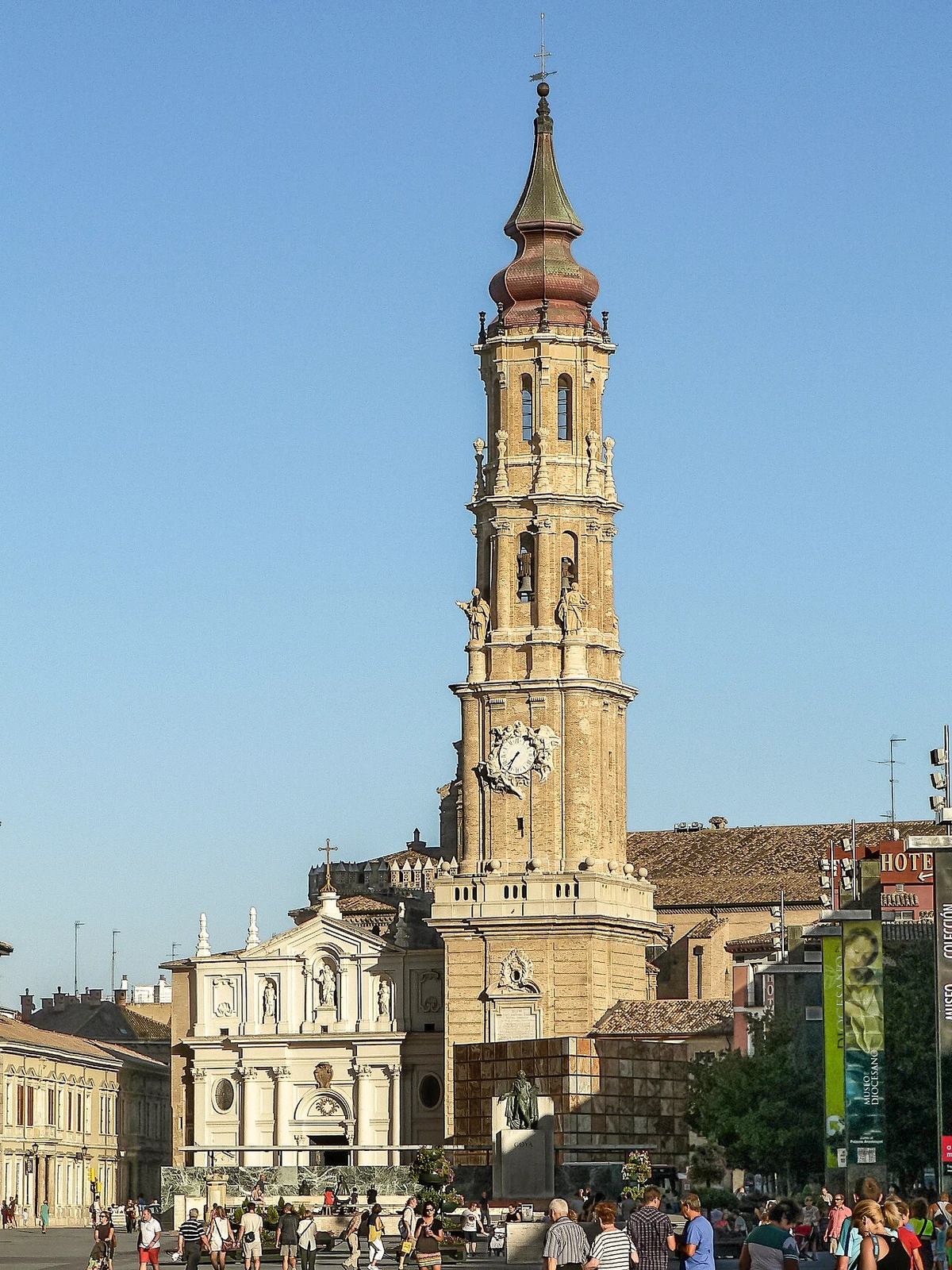
Zaragoza · 1 km
La Seo de Zaragoza
Content & sources
FRANCIS RAHER · CC BY 2.0
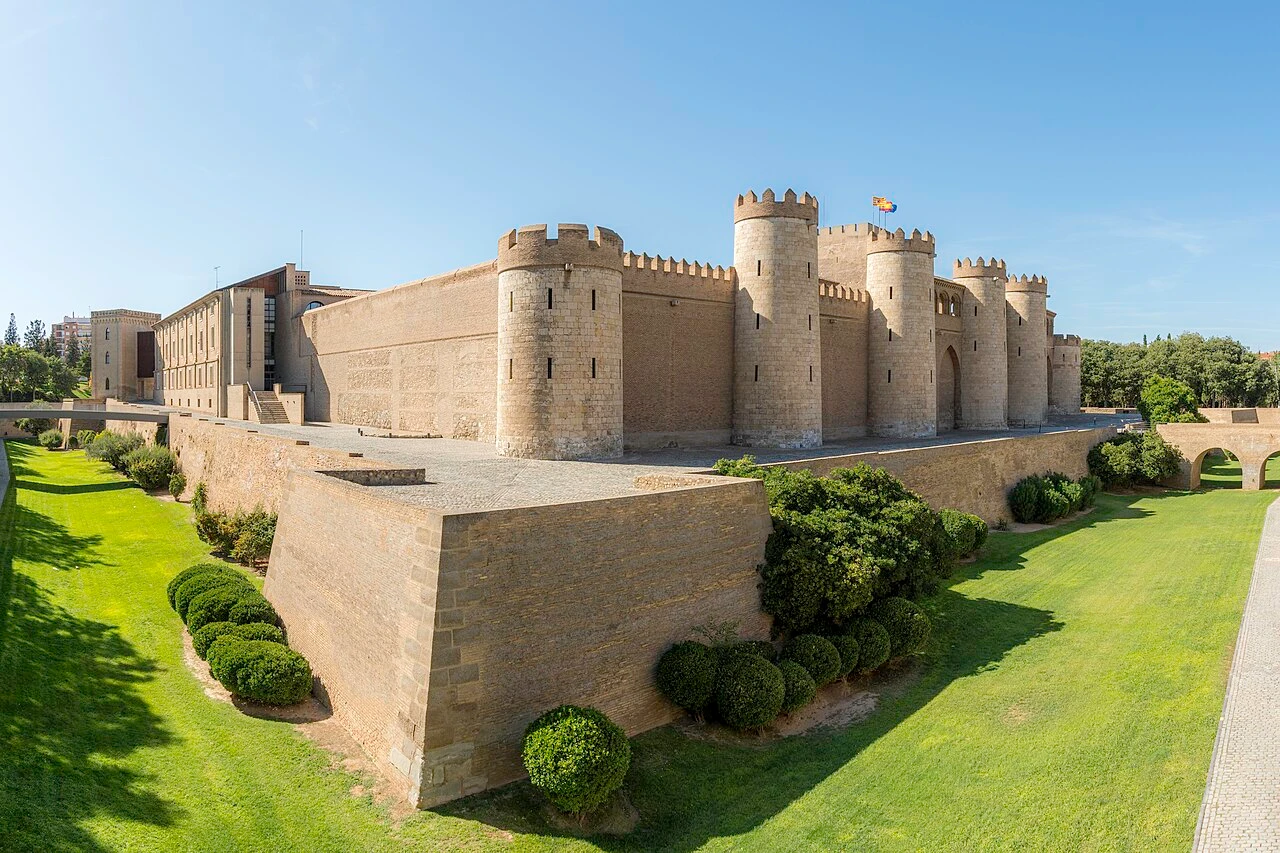
Zaragoza · 2 km
La Aljafería, Palacio de la Aljafería
Content & sources
Photo: Fernando · CC BY-SA 4.0
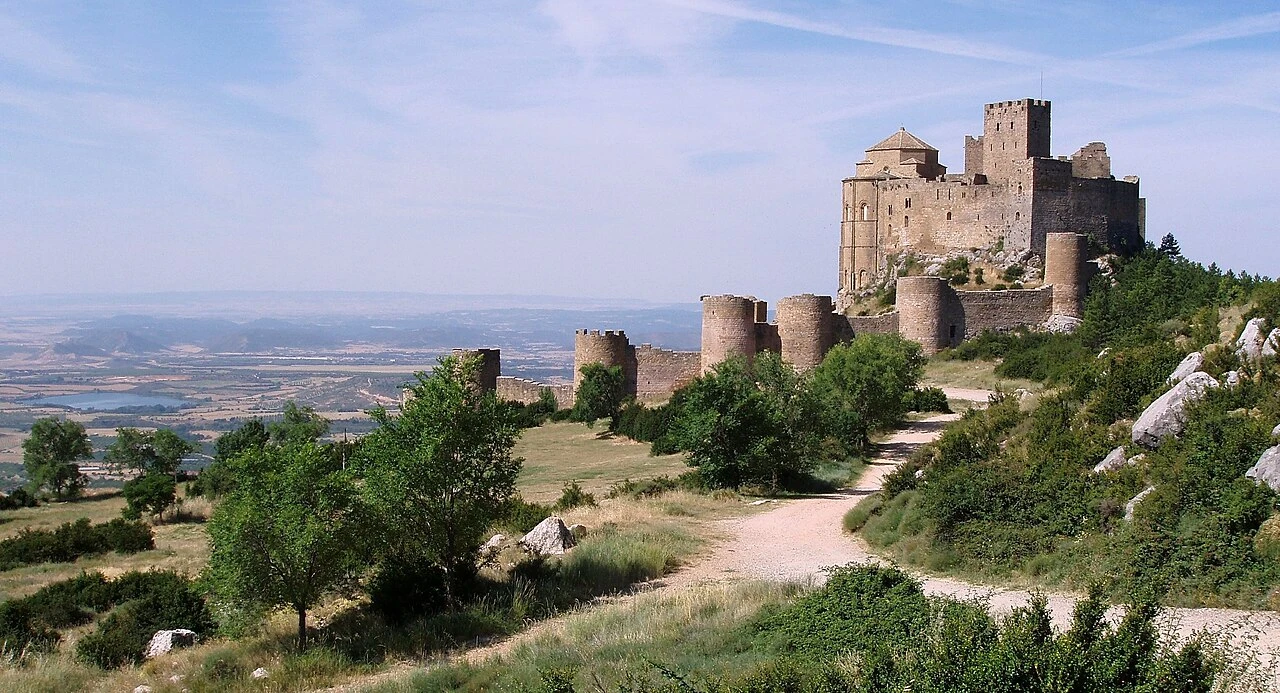
Loarre · 78 km
Castillo de Loarre
Content & sources
Josue Mendivil · CC BY-SA 2.0
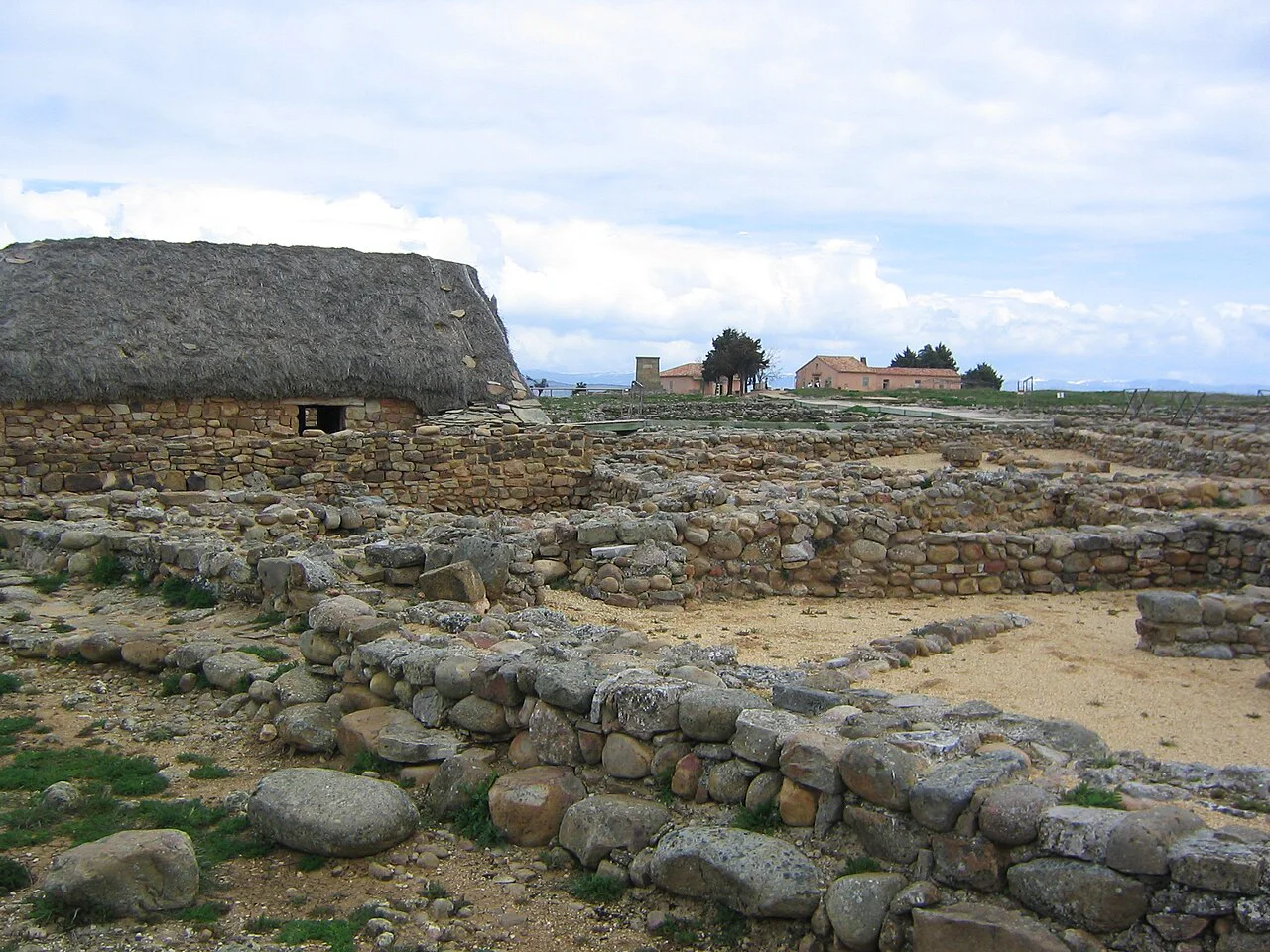
Garray · 131 km
Numancia
Content & sources
Photo: Txo · Public domain