Stanza · Audio guide
Diyarbakır Kalesi Audio Guide
A place to remember. A story to take with you.
The Fortifications of Diyarbakır are a set of fortifications enclosing the historical district of Sur in Diyarbakır, Turkey. They consist of an inner fortress, the citadel, and an outer ring of city walls.
Download Stanza, then search for “Diyarbakır Kalesi”.
About the tour
One guide. Your kind of visit.
The Fortifications of Diyarbakır are a set of fortifications enclosing the historical district of Sur in Diyarbakır, Turkey. They consist of an inner fortress, the citadel, and an outer ring of city walls.
Ready when you are.
- 01Get the free Stanza app.
iOS & Android
- 02Find your guide.
“Diyarbakır Kalesi”
- 03Download before you go.
Works offline
Audio guide / 16 narrated stops
Inside the guide
Get to know a few of the stories before you go. Open a stop to read more.
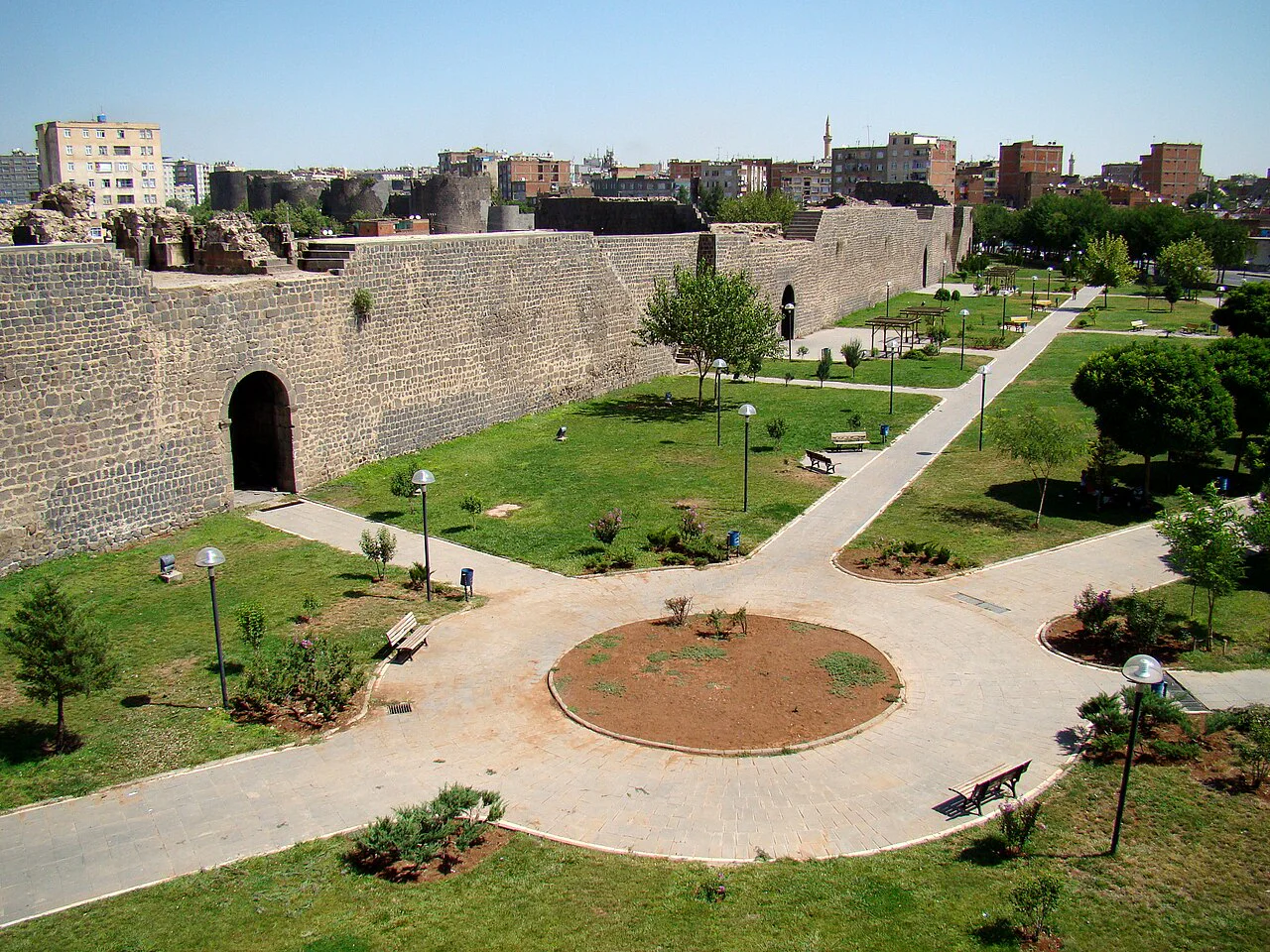
01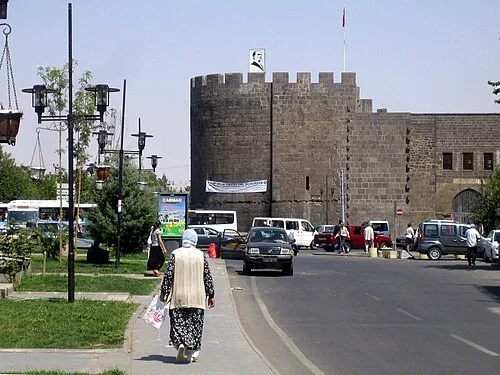 Northern Approach and Dağ Kapı (Harput Gate)
Dağ Kapı: The Northern Gate
Welcome to Diyarbakır Kalesi, the great black fortress of the Upper Tigris. This gate, Dağ Kapı, also called the Harput Gate, was the northern entrance. Two parts make up the defenses: an inner citadel, and an outer ring of city walls roughly five and a half kilometres long. Four historic gates pierce that ring. Dağ Kapı faces north, Urfa Kapı west, Mardin Kapı south, and Yeni Kapı east. Along the way stand dozens of towers, and the stone itself carries the story of every ruler who held the city. In 2015 UNESCO inscribed the fortress together with the Hevsel Gardens as a World Heritage Site. The gate has changed jobs since its fighting days. Its towers now house a tourism office and a state fine arts gallery, and its outer side has been closed off as a courtyard, so it no longer serves as a way into the city.
User:Hansm · CC BY-SA 3.0
02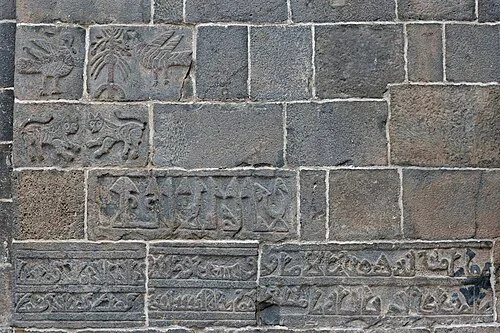 Northern Approach and Dağ Kapı (Harput Gate)
Dağ Kapı Basalt Reliefs
The gate tower is carved with birds, tigers and bands of flowing Arabic script. This is one face of a much larger collection. About sixty-three monumental inscriptions from different periods are set into the walls, each recording a ruler, a repair or a date. Reading them in sequence is like reading the city's history in stone, carved by each new master in turn. Animal figures first appeared alongside the Arabic dedications in the Abbasid period, and the fashion caught on. Craftsmen kept carving lions, birds and beasts into new stretches of wall for centuries afterwards.
Photo: Dosseman · CC BY-SA 4.0
03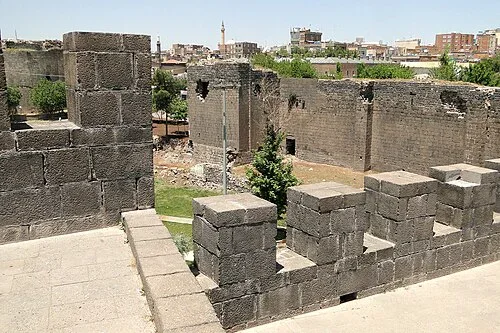 İç Kale: The Inner Citadel and Early Seat of Power
From the İç Kale Battlements
From the keep, the inner fortress spreads out below, a walled city within the walled city. This northeast citadel is thought to hold the first settlement of Diyarbakır, reaching back thousands of years to the Hurrians. Everything the city became grew outward from this high ground above the river. The citadel's own walls run nearly six hundred metres, and about eighteen of its towers survive. The outer ring adds roughly sixty-five more, most of them still standing along the circuit. From up here the old district of Sur sits enclosed on every side, its minarets and rooftops ringed by the same defenses that once held armies back.
Listen in the appAdam Jones from Kelowna, BC, Canada · CC BY-SA 2.0
04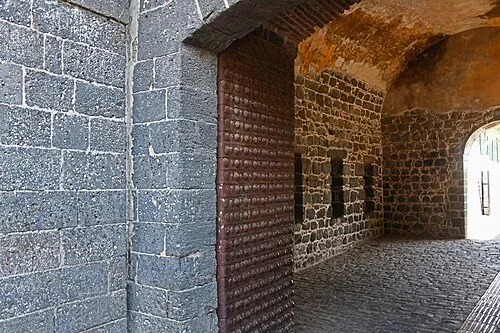 İç Kale: The Inner Citadel and Early Seat of Power
Saray Kapı, Gate of the Inner Fortress
A heavy wooden door, studded with iron, closes off the citadel's south gate. Beyond it a vaulted passage of dark basalt leads inside. The inner citadel was the stronghold within the stronghold, the residence and command post for whoever held the city. Romans, then successive Islamic dynasties, and finally the Ottomans all kept their power here in turn. The passage masonry shows its age in layers. Large blocks in the Roman manner sit beside rougher, later work, each phase of building pressed against the last.
Listen in the appPhoto: Dosseman · CC BY-SA 4.0
05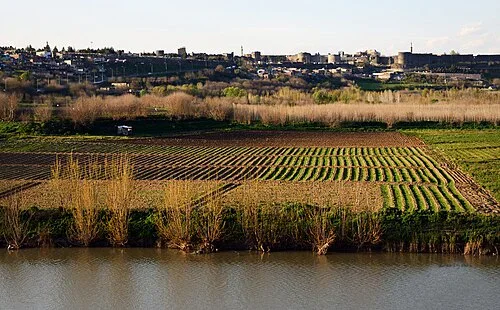 Eastern Escarpment and Hevsel Gardens Overlook
The Tigris and the Hevsel Gardens
Below the eastern walls, green fields run down to the Tigris. These are the Hevsel Gardens, the cultivated floodplain between the fortress and the river. The site was chosen with care. A fortified capital guarding the Tigris crossing and the trade routes of Mesopotamia needed both the river and the land beside it. The gardens provisioned the city, season after season, from the fields visible across the water. Walls alone do not make a capital; the fields and the crossing made this one worth defending.
Listen in the appPhoto: Dûrzan cîrano · CC BY-SA 3.0
06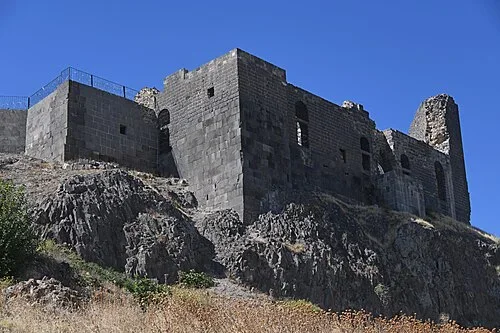 Eastern Escarpment and Hevsel Gardens Overlook
The Black Walls of Karacadağ
The walls here rise straight out of raw volcanic rock, and the stone itself is the story. Diyarbakır is built from dense black basalt that flowed from Karacadağ, an extinct volcano to the west of the city. That hardness is why the walls have survived roughly two thousand years of sieges and weather, and why the city is known as the black fortress. The builders fitted the perimeter to the plateau and the cliff above the Tigris rather than forcing a shape on the land. Seen from above, the whole ring follows that ground in a long oval that locals compare to a turbot fish. The walls stand ten to twelve metres high, and more than five kilometres around. Even this stone has its limits. The walls were damaged again in the fighting inside the old city in 2015 and 2016, a reminder that they still need care.
Listen in the appPhoto: Dosseman · CC BY-SA 4.0
07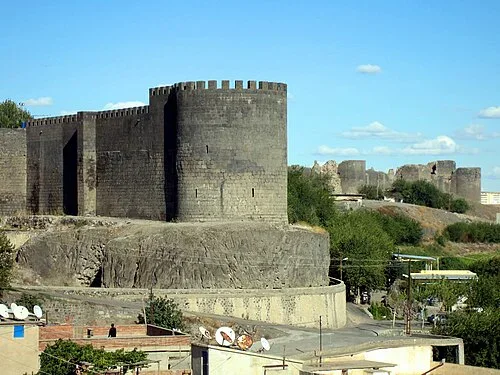 Keçi Burcu: The Goat Tower and Ancient Sun Sanctuary
Keçi Burcu: The Goat Tower
A great cylindrical bastion climbs from the bedrock of the escarpment, taller than the walls on either side of it. This is Keçi Burcu, the Goat Tower, the largest and oldest bastion on the entire circuit. Nobody knows when it was built; its age shows only in the mass of it. Most of the towers facing the Tigris valley are four-sided, but this one is a great round mass set directly on the rock above the river. Position and stone did the work here. Any attacker approaching from the valley faced a bastion rooted in the cliff itself.
Listen in the appDavid Stanley from Nanaimo, Canada · CC BY 2.0
08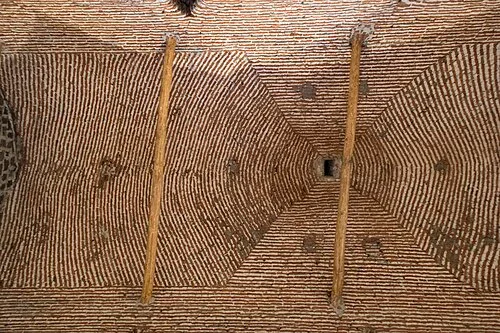 Keçi Burcu: The Goat Tower and Ancient Sun Sanctuary
Keçi Burcu Vaulted Hall
Inside the Goat Tower, the ceiling opens into striped brick vaults carried on arches, with wooden beams running beneath them. No other tower on the walls has anything like this. The hall has two storeys, eleven arches and three vaulted aisles, all roofed with brick barrel vaults. Historians believe the space served as a sun sanctuary, the Şemsi Tapınağı, in Byzantine times, before it was absorbed into the defenses. When it was built is unknown; the tower is counted among the works of the Marwanids, who strengthened this southeastern part of the walls.
Listen in the appPhoto: Dosseman · CC BY-SA 4.0
09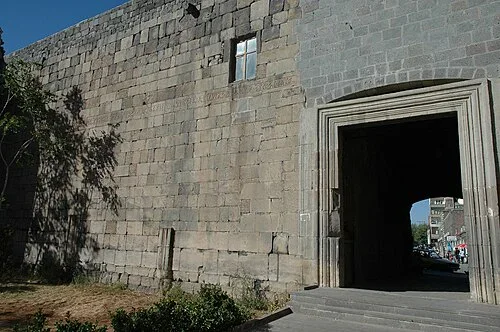 Mardin Kapı and the Southern Caravan Route
Mardin Kapı: The Southern Gate
The southern face of the walls opens here, at Mardin Kapı. This was the gate that pointed the city toward Mardin and the caravan routes running out across the Mesopotamian lowlands. Traders, pilgrims and armies heading south from the city passed through this arched passage. The masonry around it shows the same dark basalt as the rest of the ring, laid in heavy courses. The gate still keeps its fortified front, a deep arched entry set into the wall. In 1930, though, the city made one concession to modern life. Workers cut two openings through the walls for traffic, one just east of this gate and one to the west of Harput Gate. Apart from those breaches, the ring survives almost whole.
Listen in the appPhoto: Dosseman · CC BY-SA 4.0
10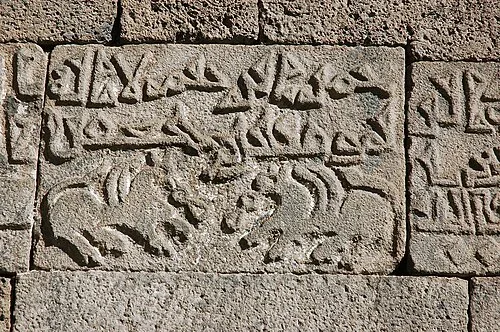 Mardin Kapı and the Southern Caravan Route
Mardin Kapı Relief and Inscription
Carved into a single block here, two lions face each other under lines of Arabic script. That pairing of beast and inscription marks a turning point in the walls' story. In 899 the city's governor rebelled against Abbasid rule. The caliph al-Mu'tadid answered by ordering parts of the defenses demolished, including this gate and the northern Harput Gate, and possibly the gates to the east and west as well. A decade later the damage was repaired. Surviving inscriptions record that Caliph al-Muqtadir ordered the Harput and Mardin gates rebuilt in 909.
Listen in the appPhoto: Dosseman · CC BY-SA 4.0
- 11
Yedi Kardeş Burcu: The Seven Brothers Tower
The great Artuqid tower of 1208, and the inscription that names its builder.
- 12
The Double-Headed Eagle
The double-headed eagle, a Seljuk emblem, set high in the basalt by Artuqid builders, carved in stone far finer than the old Roman work.
- 13
Evli Beden Burcu
The twin of the Seven Brothers Tower, built the same year by a different named master, standing on its stepped spur.
- 14
The Sphinx Relief
A winged sphinx in a framed medallion, one of the mythological beasts that turned the southern towers into a gallery of stone.
- 15
Urfa Kapı: The Rum Gate
The western gate, where the walls descend from the old Roman city of Amida to meet the Anatolian plateau.
- 16
Urfa Kapı Lintel and Inscription
The sultan's own gate, with its bull-head lintel, and the walls read as one long chronicle carved in black stone.
Diyarbakır Kalesi
Frequently asked questions
How much does the guide cost?
Free app download. Listed guide price: $0.99. Guide price shown in the app. Audio guide only. Venue admission is separate.
Can I listen without internet?
Yes. Download the guide’s audio, images, and maps in the app before your visit. Your downloaded content is then available offline.
Can I listen in my language?
This audio guide is available in 15 languages, including English.
Do I need to follow a schedule?
No. This is a self-guided experience. Choose your stops, pause whenever you like, and return to a story at your own pace.
At your own pace
Explore Diyarbakır Kalesi.
Download Stanza, then search for “Diyarbakır Kalesi”.
Free app download · Guide price shown in the app
Keep exploring
Audio guides — Turkey
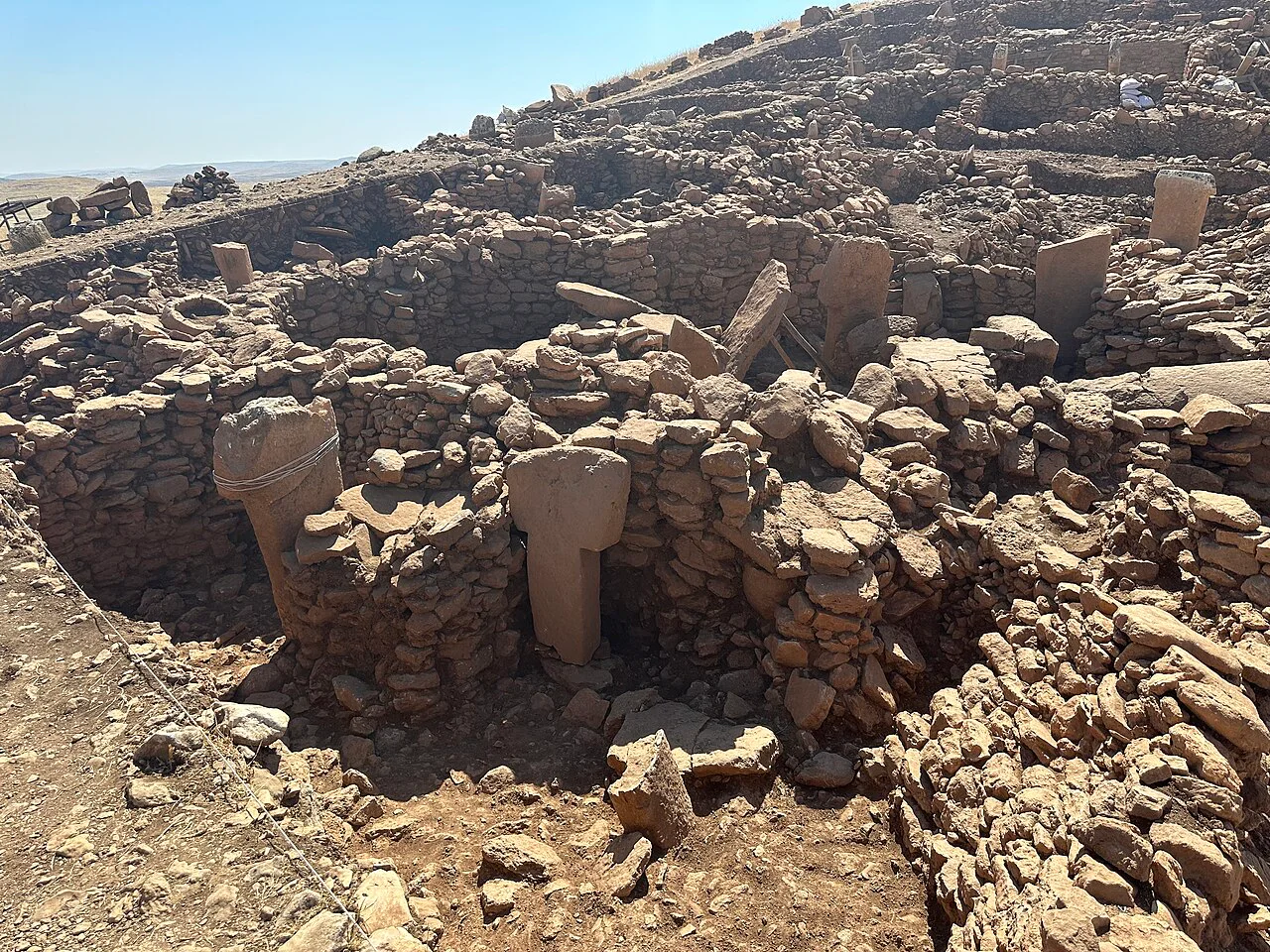
Haliliye · 122 km
Karahantepe
Content & sources
Photo: Vincent Vega · CC BY-SA 4.0
Kâhta · 131 km
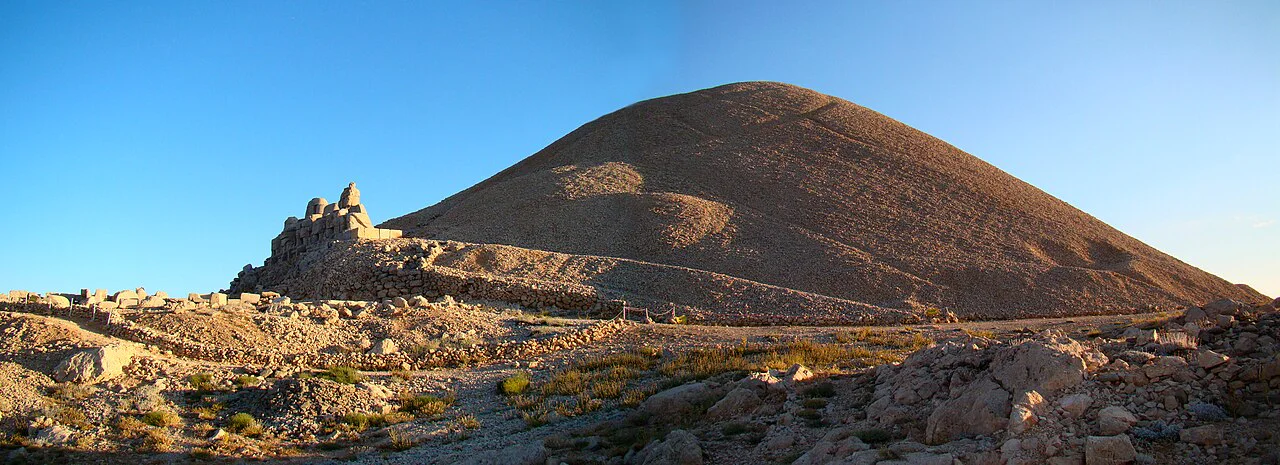
Nemrut Dağı
Content & sources
Bjørn Christian Tørrissen · CC BY-SA 3.0
Haliliye · 138 km
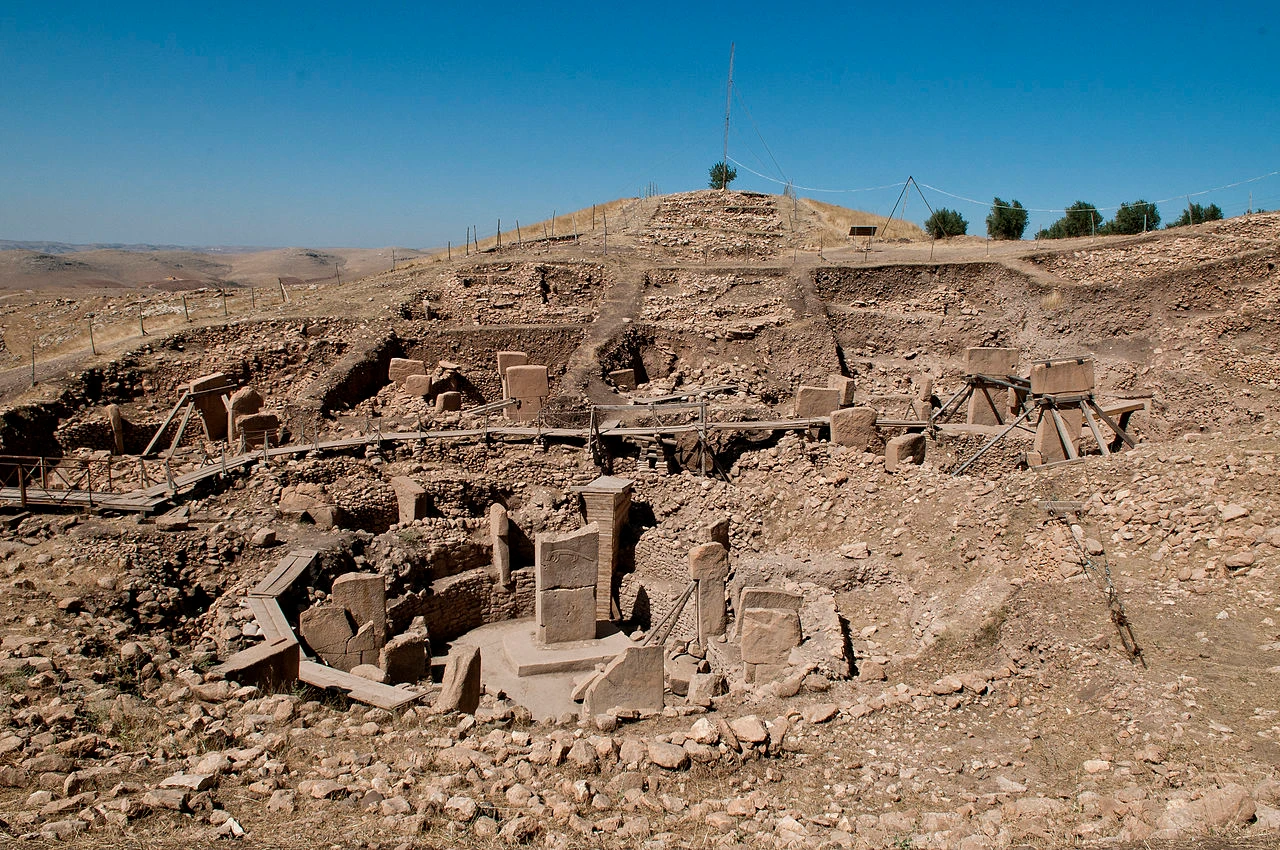
Göbekli Tepe
Content & sources
Photo: Teomancimit · CC BY-SA 3.0
Divriği
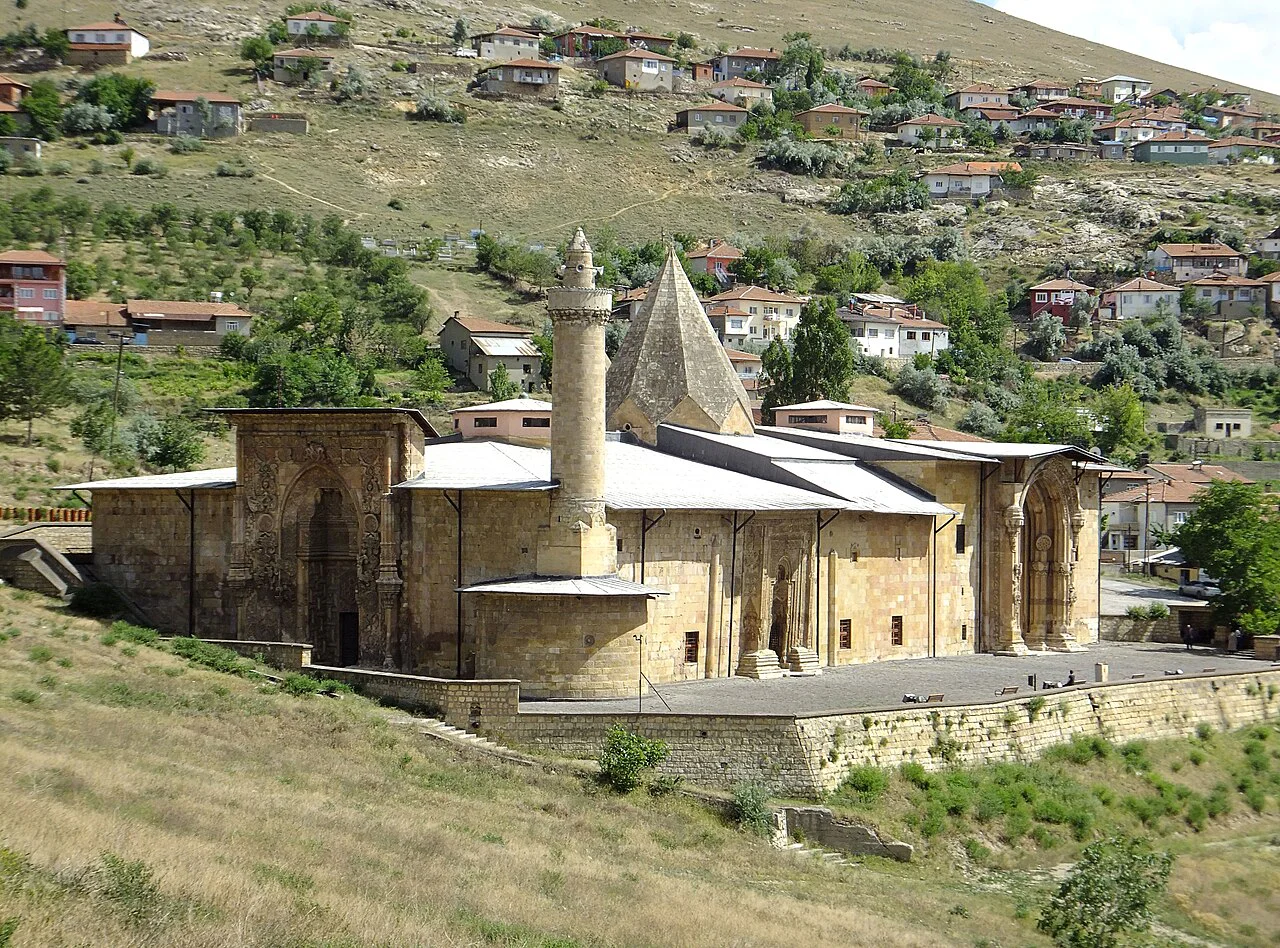
Divriği Ulu Camii ve Darüşşifası
Content & sources
Photo: R Prazeres · CC BY-SA 4.0