Stanza · Audio guide
Canyon de Chelly National Monument Audio Guide
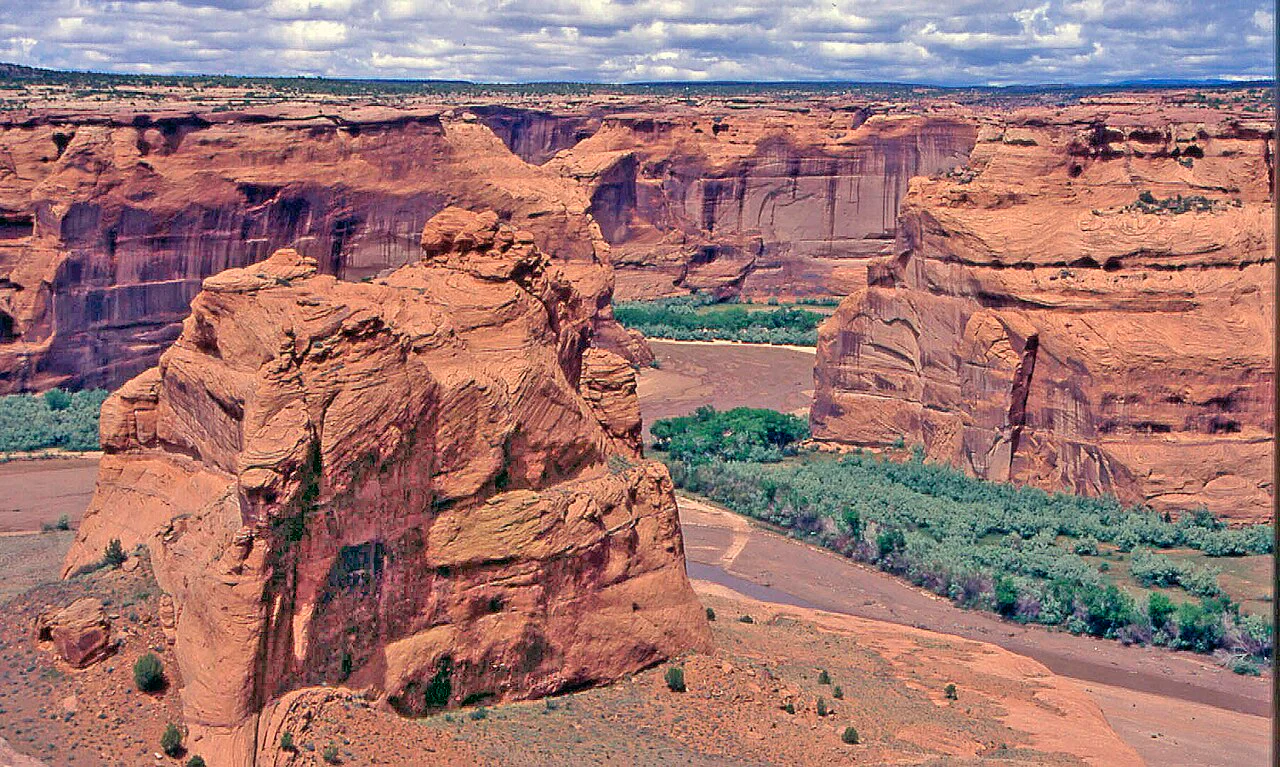
A place to remember. A story to take with you.
Canyon de Chelly National Monument is a unit of the National Park Service located in northeastern Arizona. It preserves ruins of indigenous tribes and reflects one of the longest continuously inhabited…
Download Stanza, then search for “Canyon de Chelly National Monument”.
About the tour
One guide. Your kind of visit.
Canyon de Chelly National Monument is a unit of the National Park Service located in northeastern Arizona. It preserves ruins of indigenous tribes and reflects one of the longest continuously inhabited landscapes in North America.
Ready when you are.
- 01Get the free Stanza app.
iOS & Android
- 02Find your guide.
“Canyon de Chelly National Monument”
- 03Download before you go.
Works offline
Audio guide / 11 narrated stops
Inside the guide
Get to know a few of the stories before you go. Open a stop to read more.
01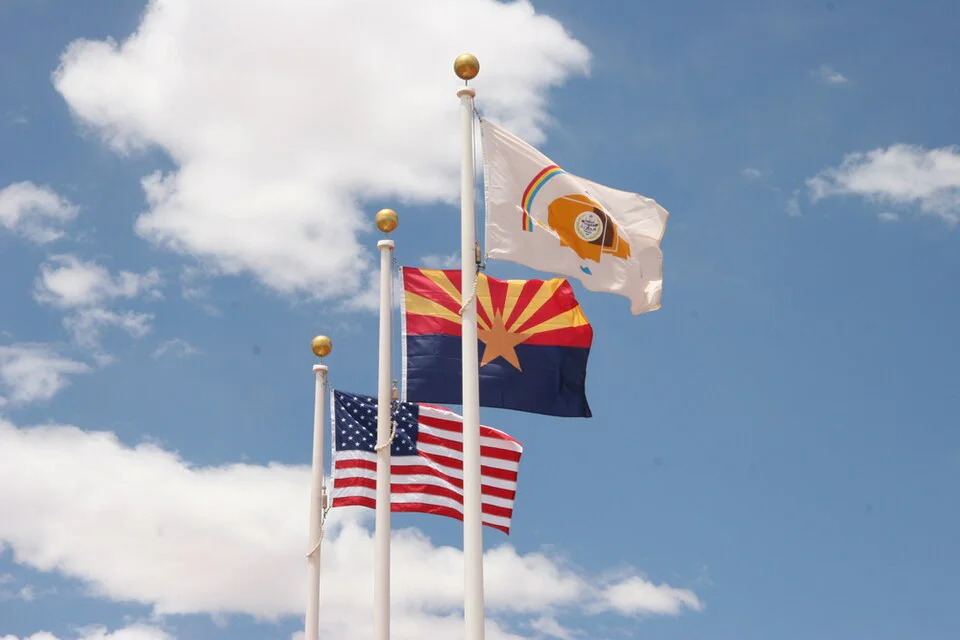 Visitor Center and Tsegi Overlook
Visitor Center: Three Flags Over a Navajo Homeland
Welcome to Canyon de Chelly. Three flags fly together at the visitor center here: the United States, the state of Arizona, and the Navajo Nation. That third flag explains what makes this place unlike any other unit of the National Park Service. The monument was established on April 1, 1931. Yet none of its land is federally owned. Every acre belongs to the Navajo Tribal Trust, and the park service manages it in cooperation with the Navajo Nation. It is the only park unit governed that way. What it protects is one of the longest continuously inhabited landscapes in North America. This is not a park set aside from people. It is a homeland, lived in and worked for generations, and it draws visitors from across the country.
Photo: Khlnmusa · CC BY-SA 3.0
02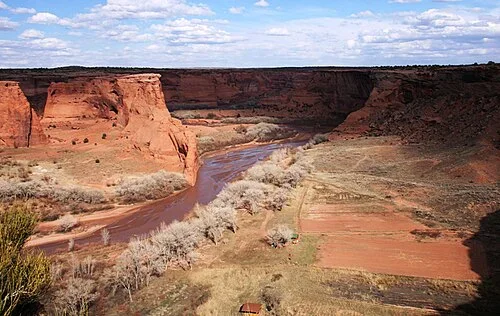 Visitor Center and Tsegi Overlook
Tsegi Overlook: Entering the Rock Canyon
The name on the maps, Canyon de Chelly, is Spanish in spelling but Navajo at its root. It comes from Tséyiʼ, which means rock canyon, or more literally, inside the rock. Spanish speakers borrowed the word, and English speakers kept their version of the Spanish sound, so it is pronounced də-SHAY. The monument covers about three hundred and forty square kilometres, taking in the floors and rims of three canyons: de Chelly, del Muerto, and Monument. Streams with headwaters in the Chuska Mountains to the east cut all three. From up here, the canyon floor looks like a green ribbon between the red walls. Fields follow the winding wash, watered by the streams that carved this place. Roughly forty Navajo families live in the monument, and many farm that fertile ground, much as people have done here for a very long time.
NPS Photo · Public domain
03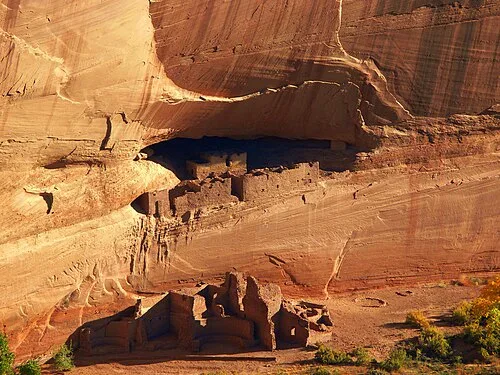 White House Overlook and Trail
White House Overlook: The Famous Dwelling
White House Ruin is the most famous dwelling in Canyon de Chelly. From this distance it reads as two settlements in one. A multi-story village sits tucked into a vast hollow in the cliff face, and more walls stand on the slope of fallen rock below it. Alcoves like this one offered real advantages to the Ancestral Puebloans who built in them. The overhanging rock shelters a village from rain and sun. The high approach makes the site easy to defend. And directly below lies the canyon floor, some of the best farmland in this dry country. Water, stone, and shelter, all within a short walk. That combination drew builders into these hollows across the canyon country, and White House is the finest example here.
Listen in the appPhoto: Jubileejourney · CC BY-SA 3.0
04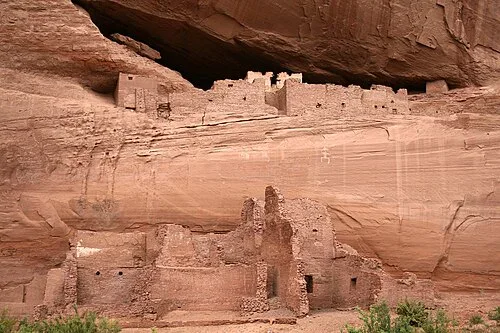 White House Overlook and Trail
White House Ruin Up Close: Stone and Mortar
Up close, White House stops being a distant shape and becomes masonry. Every wall here was raised by hand, stone by stone. The builders were Ancestral Puebloans, and they worked with what the canyon gave them: sandstone quarried nearby, shaped into blocks and set in mortar made from mud. These are human-made walls, fitted without iron tools or modern mortar. They have held their place in the alcove for centuries.
Listen in the appAndreas F. Borchert · CC BY-SA 4.0
05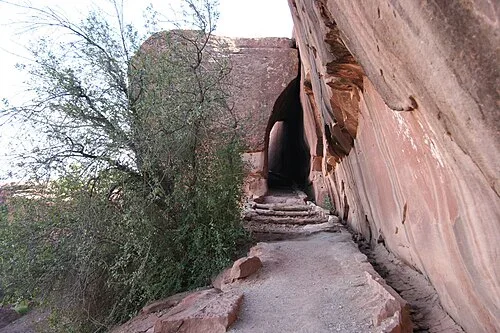 White House Overlook and Trail
The White House Trail: The One Descent
The path ahead does something rare in this monument: it passes through a tunnel in the rock, cut into the cliff on its way down. Almost nowhere else can a visitor follow it. The canyon floor is restricted, and people may travel in the canyons only with a park ranger or an authorized Navajo guide. The White House Ruin Trail is the single exception, the only route down that can be walked without a guide. Even this trail keeps its own schedule and opens only in certain seasons, so anyone hoping to make the descent should check the current status before setting out. Navajo-owned companies also offer guided tours of the floor by horseback, on foot, or by four-wheel drive.
Listen in the appPhoto: Khlnmusa · CC BY-SA 3.0
06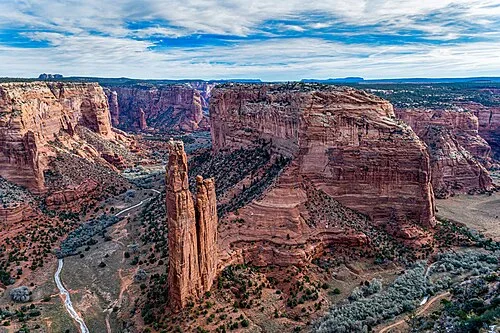 Spider Rock Overlook
: The Spire at the Confluence
A single shaft of sandstone rises from the canyon floor, sheer-sided and free-standing. This is Spider Rock, the signature landmark of Canyon de Chelly. It stands about two hundred and thirty metres tall, roughly as high as a skyscraper of fifty floors. Its position is precise: the junction where Canyon de Chelly meets Monument Canyon, so the spire rises exactly where two canyons join. The red walls around it climb even higher, up to about three hundred metres from the floor. Spider Rock can be seen from South Rim Drive, and its striking profile has made it famous well beyond the canyon. Television commercials have used it as a backdrop. But the rock carries a meaning here that runs much deeper than any advertisement, and that story belongs to the Navajo people.
Listen in the appPhoto: RellimC · CC BY-SA 4.0
07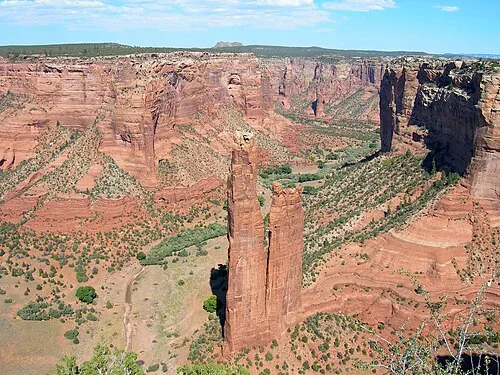 Spider Rock Overlook
Spider Grandmother's Home
From this side, Spider Rock shows itself as two spires standing together, one taller than the other. In traditional Navajo belief, that taller spire is the home of Spider Grandmother. She is a revered and benevolent spirit, held in honor by the Navajo people. According to the tradition, it was Spider Grandmother who taught the Navajo to weave, spinning fiber into yarn and yarn into blankets and rugs. That gift never faded. Weaving remains central to Navajo culture to this day, carried on in homes across the nation, including here in the canyon. This is a living tradition, not a tale from a distant past. It is why the spire is more to Navajo people than a remarkable piece of geology. It is a home, and it is treated with the respect a home deserves.
Listen in the appPhoto: RyderAce · CC BY-SA 4.0
08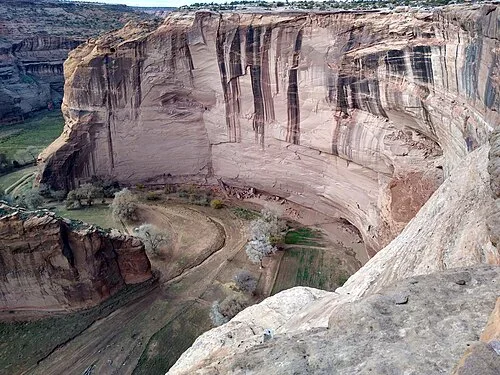 North Rim: Antelope House and Rock Art
Antelope House Overlook: Into Canyon del Muerto
The North Rim Drive follows a second great canyon, Canyon del Muerto. Its walls shelter ruins of the same sheltered village life seen across the rest of the monument, and one of the best known is Antelope House. It stands on the canyon floor near the bend below, with fields spread out beside it, and it has been recorded in detail by the Historic American Buildings Survey. The people of these canyons changed over the centuries. The Hopi are thought to have occupied the canyon sporadically from around the year 1300 into the early seventeen hundreds. Then the Navajo arrived, moving in from places in northern New Mexico. From that time forward, the canyon has served as a home for Navajo people. The fields below the overlook continue a story of dwelling that runs through every people who lived here.
Listen in the appPhoto: Mx. Granger · CC0
09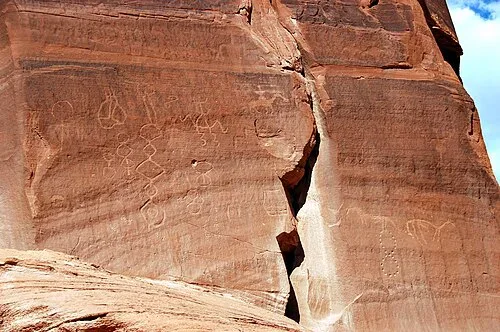 North Rim: Antelope House and Rock Art
Messages Pecked in Stone
The canyon's story is not written only in its dwellings. It is carved into the walls themselves. On this stretch of reddish rock, the surface is covered with petroglyphs, images pecked and incised into the stone. Spirals coil across the panel. Animal shapes and human-like figures stand among them, some with lines connecting them like a scene. These marks were made by the peoples who lived in the canyon, each generation adding to the record on the stone. What they meant to their makers is another matter. The full meaning of many figures cannot be recovered today, and even which people carved which images is not always settled. What is certain is the habit behind them: for centuries, people here felt moved to leave their marks on the canyon walls, and the stone has kept them.
Listen in the appMargie Roesch · CC BY-SA 4.0
10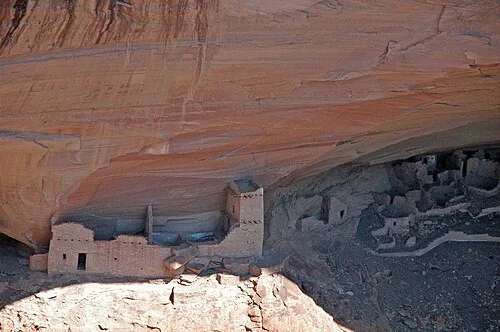 Mummy Cave and Canyon del Muerto Overlooks
Mummy Cave: Built Across the Ages
Deep within the monument, in Canyon del Muerto, a huge alcove holds one of the canyon's most telling sites. Mummy Cave is not a ruin from a single moment. Its structures were built at various times across history, and they stand side by side under the same overhanging cliff. A tower-like building rises at the left of the alcove. Older masonry spreads away to the right, from different phases of construction. Generations came to this same shelter, and each rebuilt or added to what earlier hands had raised. Few places anywhere hold so much of the dwelling story in one frame. The alcove also shows how demanding this country could be. Snow can lie here in winter, in a high desert where temperatures fall far below freezing. Whoever lived here chose a sheltered spot and endured the rest.
Listen in the appJames St. John · CC BY 2.0
- 11
Massacre Cave Overlook: Invasions and Endurance
Two invasions, 1805 and 1863 - and a homeland that endured both.
Canyon de Chelly National Monument
Frequently asked questions
How much does the guide cost?
Free app download. Listed guide price: $0.99. Guide price shown in the app. Audio guide only. Venue admission is separate.
Can I listen without internet?
Yes. Download the guide’s audio, images, and maps in the app before your visit. Your downloaded content is then available offline.
Can I listen in my language?
This audio guide is available in 15 languages, including English.
Do I need to follow a schedule?
No. This is a self-guided experience. Choose your stops, pause whenever you like, and return to a story at your own pace.
At your own pace
Explore Canyon de Chelly National Monument.
Download Stanza, then search for “Canyon de Chelly National Monument”.
Free app download · Guide price shown in the app
Keep exploring
Audio guides — United States
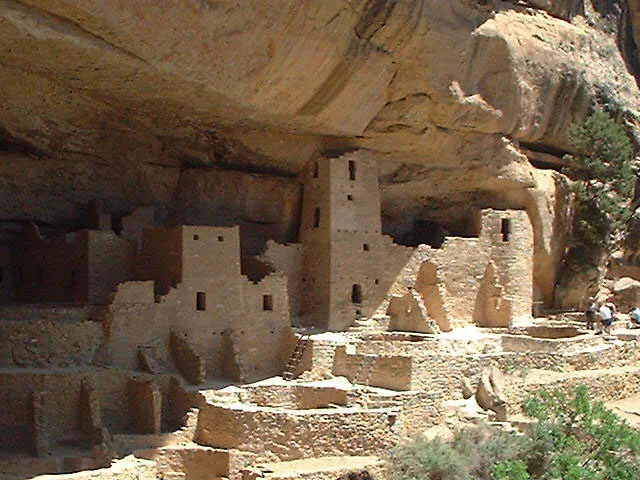
Montezuma County
Mesa Verde National Park
Content & sources
Elaine from Sheffield, England · CC BY 2.0
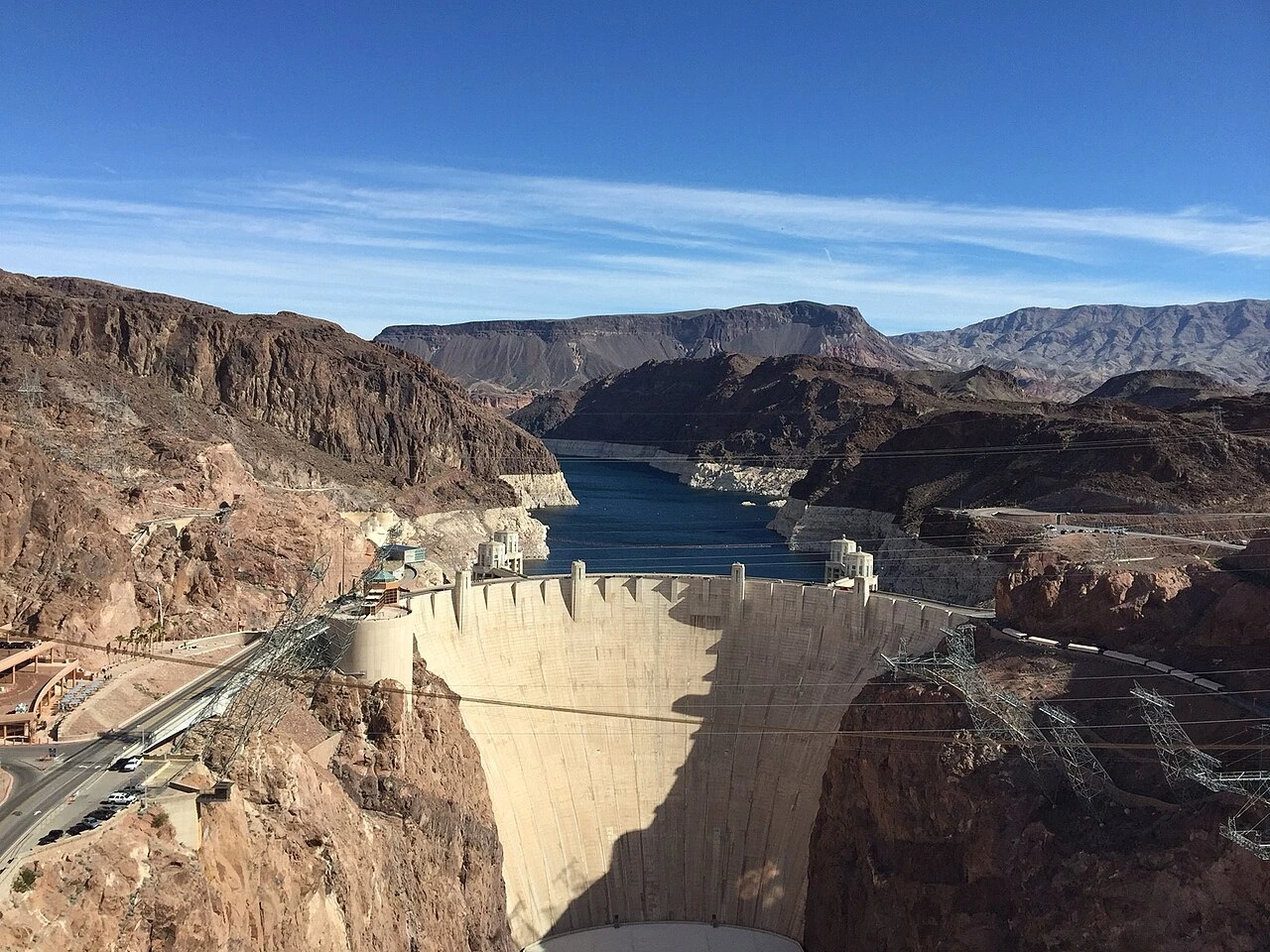
Boulder City
Hoover Dam
Content & sources
Western Area Power · CC BY 2.0
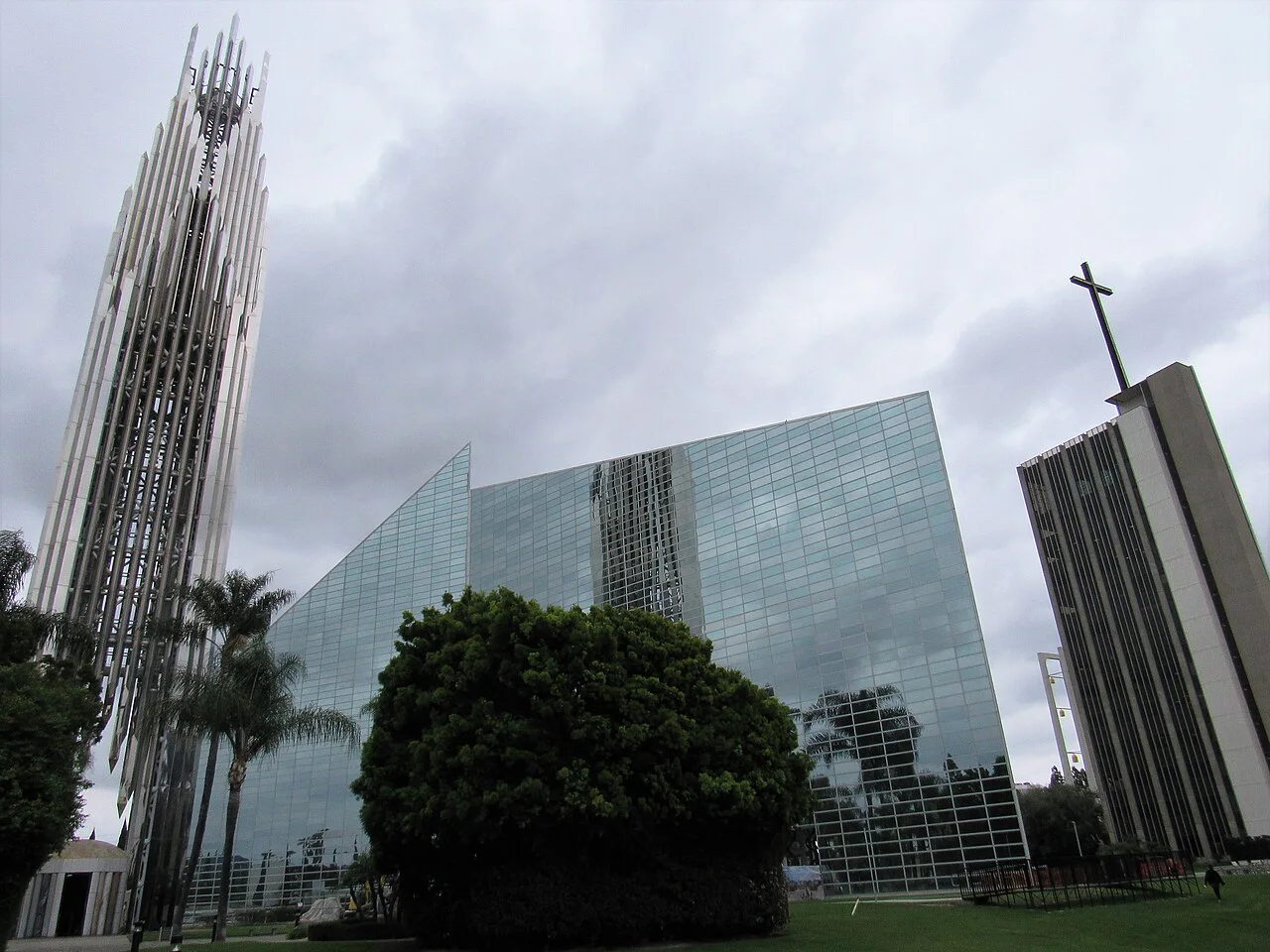
Garden Grove
Christ Cathedral
Content & sources
Photo: Farragutful · CC BY-SA 4.0
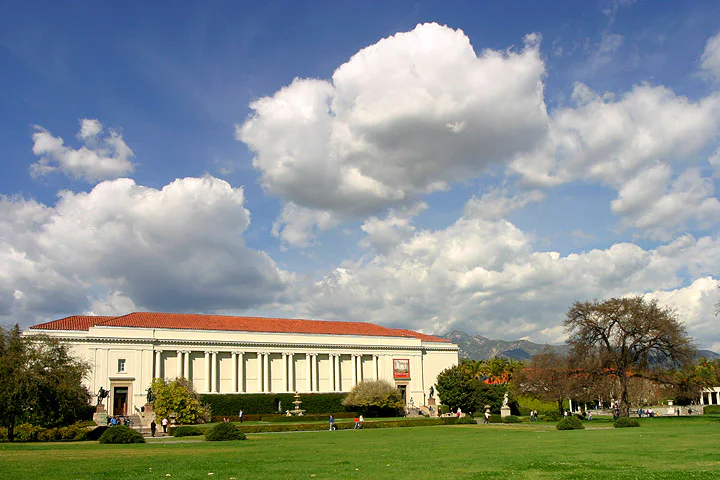
San Marino
Huntington Library
Content & sources
By Aaron Logan · CC BY 1.0
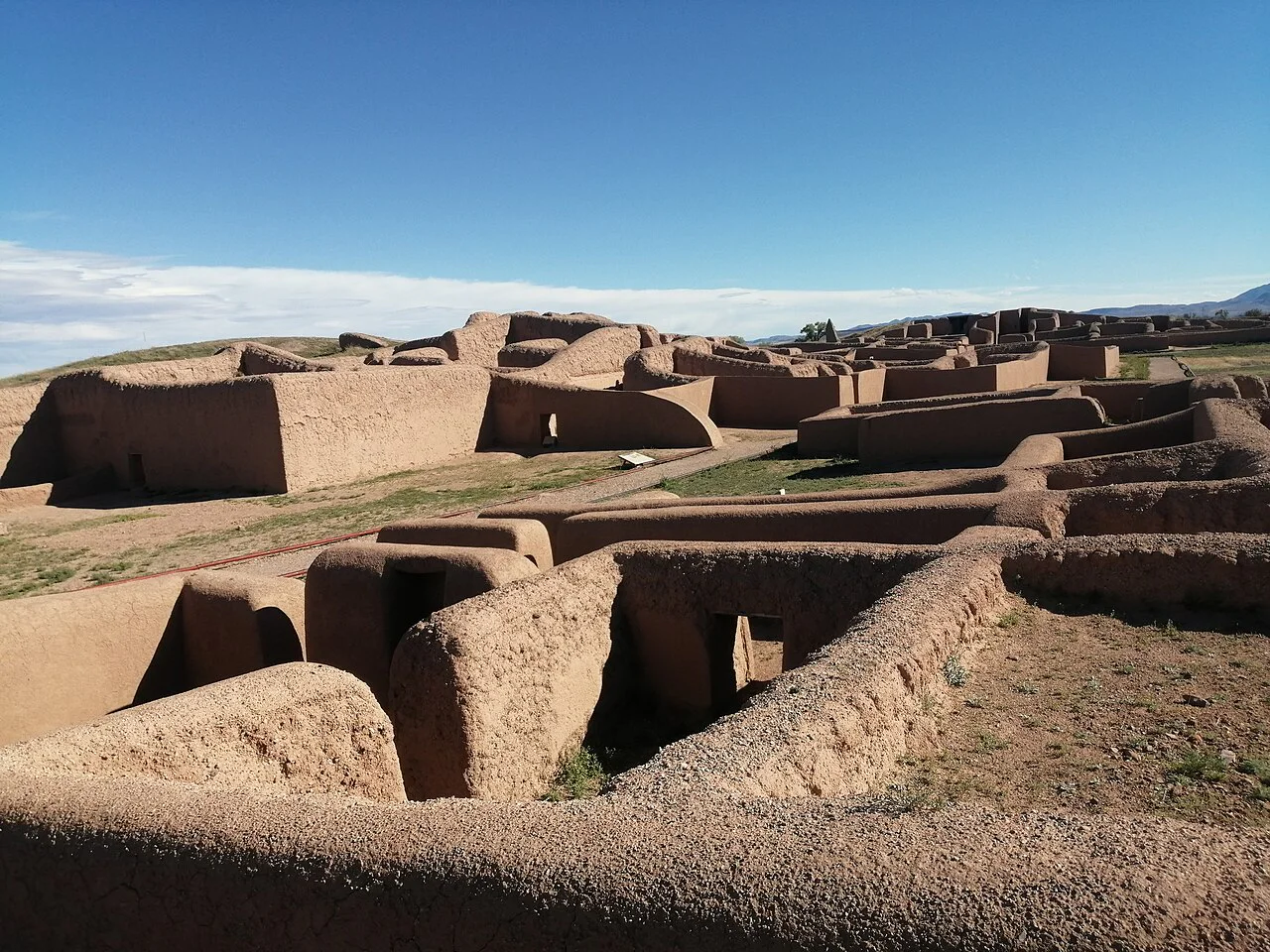
Casas Grandes
Paquimé
Content & sources
Photo: Levi bernardo · CC BY-SA 3.0