 Stanza / Audio guide
Content & sources
Stanza · Audio guide
Mount Vernon Audio Guide
A place to remember. A story to take with you.
Mount Vernon is the historic plantation estate and house of George Washington located on the banks of the Potomac River. It serves as a major historic site and museum preserving the legacy of the first U.S…
Download Stanza, then search for “Mount Vernon”.
About the tour
One guide. Your kind of visit.
Mount Vernon is the historic plantation estate and house of George Washington located on the banks of the Potomac River. It serves as a major historic site and museum preserving the legacy of the first U.S. president.
Ready when you are.
- 01Get the free Stanza app.
iOS & Android
- 02Find your guide.
“Mount Vernon”
- 03Download before you go.
Works offline
Audio guide / 17 narrated stops
Inside the guide
Get to know a few of the stories before you go. Open a stop to read more.
01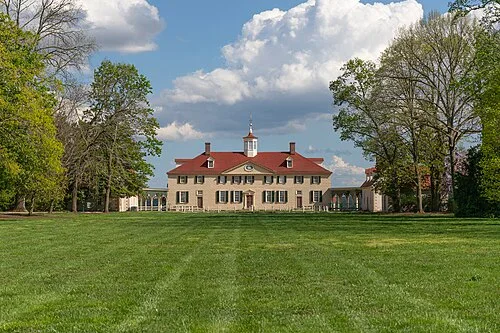 The Bowling Green and West Front Façade
Arrival: The Bowling Green and West Front
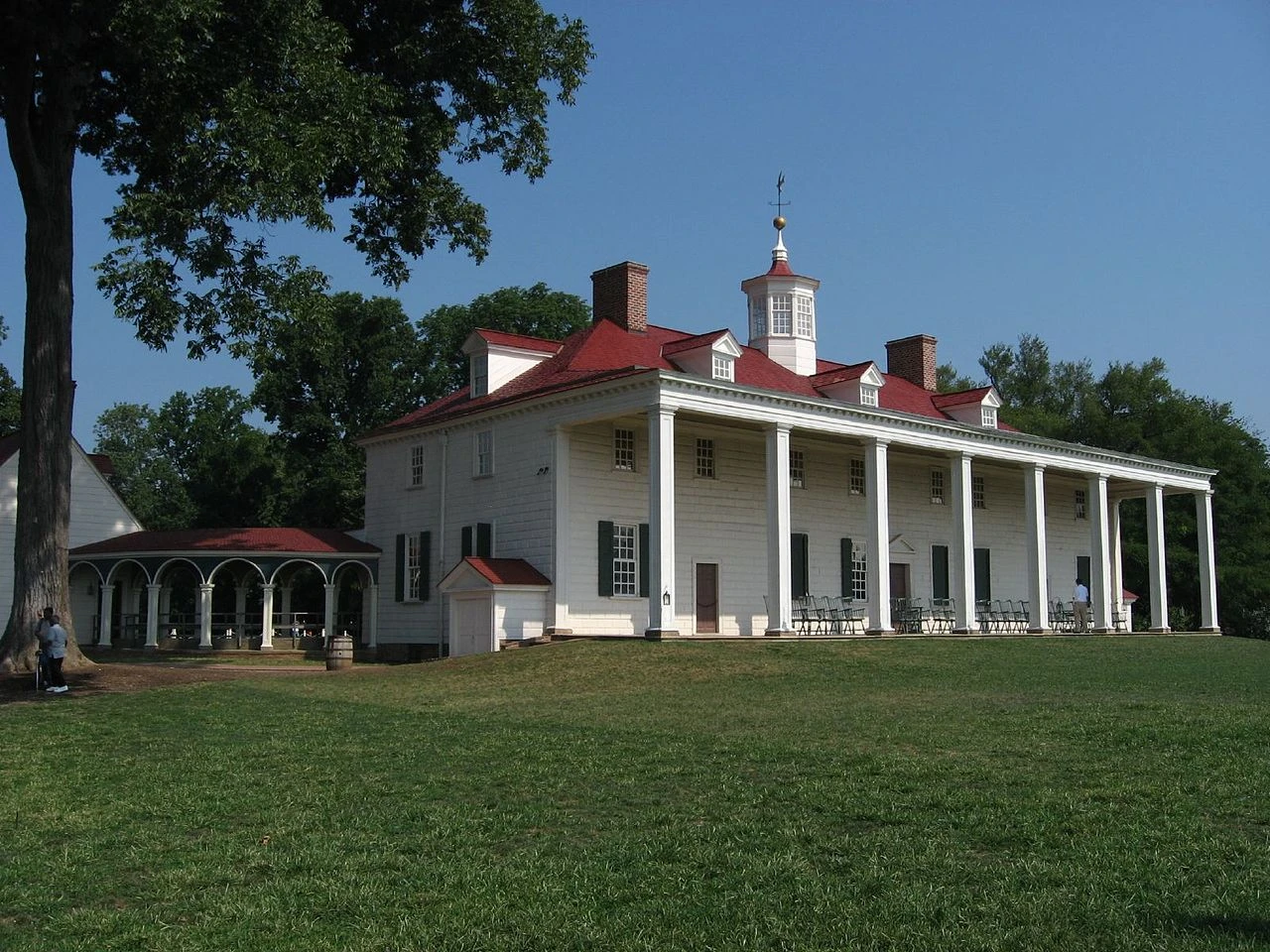
Welcome to Mount Vernon, the plantation home of George and Martha Washington, on a bluff above the Potomac River in Virginia. The house began around 1734 as a modest one-story dwelling built by George's father, Augustine. It grew in stages over the decades that followed, and the off-center front door still betrays that piecemeal history. George Washington raised the roof to a full second story in the 1750s, then added whole new wings in the 1770s. The finished mansion holds twenty-one rooms and covers more than eleven thousand square feet, all in a loose Palladian style. Even the name carries a story. Washington's half-brother Lawrence served under Admiral Edward Vernon of the British navy, and he named the property after his commander. In Washington's day the estate covered eight thousand acres. Five hundred are preserved now, with the mansion and more than thirty buildings near the river. Augustine's original house was small indeed. The stone foundations of a two-room home, with two more rooms above, still survive in the present cellar.
Photo: Otherspice · CC BY-SA 4.0
02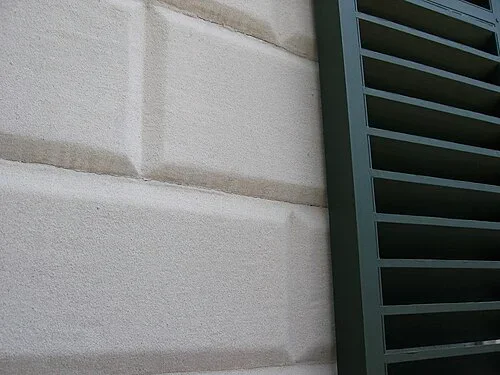 The Bowling Green and West Front Façade
The Rusticated Siding Trick
Up close, the west front gives away the mansion's most famous trick. Those handsome blocks of pale masonry are not stone at all. They are wood, cut from yellow pine and finished to imitate dressed stone, right down to the grooves between the blocks. Washington never hired a professional architect for any of this. He was his own designer, taking the classical Palladian style he admired and adapting it to American materials and American craftsmen. The great majority of the building work was performed by enslaved African Americans, alongside skilled artisans. The effect was convincing enough that the illusion still holds at a distance.
Photo: Tristam29 · CC BY-SA 3.0
03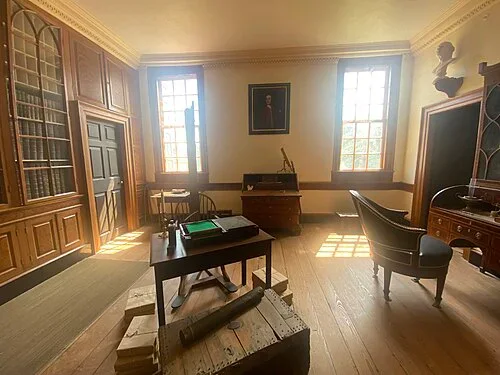 Mansion Interior: Private Study and New Room
Washington's Private Study
Every part of this house had its rank, and the smallest room held the most power. Washington's study combined his office, his library, his dressing room and his bathroom in one simply furnished space. Only a privileged few were ever granted entry. So few visitors wrote about the room that its restoration had to be worked out through careful inference. The walls are lined with grained paneling and matching bookcases, and from here Washington managed the plantation and his endless correspondence. Even during his presidency he kept detailed oversight of the estate, relying on weekly reports from the managers he left in charge. Back out in the central passage hangs a stranger treasure. It is the purported key to the Bastille, sent to Washington by the Marquis de Lafayette after the fall of that prison, a token of liberty from across the Atlantic.
Listen in the appPhoto: ThePhotoGraphIc · CC BY 4.0
04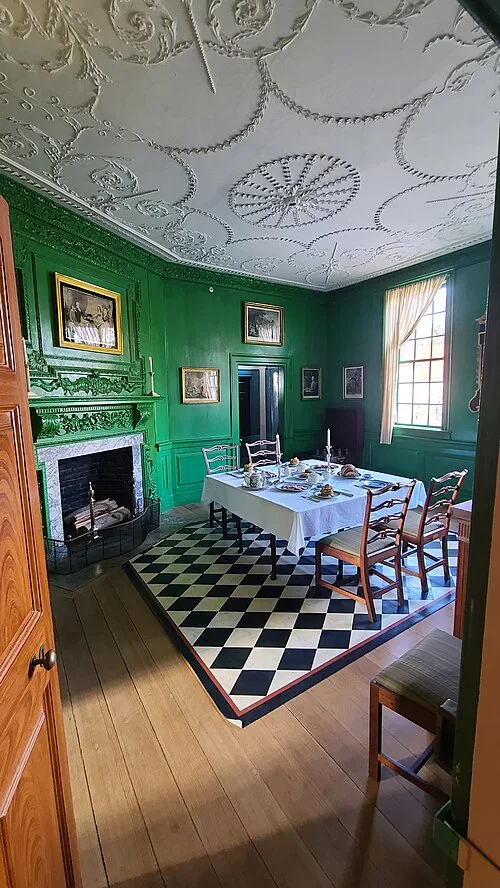 Mansion Interior: Private Study and New Room
The Dining Room and Formal Entertaining
The deep green of this dining room comes from copper mixed into the paint, and it is like nothing else in the house. Overhead, the plaster ceiling swirls with ornament. Much of the interior plasterwork can be attributed to John Rawlins, an English craftsman who arrived from London in 1771 carrying the fashionable design motifs of the British capital. This room served the household's formal meals, but the grandest entertaining happened in the New Room. It is a two-storied salon with a huge Palladian window filling the whole northern end, and a neoclassical marble chimneypiece donated by the English merchant Samuel Vaughan. Washington hesitated before accepting the gift. It was, he wrote, "too elegant & costly I fear for my own room, & republican stile of living." He took it in the end, and it remains about as grand as anything in the house.
Listen in the appPhoto: JazzyJoeyD · CC BY-SA 4.0
05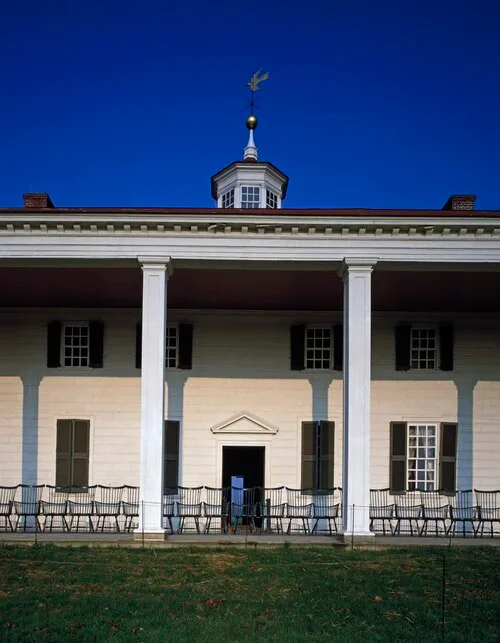 The High Piazza and Riverside Overlook
The High Piazza
The two-story piazza is Washington's most original contribution to the house. He added it in the 1770s expansion, together with the cupola, to tie together the new north and south wings into one composition. It works as an outdoor room, a breezy gallery furnished with chairs where family and prominent guests gathered above the lawn. It also hosted less solemn occasions. At Christmas in 1787, Washington paid eighteen shillings to hire a travelling camel. The animal was meant to entertain his family and guests with an example of the creature that carried the Three Wise Men to Bethlehem. The estate keeps the joke alive. Each Christmas Day, a camel named Aladdin appears at Mount Vernon in honor of that long-ago booking.
Listen in the appCarol M. Highsmith · Public domain
06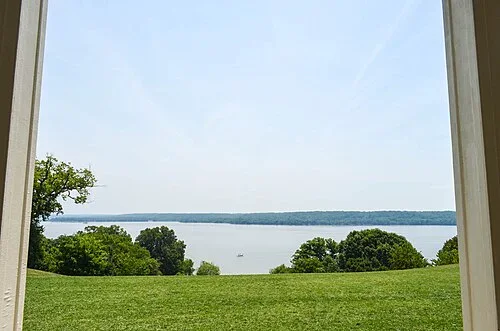 The High Piazza and Riverside Overlook
The Potomac Vista
Washington positioned his house and piazza for exactly this prospect, the wide reach of the Potomac and the wooded shore beyond. More than two centuries later, the view survives largely because people fought for it. In the 1950s, a farm across the river went up for sale, and rumors spread that an oil company might buy it. Charles Wagner, who lived in a community nearby, alerted Charles Wall, the resident director of Mount Vernon. Together with the Mount Vernon Ladies' Association and the Ohio congresswoman Frances Bolton, they began a decades-long effort to protect the viewshed, known as Operation Overview. In 1961 a joint resolution sped through Congress and was signed by President John F. Kennedy. Land across the river was transferred to the National Park Service to form Piscataway Park, and neighbors added conservation easements of their own. Even the sky is guarded. The airspace above the estate is restricted, to keep aircraft vibrations from damaging the old house.
Listen in the appm01229 from USA · CC BY 2.0
07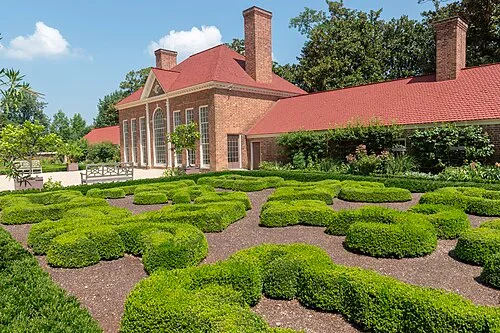 The Dependencies and Upper Gardens
The Upper Garden and Greenhouse
Red brick walls flank the bowling green on either side, and inside them the gardens did double duty. These beds grew the household's vegetables, fruit and other perishables for the table. They were also pleasure grounds, laid out for the enjoyment of Washington's family and his guests. The upper garden, on the north side, is bordered by the greenhouse. The boxwood hedges have their own family tree. Cuttings were sent by Major General Henry Lee the Third, a governor of Virginia and the father of Robert E. Lee. Washington planted them in 1786, and their descendants now crowd the entry path, clipped into the dense green masses that frame the walks.
Listen in the appPhoto: Danmuth · CC BY-SA 4.0
08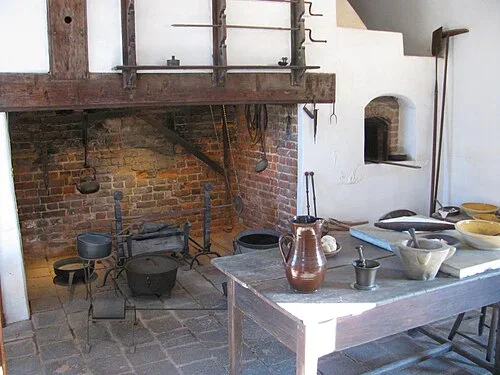 The Dependencies and Upper Gardens
The Kitchen and the Service Buildings
The mansion did not feed itself. Meals began here, at a great brick hearth backed by an entire battery of pots, kettles and long-handled utensils. This kitchen was one of more than thirty outbuildings that kept the household running, among them smokehouses, stables and artisan workshops. The service buildings were staffed by the enslaved community, whose story is told in full at the memorial further along. Between the working yard and the fine lawns ran a clever piece of design called a ha-ha wall. It is a barrier set in a sunken ditch, deep enough to turn livestock away from the pleasure grounds, yet low enough to be invisible from the house. Washington used it to keep his ornamental landscape and his working farm side by side, without a fence ever cutting the view.
Listen in the appPhoto: Slowking4 · CC BY-SA 3.0
09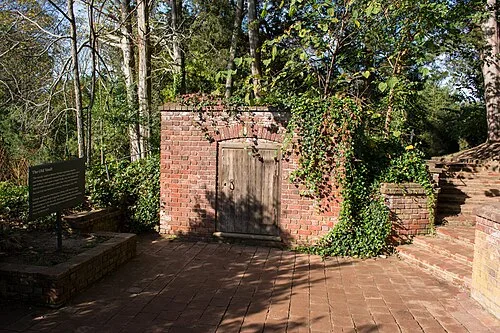 The Washington Family Tombs
The Old Tomb
The brick vault under the ivy was the family's first burial place. Washington built it when he first inherited the estate, and here George and Martha were buried at first. By his death in 1799 the old crypt was already falling into disrepair, and his will asked for a new and larger tomb to replace it. Events proved how urgent that request was. In the 1830s, an intruder broke into the crumbling vault and tried to steal Washington's skull. The attempt failed, but the intruder made off with the remains of one of Washington's in-law relatives by mistake. The episode settled the matter, and the family at last carried out what the will had asked for.
Listen in the appTim Evanson · CC BY-SA 2.0
10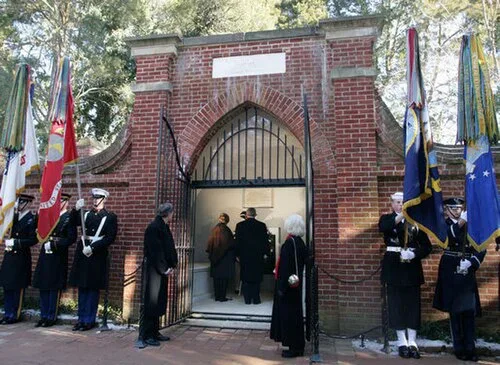 The Washington Family Tombs
The New Tomb
Washington died at Mount Vernon in December 1799. He was sixty-seven years old. The family finally built this brick mausoleum in 1831, near the centennial of his birth. That same year, George and Martha's remains were carried here from the crumbling vault. The arched brickwork and iron gates were meant to hold what the older tomb could not. The move settled one argument and started another. In early 1832, a joint committee of Congress pressed to remove Washington's body to a crypt in the United States Capitol. Southern opposition was intense, fed by the deepening rift between North and South. Congressman Wiley Thompson of Georgia gave voice to those fears, warning against taking the remains from Washington's native state. The proposal failed, and Washington stayed at Mount Vernon. Long after, during the Civil War, troops of both armies toured the estate. Union and Confederate soldiers alike handed over their weapons and covered their uniforms when the two women caretakers asked.
Listen in the appWhite House photo by Shealah Craighead · Public domain
- 11
Washington's Marble Sarcophagus
The marble sarcophagus where Washington has rested since 1837, with Martha's beside it.
- 12
The Slave Memorial
The memorial to the 317 enslaved people whose labor built and ran Mount Vernon.
- 13
The Enslaved Burial Ground
The unmarked graves of the enslaved community, and what Washington's will promised them.
- 14
Pioneer Farm and the 16-Sided Treading Barn
The Pioneer Farm and Washington's celebrated sixteen-sided treading barn of 1792.
- 15
Inside the Treading Barn
How the treading barn worked from the inside, and the distillery that out-earned them all.
- 16
Washington in 1772: Before the Revolution
Peale's 1772 portrait of Washington as a British colonial officer, and the museum's earlier Washington.
- 17
Closing: Washington's Dentures and the Rescue of Mount Vernon
The president's dentures, and the rescue that kept Mount Vernon standing for everyone.
Mount Vernon
Frequently asked questions
How much does the guide cost?
Free app download. Listed guide price: $1.99. Guide price shown in the app. Audio guide only. Venue admission is separate.
Can I listen without internet?
Yes. Download the guide’s audio, images, and maps in the app before your visit. Your downloaded content is then available offline.
Can I listen in my language?
This audio guide is available in 15 languages, including English.
Do I need to follow a schedule?
No. This is a self-guided experience. Choose your stops, pause whenever you like, and return to a story at your own pace.
At your own pace
Explore Mount Vernon.
Download Stanza, then search for “Mount Vernon”.
Free app download · Guide price shown in the app
Keep exploring
Nearby audio guides
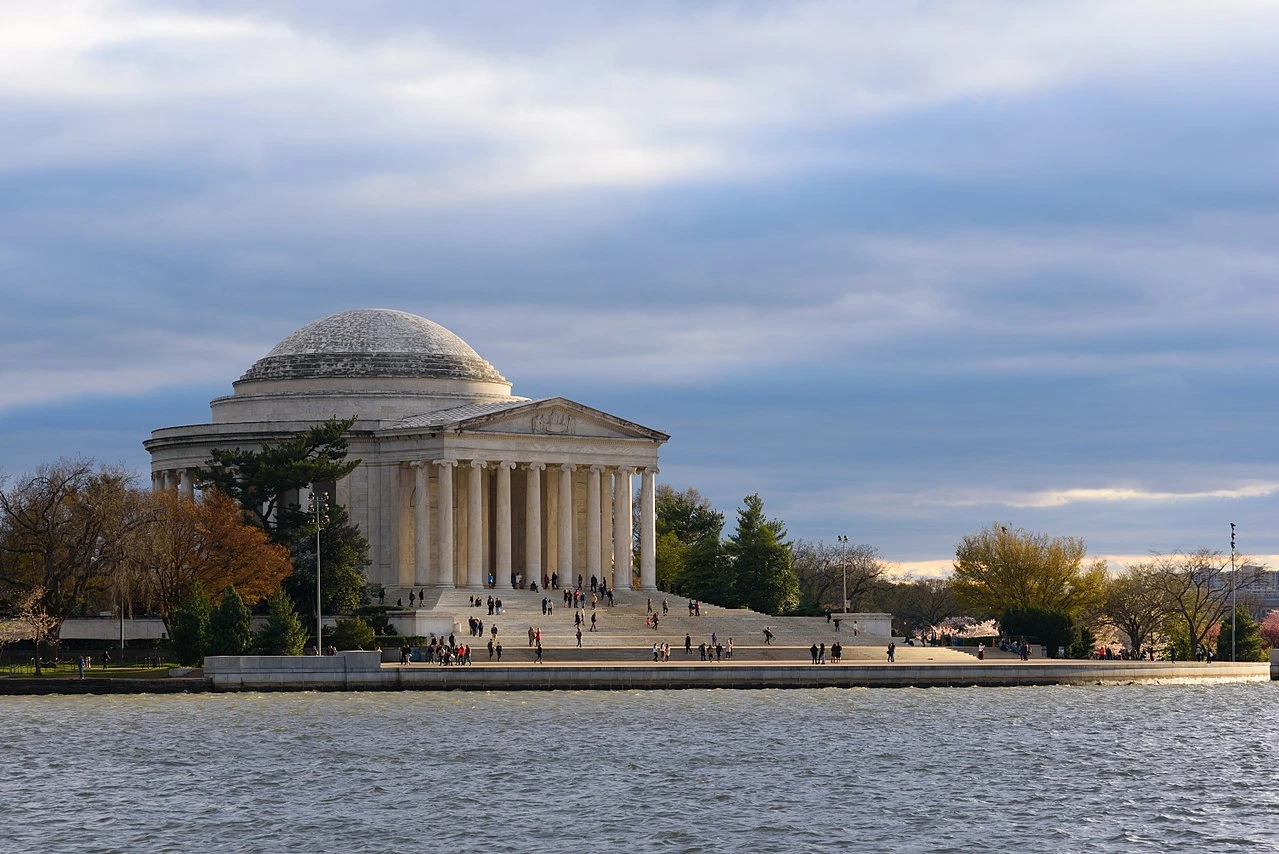
Washington · 20 km
Jefferson Memorial
Content & sources
Photo: King of Hearts · CC BY-SA 4.0
Washington · 20 km
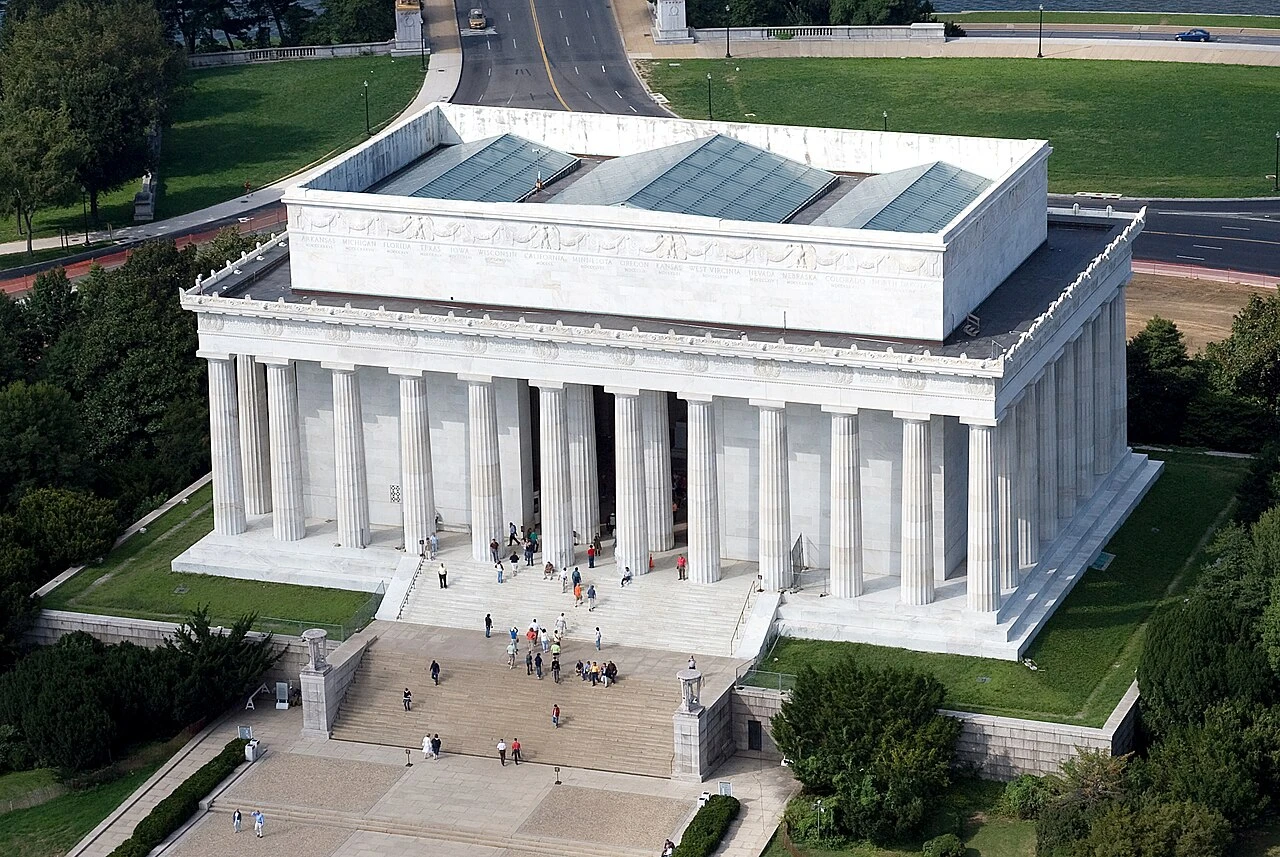
Lincoln Memorial
Content & sources
Aerial_view_of_Lincoln_Memorial_-_east_side.jpg: Carol M. Highsmith derivative work: upstateNYer · Public domain
Washington · 21 km
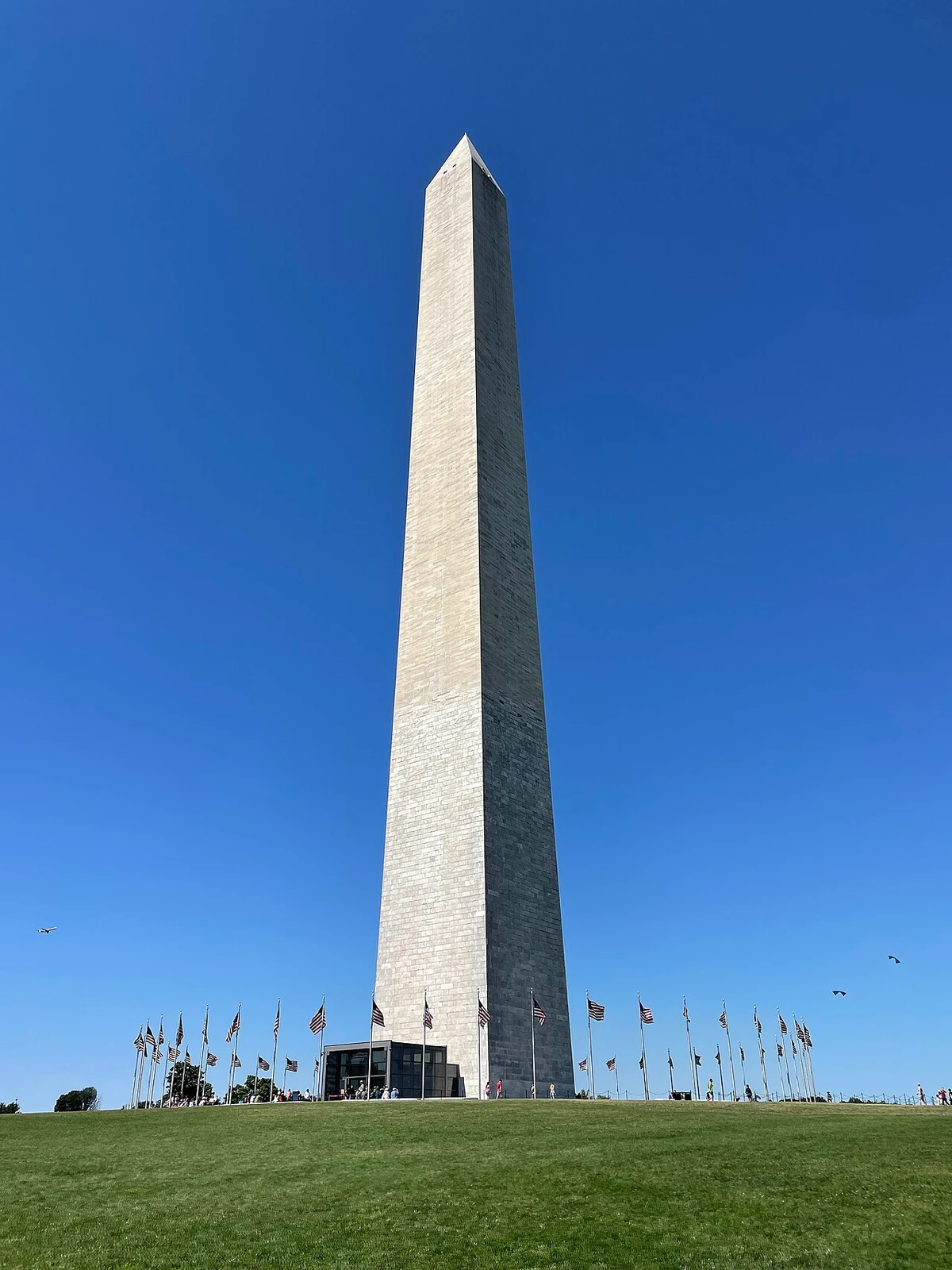
Washington Monument
Content & sources
Photo: Greyfiveys · CC BY-SA 4.0
Washington, D.C. · 22 km
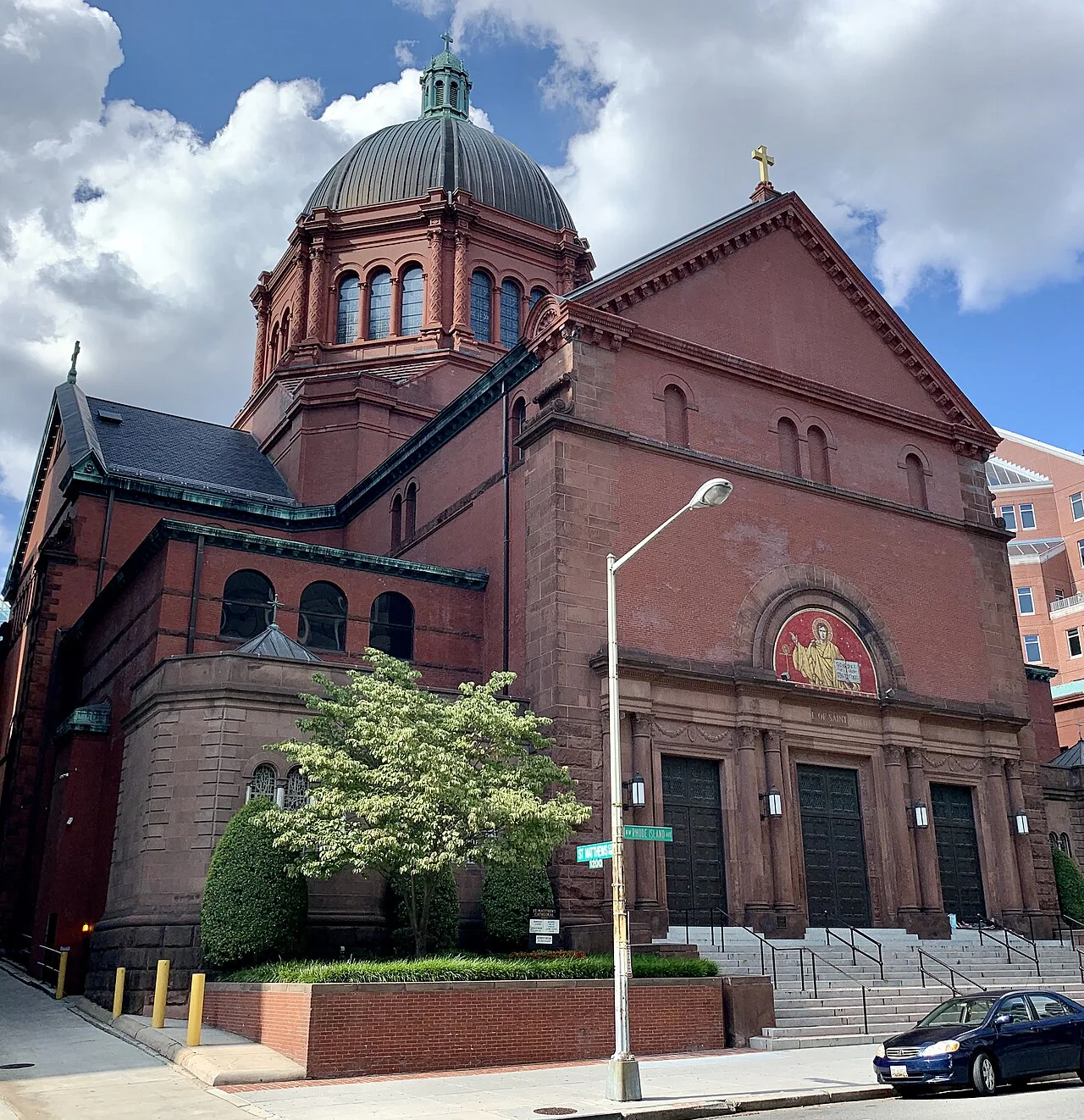
Cathedral of St. Matthew the Apostle
Content & sources
Photo: APK · CC BY-SA 4.0