Stanza · Audio guide
Trinity Church Audio Guide
A place to remember. A story to take with you.
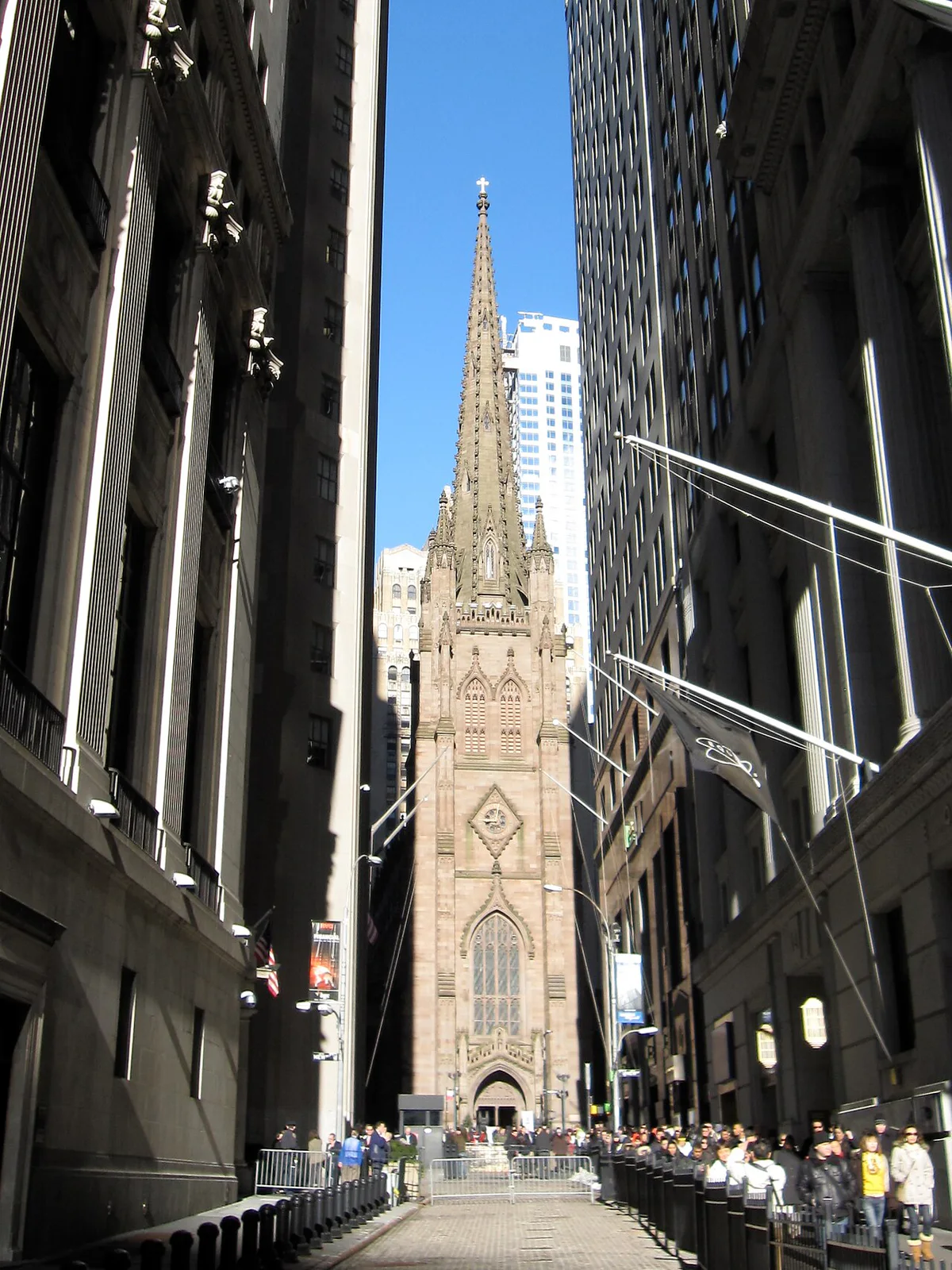
Trinity Church is a historic Episcopal parish church located in the Financial District of Lower Manhattan. It is known for its centuries of history, distinguished architecture, and its role as the founding…
Download Stanza, then search for “Trinity Church”.
About the tour
One guide. Your kind of visit.
Trinity Church is a historic Episcopal parish church located in the Financial District of Lower Manhattan. It is known for its centuries of history, distinguished architecture, and its role as the founding site of King's College in 1754.
Ready when you are.
- 01Get the free Stanza app.
iOS & Android
- 02Find your guide.
“Trinity Church”
- 03Download before you go.
Works offline
Audio guide / 13 narrated stops
Inside the guide
Get to know a few of the stories before you go. Open a stop to read more.
01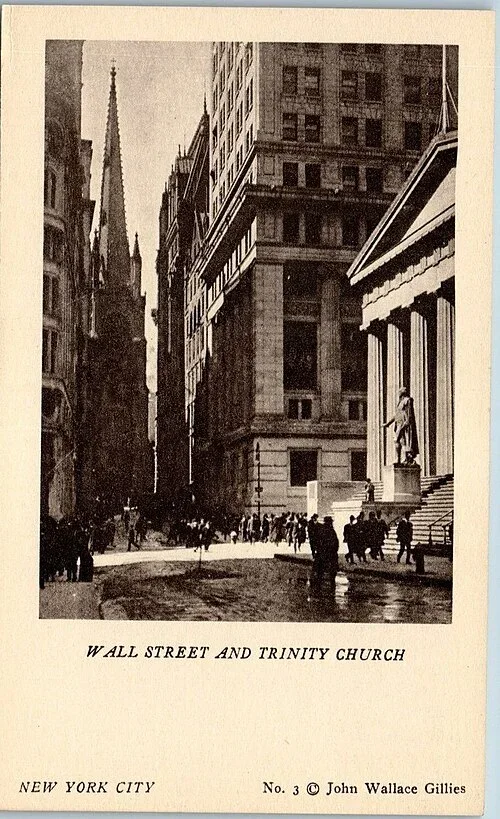 Broadway Approach & The Gothic Spire
Wall Street and Trinity Church
Welcome to Trinity Church. This tour covers the building, its bronze doors, its memorials, and the churchyard around it. Trinity sits at 89 Broadway, directly opposite Wall Street, and it is still an active Episcopal parish. Wall Street runs toward the spire, which closes the end of the street. The parish's story begins in 1696, when the governor approved the purchase of land for a new church. King William the Third granted its royal charter in 1697, and the charter gave the church legal status. In 1705, Queen Anne enlarged the parish's land. The holding grew to two hundred and fifteen acres. The grant came with a yearly rent of sixty bushels of wheat. In 1976, Queen Elizabeth the Second visited the church. Its vestrymen presented her with a symbolic back rent of two hundred and seventy-nine peppercorns. Trinity has sold off much of that royal land, but it still owns fourteen acres of Manhattan real estate.
John Wallace Gillies · Public domain
02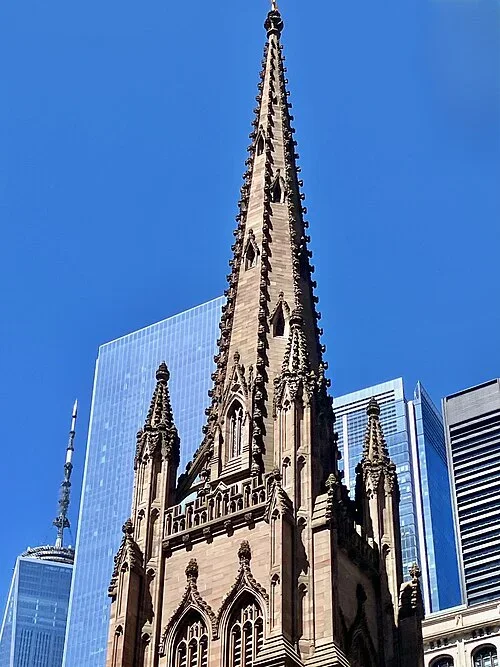 Broadway Approach & The Gothic Spire
Richard Upjohn's Gothic Revival Spire
Trinity's spire climbs two hundred and eighty-one feet, up to the top of its cross. Richard Upjohn designed the church beneath it in the Gothic Revival style. Construction began in 1839, on the site of the parish's second church. It was finished in 1846. The Gothic Revival brought back the pointed arches and tall spires of medieval churches. For a time, the building was the tallest in the United States. It held that title until 1869, when Saint Michael's Church in Old Town, Chicago, passed it. In New York City, it stayed the tallest until 1890, when the New York World Building rose higher. The stone is reddish-brown. Small pinnacles rise at the corners of the tower, and pointed windows are framed in carved stone tracery. Tracery is the openwork stone pattern inside a window. The spire dominated the skyline of lower Manhattan, and it was a welcoming beacon for ships sailing into New York Harbor.
Listen in the appPhoto: Bmzuckerman · CC BY 4.0
03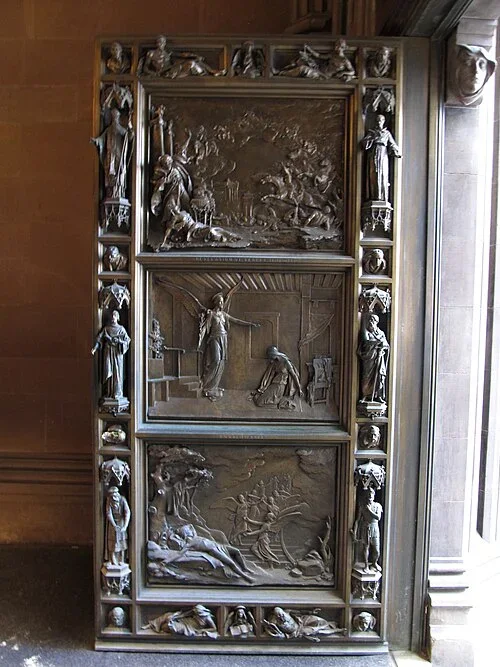 The Astor Memorial Bronze Doors
These doors are a son's memorial to his father. John Jacob Astor the Third, a financier and philanthropist, died in February 1890. His only child, William Waldorf Astor, gave three sets of bronze doors to Trinity Church in his memory. The next year William moved to England, and he later became the first Viscount Astor. The architect Richard Morris Hunt conceived the doors, and they date from 1893. Hunt had begun his training in Paris in 1846, and he was the first American admitted to the school of architecture at the École des Beaux-Arts. Six framed panels fill the face of each door, and small standing figures line both sides of the frame, one above another.
Listen in the appKen Lund from Reno, Nevada, USA · CC BY-SA 2.0
04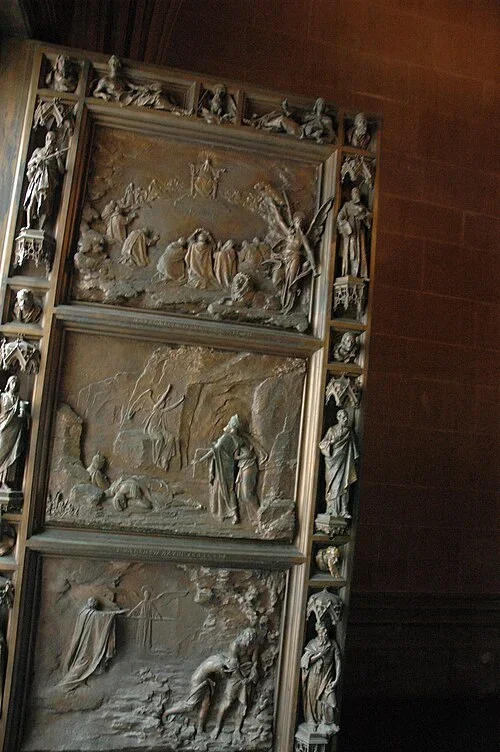 The Astor Memorial Bronze Doors
Three Sculptors, Three Doors
Three sculptors made these doors, and they got the work by competition. After the elder Astor died in 1890, a contest was announced for three sets of bronze doors in his memory, and Karl Bitter, Charles Niehaus and J. Massey Rhind each won one. Bitter was born in Vienna and had landed in New York in 1889. He was twenty-one when he won, and his east doors were finished in 1891. Rhind came from Edinburgh, also in 1889. His father had warned him, "There is no sculptural art in America. You'll starve." Niehaus was a Cincinnati wood and marble carver who had studied in Munich. The north and east doors each carry six panels of Church history or scenes from the Bible. The six panels of the south door turn instead to the history of New York.
Listen in the appPhoto: 林高志 · CC BY-SA 4.0
05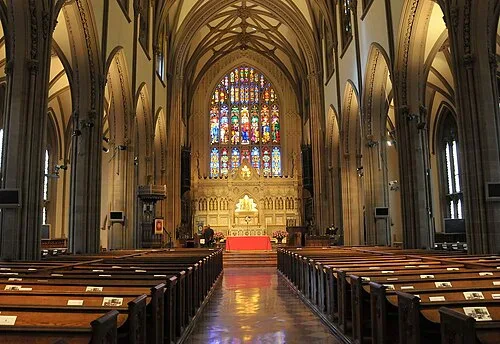 The Nave and Ribbed Vaulting
The Nave Looking to the Chancel
The congregation is said to be high church. The Episcopal Bishop of New York consecrated the building on Ascension Day in 1846. Rows of wooden pews run down the central aisle toward the altar. The church holds six hundred and fifty-two people. A large stained-glass window fills the wall at the far end, above the altar. A renovation began in 2018, led by MBB Architects. It restored the architecture and ornament, made the chancel accessible, and added three new organs. A 2022 preservation award from the New York Landmarks Conservancy honored the work.
Listen in the appFaceMePLS from The Hague, The Netherlands · CC BY 2.0
06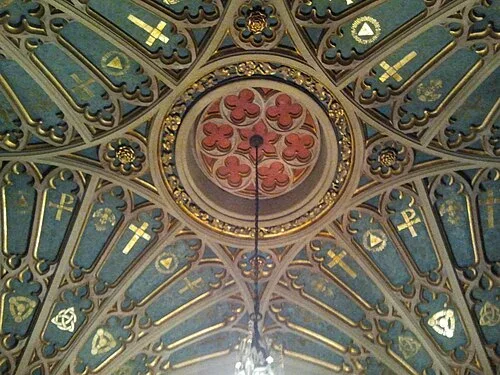 The Nave and Ribbed Vaulting
Painted Ribbed Vault with Central Boss
Ribs sweep out from the center of this ceiling like the spokes of a wheel. In Gothic churches, ribs like these carry the weight of the ceiling along set lines. Where they meet, a round ornament called a boss covers the joint. The boss is ringed with red shapes, each with four rounded lobes like a clover leaf. Between the ribs, the panels are blue, with gold crosses and triangles painted on them. A light fixture hangs from the center of the ceiling.
Listen in the appPhoto: Gigi alt · CC BY-SA 3.0
07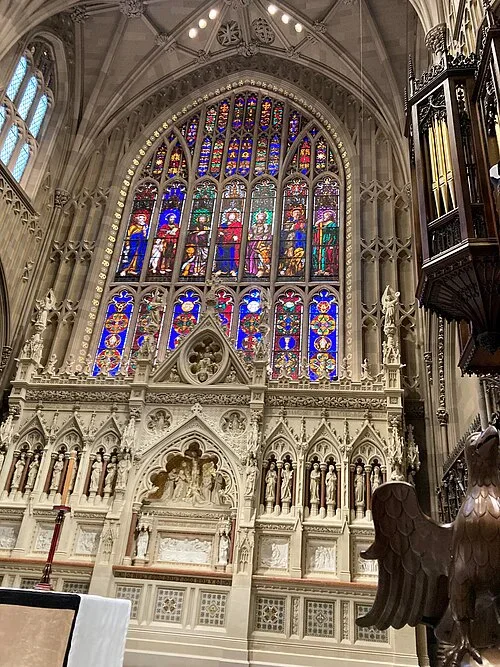 The High Chancel & Astor Altarpiece
The Chancel Reredos and East Window
The stone screen behind the altar is called a reredos. Together with the altar, it was erected in memory of William Backhouse Astor Senior. The work ran from 1876 to 1877, to designs by the architect Frederick Clarke Withers. Withers also extended the church's rear. Carved figures stand in niches across the screen, and a larger carved panel fills its center. A tall stained-glass window rises above it. In the foreground stands a carved eagle lectern, the stand that holds a book for reading.
Listen in the appPhoto: GordonStrong · CC BY-SA 4.0
08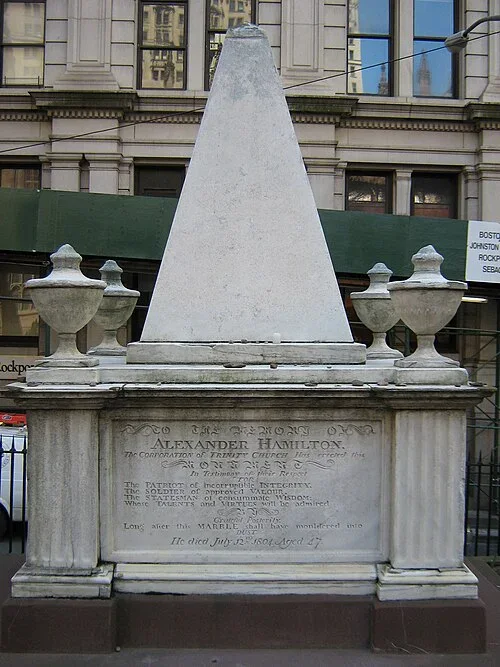 South Churchyard: Alexander Hamilton & Early Patriots
Alexander Hamilton's Grave
Alexander Hamilton was one of Trinity's notable parishioners, and the parish put up this monument in his memory. It is a white marble pyramid rising from a stone base. The carved inscription calls him a patriot, a soldier, and a statesman. He died in July of 1804, at only forty-seven. In Hamilton's day the parish's second church stood on Broadway at Wall Street. President Washington and members of his government often worshipped there. Four stone urns stand around the top of the base.
Listen in the appNathan Stringer · CC BY-SA 3.0
09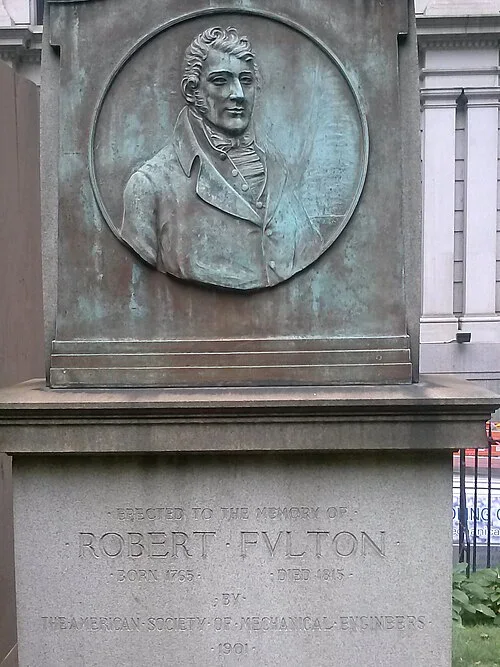 South Churchyard: Alexander Hamilton & Early Patriots
Robert Fulton Memorial
The American Society of Mechanical Engineers put up this memorial to Robert Fulton in 1901, eighty-six years after his death. Fulton is credited with building the first commercially successful steamboat. In 1807 his North River Steamboat, later known as the Clermont, made a round trip between New York and Albany of three hundred nautical miles, in sixty-two hours. While it was being built, people called it Fulton's Folly. In February 1815 he was walking home along the frozen Hudson when his friend Thomas Addis Emmet fell through the ice. Fulton pulled him out and got soaked in the icy water. He died on the twenty-fourth of that month, aged forty-nine. A bronze portrait medallion shows his head and shoulders, and the bronze has turned green.
Listen in the appPhoto: DePeeper · CC BY-SA 3.0
10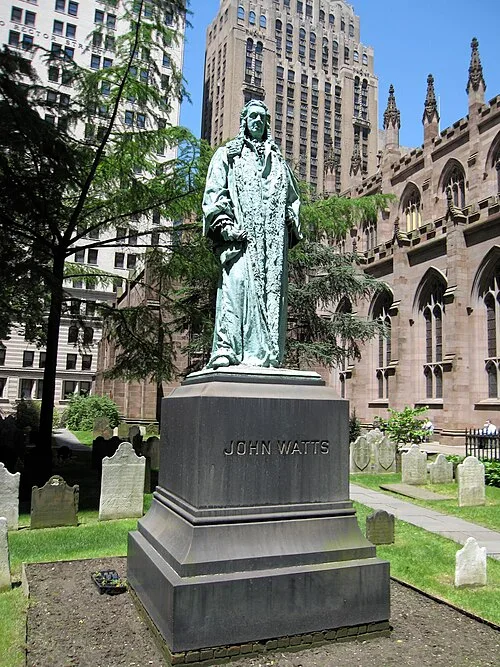 South Churchyard: Alexander Hamilton & Early Patriots
John Watts Statue
John Watts was a New York lawyer and politician who served in the United States Congress, and he is buried in this churchyard. His green-tinged statue stands on a tall dark base, with his name cut into the stone. The figure wears a long, loose coat. Upright headstones crowd the grass around the base. The church's Gothic stonework rises just beyond them. Many well-known people are buried in this churchyard, among them Horatio Gates and Hercules Mulligan.
Listen in the appPhoto: Gryffindor · CC BY-SA 3.0
- 11
The Monument to the Prisoners
A Gothic canopy of arch and pinnacle, set against a tall modern office building.
- 12
Carved Memorial Cross
A pale cross carved with figures from top to bottom, and the Astor name people attach to it.
- 13
Trinity Churchyard Vista
A captain's lent tackle, a great fire, and clergy and parishioners on opposite sides of a war.
Trinity Church
Frequently asked questions
How much does the guide cost?
Free app download. Listed guide price: $0.99. Guide price shown in the app. Audio guide only. Venue admission is separate.
Can I listen without internet?
Yes. Download the guide’s audio, images, and maps in the app before your visit. Your downloaded content is then available offline.
Can I listen in my language?
This audio guide is available in 15 languages, including English.
Do I need to follow a schedule?
No. This is a self-guided experience. Choose your stops, pause whenever you like, and return to a story at your own pace.
At your own pace
Explore Trinity Church.
Download Stanza, then search for “Trinity Church”.
Free app download · Guide price shown in the app
Keep exploring
Nearby audio guides
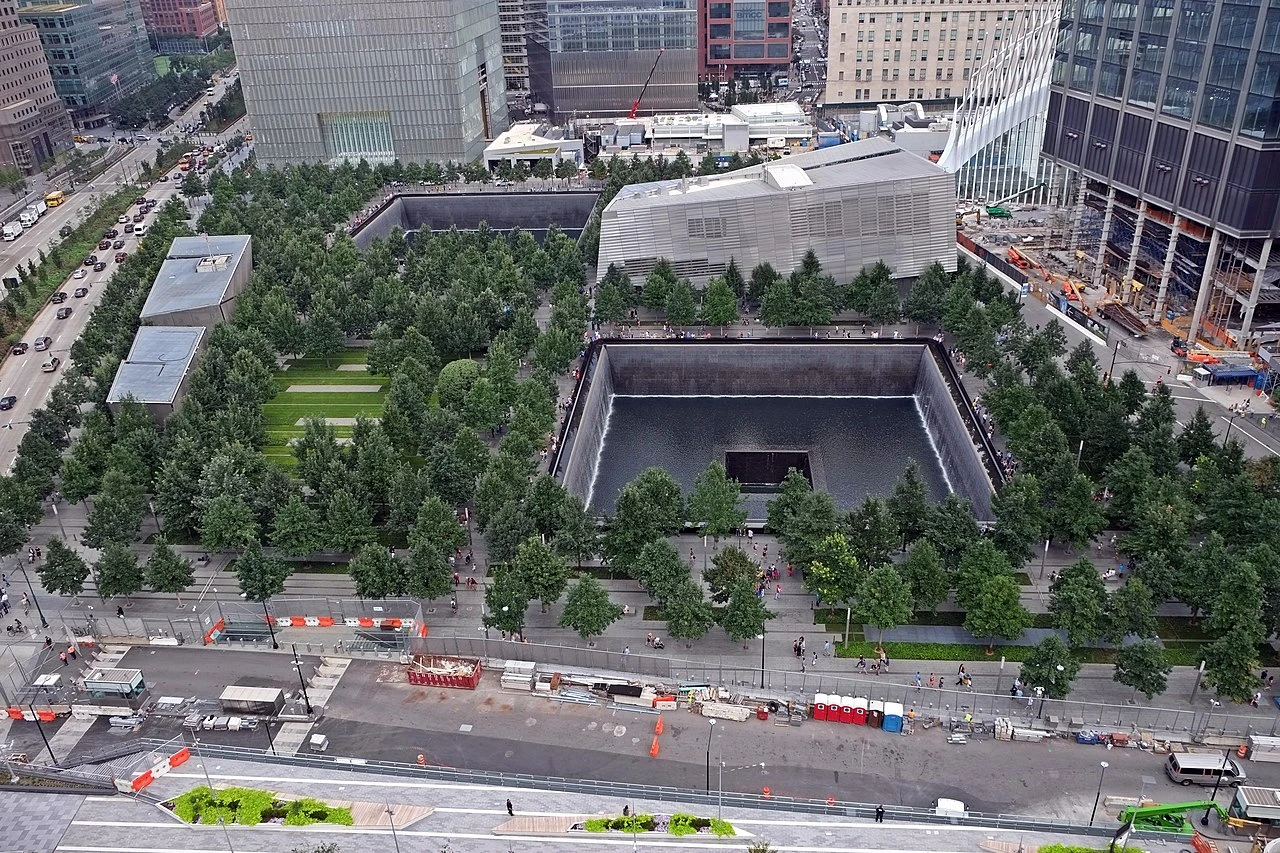
New York · 1 km
National September 11 Memorial & Museum
Content & sources
Paul Sableman · CC BY 2.0
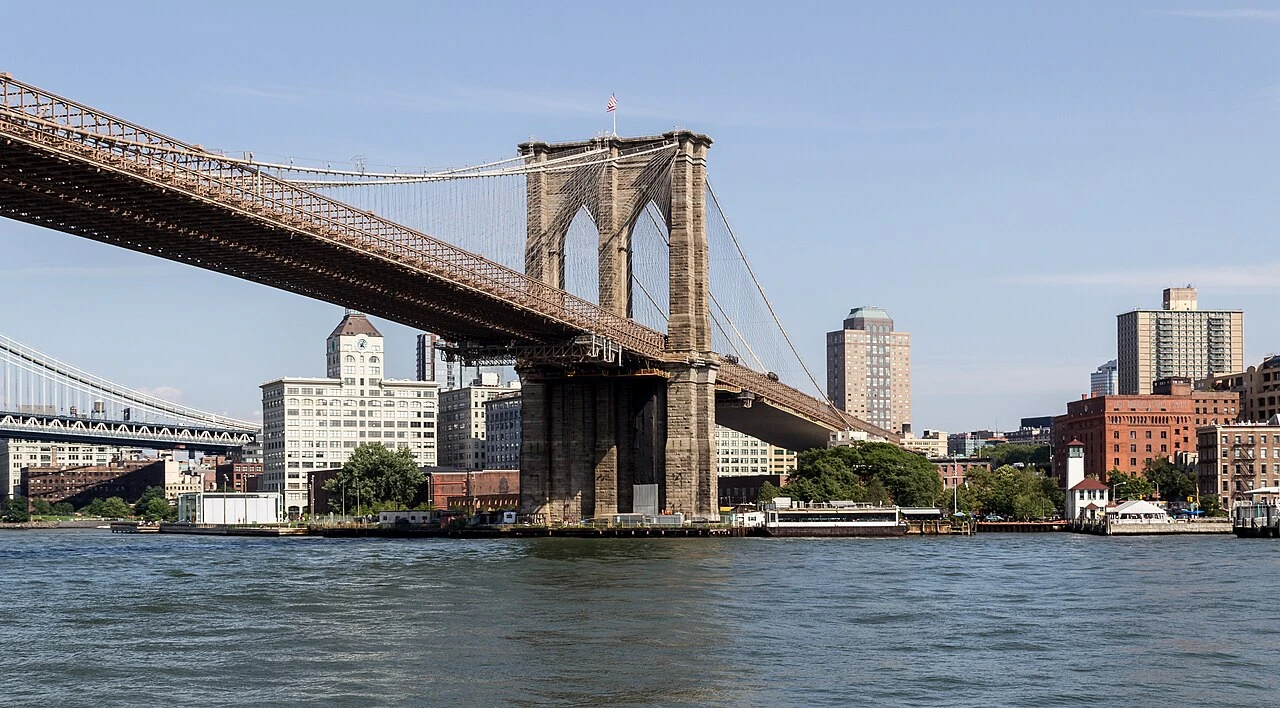
New York · 1 km
Brooklyn Bridge
Content & sources
Dietmar Rabich · CC BY-SA 4.0
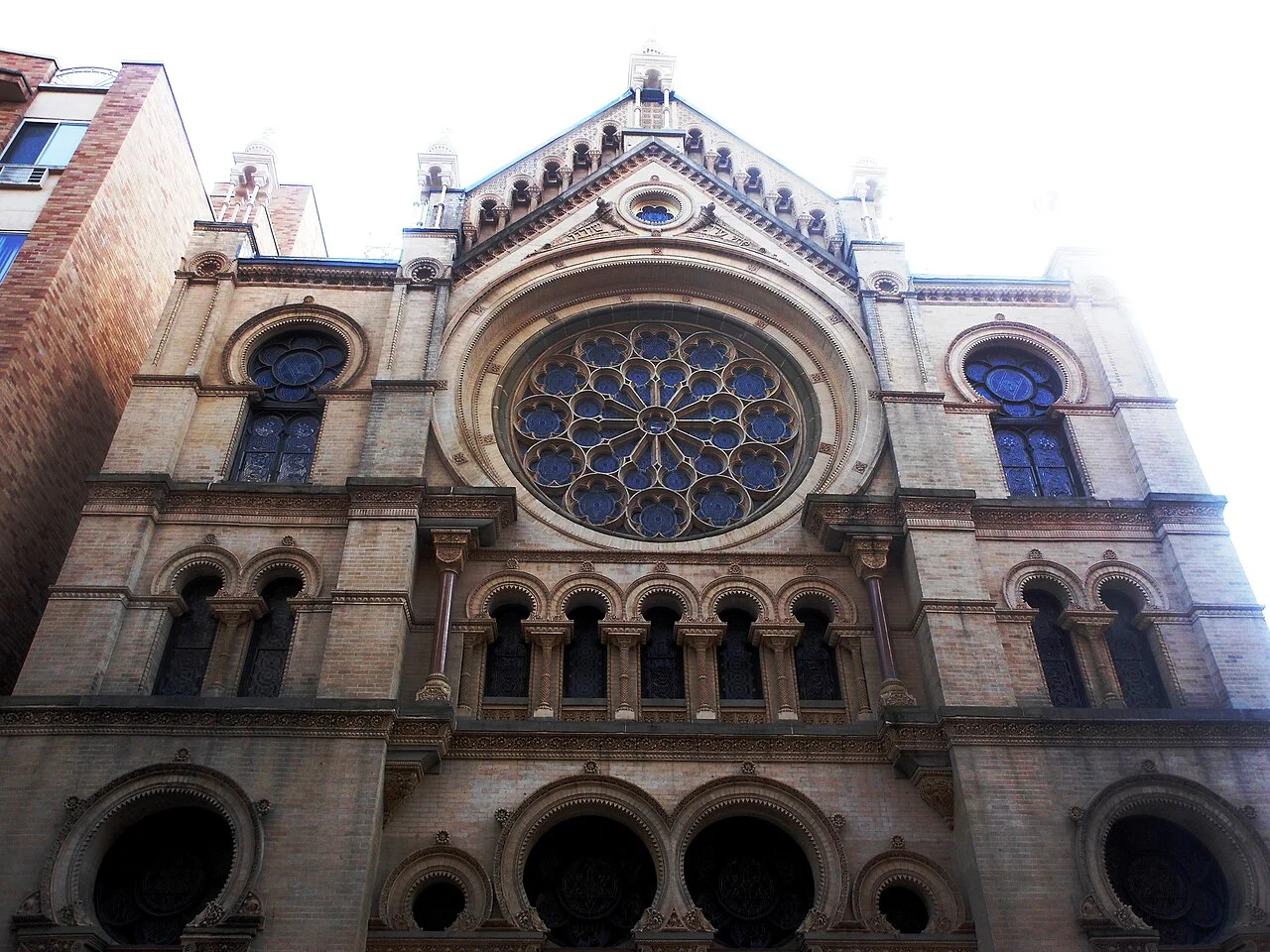
New York City · 2 km
Eldridge Street Synagogue
Content & sources
Alexisrael · CC BY-SA 3.0
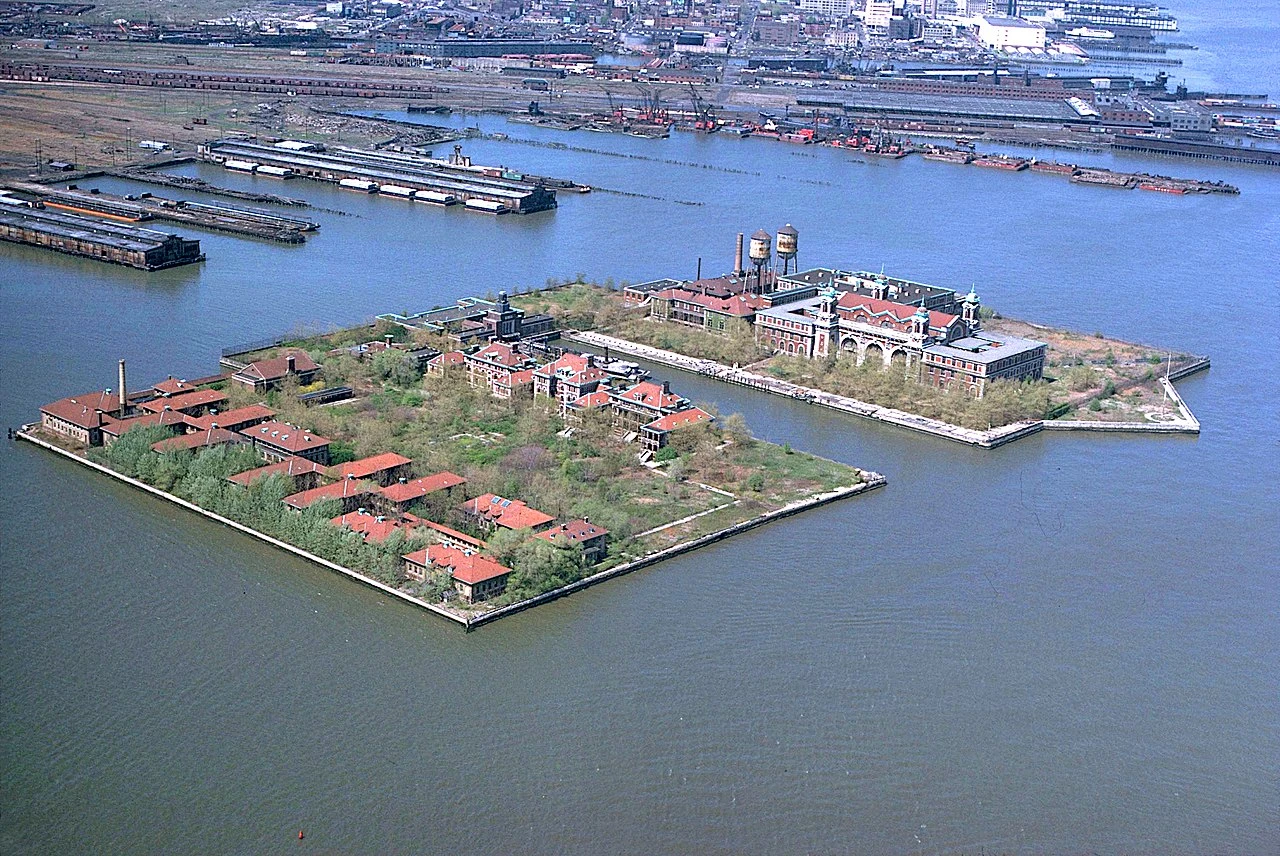
Jersey City · 3 km
Ellis Island
Content & sources
Photo: WikiPedant · Public domain