Stanza · Audio guide
Ak-Saray Palace Audio Guide
A place to remember. A story to take with you.
Ak-Saray Palace is a ruined palace and historic site in Shahrisabz, Uzbekistan. In 2000, the palace was declared a UNESCO World Heritage Site.
Download Stanza, then search for “Ak-Saray Palace”.
About the tour
One guide. Your kind of visit.
Ak-Saray Palace is a ruined palace and historic site in Shahrisabz, Uzbekistan. In 2000, the palace was declared a UNESCO World Heritage Site.
Ready when you are.
- 01Get the free Stanza app.
iOS & Android
- 02Find your guide.
“Ak-Saray Palace”
- 03Download before you go.
Works offline
Audio guide / 8 narrated stops
Inside the guide
Get to know a few of the stories before you go. Open a stop to read more.
01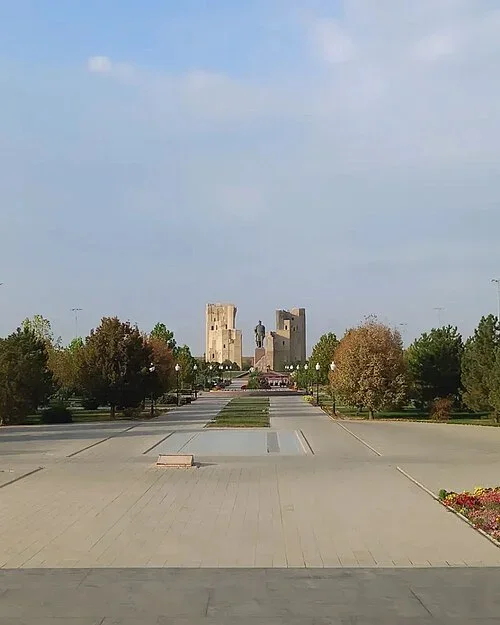 Southern Promenade and the Monument to Amir Timur
Approach to Ak-Saray: Timur and His Hometown
Amir Timur was born near Shahrisabz, a town then known as Kesh, and he never quite let go of it. Samarkand was the capital of his empire, but Timur wanted more. He meant to move the capital here, to his birthplace, and for that he needed a palace worthy of the idea. So he ordered a mighty one built, and the ruins ahead are what is left of it. The colossal statue between the trees was set up on the palace's original site after Uzbekistan gained independence. Beyond it rise the broken pylons of the old gate. Ak-Saray was among the grandest secular buildings of the Timurid world. Almost nothing survives of the whole residence except the portal, the towers at its sides and part of the palace foundation.
Photo: Qarshi.life · CC BY-SA 4.0
02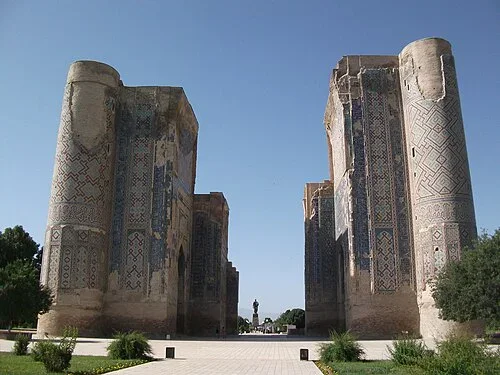 The Colossal Entrance Portal
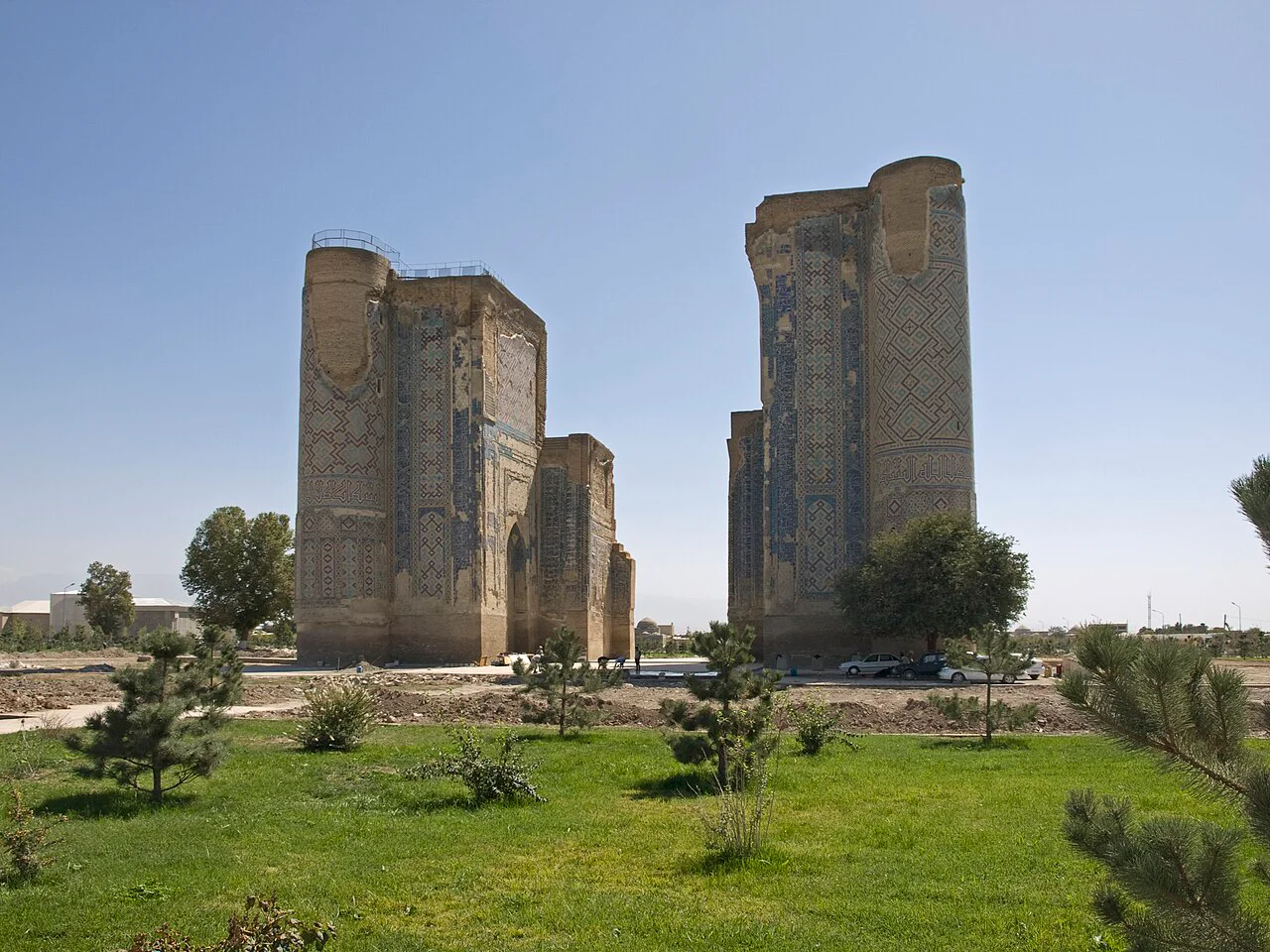
The Colossal Portal Pylons
Work on the palace began in 1380 and went on for twenty-four years, until 1404, just before Timur's death. The gate was meant to reach some seventy-three meters. The two pylons still stand about thirty-eight meters high, and the arch between them once spanned twenty-two and a half meters. Even in its ruined state, the portal dominates everything around it. Inside each pylon, a spiral stair once carried people to the top.
Photo: SAKRI · CC BY-SA 4.0
03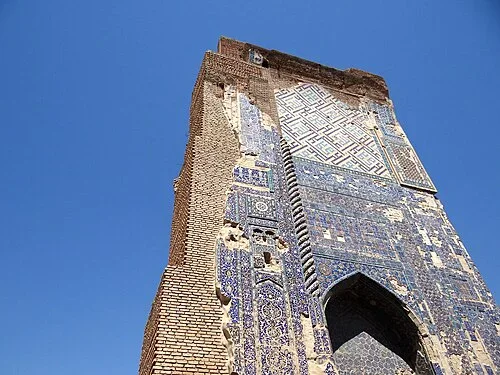 The Colossal Entrance Portal
Brick, Bonding and the Builders' Skills
The men who raised these walls came a long way, and not by choice. Craftsmen were brought from Khwarazm, Iran and other conquered lands to work on the palace. A chronicler records Timur ordering every useful master moved from Khwarazm to Transoxiana, and Khwarazmian builders went on to raise this lofty, splendid palace. Their skill shows in the brickwork itself. The facing was cut and polished so the walls read as one even surface, and you can see it where bare brick and bands of glazing sit flush side by side. Up close, the joints run true across meters of wall, which is why the ruin still looks composed rather than collapsed.
Listen in the appAdam Jones from Kelowna, BC, Canada · CC BY-SA 2.0
04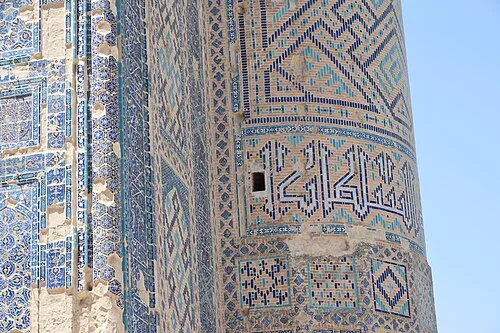 Portal Vault and Ceramic Masterpieces
Reading the Glazed Mosaic
The colors on these walls were made to be read from far away. Large patterns of ocher, dark blue and light blue glazed brick cover the facade. Across them run geometric girih ornament and calligraphy in kufic and thuluth script, all arranged around a broad blue band like a sash. A scroll among the inscriptions carries the words, God prolong the Sultan's days. Uzbek tradition explains the name through the colors themselves. Polished glaze caught the moonlight and seemed to flow, so people came to call the building Oqsaroy, the White Palace.
Listen in the appJean Housen · CC BY-SA 4.0
05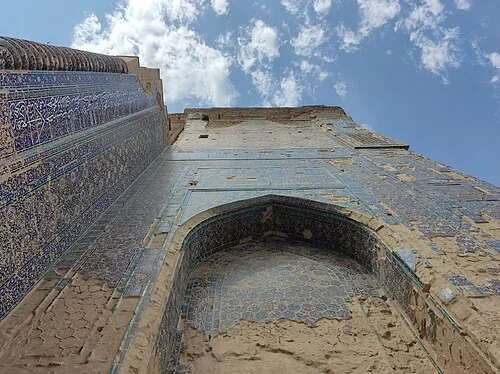 Portal Vault and Ceramic Masterpieces
Inside the Arch: A Master's Signature
High inside the recessed arch, a craftsman left his mark. The stone-carving master Muhammad Yusuf Tabrizi, who came from Iran, took part in making and decorating the vaulted arch. His name appears twice among the inscriptions of the portal, signed into the grandest building of his age. Tradition holds that Timur dedicated the palace to the memory of his mother, Takina Khatun. Whether he said so himself, the chronicles do not settle, but the dedication has stayed attached to the place ever since.
Listen in the appMushtariy15 · CC BY-SA 4.0
06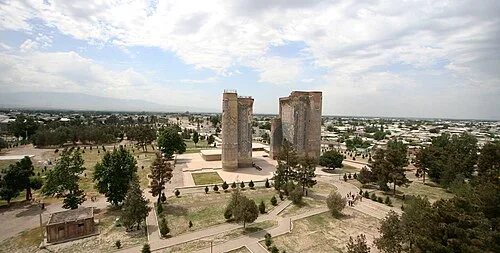 The Grand Courtyard and Mountain Aqueduct
The Vanished Courtyard
Behind the gate stretched a space that no longer exists. The arcaded main courtyard held a water basin at its center and ran about two hundred and fifty meters from end to end. Across, it measured roughly a hundred and twenty-five. Buildings ringed the courtyard on all sides, and one of them was said to have been six stories high. In August 1404 the Castilian ambassador Ruy Gonzalez de Clavijo toured the palace. He found it still unfinished, with tile mosaic being applied in places, yet he wrote of his astonishment at its beauty. He was received there among the dignitaries, in courtyards that have since vanished entirely.
Listen in the appErik Albers · CC BY-SA 4.0
07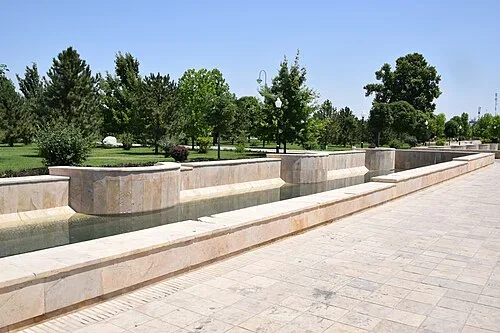 The Grand Courtyard and Mountain Aqueduct
Water for a Summer Palace
The long stone channel here belongs to today's park, not to the medieval palace. But it echoes an old habit of this site, where water was both comfort and display. According to Uzbek accounts, the portal was designed with a small pool on its roof. From there, water ran through pipes and fell as a cascading waterfall down the facade. The builders also laid the foundations unusually deep, with gold sand packed into the base, so the enormous gate would hold. In a summer palace on the hot plain, water cooled the air and impressed the guests at the same time.
Listen in the appJean Housen · CC BY-SA 4.0
08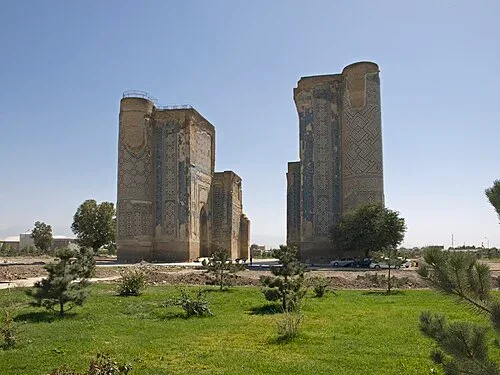 The Archaeological Park and Imperial Legacy
What the Ruins Tell
The portal outlived the empire that built it. The usual account says that in the sixteenth century the forces of Abdullah Khan the Second, the khan of Bukhara, destroyed Shahrisabz along with the palace. Tradition blames the khan's envy, saying his own builders could never have matched what he ordered torn down. Yet in 1707 another Bukharan khan, Ubaydullah, chose to hold his enthronement beneath the portal, borrowing the prestige of Timur's name, a sign that the gate still stood complete then. That is why some Uzbek writers now question whether Abdullah Khan really destroyed it. Excavations in the 1970s and 80s uncovered part of the floor mosaic and a section of the courtyard. Conservation work followed in the 1990s. In 2000, the palace entered the UNESCO World Heritage list together with the historic center of Shahrisabz, and in 2002 it was partly restored for the city's twenty-seven-hundredth anniversary.
Listen in the appPhoto: Ymblanter · CC BY-SA 4.0
Ak-Saray Palace
Frequently asked questions
How much does the guide cost?
Free app download. Listed guide price: $0.99. Guide price shown in the app. Audio guide only. Venue admission is separate.
Can I listen without internet?
Yes. Download the guide’s audio, images, and maps in the app before your visit. Your downloaded content is then available offline.
Can I listen in my language?
This audio guide is available in 15 languages, including English.
Do I need to follow a schedule?
No. This is a self-guided experience. Choose your stops, pause whenever you like, and return to a story at your own pace.
At your own pace
Explore Ak-Saray Palace.
Download Stanza, then search for “Ak-Saray Palace”.
Free app download · Guide price shown in the app
Keep exploring
Nearby audio guides
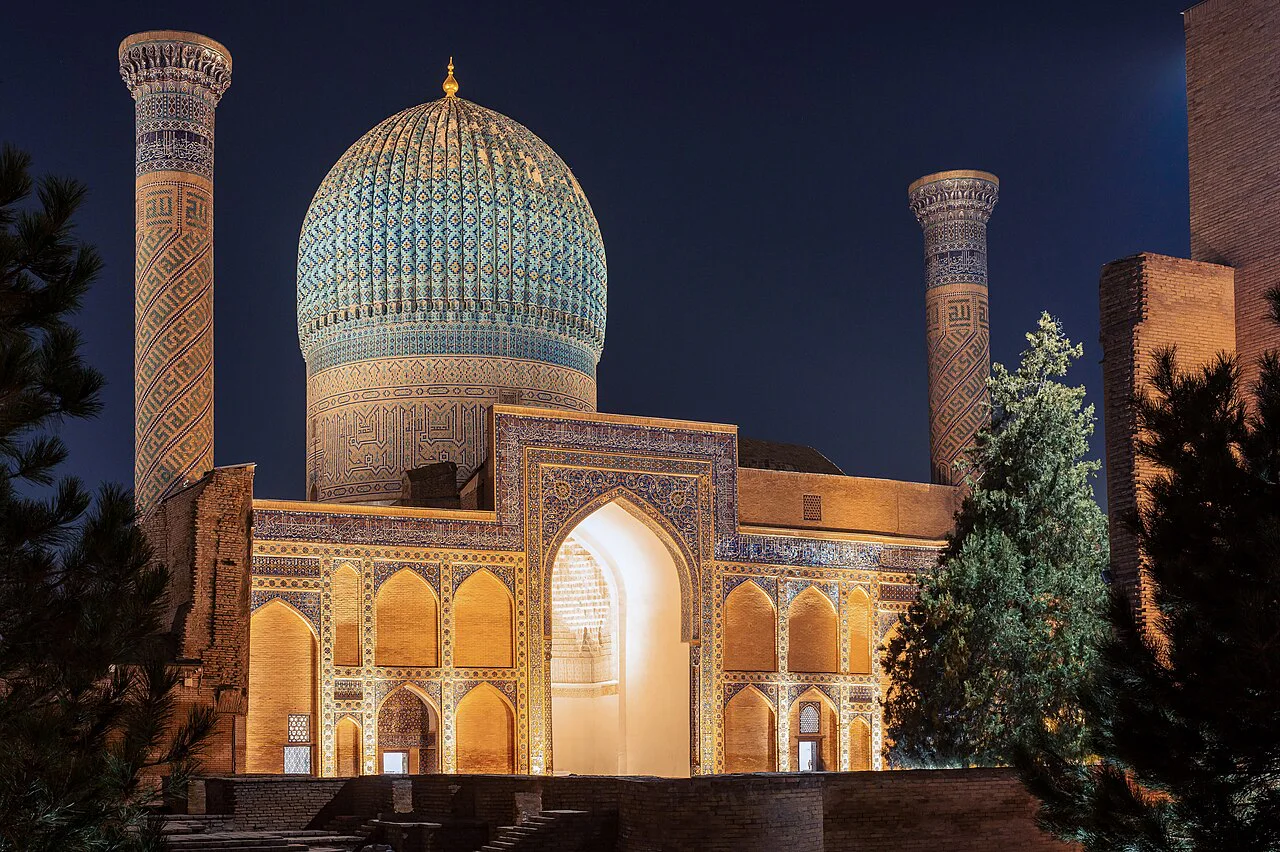
Samarkand · 66 km
Gur-e-Amir
Content & sources
Photo: Arina Pan · CC BY-SA 4.0
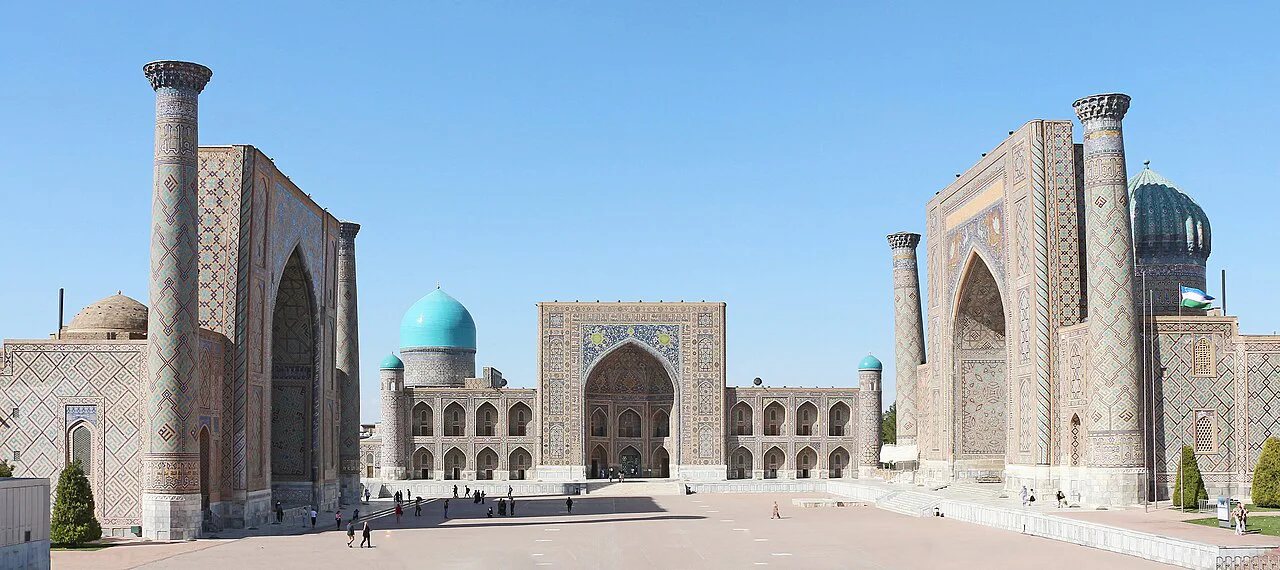
Samarkand · 67 km
Registan
Content & sources
Bernard Gagnon · CC0
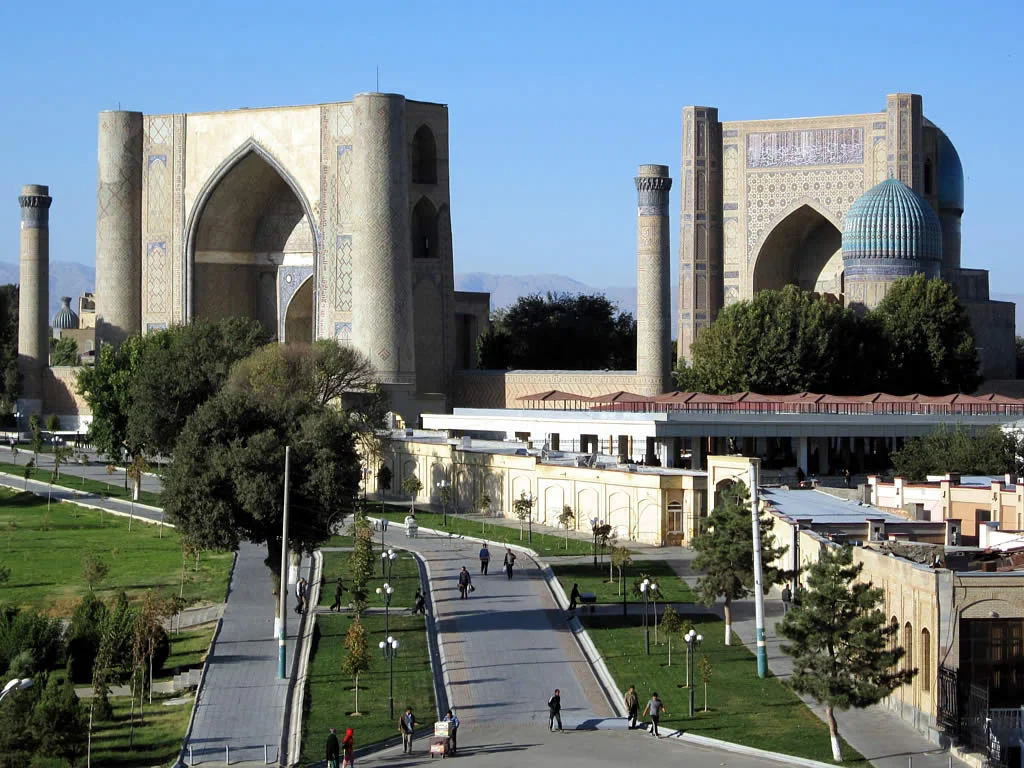
Samarkand · 68 km
Bibi-Khanym Mosque
Content & sources
David Stanley from Nanaimo, Canada · CC BY 2.0
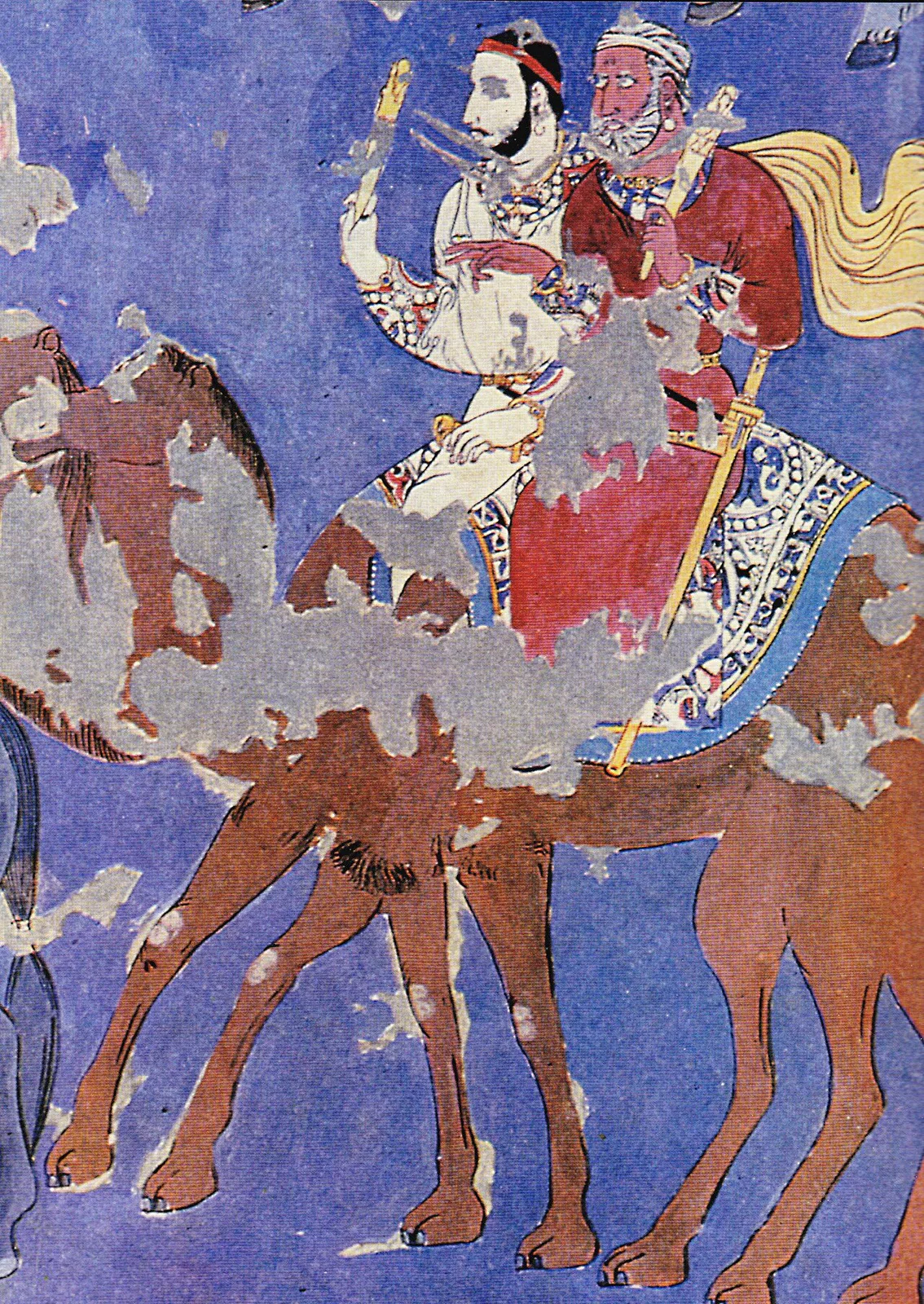
Samarkand · 69 km
Afrasiyab
Content & sources
Unknown author · Public domain