Travel tips/Central Portugal & Lisbon
Portugal’s monasteries: which one belongs in your trip?
A soaring church, an unfinished roof, a round Templar chapel and stonework that rewards a second look. Four places, with four different reasons to go.
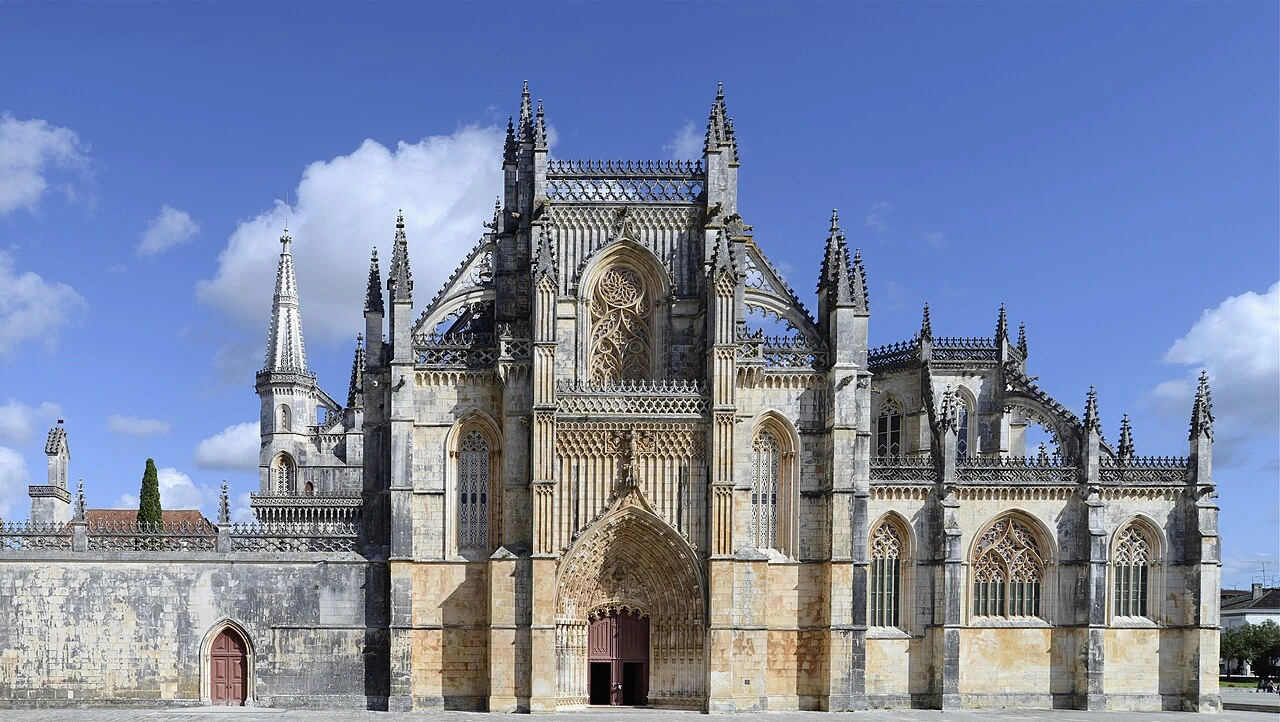
You can admire a monastery without remembering a single king. Start with what the building makes you notice: the long, spare space of a church at Alcobaça; the dense carving of Batalha; the rounded chapel at Tomar; the repeated arches at Jerónimos. These places become more rewarding when you give each one a different question. They also make a better trip when you choose them by interest and location, instead of treating four famous names as one day’s errands.
Choose by the experience you want
If you want to understand a building through its proportions, start with Alcobaça. If you enjoy a close look at carved details and royal memory, choose Batalha. Tomar suits a visit built around the Templars and the Order of Christ. Jerónimos fits naturally into a Belém day and offers its own rich study of Manueline stonework.
These are starting points for choosing, not claims that one monument is objectively best. Someone who loves cloisters may want all four. Someone with one free day in Lisbon may have a much better visit by staying in Belém than by spending much of the day on the road.
| Place | Go for | A detail to give time | Trip shape |
|---|---|---|---|
| Alcobaça Monastery | Cistercian architecture and monastic daily life | The church proportions, royal tombs and working rooms | Central Portugal; consider pairing with Batalha |
| Batalha Monastery | Gothic architecture, royal memory and carved stone | The Founder’s Chapel and Unfinished Chapels, when accessible | Central Portugal; consider pairing with Alcobaça |
| Convent of Christ, Tomar | The Templars, the Order of Christ and changing architecture | The Charola and Manueline Chapter Window, when accessible | A separate Tomar day |
| Jerónimos Monastery | Manueline architecture in a Lisbon setting | The cloister’s carved details and the church, subject to access | A Belém day in Lisbon |
Batalha or Alcobaça? Let the contrast help you choose
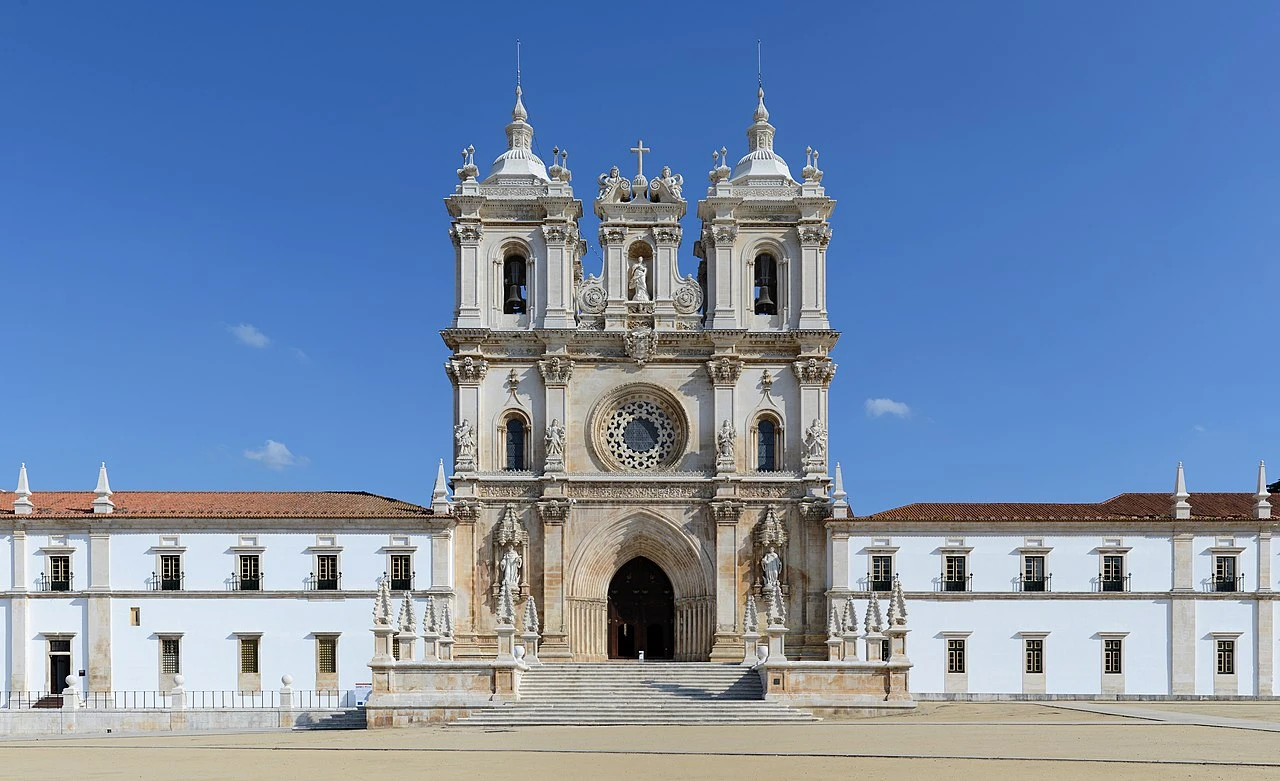
Alcobaça’s foundation dates to 1153, and its Cistercian identity is a useful key to the visit. Look along the church before zooming in on details. Its relatively restrained interior gives scale and rhythm room to work. The tombs of Pedro I and Inês de Castro offer a different kind of attention: look at the figures and carved scenes rather than rushing to reduce the visit to a famous love story.
Then follow the spaces associated with communal life: where people ate, worked and gathered. The refectory, kitchen and other surviving monastic rooms help turn a church visit into a picture of an institution. Check which spaces your ticket and the current visitor route include.
Batalha began as a royal expression of gratitude after the Portuguese victory at Aljubarrota in 1385 and was entrusted to the Dominicans. Approach it as an act of remembrance and a long building project. The Founder’s Chapel and Unfinished Chapels give you two different questions: how does architecture commemorate a dynasty, and what can a building reveal when a project remains incomplete?
If you have to choose one, we would lean towards Alcobaça for a visit centred on spatial clarity and daily life, or Batalha for Gothic detail and royal commemoration. If you visit both, carry that contrast with you. You do not need to memorise a list of architectural terms to notice it.
Tomar: begin with the round chapel, then follow the changes
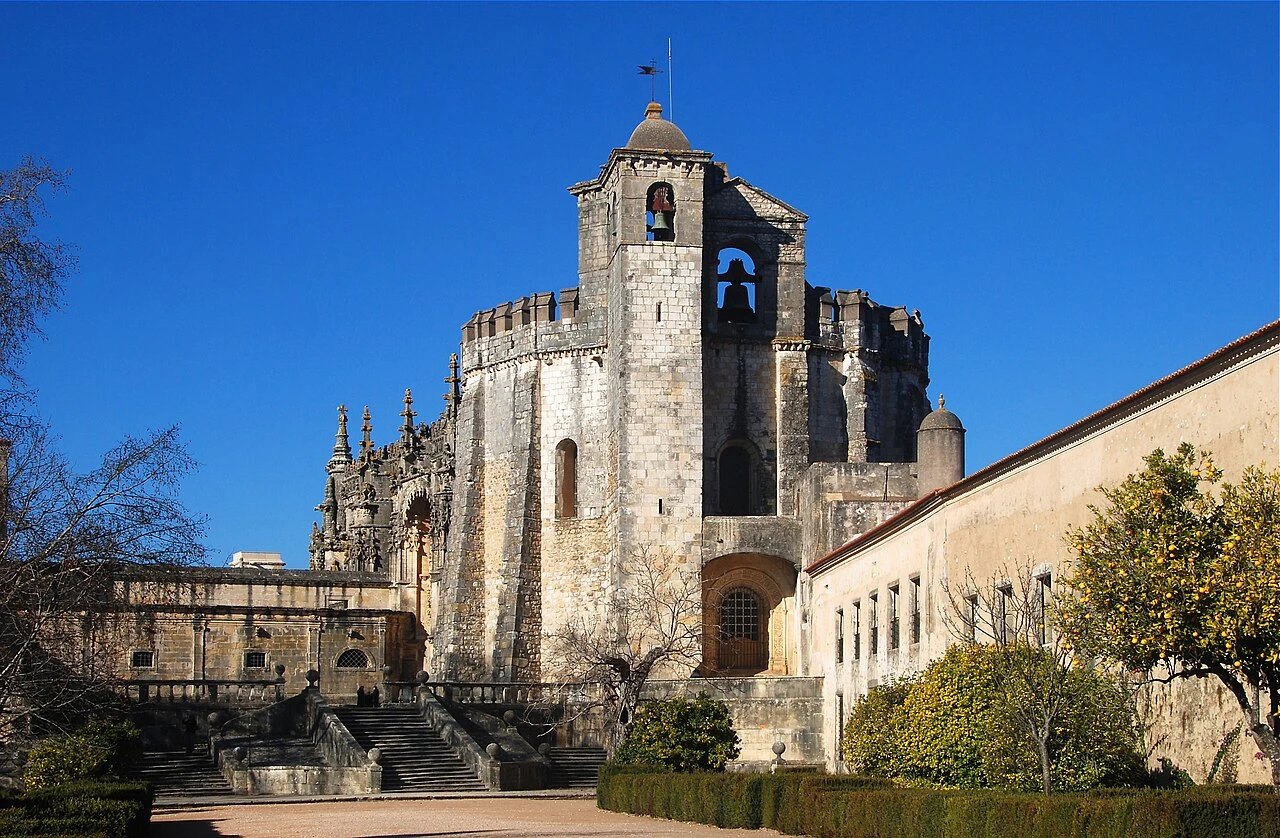
The Convent of Christ grew from the Templar stronghold established at Tomar in the twelfth century. After the Templars were dissolved, the Order of Christ continued the story here. The building that you visit contains later additions as well as the earlier complex, which makes it a good place to ask how institutions adapt over time.
The Charola, the round Templar chapel, is a starting point. Notice how a circular space changes where your attention goes, then compare it with the later nave and cloisters along the permitted route. The richly carved Chapter Window adds another change of scale: pause at one detail before trying to take in the whole surface.
Before making a journey for a particular room or viewpoint, check the current conservation notices. The monument’s operator has published restoration-related access restrictions. We would not promise a particular cloister wing, terrace or photograph without checking what is open for the visit date.
Jerónimos: make room for the cloister in a Belém day
Jerónimos belongs to a different setting: Belém, in Lisbon. Its early-sixteenth-century building campaign connects royal patronage, the Hieronymite order and the wealth of Portugal’s overseas expansion. The result is a visit in which the carved detail can easily compete with the larger shape of the building.
Try two scales of looking in the cloister. First follow the repeating arches and the edges of the courtyard. Then choose a small area of ornament and see what you can identify before reading an explanation. VisitPortugal highlights natural themes and Manueline emblems in the lower cloister; recognising a few details can make the next stretch of carving more legible.
Plan the church and the monastery visit as distinct access questions. A church can have services and different arrangements from the paid visitor route, so check what your ticket actually covers. VisitPortugal currently lists the monument as closed on Mondays. Reconfirm the opening day, last admission and any church restrictions before arranging the rest of your Belém visit.
Build a day that leaves space between visits
With one day during a Lisbon stay, choose Jerónimos and build the rest of the day around Belém. That gives you time to absorb one place and respond to how the day actually unfolds. A late admission or a queue then costs you less than it would in a plan involving several distant monuments.
With a car and a central-Portugal day, consider Alcobaça and Batalha as your pair. Check both opening windows, travel from your real starting point, parking and the return journey. Give one monastery the longer visit according to your interests. If you also want a substantial beach stop, another town or a long lunch, choose one monastery rather than squeeze everything in.
Give Tomar a separate day, or add an overnight stay in central Portugal when combining the three central monuments. Keep Jerónimos for the Lisbon part of the trip. Four sites can form a coherent theme across a holiday without needing to occupy a single outing.
Without a car, work backwards from the return service before buying monument tickets. Use the current CP journey planner for rail options and the appropriate coach or local operator for the other towns. A connection to a town is only one part of the journey; check how you will reach the entrance and return. This article does not assume a same-day public-transport circuit linking all four places.
- Choose one main monument and make any second visit optional.
- Check last admission and the ticketed spaces, not only the headline opening hours.
- Ask about the specific route if steps, gradients or accessibility could affect the visit.
- Leave time to sit down and look at a place before moving on.
Choose the ticket for the visit, and the guide for the story
Use each monument’s current official ticket link to check the price, date, entry conditions and any reduction you qualify for. Do not assume that an old multi-monument offer, a city card or a church entrance includes every cloister and room mentioned in a travel article. A guide and an admission ticket answer different needs.
For a visit built around carved details and the changing use of rooms, a short explanation can be enough to unlock the next part of the building. Choose an audio guide whose stops match what you want to see, then pause it while you look. Download it before travelling so the connection does not decide the pace of your visit.
Stanza has guide pages for all four places below. Check the languages and current price of the particular guide in the app. A Stanza guide or Portugal pass provides audio content; monastery admissions and travel are separate. The useful test is whether the commentary helps you notice something you would otherwise walk past.
A few more questions before you go
Is Batalha or Alcobaça better for a first monastery visit?
We would choose Alcobaça for Cistercian architecture, the scale of the church and monastic daily life, or Batalha for Gothic carving and royal commemoration. If you have enough time and suitable transport, the contrast makes them a useful pair. Your starting point and interests matter more than a universal ranking.
Can I visit Batalha, Alcobaça and Tomar in one day?
We would split them across at least two sightseeing days rather than recommend a hurried three-monument circuit. A car trip pairing Batalha and Alcobaça can leave Tomar its own day; the actual timing depends on your base, opening hours and how much you want to see.
Is Jerónimos in the same area as the other three?
Jerónimos is in Belém, Lisbon. Alcobaça, Batalha and Tomar form a separate central-Portugal part of a trip. We suggest keeping Jerónimos within a Lisbon day rather than adding all four to one outing.
Does a Stanza Portugal pass include monastery entry?
No. It provides audio content. Check monument tickets, transport and any city-card inclusions separately, and confirm the languages and current prices of individual audio guides in the app.
Sources & further reading
Visitor information checked .
Historical context and visitor-planning information checked against VisitPortugal and Museus e Monumentos de Portugal on 18 October 2026. Confirm opening hours, church access, restoration restrictions and current ticket conditions before travelling. Route combinations are editorial suggestions for travellers to adapt, not timed transport itineraries. Prices and ticket inclusions should be checked with the official seller for the actual visit date.
- VisitPortugal: Alcobaça Monastery
- VisitPortugal: Batalha Monastery
- VisitPortugal: Tomar and the Templar heritage
- Museus e Monumentos de Portugal: Convent of Christ and access restrictions
- VisitPortugal: Jerónimos Monastery
- VisitPortugal: the Jerónimos cloisters
- Museus e Monumentos de Portugal: Batalha visitor information
- Museus e Monumentos de Portugal: Alcobaça visitor information
- Museus e Monumentos de Portugal: Jerónimos visitor information
- CP: current train journey planning
Questions or a correction? Let us know. Our content standards (English).