Stanza · Audio guide
Khor Virap Audio Guide
A place to remember. A story to take with you.
Khor Virap is an Armenian monastery located in the Ararat Plain near the border with Turkey. The monastery was host to a theological seminary and served as the residence of the head of the Armenian Church.
Download Stanza, then search for “Khor Virap”.
About the tour
One guide. Your kind of visit.
Khor Virap is an Armenian monastery located in the Ararat Plain near the border with Turkey. The monastery was host to a theological seminary and served as the residence of the head of the Armenian Church.
Ready when you are.
- 01Get the free Stanza app.
iOS & Android
- 02Find your guide.
“Khor Virap”
- 03Download before you go.
Works offline
Audio guide / 17 narrated stops
Inside the guide
Get to know a few of the stories before you go. Open a stop to read more.
01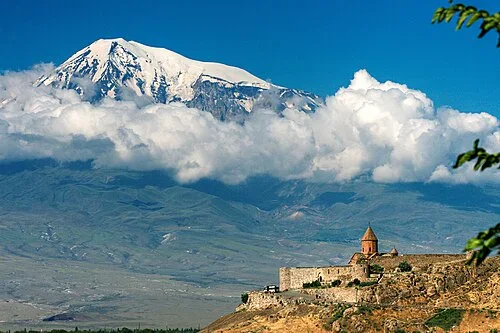 Monastery Outer Wall & Approach
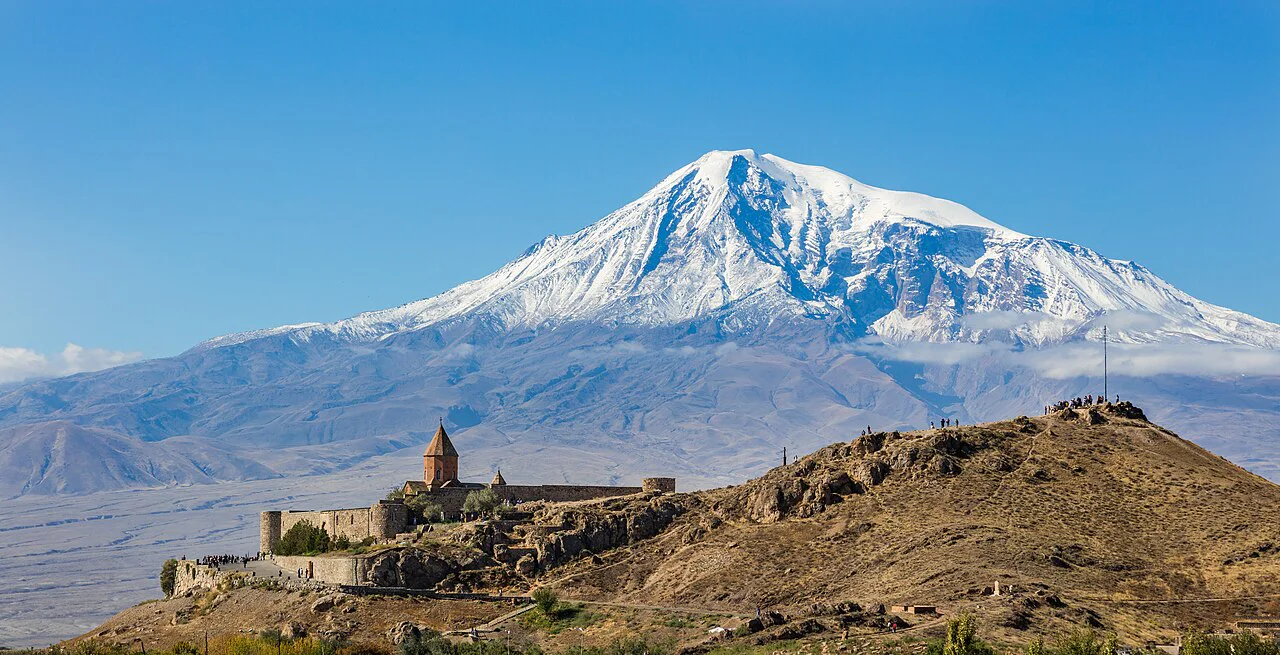
Khor Virap and the Plain of Ararat
A fortified monastery on a low hill, and behind it one of the great mountains of the world. Khor Virap sits in the Ararat Plain, about eight kilometres south of the town of Artashat. Its name means 'deep dungeon', and that is the heart of the story. Long before any chapel stood here, this hillock served as the royal prison of the ancient capital. That capital was Artashat, founded by King Artashes the First around 180 BC. Tradition even holds that Hannibal, the Carthaginian general fleeing Rome, helped plan the city. Artashat remained the royal seat until King Khosrov the Third moved the capital to Dvin, and the Persian king Shapur the Second later destroyed the city. Since 1970 archaeologists have been digging in the hills around the monastery, unearthing coins, pottery and mud-brick fortifications. Behind the complex, on a clear day, the snow-capped silhouette of Mount Ararat fills the horizon, and its meaning will come at the end of this tour. The route leads through the fortress walls and gate, into the courtyard, past the church, and on to the chapel that hides the dungeon itself. Green pasture and vineyards surround the hill, and the Arax River flows close by, running along the border with Turkey. What happened in that prison, and why Armenia remembers it here, is the story this tour tells.
Andrew Behesnilian (MrAndrew47) · CC BY-SA 3.0
02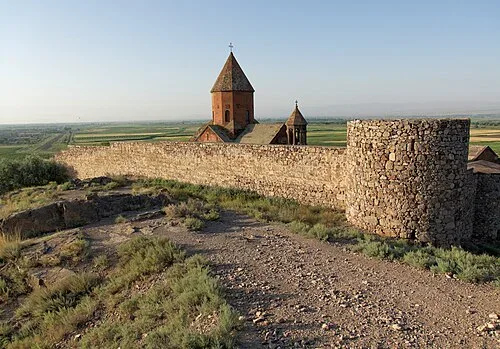 Monastery Outer Wall & Approach
The Fortified Walls
The walls around Khor Virap look more like a castle than a cloister. Thick stone masonry, braced by round towers, closes off the whole hill. The monastery was rebuilt in the seventeenth century, in exposed country near a contested border, and its builders gave it a defensive skin. An English traveller, John Buchan Telfer, wrote in 1876 that the old monastery, surrounded by a wall, looked 'very much like some old feudal castle'. From the outside there is little to suggest a church at all, only stone and sky. The vineyards and pastures of the plain run up to the foot of the hill. The carved portal through these walls comes next.
Vyacheslav Argenberg · CC BY 4.0
03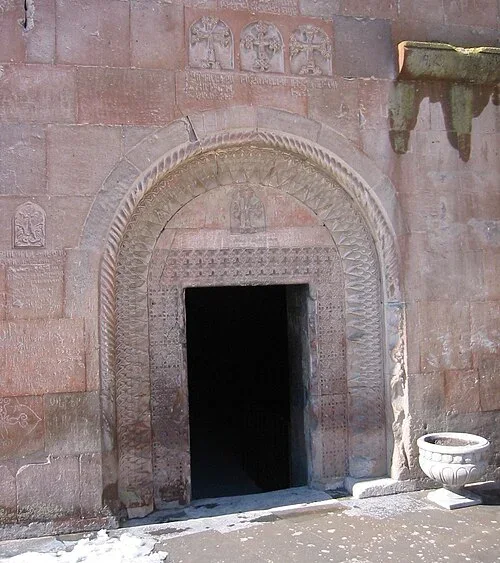 Fortified Entrance Gate
The Entrance Portal
The entrance to Khor Virap is an arched portal cut into the seventeenth-century defences. The rebuilding campaign that shaped these walls and buildings was directed by a figure remembered as David Virapetsi. Above the arch, the warm pink stone is carved with cross-slabs and inscriptions. The arch frames the passage from open hillside into the enclosed world of the monastery.
Listen in the appPhoto: Armineaghayan · CC BY-SA 3.0
04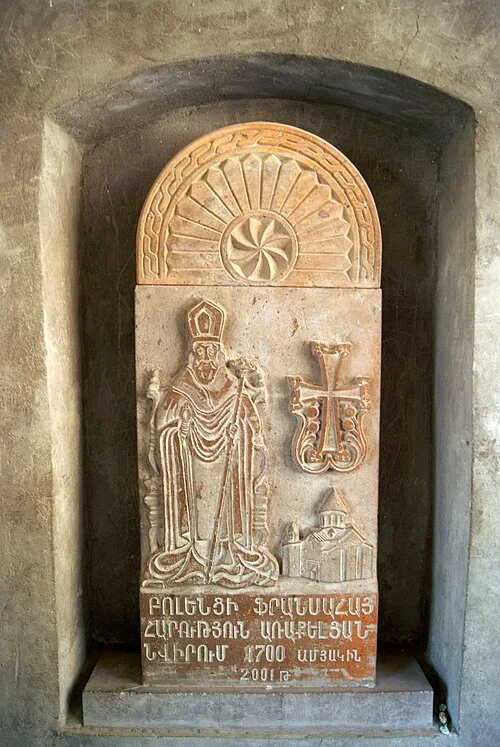 Fortified Entrance Gate
Entrance Khachkar of 2001
By the entrance, set into a stone niche, stands a khachkar, a carved cross-stone that Armenian craftsmen have made for centuries as an act of devotion or a memorial. This one was raised in 2001, and its inscription marks the seventeen-hundredth anniversary of Armenia's conversion to Christianity in the year 301. That conversion is the turning point of the whole story here. How it came about, a prisoner brought up from the dark and a king brought back to his senses, is told later, down at the chapel over the dungeon. The stone itself shows a bishop in robes, a cross, and a little church, all carved in relief.
Listen in the appPhoto: Armineaghayan · CC BY-SA 3.0
05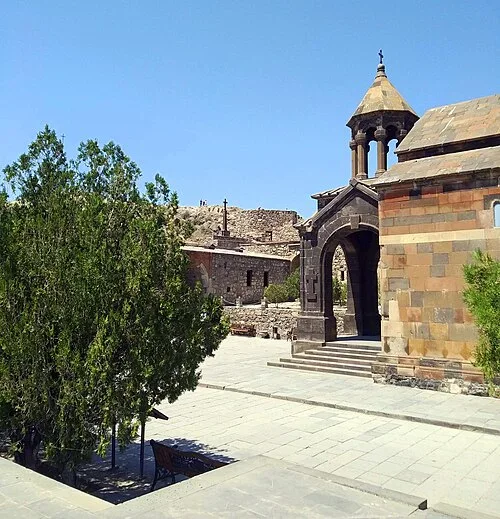 Monastery Central Courtyard
The Monastic Courtyard
Inside the walls, the monastery opens into a large paved courtyard. In 1662 the builders raised the Church of the Holy Mother of God around the ruins of the old chapel, and grouped the monastery buildings, the refectory and the monks' cells around this enclosure. Khor Virap was no small outpost. It served as the residence of the Catholicos, the head of the Armenian Church, and it hosted a theological seminary. Services are still held regularly in the church, and the monastery remains one of the most visited pilgrimage sites in Armenia. A few trees give shade to a courtyard ringed entirely in stone.
Listen in the appPhoto: Preacher lad · CC BY-SA 4.0
06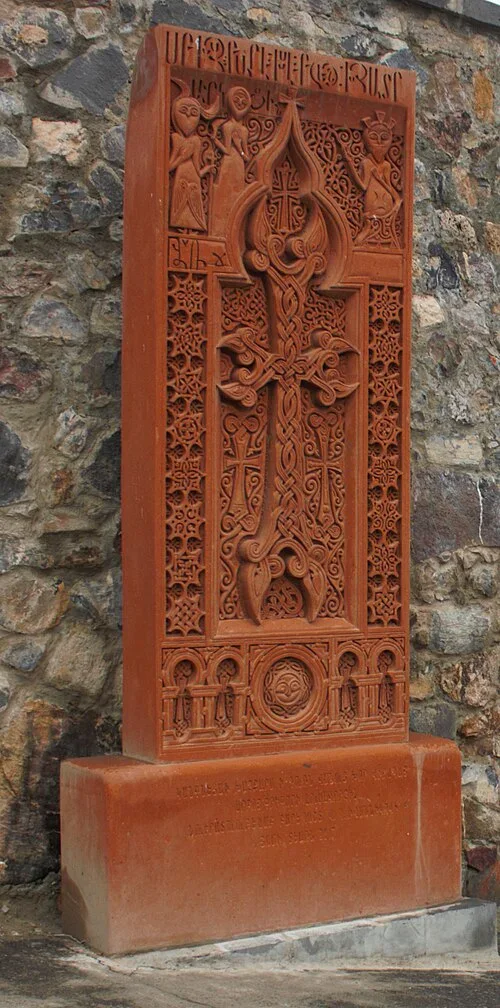 Monastery Central Courtyard
Courtyard Khachkar
Against the rough stone wall of the courtyard stands a khachkar cut from red tuff, glowing almost rust-coloured in the light. Khachkars are a distinctly Armenian art: a single stone, carved with a cross at its centre and ornament so fine it can look like lace. This one carries interlaced bands, rosettes and small figures at the top, all cut by hand.
Listen in the appPhoto: Beko · CC BY-SA 4.0
07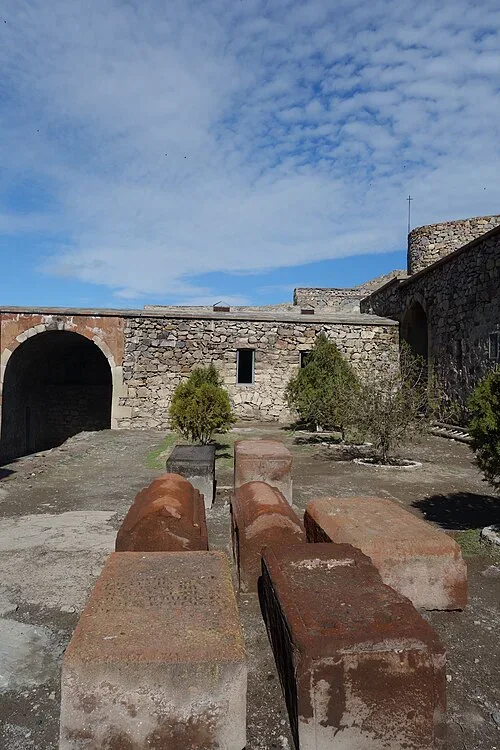 Monastery Central Courtyard
Sarcophagi and the Medieval School
Several heavy stone sarcophagi lie in the open courtyard, their reddish surfaces worn by the weather. They are medieval carved tombs, though their occupants are unknown. Khor Virap was a place of learning as well as prayer. From the thirteenth century it grew into an all-Armenian centre of education and science. In 1255 the scholar Vardan Areveltsi founded a higher school here, whose students went on to fame as scholars and writers. Later, Nerses Mshetsi raised the school's standing to a new level. So the courtyard that now holds tombs once held lectures and manuscripts, and the dead of the monastery rest among the stones where its scholars once walked.
Listen in the appPhoto: Serein · CC BY-SA 4.0
08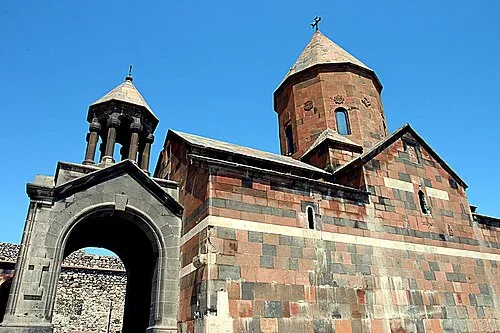 Church of Surb Astvatsatsin (Holy Mother of God)
Church of Surb Astvatsatsin
The Church of the Holy Mother of God is the heart of the monastery. It is a simple, solid structure, its dome resting on a twelve-sided drum, called a tholobate, that gives the roof its faceted look. The fundamental rebuilding was finished in 1703. Polished stone in reds, browns and greys covers the walls in a patchwork of shades. Inside, the altar pulpit is richly decorated. The dedication is to the Holy Mother of God, Surb Astvatsatsin in Armenian.
Listen in the appPhoto: D-man · CC BY 3.0
09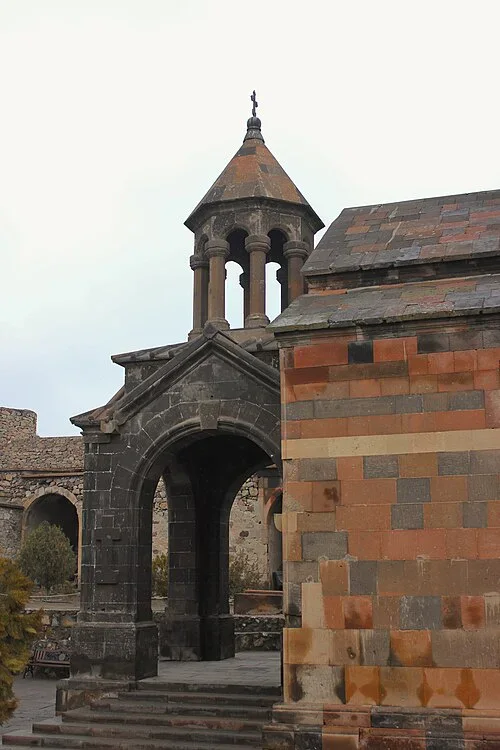 Church of Surb Astvatsatsin (Holy Mother of God)
The Western Bell Tower
An elegant belfry on slender columns rises against the western front of the church, crowned with a small conical roof and a cross. It is a late addition: at the end of the nineteenth century a columned bell tower was built onto the church's western facade. Bell towers of this kind became common additions to Armenian churches in later centuries, often attached where the original design had none. The arch beneath the belfry forms a covered entrance into the church.
Listen in the appPhoto: Beko · CC BY-SA 4.0
10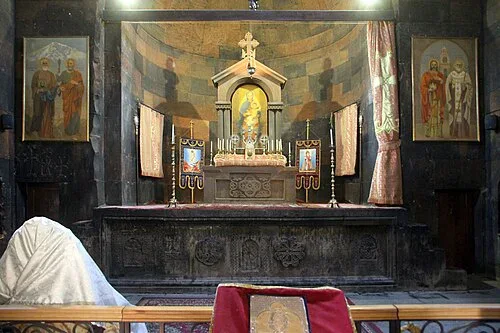 Church of Surb Astvatsatsin (Holy Mother of God)
The Altar of the Holy Mother of God
Inside the Church of the Holy Mother of God, the altar is the busiest place in the monastery. The pulpit around it is finely worked, framed by painted saints on the walls and candles burning at its foot. Pilgrims come for baptism, or after a wedding, to perform a matagh, an offering in which an animal is sacrificed and its meat shared. The church also sends its light outward. On New Year's Day, light is brought from Khor Virap in a religious celebration. The head of the Armenian Church has climbed down the prison pit here and come out holding a lighted candle, a sign of the light that reached Armenia from this place.
Listen in the appPhoto: Gerd Eichmann · CC BY-SA 4.0
- 11
St. Gevorg Chapel
An early shrine on the hill, built in 642 over the famous pit, and oddly turned on its side.
- 12
Inside St. Gevorg: Holes to the Deep
Inside the chapel: a dim basilica whose floor hides two unmarked openings into the deep.
- 13
The Descent
The climb down: a steep metal ladder, a narrow shaft, heat and deep humidity.
- 14
Gregory's Cell
The dungeon cell where, the story says, Gregory survived thirteen years on bread lowered into the dark.
- 15
Deliverance and Conversion
From darkness to light: the king's madness, the prisoner called up from the pit, and the conversion of 301.
- 16
The Ararat Border View
The border view: two snow-capped peaks, a sealed frontier, and the closest look at Armenia's sacred mountain.
- 17
Looking Toward Ararat
Doves released toward the mountain, and the meaning of a dungeon that became a nation's shrine.
Khor Virap
Frequently asked questions
How much does the guide cost?
Free app download. Listed guide price: $1.99. Guide price shown in the app. Audio guide only. Venue admission is separate.
Can I listen without internet?
Yes. Download the guide’s audio, images, and maps in the app before your visit. Your downloaded content is then available offline.
Can I listen in my language?
This audio guide is available in 15 languages, including English.
Do I need to follow a schedule?
No. This is a self-guided experience. Choose your stops, pause whenever you like, and return to a story at your own pace.
At your own pace
Explore Khor Virap.
Download Stanza, then search for “Khor Virap”.
Free app download · Guide price shown in the app
Keep exploring
Nearby audio guides
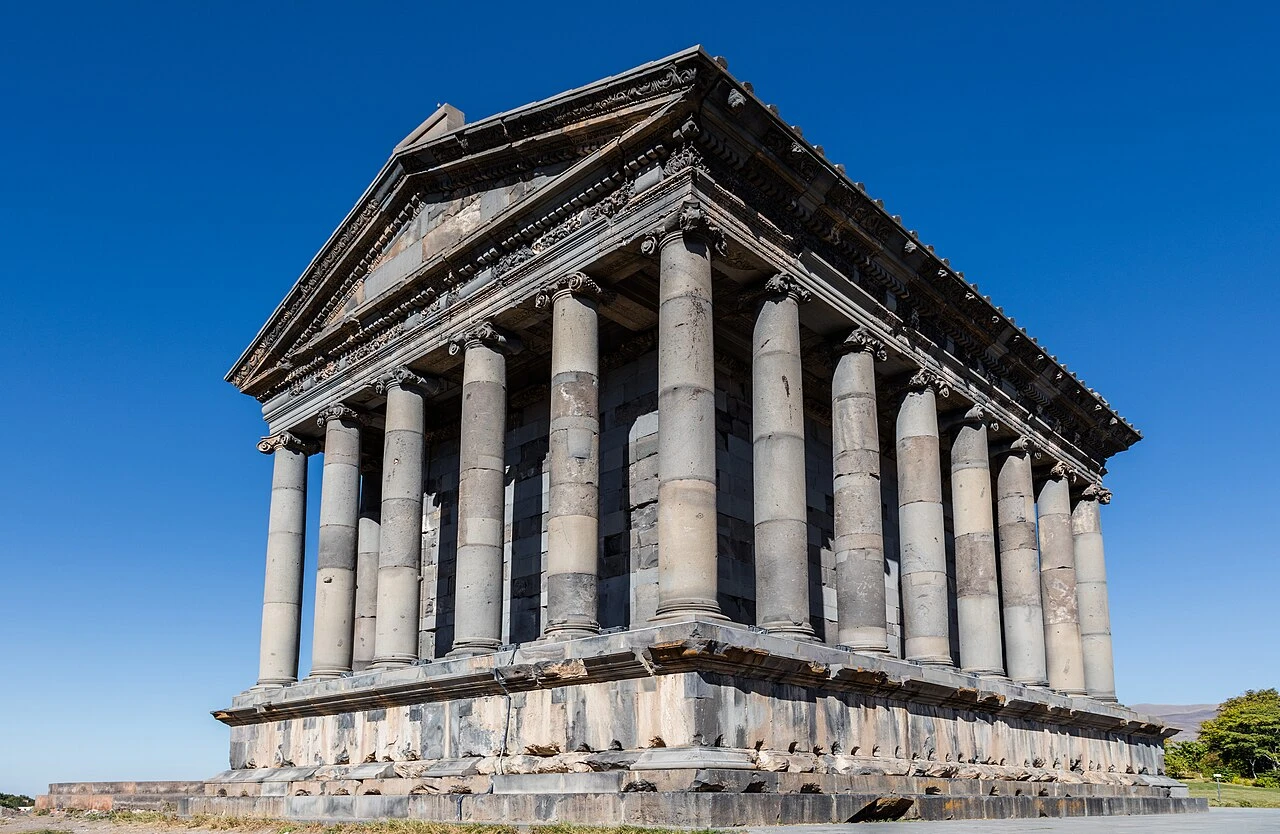
Garni · 29 km
Garni Temple
Content & sources
Diego Delso · CC BY-SA 4.0
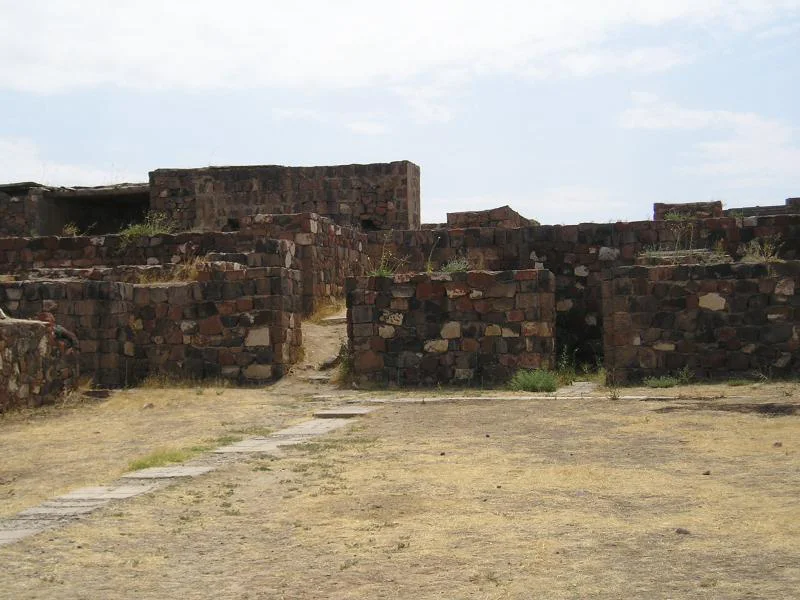
Yerevan · 29 km
Erebuni Fortress
Content & sources
Photo: Numerius Negidius · Public domain
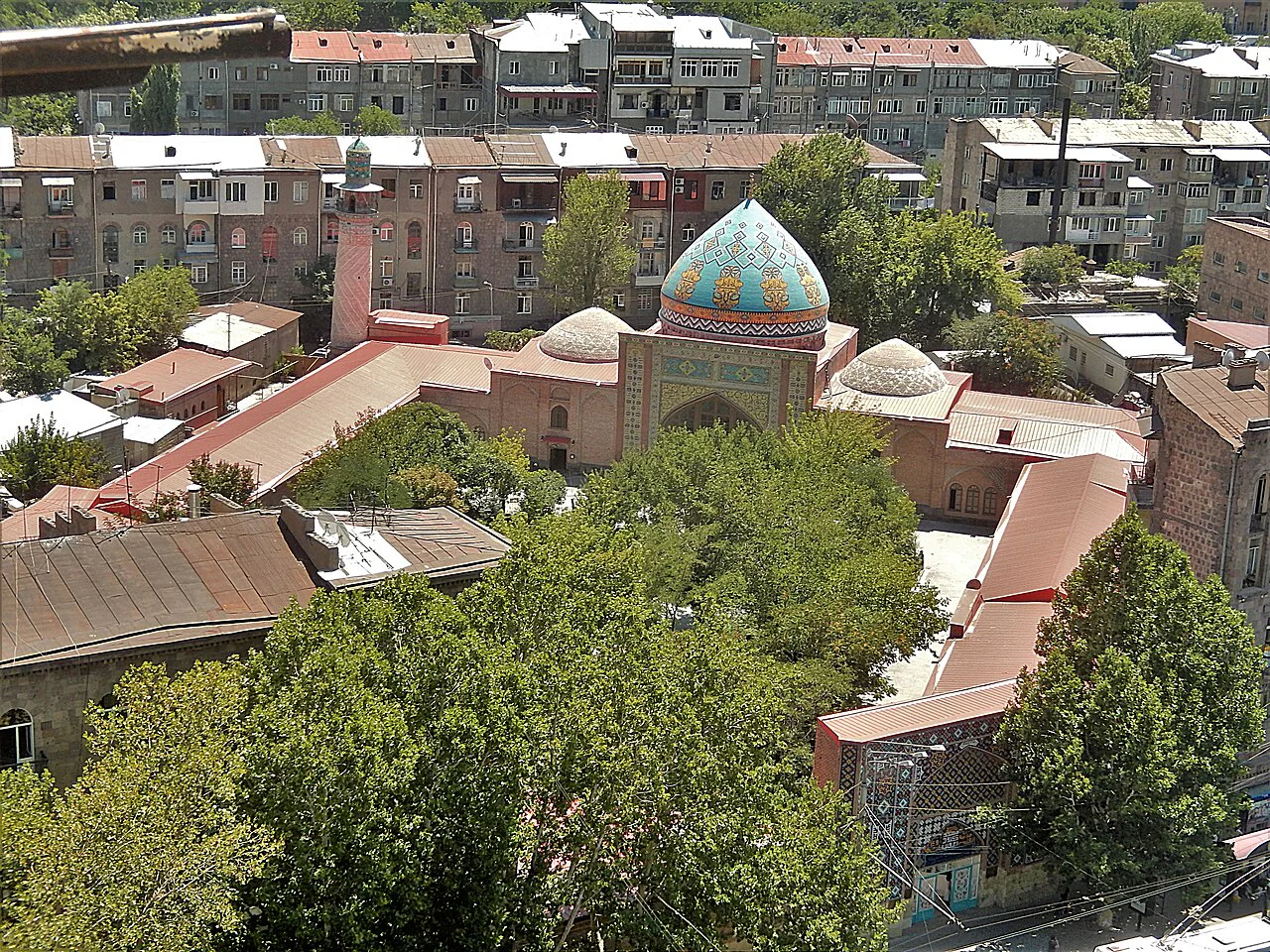
Yerevan · 34 km
Blue Mosque, Yerevan
Content & sources
Armineaghayan · CC BY-SA 4.0
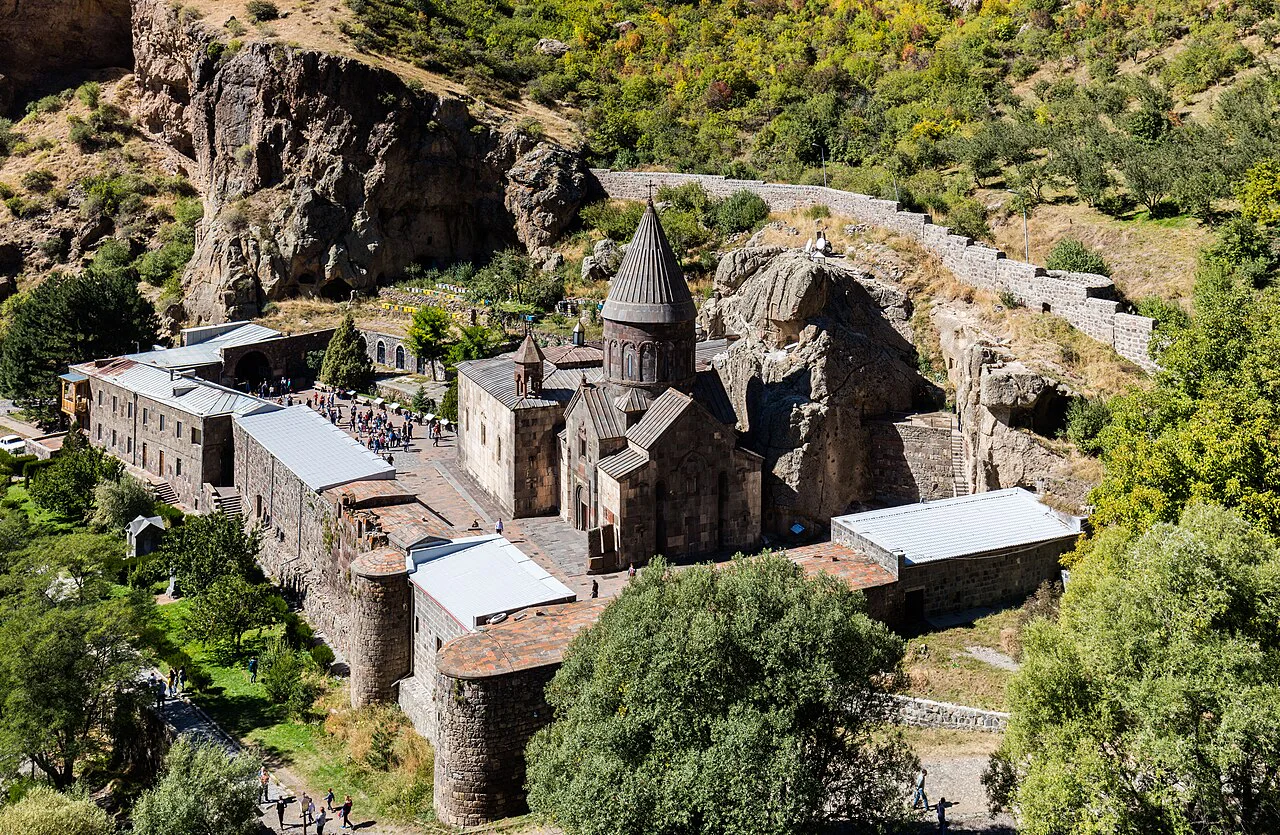
Goght · 36 km
Geghard
Content & sources
Diego Delso · CC BY-SA 4.0