Languages
15Alexander Nevsky Cathedral Audio Guide
Alexander Nevsky Cathedral is a landmark in Sofia, Bulgaria. Explore it with Stanza's GPS-triggered offline audio guide — available in 15 languages.
Quick Facts
17
Stops
15
Languages
100%
Offline
📍 Sofia, Bulgaria · 42.6958°N, 23.3330°E
About Alexander Nevsky Cathedral
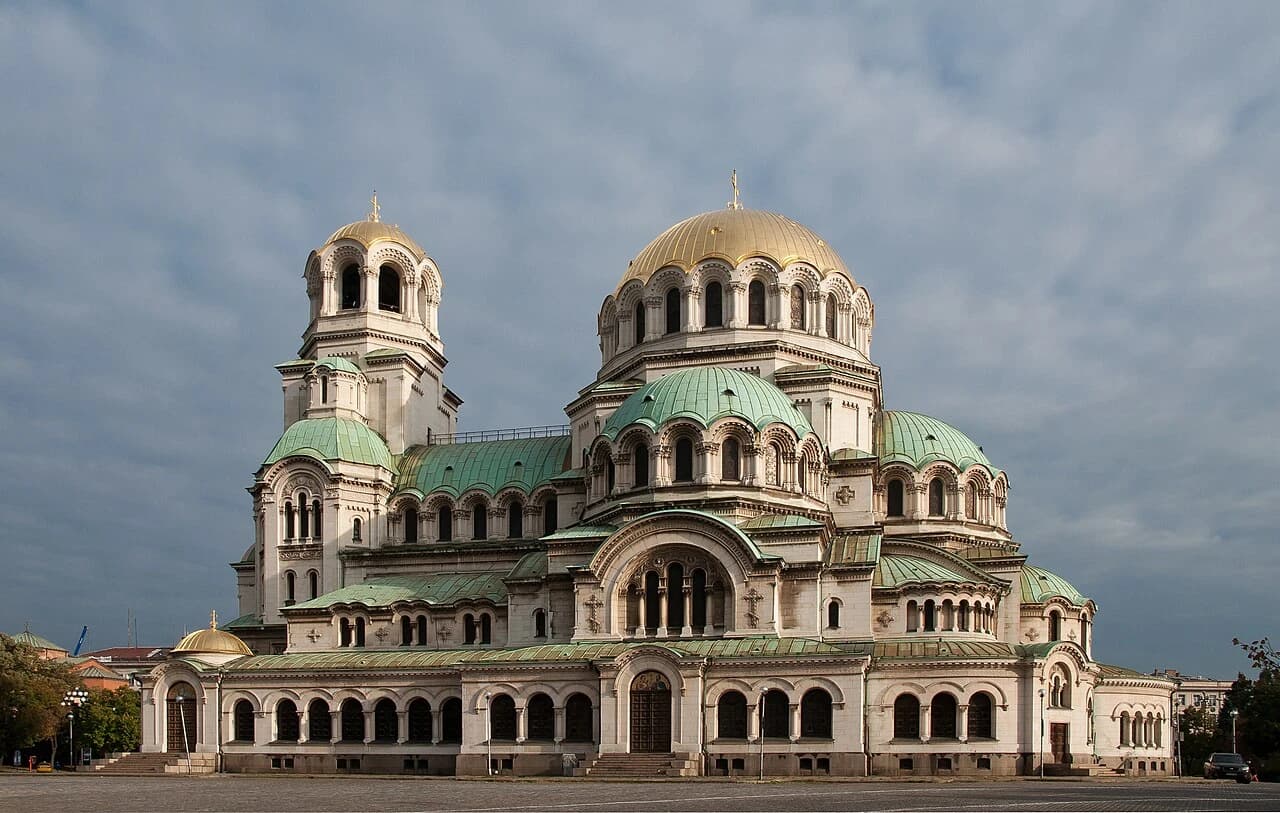
The Alexander Nevsky Cathedral is a Bulgarian Orthodox cathedral located in Sofia, Bulgaria. It is one of the largest Eastern Orthodox cathedrals in the world and a prominent landmark.
Alexander Nevsky Cathedral is also known as Snt. Alexander Nevsky Cathedral.
This self-guided audio tour features 17 narrated stops organized across 9 sections. As a cathedral, Alexander Nevsky Cathedral offers a unique cultural experience in the heart of Sofia, Bulgaria.
The Stanza audio guide is available in 15 languages and works entirely offline — download the complete tour including audio narration, maps, and images before your visit. As you walk through Alexander Nevsky Cathedral, GPS-triggered narration plays automatically at each point of interest.
Last updated:
What you will hear
Cathedral Square and the Golden Domes
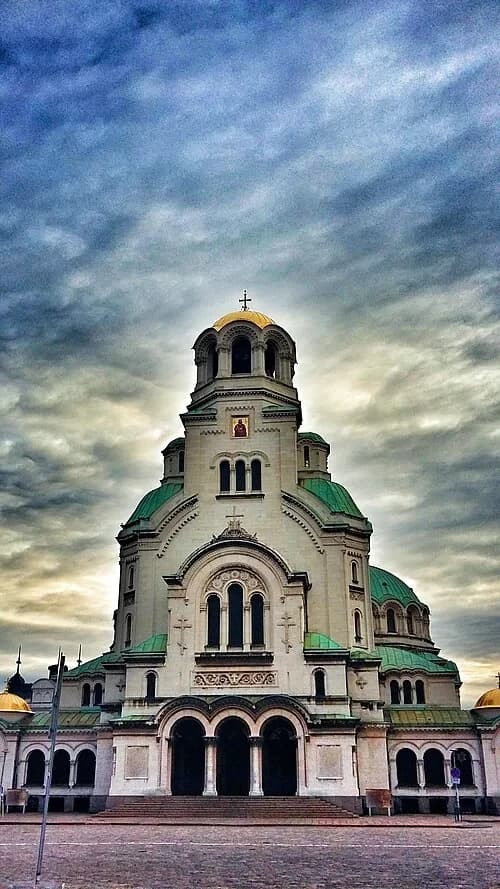
Establishing the grand scale of the cathedral and its most famous feature: the gold-plated domes that define the Sofia skyline.
Alexander Nevsky Cathedral-Monument
Welcome to the Alexander Nevsky Cathedral, an architectural titan that serves as a profound monument of national gratitude for Bulgaria's liberation. Covering an expansive 3,170 square meters, this cathedral was meticulously designed to accommodate up to 5,000 worshippers at once, reflecting the scale of the young nation's spiritual and political ambitions. As you stand within this space, consider its significance as a cross-border project; it honors the Russian soldiers who fell during the Russo-Turkish War of 1877–1878, which paved the way for Bulgarian independence. The sheer size of the structure made it a centerpiece of the capital's modern identity at the turn of the 20th century. Its construction was not merely about creating a place of worship, but about establishing a landmark that could be seen and felt as the heartbeat of a newly sovereign people. The internal volume is shaped by five aisles and three altars, creating a complex, echoing space that emphasizes the grandeur of the Orthodox tradition. This building remains one of the most prominent examples of Neo-Byzantine architecture in Eastern Europe, a testament to the cultural ties and historical events that shaped the modern Bulgarian state.
The Narthex and the Seven Saints
The transition space between the exterior and the nave, featuring significant ceiling mosaics.
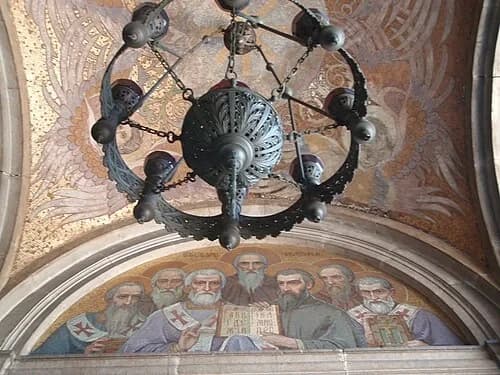
The Seven Saints Ceiling
Looking up at the narthex ceiling, you will find a magnificent mosaic depicting the 'Seven Saints' of the Bulgarian church. This group includes the brothers Cyril and Methodius, as well as their five most prominent disciples: Clement, Naum, Angelarius, Gorazd, and Sabbas. These figures are central to Bulgarian history because they were responsible for creating and spreading the Slavic alphabet in the 9th century. By translating the Bible and liturgical texts into a language the local people could understand, they bridged the gap between complex theology and national identity. The mosaic here emphasizes their role as educators and enlighten-ers of the Slavic world. Each saint is depicted with traditional iconographic attributes, often holding scrolls or books to represent their literary achievements. The placement of this mosaic in the narthex—the transition space between the outside world and the nave—is intentional; it suggests that one enters the church through the foundation of faith and language laid by these holy men. The gold backgrounds and rich pigments used in the tiles create a luminous effect, celebrating these men as the spiritual and cultural fathers of the Bulgarian nation.
The Central Nave: A Monument to Liberation
Experiencing the massive volume of the interior, designed to hold 5,000 worshippers, and its status as the heart of the Bulgarian Orthodox Church.
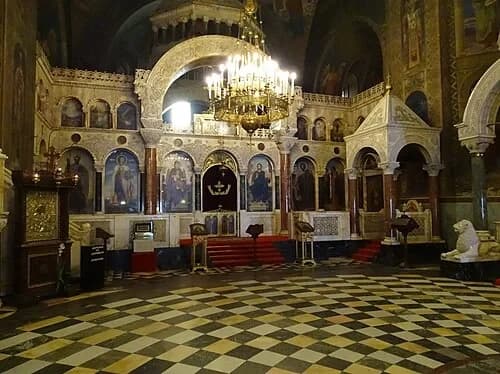
The Central Nave
As you move into the central nave, the sheer scale of the interior volume becomes overwhelming. The air is often heavy with the lingering scent of incense, a sensory hallmark of Orthodox worship. Beneath your feet, the floor is paved with a complex arrangement of marble, creating a polished surface that reflects the light from the chandeliers above. The materials used to decorate this space were sourced from around the globe, reflecting the international effort that went into the cathedral's completion. Look for the distinct veins of Italian marble and the deep, translucent greens of Brazilian onyx used in the columns and ornaments. This use of precious stone was meant to create a "heaven on earth," a space so beautiful and permanent that it would inspire immediate reverence. The nave is designed to draw the eye upward toward the massive central dome, while the wide aisles on either side allow for the movement of large crowds during major religious festivals. The acoustics of this space are equally impressive, designed to carry the complex harmonies of Orthodox choral music throughout the entire building, ensuring that the spoken and sung word reaches every worshipper, regardless of where they stand.
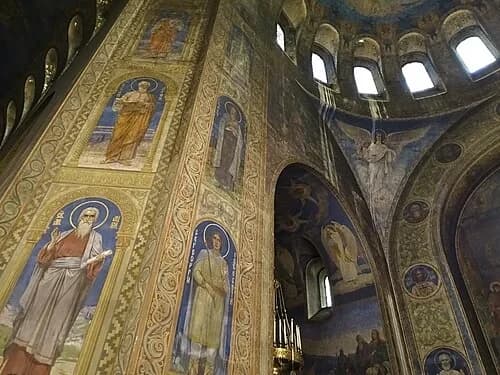
The Cathedral Frescoes
The walls of the cathedral are an expansive canvas for a series of high-quality frescoes that blend the strict traditions of Orthodox iconography with the stylistic realism of the early 20th century. This massive artistic project was a collaboration involving more than 30 artists from both Russia and Bulgaria, many of whom were the most celebrated painters of their day. They worked together to cover nearly every inch of the upper walls and vaults with depictions of key biblical scenes, parables, and a vast gallery of saints. If you look closely, you can see the varying hands of different artists, though the overall aesthetic remains remarkably cohesive. The style emphasizes expressive faces and naturalistic drapery, moving away from the flatter, more abstract icons of earlier centuries. These murals were not just intended as decoration but served as a "Bible for the illiterate," visually narrating the foundational stories of the faith for all who entered. The scale of the work required years of labor, using pigments that have remained vibrant for over a century. From the birth of Christ to the lives of local Bulgarian martyrs, these frescoes offer a comprehensive visual guide to the spiritual history of the region.
The Great Dome and the Lord's Prayer
Looking up into the central dome to see the gold-lettered inscription of the Lord's Prayer.
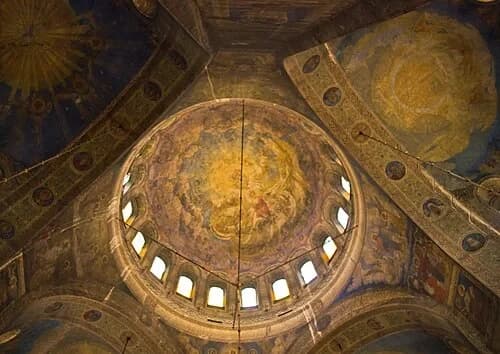
The Lord's Prayer Dome
If you look directly up into the cavernous central dome, you will see one of the most spiritually significant details of the interior design. Encircling the base of the dome, just below the windows that let in shafts of natural light, is an inscription of the Lord's Prayer. The text is written in thin, elegant gold letters that shimmer against the painted background. This placement is deeply symbolic; in Orthodox church architecture, the dome represents the heavens, and placing the foundational prayer of Christianity at its highest point signifies the ascent of human petitions toward the divine. Below the prayer, the fresco in the dome's center often depicts Christ Pantocrator, the "Ruler of All," looking down upon the congregation. The ring of windows around the inscription creates a "crown of light" effect, which was a deliberate architectural choice to make the massive dome appear as if it were floating. As the light changes throughout the day, different parts of the gold inscription catch the gleam, serving as a constant reminder of the spiritual focus of the cathedral. This detail demonstrates the meticulous thought given to how text, light, and architecture could work together to create a profound atmosphere of devotion.
The Reliquary of Saint Alexander Nevsky
Locating the sacred rib relic of the saint, a gift from Russia, housed in a silver reliquary to the left of the altar.
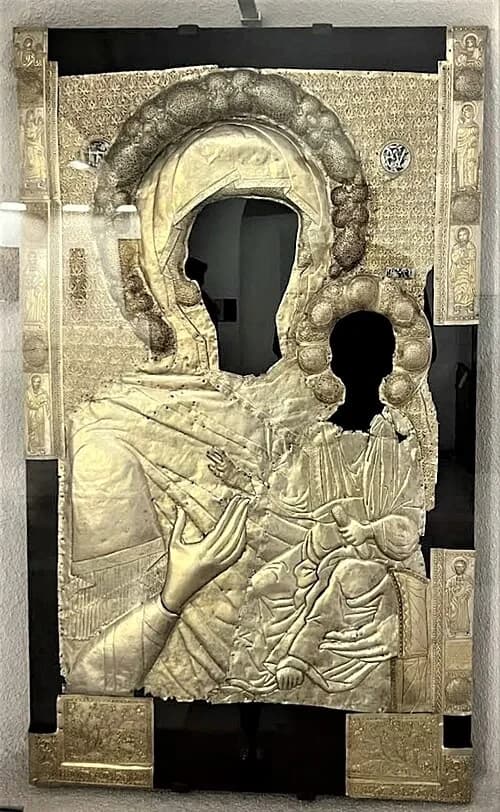
Silver Relief Icon
Near the main iconostasis, to the left of the altar, you will find one of the most revered objects in the entire building. This is the silver reliquary that houses a piece of a rib from the cathedral's namesake, Saint Alexander Nevsky. This sacred relic was a gift from the Russian Orthodox Church, a gesture meant to solidify the spiritual and historical bond between the two nations. The use of precious metals like silver in church art is a long-standing tradition, reserved for objects of the highest sanctity. The reliquary itself is a masterwork of relief and engraving, designed to protect and honor the remains of the warrior-prince. Pilgrims often come to this specific spot to offer prayers and show their devotion, touching or kissing the reliquary as an act of faith. Beyond its religious importance, the silver relief work is a fine example of the metalworking traditions that flourished alongside the cathedral's construction. It stands as a tactile connection to the 13th-century saint, bringing his legacy into the modern heart of Sofia. The presence of this physical relic transforms the cathedral from a mere architectural monument into a living site of pilgrimage and a direct link to the history of the Orthodox world.
The Crypt: Europe's Icon Gallery
Descending into the basement to see one of the world's largest collections of Orthodox icons.
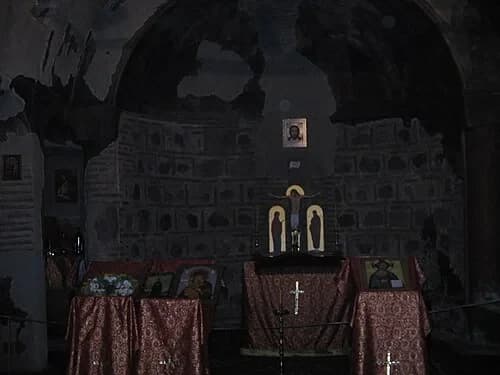
The Icon Museum Crypt
Descending into the crypt beneath the cathedral, you enter an entirely different world from the sun-drenched nave above. These atmospheric basement galleries are home to a branch of the National Art Gallery and house what is widely considered the largest collection of Orthodox icons in Europe. The collection spans several centuries, offering a comprehensive look at the evolution of religious art in the Balkans and beyond. The thick walls and low ceilings of the crypt create an intimate, quiet environment that is perfectly suited for contemplating these spiritual masterpieces. Many of the icons displayed here were rescued from abandoned or destroyed churches across Bulgaria, making the crypt a vital center for cultural preservation. As you walk through the galleries, you can see how styles shifted from the rigid, symbolic forms of the medieval period to the more humanized and detailed images of the Bulgarian National Revival. The sheer volume of work on display—hundreds of icons, woodcarvings, and liturgical objects—is a testament to the enduring creativity of the Orthodox tradition. This underground space provides a deep historical context for the grand monument above, showing the centuries of artistic labor that preceded the cathedral’s 20th-century grandeur.
The Tower of the Twelve Bells
Looking up at the highest point of the structure, which houses 23 tons of bells cast in Moscow.
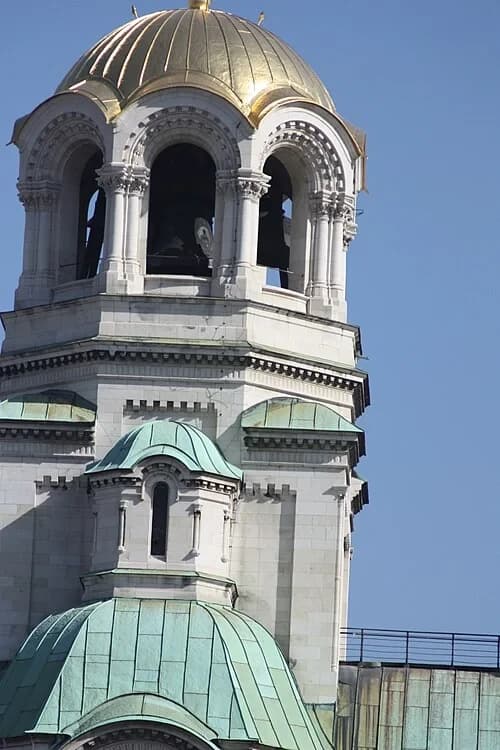
The Tower of Twelve Bells
The cathedral's bell tower, rising as the highest point of the structure, houses an impressive assembly of twelve bells. These bells were cast in Moscow and transported to Sofia, representing another significant contribution from Russia to the project. Together, the bells have a staggering combined weight of 23 tons. The largest among them is a true behemoth, weighing 12 tons on its own. When it tolls, its deep, resonant sound can be heard across nearly all of central Sofia, serving as a sonic landmark for the city's inhabitants. The other eleven bells vary in size and pitch, allowing for the complex, rhythmic peals that are a hallmark of Orthodox liturgical celebrations. Ringing these bells is a specialized task, often requiring multiple people to coordinate the heavy ropes and clappers to produce the traditional melodies. The bells are decorated with reliefs and inscriptions, though these details are rarely seen by the public. Their presence in the tower adds a dynamic, auditory dimension to the cathedral's presence in the city. Whether calling the faithful to service or marking a national holiday, the "voice" of the cathedral is an integral part of Sofia's daily atmosphere, echoing from the heights of Pomerantsev’s white stone tower.
A Mosaic of International Craftsmanship
Examining the diverse materials used in the construction, from Italian marble to Brazilian onyx.
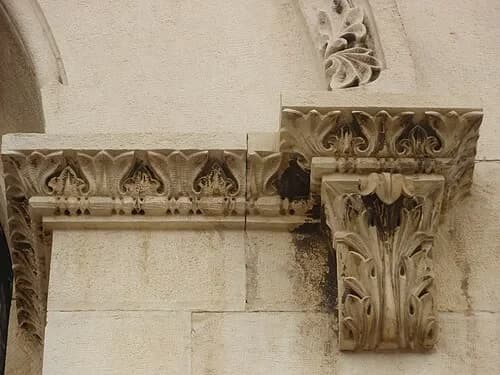
Carved Stone Capitals
As you look at the exterior of the cathedral, pay close attention to the intricate stone carvings that adorn the columns and capitals. These decorative elements are fine examples of the Neo-Byzantine style, featuring stylized foliage, geometric patterns, and religious symbols deeply cut into the stone. This work highlights the international nature of the cathedral’s construction. While the architectural plans were Russian and the stone was local, the project drew on expertise from across Europe. For instance, the massive, ornate gates that lead into the building were manufactured in Vienna, a city then famous for its high-quality metalwork. The carvings on the capitals follow a traditional Mediterranean vocabulary but are executed with the precision of early 20th-century masonry. Each capital is a unique piece of sculpture, contributing to the overall sense of texture and richness on the building’s facade. These details ensure that the cathedral remains visually interesting even from a distance, as the shadows play across the deeply carved surfaces. The combination of Russian design, Bulgarian labor, Austrian ironwork, and international materials makes this cathedral a true monument to the interconnected history of the Balkan Peninsula and its neighbors during a period of intense nation-building.
The Square of Saint Sofia
Concluding the tour with a view of the cathedral in its city context, adjacent to the much older St. Sofia Church.
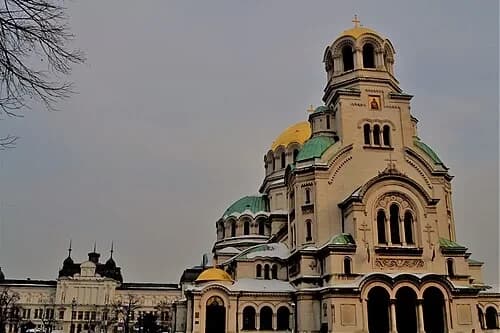
Alexander Nevsky Square
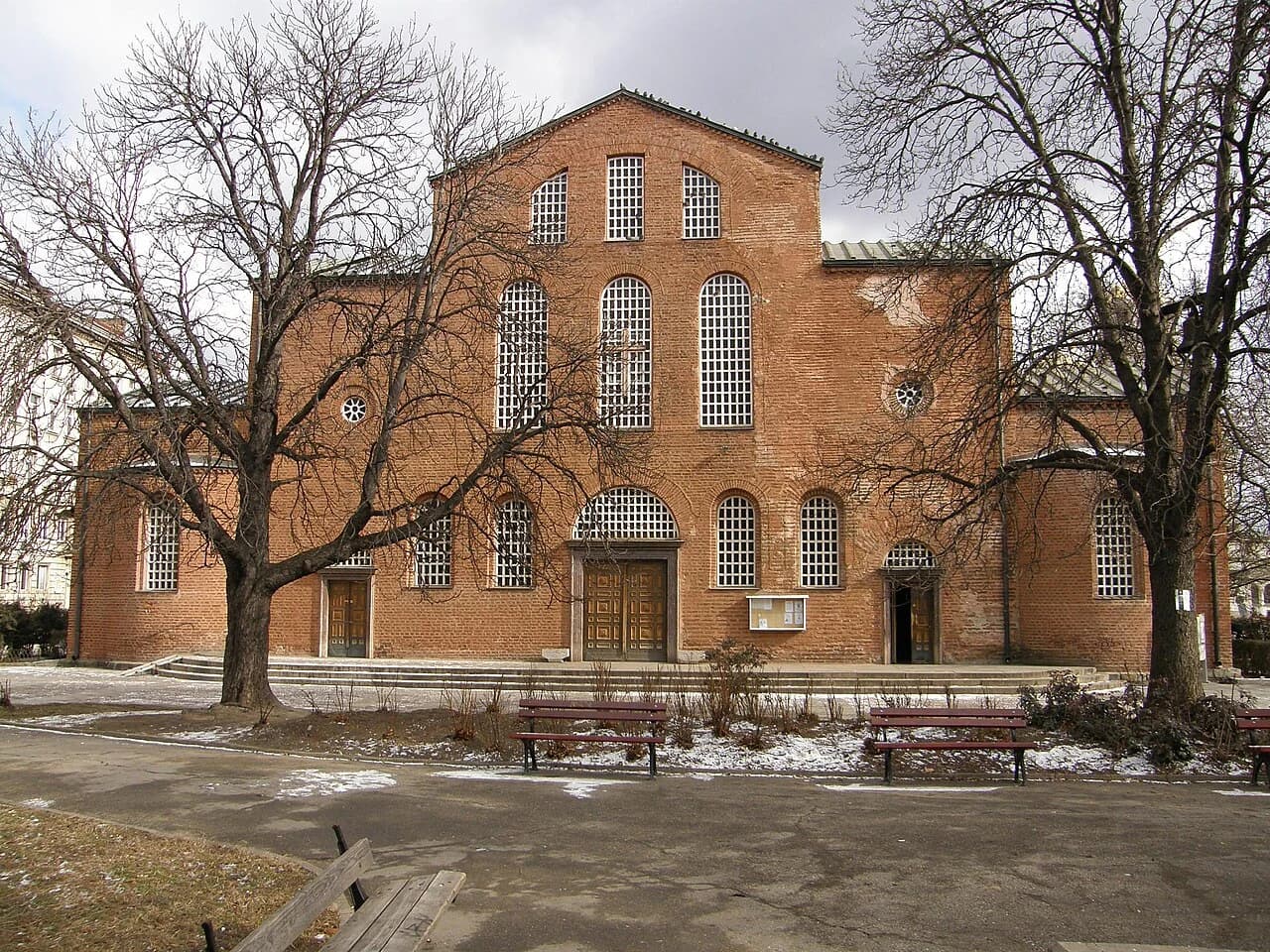
The expansive square surrounding the cathedral offers a glimpse into the deep layers of history that define Sofia. While the cathedral dominates the skyline with its massive volume, it is not the only landmark in this space. Just a short distance away stands the St. Sofia Church. This red-brick structure dates back to the 6th century, during the reign of Byzantine Emperor Justinian the First. It provides a striking contrast to the cathedral; where the Alexander Nevsky is grand, gilded, and relatively modern, St. Sofia is austere, unadorned, and ancient. It is this humble church that actually gave the city of Sofia its name in the 14th century. Before that, the settlement was known as Sredets. The square itself serves as a meeting point for different eras. While the cathedral represents a late 19th-century vision of national rebirth, the St. Sofia Church reminds us of the city's Roman and Byzantine foundations. Beneath the square's pavement, archaeological excavations have even revealed an ancient necropolis associated with the older church. This juxtaposition of a 20th-century monument next to a late-antique basilica creates a unique architectural timeline. Notice how the simple, rounded arches of the brick church differ from the multi-tiered domes of its younger neighbor.
Want to hear the rest?
Download the Stanza app to unlock all 17 stops and full GPS-guided navigation.
Frequently Asked Questions
How long does the Alexander Nevsky Cathedral audio tour take?
The Alexander Nevsky Cathedral audio guide includes 17 narrated stops. Most visitors spend 45 minutes to 1.5 hours exploring the complete tour, though you can listen at your own pace and skip or revisit any stop.
Is the Alexander Nevsky Cathedral audio guide available in my language?
Stanza supports 15 languages: English, Spanish, French, German, Italian, Portuguese, Russian, Japanese, Chinese, Korean, Arabic, Hindi, Polish, Dutch, Hebrew. Check the guide in the app to confirm the languages currently available for this tour.
Can I use the audio guide offline at Alexander Nevsky Cathedral?
Yes! Download the complete Alexander Nevsky Cathedral tour — including all audio, maps, and images — before your visit. The Stanza app works completely offline, so you don't need WiFi or mobile data at the venue.
How much does the Alexander Nevsky Cathedral audio guide cost?
The Stanza app is free to download. The current listed price for the Alexander Nevsky Cathedral audio guide is $2.99; app-store region and currency may affect the final price.
How do I use the Stanza audio guide at Alexander Nevsky Cathedral?
Download the free Stanza app, search for "Alexander Nevsky Cathedral", and download the tour. When you arrive at the venue, the app uses GPS to detect your location and automatically plays the relevant narration as you move between points of interest — completely hands-free.
What makes the Stanza audio guide different from other Alexander Nevsky Cathedral tours?
Stanza offers GPS-triggered narration that plays automatically as you walk through Alexander Nevsky Cathedral — no need to manually select stops. The tour is available in 15 languages, works fully offline, and includes 17 expertly narrated stops with images and historical context.
What other audio guides are available near Alexander Nevsky Cathedral?
Stanza offers multiple audio guides in Sofia, Bulgaria and nearby areas. After downloading the app, browse the map to discover all available tours near Alexander Nevsky Cathedral. Each guide can be downloaded for offline use.