Stanza · Audio guide
Boyana ChurchAudio guide
A place to remember. A story to take with you.
A medieval Eastern Orthodox church located on the outskirts of Sofia, Bulgaria. It is renowned for its well-preserved frescoes from the 13th century and is a UNESCO World Heritage Site.
Download Stanza, then search for “Boyana Church”.
About the tour
One guide. Your kind of visit.
A medieval Eastern Orthodox church located on the outskirts of Sofia, Bulgaria. It is renowned for its well-preserved frescoes from the 13th century and is a UNESCO World Heritage Site.
Ready when you are.
- 01Get the free Stanza app.
iOS & Android
- 02Find your guide.
“Boyana Church”
- 03Download before you go.
Works offline
Audio guide / 10 narrated stops
Inside the guide
Get to know a few of the stories before you go. Open a stop to read more.
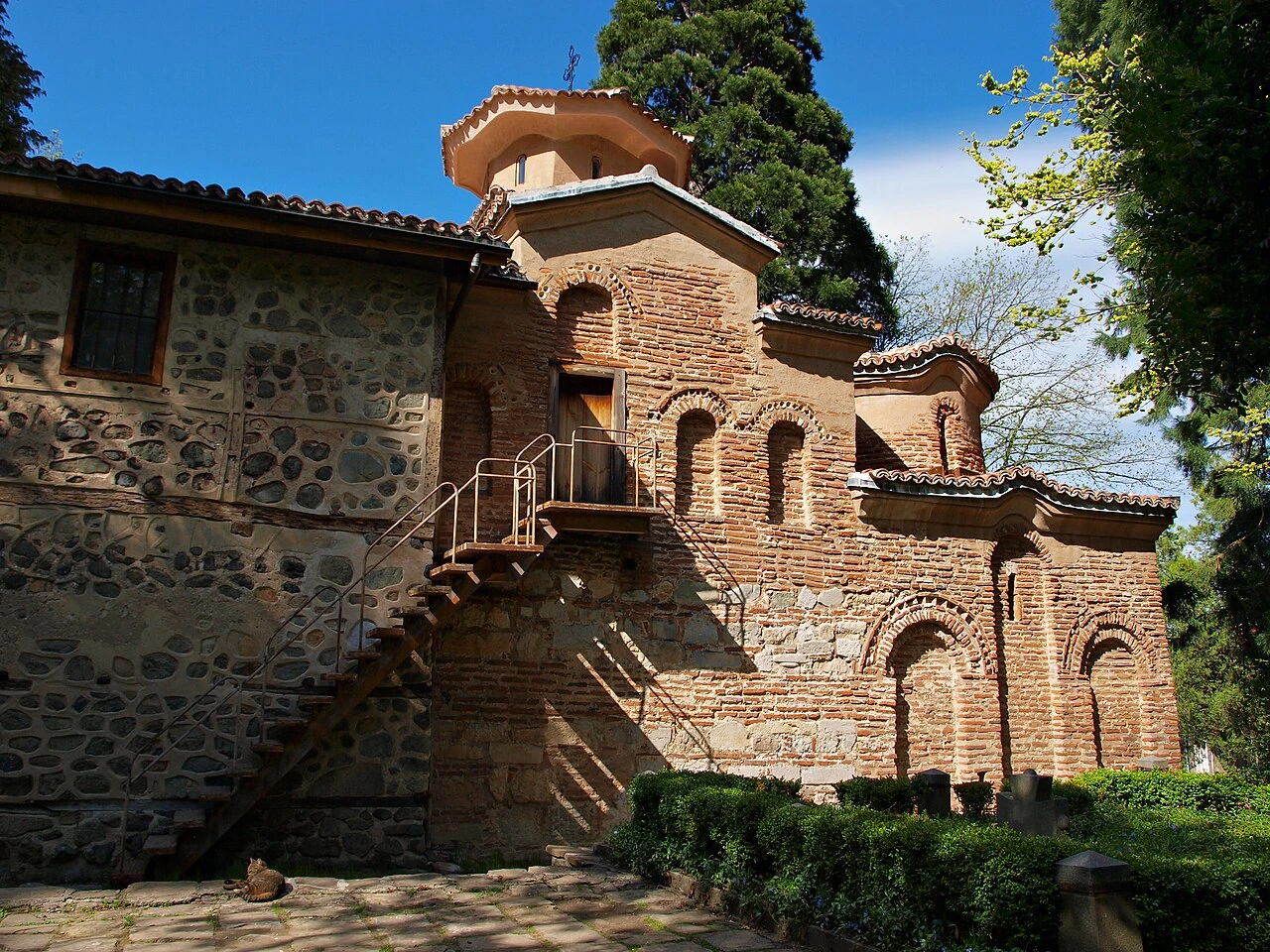
01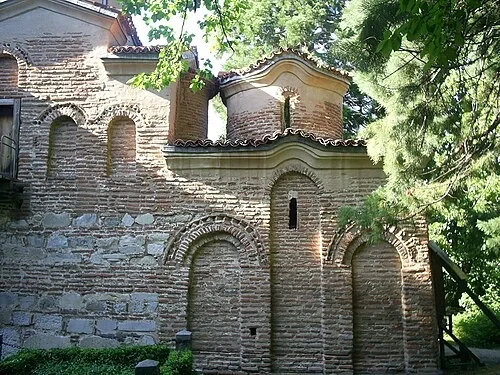 The Living Walls: Three Centuries of ArchitectureThe Medieval Core
This section of the building represents the earliest phase of construction, dating back to the late 10th or early 11th century. When looking at the exterior walls, you can see the distinctive medieval masonry characterized by alternating layers of red brick and thick white mortar. This technique was not just functional but added a subtle decorative element to the facade. Originally, this space functioned as a private chapel for a local feudal lord, long before the major expansions that would come in later centuries. The scale of this first wing is quite modest, reflecting its purpose as a quiet place for prayer rather than a large public gathering space. The interior originally featured a different set of murals, though most of what we see today comes from the famous 1259 renovation. The precision of the brickwork here has allowed the structure to withstand centuries of environmental changes, preserving the original footprint of this Eastern Orthodox sanctuary. As the tour continues, notice how this small core served as the foundation for the architectural layers that were added as the importance of the church grew over nearly a millennium.
Svilen Enev · CC BY-SA 3.0
02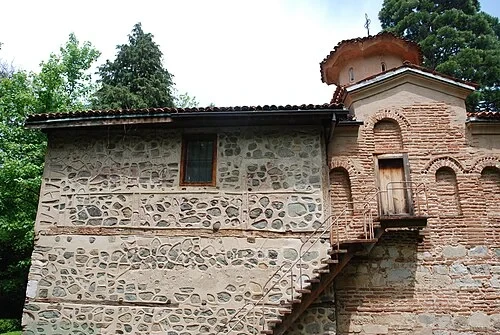 The Living Walls: Three Centuries of ArchitectureA Tale of Three Eras
Examining the outer walls allows you to trace the long history of the site through its changing construction styles. The church is composed of three separate sections built during different eras, which together earned the site its 1979 UNESCO World Heritage status. The central section, built in the 13th century, features decorative brickwork and blind arches that reflect the sophisticated Byzantine-influenced style of the Second Bulgarian Empire. This contrasts sharply with the western wing, which was added much later, in the mid-19th century. Notice the rougher stone walls of this final addition, which was commissioned by the local community to accommodate more worshippers. Between these two stands the 11th-century core. This unusual grouping of buildings creates a visual timeline of Bulgarian architectural development. The preservation of these distinct layers is remarkably rare, as many medieval churches were either demolished or completely rebuilt in later periods. Here, the additions were joined to the existing structure, allowing the ancient core to remain functional while the church expanded its capacity and decorative grandeur over the generations. The transition between the smooth mortar of the 13th century and the coarser stonework of the 1800s is clearly visible near the roofline.
xiquinhosilva from Cacau · CC BY 2.0
03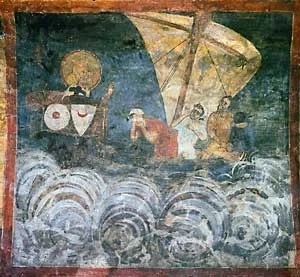 The Narthex: A Window into Medieval LifeThe Miracle at Sea
Within the church’s vast array of murals, this specific scene illustrates Saint Nicholas rescuing sailors during a violent storm. What makes this painting particularly interesting to historians is what is known as the 'Venetian Connection.' The artist chose to depict the ship and the sailors’ distinctive headwear in a style that very closely matches the actual fleet of 13th-century Venice. The rigging of the vessel and the shape of the hull are remarkably detailed for medieval art of this region. This level of accuracy suggests that the painter, whom we call the 'Boyana Master,' was likely a well-traveled individual who had observed contemporary maritime life. Instead of following a strictly symbolic religious template, the artist recorded the real world and brought those observations into the sacred space. The waves are stylized in concentric circles, which is typical of the era, yet the panic and effort of the figures on board convey a sense of genuine human struggle. It is a prime example of the transition toward a more realistic and observational style of painting that predates the Western Renaissance by centuries. The contrast between the dark, turbulent water and the bright sail draws the eye directly to the center of the action.
Listen in the appPhoto: Martyr · Public domain
04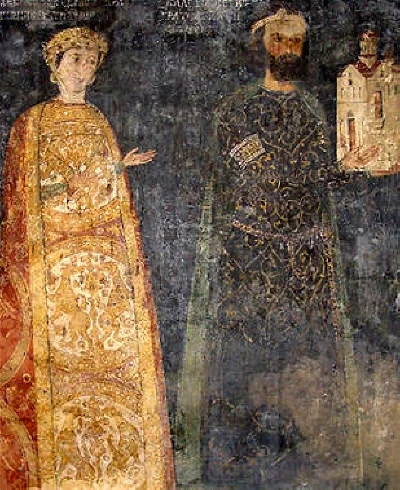 The Noble Donors: Kaloyan and DesislavaPortraits of the Donors
The figures depicted here are Sebastocrator Kaloyan and his wife Desislava, the local rulers who commissioned the church's extensive renovation in the 13th century. In medieval tradition, donors were often painted within the sacred space to commemorate their piety and social standing. Look closely at Kaloyan, who is shown holding a small, detailed model of the church. This was a standard artistic gesture used to identify the patron of a building. These portraits are considered some of the most important works of art in Bulgaria because of their age and the level of detail provided by the artist. They offer a rare glimpse into the appearance and status of the high nobility during the Second Bulgarian Empire. The couple is shown in formal, stiff poses, yet their faces possess a degree of individuality that sets them apart from the more generic religious icons typically found in churches of this period. By placing themselves near the saints, the donors ensured their legacy would be forever linked to the spiritual life of the community they governed. The intricate patterns on their robes indicate the high quality of textiles available to the ruling class at that time.
Listen in the appuploaded by bg:Потребител:Kandi · Public domain
05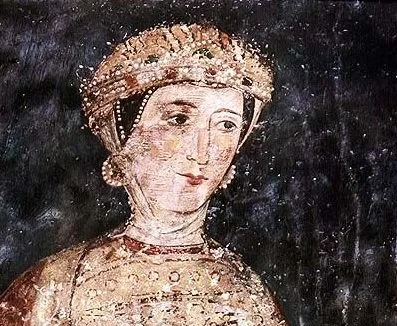 The Noble Donors: Kaloyan and DesislavaThe Gaze of Desislava
While much of medieval art focused on stylized, distant figures, the artist who painted Desislava achieved a sense of vitality and human presence that was far ahead of its time. Observe the delicate features of her face and the subtle, thoughtful expression in her eyes. This realism suggests the Boyana Master was painting a specific individual rather than a generalized ideal of a noblewoman. Her attire is equally impressive, featuring a high-necked garment adorned with intricate patterns and pearls, which provides a valuable window into the courtly fashion of the 13th-century Bulgarian elite. The way her veil and crown are rendered shows a keen attention to the texture of fabrics and the weight of jewelry. This portrait is often cited as a precursor to the humanism of the Renaissance, as it prioritizes the individual character and emotional life of the subject. The soft modeling of her skin and the careful placement of highlight and shadow give the face a three-dimensional quality that was rarely seen in the mid-1200s. She stands as a reminder of the sophisticated cultural life that flourished in this region during the height of the Second Bulgarian Empire.
Listen in the appPhoto: Kpjas · Public domain
06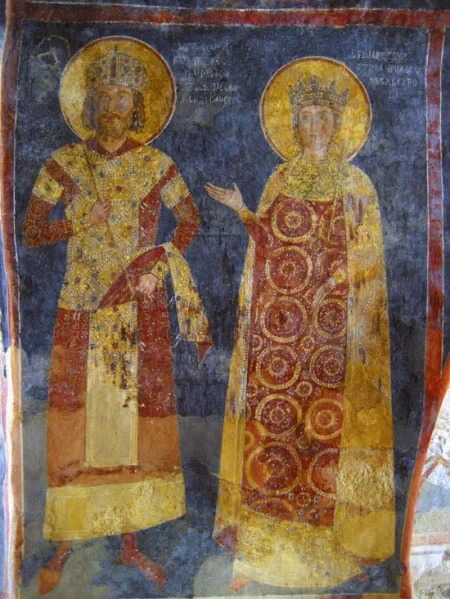 The Royal Presence: Tsar Konstantin AsenThe Royal Presence
Depicted with all the regalia of their office, the Tsar and Tsaritsa represent the pinnacle of Bulgarian power in the 13th century. Their presence in the church, alongside the local donors Kaloyan and Desislava, suggests that this chapel held considerable importance for the royal family and the state. Notice the lavish, patterned garments they wear, which are heavily embellished with intricate designs. Their crowns are tall and ornate, signifying their connection to the Byzantine imperial tradition and their status as divinely appointed rulers. The artist used these rich details to emphasize the majesty and authority of the monarchy. During this period, the Bulgarian Empire was at its political peak, and the arts were used to reflect national strength and cultural sophistication. The formal nature of these portraits contrasts with the slightly more personal feel of the donor images, highlighting the different tiers of the social hierarchy. Every element, from the embroidered circles on the Tsar’s robe to the carefully held scepter, was designed to communicate a message of stability and power to all who entered this sacred space. The dark background helps these brightly colored figures stand out with even greater prominence.
Listen in the appen:Architecture of the Tarnovo Artistic School, de:Kunstschule von Tarnowo, bg:Архитектура на Търновската художествена школа · Public domain
07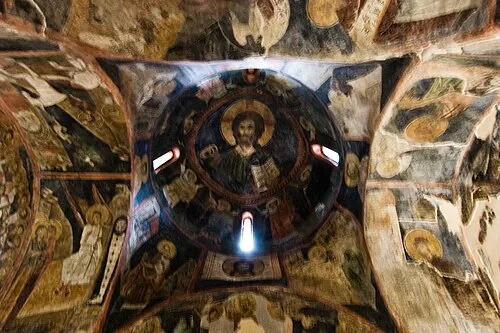 The Spiritual Dome: Christ PantocratorChrist Pantocrator
Looking up into the dome, you see the figure of Christ Pantocrator, a Greek term meaning 'Ruler of All.' This iconographic placement is traditional in Eastern Orthodox churches, symbolizing the heavens and the divine presence overlooking the earthly realm. The interior of the Boyana Church is densely packed with religious imagery, containing a total of 89 distinct scenes and 240 individual human figures. Each one was carefully placed to create a cohesive theological narrative that guides worshippers through the stories of the Bible. The artist used the curved surfaces of the dome and arches to create a sense of encompassing space, where the images appear to wrap around the visitor. The figure of Christ is surrounded by celestial beings and prophets, reinforcing his central role in the faith. Despite the age of the building, many of the original pigments remain vibrant, allowing the complex details of the facial expressions and garments to be seen clearly. This dome represents the heart of the 1259 fresco cycle, bringing together the architectural form and the painted word into a single, immersive environment. Small windows near the base of the dome allow natural light to illuminate the central figure at different times of the day.
Listen in the appAnn Wuyts from Olen (London), Belgium (United Kingdom) · CC BY 2.0
08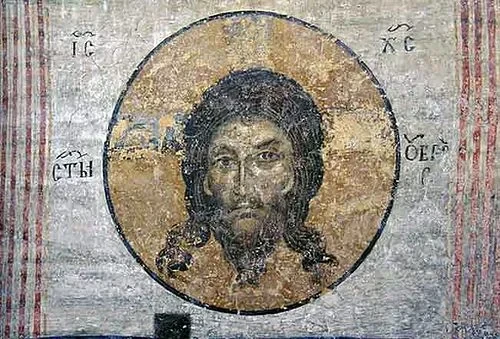 The Spiritual Dome: Christ PantocratorThe Holy Mandylion
The fresco shows the Holy Mandylion, which traditionally depicts the face of Christ imprinted on a piece of cloth. Because these murals are over 760 years old and incredibly fragile, they are protected by very strict environmental controls. The interior of the church is kept at a constant temperature of 17 to 18 degrees Celsius, or roughly 62 to 64 degrees Fahrenheit, to prevent the growth of mold and the degradation of the ancient pigments. You may also notice that visitor groups are strictly limited to just 10 minutes inside. This rule exists to minimize the amount of carbon dioxide and moisture released by human breath, which can chemically react with the plaster and cause the colors to fade or flake away. These modern measures are part of an ongoing effort to ensure the Boyana Master’s work survives for future generations. The lighting inside is also carefully dimmed to prevent damage from light exposure. These scientific protocols highlight the immense cultural value of the artwork, treating the entire interior as a delicate site that requires constant monitoring. The circular framing of the face in this fresco creates a powerful point of focus amidst the surrounding narrative scenes.
Listen in the appUnknown author · Public domain
09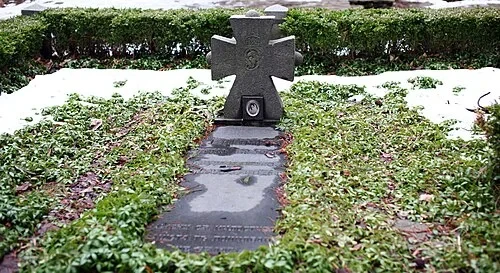 The Churchyard: Queen Eleonora’s Final RestQueen Eleonora’s Final Rest
In 1912, the local community in Boyana considered the medieval church too small for their growing population and planned to demolish it to build a larger parish center. Queen Eleonora, the wife of Tsar Ferdinand, immediately recognized the historical significance of the ancient building. She intervened personally, using her own funds to provide the community with a new plot of land and the money needed to build their new church elsewhere. This act of preservation ensured that the medieval layers of Boyana Church remained intact. Eleonora was so fond of this quiet spot that she requested to be buried here in the churchyard. Her grave is marked by a simple stone cross, reflecting her dedicated nature. During her lifetime, she was known for her charitable work and her role as a nurse during the Balkan Wars. Without her decisive action over a century ago, the world-renowned frescoes inside would have been lost to modern expansion. Her legacy remains rooted in the ground surrounding the church she protected. The grave is often surrounded by ivy and seasonal greenery, maintaining the peaceful atmosphere she admired.
Listen in the appElena Chochkova · CC BY-SA 3.0
10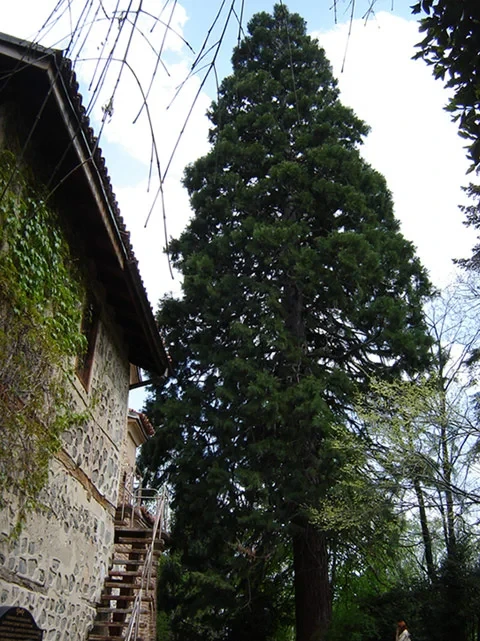 The Churchyard: Queen Eleonora’s Final RestThe Giant Sequoias
The massive trees surrounding the church are North American Giant Sequoias, which were planted here in 1907 by Tsar Ferdinand. He brought them as saplings as a gift for his wife, Queen Eleonora, whom we just learned played a pivotal role in saving the church. Today, these trees stand as some of the tallest in Bulgaria, their thick trunks and evergreen branches creating a permanent green screen around the medieval site. These sequoias serve as a living metaphor for the church itself. Just as the trees have grown and adapted to this environment over the decades, the church has survived nine centuries of political shifts and natural changes. Both represent an enduring presence that connects the modern visitor to the history of the land. The presence of such exotic trees in a Bulgarian churchyard is unusual and reflects the international connections of the monarchy in the early 20th century. As you finish your walk through the grounds, notice how the scale of these natural giants contrasts with the small, intimate proportions of the 11th-century chapel. They stand as silent guardians over the grave of the Queen and the ancient walls she fought to preserve for the future.
Listen in the appThe original uploader was Boriana at Bulgarian Wikipedia. · CC BY 2.5
Boyana Church
Frequently asked questions
How much does the guide cost?
Free app download. Listed guide price: $0.99. Guide price shown in the app. Audio guide only. Venue admission is separate.
Can I listen without internet?
Yes. Download the guide’s audio, images, and maps in the app before your visit. Your downloaded content is then available offline.
Can I listen in my language?
Stanza supports 15 languages. Check the app for the languages available for this guide.
Do I need to follow a schedule?
No. This is a self-guided experience. Choose your stops, pause whenever you like, and return to a story at your own pace.
At your own pace
Explore Boyana Church.
Download Stanza, then search for “Boyana Church”.
Free app download · Guide price shown in the app
Keep exploring
Nearby audio guides
Sofia
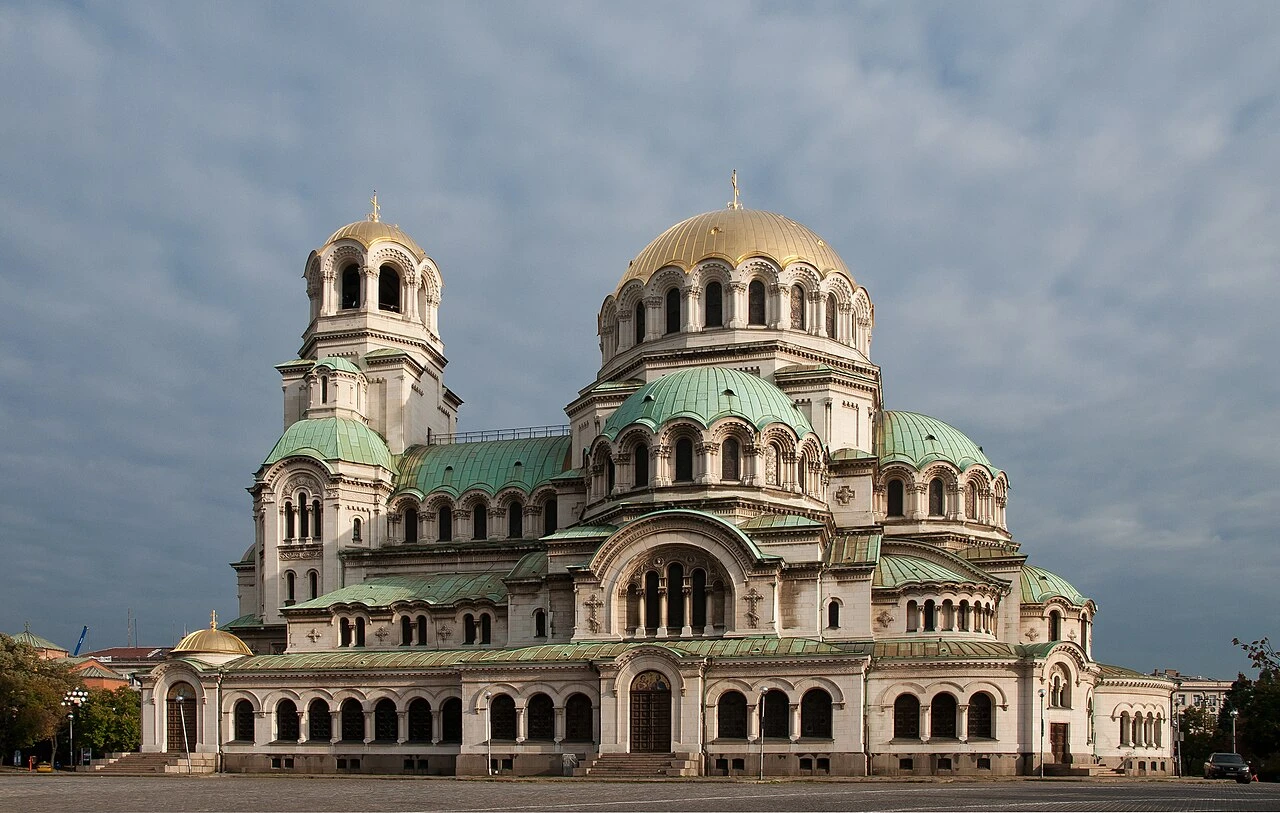
Alexander Nevsky Cathedral
Content & sources
Plamen Agov (user:MrPanyGoff) · CC BY-SA 4.0
Sofia
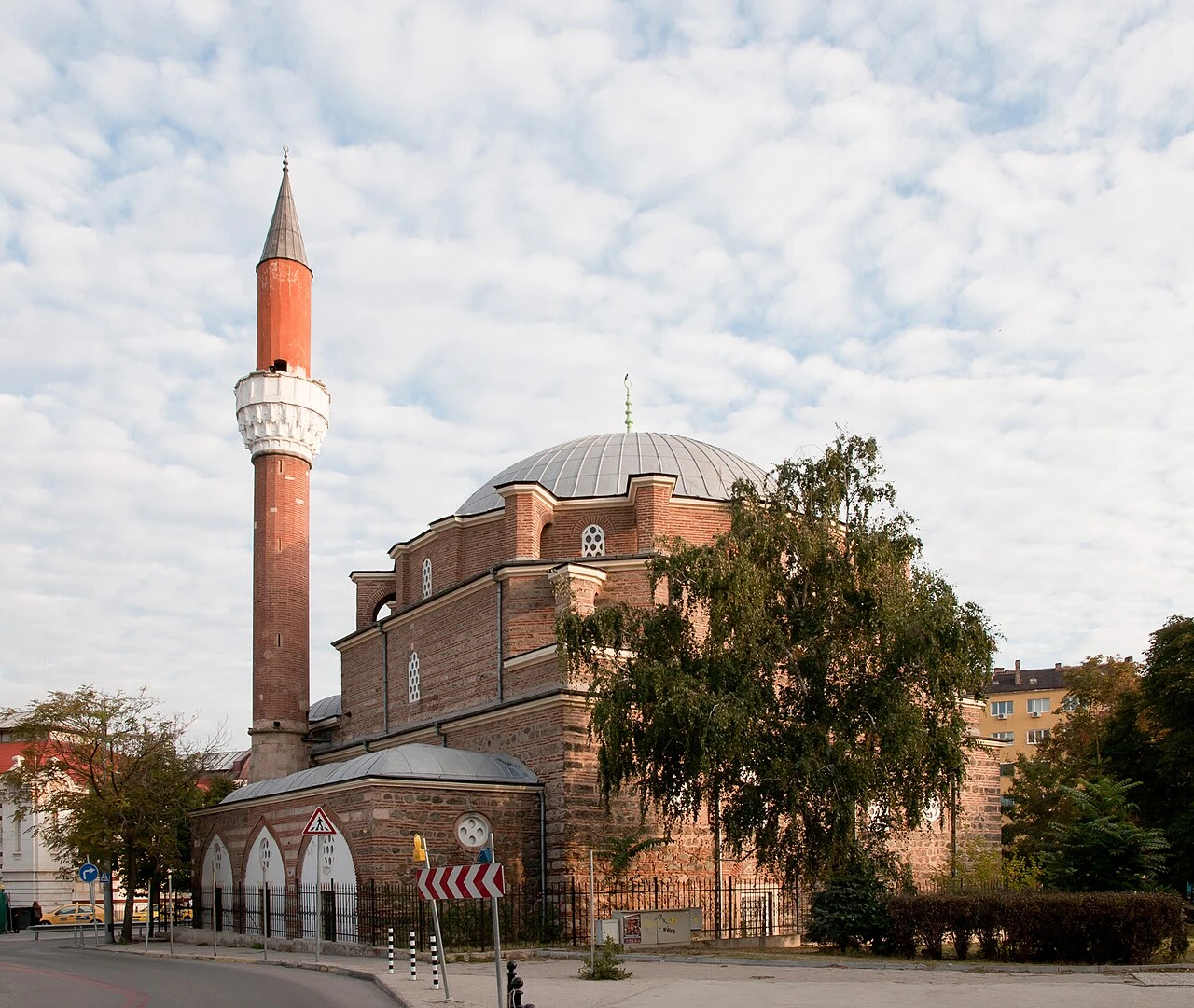
Banya Bashi Mosque
Content & sources
Photo: MrPanyGoff · CC BY-SA 3.0
Sofia
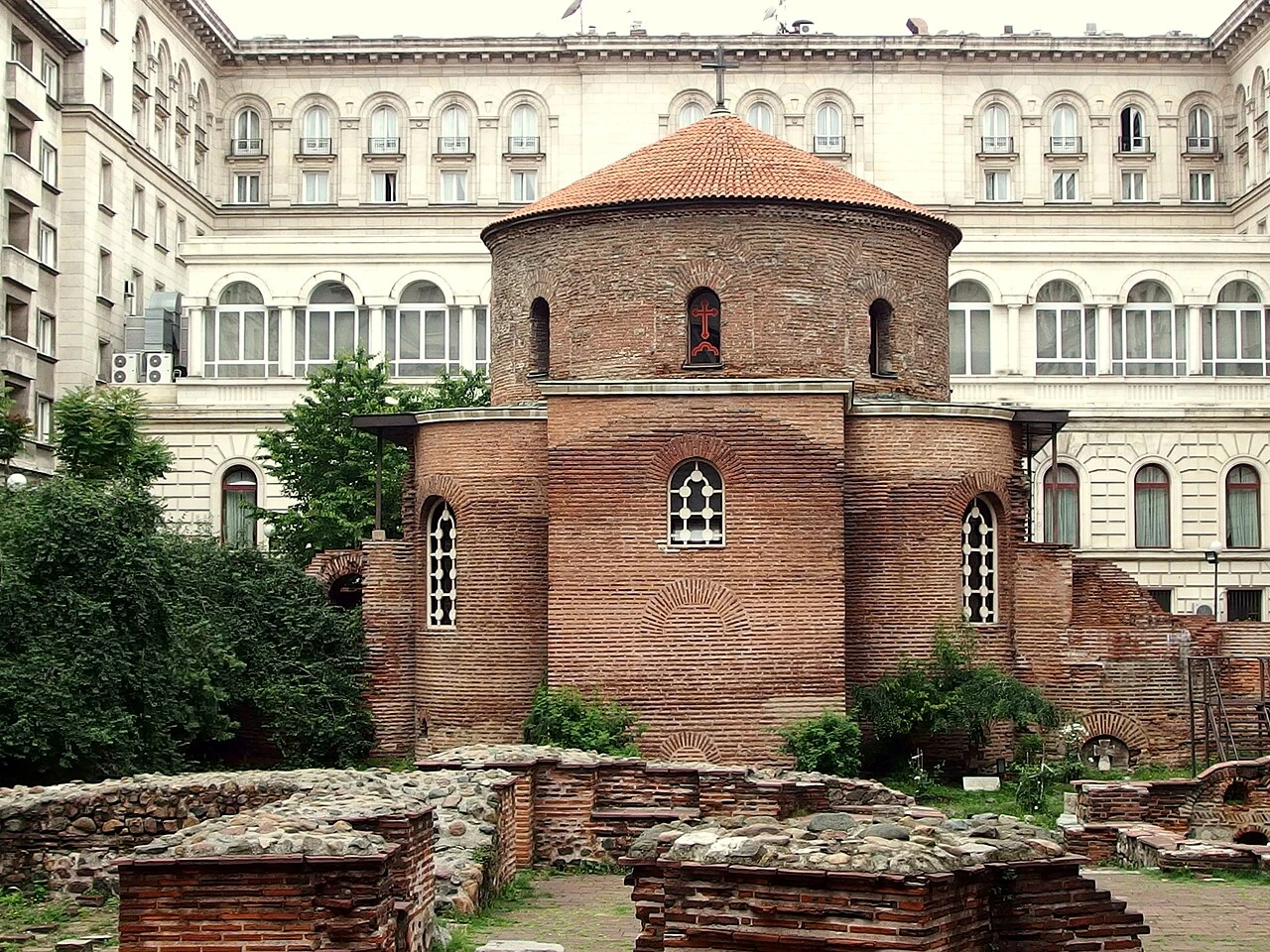
Saint George Rotunda Church, Sofia
Content & sources
Photo: Mark Ahsmann · CC BY-SA 4.0
Sofia
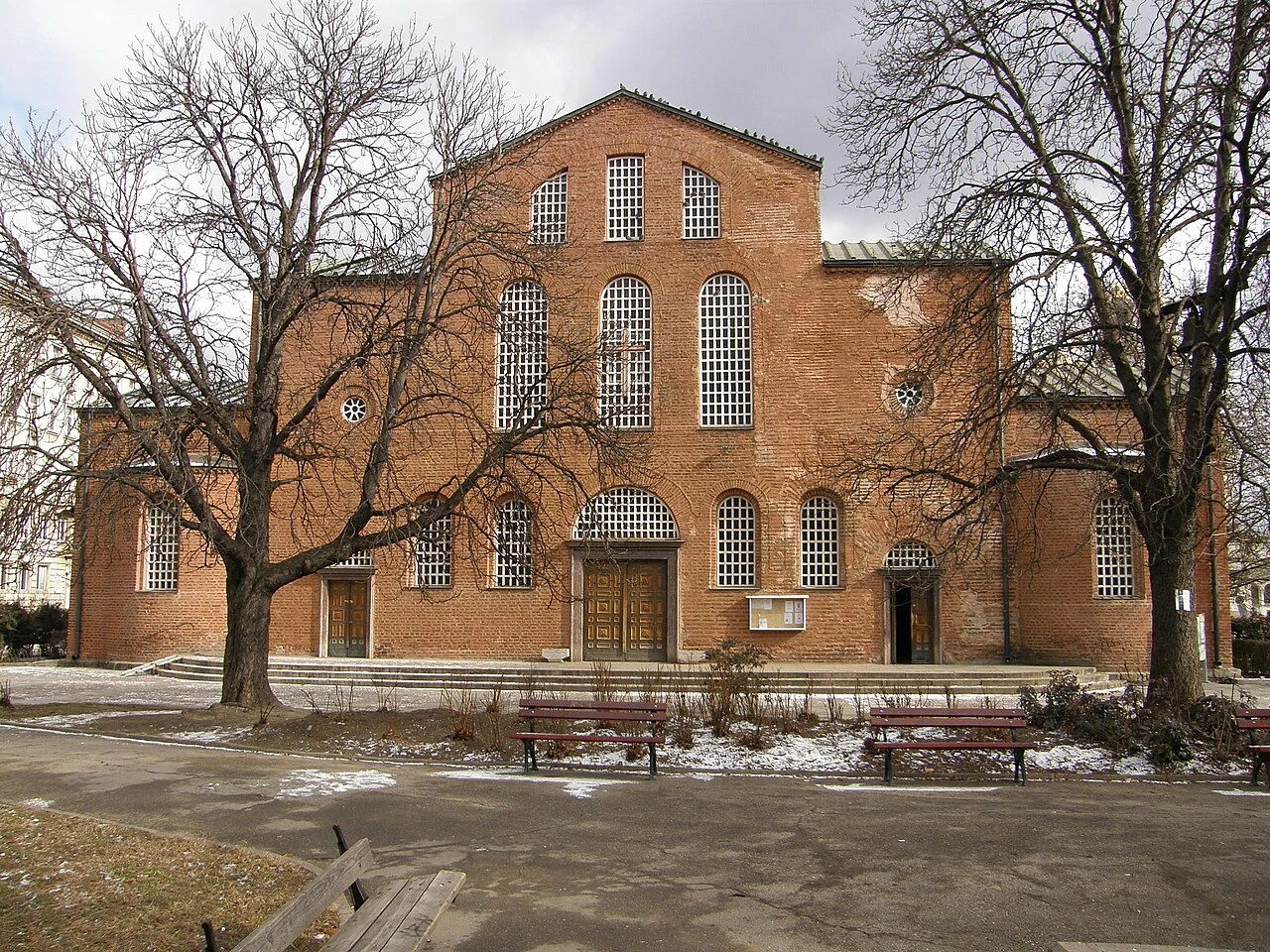
Saint Sophia Church, Sofia
Content & sources
Klearchos Kapoutsis from Paleo Faliro, Greece · CC BY 2.0