Stanza · Audio guide
高昌國 Audio Guide
A place to remember. A story to take with you.
Gaochang was an ancient oasis city located on the northern rim of the Taklamakan Desert in present-day Xinjiang, China. The site consists of historical ruins that were known by various names throughout the…
Download Stanza, then search for “高昌國”.
About the tour
One guide. Your kind of visit.
Gaochang was an ancient oasis city located on the northern rim of the Taklamakan Desert in present-day Xinjiang, China. The site consists of historical ruins that were known by various names throughout the Yuan and Ming dynasties.
Ready when you are.
- 01Get the free Stanza app.
iOS & Android
- 02Find your guide.
“高昌國”
- 03Download before you go.
Works offline
Audio guide / 13 narrated stops
Inside the guide
Get to know a few of the stories before you go. Open a stop to read more.
01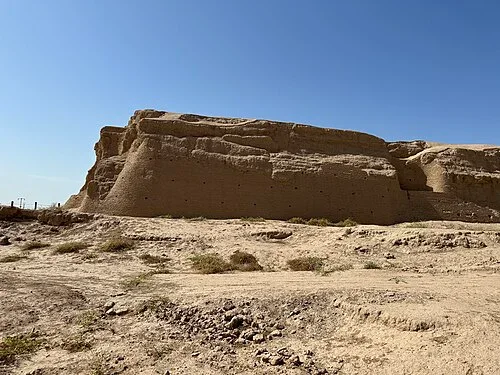 South Outer City Wall and Gate Breach
The Outer City Ramparts
Welcome to Gaochang, an ancient oasis city on the northern rim of the Taklamakan Desert. The mass of earth in front of you is the outer city wall, and it has a story that begins with soldiers. In the first century BC, the Western Han dynasty planted a military colony here, a garrison that farmed the land to feed itself. They called the place Gaochang Wall. Han colonists came out from the Hexi region and the central plains to hold this frontier against the Xiongnu nomads. From that hard little settlement grew a capital that traders on the Silk Road used as a stopping point for more than a thousand years. Wars in the fourteenth century finally destroyed the city, and its palace ruins and walls are what remain. In 2014, Gaochang joined the UNESCO World Heritage List as part of the Silk Roads Chang'an-Tianshan Corridor. This tour follows the city from its walls to its temples, its kings and its merchants.
Photo: HaziiDozen · CC BY-SA 4.0
02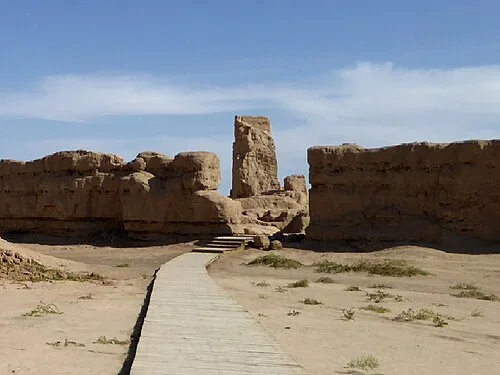 South Outer City Wall and Gate Breach
The Southern Gate Breach
The gap in the wall ahead is an old southern gateway, and it shows how seriously this city took defense. The outer wall ran a perimeter of roughly five and a half kilometers around a complex of about two square kilometers. The wall still stands up to eleven meters high in places, with bases as much as twelve meters thick. At least nine fortified gateways pierced the circuit, each protected by barbicans, the walled enclosures that trapped attackers before they reached the gate itself. What makes all this survive is the building method. Builders packed layers of earth inside wooden shuttering, compacting each layer until it hardened into rammed earth. Done well, a rammed-earth wall is nearly as hard as rock. In the hyper-arid climate of Turpan, where rain barely falls, such walls can stand for two thousand years. The boardwalk now runs through the breach where a gate once controlled every arrival.
Hiroki Ogawa · CC BY 3.0
03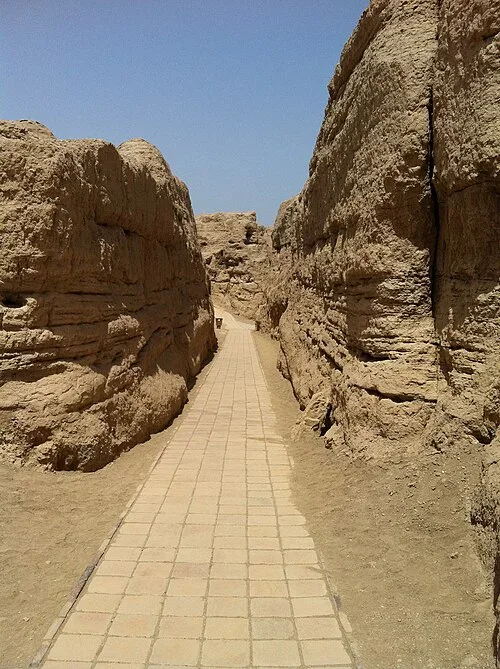 Outer City Urban Quarter and Silk Road Bazaars
Streets of the Outer City
These high earthen walls line a narrow lane in the Outer City, the quarter where ordinary people of Gaochang lived and traded. In its day this was a dense, crowded town of Han Chinese, Sogdians and Tocharians, and, later, Uyghurs. What made it unusual was how thoroughly Chinese it was. Administration, language, city planning and Confucian society all followed Chinese models so closely that Sogdian speakers called the place Chinatown. The name stuck. A tenth-century Persian geography, the Hudud al-Alam, was still using it for Gaochang. Think of what that means: merchants from Samarkand and beyond, deep in the Western Regions, knew this oasis capital as a piece of China in the desert. The earthen humps along this lane are the walls of that town. What stood behind them has melted back into the ground, but the street grid and its boundaries are still here underfoot.
Listen in the appMatthew Summerton · CC BY-SA 3.0
04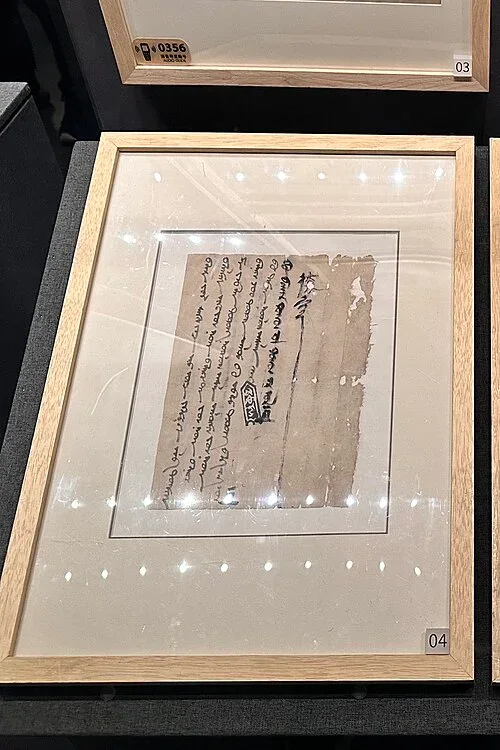 Outer City Urban Quarter and Silk Road Bazaars
A Copper Coin Receipt in Old Uyghur
Money changed hands in Gaochang constantly, and sometimes someone wrote it down. This is a receipt for copper coins, written in the Old Uyghur script, unearthed from the ruins of the city. It is now kept in a museum collection, not at the site. Documents like this sit at the end of a long chain of trade. Sogdian merchants, foremost among the trading peoples of the Silk Road, ran caravans of silk, wine and spices through oases like this one. Their business depended on records, contracts and receipts, and literacy spread with commerce. Most of that paper is gone. The dry earth of Turpan preserved this one piece, enough to show that the great caravan trade rested on small transactions by unnamed people, written in their own hand.
Listen in the appPhoto: HaziiDozen · CC BY-SA 4.0
05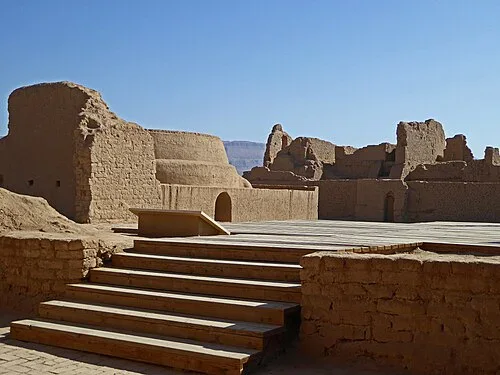 Southwestern Grand Buddhist Monastery
The Southwestern Grand Monastery
Buddhism reached this region from India along the northern branch of the Silk Road, mostly in the fourth and fifth centuries. Gaochang took it to heart. The sprawling enclosure here is the Southwestern Grand Monastery, the premier religious sanctuary of the kingdom. It is a walled compound holding a central stupa court, assembly halls and monks' quarters, a full monastic city inside the city. Royal patronage made it what it was. Under the Qu Dynasty especially, the kings of Gaochang poured support into Buddhism, and the oasis became a Buddhist capital on the desert's edge. Clusters of Buddhist grottoes grew near the city too, the largest at the Bezeklik caves. The perimeter walls and courts visible here give the shape of it: monks enclosed behind their own ramparts, a sanctuary within the fortress.
Listen in the appPhoto: Zossolino · CC BY-SA 4.0
06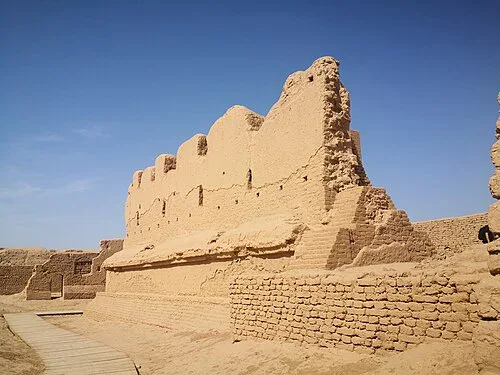 Southwestern Grand Buddhist Monastery
The Central Stupa Hall of the Grand Monastery
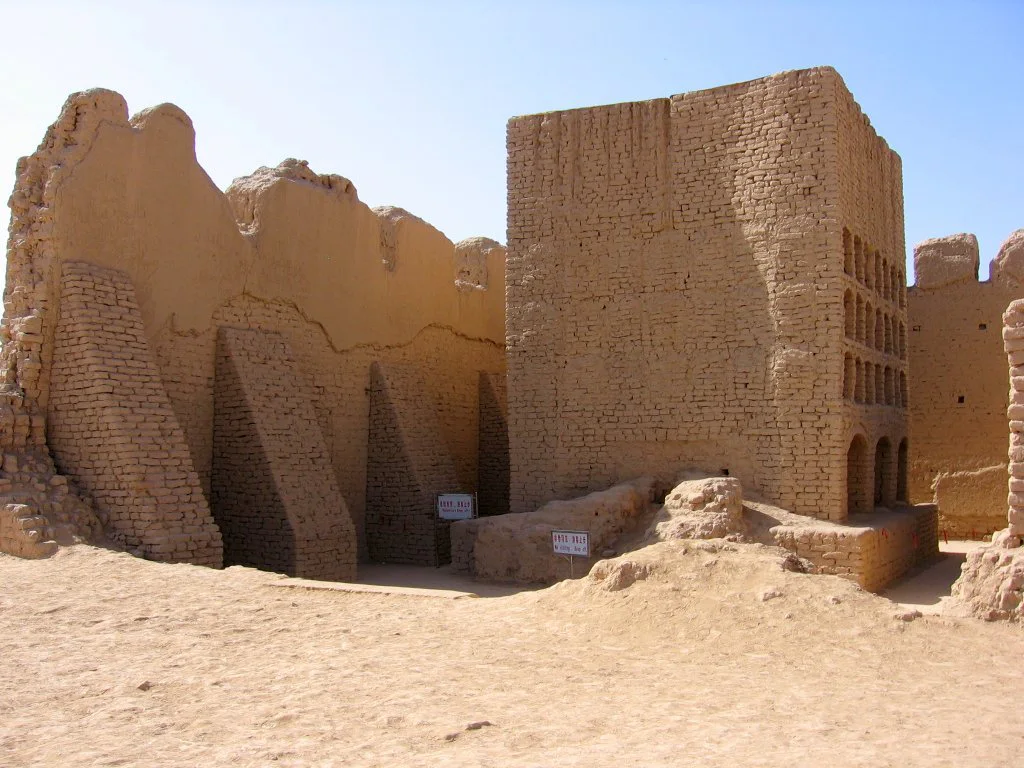
At the heart of the Grand Monastery stands this tiered central hall, the sanctum of the whole complex. Its walls are a mixture of compacted earth and courses of brick, and arched niches open across the faces of the building. Each of those niches once framed a Buddha image. A working monastery ran on routines around a structure like this. Monks lived in cells along the courtyard walls, and their daily practice centered on the stupa court, circling the sacred core of the compound. Maintaining the image shrines was part of that work, keeping lamps, offerings and sculptures in order. The arches and tiers visible here still show the rhythm of the design, niche above niche, built to be walked around and faced from every side.
Listen in the appPhoto: HaziiDozen · CC BY-SA 4.0
07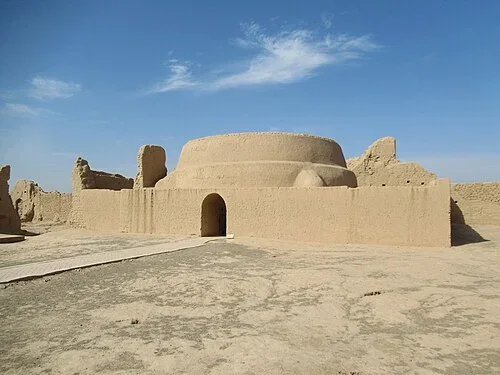 Xuanzang's Royal Preaching Hall
Tradition places the most famous episode in Gaochang's history at this domed hall. Around the year 628, some accounts say 629, a Chinese pilgrim monk named Xuanzang passed through the city on his way to India. King Qu Wentai welcomed him with enormous enthusiasm. The king was captivated and wanted to keep him, hoping the monk would stay forever as the spiritual leader of the kingdom. Xuanzang refused. He was bound for India, and when the king would not let him go, the monk answered with a hunger strike that lasted three days. The king gave in. He knelt before Xuanzang and swore brotherhood with him. Then he equipped the pilgrim for the road: horses, letters of introduction and royal wealth for the journey. Linking this domed hall to Xuanzang's preaching rests on tradition at the site, not on contemporary records. But the brotherhood itself entered history, and Xuanzang went on to India and became the most celebrated pilgrim in Chinese memory.
Listen in the appDavid Stanley from Nanaimo, Canada · CC BY 2.0
08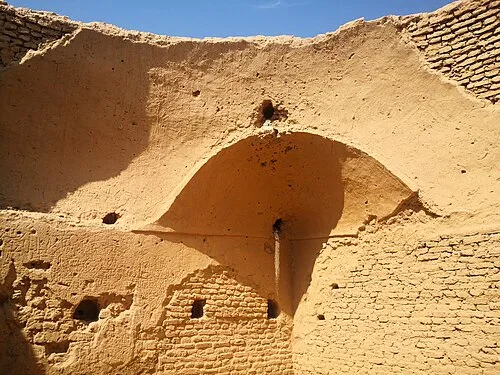 Xuanzang's Royal Preaching Hall
Inside the Domed Chamber
The inside of this chamber explains why tradition chose it as a preaching hall. It is a domed earthen room, built of both rammed earth and brick, with the dome springing from the walls above. The scale is intimate. A gathered court could sit close together here, within earshot of a single voice, which suits a royal audience listening to scripture. However the room was used, the construction itself is the marvel. The dome has held its curve for well over a millennium in one of the driest climates on earth, its mixed earth and brick fabric still carrying the load after every other roof in the city has fallen.
Listen in the appPhoto: HaziiDozen · CC BY-SA 4.0
09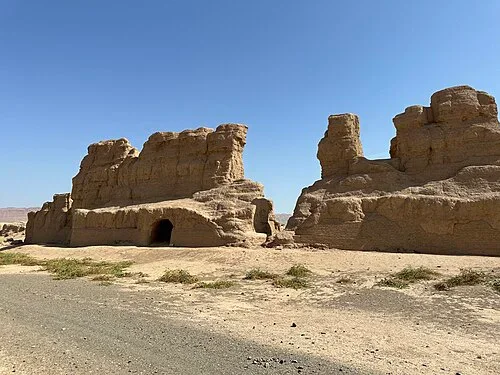 Inner City Rampart and Central Stupa Sanctuary
The Inner City Rampart
This wall is the Inner City rampart, and it reveals how Gaochang was designed. The city was not a scatter of buildings but a planned scheme of three concentric zones. The Outer City held the population. Inside it lay this Inner City, and within that, in the north, the Palace City. The model was the imperial capitals of central China, where rulers placed the palace at the heart of concentric rings of walls. That scheme was transplanted here, to a desert frontier oasis, and built in rammed earth. Arched openings show in the face of this wall as it survives. The plan is what matters: a visitor arriving from the south would have crossed ring after ring, moving from the trades and houses of the outskirts toward the seat of power at the center.
Listen in the appPhoto: HaziiDozen · CC BY-SA 4.0
10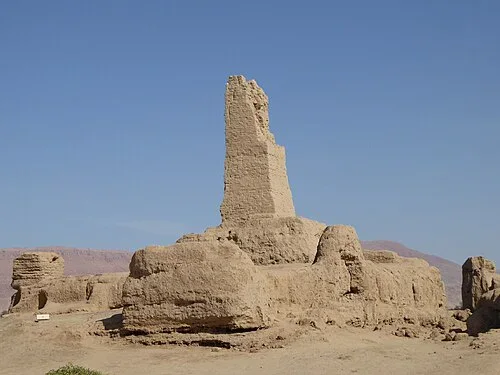 Inner City Rampart and Central Stupa Sanctuary
The Central Buddhist Stupa
This tall, weathered stump in the desert carries one of the great journeys in architecture. It is a Buddhist stupa, and the stupa began in India as a solid domed mound, a reliquary holding sacred remains. As Buddhism traveled east along the Silk Road, the form changed. The mound gained height, then tiers, until in China it resembled the pavilion tower that became known as the pagoda. Stupas like this one, with tiers and niches, belong to that long change. Across its surface are arched niches, and pilgrims would have moved among them, face to face with the images set into the brickwork. The upper tiers are gone, worn away by centuries, but the niches still mark where the sacred faces looked out over the city.
Listen in the appHiroki Ogawa · CC BY 3.0
- 11
The Khan's Enclosure - Palace City
The citadel where a king, the story goes, died of shock as the Tang army approached.
- 12
The Southeastern Temple and the City's End
The Uyghur kingdom's second flowering, and the wars that emptied the oasis.
- 13
The Nestorian Wall Painting
A Christian painting from a Buddhist city, and what it says about Gaochang.
高昌國
Frequently asked questions
How much does the guide cost?
Free app download. Listed guide price: $0.99. Guide price shown in the app. Audio guide only. Venue admission is separate.
Can I listen without internet?
Yes. Download the guide’s audio, images, and maps in the app before your visit. Your downloaded content is then available offline.
Can I listen in my language?
This audio guide is available in 15 languages, including English.
Do I need to follow a schedule?
No. This is a self-guided experience. Choose your stops, pause whenever you like, and return to a story at your own pace.
At your own pace
Explore 高昌國.
Download Stanza, then search for “高昌國”.
Free app download · Guide price shown in the app
Keep exploring
Audio guides — China
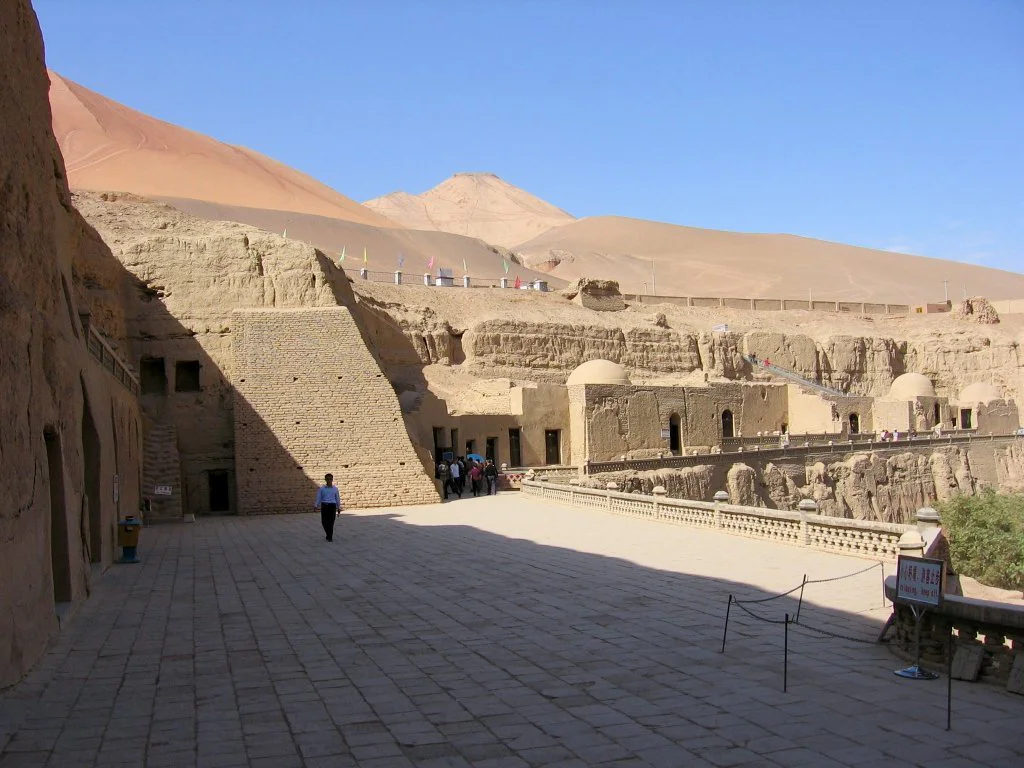
Turpan · 11 km
柏孜克里克千佛洞
Content & sources
Photo: File Upload Bot (Colegota) · CC BY-SA 2.5 es
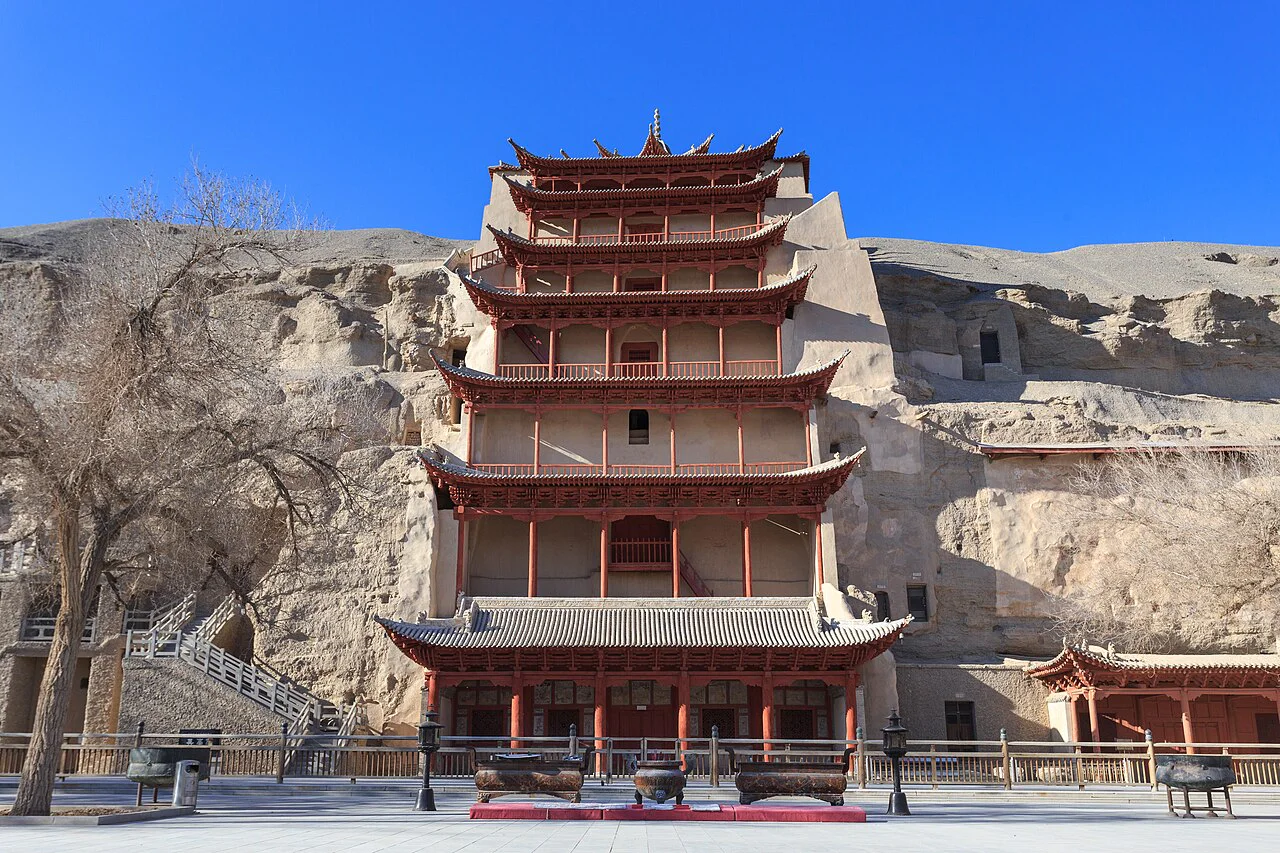
Dunhuang City
莫高窟
Content & sources
Photo: Zhangzhugang · CC BY-SA 4.0
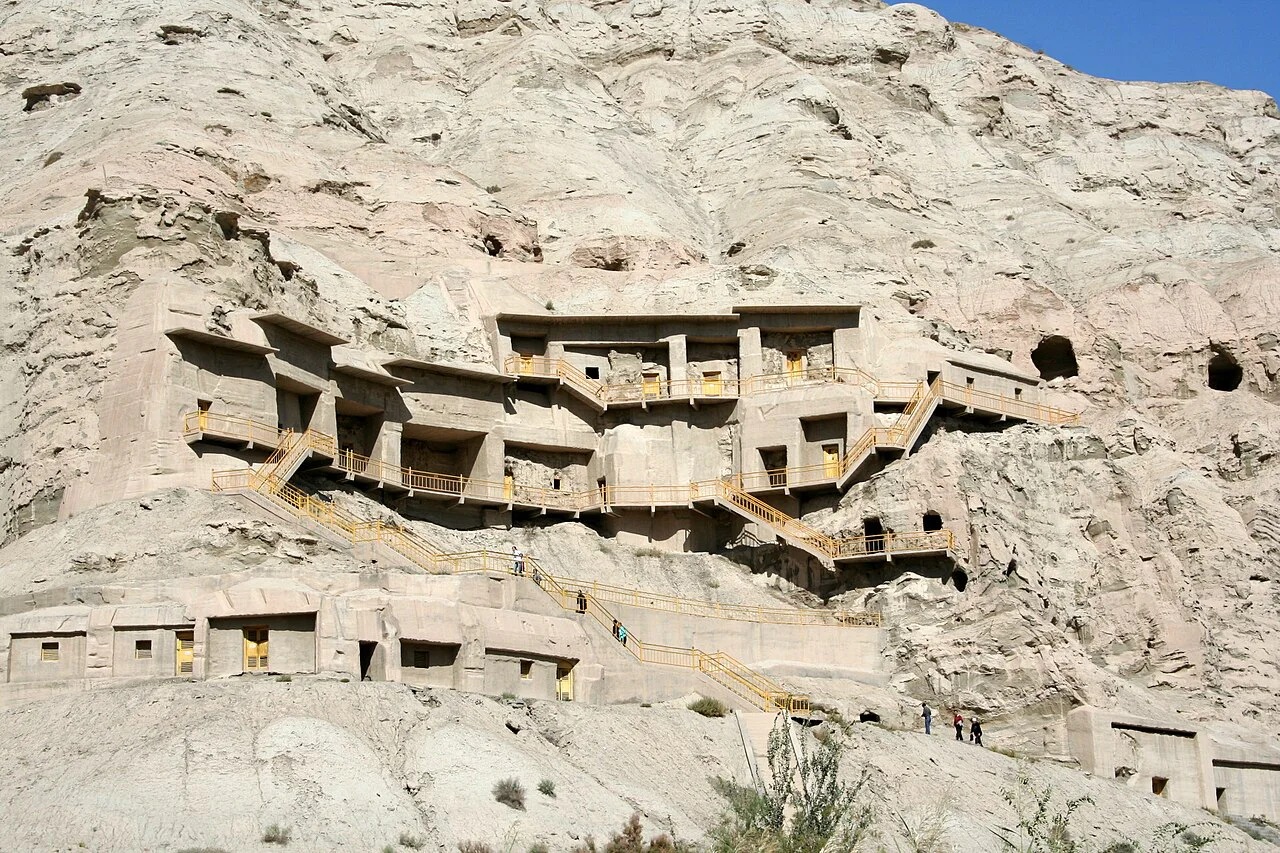
Baicheng County
克孜尔千佛洞
Content & sources
Photo: Rolfmueller · CC BY-SA 3.0
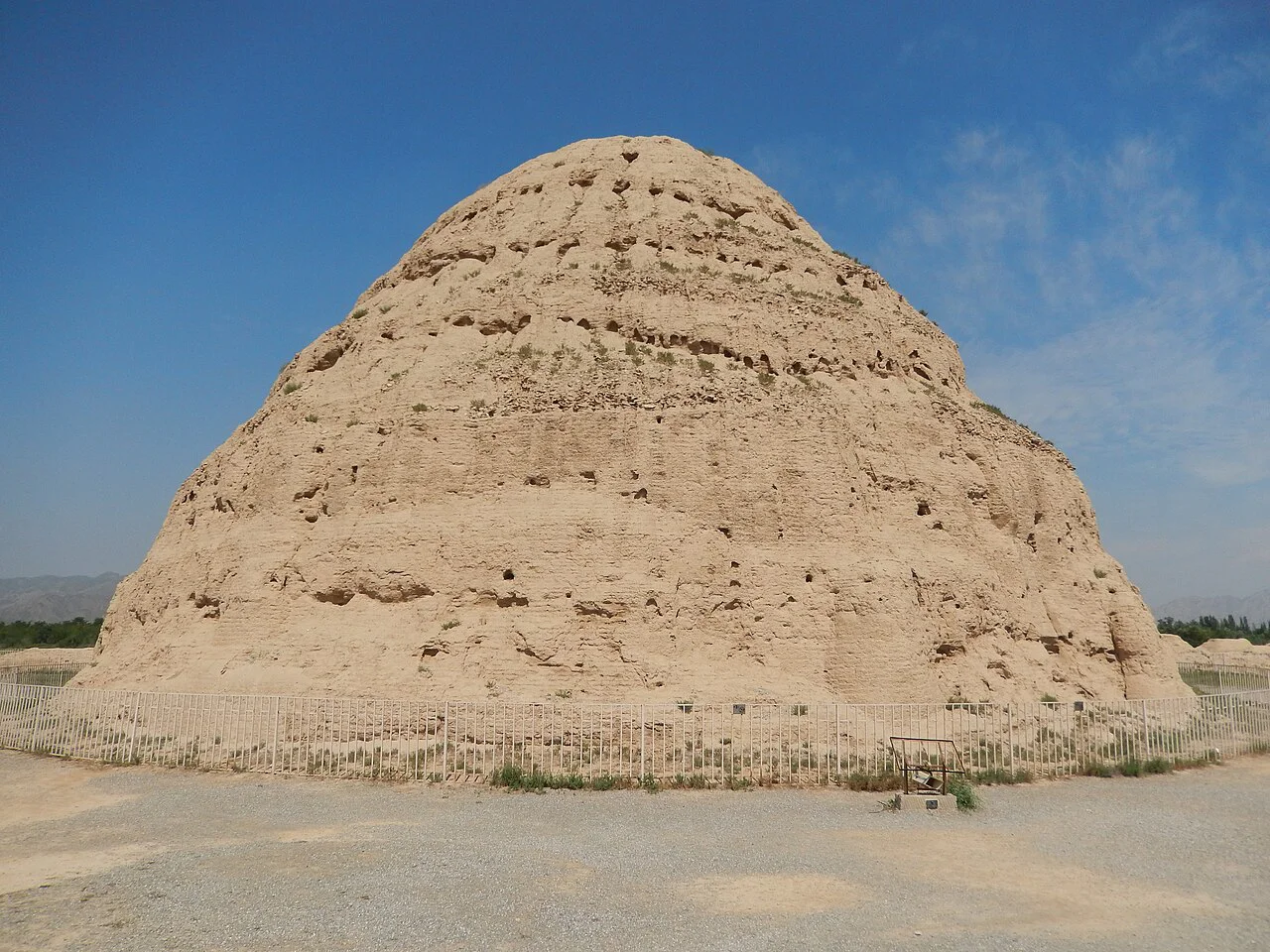
Yinchuan
西夏陵
Content & sources
Photo: BabelStone · CC BY-SA 3.0