Stanza · Audio guide
Paphos Castle Audio Guide
A place to remember. A story to take with you.
Paphos Castle is located at the western end of the port of Paphos and dates to the mid-13th century. The original structure was built after the earthquake of 1222 destroyed the earlier fortress of Saranta…
Download Stanza, then search for “Paphos Castle”.
About the tour
One guide. Your kind of visit.
Paphos Castle is located at the western end of the port of Paphos and dates to the mid-13th century. The original structure was built after the earthquake of 1222 destroyed the earlier fortress of Saranta Kolones.
Ready when you are.
- 01Get the free Stanza app.
iOS & Android
- 02Find your guide.
“Paphos Castle”
- 03Download before you go.
Works offline
Audio guide / 7 narrated stops
Inside the guide
Get to know a few of the stories before you go. Open a stop to read more.
01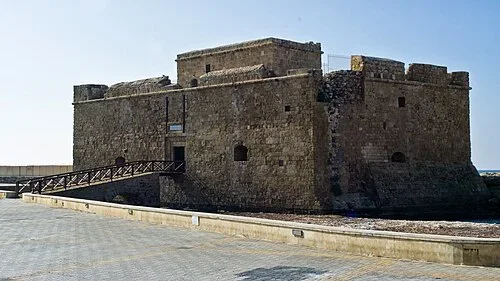 Harbor Approach and Main Gateway
Paphos Castle from the Harbor Approach
Welcome to Paphos Castle, the squat stone fortress at the western end of the harbor. For most of its life its job was simple: guard the entrance to this port. The approach says a lot about how it worked. A stone bridge crosses the old moat and leads straight to an arched gateway, the only way in from the land side. Beyond that gateway sits one big rectangular block, about forty meters long and twenty deep. Inside it is built around a closed central courtyard, so the whole fortress is a single compact shell rather than a sprawling complex. The castle was founded in the mid-thirteenth century, and what stands here now is largely a later rebuilding on that medieval spot.
Photo: Nikodem Nijaki · CC BY-SA 3.0
02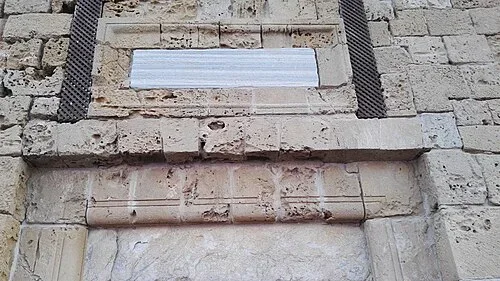 Harbor Approach and Main Gateway
The Ottoman Inscription above the Gateway
Set into the wall above the arched entrance is a plain marble slab carrying an inscription. It marks the date the castle took its present shape. In 1570, with an Ottoman invasion of Cyprus looming, the Venetians then holding the island demolished the castle's western tower. They would rather destroy their own fortress than hand a working stronghold to the approaching army. The Ottomans took the island anyway, and in 1592 they rebuilt the tower in stone. The slab above the gateway commemorates that reconstruction. The building had already been through one round of this. In 1491 an earthquake badly damaged the castle, and a German traveller named Dietrich von Schachten, who visited Cyprus that year, reported that the eastern tower had been destroyed. So the gateway carries a pattern the whole castle repeats: shaken by earthquakes, fought over, torn down, and built up again. The stone you see here is the Ottoman answer to all of that.
Photo: Bukvoed · CC BY 4.0
03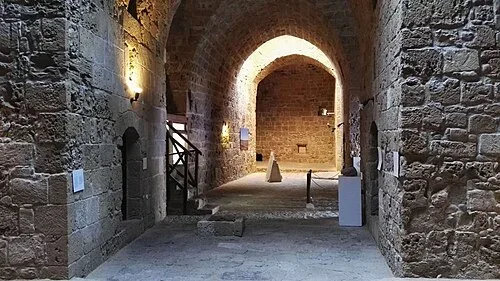 Ground Floor Vaulted Hall and Prison Cells
The Ground-Floor Hall: Barracks and Prison
The ground floor is one long vaulted hall of rough stone, cool and dim even in summer. Its layout is simple. A central hall runs through the building, and on either side open smaller and larger chambers. Under Ottoman rule those side rooms were put to two very different uses: some held the garrison's barracks, others served as prison cells. Which room was which is no longer known. The garrison itself was modest, a guard of about a hundred men, enough to work the guns and hold the gateway. Their weapons and their prisoners shared the same thick-walled floor. That military life ended abruptly in 1878, when the British arrived and took over administration of the island. The Ottoman guard left, the castle lost its military role, and its vaulted rooms were turned to a humbler purpose. They became a depot for storing salt. The same stone vaults that once echoed with soldiers held sacks of salt instead.
Listen in the appPhoto: Bukvoed · CC BY 4.0
04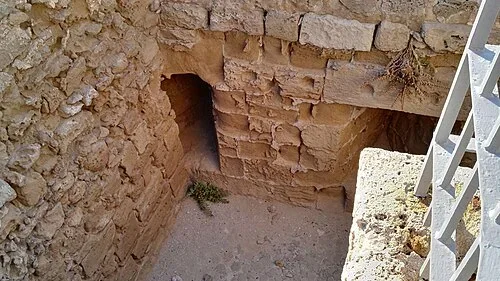 Ground Floor Vaulted Hall and Prison Cells
Medieval Origins: Earthquake, Lusignans and Genoese
The oldest story of this castle begins with the fall of another one. In 1222 a violent earthquake destroyed Saranta Kolones, an earlier fortress that stood about six hundred meters to the north-east, inland from the harbor. The Lusignans, the Frankish royal house that then ruled Cyprus, built this castle in the mid-thirteenth century to take its place, right on the water's edge at the port entrance. They expanded it over the years and also raised a pair of separate towers east of here, at the mouth of the port. In 1373 the Genoese seized the castle and held it through the following year. During their occupation they raised the walls and altered the moat, and when Cypriot forces attacked with siege towers, the strengthened defenses held and the assault was repelled. Only a treaty signed in Nicosia in 1374 returned the island, Famagusta excepted, to the Cypriots. The rough, uneven masonry visible in these walls is best read the same way the castle's history reads: as layers of different rebuilding campaigns stacked on top of one another.
Listen in the appPhoto: Bukvoed · CC BY 4.0
05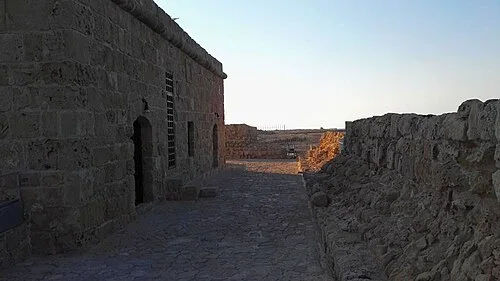 Rooftop Ramparts and Guard Tower
The Rooftop Ramparts and Cannon Platforms
Out here on the roof, the castle shows its military purpose. Around the edge of this terrace run twelve ramparts, stone platforms built into the perimeter. Under Ottoman rule each one could hold a cannon, so the fortress could carry twelve guns. From this height the gunners commanded two things at once: the narrow entrance of the harbor close below, and the open sea beyond it. That is the whole point of the building's modest size. A fortress does not need to be vast to defend a port; it needs height, a clear field of fire, and walls strong enough to protect the guns. A ship approaching Paphos would find every approach watched from this deck. The parapet along the edge is low, just high enough to shield the men serving the cannons while they looked out to sea.
Listen in the appPhoto: Bukvoed · CC BY 4.0
06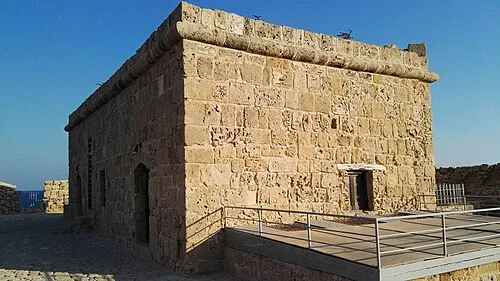 Rooftop Ramparts and Guard Tower
The Upper Guard Tower
Rising from the roof platform is a smaller square tower, about fifteen meters by ten. Inside it are three large rooms, and these were the living quarters of the castle's resident guard. The arrangement of the whole fortress becomes clear from up here. The men's barracks and cells occupied the ground floor. Their guns stood on the ramparts around this roof. And their quarters sat at the very top, in the tower above everything else, with the widest view in the building. It made the castle a small, self-contained community: soldiers, prisoners, cannons and tools of war all packed into one stone block no bigger than a large house. Whoever kept watch at night slept a few steps from the guns they were guarding.
Listen in the appPhoto: Bukvoed · CC BY 4.0
07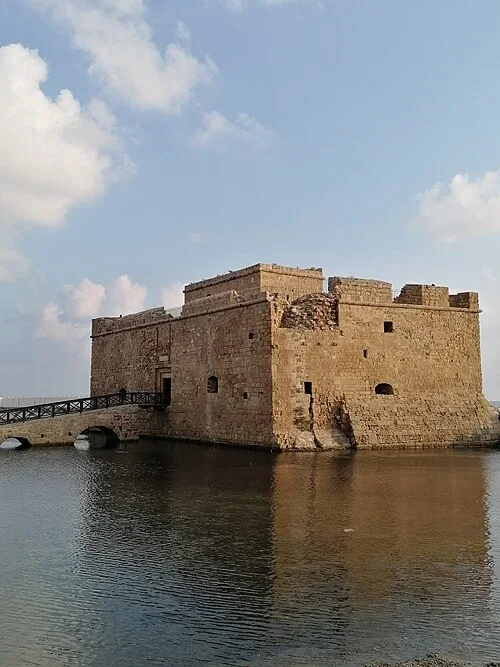 Coastal Bastion and Harbor Viewpoint
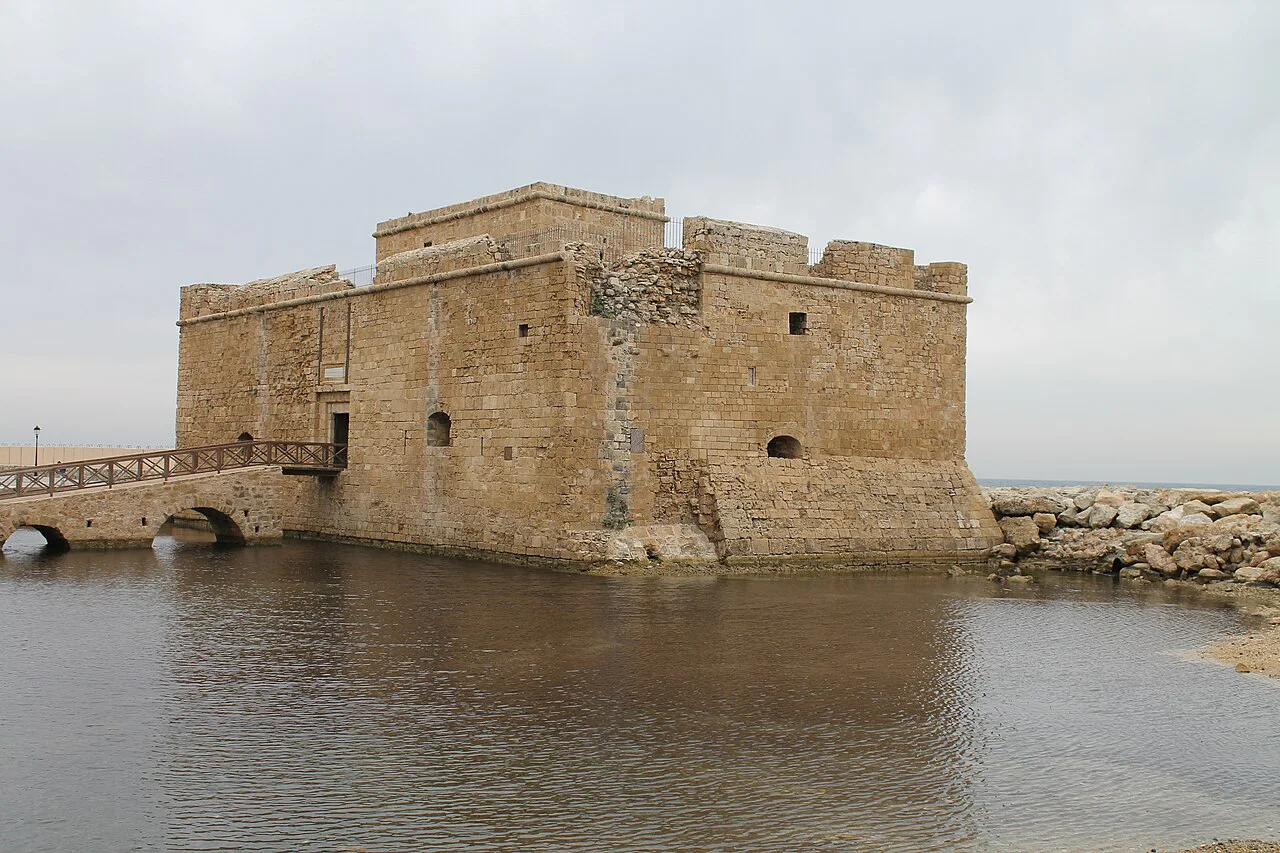
Paphos Castle by the Sea: Symbol of the City
From across the harbor, the castle sits at the sea's edge with its reflection in the water, the bridge leading up to its gateway. Its working life as a fortress ended long ago, and its fate turned in 1935. That year it was designated an ancient monument and placed in the care of the Department of Antiquities, newly founded to look after the island's heritage. The building that once guarded the port now belongs to the city in a different way: it has become the symbol of Paphos. Every September it serves as the setting for the Paphos Outdoor Cultural Festival, with performances staged against its stone walls. Archaeological excavations have been carried out around it from time to time. A fortress built to withstand attack now draws crowds on purpose, and after seven centuries of earthquakes, sieges and demolition, the castle still holds the harbor it was built to defend.
Listen in the appViaggiamocela · CC BY-SA 4.0
Paphos Castle
Frequently asked questions
How much does the guide cost?
Free app download. Listed guide price: $0.99. Guide price shown in the app. Audio guide only. Venue admission is separate.
Can I listen without internet?
Yes. Download the guide’s audio, images, and maps in the app before your visit. Your downloaded content is then available offline.
Can I listen in my language?
This audio guide is available in 15 languages, including English.
Do I need to follow a schedule?
No. This is a self-guided experience. Choose your stops, pause whenever you like, and return to a story at your own pace.
At your own pace
Explore Paphos Castle.
Download Stanza, then search for “Paphos Castle”.
Free app download · Guide price shown in the app
Keep exploring
Nearby audio guides
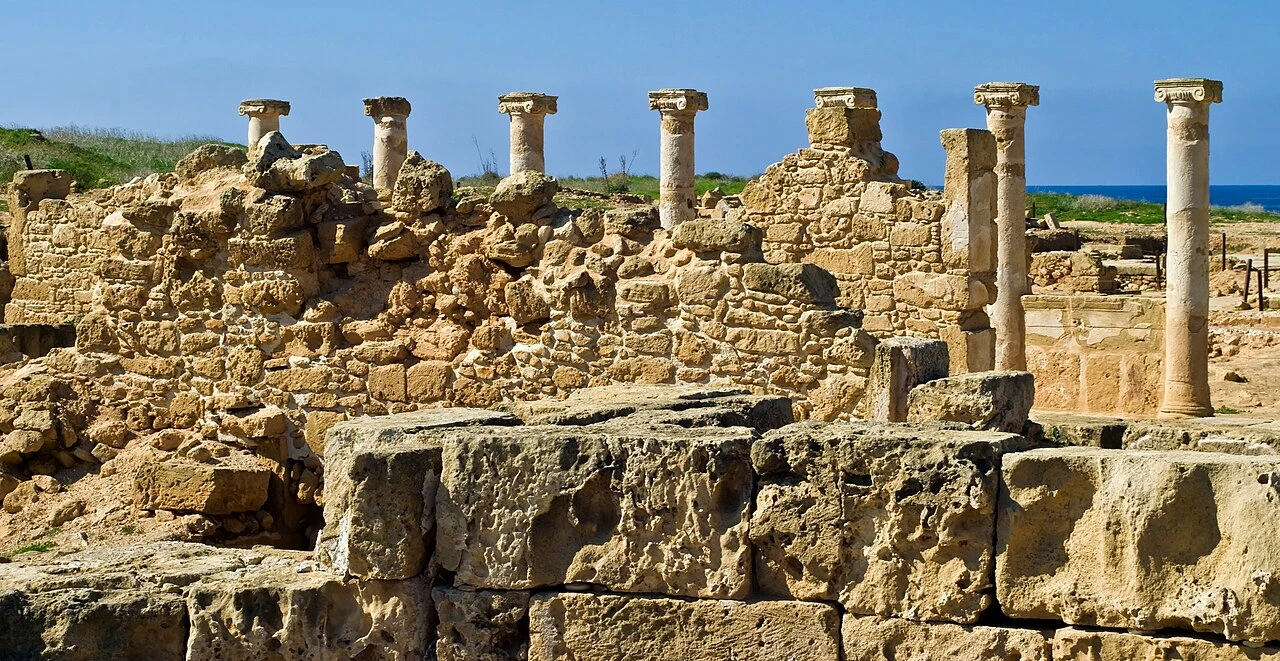
Paphos · 1 km
Paphos Archaeological Park
Content & sources
Photo: Nikodem Nijaki · CC BY-SA 3.0
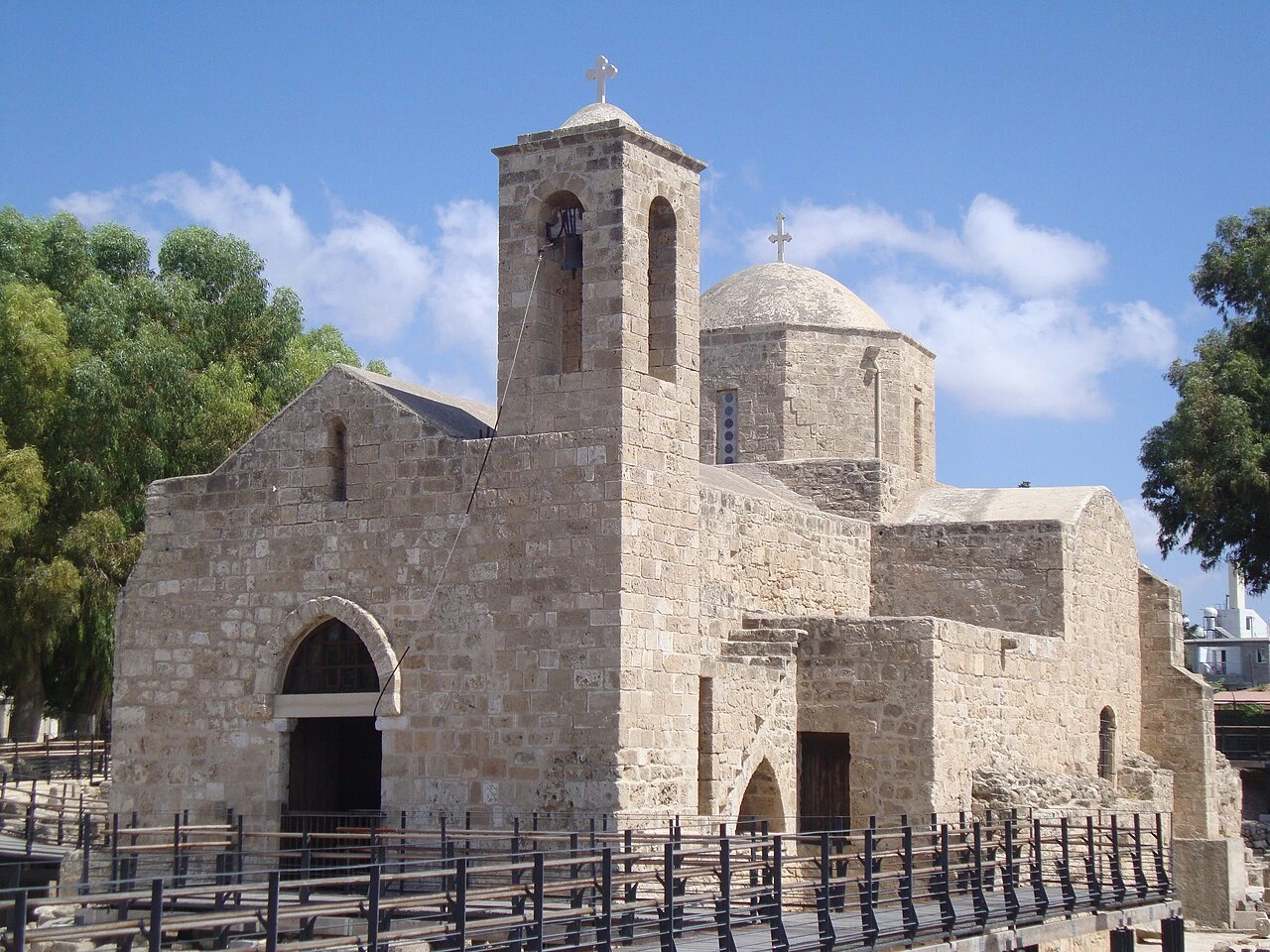
Paphos Municipality · 1 km
Chrysopolitissa Basilica
Content & sources
Photo: Роман Курносенко · CC BY-SA 3.0
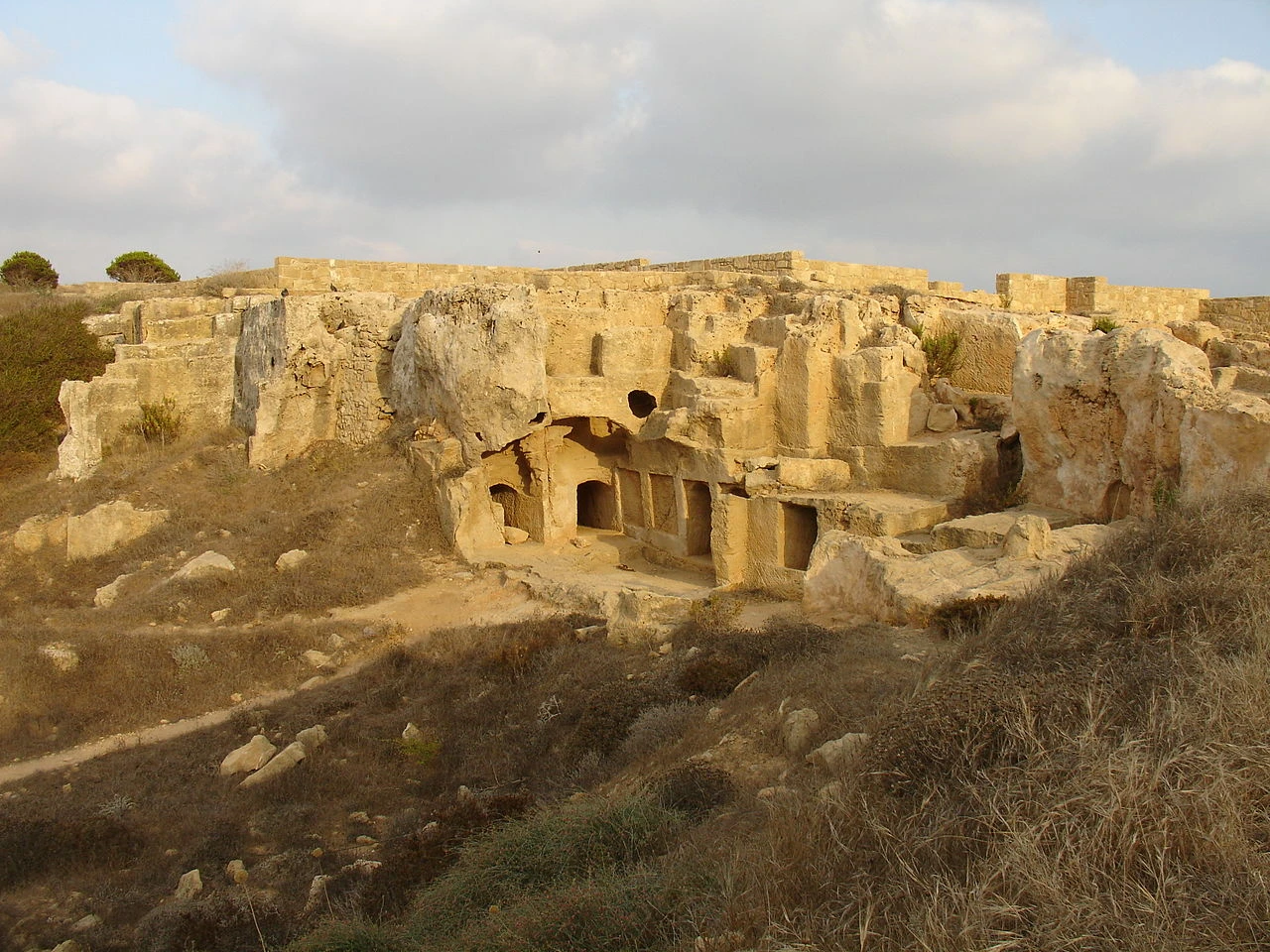
Paphos · 3 km
Tombs of the Kings
Content & sources
Mgiganteus1 at en.wikipedia · CC BY-SA 3.0
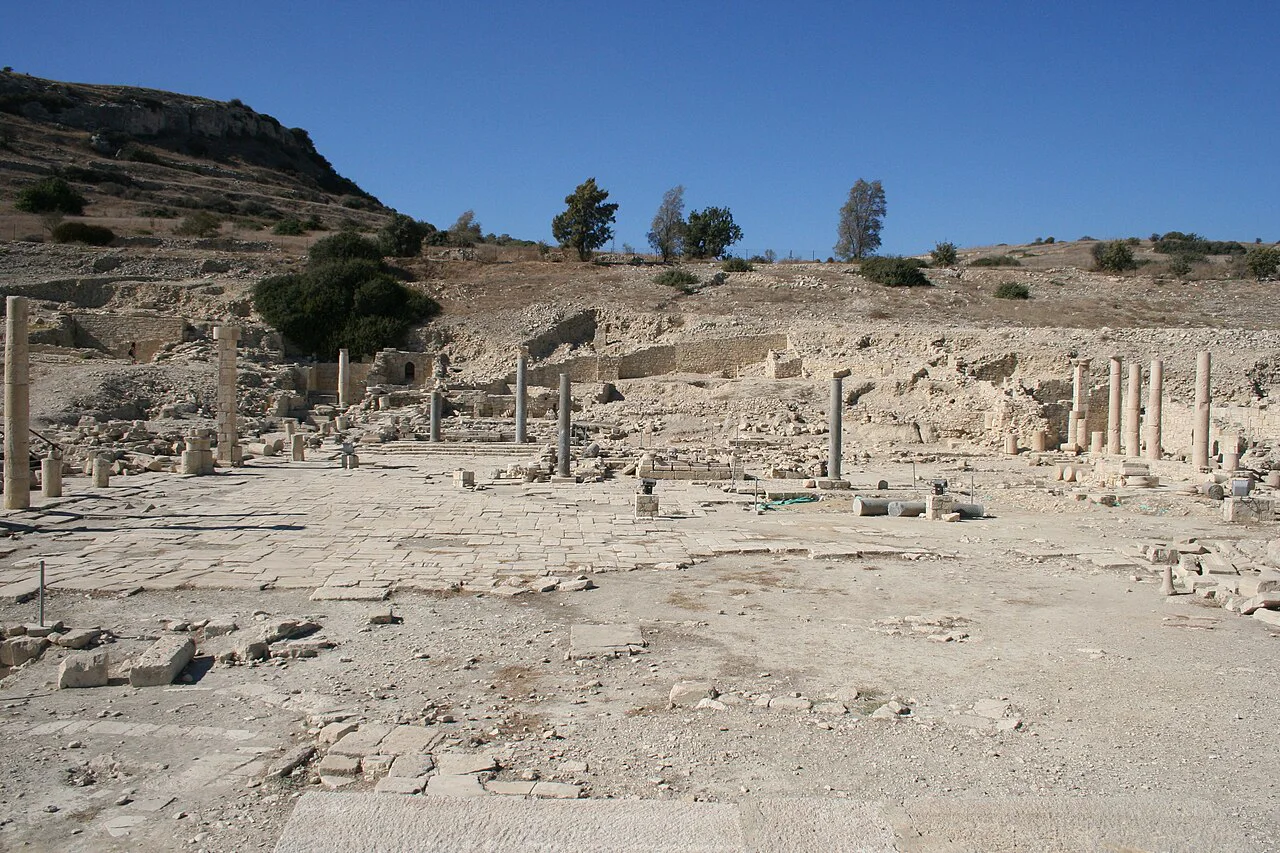
Ayios Tykhonas · 67 km
Amathus
Content & sources
de Oude Grieken · CC0