Stanza · Audio guide
Cairo CitadelAudio guide
A place to remember. A story to take with you.
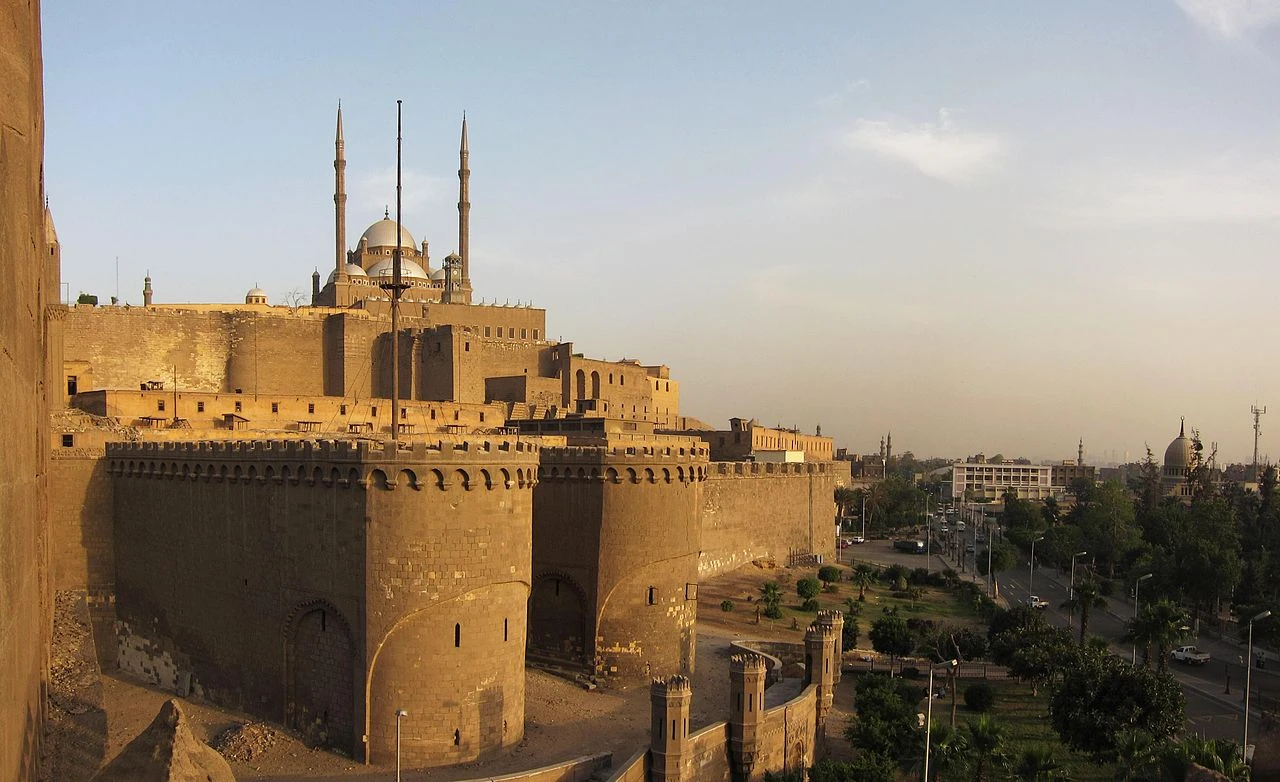
The Cairo Citadel is a medieval Islamic-era fortification located in Cairo, Egypt. It served as the seat of government for Egypt and its rulers for over 700 years.
Download Stanza, then search for “Cairo Citadel”.
About the tour
One guide. Your kind of visit.
The Cairo Citadel is a medieval Islamic-era fortification located in Cairo, Egypt. It served as the seat of government for Egypt and its rulers for over 700 years.
Ready when you are.
- 01Get the free Stanza app.
iOS & Android
- 02Find your guide.
“Cairo Citadel”
- 03Download before you go.
Works offline
Audio guide / 51 narrated stops
Inside the guide
Get to know a few of the stories before you go. Open a stop to read more.
01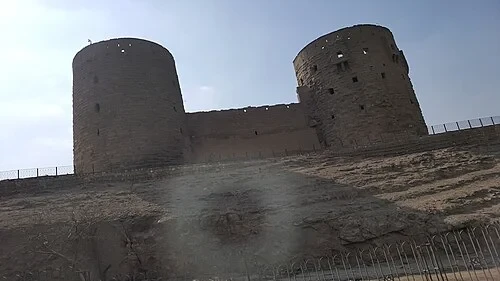 The Iron Tower (Burg Al-Haddad)Ramla Tower
Welcome to the heart of historic Cairo. Standing before these massive walls, you are seeing the fulfillment of Sultan Saladin's grand vision. In 1176, he ordered the construction of this Citadel on a spur of the Mokattam hills, strategically positioned to dominate the city and the Nile Valley. This wasn't just a palace; it was a formidable military defensive system designed to withstand prolonged sieges by Crusader armies. One of the finest examples of this Ayyubid military engineering is the Burg al-Haddad, or the Iron Tower. Notice its imposing semi-circular shape. This design was a significant innovation; the curved surface helped deflect heavy stone projectiles fired from catapults, making the tower much harder to breach than a traditional square structure. Furthermore, the rounded front provided defenders with a panoramic field of fire, eliminating blind spots where attackers could hide at the base of the walls. These thick limestone blocks have stood for nearly a millennium, a silent witness to the changing dynasties that have ruled Egypt from this high ground.
Photo: Ovedc · CC BY-SA 4.0
02The Sand Tower (Burg Al-Ramla)Ramla Tower
Standing alongside its twin, the Iron Tower, is Burg al-Ramla, known as the Sand Tower. Together, these two bastions anchored the eastern defenses of the Citadel. The masonry here is a masterclass in Ayyubid construction. Local limestone, quarried from the very hills the fortress sits upon, was meticulously shaped into these massive blocks. The tight fit of the stones was essential for structural integrity against the impact of siege engines. If you look closely at the upper levels, you can see narrow vertical openings known as arrow slits or loopholes. These were ingeniously designed to be wide on the inside, allowing archers a broad range of motion, but very thin on the exterior to minimize the target area for enemy fire. From these vantage points, defenders could rain arrows down upon anyone attempting to scale the walls. In more desperate times, these openings—and the machicolations above—could even be used to pour boiling oil or water onto attackers. This height and the sheer verticality of the walls ensured that the Citadel remained the most secure location in all of Egypt.
Photo: Ovedc · CC BY-SA 4.0
03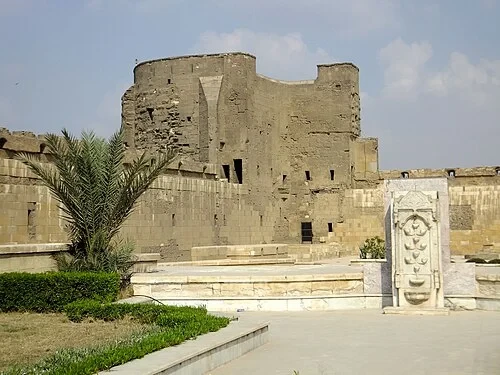 The Sand Tower (Burg Al-Ramla)Northeast Fortifications
Looking up at the northeast ramparts, the sheer scale of the Citadel's defenses becomes clear. These walls were built and reinforced over several centuries, and if you examine the masonry, you can see the 'handprints' of different eras. Notice the variations in the color and size of the stone blocks. The lower, more rugged sections often date back to the original Ayyubid period of the 12th century, while the smoother, more uniform masonry above typically represents Mamluk-era expansions. This area was critical to the Citadel's strategic layout. From this height, the ramparts offered an unobstructed view across the sprawl of Islamic Cairo, allowing guards to spot unrest in the city or approaching armies from miles away. The foundations are built directly into the bedrock of the hill, making tunneling nearly impossible for an invading force. As the seat of the Sultanate, these walls had to be both a functional shield and a visible symbol of power. Today, they remain one of the best-preserved examples of medieval military architecture in the Middle East, showcasing the evolution of fortification techniques in the Islamic world.
Listen in the appPhoto: R Prazeres · CC BY-SA 4.0
04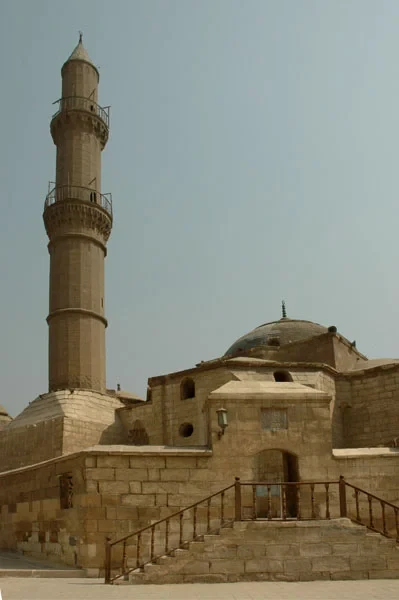 Sulayman Pasha MosqueSulayman Pasha Mosque
Following the Ottoman conquest of Egypt in 1517, the architectural landscape of the Citadel began to shift. This mosque, commissioned by the governor Sulayman Pasha in 1528, was the first in Egypt to be built entirely in the Ottoman style. The most striking departure from local traditions is the minaret. Unlike the heavy, tiered, and highly decorated Mamluk minarets you may see in the city below, this one is slender and 'pencil-shaped,' capped with a lead-covered conical roof. This needle-like silhouette became a hallmark of Ottoman authority across their empire. The mosque was not intended for the general public but rather as a private place of worship for the elite Janissary troops—the Sultan’s professional infantry who were stationed here at the Citadel. Its location within the northern enclosure, the primary military zone, reflects this function. While smaller than the grand mosques of the city, its refined proportions and imported style signaled a new era of governance. It served as a spiritual anchor for the garrison that maintained Ottoman control over the Nile Valley for nearly three hundred years.
Listen in the appPhoto: Baldiri · CC BY-SA 3.0
05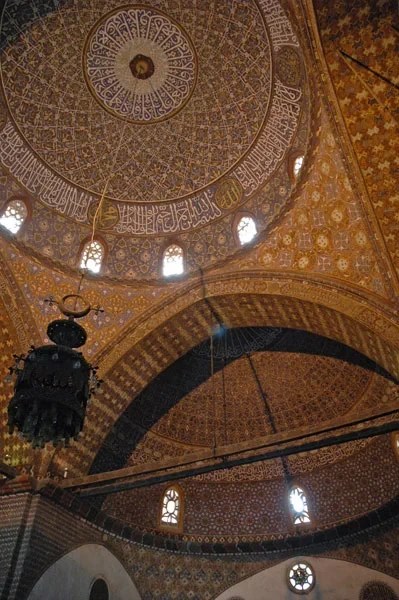 Sulayman Pasha MosqueThe Painted Dome
Gazing upward into the dome of the Sulayman Pasha Mosque, you are met with an explosion of color and geometry. The intricate patterns painted in vibrant blues, deep reds, and shimmering golds represent a fascinating moment of artistic fusion. During the early 16th century, craftsmen in Cairo began integrating the imperial aesthetics of Istanbul—known for its flowing floral motifs and Rumi-style patterns—with traditional Cairene geometric designs. The central medallion of the dome is often the focal point, featuring complex star-like arrangements that seem to expand infinitely. Surrounding this are bands of Arabic calligraphy, likely quoting verses from the Quran, which harmonize with the floral scrolls known as arabesques. This decoration was intended to draw the worshipper's eyes toward the heavens, creating a sense of divine order. The use of light is also carefully considered; small windows at the base of the dome allow sunbeams to play across the painted surfaces, making the gold leaf glint throughout the day. This interior remains one of the most complete and well-preserved examples of early Ottoman decorative art in all of North Africa.
Listen in the appPhoto: Baldiri · CC BY-SA 3.0
06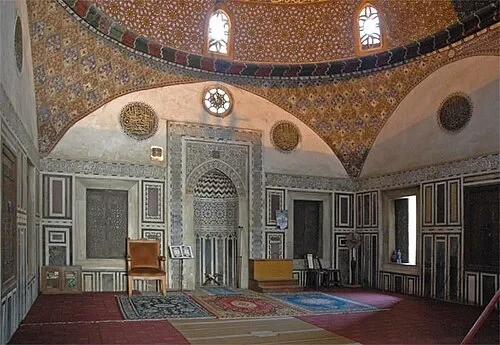 Sulayman Pasha MosqueThe Ottoman Sanctuary
The prayer hall of the Sulayman Pasha Mosque offers a sense of intimacy and calm that contrasts sharply with the massive stone fortifications just outside its doors. The walls are clad in exquisite marble panels, a luxurious touch that reflects the mosque's royal patronage. At the center of the wall facing Mecca is the mihrab, the prayer niche. Notice the delicate inlaid patterns of colored stone and mother-of-pearl that frame this sacred arch. This space was designed for the personal devotions of the Janissary elite, the Sultan's most trusted soldiers. The small scale of the hall creates a quiet, reflective environment, removed from the noise of the bustling garrison. Thick walls and small, high-set windows keep the interior cool and dim, focusing the worshipper's attention inward. While the exterior of the Citadel was built for war, this interior sanctuary was built for the soul. The transition from the sun-drenched, dusty parade grounds outside to this cool, marble-lined haven provides a glimpse into the private spiritual life of the soldiers who once guarded the most important fortress in the Ottoman Empire.
Listen in the appPhoto: Baldiri · CC BY-SA 3.0
07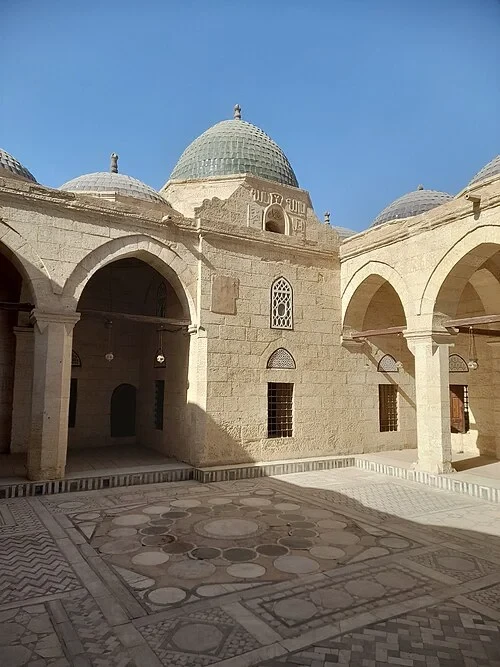 Sulayman Pasha MosqueThe Open Courtyard
Step into the sahn, the open-air courtyard that forms the heart of the Sulayman Pasha Mosque complex. One of its most distinctive features is the floor, which is paved with a sophisticated mosaic of colored marble. The geometric stars and interlocking patterns are not merely decorative; they demonstrate the high level of mathematical precision achieved by medieval craftsmen. This courtyard served several vital functions. Architecturally, it provided the surrounding rooms and the main prayer hall with essential light and ventilation in the desert heat. Socially, it was the primary gathering space for the soldiers and scholars attached to the mosque. Here, troops could perform their ritual ablutions before prayer, or gather for lessons and community discussions. The surrounding arcades, supported by elegant columns, offered shade and a sheltered walkway. In a fortress as densely packed as the Citadel, these open spaces were precious retreats. The blend of the bright, sunlit courtyard and the shaded galleries creates a rhythmic play of light that is a hallmark of Islamic architecture, turning a functional military facility into a place of aesthetic beauty.
Listen in the appPhoto: Amr F.Nagy · Public domain
08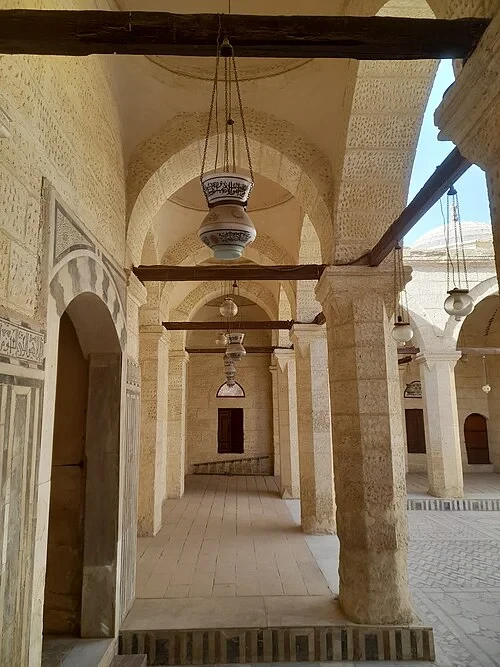 Sulayman Pasha MosqueThe Mosque Arcade
The covered walkways, or arcades, that border the courtyard provide a closer look at the mosque's construction. Notice the columns and the graceful arches they support. A particularly interesting detail is the use of dark timber beams spanning the gaps between the columns. This was a common local technique in Cairo; the wood acted as a tension member, helping the stone arches withstand the occasional seismic tremors of the region. It is a perfect example of how 'imported' Ottoman styles were adapted using time-honored Egyptian building methods. Suspended from the ceiling are traditional glass lamps. In the centuries before electricity, these would have been filled with oil and lit at dusk, casting a warm, flickering glow across the marble floors. The soft light reflecting off the stone would have created a serene atmosphere for evening prayers. The repetition of the arches and columns creates a sense of perspective and order, guiding the eye toward the entrance of the sanctuary. These arcades weren't just transit routes; they were spaces for contemplation, where the architecture itself encouraged a sense of peace and stillness amidst the surrounding military environment.
Listen in the appPhoto: Amr F.Nagy · Public domain
09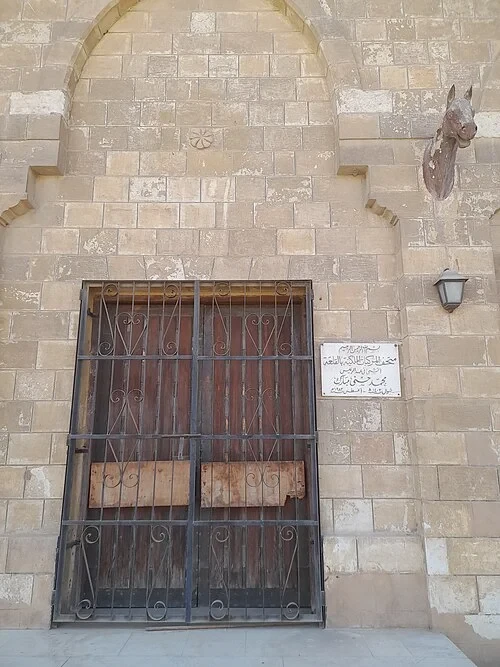 The Royal Carriage MuseumThe Carriage Museum
As you approach this building, you are entering the former royal stables of the Citadel, now home to the Royal Carriage Museum. Look up at the entrance gate, and you will see ornate carvings and metalwork featuring horse motifs. These aren't just decorative flourishes; they announce the building's original purpose. During the 19th and early 20th centuries, under the Muhammad Ali dynasty, these carriages were far more than simple transport. They were potent symbols of state power and modern prestige. A royal procession through the streets of Cairo was a choreographed display of wealth and authority, intended to impress both local subjects and visiting foreign dignitaries. The carriages housed here range from simple conveyances for family members to grand, gilded vehicles used for coronations and state visits. The dynasty invested heavily in these mobile masterpieces, often commissioning them from the finest workshops in Europe. By housing them in such a grand facility within the Citadel walls, the rulers emphasized that their authority was supported by both traditional military might and the refined trappings of a modern, international monarchy.
Listen in the appPhoto: Amr F.Nagy · Public domain
10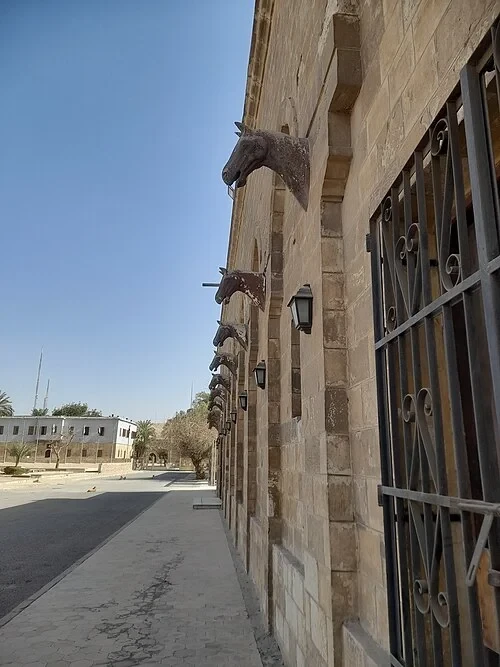 The Royal Carriage MuseumThe Stone Horse Sentinels
One of the most charming and literal architectural features of the museum is the row of stone horse heads protruding from the facade. These sculptures act as permanent signposts, identifying the building's historic role as the stables of the Muhammad Ali family. In the 19th century, this was a place of constant activity. The royal horses were prized possessions, often gifted by foreign leaders or bred from elite Arabian lineages. The care provided here was meticulous. A large staff of grooms, trainers, and veterinarians worked around the clock to ensure the horses were in peak condition for public ceremonies. The stables were designed with high ceilings and ventilation to keep the animals cool, and the architecture you see today reflects that functional yet grand design. These stone sentinels watch over what was once a site of immense pride for the Egyptian royalty. While the neighing of horses has long since been replaced by the quiet of a museum, these sculptures keep the building's equine heritage alive for every visitor who passes by.
Listen in the appPhoto: Amr F.Nagy · Public domain
Cairo Citadel
Frequently asked questions
How much does the guide cost?
Free app download. Listed guide price: $2.99. Guide price shown in the app. Audio guide only. Venue admission is separate.
Can I listen without internet?
Yes. Download the guide’s audio, images, and maps in the app before your visit. Your downloaded content is then available offline.
Can I listen in my language?
Stanza supports 15 languages. Check the app for the languages available for this guide.
Do I need to follow a schedule?
No. This is a self-guided experience. Choose your stops, pause whenever you like, and return to a story at your own pace.
At your own pace
Explore Cairo Citadel.
Download Stanza, then search for “Cairo Citadel”.
Free app download · Guide price shown in the app
Keep exploring
Nearby audio guides
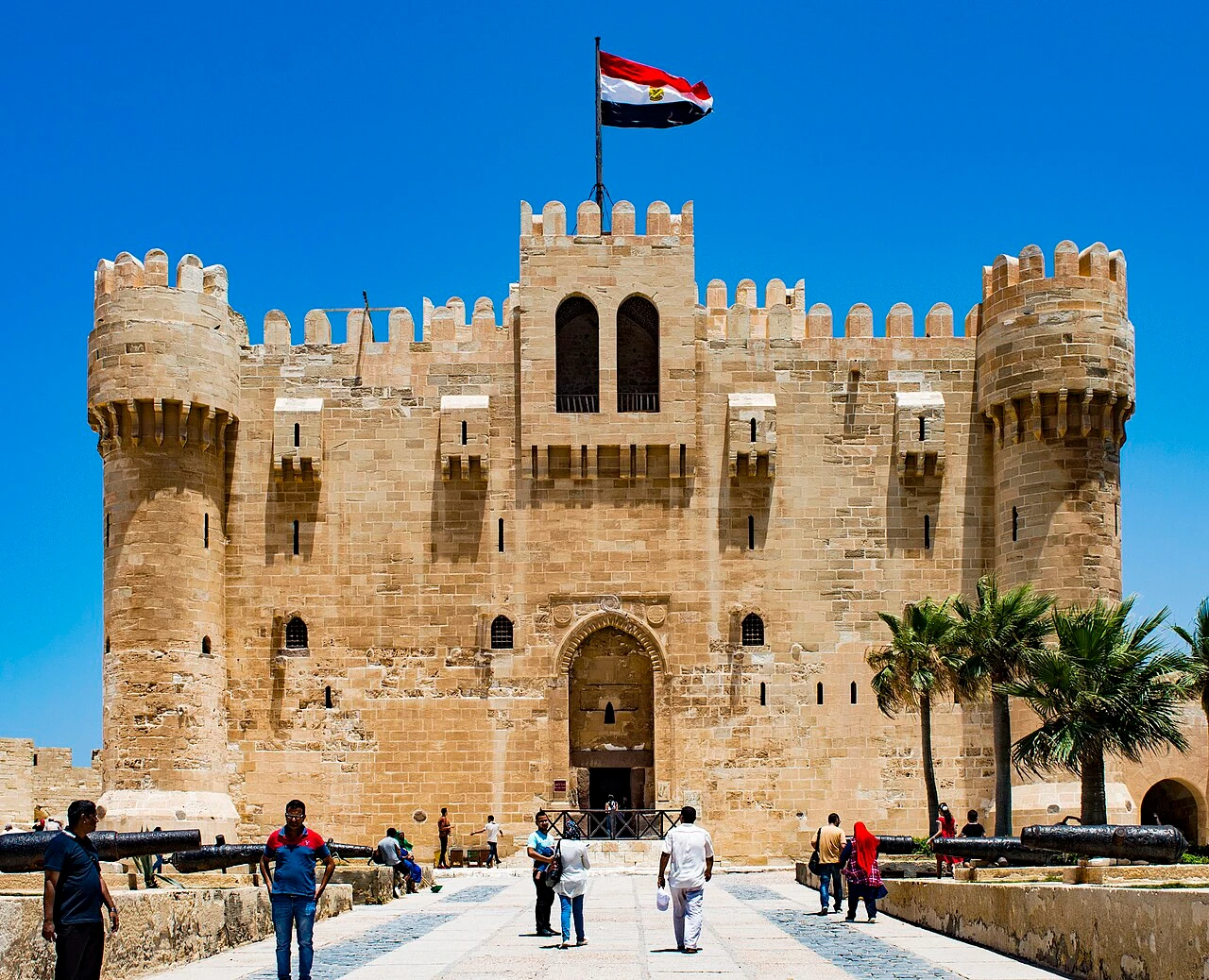
Alexandria
Citadel of Qaitbay
Content & sources
Ahnaf Saber · CC BY 3.0
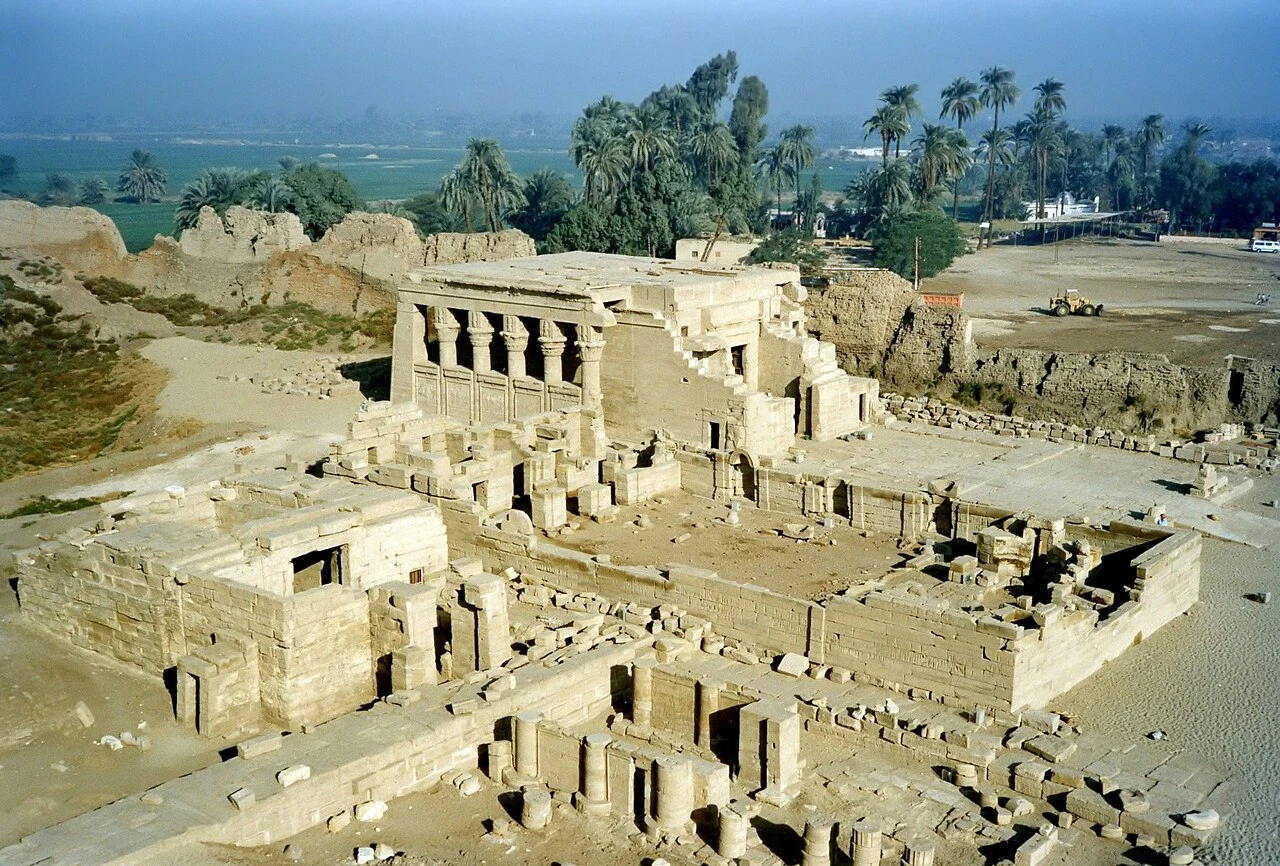
Dendera
Dendera Temple complex
Content & sources
Bernard Gagnon · CC BY-SA 3.0
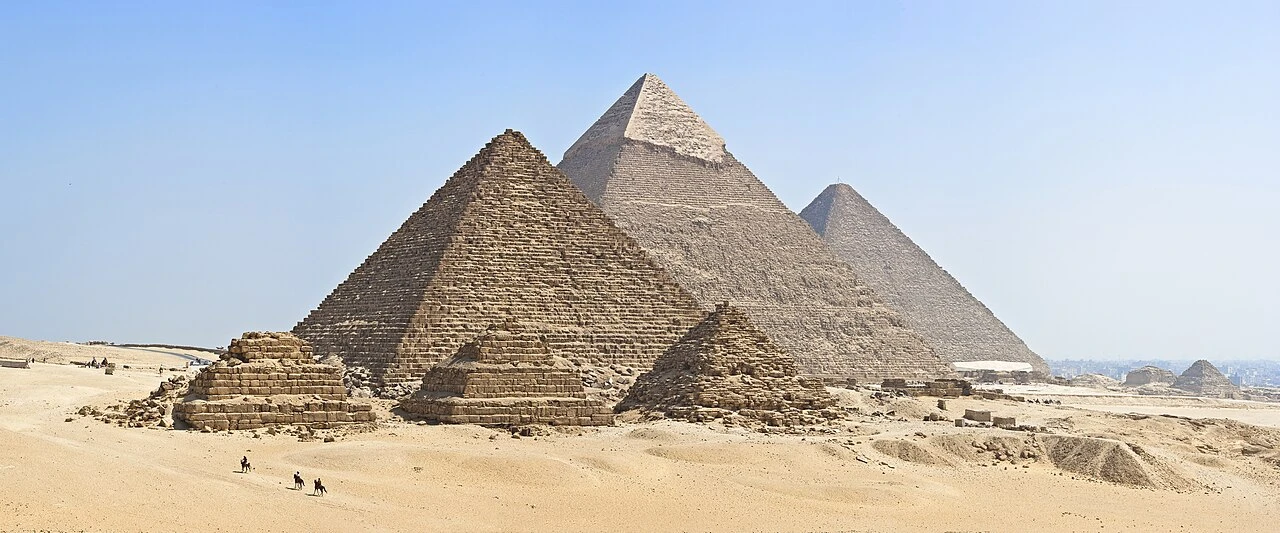
Giza
Giza pyramid complex
Content & sources
KennyOMG · CC BY-SA 4.0
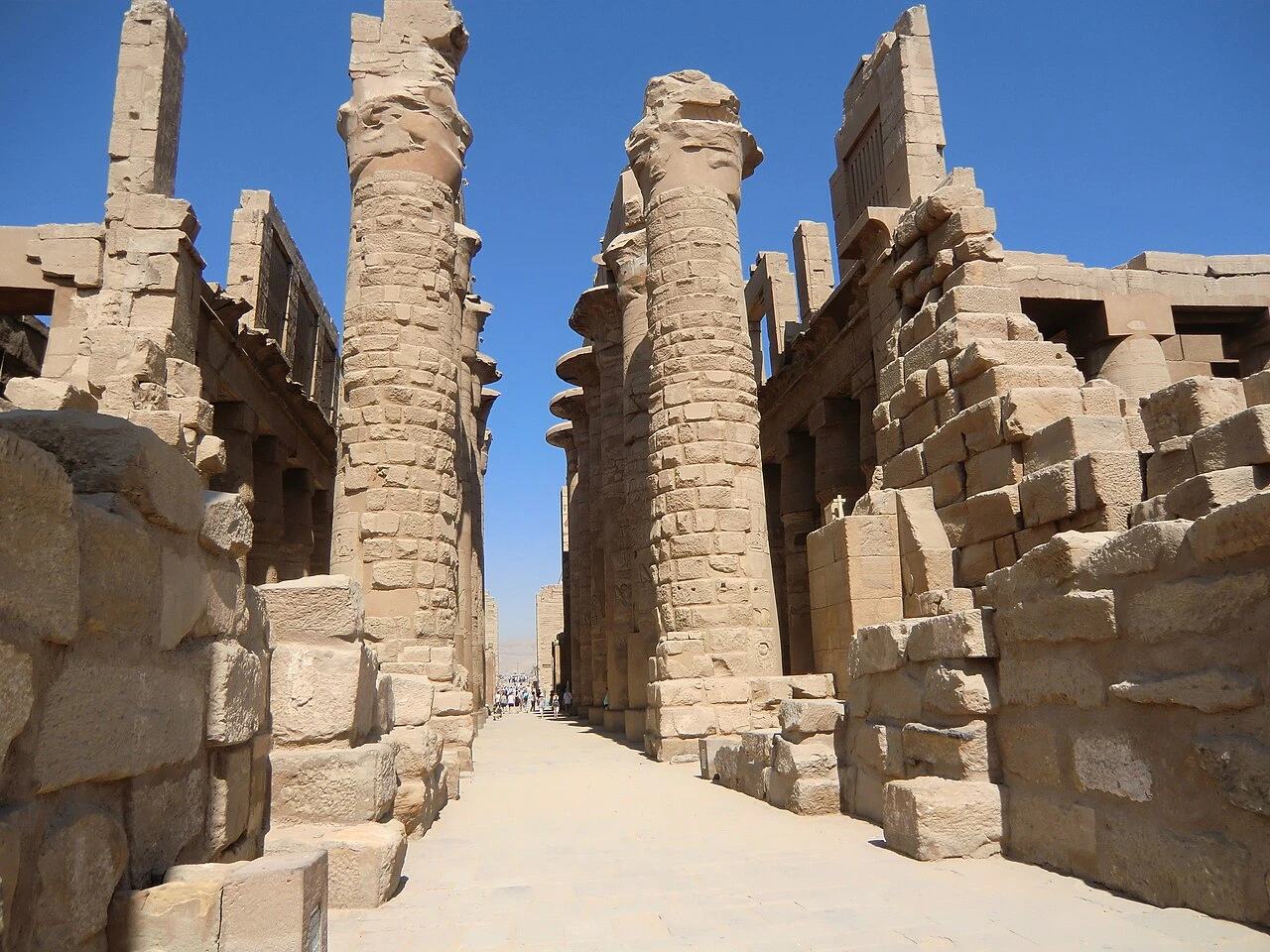
Old Karnak
Karnak Temple Complex
Content & sources
René Hourdry · CC BY-SA 4.0