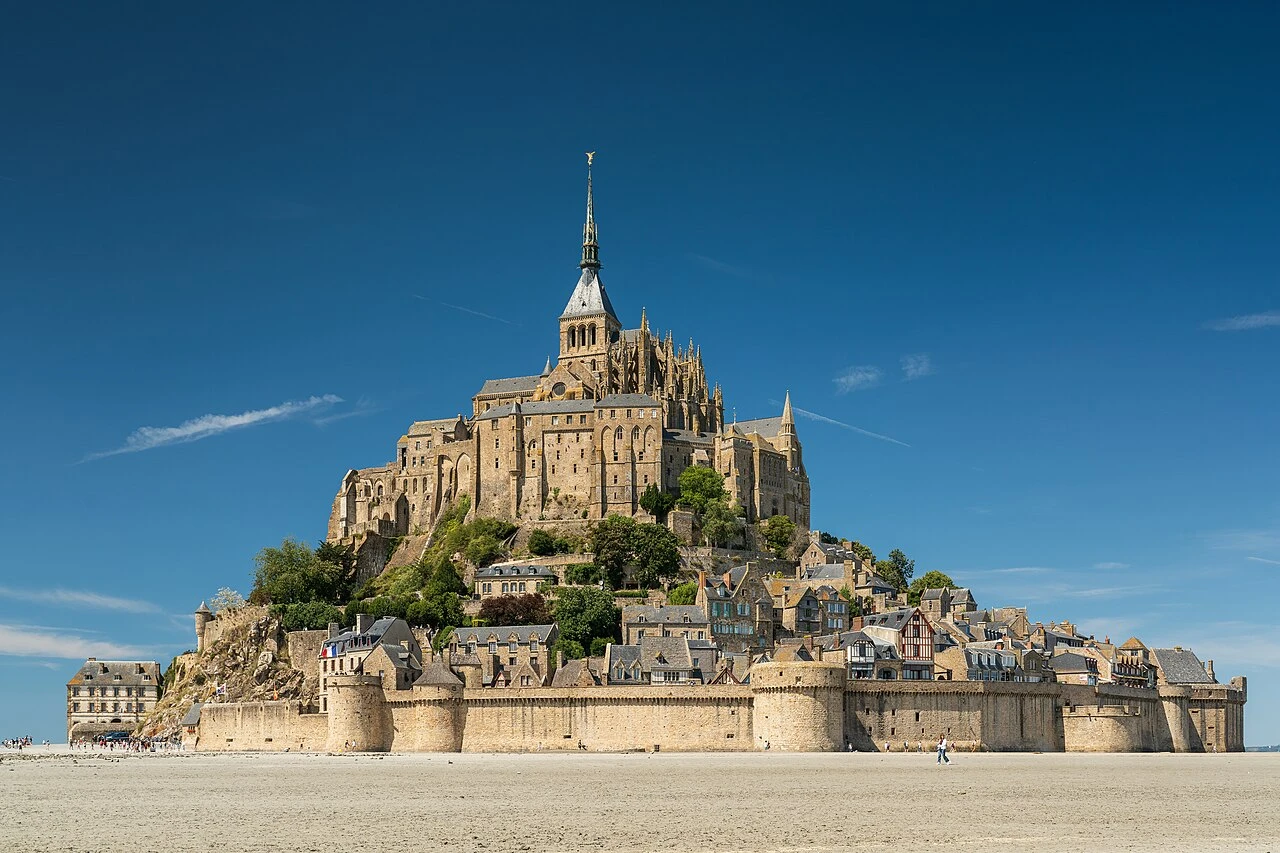
Stanza · Audio guide
Le Mont-Saint-Michel, Mont-Saint-Michel Abbey Audio guide
A place to remember. A story to take with you.
Mont Saint-Michel is a tidal island commune and a historic landmark in Normandy, France. It is renowned for its medieval Benedictine abbey and fortified village.
Download Stanza, then search for “Le Mont-Saint-Michel, Mont-Saint-Michel Abbey”.
About the tour
One guide. Your kind of visit.
Mont Saint-Michel is a tidal island commune and a historic landmark in Normandy, France. It is renowned for its medieval Benedictine abbey and fortified village.
Ready when you are.
- 01Get the free Stanza app.
iOS & Android
- 02Find your guide.
“Le Mont-Saint-Michel, Mont-Saint-Michel Abbey”
- 03Download before you go.
Works offline
Audio guide / 44 narrated stops
Inside the guide
Get to know a few of the stories before you go. Open a stop to read more.
01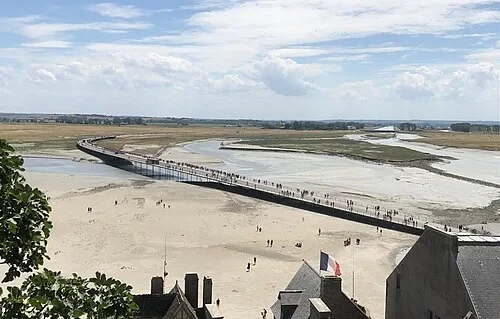 Mont Saint-Michel Causeway BridgeMont Saint-Michel Footbridge
Welcome to one of the most iconic sites in France. As you make your way toward the mount, you are crossing a 760-meter-long footbridge completed in 2014. For over a century, a solid earthen causeway served as the primary access road, but it had a detrimental effect on the local environment. By blocking the natural movement of the sea, the old causeway caused sand and silt to accumulate around the base of the mount, slowly turning it into a peninsula. This elevated bridge was engineered specifically to solve that problem. Resting on hundreds of slender pillars, it allows the seawater to flow freely underneath. This constant movement helps wash away the sediment, restoring the natural hydraulic system of the bay. During the highest tides, the waters now completely surround the rock once again, returning Mont-Saint-Michel to its rightful status as a true island. The design is deliberately minimalist, intended to provide a functional path for visitors while ensuring the breathtaking silhouette of the abbey remains the undisputed focal point of the horizon.
Olaf Meister · CC BY-SA 4.0
02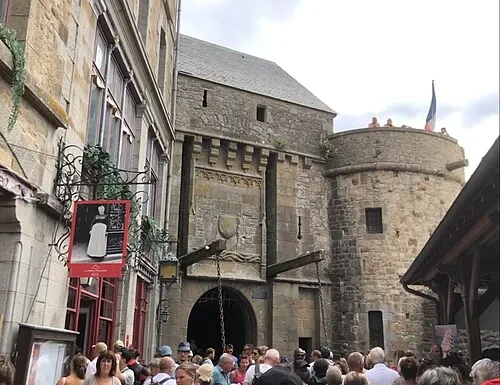 King's Gate (Porte du Roy)King's Gate
Moving toward the village entrance, you encounter the King’s Gate, or Porte du Roy. Constructed in the 15th century, this was the primary defensive threshold for the town. Notice the slot for the portcullis—the heavy iron or wooden grate that could be dropped instantly to seal off the interior. The gate also features a functional drawbridge, which was essential for securing the mount against invaders. During the medieval period, this spot was a bustling checkpoint where guards closely monitored everyone from humble pilgrims to wealthy merchants. Passing through this archway meant entering the protection of the mount’s fortifications. Once inside, you find yourself at the start of the 'Grande Rue', the narrow, winding main street that climbs toward the abbey. Even today, the sheer scale of the stone arch and the proximity of the defensive walls suggest the immense strategic value placed on this single point of entry. It remains a well-preserved example of 1400s military architecture, designed to be both a welcoming entrance for the faithful and an impassable barrier for those with hostile intent.
Olaf Meister · CC BY-SA 4.0
03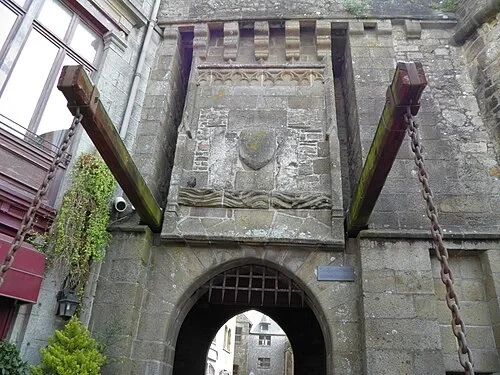 King's Gate (Porte du Roy)Defensive Chains and Stone
Looking closely at the gatehouse structure, the heavy iron chains and massive granite masonry tell a story of rigorous defensive planning. These chains are part of the original mechanism used to raise and lower the drawbridge, a system that relied on counterweights and human strength to operate. The stone facade above the archway is not just for strength; it served as a display of prestige and power, often featuring the heraldry of the town. Above the opening, you can see machicolations—floor openings built into the projecting gallery. These allowed defenders to drop heavy stones or scalding liquids directly onto anyone attempting to breach the gate below without exposing themselves to return fire. The choice of granite for the masonry was a practical one, as the local stone is incredibly hard and resistant to both the salt-heavy air and the physical impact of medieval siege engines. Every element here, from the thickness of the mortar to the placement of the iron fittings, was engineered to turn the gatehouse into a self-contained fortress capable of withstanding prolonged attacks from the surrounding bay.
Listen in the appPhoto: Gzen92 · CC BY-SA 4.0
04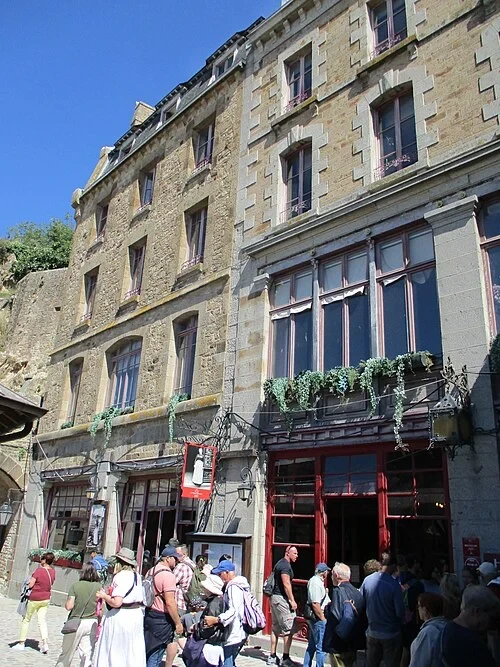 La Mère PoulardLa Mère Poulard Hotel and Restaurant
One of the most famous landmarks in the village is this hotel and restaurant, founded by Anne Boutiaut in 1888. Known affectionately as Mère Poulard, she arrived on the island as a young cook and quickly realized that pilgrims arriving from the mainland were often exhausted and famished. Because the tides dictated when people could arrive and leave, she needed a way to serve hot, nourishing food quickly. Her solution was the wood-fired omelet, cooked in long-handled copper pans over a massive open hearth. This simple yet effective dish became a culinary sensation and defined the island's hospitality for over a century. The restaurant's reputation grew so much that it attracted celebrities, royalty, and travelers from around the globe. Beyond the food, Anne Boutiaut was a pioneer of the local tourism industry, setting a high standard for service in what was once a very rugged and isolated environment. Today, the tradition continues, with the restaurant maintaining the same wood-burning methods and welcoming atmosphere that first made it a staple of the Mont-Saint-Michel experience.
Listen in the appPhoto: Arnaud 25 · CC BY-SA 4.0
05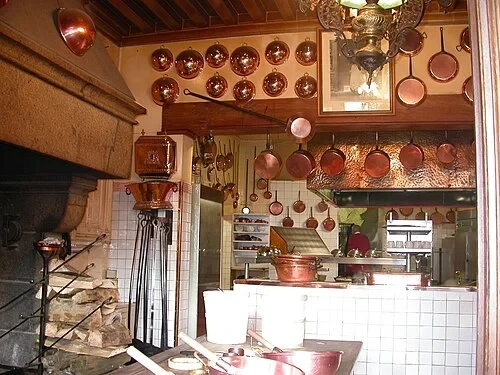 La Mère PoulardThe Copper Kitchen
Stepping inside the kitchen of La Mère Poulard, you are met with a display of gleaming copper pans lining the walls and a large, traditional open hearth. The use of copper is not just for aesthetics; it is the preferred material for its superior heat conductivity, which is essential for the restaurant’s signature cooking style. One of the most distinctive aspects of this kitchen is the sound. Before the omelets reach the fire, the eggs are whisked in large copper bowls with a specific, rhythmic cadence. This steady beat has become a hallmark of the restaurant’s atmosphere, audible even to those walking by on the street outside. This technique incorporates a significant amount of air into the eggs, resulting in the soufflé-like texture for which the dish is famous. The chefs follow the exact same methods used in the late 19th century, maintaining a link to the culinary history of the mount. The intense heat from the wood fire and the coordinated movements of the staff provide a glimpse into a kitchen that prioritizes traditional craftsmanship over modern convenience.
Listen in the appKoichi Shibata · CC BY-SA 3.0
06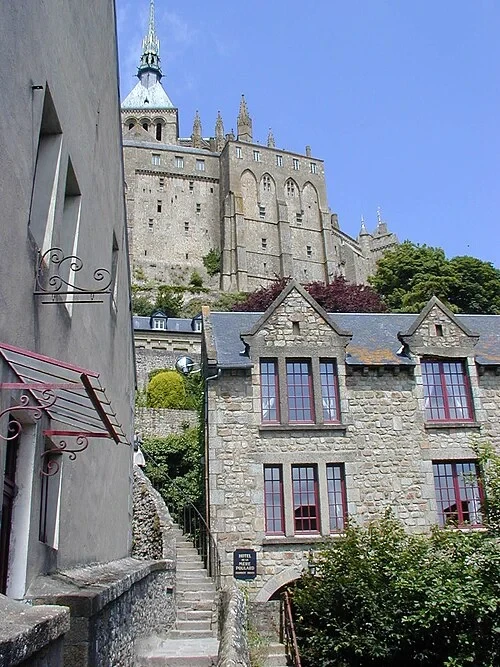 Grande RueVertical Urbanism
From this vantage point, the unique verticality of Mont-Saint-Michel becomes strikingly clear. Because the island is essentially a steep granite rock, there was no room for traditional horizontal urban planning. Instead, the village houses are stacked on top of one another, clinging to the slopes and spiraling upward in a dense, tight-knit cluster. This layout serves as a perfect physical representation of the medieval social hierarchy. At the very base of the rock, near the gates and the water, lived the commoners—the merchants, fishermen, and laborers who supported the mount's daily life. Moving higher up, the defensive walls and military structures provided a middle layer of protection. Finally, at the very summit, the abbey dominates the skyline, placing the monks closest to God and physically above the secular world. This tiered arrangement ensured that every inch of usable space was occupied, with narrow alleyways and steep staircases serving as the only arteries through the town. The result is a complex, multi-layered architecture where the roof of one house often serves as the terrace for the one above it.
Listen in the appPhoto: Semnoz · CC BY-SA 3.0
07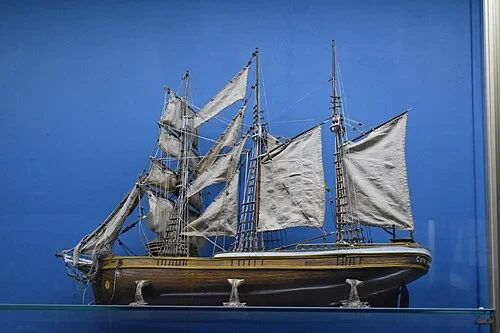 Maritime MuseumMaritime Museum
Inside the Maritime Museum, the focus shifts to the unique and often perilous relationship between the mount and the sea. The bay surrounding Mont-Saint-Michel experiences some of the most dramatic tidal changes in the world. During the spring tides, the water can rush in at a speed of nearly 60 meters per minute—a phenomenon traditionally described as "the speed of a galloping horse." Navigating these shifting sands and unpredictable currents required specialized knowledge and equipment. For centuries, the inhabitants relied on flat-bottomed boats designed to sit safely on the sand when the tide went out, rather than tipping over. These vessels were essential for transporting stone for the abbey's construction, bringing in supplies, and even moving livestock across the bay. The models on display here illustrate the evolution of these nautical designs, showing how shipbuilders adapted to the specific challenges of a landscape that is half-sea and half-desert. Understanding this maritime heritage is key to appreciating why the mount was so difficult to reach—and so easy to defend.
Listen in the appPhoto: Tylwyth Eldar · CC BY-SA 4.0
08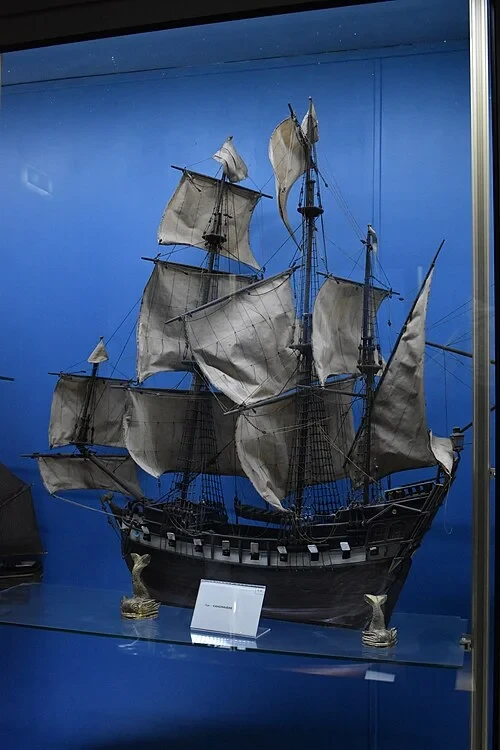 Maritime MuseumMaritime Defense Model
While Mont-Saint-Michel is world-famous as a monastery, this ship model highlights its equally important role as a strategic naval fortress. Notice the intricate rigging and the sturdy design of the vessel; it represents the type of maritime power needed to control the waters of the English Channel. During the Hundred Years' War, the mount became a symbol of French resistance. It was one of the few places in northern France that never fell to the English, despite numerous sieges and long-term blockades. The French navy used the island as a secure base, allowing them to harass English supply lines and maintain a foothold in the region. The height of the rock provided an ideal lookout point for spotting incoming fleets long before they reached the shore. This military dimension was inseparable from the religious life of the monks, as the defense of the sanctuary was seen as a holy duty. The maritime artifacts here serve as a reminder that for much of its existence, the survival of the mount depended as much on the strength of its ships as it did on the thickness of its walls.
Listen in the appPhoto: Tylwyth Eldar · CC BY-SA 4.0
09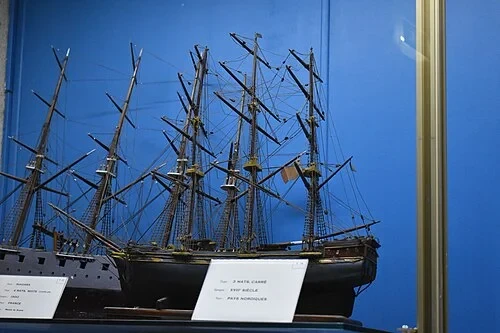 Maritime MuseumThe Art of the Sail
The multi-masted design of this ship model is a testament to the advanced sailing technology of previous centuries. It also brings to mind the traditional name for this site: "St. Michael in peril of the sea." This title was not given lightly; the bay is one of the most dangerous environments in Europe due to its unpredictable quicksand and extreme tides, which can reach a height of 14 meters. Countless shipwrecks and drownings have occurred here over the centuries as vessels were caught by the rapidly rising waters or grounded on shifting sandbanks. Sailors had to be master navigators, timing their movements perfectly with the lunar cycles that governed the tides. The model captures the complexity of the sails and ropes required to harness the wind while contending with these powerful natural forces. For the people living on the mount, the sight of a ship safely navigating the bay was often a cause for relief and prayer. This nautical history is woven into the very identity of the island, where the sea is both a protector that isolates the rock from enemies and a constant presence for those who traverse it.
Listen in the appPhoto: Tylwyth Eldar · CC BY-SA 4.0
10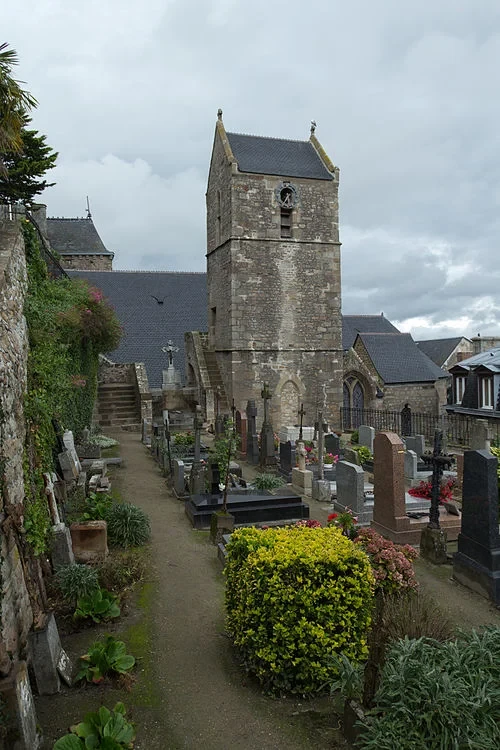 Church of Saint-PierreSaint Peter's Church
While the grand abbey at the summit captures most of the attention, the Church of Saint-Pierre is the true heart of the local community. This is the parish church, serving the village's residents rather than the monastic order. Its architecture is notably different from the soaring Gothic heights of the abbey above; the sturdy, relatively low stone tower reflects a more humble, practical approach to worship. Parts of this building date back to the 11th century, making it one of the oldest structures on the mount. For a thousand years, this has been where the island's blacksmiths, innkeepers, and fishermen have gathered for baptisms, weddings, and funerals. Inside, the space is intimate and quiet, offering a contrast to the bustling tourist crowds in the 'Grande Rue' just outside. It remains an active place of worship, maintaining a tradition of faith that is separate from the grand architectural statements of the monks. The simple stone walls and local character of the church provide a grounded perspective on the everyday lives of the people who have called this rock home for generations.
Listen in the appPhoto: EdouardHue · CC BY-SA 3.0
Le Mont-Saint-Michel, Mont-Saint-Michel Abbey
Frequently asked questions
How much does the guide cost?
Free app download. Listed guide price: $2.99. Guide price shown in the app. Audio guide only. Venue admission is separate.
Can I listen without internet?
Yes. Download the guide’s audio, images, and maps in the app before your visit. Your downloaded content is then available offline.
Can I listen in my language?
This audio guide is available in 15 languages, including English.
Do I need to follow a schedule?
No. This is a self-guided experience. Choose your stops, pause whenever you like, and return to a story at your own pace.
At your own pace
Explore Le Mont-Saint-Michel, Mont-Saint-Michel Abbey.
Download Stanza, then search for “Le Mont-Saint-Michel, Mont-Saint-Michel Abbey”.
Free app download · Guide price shown in the app
Keep exploring
Audio guides — France
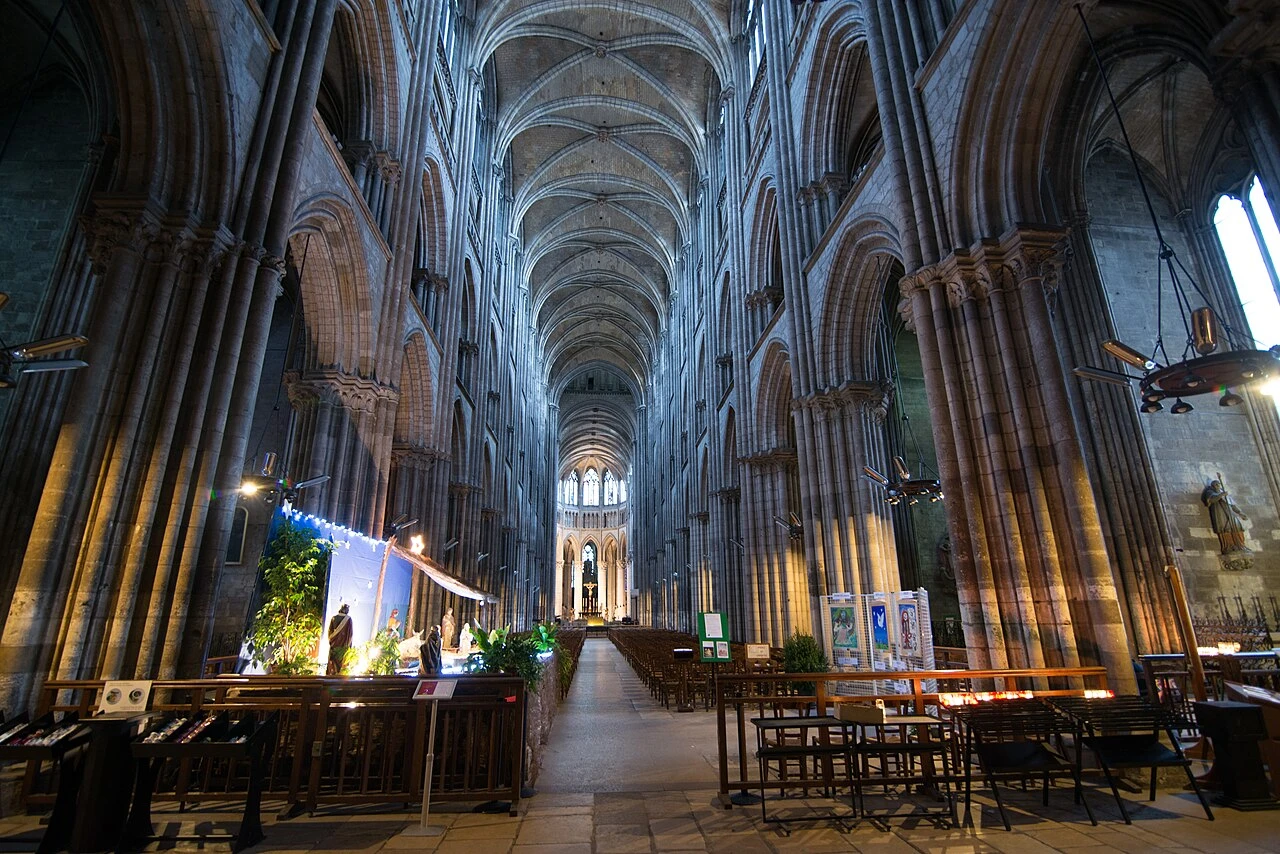
Rouen
Rouen Cathedral
Content & sources
Jorge Láscar from Melbourne, Australia · CC BY 2.0
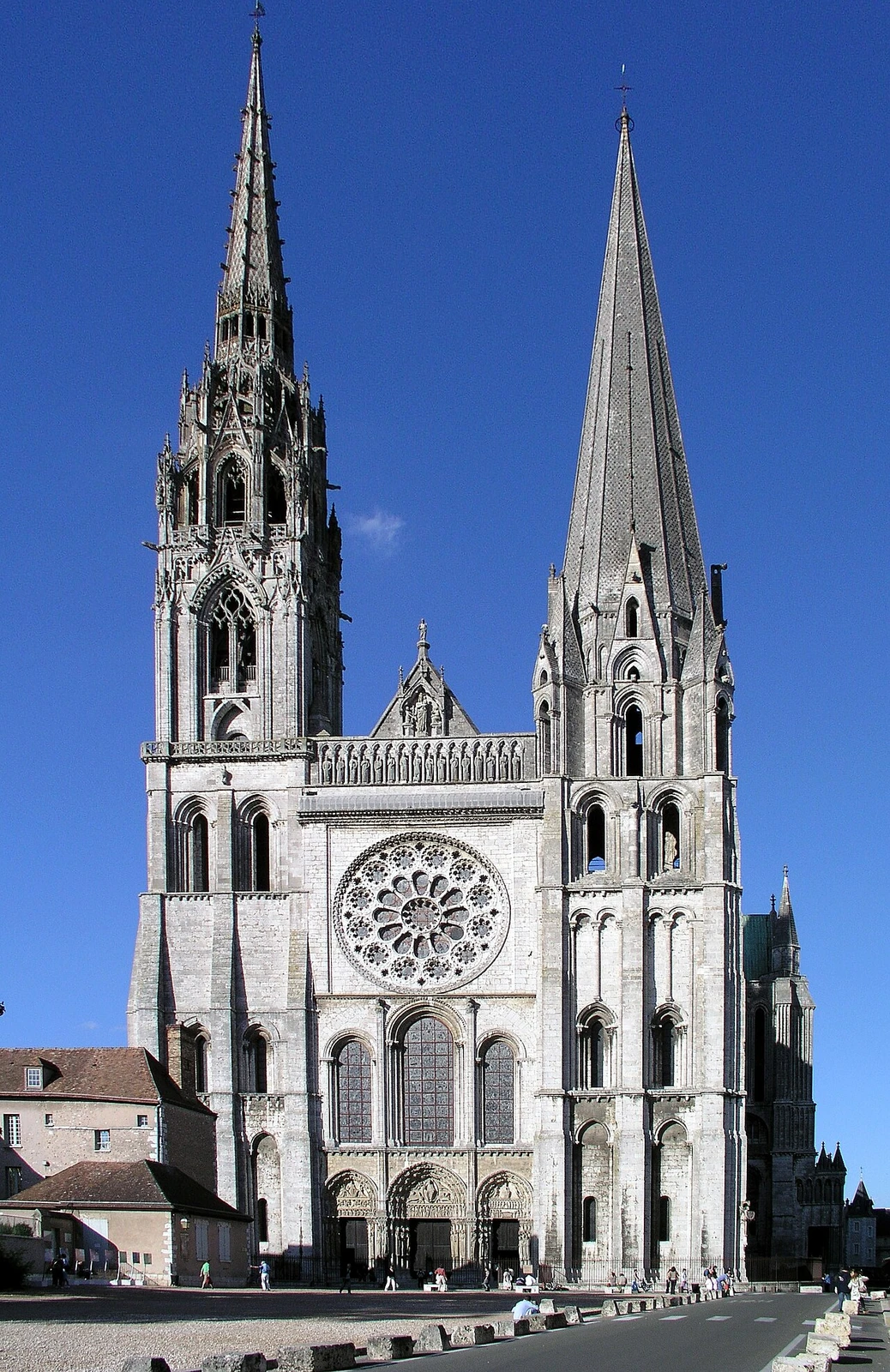
Chartres
Chartres Cathedral
Content & sources
BT · Public domain
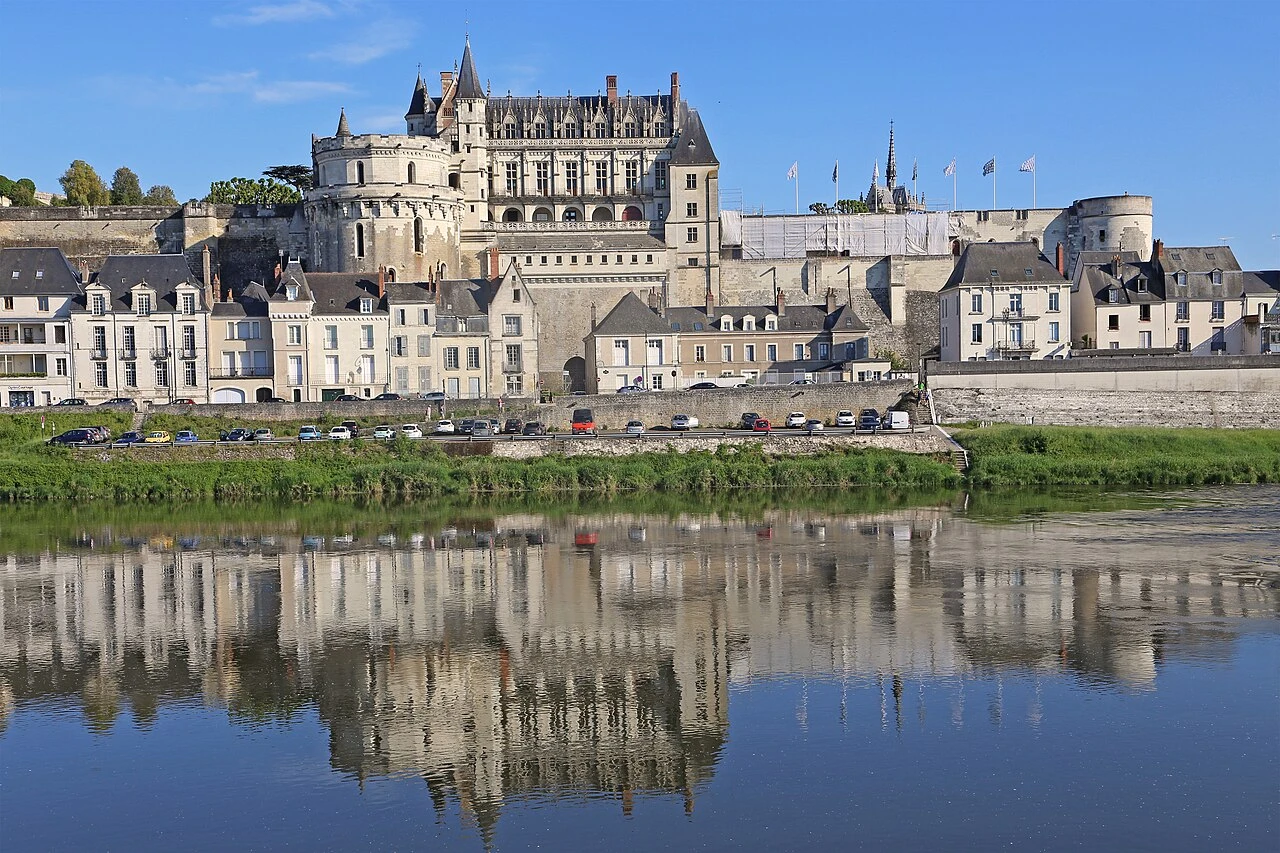
Amboise
Château d'Amboise
Content & sources
Photo: W. Bulach · CC BY-SA 4.0
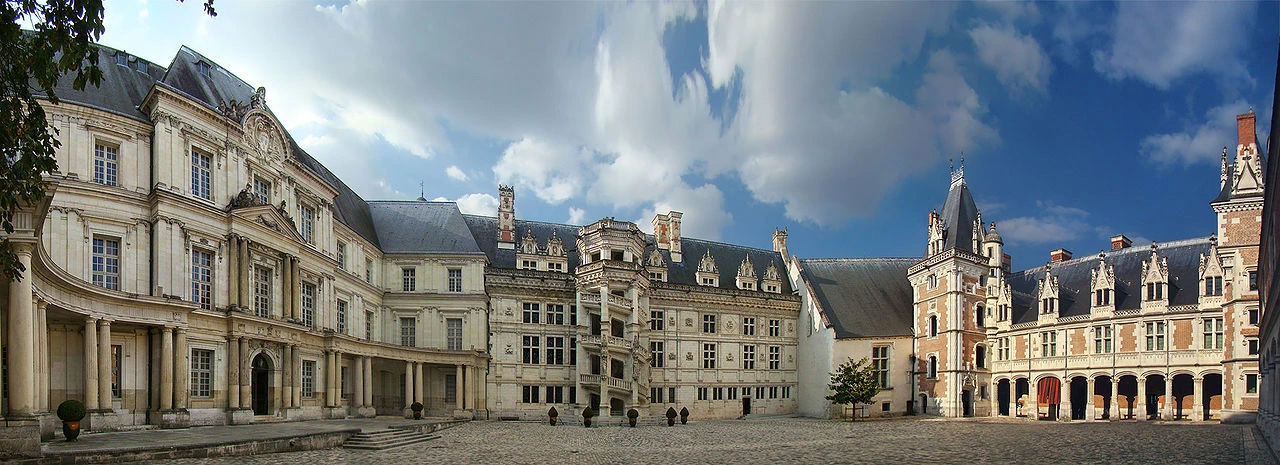
Blois
Château de Blois
Content & sources
Photo: Tango7174 · CC BY-SA 4.0